Best Ultrawide Monitors for Productivity and Multitasking
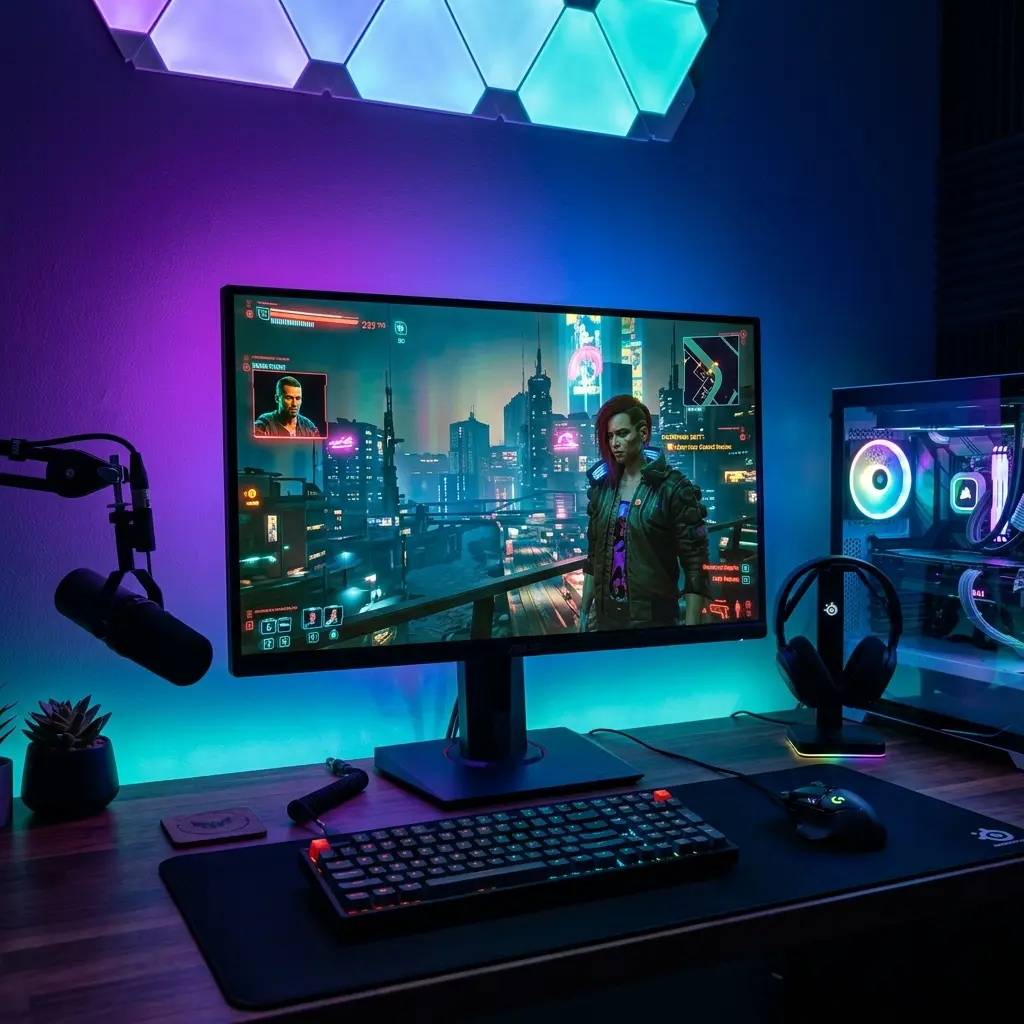
Ultrawide monitors enhance productivity and multitasking by providing expansive screen real estate and immersive experiences.
Physical Aspects and Resolution
Ultrawide monitors typically feature a 21:9 aspect ratio, providing a wider field of view than standard monitors. Resolutions often range from Full HD (2560x1080) to 4K (3840x1600), catering to diverse user needs.
Performance and Technology
Modern ultrawide displays utilize advanced technologies like IPS or VA panels for enhanced color accuracy and contrast. Features such as 144Hz refresh rates and adaptive sync technologies improve responsiveness, especially in tasks requiring fast motion.
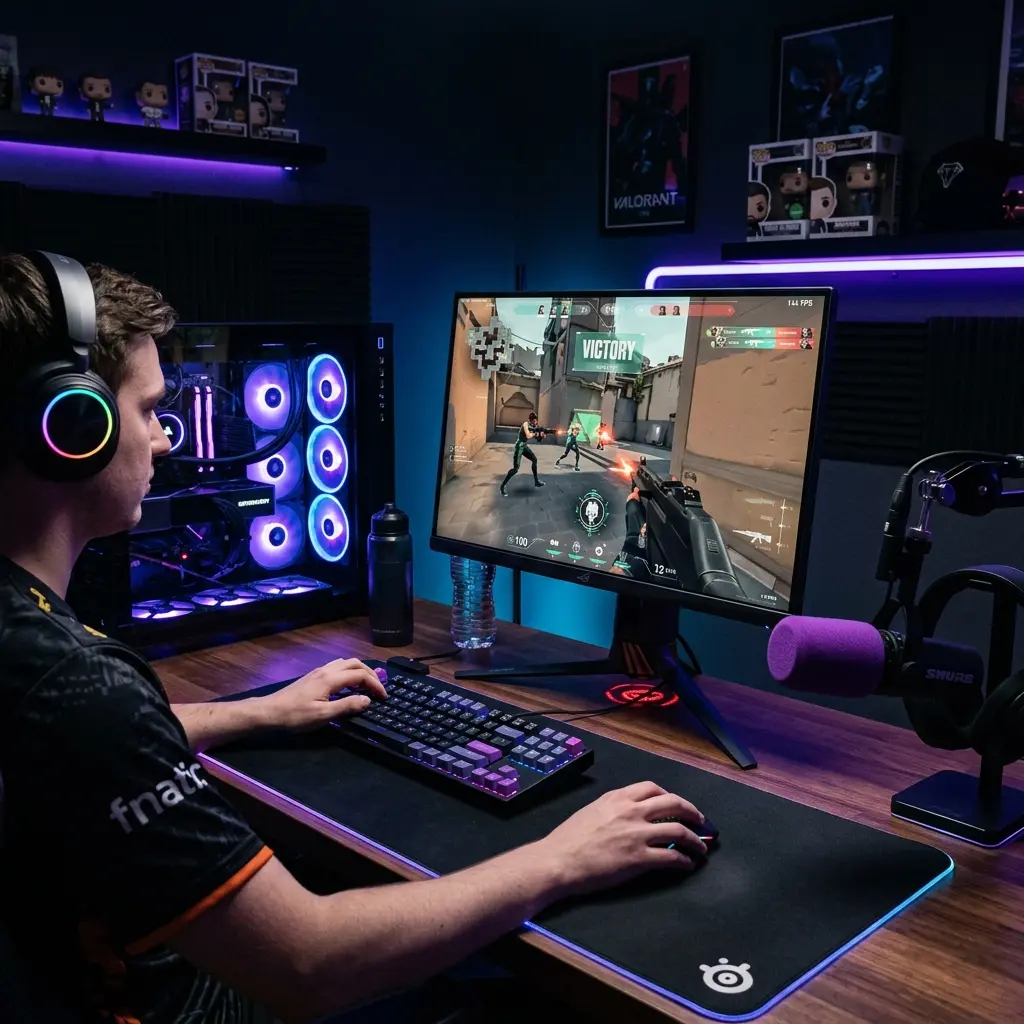
Ergonomics and Visual Comfort
Adjustable stands and VESA compatibility are common in ultrawide monitors, allowing for optimal positioning. Anti-glare coatings and blue light filtering technologies contribute to reduced eye strain during prolonged use.
| Monitor Model | Resolution | Refresh Rate | Panel Type | Price |
|---|---|---|---|---|
| LG 34WN80C-B | 3440x1440 | 60Hz | IPS | $699 |
| Samsung Odyssey G9 | 5120x1440 | 240Hz | VA | $1,199 |
| ASUS ProArt PA34VC | 3440x1440 | 100Hz | IPS | $999 |
| Acer Predator X38 | 3840x1600 | 175Hz | IPS | $1,899 |
Materials and Durability
High-quality ultrawide monitors are often built with robust materials, including aluminum and durable plastics. Good thermal management is essential for longevity, especially in high-performance models.
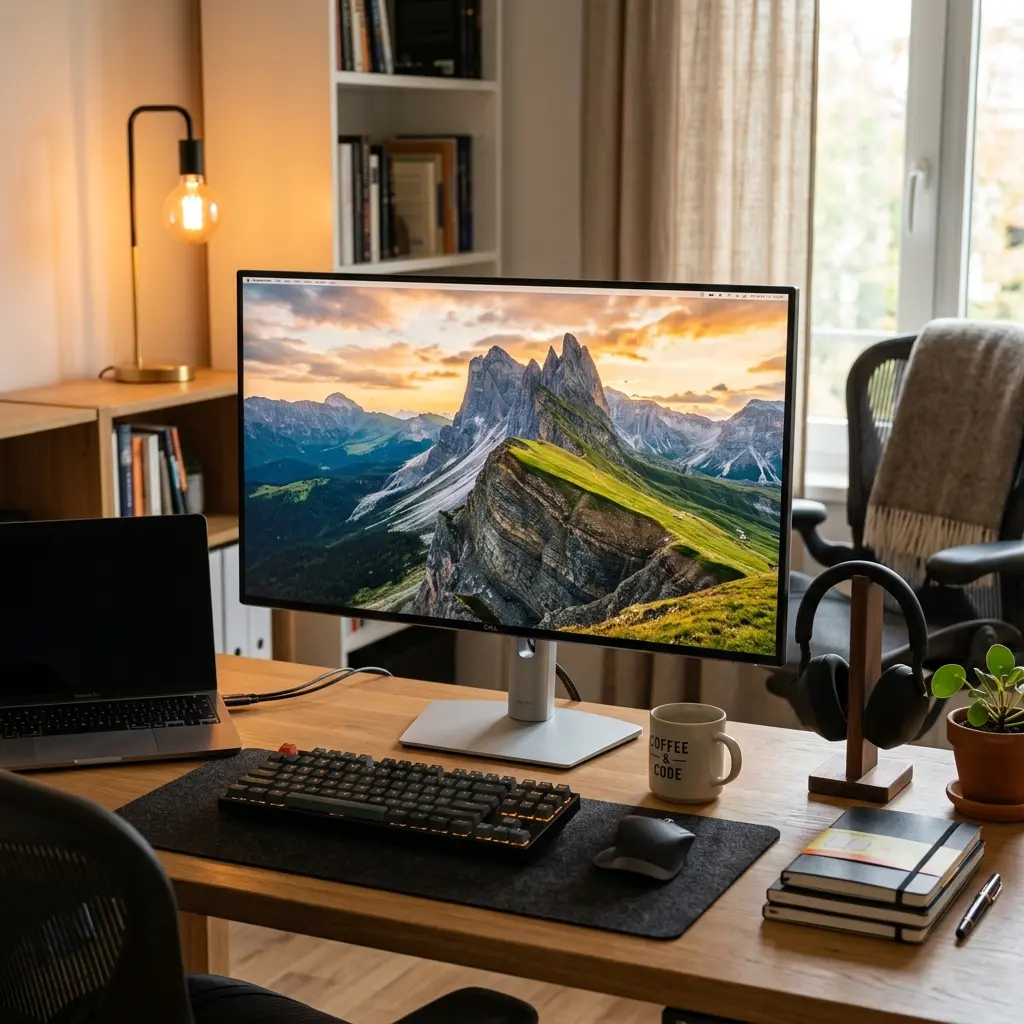
DomineTec Tip: Consider using a monitor arm to optimize viewing angles and save desk space, enhancing overall ergonomics.
Buying Recommendations and Brands
Leading brands in the ultrawide monitor market include LG, Dell, Samsung, and ASUS, known for their quality and innovation. Each brand offers a range of models with unique features tailored for various productivity needs.

- Determine the required resolution and aspect ratio for your tasks.
- Consider refresh rates for smoother visuals in dynamic applications.
- Evaluate panel types for color accuracy and viewing angles.
- Look for ergonomic features like height adjustment and tilt.
- Research warranty and customer support options from brands.
Value Analysis and Verdict
Investing in a high-quality ultrawide monitor can significantly enhance productivity and multitasking capabilities. The right choice balances features, performance, and budget, ensuring optimal user satisfaction.
Connectivity Options and Compatibility
When selecting an ultrawide monitor, connectivity options play a crucial role in ensuring compatibility with various devices. Commonly, ultrawide monitors come equipped with HDMI, DisplayPort, and USB-C ports, allowing for versatile connections to laptops, desktops, and gaming consoles.
USB-C ports are particularly advantageous for modern laptops, as they not only transmit video and audio signals but also provide power delivery, reducing cable clutter. Additionally, some monitors offer multiple HDMI and DisplayPort inputs, enabling seamless switching between devices.
Compatibility with various operating systems is also an important consideration. Most ultrawide monitors are designed to work with Windows and macOS, but some features, such as picture-in-picture or split-screen functionalities, may vary depending on the platform.
Furthermore, users should consider the need for additional adapters or hubs, especially when connecting to older devices. Ensuring that the monitor can connect effortlessly to your existing technology will enhance the overall user experience.
Color Accuracy and Calibration
Color accuracy is vital for professionals in fields such as graphic design, video editing, and photography. Many ultrawide monitors advertise high color fidelity, yet it is essential to look for models that cover a wide color gamut, such as sRGB, Adobe RGB, or DCI-P3.
Calibration capabilities can significantly impact color performance. Some monitors come pre-calibrated from the factory, while others may require user calibration to achieve optimal color accuracy. Tools such as colorimeters can assist in this process, ensuring consistent results across different devices.
Moreover, look for features like hardware calibration support, which allows users to adjust settings without affecting the monitor's color profile. This can be particularly beneficial for professionals who require precise color matching in their work.
In addition to calibration, factors like brightness uniformity and contrast ratio also influence the overall color performance. A monitor that excels in these areas will provide a more immersive viewing experience, enhancing productivity in color-critical tasks.
Screen Curvature and Viewing Angles
The curvature of an ultrawide monitor can significantly affect the viewing experience. Curved screens are designed to provide a more immersive experience by wrapping the edges of the display around the viewer's field of vision, which can enhance focus during extended work sessions.
However, the degree of curvature can vary among models, with options ranging from gentle curves to more pronounced arcs. A steeper curvature may benefit users who sit closer to the screen, while a subtle curve may be preferable for those who work at a distance.
Another consideration is the viewing angles. High-quality ultrawide monitors typically utilize IPS technology, which offers wider viewing angles and better color consistency. This is particularly important in collaborative environments where multiple users may be viewing the screen simultaneously.
Ultimately, the choice between a flat and curved display should be based on personal preference and the intended use case. Users should carefully assess their workspace and typical usage scenarios before making a decision.
Multitasking Features and Software Compatibility
Ultrawide monitors often come equipped with features that facilitate multitasking, such as split-screen capabilities and picture-by-picture modes. These functionalities can significantly improve productivity by allowing users to view multiple applications simultaneously without the need for multiple displays.
Many monitors include proprietary software that enhances multitasking features. For instance, some brands offer screen management tools that allow users to customize window layouts and control multiple applications easily, increasing workflow efficiency.
Compatibility with third-party productivity software is also crucial. Users should ensure that their preferred applications can take full advantage of the monitor's resolution and aspect ratio, as some software may not be optimized for ultrawide displays.
In addition, operating systems have begun improving their support for ultrawide monitors, offering features like virtual desktops and improved task management. This makes it easier for users to switch between tasks and utilize the full potential of an ultrawide setup.
Gaming Capabilities and Performance
For users who wish to combine productivity with gaming, the gaming capabilities of an ultrawide monitor are paramount. Many ultrawide models offer high refresh rates and low response times, which are essential for an optimal gaming experience.
Support for adaptive sync technologies like NVIDIA G-Sync and AMD FreeSync can also enhance gameplay by reducing screen tearing and stuttering. This compatibility can significantly improve the gaming experience, particularly in fast-paced titles.
Additionally, features such as HDR (High Dynamic Range) support can elevate visual quality, providing richer colors and deeper contrast. This is particularly beneficial in immersive gaming scenarios and can also enhance video editing and content creation.
However, gamers should consider their hardware capabilities, as running games at ultrawide resolutions can be demanding. Ensuring that your graphics card can handle the increased resolution will contribute to a smoother gaming experience.
Environmental Impact and Energy Efficiency
As sustainability becomes increasingly important, the environmental impact of electronic devices, including ultrawide monitors, is a growing concern. Many manufacturers are making efforts to produce energy-efficient models that consume less power and have a reduced carbon footprint.
Look for monitors that comply with energy efficiency standards such as Energy Star or TCO Certified, which signify a commitment to reducing energy consumption. These certifications can guide users toward more environmentally friendly options.
Additionally, consider the materials used in the construction of the monitor. Manufacturers that prioritize recyclable materials and environmentally responsible production processes contribute to reducing waste and promoting sustainability.
Understanding the long-term impact of your purchase can also lead to more informed decisions. Choosing energy-efficient and sustainably produced products can help reduce your overall environmental impact while also lowering electricity costs.
Future-Proofing and Technological Advancements
As technology continues to evolve, future-proofing your ultrawide monitor can be an essential consideration. Investing in a model with the latest connectivity options, such as HDMI 2.1 or USB-C, can ensure compatibility with future devices and standards.
Additionally, keep an eye on emerging technologies such as OLED displays, which offer superior contrast ratios and faster response times compared to traditional LCDs. While still relatively new, OLED technology is poised to become more widely available in ultrawide formats.
Moreover, advancements in software and hardware integration can enhance the user experience. Features such as AI-assisted adjustments and improved calibration tools are likely to become standard in future models, providing users with greater flexibility and control over their display settings.
Ultimately, considering future-proofing when selecting an ultrawide monitor can lead to a more satisfying long-term investment, ensuring that your display remains relevant and functional for years to come.
Sound Quality and Built-in Speakers
Many ultrawide monitors now come equipped with built-in speakers, which can enhance the overall user experience for productivity and entertainment purposes.
Sound quality can vary significantly between models, and it's essential to consider how integrated audio systems impact the monitor's usability.
Models with higher-quality speakers tend to provide clearer sound and better bass response, making them suitable for video conferencing and media consumption.
For those who prioritize audio fidelity, external speakers or headphones may still be recommended, as built-in options often lack the depth of standalone audio systems.
Adjustable Settings and Customization
Many ultrawide monitors offer a range of adjustable settings that can enhance productivity by allowing users to customize their viewing experience.
Common customizable features include brightness, contrast, color temperature, and gamma settings, which can be tailored to suit individual preferences and work environments.
Some monitors also provide pre-set modes optimized for specific tasks, such as photo editing or gaming, allowing users to switch settings seamlessly.
In addition, the ability to save multiple profiles can be beneficial for users who switch between different applications frequently, ensuring that optimal settings are always available.
Integration with Smart Technologies
Modern ultrawide monitors increasingly integrate smart technologies that enhance functionality and connectivity for users.
Features like built-in smart assistants can facilitate hands-free control and quick access to information, streamlining workflows significantly.
Moreover, compatibility with smart home devices allows users to manage their workspace efficiently, providing a more cohesive environment for productivity.
As technology advances, the integration of AI-driven functionalities is likely to become more prevalent, further enhancing the capability of ultrawide monitors in professional settings.
Display Calibration and Color Profiles
Display calibration is crucial for professionals who rely on color accuracy, such as photographers and graphic designers.
Many ultrawide monitors come with factory calibration settings, but users can often benefit from custom calibration using tools like colorimeters.
Users should consider monitors that support various color profiles, such as Adobe RGB, sRGB, and DCI-P3, to match their specific needs.
Regular calibration can dramatically improve the visual output, ensuring that the colors displayed are true to life and consistent across different devices.
Impact on Workflow and Productivity
Ultrawide monitors can significantly enhance workflow by providing more screen real estate, allowing users to multitask more efficiently.
The ability to have multiple applications open side by side can reduce the time spent switching between tabs and windows.
Studies have shown that users with ultrawide monitors report increased productivity, particularly in data analysis and creative tasks.
By minimizing distractions and allowing for a more organized workspace, these monitors help in creating a seamless workflow that can lead to improved job performance.
Content Creation and Professional Use Cases
Ultrawide monitors have become increasingly popular among professionals in content creation fields such as graphic design, video editing, and software development. Their expansive screen real estate allows users to work on large projects without the need for multiple displays, which can often lead to a cluttered workspace. The additional horizontal space enables seamless multitasking, making it easier to have multiple applications open side by side.
For graphic designers, the ability to view high-resolution images and design elements in their true proportions is crucial. Ultrawide monitors often come with high pixel densities, allowing designers to work with intricate details without compromising on clarity. This is particularly beneficial when using design software such as Adobe Creative Suite, as it enhances the visual experience and provides more accurate color representation.
Video editors also benefit significantly from ultrawide displays. The extra width allows for a more intuitive timeline view, enabling editors to arrange clips and transitions more efficiently. Additionally, the space can accommodate multiple panels and tools simultaneously, which streamlines the editing workflow and minimizes the need for constant window switching.
In the realm of software development, ultrawide monitors facilitate the coding process by providing ample space for code editors, debugging tools, and documentation. Developers can easily reference multiple code files at once, enhancing productivity and reducing the time spent toggling between applications. Overall, the impact of ultrawide monitors on content creation tasks is profound, making them a valuable investment for professionals in these fields.
Impact on Mental Well-being and Work-Life Balance
The use of ultrawide monitors can have a significant impact on mental well-being and work-life balance. The immersive experience provided by a larger display can reduce eye strain and fatigue, as users are less likely to experience discomfort from constantly shifting their focus between multiple screens. This can lead to a more pleasant working environment and improved overall productivity.
Furthermore, the ability to manage multiple tasks on a single screen helps to create a more organized workspace. An organized visual setup can reduce feelings of overwhelm and stress, allowing users to concentrate better on their tasks. The spacious layout of ultrawide monitors encourages a more fluid workflow, which can contribute positively to mental clarity and focus.
Employers who invest in ultrawide monitors for their teams may also notice improvements in employee satisfaction and morale. A comfortable and efficient workspace promotes a positive work culture, leading to increased motivation and output. Employees who feel valued and supported in their work environment are more likely to maintain a healthy work-life balance, ultimately benefiting both the individual and the organization.
In summary, the mental well-being of users can be significantly enhanced through the adoption of ultrawide monitors. By improving workspace organization, reducing eye strain, and promoting a positive work environment, these monitors contribute to a more balanced and productive professional life.
Frequently Asked Questions
What size is ideal for an ultrawide monitor?
A size between 34 to 38 inches is generally recommended for optimal productivity and multitasking without overwhelming the workspace.
Are ultrawide monitors good for gaming?
Yes, ultrawide monitors provide an immersive gaming experience, especially for titles that support 21:9 aspect ratios, enhancing field of view.
Do ultrawide monitors require powerful hardware?
Higher resolutions and refresh rates often necessitate more powerful GPUs to maintain smooth performance in demanding applications.
Can ultrawide monitors be used for professional tasks?
Ultrawide monitors are excellent for professional tasks, providing ample screen space for multitasking with applications like video editing and graphic design.
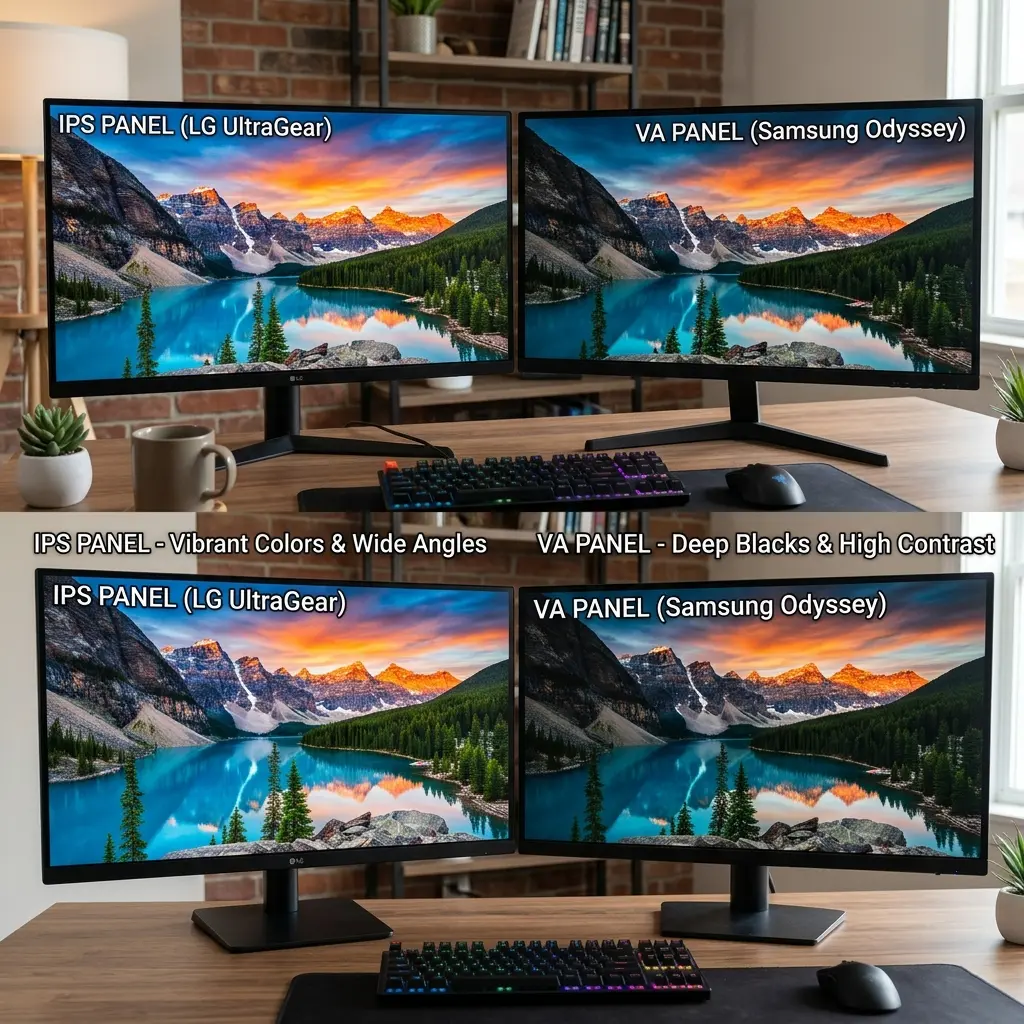
What is the difference between IPS and VA panels?
IPS panels offer better color accuracy and viewing angles, while VA panels typically deliver deeper blacks and higher contrast ratios.




