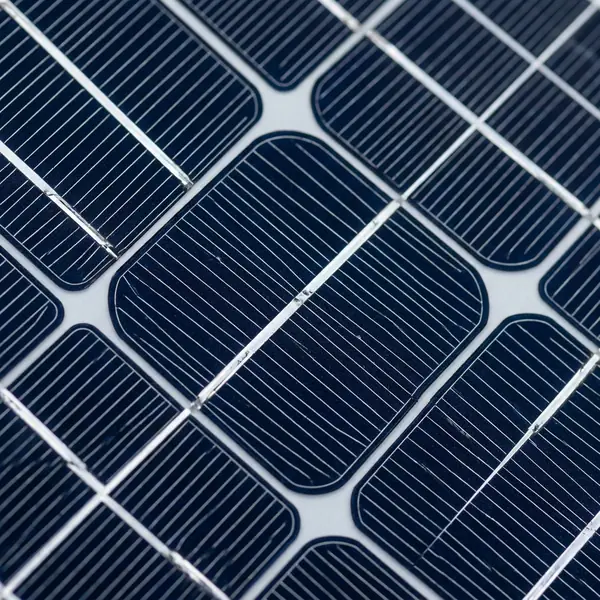
The best solar fan features an independent external panel and a dust-resistant brushless motor built for continuous outdoor operation.official NREL website
Understanding Solar Fans for Greenhouses and Chicken Coops
Solar-powered fans are an excellent choice for maintaining air circulation in greenhouses and chicken coops. They harness solar energy, making them eco-friendly and cost-effective. Additionally, they help regulate temperature and humidity levels critical for plant growth and poultry health.
In this article, we will explore the best solar-powered fans available, their features, and how they can benefit your greenhouse or chicken coop. We will also discuss installation, maintenance, and energy efficiency.
Benefits of Using Solar-Powered Fans
Solar-powered fans offer several advantages over traditional electric fans. They are independent of the electrical grid, which can reduce energy costs significantly. Furthermore, they are often more durable and designed for outdoor conditions.
Publicidade
One of the primary benefits is their ability to keep the environment cool. In greenhouses, proper ventilation prevents overheating, which can damage plants. In chicken coops, good air circulation is vital for preventing heat stress in birds.
Key Features to Look For
When selecting a solar-powered fan, consider the following features:
Independent Solar Panel: A separate solar panel allows for optimal positioning to capture sunlight.
Brushless Motor: These motors are more efficient and have a longer lifespan.
Durability: Ensure the fan is designed to withstand outdoor conditions.
Noise Level: Look for fans that operate quietly to avoid disturbing your plants or chickens.
Top Solar-Powered Fans for Greenhouses and Chicken Coops
Here’s a comparison of some of the best solar-powered fans available on the market today.
1. Solar Powered Roof Ventilator Fan
This fan is ideal for large greenhouses. It features a 20W solar panel and a powerful brushless motor. The fan can move a substantial amount of air, making it effective in hot climates.
Publicidade
The fan operates silently and has a durable aluminum frame, ensuring longevity. It's also weather-resistant, making it suitable for outdoor use.
2. 12V Solar Exhaust Fan
This model is perfect for chicken coops. It comes with a 10W solar panel and is designed to exhaust hot air quickly. The fan’s low noise level ensures your chickens are not disturbed.
It includes a built-in battery for nighttime operation, ensuring consistent airflow even after the sun goes down. This feature is key for maintaining a stable temperature.
3. Solar-Powered Attic Fan
This fan is versatile and can be used in both greenhouses and chicken coops. It has a high-efficiency solar panel and a powerful motor that can cool large spaces effectively.
Additionally, it features adjustable speed settings, allowing you to control the airflow based on your needs. Its compact design makes it easy to install in various locations.
Publicidade
4. Portable Solar Fan
If you need flexibility, the portable solar fan is a great option. This fan is lightweight and easy to move around. It’s perfect for temporary setups or areas where installation is not feasible.
It operates on a small solar panel and is efficient enough for personal use in small greenhouses or coops.
5. Solar-Powered Cooling Fan
This fan is specially designed for extreme heat conditions. It features a high-capacity solar panel and a robust motor. This model is suitable for larger spaces that require significant cooling.
Its energy-efficient design ensures that it runs continuously during sunny days, providing constant airflow when it’s needed most.
Installation Considerations
Installing solar-powered fans is generally straightforward, but there are a few key factors to consider:
Location: The solar panel should be placed in a location that receives direct sunlight for most of the day.
Mounting: Ensure the fan is securely mounted to prevent damage from wind or storms.
Wiring: For fans with battery backups, proper wiring is important to ensure efficiency.
Publicidade
Maintenance Tips
Maintaining your solar-powered fans will prolong their lifespan and efficiency:
Regular Cleaning: Dust and debris can accumulate on the solar panel, reducing efficiency. Clean it regularly.
Check Connections: Inspect the wiring and connections periodically to ensure everything is secure.
Battery Maintenance: If your fan has a battery, check its health and replace it as needed.
Energy Efficiency and Cost Analysis
Investing in solar-powered fans can significantly save on energy costs. The initial investment usually ranges from $100 to $500, depending on the model and features.
Here’s a breakdown of potential costs and savings:
Fan Model
Price (USD)
Power (W)
Estimated Annual Energy Savings (USD)
Payback Period (Years)
Solar Powered Roof Ventilator Fan
$300
20
$60
5
12V Solar Exhaust Fan
$150
10
$30
5
Solar-Powered Attic Fan
$250
25
$75
3.3
Portable Solar Fan
$100
5
$15
6.7
Solar-Powered Cooling Fan
$400
30
$90
4.4
DomineTec Tip: To maximize efficiency, consider placing solar panels at an angle to capture more sunlight during the day.
Publicidade
Conclusion
Solar-powered fans are an excellent investment for maintaining optimal conditions in greenhouses and chicken coops. They offer energy savings, environmental benefits, and reliable performance.
When choosing a fan, consider your specific needs, the size of your space, and the features that matter most to you. Regular maintenance will ensure your investment continues to pay off for years to come.
Many solar fans come with battery storage, allowing them to operate at night or during cloudy days.
3. How much does it cost to install a solar fan?
Installation costs vary by model but generally range from $100 to $500, including the fan and solar panel.
Publicidade
4. Are solar fans environmentally friendly?
Yes, solar fans use renewable energy and reduce reliance on electricity from non-renewable sources.
5. Do I need any special permits to install a solar fan?
Most installations do not require special permits, but it’s best to check with local regulations.
Best Solar Powered Fans for Greenhouses and Chicken Coops
Solar powered fans are an excellent solution for maintaining optimal temperatures in greenhouses and chicken coops. By harnessing renewable energy, these fans help enhance airflow and regulate humidity levels, ensuring a healthy environment for plants and animals. When selecting a solar fan, consider factors such as efficiency, size, and battery capacity to meet your specific needs.
Types of Solar Powered Fans
There are primarily two types of solar powered fans: direct solar fans and battery-operated solar fans. Direct solar fans operate solely on solar energy, requiring sunlight to function. In contrast, battery-operated fans store energy during the day and can run even when the sun isn't shining, providing more flexibility in usage.
Publicidade
For greenhouses, direct solar fans are often sufficient during sunny days, helping to expel hot air while pulling in cooler fresh air. Battery-operated fans, however, are beneficial for chicken coops, as they can maintain airflow even during overcast conditions or at night, ensuring the comfort of the chickens.
Key Features to Consider
When choosing a solar powered fan, look for features such as adjustable speed settings, durability, and ease of installation. Adjustable speed settings allow you to control airflow according to the temperature and humidity levels in your space. Durable materials like UV-resistant plastic or corrosion-resistant metals are important for longevity, especially in outdoor environments.
Installation should also be straightforward, as many solar fans come with mounting kits and clear instructions. Some models even offer the flexibility to be mounted on walls or roofs, maximizing exposure to sunlight. This versatility can significantly enhance the performance of your fan.
Publicidade
Top Recommendations
One of the top choices for greenhouses is the Eco-Worthy 12V Solar Fan. This model features a high-efficiency solar panel and a brushless motor for quiet operation. It's designed for optimal airflow and can cover areas up to 300 square feet, making it perfect for small to medium-sized greenhouses.
For chicken coops, the iPower 12 Inch Solar Exhaust Fan stands out due to its robust design and integrated battery system. This fan can effectively ventilate up to 1,000 square feet, ensuring that your chickens remain cool and comfortable. Its durable construction also allows it to withstand harsh weather conditions.
Installation and Maintenance Tips
Installing a solar powered fan typically involves selecting an optimal location for the solar panel to receive maximum sunlight. Ensure that the fan is mounted securely and positioned to create effective airflow throughout the space. Additionally, regular maintenance, such as cleaning the solar panel and checking for debris around the fan, can keep your system running efficiently.
Publicidade
Be sure to monitor the performance of your fan, especially during extreme weather conditions. If you notice any decrease in airflow or unusual noise, it may be time to inspect the unit for any necessary repairs. Keeping these tips in mind will help ensure that your solar powered fan operates effectively year-round.
Do solar panels generate electricity without direct sunlight?
Yes, they produce power on cloudy days but at a reduced capacity of 10% to 25%. They do not generate electricity at night.
How much maintenance do home solar panels require?
Maintenance is minimal, typically involving cleaning the panels twice a year and performing a system health check.
Do I need battery storage for my solar energy system?
It is not required for grid-tied systems, but batteries are vital for off-grid operations or backup power during grid blackouts.
Publicidade
Can I completely eliminate my monthly electricity bill?
You cannot reach absolute zero because most utilities charge a basic monthly grid connection fee regardless of production.
Advantages of Solar Powered Fans for Greenhouses
Publicidade
Solar powered fans are an excellent addition to greenhouses, as they provide efficient ventilation and temperature control without increasing energy costs. These fans harness solar energy, reducing dependence on electricity and contributing to a more sustainable operation. By circulating air, they help maintain optimal growing conditions for plants, especially during hot weather.
One of the key benefits is their ability to prevent overheating. In a greenhouse, temperatures can rise quickly, leading to stress on plants. A solar powered fan can help regulate these temperatures, ensuring that plants receive adequate airflow and remain healthy.
Additionally, this ventilation minimizes humidity levels, reducing the risk of mold and mildew that can be detrimental to plant health.
When selecting a solar powered fan for your greenhouse, consider factors such as the size of the greenhouse, the type of plants you are growing, and the amount of sunlight your location receives. A well-sized fan will ensure effective air circulation without creating excessive drafts that could harm sensitive plants. Look for models with adjustable speed settings to tailor airflow to your specific needs.
Publicidade
Key Features to Consider
Efficiency is paramount when choosing a solar powered fan. Look for fans with high airflow ratings (measured in CFM, or cubic feet per minute) to ensure they can effectively ventilate your greenhouse. Additionally, consider fans with built-in thermal switches, which automatically turn the fan on when temperatures exceed a certain threshold, providing hands-free operation.
Durability is another important feature. Greenhouses can have high humidity and temperature fluctuations, so selecting fans made of weather-resistant materials will ensure longevity. Also, consider models with a warranty, as this reflects the manufacturer's confidence in their product.
Another feature to look for is ease of installation. Many solar powered fans are designed for straightforward installation, often requiring minimal tools or technical knowledge. Some models even come with mounting brackets, making it easier to position them for optimal airflow.
Publicidade
Remember to check the solar panel's capacity to ensure it can adequately power the fan, especially during cloudy days.
Benefits of Solar Powered Fans for Chicken Coops
Solar powered fans are becoming increasingly popular in chicken coops due to their benefits in maintaining a comfortable environment for poultry. Proper ventilation is important to ensure the health and productivity of chickens. A solar powered fan can help remove excess heat and humidity, creating a more pleasant living space for your flock.
Chickens are sensitive to heat stress, which can lead to decreased egg production and other health issues. By installing a solar powered fan, you can improve airflow, helping to keep temperatures within a safe range. This not only enhances the well-being of the chickens but also increases their overall productivity.
Moreover, using solar powered fans in chicken coops is an environmentally friendly option. By relying on renewable energy, you reduce your carbon footprint while also saving on electricity costs. This aligns with sustainable farming practices, making it an appealing choice for many poultry farmers.
Publicidade
Choosing the Right Fan for Your Coop
When selecting a solar powered fan for your chicken coop, consider the size of your coop and the number of chickens you have. A larger coop may require multiple fans to ensure adequate ventilation. Look for fans with adjustable airflow settings, allowing you to control the speed and intensity based on weather conditions.
Another important consideration is noise level. Chickens can be easily startled by loud noises, so opting for quieter models will help keep them calm and comfortable. Additionally, ensure that the fan is positioned to avoid direct drafts on the chickens, as this can lead to stress.
Lastly, check for features such as easy installation and maintenance. Many solar powered fans come with user-friendly instructions and require minimal upkeep. Choosing a model with a reliable solar panel ensures consistent operation, even on overcast days, providing your chickens with a steady flow of fresh air.
Publicidade
Frequently Asked Questions
What is the average payback period for home solar?
The average payback period in the US ranges between 5 and 9 years, depending on state incentives and utility rates.
Do solar panels generate electricity without direct sunlight?
Yes, they produce power on cloudy days but at a reduced capacity of 10% to 25%. They do not generate electricity at night.
How much maintenance do home solar panels require?
Maintenance is minimal, typically involving cleaning the panels twice a year and performing a system health check.
Do I need battery storage for my solar energy system?
It is not required for grid-tied systems, but batteries are vital for off-grid operations or backup power during grid blackouts.
Can I completely eliminate my monthly electricity bill?
Publicidade
You cannot reach absolute zero because most utilities charge a basic monthly grid connection fee regardless of production.