Best QD-OLED Gaming Monitors: Samsung Quantum Dot OLED Technology
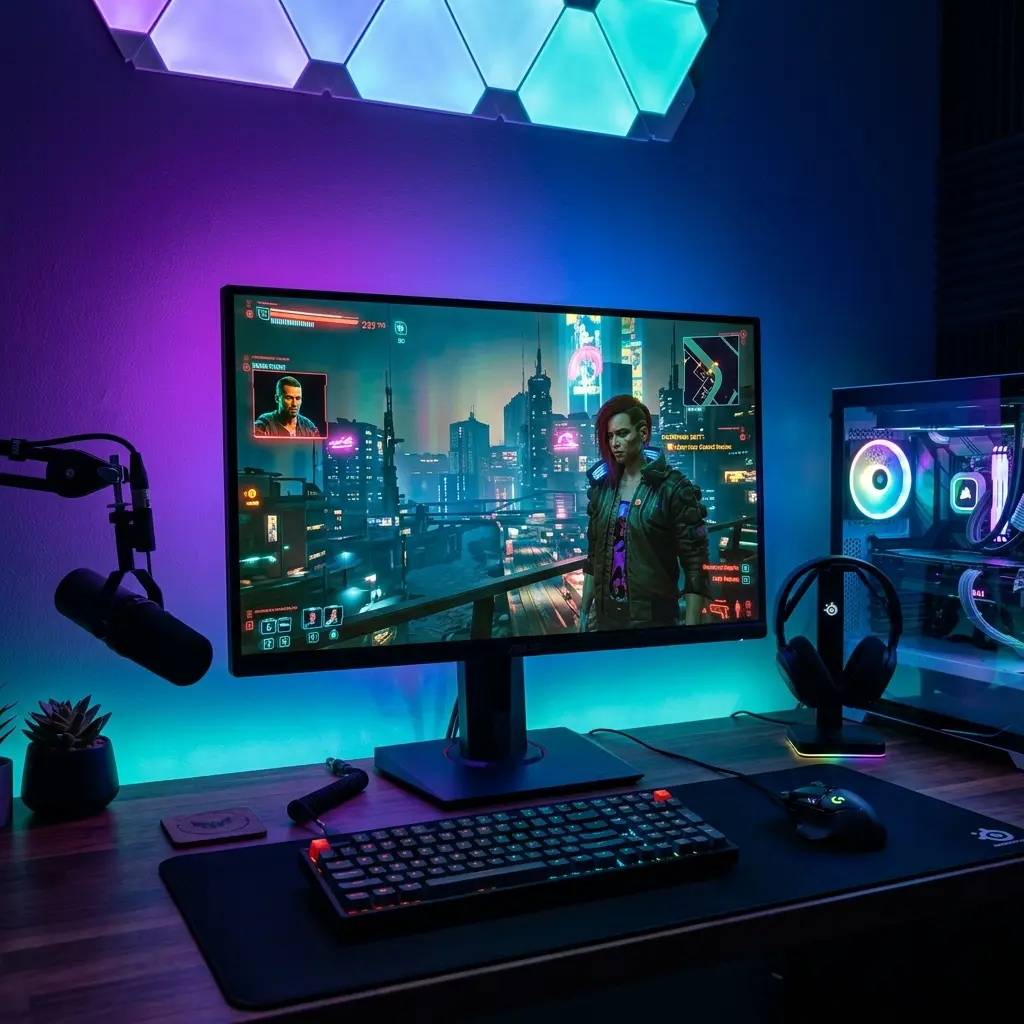
Discover the top QD-OLED gaming monitors powered by Samsung's Quantum Dot OLED technology for an unparalleled gaming experience.
Physical Aspects and Resolution
Most QD-OLED monitors feature a sleek design with ultra-thin bezels that enhance gaming immersion. Resolutions typically reach up to 4K (3840 x 2160), allowing for stunning visual clarity.
Performance and Technology
Samsung's Quantum Dot technology offers enhanced color accuracy and brightness, achieving 100% DCI-P3 color space. The monitors support high refresh rates, often exceeding 120Hz, ensuring smooth gameplay.
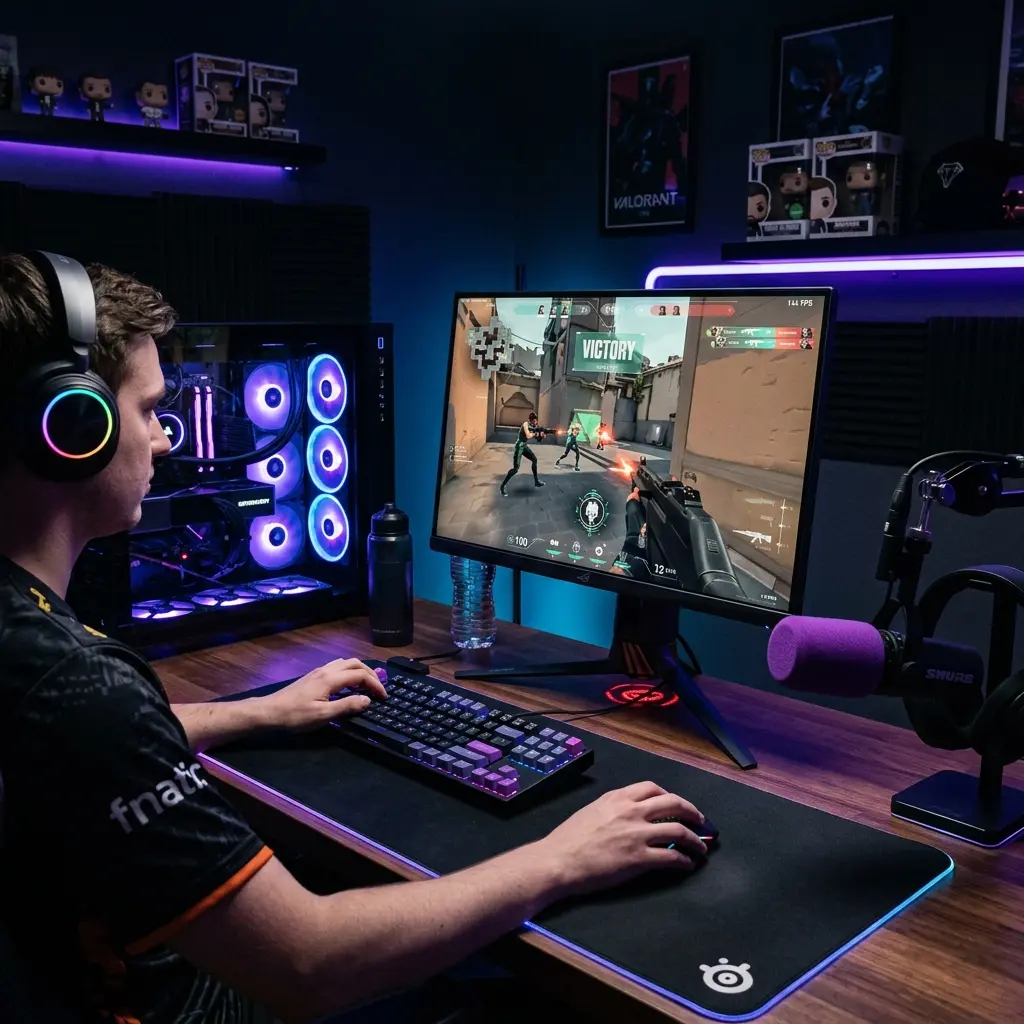
Ergonomics and Visual Comfort
QD-OLED monitors typically offer VESA mount compatibility and height adjustments for optimal viewing angles. Anti-glare coatings reduce reflections, enhancing visual comfort during extended gaming sessions.
| Model | Resolution | Refresh Rate | Response Time | Price |
|---|---|---|---|---|
| Samsung Odyssey G8 | 3840 x 2160 | 240Hz | 1ms | $1,299 |
| Alienware AW3423DW | 3440 x 1440 | 175Hz | 0.1ms | $1,499 |
| LG 32GQ950-B | 3840 x 2160 | 144Hz | 1ms | $1,199 |
Materials and Durability
High-quality materials are used in QD-OLED monitors, including robust aluminum and premium plastics. These materials contribute to better heat dissipation and overall durability of the product.
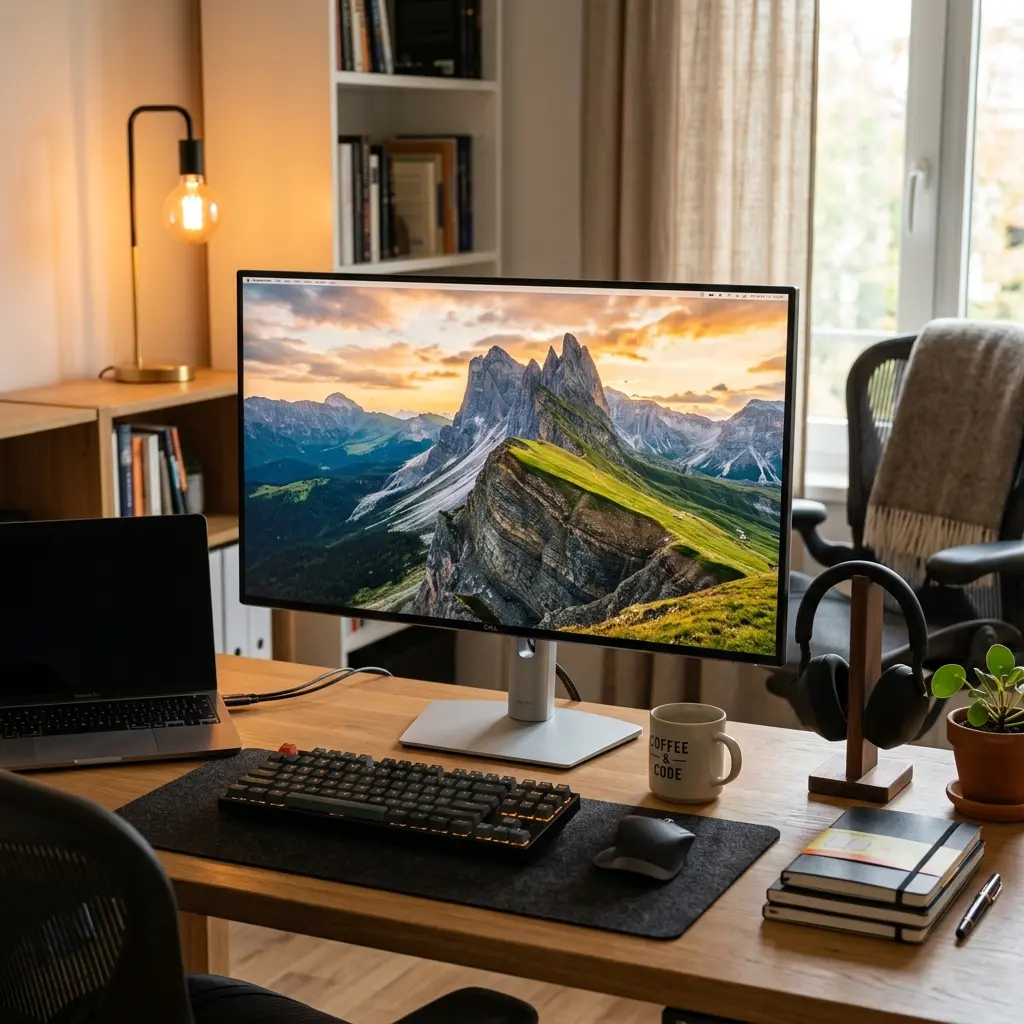
DomineTec Tip: Adjust monitor height to eye level to reduce neck strain during long gaming sessions.
Buying Recommendations and Brands
Leading brands such as Samsung, Alienware, and LG consistently deliver high-performance QD-OLED monitors. Focus on specifications aligning with gaming needs, such as refresh rates and resolution.

- Determine the required resolution for gameplay.
- Evaluate refresh rates suitable for competitive gaming.
- Consider additional features like G-Sync or FreeSync compatibility.
- Check ergonomic features for long-term comfort.
- Review warranty and customer support services.
Value Analysis and Verdict
QD-OLED monitors present a premium gaming experience, with prices reflecting advanced technologies. Investing in such monitors ensures longevity and superior performance in gaming and multimedia tasks.
Color Accuracy and Calibration
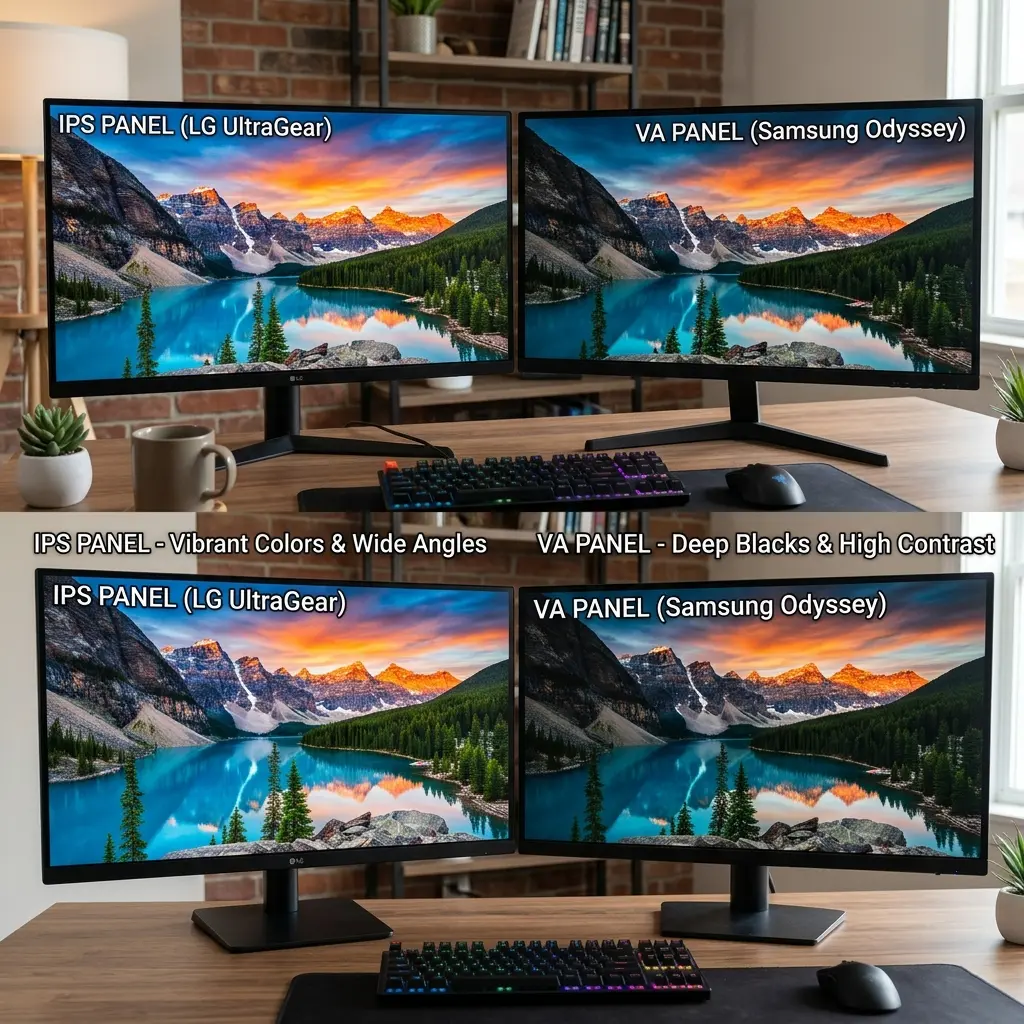
Color accuracy is a critical aspect of QD-OLED monitors, especially for gamers who value realistic graphics. These monitors utilize quantum dot technology to enhance color reproduction, achieving a wider color gamut.
Many QD-OLED models come factory-calibrated, offering impressive out-of-the-box performance. However, for optimal results, users may still consider manual calibration to fine-tune color accuracy based on personal preferences.
This process involves using calibration tools and software to adjust settings such as gamma, brightness, and individual color channels. Fine-tuning can significantly improve visual fidelity in graphics-intensive games.
Additionally, regular calibration is recommended to maintain color accuracy over time, as monitors may drift from their original settings with prolonged use.
Input Lag and Response Time
Input lag and response time are crucial metrics for gamers, as they directly affect gameplay responsiveness. QD-OLED monitors typically offer low input lag, making them suitable for competitive gaming.
The fast response time of QD-OLED panels minimizes ghosting and motion blur, ensuring that fast-paced action remains smooth and clear. This is particularly beneficial in first-person shooters and racing games.
Many QD-OLED monitors also feature advanced technologies like variable refresh rate (VRR) support, which further enhances gameplay by synchronizing the display's refresh rate with the graphics card's output.
Gamers should look for monitors with input lag below 10 milliseconds and response times under 5 milliseconds for the best performance in competitive scenarios.
Gaming Features and Customization
QD-OLED monitors often come equipped with a variety of gaming features designed to enhance the overall experience. These features can include customizable RGB lighting, gaming modes, and on-screen crosshairs.
Many models support game-specific presets that adjust settings to optimize performance for different genres. This allows players to switch between configurations quickly based on the type of game being played.
In addition, features like picture-in-picture (PiP) and picture-by-picture (PbP) can be beneficial for multitasking or streaming while gaming. These functionalities enhance the versatility of the monitor.
Customization options, such as adjustable overdrive settings, can also help fine-tune performance, catering to individual preferences and gaming styles.
Connectivity Options and Compatibility
Connectivity is a vital consideration for gamers, as it determines compatibility with consoles, PCs, and other devices. QD-OLED monitors typically offer a diverse range of ports, including HDMI 2.1, DisplayPort, and USB hubs.
HDMI 2.1 support is particularly important for next-gen consoles, enabling higher resolutions and refresh rates. This ensures that gamers can take full advantage of the capabilities of their hardware.
Many monitors also provide multiple input options, allowing users to connect various devices simultaneously. This can be especially useful for those who switch between gaming PCs and consoles frequently.
Moreover, some QD-OLED models feature built-in KVM switches, enabling users to control multiple devices with a single keyboard and mouse, enhancing convenience and workflow efficiency.
Energy Efficiency and Environmental Impact
As sustainability becomes increasingly important, energy efficiency is a significant factor in the selection of gaming monitors. QD-OLED technology offers advantages in this regard, consuming less power compared to traditional OLED displays.
By utilizing quantum dots to enhance brightness and color, QD-OLED monitors can achieve higher performance with lower energy consumption. This not only reduces electricity bills but also contributes to a lower carbon footprint.
Additionally, many manufacturers are beginning to implement eco-friendly practices in their production processes, further minimizing environmental impact. Consumers can look for ENERGY STAR-rated models for assurance of energy efficiency.
Choosing a QD-OLED monitor can be a step toward more sustainable gaming without sacrificing performance or visual quality.
Future Trends in QD-OLED Technology
The QD-OLED technology is still evolving, with manufacturers continuously seeking improvements to enhance performance. Future trends may include advancements in brightness levels, color accuracy, and overall display longevity.
Research is also being conducted to further reduce manufacturing costs, making QD-OLED more accessible to a broader audience. This could lead to increased competition and innovation within the gaming monitor market.
As gaming continues to evolve, integrating features like augmented reality (AR) and virtual reality (VR) could also find their way into QD-OLED displays, offering immersive experiences for gamers.
Keeping an eye on these trends can help consumers make informed decisions when purchasing a monitor that will remain relevant in the gaming landscape.
User Experience and Community Feedback
The user experience plays a crucial role in determining the overall satisfaction with a QD-OLED monitor. Community feedback on forums and review sites can provide valuable insights into real-world performance and usability.
Many users praise QD-OLED monitors for their vibrant colors and deep blacks, while others highlight the importance of features like low input lag and response times for competitive gaming.
Common concerns include issues with burn-in, which can affect OLED technology, although QD-OLED is designed to mitigate this risk. Engaging with community discussions can help potential buyers gauge the strengths and weaknesses of specific models.
Ultimately, user feedback serves as a helpful resource for understanding the long-term reliability and performance of QD-OLED gaming monitors in everyday use.
Price Trends and Market Availability
The pricing of QD-OLED gaming monitors has shown a dynamic trend since their introduction, influenced by advancements in technology and competition in the market.
Initially, these monitors were positioned at the premium end, with prices reflecting their cutting-edge display capabilities and innovative features.
As manufacturers ramp up production and more brands enter the QD-OLED segment, consumers can expect to see a gradual decrease in prices, making these monitors more accessible.
Market availability varies significantly by region, with certain areas experiencing delays in product launches due to supply chain issues or regional demand fluctuations.
Impact on Competitive Gaming
QD-OLED monitors are increasingly favored in competitive gaming environments due to their superior visual performance and response metrics.
The high refresh rate and low input lag characteristics of these monitors provide gamers with a significant edge in fast-paced gaming scenarios.
The vibrant colors and deep contrasts enhance visibility, allowing for better identification of opponents and crucial in-game details.
As more professional gamers adopt QD-OLED technology, there is a growing discourse around its impact on competitive strategies and overall gameplay experience.
Comparative Analysis with Other Display Technologies
QD-OLED monitors stand out when compared to traditional OLED and LCD displays, particularly in terms of color vibrancy and contrast ratios.
While traditional OLED displays suffer from issues like burn-in, QD-OLED technology mitigates these risks through advanced quantum dot enhancements.
In contrast to LCDs, QD-OLED offers faster response times and broader viewing angles, making it a more desirable option for gamers seeking immersive experiences.
This comparative analysis highlights the advantages of QD-OLED, particularly for applications where color accuracy and speed are paramount.
Software Compatibility and Optimization
Proper software compatibility is crucial for maximizing the performance of QD-OLED gaming monitors, with many brands offering proprietary software for calibration.
Users can fine-tune settings such as color profiles, refresh rates, and response times through these applications, enhancing their gaming experience.
Moreover, ongoing updates from manufacturers often introduce optimizations that improve performance and compatibility with the latest gaming titles.
This aspect underscores the importance of selecting a monitor from a brand known for robust software support, ensuring long-term satisfaction and performance enhancement.
Heat Management and Thermal Performance
QD-OLED gaming monitors exhibit unique thermal characteristics due to their advanced technology, which combines quantum dots with OLED materials.
Efficient heat dissipation is crucial for maintaining optimal performance and longevity of the display. Manufacturers often incorporate specialized cooling systems or thermal management solutions to address this challenge.
In high-performance gaming scenarios, heat buildup can lead to throttling, impacting frame rates and overall visual quality. Therefore, understanding a monitor’s thermal performance is essential for gamers seeking consistent gameplay experiences.
Future iterations of QD-OLED technology may incorporate even more sophisticated heat management techniques, potentially enhancing both performance and user comfort during extended gaming sessions.
Calibration Tools and Software Integration
Calibration tools are vital for achieving the best possible image quality from QD-OLED gaming monitors. Many models come with built-in calibration software that allows users to adjust settings for optimal color accuracy and brightness.
These tools often support various color profiles and can automatically adjust based on the content being displayed, ensuring that games look as intended by their developers.
Integration with third-party calibration tools expands customization options, allowing enthusiasts to fine-tune their display settings further. This level of precision can significantly enhance the gaming experience, particularly in visually demanding titles.
As gaming technology evolves, the development of advanced calibration solutions will likely continue, providing users with even more control over their display settings and improving the overall visual experience.
Advanced Gaming Features and Enhancements
QD-OLED gaming monitors are equipped with a variety of advanced features that enhance the overall gaming experience. One notable aspect is variable refresh rate (VRR) technology, which synchronizes the monitor's refresh rate with the graphics card's output. This minimizes screen tearing and stuttering, creating a smoother gameplay experience, particularly in fast-paced titles.
Additionally, many QD-OLED monitors support NVIDIA's G-SYNC and AMD's FreeSync technologies, providing gamers with options for smooth performance regardless of the hardware used. These technologies dynamically adjust the refresh rate, ensuring that even during intense gaming sessions, players can enjoy uninterrupted visuals.
Another significant feature is the integration of high dynamic range (HDR) capabilities, which allows for brighter highlights and deeper shadows. QD-OLED displays can achieve exceptional peak brightness and a broader color gamut, making games visually stunning and immersive.
Furthermore, features like ultra-low motion blur (ULMB) and enhanced black frame insertion (BFI) can be found in some models, reducing motion blur and improving clarity during fast-moving scenes. These advancements position QD-OLED monitors as a top choice for gamers seeking cutting-edge technology.
Gaming Ecosystem and Integration
The gaming ecosystem surrounding QD-OLED monitors is continually evolving, with manufacturers focusing on seamless integration with gaming consoles and PCs. This integration is crucial for users who want to maximize their gaming setup's potential without compatibility issues.
Many QD-OLED monitors feature HDMI 2.1 ports, which support higher bandwidths and allow for 4K gaming at 120Hz. This capability is essential for next-gen consoles like the PlayStation 5 and Xbox Series X, ensuring that gamers can enjoy higher resolutions and frame rates without sacrificing performance.
Moreover, the inclusion of customizable gaming profiles enables users to tailor their settings according to specific game genres. Whether adjusting color settings for first-person shooters or enabling specific response times for racing games, this flexibility enhances the gaming experience.
Lastly, software support for QD-OLED monitors continues to improve, with manufacturers providing regular updates for performance optimization and new features. This ongoing commitment to software development ensures that gamers can continue to enjoy their monitors with the latest advancements in gaming technology.
Adaptive Sync Technology and Gaming Performance
Adaptive Sync technology has become a cornerstone of modern gaming displays, significantly enhancing the gaming experience by reducing screen tearing and stuttering. QD-OLED monitors often incorporate technologies like NVIDIA G-SYNC and AMD FreeSync, which synchronize the display's refresh rate with the frame rate outputted by the graphics card.
This synchronization allows for smoother gameplay, especially in fast-paced titles where every millisecond counts. By eliminating tearing, players can maintain immersion and react more quickly to in-game events, making adaptive sync a critical feature for competitive gamers.
Furthermore, the low input lag typical of QD-OLED displays complements adaptive sync technology, ensuring that actions taken by the player are reflected on-screen almost instantly. This combination of features not only enhances performance but also contributes to a more enjoyable gaming experience overall.
As game developers continue to optimize titles for high refresh rates and adaptive technologies, the role of QD-OLED monitors equipped with these features will become increasingly vital for enthusiasts and professionals alike.
Environmental Considerations and Sustainability
Sustainability is a growing concern in the electronics industry, and QD-OLED technology is no exception. These monitors are designed with energy efficiency in mind, using advanced materials and processes that reduce power consumption compared to traditional display technologies.
Manufacturers are increasingly focused on developing QD-OLEDs that minimize environmental impact throughout their lifecycle, from production to disposal. This includes using recyclable materials and reducing hazardous substances in their components.
Additionally, many QD-OLED monitors come equipped with eco-friendly features such as automatic brightness adjustment and energy-saving modes, which further enhance their sustainability credentials. By choosing these displays, consumers can contribute to a greener future while enjoying high-quality gaming experiences.
As the industry shifts towards more sustainable practices, the adoption of QD-OLED technology signifies a commitment to reducing the environmental footprint of gaming equipment, aligning with the values of eco-conscious gamers.
Frequently Asked Questions
What is QD-OLED technology?
QD-OLED combines Quantum Dot and OLED technologies to enhance color accuracy and brightness. This results in improved image quality compared to traditional OLED displays.
Are QD-OLED monitors good for gaming?
Yes, QD-OLED monitors provide high refresh rates and low response times, making them ideal for gaming. Their vibrant colors and deep blacks enhance the overall gaming experience.
How do QD-OLED monitors compare to traditional OLED?
QD-OLED monitors offer better color volume and brightness levels than traditional OLEDs. This advancement results in more vivid images and a more immersive viewing experience.
What should be considered when buying a QD-OLED monitor?
Consider factors such as resolution, refresh rate, and connectivity options. Ergonomics and warranty services are also crucial for a satisfactory purchase experience.
Are they worth the investment?
QD-OLED monitors are generally worth the investment for serious gamers and content creators. Their advanced technology and superior performance justify the higher price point.




