Best Printing Speed for PLA Filament: Balancing Quality and Time
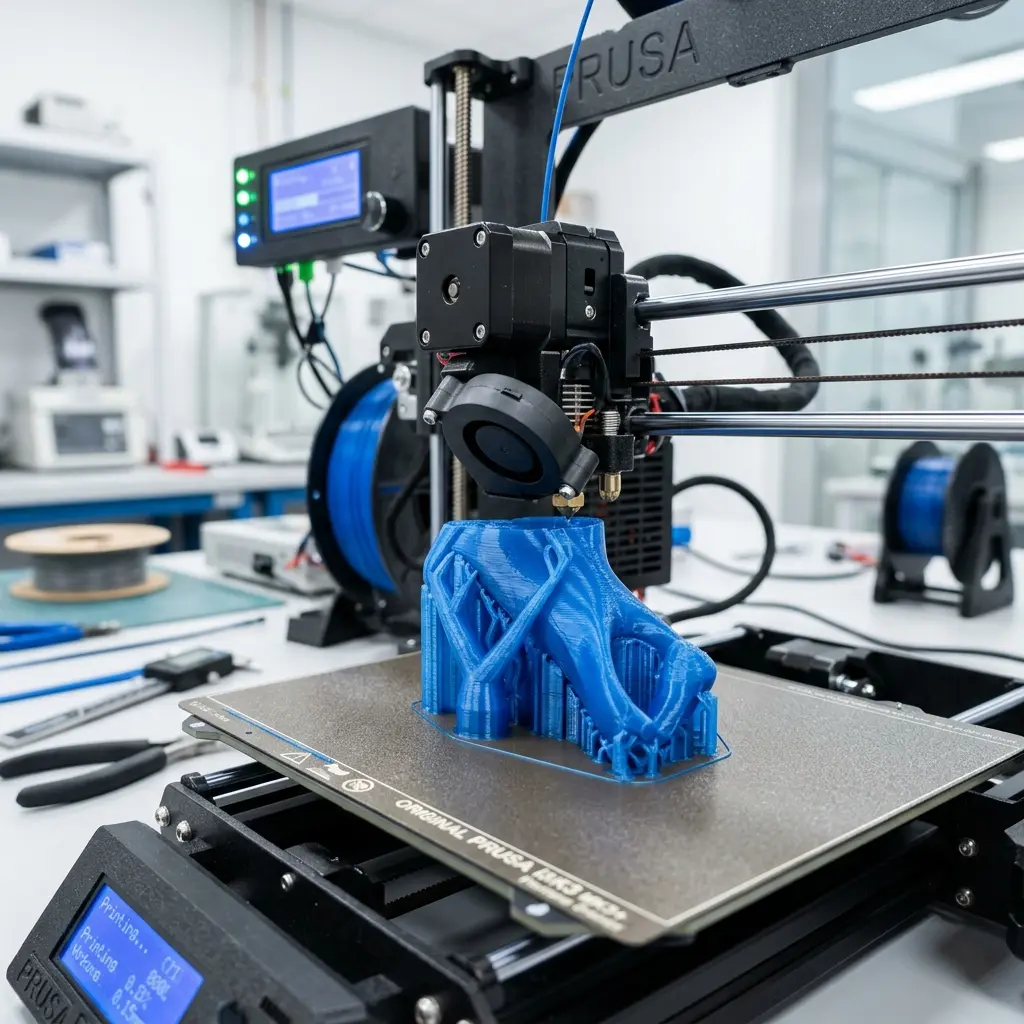
Finding the best printing speed for PLA filament involves striking a balance between quality and time, ensuring optimal results without sacrificing detail.
Understanding PLA Filament Characteristics
PLA (Polylactic Acid) is a biodegradable thermoplastic widely favored in 3D printing due to its ease of use and low warping tendencies. It is derived from renewable resources, such as corn starch or sugarcane, making it an environmentally friendly option.
Its properties allow for high-quality prints at relatively moderate temperatures. This makes PLA suitable for various applications, including prototypes, detailed models, and even functional parts.
PLA is known for its good layer adhesion, vibrant color options, and ability to produce smooth finishes.
Optimal Printing Speeds for PLA
The ideal printing speed for PLA filament typically ranges from 40 to 60 mm/s, balancing speed and quality effectively. Lower speeds can enhance detail and finish, allowing for intricate designs, while higher speeds reduce print time but may compromise quality.
Factors Influencing Printing Speed
Several factors can influence the optimal printing speed for PLA, including printer capabilities, nozzle diameter, and layer height. Additionally, the specific PLA formulation can impact how well the filament adheres to the print bed and layers, affecting the overall print quality.
Here are some key factors to consider:
- Printer Capabilities: The type of 3D printer and its specifications can dictate the maximum speed achievable without compromising quality.
- Nozzle Diameter: A larger nozzle diameter can allow for faster extrusion, but it may limit the level of detail achievable.
- Layer Height: Thicker layers can be printed faster, but they may reduce the overall detail of the print.
- Filament Quality: The quality and type of PLA can affect its flow characteristics and behavior during printing.
Comparing Printing Speeds and Quality
When considering printing speeds, it is crucial to evaluate the trade-offs between speed and quality. The following table compares various speeds with their corresponding quality outcomes:
| Speed (mm/s) | Quality Rating | Typical Applications |
|---|---|---|
| 20-30 | Excellent | Detailed models, miniatures |
| 40-60 | Good | Prototypes, functional parts |
| 60-80 | Fair | Rapid prototyping |
Best Practices for Achieving Optimal Speed
To achieve the best printing speed for PLA, several best practices can be followed:
- Calibrate the printer for accurate extrusion. Proper calibration ensures that the right amount of filament is being extruded, which is crucial for maintaining quality at higher speeds.
- Experiment with different layer heights to find a balance between speed and detail. Lower layer heights typically yield better detail but take more time.
- Utilize a quality slicer like Cura for optimal settings. The right slicer can help manage print speed, temperature, and other essential parameters efficiently.
- Regularly maintain the printer and clean the nozzle to avoid clogs. A clean printer will perform better and produce higher quality prints.
- Test various printing speeds on small models to determine the printer's optimal settings. This trial-and-error approach can help find the sweet spot for specific setups.
DomineTec Tip: Always print at a slower speed for the first few layers to ensure proper adhesion to the print bed, preventing warping or lifting.
Effects of Temperature on Printing Speed
The extrusion temperature significantly affects the printing speed and quality of PLA filament. A typical temperature range is between 190°C to 220°C.
Here’s how temperature influences printing:
- Higher Temperatures: Allow for faster extrusion but may cause stringing and over-extrusion. This can lead to a loss of detail on finer features of the print.
- Lower Temperatures: Can lead to poor layer adhesion and under-extrusion, resulting in weak prints that may not hold up under stress.
- Fine-Tuning Temperature: It’s essential to experiment with various temperature settings to find the optimal range for specific PLA and printer.
Common Issues and Troubleshooting
When printing at different speeds, several issues may arise, including stringing, layer separation, and poor adhesion. Understanding these challenges can aid in effective troubleshooting.
Below is a checklist for common issues and potential solutions:
| Issue | Symptoms | Potential Solutions |
|---|---|---|
| Stringing | Thin strands of filament between parts | Reduce printing speed, increase retraction distance, or adjust temperature. |
| Layer Separation | Layers not adhering properly, visible gaps | Increase print temperature, ensure proper cooling. |
| Poor Adhesion | Prints lifting off the bed | Use a heated bed, adjust first layer height, or increase bed adhesion methods (glue stick, tape). |
Conclusion: Finding Your Sweet Spot
Ultimately, finding the best printing speed for PLA filament requires experimentation and adjustment based on specific printer capabilities and desired outcomes. By understanding the balance between speed and quality, optimal results can be achieved in various 3D printing applications.
Frequently Asked Questions
What is the ideal printing speed for PLA filament?
The ideal printing speed for PLA filament generally ranges from 40 to 60 mm/s, balancing speed and quality effectively.
How does temperature affect PLA printing speed?
Temperature affects the viscosity of the filament; higher temperatures can enable faster extrusion but may lead to issues like stringing.
What common issues may arise when printing at high speeds?
Common issues include stringing, layer separation, and poor adhesion, which can often be mitigated by adjusting printing speed and temperature.
Can the type of PLA filament influence printing speed?
Yes, different formulations of PLA can influence the optimal settings, as some may require specific temperatures or speeds for the best results.
How can print quality be improved at higher speeds?
Improving print quality at higher speeds can be achieved by optimizing retraction settings, ensuring proper bed adhesion, and maintaining the printer.
Advanced Configurations for Optimal Speed
Fine-tuning advanced settings such as layer height and print speed can significantly impact the quality of prints using PLA filament. A balance must be struck between speed and resolution to achieve optimal results.
Utilizing features like "variable layer height" can allow for faster prints in less detailed areas while maintaining quality in more intricate sections. This configuration can help reduce overall printing time without compromising the final outcome.
Adjusting acceleration and jerk settings in a printer's firmware can also enhance printing speed. By optimizing these parameters, smoother motion can be achieved, resulting in reduced print times.
Common Calibration Mistakes to Avoid
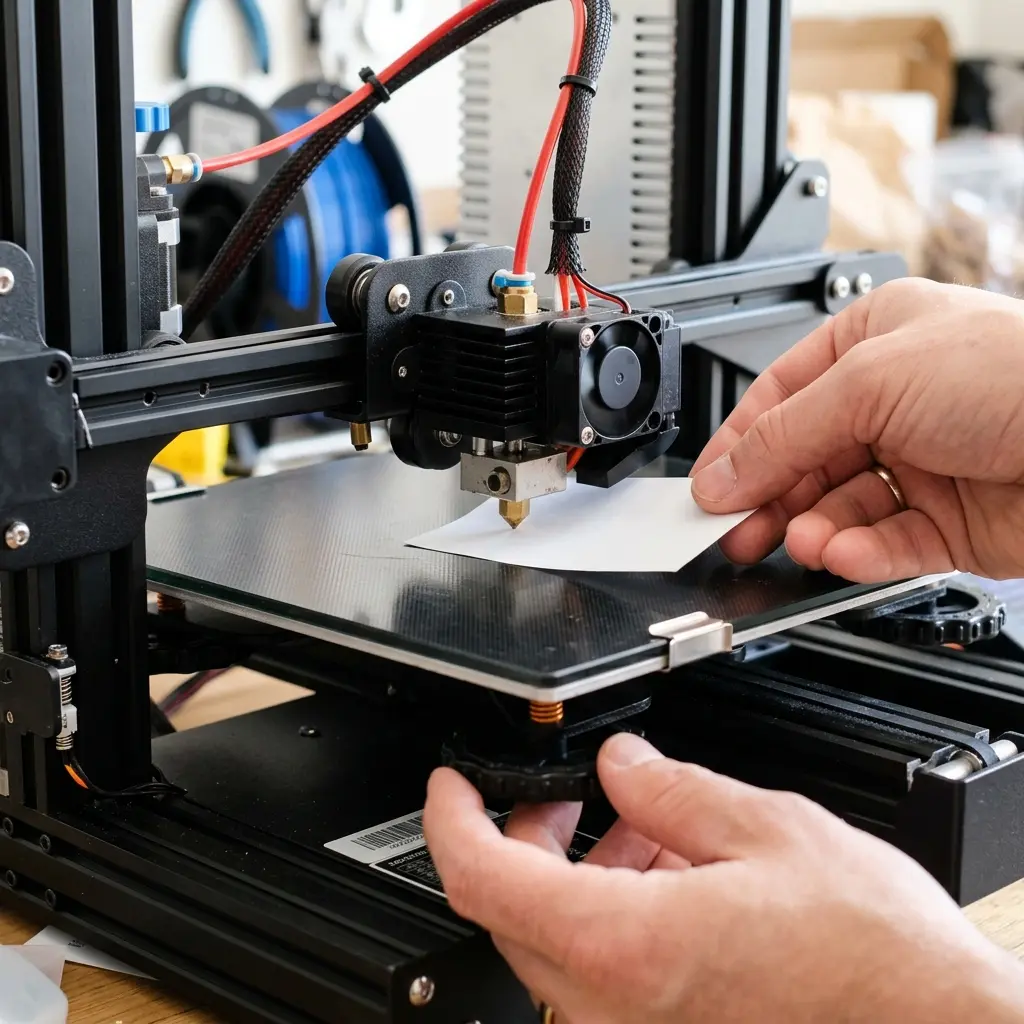
Calibration is crucial for achieving the best printing speed and quality with PLA filament. One common mistake is failing to properly level the build plate, which can lead to issues such as poor adhesion and uneven layers.
Another frequent error is neglecting to adjust the extrusion multiplier, which can cause over-extrusion or under-extrusion. Such discrepancies may adversely affect both print speed and overall quality.
Many users also overlook the importance of temperature calibration. Incorrect nozzle temperatures can lead to stringing or warping, hindering both speed and print quality.
Cost Estimations for High-Speed Printing
The cost of printing with PLA filament at high speeds can vary greatly depending on several factors. Material costs, energy consumption, and machine wear must be considered when estimating overall expenses.
High-speed printing can lead to increased filament use, especially if calibration is not executed correctly. Therefore, calculating the cost per print requires careful consideration of both filament waste and energy usage.
Investing in high-quality PLA can also affect long-term costs, as premium materials often yield better results at higher speeds. This investment can save both time and money in the long run by reducing the number of failed prints.
Safety and Security Precautions
When printing with PLA filament, safety and security should never be overlooked. Ensuring that the printer is placed on a stable surface can prevent accidents during high-speed operations.
Proper ventilation is also vital, as even PLA can release fumes when heated. Utilizing an enclosure can provide additional safety by minimizing exposure to potentially harmful particles.
Regular maintenance of the printer is essential for safe operation. This includes checking for loose wires and ensuring that the cooling system is functioning effectively to prevent overheating during prolonged prints.
Alternative Choices of Filaments
While PLA is a popular choice for its ease of use and speed, exploring alternative filaments may yield even better results for specific applications. Materials such as PETG or ABS can offer enhanced durability and heat resistance while still maintaining reasonable print speeds.
Each filament type has its own unique properties that may align better with certain project requirements. Assessing the specific needs of a print can help determine if an alternative filament is worth considering for better speed and quality balance.
Experimenting with hybrid filaments that combine PLA with other materials can also provide an interesting solution. These hybrids may offer improved mechanical properties while still being manageable at high printing speeds.
Impact of Print Environment on Speed
The environment in which printing takes place can greatly influence the speed and quality of PLA prints. Factors such as temperature, humidity, and airflow can affect filament performance and printer operation.
Maintaining a stable temperature around the printer can prevent warping and other print defects. Additionally, controlling humidity levels can reduce the likelihood of filament absorption, which can impact extrusion consistency.
Utilizing a dedicated printing area free from drafts and temperature fluctuations can enhance print reliability. A controlled environment can lead to faster printing times and improved overall print quality.
Post-Processing Techniques for Speed Enhancement
Post-processing techniques can significantly impact the perceived quality of prints made with PLA filament. Methods such as sanding and painting can minimize layer lines and enhance visual appeal, compensating for any quality loss from high-speed printing.
Incorporating automated post-processing solutions can save time and increase efficiency. These systems can handle tasks such as smoothing and finishing, allowing for quicker turnaround times.
Using chemical smoothing agents can also be effective for achieving a glossy finish on PLA prints. This technique can reduce the need for extensive manual finishing, thereby increasing overall production speed.
Best Printing Speed for PLA Filament: Balancing Quality and Time
When it comes to 3D printing with PLA (Polylactic Acid) filament, finding the optimal printing speed is crucial for achieving the best balance between print quality and time efficiency. PLA is one of the most popular 3D printing materials due to its ease of use, environmental friendliness, and good mechanical properties. However, the speed at which PLA is printed can significantly affect the final output. This document explores the ideal printing speeds for PLA filament, factoring in various parameters that influence print quality and time.
Understanding Printing Speed
Printing speed refers to the rate at which the 3D printer's nozzle moves while extruding material. It is measured in millimeters per second (mm/s). The speed chosen for a print job impacts several aspects:
- Print Quality: Faster speeds can lead to decreased print quality, with potential issues like layer adhesion problems and stringing.
- Print Time: Higher speeds reduce the time taken to complete a print, which is beneficial for production environments.
- Thermal Management: Printing too quickly can result in insufficient cooling, which affects the final appearance and structural integrity of the print.
- Extrusion Consistency: Maintaining a consistent flow of filament can be challenging at higher speeds, potentially leading to under-extrusion.
Optimal Printing Speed for PLA
The optimal printing speed for PLA filament generally ranges between 40 mm/s to 60 mm/s. However, this can vary based on the specific printer model, the complexity of the print, and the desired quality. Below is a breakdown of recommended speeds based on different print qualities:
| Print Quality | Recommended Speed (mm/s) | Typical Applications |
|---|---|---|
| High Quality | 30 - 40 | Detailed prototypes, intricate designs |
| Medium Quality | 40 - 50 | General purpose prints, functional parts |
| Draft Quality | 50 - 60 | Test prints, non-critical applications |
Factors Influencing Printing Speed
Several factors can influence the ideal printing speed for PLA filament:
- Printer Specifications: The capabilities of the 3D printer itself, including maximum acceleration and jerk settings, play a vital role in determining achievable speeds.
- Filament Diameter: Standard PLA filaments typically come in 1.75 mm and 2.85 mm diameters. The diameter may affect extrusion consistency at higher speeds.
- Layer Height: Smaller layer heights generally require slower speeds to ensure proper layer adhesion, while larger layer heights can accommodate faster speeds.
- Cooling Settings: Effective cooling is critical, especially at higher speeds. Ensuring adequate cooling can mitigate issues like warping and stringing.
- Print Complexity: Complex models with intricate details may necessitate slower speeds to ensure all features are accurately represented.
Achieving the Right Balance
To achieve the right balance between print quality and speed, it may be beneficial to conduct test prints. A simple calibration print can help determine the best speed settings for a specific printer and filament combination. Below are some tips for fine-tuning printing speed:
- Start with Manufacturer Recommendations: Most 3D printer manufacturers provide recommended settings for various materials, including PLA.
- Conduct Test Prints: Use simple geometric shapes to test different speeds and assess the quality of the prints.
- Adjust Layer Height: Experiment with layer heights to find a combination that offers a good balance between speed and quality.
- Monitor Cooling: Ensure that cooling fans are functioning correctly to handle increased speeds.
Common Issues at High Printing Speeds
Printing at higher speeds can lead to several common issues that affect print quality. Awareness of these issues can help in making necessary adjustments:
| Issue | Symptoms | Solutions |
|---|---|---|
| Under-Extrusion | Thin layers, gaps in lines | Reduce speed, increase temperature |
| Stringing | Fine threads of filament between parts | Tweak retraction settings, increase travel speed |
| Layer Separation | Visible gaps between layers | Lower speed, improve cooling |
Conclusion
Finding the best printing speed for PLA filament involves balancing quality and time to achieve optimal results. By understanding the factors that influence print quality and conducting careful tests, it is possible to tailor settings to specific printing tasks. A systematic approach to adjusting speeds, combined with an awareness of potential issues, will lead to successful 3D printing outcomes.
``` ```htmlUnderstanding Printing Speed
Printing speed refers to the rate at which a 3D printer moves its print head while extruding filament. It significantly affects the quality of the final print and the time taken to complete a job.
Factors Affecting Printing Speed
- Filament Type: Different materials have varying optimal speeds; PLA is generally forgiving.
- Printer Specifications: Each printer model has a maximum speed it can maintain without sacrificing quality.
- Layer Height: Thicker layers can be printed faster, but may compromise detail.
- Cooling: Adequate cooling is essential at higher speeds to prevent stringing and warping.
Optimal Printing Speed for PLA
The optimal printing speed for PLA typically ranges between 40 mm/s and 60 mm/s. This range balances quality and efficiency, allowing for good layer adhesion and detail retention.
Quality vs. Speed
Increasing speed can lead to faster prints but may reduce the overall quality. A careful assessment of the desired print quality should dictate the chosen speed.
Testing Print Quality
To determine the best printing speed, perform test prints at various speeds. Evaluate the prints based on visual quality and structural integrity.
Recommended Test Print Models
| Model | Speed (mm/s) | Comments |
|---|---|---|
| Calibration Cube | 40 | Good for basic dimensional accuracy. |
| Overhang Test | 50 | Checks for stringing and overhang capabilities. |
| Detail Test (Benchy) | 60 | Evaluates fine details and overall finish. |
Adjusting Settings for Optimal Results
Fine-tuning the printing settings can improve the outcome significantly. Adjustments to retraction settings, layer height, and cooling fan speed can complement the chosen print speed.
Common Adjustments
- Retraction Distance: Increasing retraction can reduce stringing at higher speeds.
- Cooling Fan Speed: Increasing fan speed helps solidify the filament quickly.
- First Layer Speed: Slowing down the first layer enhances adhesion to the build plate.
Conclusion
Finding the best printing speed for PLA involves balancing quality with time efficiency. By testing various speeds and making necessary adjustments, optimal results can be achieved.
```



