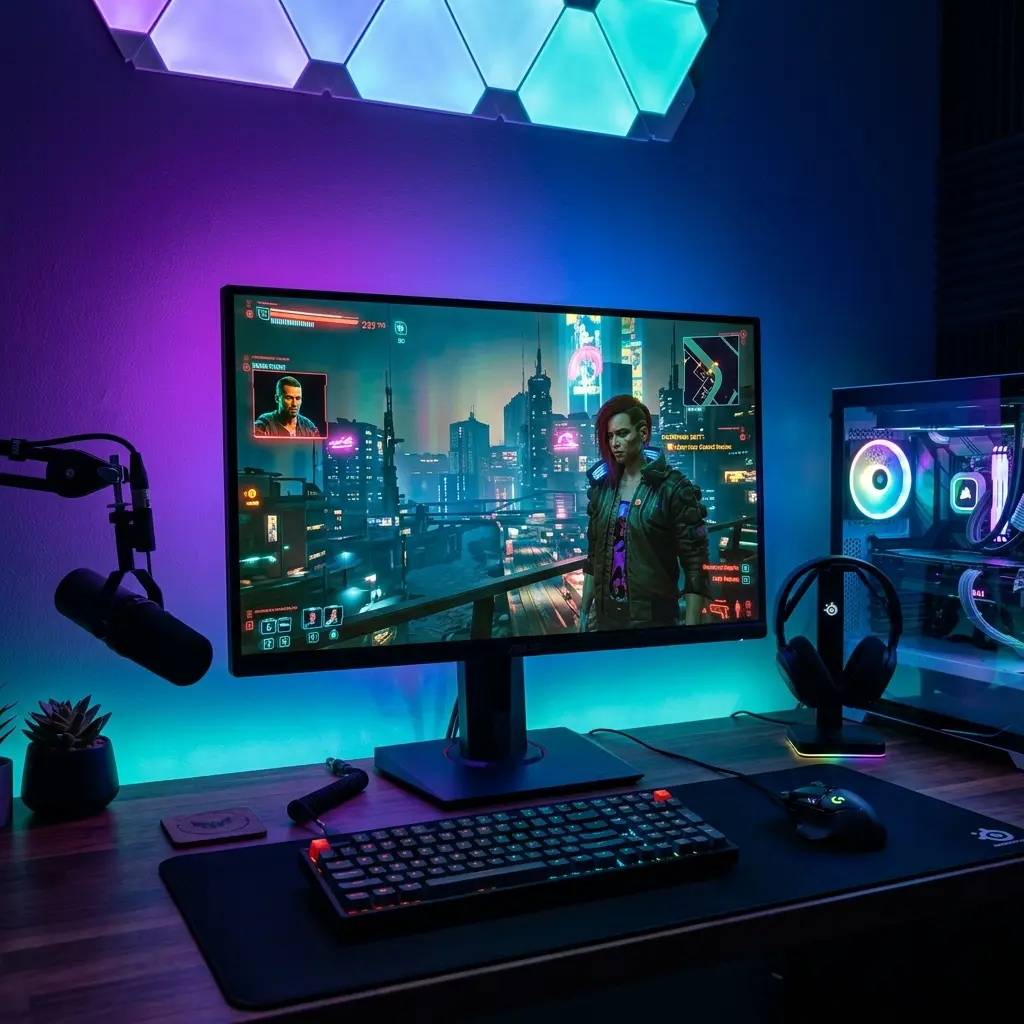
Choosing the best monitors with built-in webcams for home offices enhances productivity and streamlines video conferencing.
Physical Aspects and Resolution
Modern monitors with built-in webcams typically feature Full HD (1920x1080) or 4K (3840x2160) resolutions. Screen sizes range from 24 to 34 inches, allowing for flexibility based on workspace requirements.
Performance and Technology
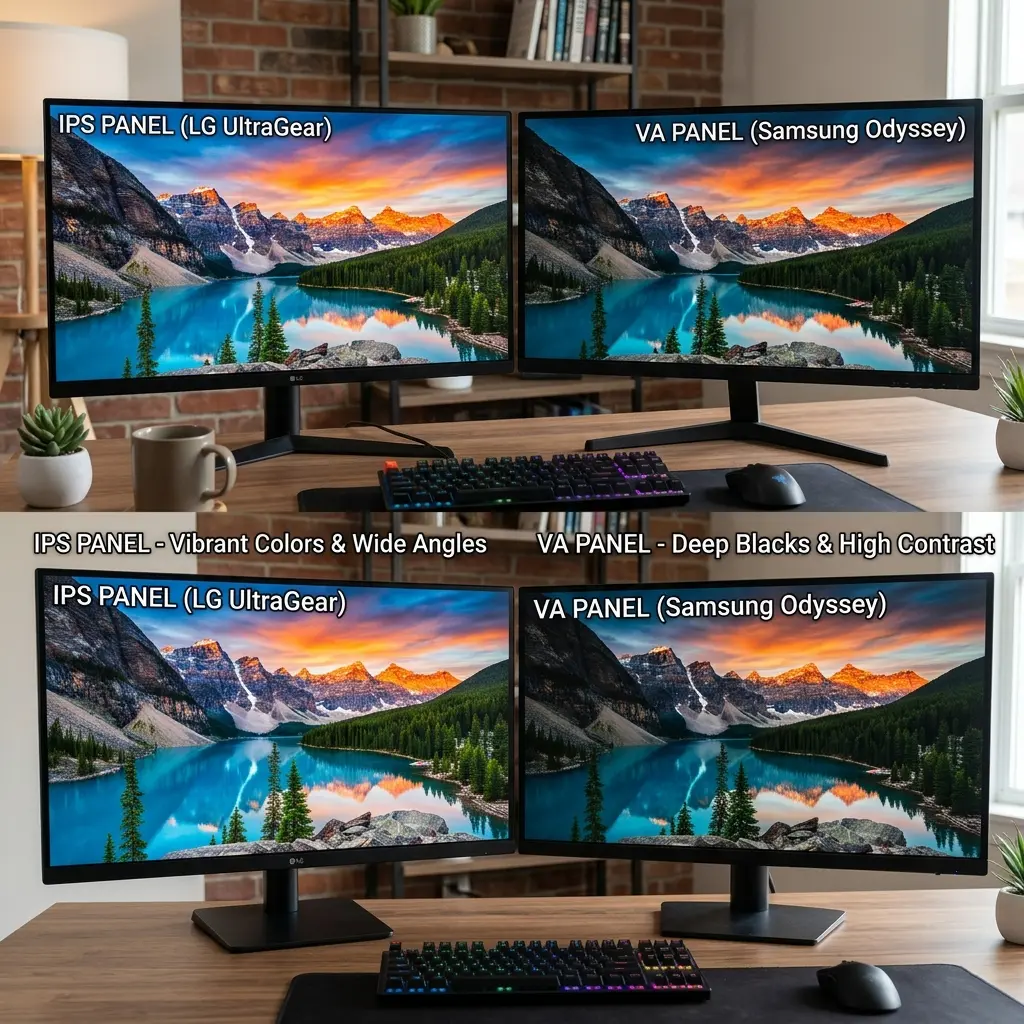
Most monitors incorporate IPS or VA panel technologies, providing superior color accuracy and viewing angles. Refresh rates vary, with many options supporting 60Hz to 144Hz for smooth visuals during video calls or content consumption.
Ergonomics and Visual Comfort
Adjustable stands and VESA compatibility enhance usability, allowing for optimal screen positioning. Anti-glare coatings and blue light filters contribute to reducing eye strain during prolonged usage.
| Model | Resolution | Panel Type | Refresh Rate | Price |
|---|---|---|---|---|
| LG UltraFine 27UN850-W | 4K | IPS | 60Hz | $699 |
| ASUS ProArt PA32UCX | 4K | IPS | 60Hz | $2,999 |
| Dell P2720DC | QHD | IPS | 60Hz | $499 |
| Acer R240HY | 1080p | IPS | 60Hz | $149 |
| HP EliteDisplay E243m | 1080p | IPS | 60Hz | $299 |
Materials and Durability
High-quality plastic and metal frames ensure longevity and sturdiness in modern monitors. Many models are designed with heat-resistant materials to maintain performance during extended use.
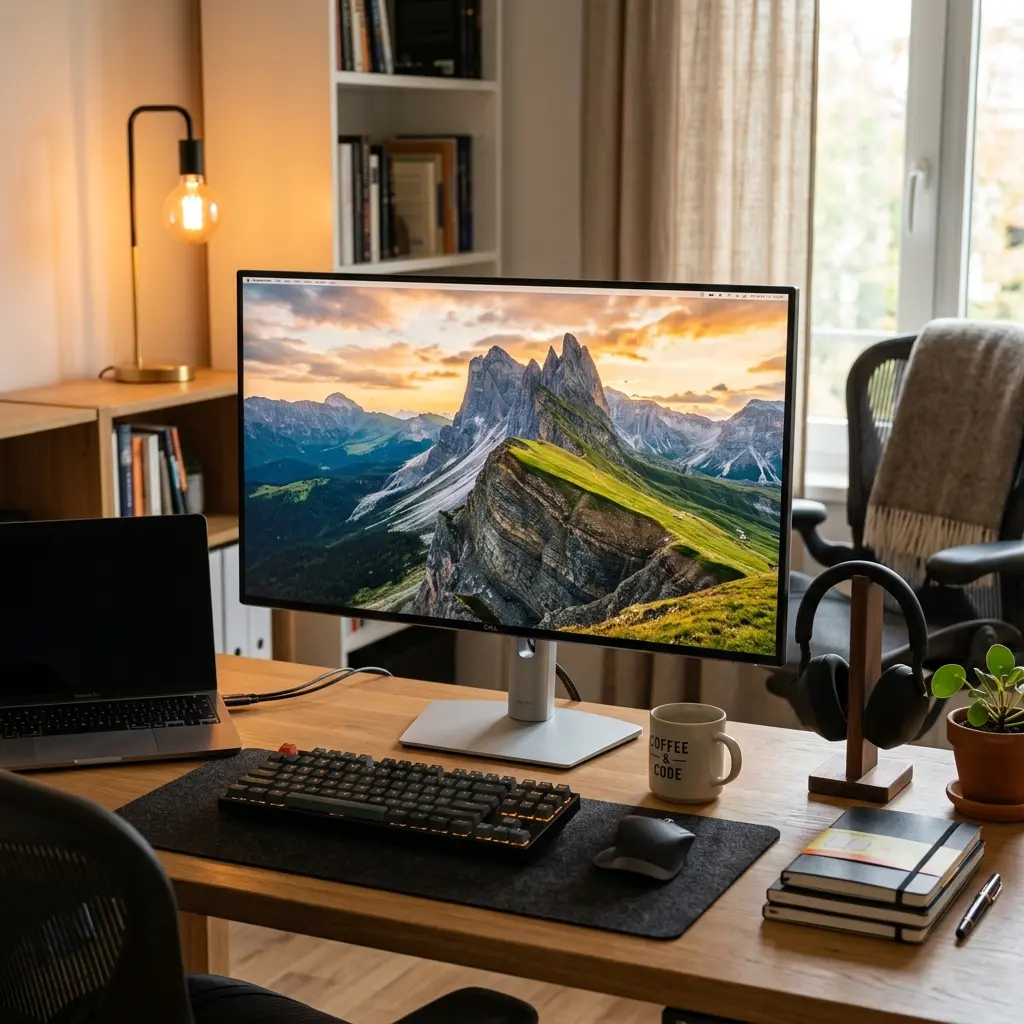
DomineTec Tip: Ensure monitors are positioned at eye level to reduce neck strain and improve posture during long work sessions.
Buying Recommendations and Brands
Top brands like Dell, LG, and ASUS consistently deliver quality monitors with integrated webcams for home offices. Consider factors such as resolution, panel technology, and ergonomic features before making a purchase.
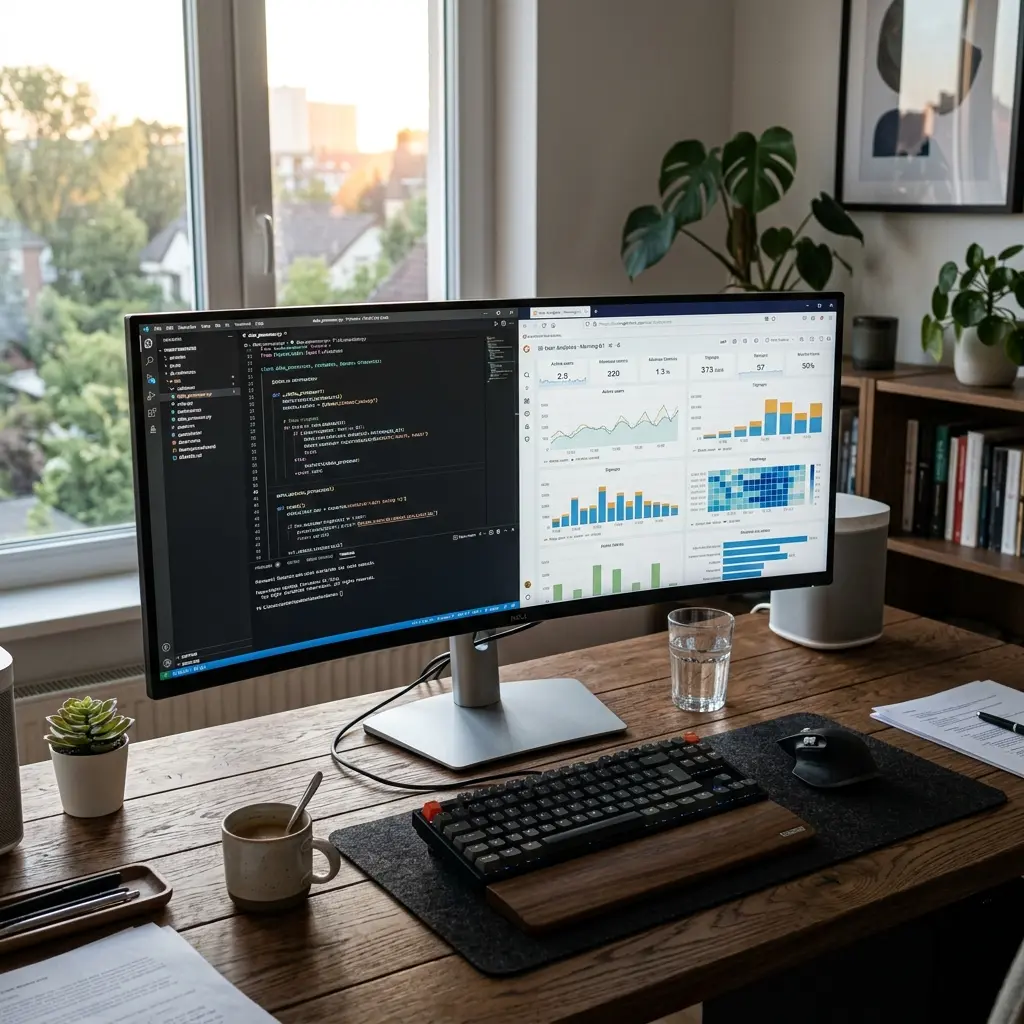
- Determine workspace size and required screen dimensions.
- Assess the resolution based on usage needs, prioritizing 4K for graphic design.
- Evaluate panel type for color accuracy and viewing angles.
- Check for ergonomic features like height adjustment and tilt.
- Review connectivity options, ensuring compatibility with existing devices.
Value Analysis and Verdict
While investing in a monitor with a built-in webcam, consider the balance between features and price. Models offering superior image quality and ergonomic design typically yield better long-term value.
Integration with Software and Applications
Monitors with built-in webcams often come equipped with software that enhances their usability. This includes features for video conferencing, streaming, and content creation. Compatibility with popular applications like Zoom, Microsoft Teams, and Skype is crucial for seamless operation.
Some monitors offer proprietary software that allows users to adjust camera settings, such as brightness, contrast, and zoom. This can significantly improve video quality during calls and recordings, making them more professional and engaging.
Furthermore, many modern monitors support advanced functionality like facial recognition and background blur. These features improve user experience during virtual meetings, ensuring that distractions are minimized and focus is maintained.
Integration with third-party applications also enhances the versatility of these monitors. Users can utilize them for gaming, video editing, or streaming, making them suitable for various professional and personal tasks.
Audio Quality and Built-in Features
In addition to visual quality, audio performance is crucial for monitors with built-in webcams. Many models incorporate high-quality microphones and speakers to facilitate clear communication during video calls.
Some monitors feature noise-canceling technology, which filters out background sounds for a more focused audio experience. This is especially beneficial in home office settings where multiple distractions may exist.
Additionally, certain monitors include advanced audio settings that allow users to customize their sound profiles. This feature can enhance the overall experience, whether for conference calls, webinars, or casual streaming.
Built-in speakers also eliminate the need for external audio devices, simplifying the workspace setup. This compact design is particularly advantageous for users with limited desk space.
Security and Privacy Features
Security is a growing concern for remote workers, making privacy features on monitors increasingly important. Many models come equipped with physical privacy shutters that can be easily closed when the webcam is not in use.
Some monitors incorporate software solutions that provide additional layers of protection. For instance, facial recognition can lock the camera when the user is not present, preventing unauthorized access.
Furthermore, certain brands offer integrated encryption technology that secures video streams during calls. This is essential for maintaining confidentiality, especially in corporate environments.
Regular software updates are also important for addressing potential vulnerabilities. Users should choose monitors from manufacturers that frequently release updates to enhance security features.
Portability and Space Considerations
Portability is an essential factor for users who may need to relocate their workspace frequently. Monitors with built-in webcams often have a compact design that facilitates easy transport without sacrificing functionality.
Some models feature detachable stands or lightweight constructions, making them ideal for mobile professionals. This versatility also allows users to set up their office in various locations, such as co-working spaces or home environments.
Space-saving designs are particularly beneficial for small home offices. Many monitors are designed to minimize their footprint, allowing users to maximize their workspace while still enjoying high-quality video capabilities.
Consideration of cable management is also vital in these designs. Many monitors come with built-in cable management systems that help to keep the workspace organized and free from clutter.
Connectivity Options and Compatibility
Connectivity is a critical aspect of monitors with built-in webcams. These devices typically offer various input and output options, including HDMI, DisplayPort, and USB-C, ensuring compatibility with multiple devices.
USB-C connectivity is particularly advantageous, as it allows for data transfer, video output, and power delivery through a single cable. This feature simplifies the connection process and reduces cable clutter.
Moreover, some monitors include multiple ports, enabling users to connect several devices at once. This is useful for those who may need to switch between laptops, desktops, or gaming consoles seamlessly.
Additionally, compatibility with docking stations can enhance the overall user experience. This feature allows users to connect their monitors to a docking station for added functionality and ease of use.
Environmental Considerations and Energy Efficiency
As sustainability becomes a priority, many monitor manufacturers are focusing on environmentally friendly practices. This includes using recycled materials in construction and packaging.
Energy efficiency is another crucial factor. Monitors with built-in webcams often feature energy-saving modes and certifications, such as ENERGY STAR, which help to reduce electricity consumption.
Additionally, manufacturers are increasingly adopting eco-friendly manufacturing processes. This shift not only minimizes environmental impact but can also improve product durability and longevity.
Choosing an environmentally friendly monitor aligns with broader sustainability goals and can appeal to eco-conscious consumers looking to make responsible purchasing decisions.
User Feedback and Real-World Performance
User reviews and feedback provide valuable insights into the real-world performance of monitors with built-in webcams. These perspectives often highlight both strengths and weaknesses that may not be evident in specifications alone.
Common themes in user feedback include video quality, audio performance, and ease of use. Users often share their experiences regarding how well the monitor performs during video calls and its reliability over time.
Review platforms and forums can be excellent resources for prospective buyers, as they provide a range of opinions and use cases. This information helps users make informed decisions based on their specific needs.
Moreover, monitoring trends in user feedback can guide potential improvements in future models, as manufacturers often take customer suggestions into account when developing new products.
Customizability and User Preferences
Monitors with built-in webcams often come with various settings that allow users to customize the video quality, brightness, and contrast according to personal preferences.
Advanced models may include software that enables users to adjust focus and framing, ensuring that the camera captures the best possible image during video calls.
Some monitors offer the option to toggle the webcam on and off easily, providing users with the ability to maintain their privacy without needing to unplug the device physically.
This level of customizability can significantly enhance the user experience, allowing individuals to tailor their setup for different tasks, from professional meetings to casual video chats.
Impact on Productivity
The integration of a built-in webcam can streamline workflows, reducing the clutter of additional peripherals and allowing for a more organized workspace.
Having the webcam positioned at eye level can facilitate better video communication, making it easier for users to engage with colleagues during virtual meetings.
Moreover, features like automatic lighting adjustments and background blurring help to create a more professional appearance, further enhancing communication effectiveness.
Ultimately, these factors contribute to an overall boost in productivity, allowing users to focus more on their tasks without the distraction of poor video quality or awkward camera angles.
Future Trends in Monitor Technology
The future of monitors with built-in webcams is likely to include advancements in artificial intelligence and machine learning, improving features like facial recognition and automatic framing.
As remote work continues to grow, manufacturers may prioritize seamless integration with virtual reality and augmented reality technologies, enhancing user interaction during video calls.
Additionally, there may be a push toward higher resolutions and refresh rates for built-in webcams, ensuring that video quality keeps pace with the increasing demands of digital communication.
These trends will not only enhance user experience but also redefine how monitors serve as central hubs for both work and entertainment in home office setups.
Remote Collaboration Tools and Features
Integrating remote collaboration tools within monitors with built-in webcams has become increasingly essential for effective communication in a home office setting.
Many of these monitors come with software support for popular video conferencing platforms such as Zoom, Microsoft Teams, and Google Meet, enhancing user experience.
Additionally, features like on-screen controls and one-touch access to applications streamline the process of joining meetings and sharing screens.
Some models even offer built-in collaboration features, such as whiteboard sharing and real-time document editing, which can significantly improve teamwork and productivity.
Health and Wellness Considerations
As remote work becomes more prevalent, health and wellness considerations related to monitor use have gained importance.
Monitors with built-in webcams often incorporate blue light filtering technology, which helps reduce eye strain during prolonged usage.
Furthermore, adjustable brightness levels and flicker-free screens contribute to a more comfortable viewing experience, promoting better visual health.
Ergonomic design elements, such as tilting and height-adjustable stands, also support better posture and reduce the risk of musculoskeletal issues during long work sessions.
Maintenance and Cleaning Tips for Monitors with Built-in Webcam
Maintaining a monitor with a built-in webcam is essential for ensuring its longevity and optimal performance. Regularly cleaning the screen and the camera lens can prevent dust and smudges from affecting image quality during video calls. Use a microfiber cloth and a gentle cleaning solution specifically designed for electronics to avoid damaging the display.
It's important to also check the webcam settings and software periodically. Ensure that the drivers are up to date to benefit from the latest features and security patches. This can help improve video quality and fix any connectivity issues that may arise.
Another aspect of maintenance is the physical placement of the monitor. Avoid placing it in direct sunlight or near heat sources, as these conditions can warp the screen or damage internal components. Additionally, consider using a surge protector to shield the monitor from electrical surges that could affect its performance.
Lastly, regularly inspect the cables and connections for wear and tear. Replacing frayed cables promptly can prevent connectivity issues and maintain the integrity of the video feed. Proper maintenance not only enhances performance but also prolongs the lifespan of the monitor.
Impact of Built-in Webcam Quality on Video Conferencing Experience
The quality of the built-in webcam significantly influences the overall video conferencing experience. High-resolution webcams provide clearer images, making it easier for participants to see facial expressions and body language, which are crucial for effective communication. A 1080p camera is often recommended for professional settings as it delivers a sharp and detailed video feed.
Additionally, factors such as frame rate and low-light performance play a critical role in video quality. Webcams that can operate well in low-light conditions ensure that users appear professional, even in poorly lit environments. This is particularly important for remote workers who may not have a dedicated office space with optimal lighting.
Moreover, advanced features like autofocus and background noise reduction can enhance the video conferencing experience. Autofocus ensures that the user remains in clear focus, while background noise reduction helps maintain audio clarity, allowing for better communication during meetings.
Ultimately, investing in a monitor with a high-quality built-in webcam can lead to more productive and engaging remote meetings. As remote work continues to be a norm, the importance of webcam quality will only increase, making it a key consideration for anyone setting up a home office.
Integration of AI in Built-in Webcam Technology
The integration of artificial intelligence (AI) in built-in webcam technology is transforming the way users engage in video conferencing. AI algorithms can enhance image quality by automatically adjusting lighting and focus, ensuring that users appear their best in various conditions. This technology also allows for background blurring or replacement, providing a more professional appearance during virtual meetings.
Moreover, AI can facilitate facial recognition features that simplify user login processes and enhance security. With biometric identification, users can quickly access their devices while reducing the risk of unauthorized access. This integration not only boosts security but also streamlines user experience, making it easier to transition between tasks.
Future advancements in AI will likely introduce features such as real-time translation and transcription during video calls, further elevating the remote collaboration experience. These innovations will allow for seamless communication across language barriers, enabling teams from different parts of the world to work together more effectively.
As these AI-driven technologies continue to evolve, they will become standard in monitors with built-in webcams, making them essential tools for modern home offices. Users should keep an eye on emerging AI features to maximize their productivity and enhance their video conferencing experience.
Impact of Built-in Webcam Positioning on User Experience
The positioning of built-in webcams significantly impacts the user experience during video conferencing. Monitors with webcams placed at the top of the screen typically offer a more natural angle for eye contact, which is crucial for effective communication. This positioning helps users maintain a more engaging presence, making virtual interactions feel more personal.
Conversely, webcams located at unusual angles or off-center may lead to awkward framing and diminished professionalism. Users may find themselves constantly adjusting their position to appear correctly on camera, which can be distracting and hinder focus during important meetings. The ideal placement is crucial for creating a comfortable and engaging environment for both the user and their audience.
Additionally, ergonomic considerations come into play when discussing webcam positioning. A well-placed webcam can promote better posture, reducing strain on the neck and shoulders during long video calls. Monitors designed with this in mind can contribute to overall user comfort, making them more suitable for extended home office use.
Ultimately, the right webcam positioning can enhance not only the visual quality of video calls but also the overall user experience. When selecting a monitor with a built-in webcam, it is essential to consider how webcam placement will affect communication dynamics and long-term comfort during remote work.
Frequently Asked Questions
What is the benefit of a built-in webcam?
A built-in webcam simplifies setup, eliminating the need for additional equipment while ensuring video conferencing is more accessible.
Are IPS panels better than VA panels?
IPS panels generally provide better color accuracy and wider viewing angles, making them ideal for design and collaborative work.
How important is screen size for a home office monitor?
Screen size can significantly impact productivity; larger screens allow for better multitasking and improved visibility of details.
Can a monitor with built-in speakers replace external speakers?
While built-in speakers can be convenient, they often lack the quality and depth of external speakers, particularly for media consumption.
What resolution is recommended for video conferencing?
A minimum of Full HD (1080p) is recommended for clear video quality during meetings, with 4K providing even sharper visuals.




