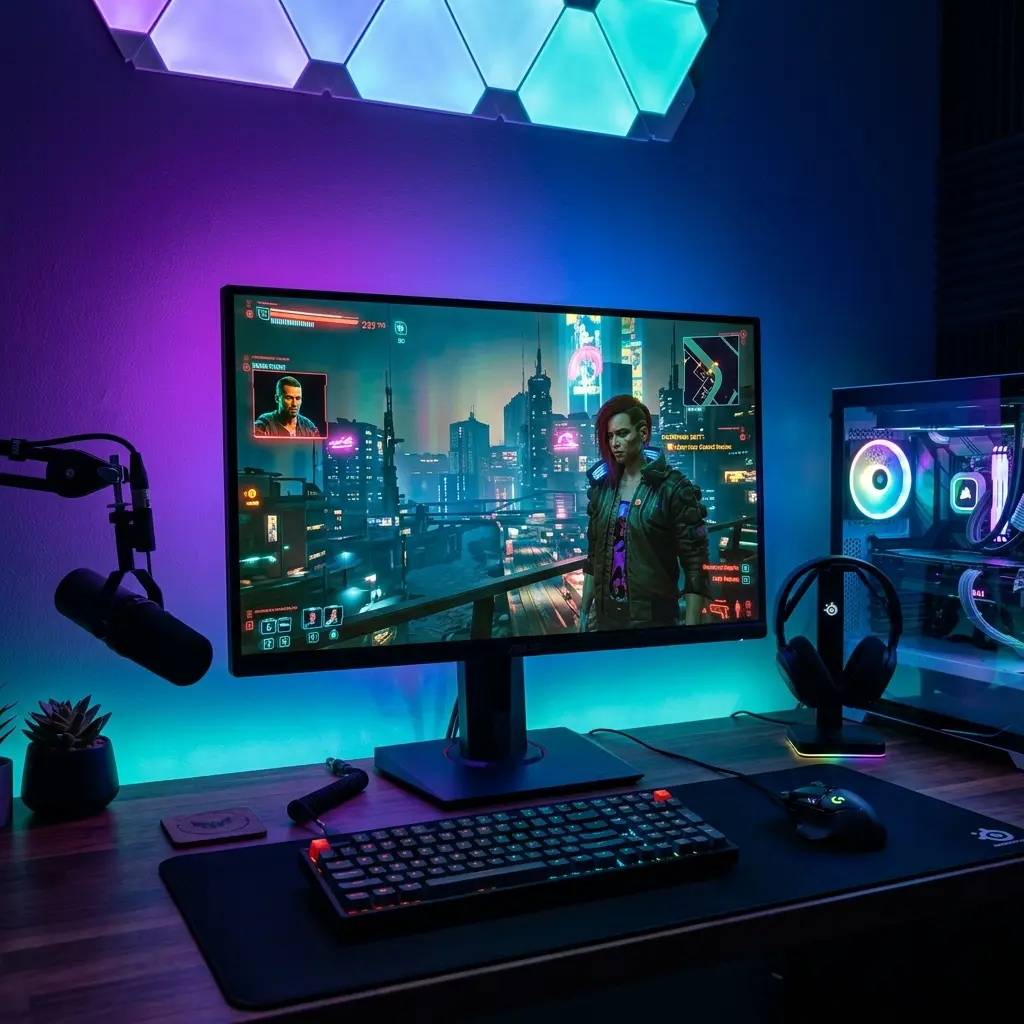
Discover the best monitors with built-in speakers, combining high-quality visuals and audio for an enhanced experience.
Physical Aspects and Resolution
Monitors with built-in speakers vary in size, typically ranging from 24 inches to 34 inches, allowing for diverse usage scenarios.
Common resolutions include Full HD (1920x1080), Quad HD (2560x1440), and 4K (3840x2160), catering to different preferences and needs.
Performance and Technology
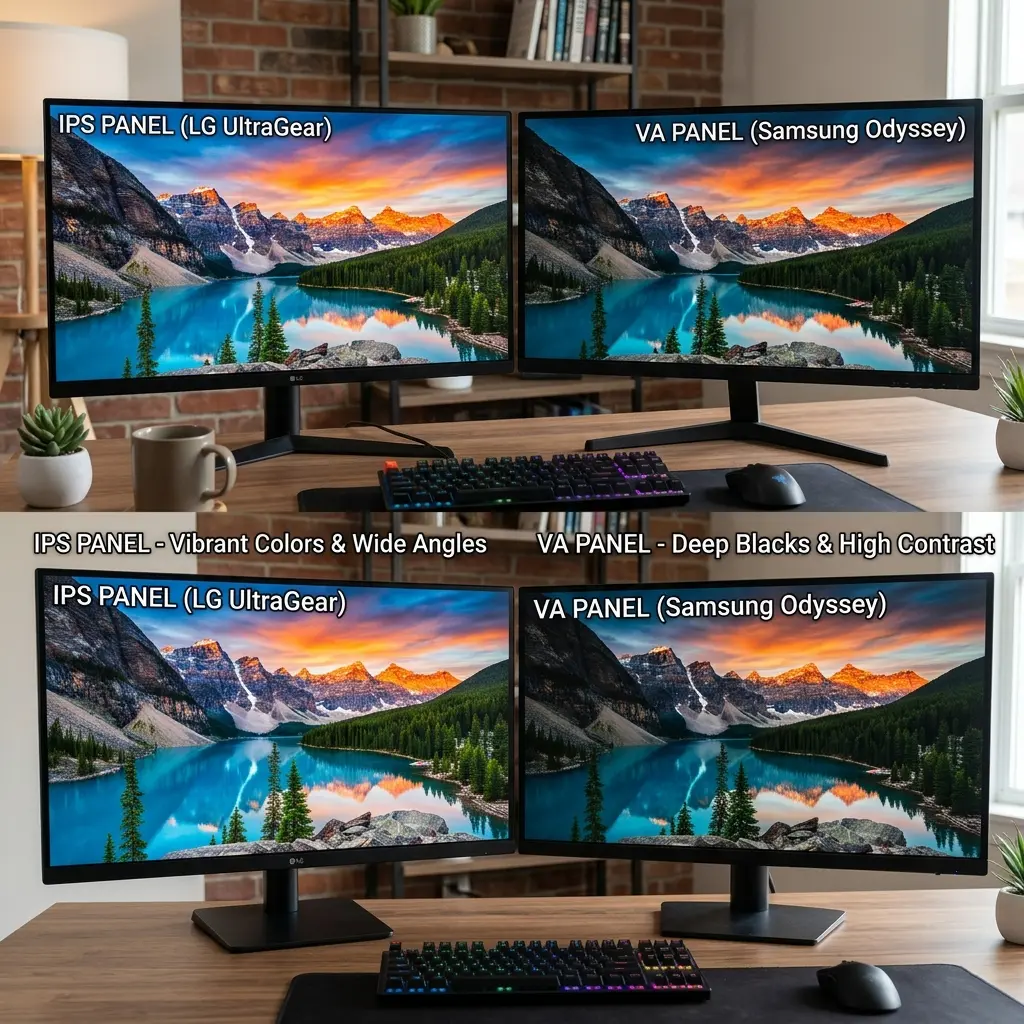
Panel technologies such as IPS, VA, and TN influence color accuracy and response times, impacting overall performance.
Monitors often feature refresh rates from 60Hz to 144Hz, enhancing visual fluidity during fast-paced activities.
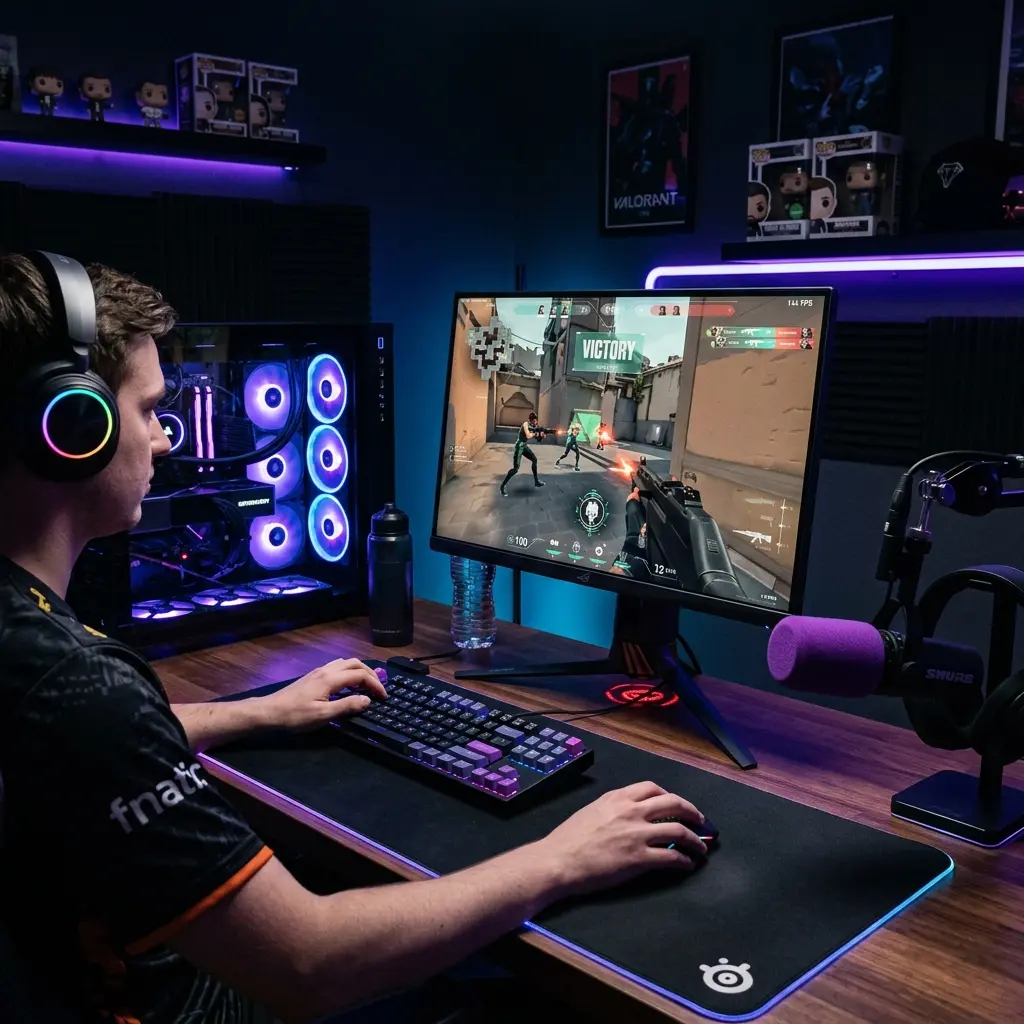
Ergonomics and Visual Comfort
Ergonomic features, such as adjustable stands and tilt functions, improve user comfort during extended usage.
Anti-glare screens and blue light filters contribute to minimizing eye strain and enhancing visual comfort.
| Brand | Model | Screen Size | Resolution | Speakers | Price |
|---|---|---|---|---|---|
| Acer | R240HY | 24" | Full HD | Yes | $149 |
| LG | 32UN650-W | 32" | 4K | Yes | $449 |
| ASUS | VZ249HE | 23.8" | Full HD | Yes | $139 |
| Samsung | LU28R550UQNXZA | 28" | 4K | Yes | $389 |
Materials and Durability
Monitors typically consist of high-quality plastic or metal casings, providing durability while maintaining aesthetic appeal.
Screen protection technologies, such as anti-glare coatings and reinforced glass, enhance lifespan and usability.
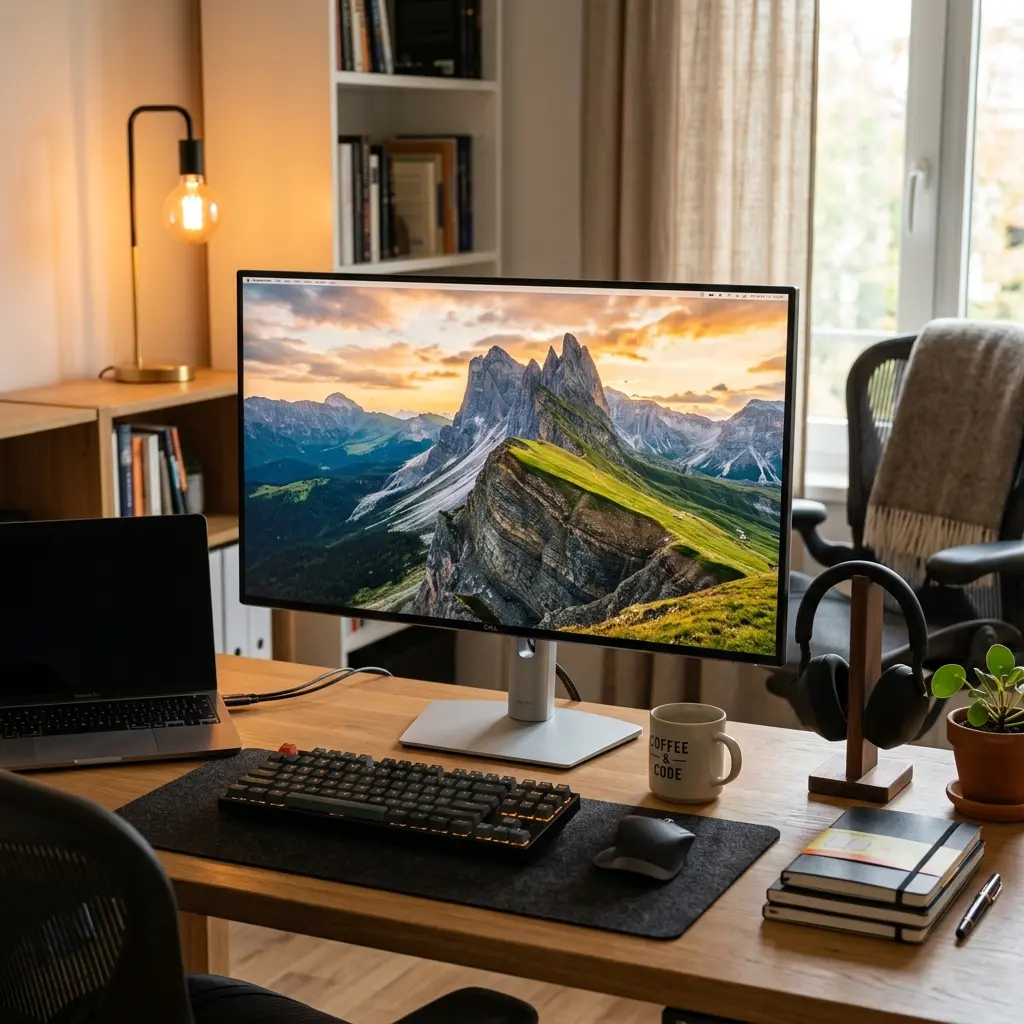
DomineTec Tip: Consider adjusting monitor height to eye level for optimal ergonomic benefits and reduced neck strain.
Buying Recommendations and Brands
Leading brands in the monitor market include Dell, Acer, LG, ASUS, and Samsung, each offering various models with built-in speakers.
Prioritize models that balance audio quality, screen resolution, and ergonomic features to ensure a satisfying user experience.

- Determine the primary use (gaming, professional work, or casual browsing).
- Select the desired screen size and resolution based on available space.
- Evaluate audio performance and speaker quality as a critical factor.
- Check for ergonomic features that enhance comfort during extended use.
- Read user reviews and expert opinions to gauge overall satisfaction.
Value Analysis and Verdict
Investing in a monitor with built-in speakers can save space and simplify setups, particularly for minimalistic environments.
Evaluate specific requirements and budget constraints to find the best match among available options.
Connectivity Options
When selecting a monitor with built-in speakers, the range of connectivity options is crucial for compatibility with other devices. Standard ports like HDMI, DisplayPort, and USB-C have become prevalent, enabling seamless connections to laptops, desktops, and gaming consoles.
Monitors that offer multiple input options allow for greater flexibility, catering to users who may switch between devices frequently. Additionally, some monitors come equipped with USB hubs, facilitating easy access to peripherals without cluttering your workspace.
Audio output options should also be considered; monitors that support audio pass-through via HDMI can simplify setups by reducing the need for additional audio cables. This feature can enhance the overall user experience, especially for those who value a clean and organized workspace.
Moreover, Bluetooth connectivity in some monitors allows for wireless audio streaming, providing an alternative for users who prefer to connect their devices without physical cables. This modern feature can significantly enhance usability and convenience.
Audio Quality and Performance
The audio quality of built-in speakers can vary significantly between different monitor models. While many monitors provide adequate sound for casual use, audiophiles may find built-in options lacking in depth and clarity.
Factors such as speaker placement, size, and technology used in the speakers play a vital role in audio performance. Monitors with sound enhancement technologies, such as Dolby Audio or DTS, can provide a richer listening experience.
Additionally, the wattage of the speakers is a key indicator of audio output capability. Monitors with higher wattage tend to produce louder sounds without distortion, making them suitable for gamers and multimedia enthusiasts.
To assess the audio performance accurately, it is advisable to read user reviews and expert evaluations. These insights can provide a clearer picture of how the monitor performs in real-world scenarios.
Gaming Features
For gamers, the integration of built-in speakers with gaming monitors can enhance the overall experience. Features such as low input lag, high refresh rates, and adaptive sync technologies like FreeSync or G-Sync are essential for competitive gaming.
Built-in speakers in gaming monitors can often deliver sound effects that immerse players in the game environment. Monitors specifically designed for gaming usually incorporate audio profiles that enhance the performance of in-game sounds.
Additionally, many gaming monitors come with customizable audio settings, allowing users to tweak sound profiles to suit different game genres. This can significantly impact gameplay performance and overall enjoyment.
Choosing a monitor with gamer-centric features, including built-in speakers, can simplify the setup while ensuring a high-quality audio-visual experience, making it a worthwhile investment for serious gamers.
Size and Form Factor
The size and form factor of a monitor can influence not only the viewing experience but also the sound quality of built-in speakers. Larger monitors often have more room for higher-quality speakers, which can enhance audio performance.
When considering size, users should evaluate their desk space and intended use. A 27-inch monitor may be ideal for immersive gaming or video editing, while a smaller 24-inch model might suffice for basic tasks.
Ultra-wide monitors, which are gaining popularity, provide expansive screen real estate and often include built-in speakers designed to deliver a panoramic sound experience. These monitors can be particularly beneficial for multitasking and immersive gaming.
Ultimately, the choice of size should align with the user's requirements and workspace. Larger screens with quality built-in speakers can offer a superior experience, but they also require adequate space and placement consideration.
Energy Efficiency and Noise Levels
Energy efficiency is an important factor for users concerned about their environmental footprint and energy bills. Many modern monitors come with energy-efficient certifications, indicating lower power consumption during operation.
Built-in speakers can consume additional power, so it's essential to consider the overall energy usage of the monitor. Monitors designed with energy-saving features can help reduce the total power draw, making them more sustainable options.
Additionally, noise levels from built-in speakers can be a concern in quiet environments. Monitors that provide clear sound without excessive distortion or buzzing can contribute to a more pleasant experience.
Investigating the energy consumption ratings and user feedback on audio clarity can help users find a monitor that balances performance and efficiency, ensuring a satisfactory experience without unnecessary energy waste.
Software and Compatibility
Software compatibility is a critical consideration for monitors with built-in speakers. Ensuring compatibility with various operating systems and applications can enhance usability and functionality.
Some monitors come with proprietary software that allows users to customize audio settings, enabling them to optimize sound performance according to their preferences. This can be particularly useful for content creators and gamers who require specific audio adjustments.
Additionally, users should check for firmware updates that may improve speaker performance or add new features. Keeping the monitor's software up to date can ensure it operates at peak efficiency.
Compatibility with sound enhancement software and applications can also provide added value, enabling users to achieve a more tailored audio experience that aligns with their specific needs and preferences.
Comparison with External Speaker Systems
While built-in speakers offer convenience, comparing them with external speaker systems can help users make informed decisions. External speakers typically provide superior sound quality, depth, and clarity compared to built-in options.
For audiophiles or professionals in sound-sensitive fields, investing in a dedicated audio solution may be more beneficial. External speakers can also be customized to suit individual preferences and room acoustics.
However, the simplicity of built-in speakers cannot be overlooked. They eliminate the need for additional cables and setup, making them ideal for users who prioritize minimalism and ease of use.
Ultimately, the decision between built-in and external speakers should be based on personal preferences, audio requirements, and the intended use of the monitor.
Environmental Impact and Sustainability
The production and disposal of monitors with built-in speakers can significantly impact the environment. Manufacturers are increasingly adopting sustainable practices to minimize their ecological footprint.
Many brands are now using recycled materials in their monitor designs, which helps reduce the demand for virgin resources. This shift towards sustainability is crucial in the context of growing electronic waste and environmental concerns.
Energy-efficient models are also becoming more prevalent, as they consume less power during operation. This not only lowers energy bills for consumers but also reduces the overall carbon emissions associated with electricity generation.
Furthermore, some manufacturers offer take-back programs for old monitors, promoting responsible recycling. Such initiatives are essential for ensuring that electronic devices do not contribute to landfill waste.
Consumer Trends and Preferences
Consumer preferences in monitor selection are evolving, particularly regarding integrated audio solutions. Today’s users often prioritize convenience, seeking monitors that offer both visual clarity and decent sound quality.
Market research indicates a growing preference for monitors that can accommodate a variety of multimedia needs, especially among remote workers and content creators. Therefore, features like built-in speakers are increasingly becoming a standard requirement rather than a luxury.
Another trend is the increasing popularity of compact monitors, which allow for better space management in home offices. These monitors often feature integrated speakers designed to deliver satisfactory audio without taking up extra space.
As consumers demand more versatile products, manufacturers are responding by enhancing the audio capabilities of built-in speakers, thus bridging the gap between performance and practicality.
Future Innovations in Monitors with Built-in Speakers
The future of monitors with built-in speakers is promising, with ongoing advancements in technology set to enhance user experience. Innovations in audio processing technology are paving the way for richer soundscapes in compact designs.
Moreover, the integration of smart features is expected to rise, allowing monitors to connect with smart home ecosystems. This could lead to enhanced audio experiences, where monitors can be controlled alongside other devices for seamless multimedia integration.
Research into spatial audio and 3D sound technologies may also influence the design of built-in speakers. Such advancements have the potential to provide immersive experiences without the need for external audio equipment.
As the demand for all-in-one solutions continues to grow, manufacturers will likely focus on creating monitors that not only appeal to gamers and professionals but also cater to everyday users who seek an enhanced multimedia experience.
Multimedia Capabilities
Monitors with built-in speakers are increasingly designed to cater to multimedia consumption, making them ideal for users who frequently engage with video content or gaming.
Many models now feature advanced audio technologies such as Dolby Digital or DTS, enhancing the overall experience by providing richer soundscapes and clearer dialogues.
Additionally, integrated speakers often come with various sound modes that can be adjusted based on the type of content being viewed, whether it be movies, music, or gaming.
The integration of soundbars or enhanced audio drivers in selected monitors allows users to achieve a more immersive experience without the need for external audio equipment.
Market Trends and Consumer Preferences
The market for monitors with built-in speakers has seen a notable shift towards compact and versatile designs that cater to diverse consumer needs.
As remote work and online content consumption become more prevalent, users increasingly prefer monitors that combine functionality with space-saving solutions.
Trends indicate a growing demand for models that offer not only built-in speakers but also additional features such as smart connectivity and customizable sound settings.
Manufacturers are responding to these trends by incorporating user feedback into their designs, resulting in monitors that balance aesthetics, performance, and audio capabilities.
Maintenance and Care for Monitors with Built-in Speakers
Regular maintenance of monitors with built-in speakers enhances their longevity and performance. Dust accumulation can adversely affect both the visual display and audio output, necessitating periodic cleaning.
To clean the monitor, use a microfiber cloth and a suitable screen cleaner to avoid scratches. For the speakers, gently vacuum the grill or use compressed air to remove dust particles that may muffle sound quality.
It is also advisable to check and manage cable connections to prevent wear and tear. Proper management of cables not only prevents damage but also optimizes the aesthetic appeal of the workspace.
Lastly, ensure that the monitor's software and firmware are updated regularly. This practice can improve connectivity and audio performance, providing a more seamless user experience.
Use Cases for Monitors with Built-in Speakers
Monitors with built-in speakers cater to various use cases, making them versatile for different user needs. For casual users, such as those who stream videos or engage in video calls, the integrated speakers provide a convenient all-in-one solution.
In office environments, these monitors are ideal for presentations and collaborative work, eliminating the need for external speaker systems. Their ease of setup allows for quick transitions between tasks.
Gamers also benefit from monitors with built-in speakers, as they often feature enhanced audio technologies that can improve the immersive experience. This eliminates the clutter of additional audio equipment while maintaining sound quality.
Finally, educational institutions can utilize these monitors for teaching purposes, making it easier to display multimedia content. Built-in speakers enhance the learning experience by providing clear audio without the logistical challenges of external sound systems.
Frequently Asked Questions
Do built-in speakers offer good sound quality?
While built-in speakers are convenient, they often lack the audio fidelity of dedicated external speakers.
What is the ideal screen size for gaming?
A screen size between 24 to 32 inches is generally ideal for gaming, balancing immersion and space usage.
Can monitors with built-in speakers be used for professional audio work?
Generally, monitors with built-in speakers are not recommended for professional audio work due to limited sound quality.
How to connect external speakers to a monitor?
Most monitors allow connection to external speakers via audio-out ports or through HDMI, depending on the setup.
Are curved monitors better for immersion?
Curved monitors can enhance immersion by providing a more panoramic view, especially in gaming scenarios.




