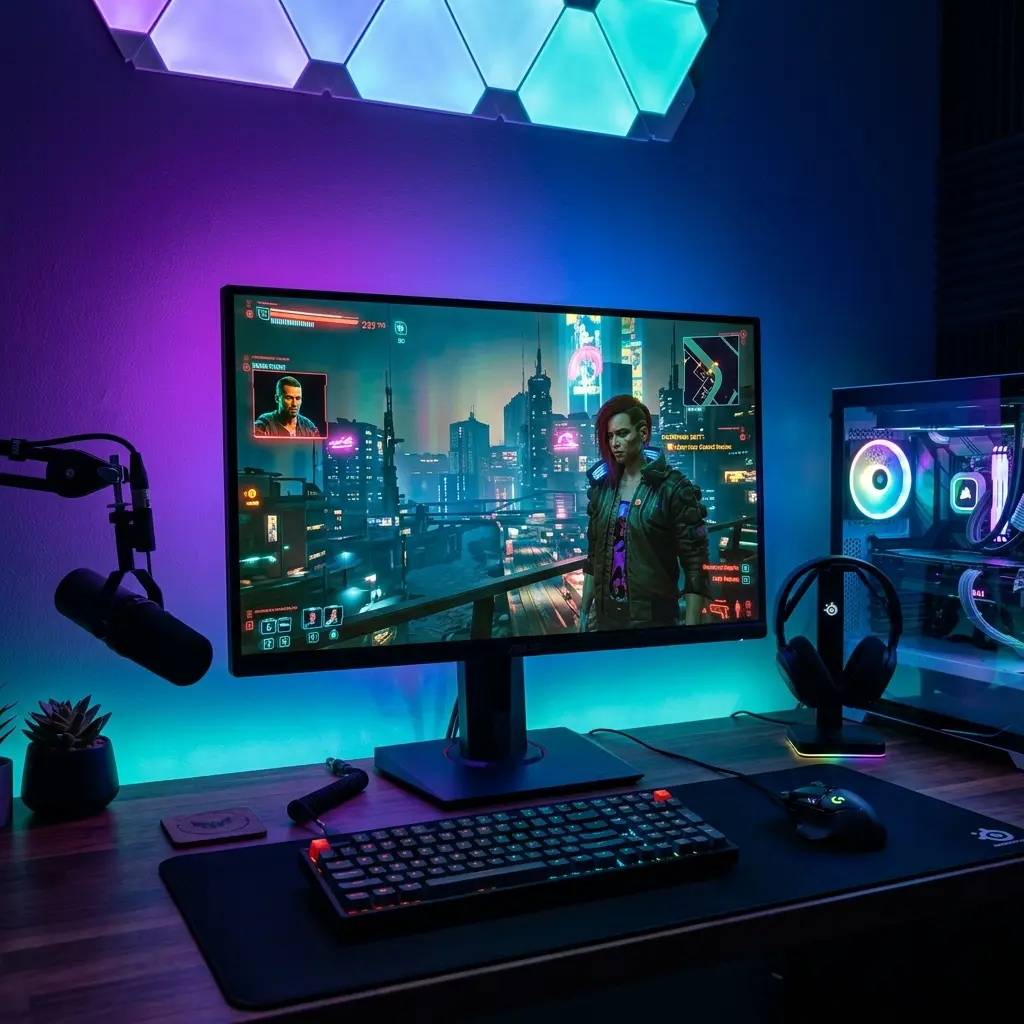
The best USB-C monitors for remote work and video calls combine high resolution, impressive performance, and ergonomic design.
Physical Aspects and Resolution
USB-C monitors typically offer a range of screen sizes from 24 to 34 inches, with resolutions varying from Full HD (1920x1080) to 4K (3840x2160).
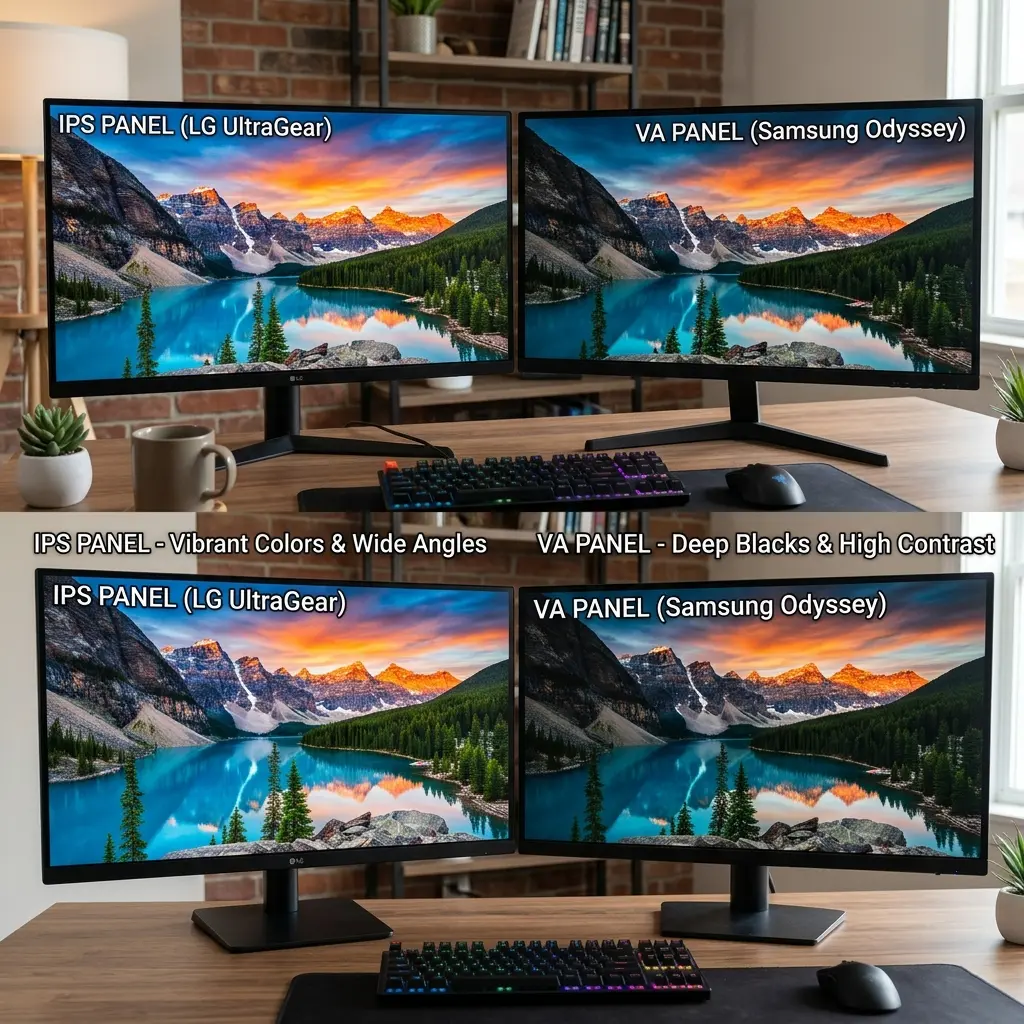
Recommendations include models with IPS panels for superior color accuracy and wide viewing angles, essential for video calls and presentations.
Performance and Technology
Most USB-C monitors support HDR technology, enhancing color and contrast for a more immersive visual experience.
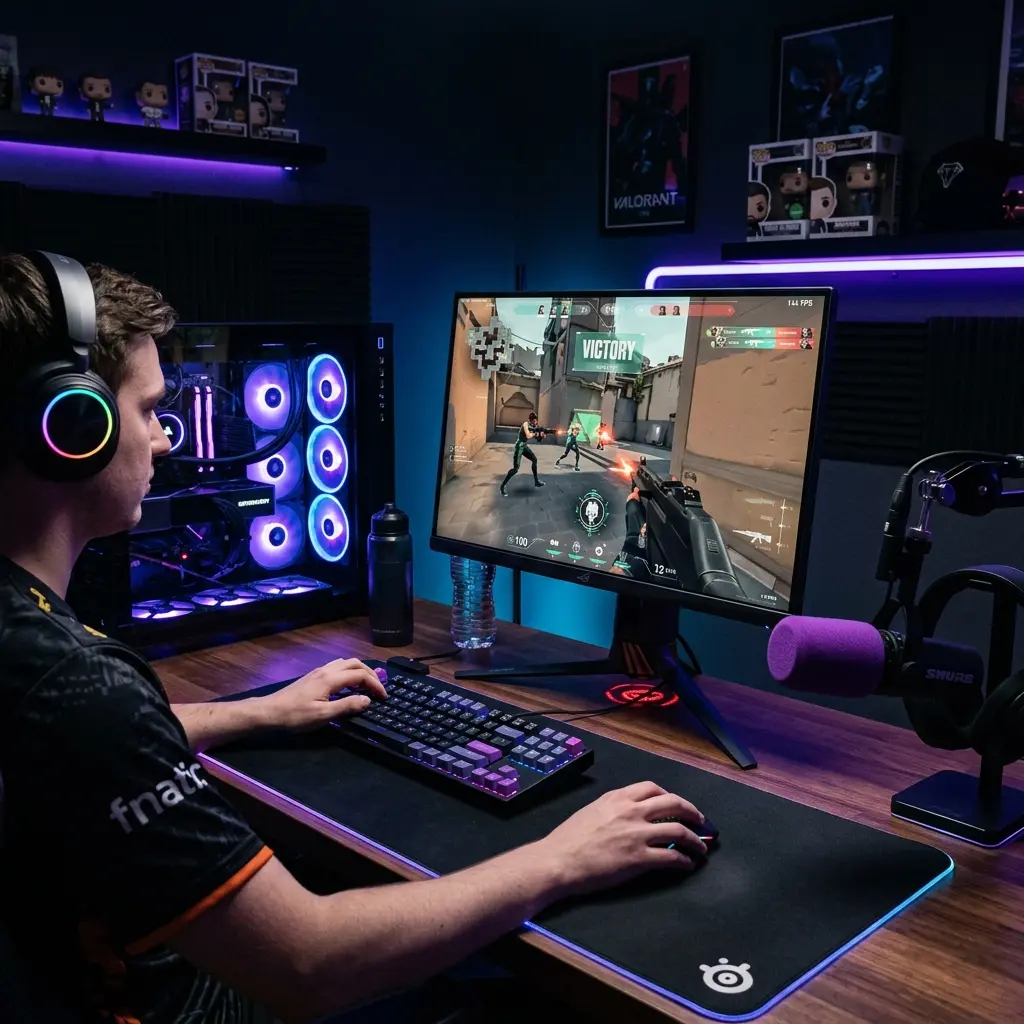
Refresh rates of 60Hz to 144Hz cater to both productivity and casual gaming needs, ensuring fluid motion during video playback and scrolling.
Ergonomics and Visual Comfort
Adjustable stands with height, tilt, and swivel functions improve usability, allowing users to maintain a healthy posture.
Blue light filtering and flicker-free technologies are beneficial for reducing eye strain during long working hours.
| Model | Screen Size | Resolution | Refresh Rate | Panel Type | Price |
|---|---|---|---|---|---|
| LG UltraFine 27UN850-W | 27 inches | 4K | 60Hz | IPS | $699 |
| BenQ PD3220U | 32 inches | 4K | 60Hz | IPS | $1,199 |
| Dell UltraSharp U2720Q | 27 inches | 4K | 60Hz | IPS | $699 |
| Samsung Odyssey G7 | 27 inches | QHD | 240Hz | VA | $699 |
| ASUS ProArt PA32UCX | 32 inches | 4K | 60Hz | IPS | $3,199 |
Materials and Durability
Quality USB-C monitors often feature metal or high-grade plastic frames, ensuring durability and a premium feel.
Anti-glare coatings on screens help maintain clarity and visibility under various lighting conditions.
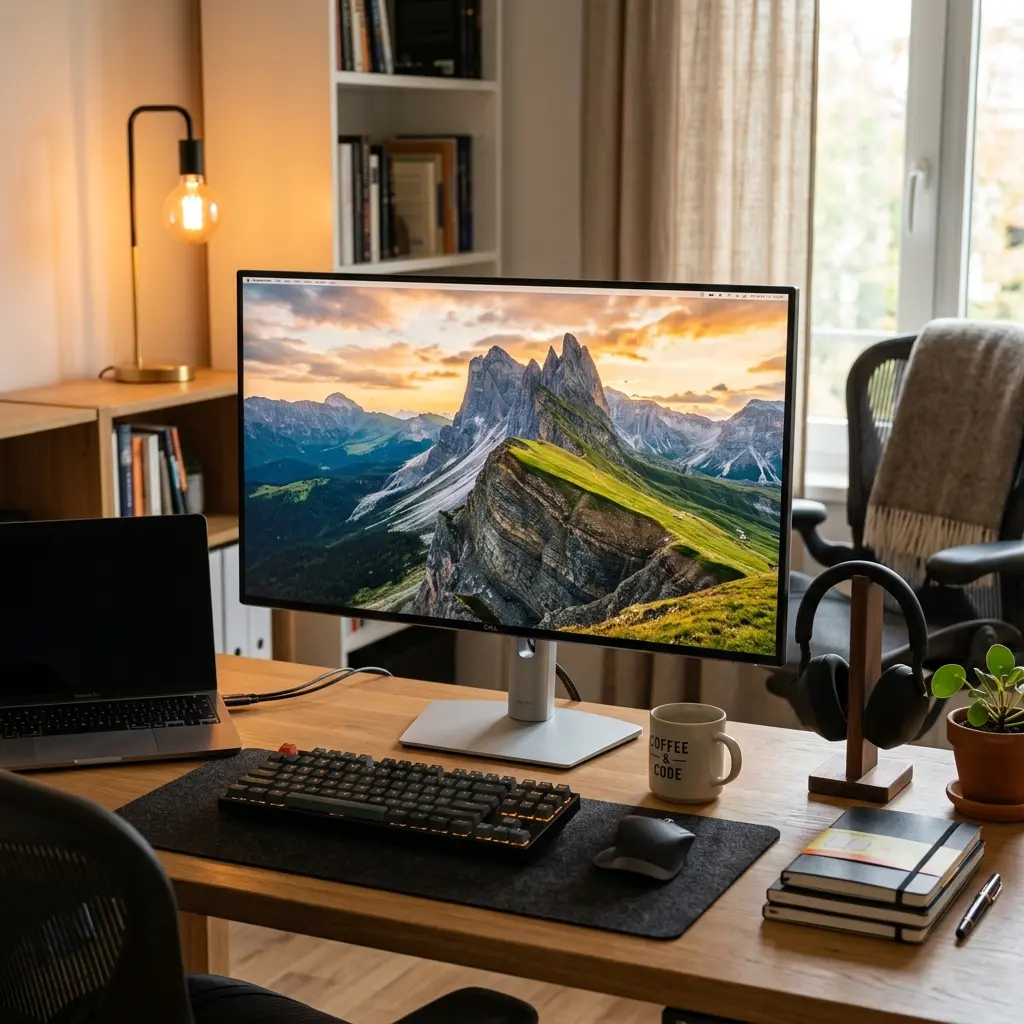
DomineTec Tip: Position the monitor at eye level to minimize neck strain and enhance overall comfort during long work sessions.
Buying Recommendations and Brands
Brands such as Dell, LG, and BenQ are renowned for producing reliable USB-C monitors tailored for remote work.
Consider features like integrated KVM switches for multitasking across devices or built-in webcams for seamless video conferencing.
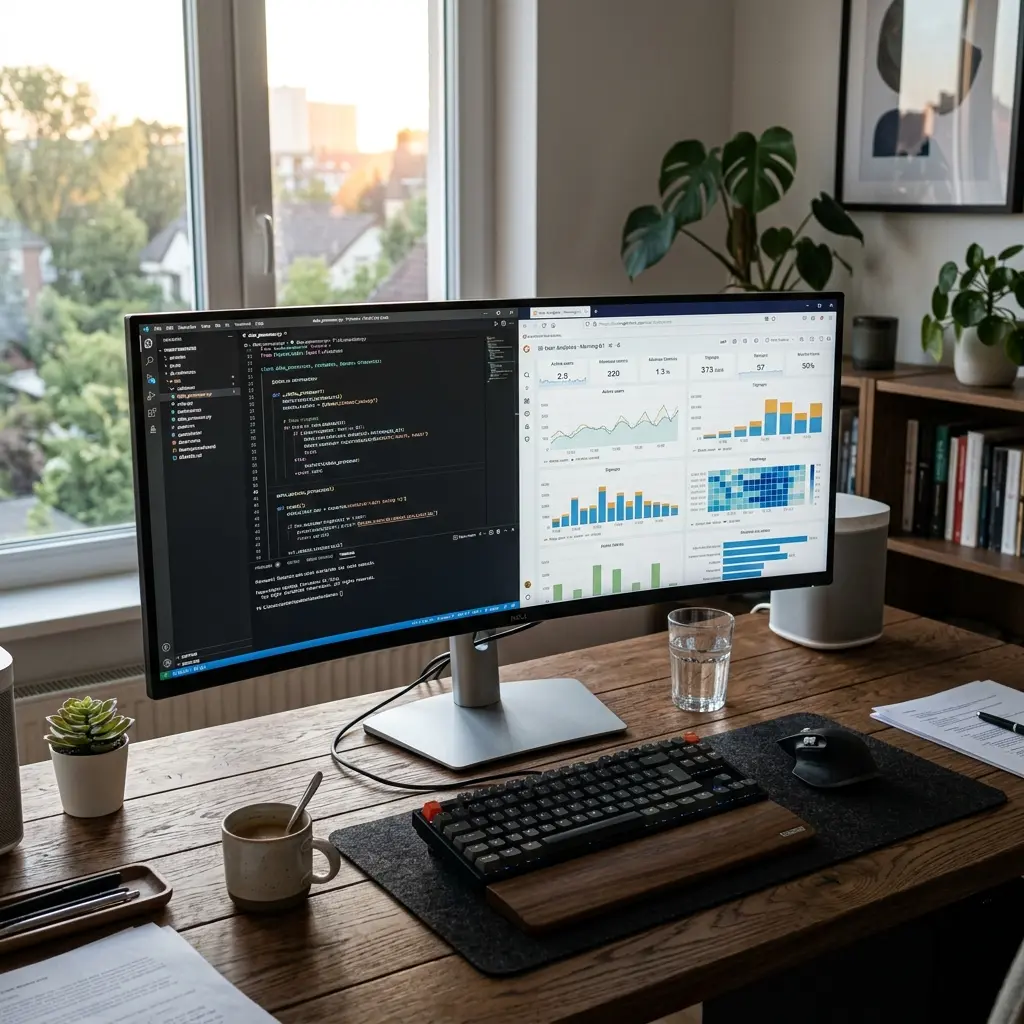
- Determine preferred screen size and resolution based on workspace and tasks.
- Evaluate panel types (IPS vs. VA) based on color accuracy and response times.
- Check for ergonomic adjustments and connectivity options.
- Read user reviews to gauge performance over time.
- Compare prices across retailers for the best deal.
Value Analysis and Verdict
Investing in a quality USB-C monitor enhances productivity and video call quality, making it a worthy expenditure for remote professionals.
Choosing a model that balances specifications and budget ensures optimal performance and longevity in a work environment.
Connectivity Options and Compatibility
Modern USB-C monitors offer a range of connectivity options that enhance their versatility for remote work setups. Many models come equipped with multiple USB-C ports, HDMI, DisplayPort, and even legacy VGA connectors, ensuring compatibility with various devices.
When selecting a USB-C monitor, it is crucial to assess the compatibility with your existing hardware. For instance, some monitors support Power Delivery (PD), allowing them to charge connected laptops while transmitting data and video, which can simplify your workspace.
Moreover, many USB-C monitors can be daisy-chained using DisplayPort Multi-Stream Transport (MST), enabling users to connect multiple screens through a single connection. This feature is particularly beneficial for professionals requiring an expansive visual interface for multitasking.
It is also important to consider the operating system compatibility. While most USB-C monitors work seamlessly with Windows and macOS, some features may vary depending on your OS, making it essential to verify compatibility before making a purchase.
Color Accuracy and Calibration
Color accuracy is a critical factor for professionals in design, photography, and video editing who require precise color representation. Many USB-C monitors come factory-calibrated, ensuring they deliver accurate colors right out of the box.
Advanced monitors also offer features for calibration, such as built-in color profiles and hardware calibration support, allowing users to fine-tune their display settings. This is particularly useful for individuals who need to maintain color consistency across different devices.
To measure color accuracy, professionals often look for monitors covering a wide color gamut, such as sRGB, Adobe RGB, or DCI-P3. Monitors that provide at least 99% sRGB coverage are generally suitable for most creative work.
Investing in a color-accurate USB-C monitor can significantly enhance productivity and the quality of deliverables, making it an essential consideration for remote workers in visual fields.
Integrated Features for Remote Collaboration
With the rise of remote work, integrated features for collaboration have become increasingly important in USB-C monitors. Many models now come with built-in webcams, microphones, and speakers, facilitating seamless video calls without the need for additional peripherals.
These integrated features streamline the remote working experience by reducing clutter and ensuring that users have everything they need for effective communication in one device. High-quality webcams often feature privacy shutters, which enhance security during virtual meetings.
Additionally, some monitors are equipped with software solutions that enhance video quality and provide background noise cancellation, which can significantly improve the quality of online interactions. This is essential for maintaining professionalism during video calls.
Furthermore, compatibility with various video conferencing applications is a key consideration. Many monitors are optimized for popular platforms like Zoom, Microsoft Teams, and Google Meet, ensuring that users can leverage their features effectively during remote collaboration.
Power Management and Energy Efficiency
Energy efficiency is an increasingly important aspect when selecting USB-C monitors, especially for professionals who spend extended hours in front of the screen. Many modern monitors are designed to consume less power while delivering high performance, contributing to both cost savings and environmental sustainability.
USB-C monitors equipped with Power Delivery technology not only charge connected devices but also offer smart power management features. These can automatically adjust brightness based on ambient lighting conditions, further enhancing energy efficiency.
Some monitors are certified with energy-saving ratings, such as Energy Star or TCO Certified, which indicate a commitment to reducing power consumption without compromising performance. Choosing such monitors can lead to significant reductions in electricity costs over time.
Additionally, manufacturers are increasingly focusing on sustainable materials and production methods, making energy-efficient monitors a responsible choice for environmentally conscious consumers.
Adjustability and Mounting Options
Adjustability is a vital consideration for USB-C monitors, especially for remote workers who may work in various environments. Many models feature height adjustment, tilt, swivel, and pivot capabilities, allowing users to customize their viewing angles for optimal comfort.
Monitor arms and wall mounts are increasingly popular accessories that offer additional flexibility in positioning USB-C monitors. These solutions help free up desk space and allow for multi-monitor setups that can enhance productivity.
When selecting a monitor, it is essential to consider the VESA mount compatibility, which allows for easy attachment to various mounting solutions. This can be particularly valuable for those working in tight spaces or shared environments.
Ultimately, the right combination of adjustability and mounting options can lead to a more ergonomic workspace, reducing the risk of strain and discomfort during long hours of remote work.
Sound Quality and Audio Features
Sound quality is often overlooked in the selection of USB-C monitors, yet it plays a crucial role in the remote work experience, especially during video calls and multimedia consumption. Many modern monitors come with integrated speakers that deliver surprisingly good sound quality.
Some high-end models feature advanced audio technologies, such as Dolby Audio or DTS, providing immersive sound experiences for video conferencing and entertainment. This can enhance communication clarity and overall user satisfaction during remote meetings.
For users who prioritize audio quality, it may also be beneficial to consider monitors with audio pass-through capabilities, allowing for quick connectivity to external sound systems without compromising audio performance.
Overall, investing in a monitor with robust audio features can significantly enhance the remote working experience, making it easier to engage in collaborative tasks and enjoy entertainment during breaks.
Future-Proofing Your Setup
As technology continues to evolve, future-proofing your USB-C monitor can ensure it remains relevant and functional for years to come. One way to achieve this is by selecting monitors that support the latest USB-C specifications, including USB 4.0 and Thunderbolt 4.
These advanced standards offer higher data transfer rates and increased compatibility with a wider range of devices, making it easier to integrate new technology into your existing setup. Investing in such monitors can provide peace of mind as technology evolves.
Additionally, consider purchasing monitors that receive regular firmware updates, as these updates can improve performance, fix bugs, and introduce new features over time. Manufacturers that prioritize customer support and software updates can significantly extend the lifespan of your monitor.
Ultimately, selecting a future-proof USB-C monitor can lead to enhanced productivity and a reduced need for frequent replacements, making it a wise investment for any remote worker.
Software Integration and Compatibility
USB-C monitors often come with specific software that enhances user experience, particularly for remote work and video calls. Features such as screen sharing, virtual desktop management, and integrated conferencing tools can streamline workflows significantly.
Compatibility with various operating systems, including Windows, macOS, and Linux, is crucial for seamless integration into existing setups. Monitors that support cross-platform functionality ensure that users can switch between devices without losing productivity.
Additionally, the ability to use monitor settings via software allows for easier adjustments in brightness, contrast, and color profiles directly from the computer. This can be particularly useful during video calls, where lighting adjustments can enhance participant visibility.
Furthermore, some monitors offer built-in compatibility with popular video conferencing applications, making it easier for users to initiate calls and share screens directly from the monitor interface. This integration simplifies the remote work experience significantly.
Impact on Productivity and Work-Life Balance
The choice of a USB-C monitor can significantly influence productivity levels among remote workers. Large screens often reduce the need for switching between tabs and applications, allowing for a more fluid workflow.
Moreover, features like Picture-in-Picture (PiP) and Picture-by-Picture (PbP) enable users to multitask effectively, which is essential in a remote work environment. This can lead to enhanced focus and reduced task-switching fatigue.
In terms of work-life balance, a well-chosen monitor can help create a more dedicated workspace at home. Setting up a designated area with a high-quality display helps mentally separate work tasks from personal activities.
Ultimately, investing in a monitor that enhances productivity can lead to improved job satisfaction and overall well-being, especially in a remote work setup where boundaries between work and personal life often blur.
Environmental Impact and Sustainability
As remote work becomes increasingly common, the environmental impact of technology choices is coming under scrutiny. USB-C monitors can play a role in reducing carbon footprints through energy-efficient designs and sustainable materials.
Many manufacturers are now focusing on eco-friendly practices, such as using recycled materials in their monitor construction and packaging. Choosing brands that prioritize sustainability can contribute to a more responsible tech ecosystem.
Moreover, energy-efficient monitors not only save on electricity costs but also help in reducing greenhouse gas emissions. Features like automatic brightness adjustment can further enhance energy conservation, making them a smart choice for environmentally conscious consumers.
In conclusion, selecting a USB-C monitor that emphasizes sustainability is not just beneficial for the planet but can also align with the values of a growing number of remote workers concerned about their ecological footprint.
Security Features and Privacy Options
As remote work becomes more prevalent, the need for security features in USB-C monitors has grown significantly. Many models now include built-in privacy screens that limit viewing angles, ensuring that sensitive information remains confidential even in shared spaces.
Some monitors come equipped with hardware-level security measures, such as TPM (Trusted Platform Module), which encrypts data and protects against unauthorized access. This is especially important for professionals handling sensitive data or conducting business transactions during video calls.
Additionally, features like webcam covers and microphone mute buttons enhance privacy during remote collaborations. These options allow users to easily control their visibility and audio, ensuring they can participate in meetings without concerns about unintentional disruptions.
Investing in monitors with robust security features contributes to a safer working environment, helping to safeguard personal information and sensitive work-related data.
Impact of USB-C Monitors on Remote Team Dynamics
USB-C monitors can significantly influence remote team dynamics by enhancing collaboration and communication. High-resolution displays facilitate clear video calls, making it easier for team members to connect and engage in discussions, especially when visual cues play a role in effective communication.
The integration of features like multi-screen setups can further improve team interactions by allowing users to display multiple applications simultaneously. This capability enables better multitasking and real-time collaboration during meetings, making it easier for teams to share ideas and feedback.
Moreover, USB-C monitors often support various connectivity options, allowing for seamless integration with multiple devices. This versatility ensures that team members can easily switch between their laptops, tablets, or smartphones, fostering an adaptable working environment.
As remote work continues to evolve, the role of USB-C monitors in shaping team dynamics becomes increasingly important, supporting collaboration and productivity in a virtual landscape.
Frequently Asked Questions
What is the advantage of USB-C monitors?
USB-C monitors allow for a single cable connection for both power and data transfer, simplifying workspace organization.
Are USB-C monitors compatible with all laptops?
Compatibility depends on whether the laptop has a USB-C port that supports video output; check specifications before purchasing.
How important is resolution for video calls?
Higher resolutions provide clearer images, which is crucial for professional video calls, enhancing visibility and detail.
What panel type is best for color accuracy?
IPS panels are widely recognized for their superior color reproduction and wider viewing angles, making them ideal for design work.
Can USB-C monitors be used for gaming?
Yes, many USB-C monitors offer high refresh rates and low response times, suitable for gaming applications as well.




