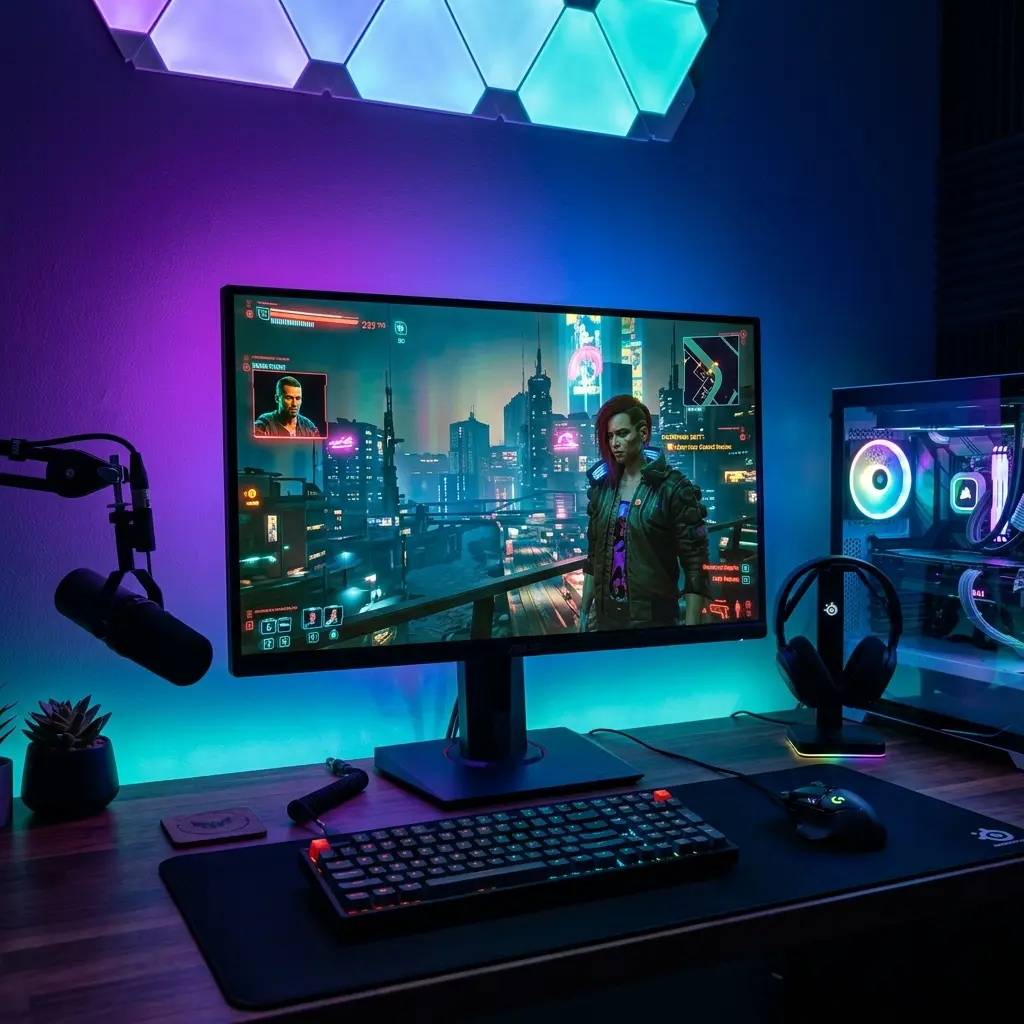
Finding the best monitors that excel in both work and gaming requires attention to physical specs, tech performance, and ergonomics.
Physical Aspects and Resolution
The physical characteristics of a monitor significantly impact user experience. Common resolutions like Full HD (1920x1080), QHD (2560x1440), and 4K (3840x2160) cater to different needs.
Monitors with larger screen sizes, typically between 27 to 32 inches, provide ample workspace while maintaining high pixel density for clarity.
Performance and Technology
Refresh rates and response times are critical for gaming performance. Monitors with 144 Hz refresh rates and 1 ms response times offer a competitive edge in fast-paced environments.
Technologies such as G-Sync and FreeSync enhance visual fluidity, reducing screen tearing and stuttering during gameplay.
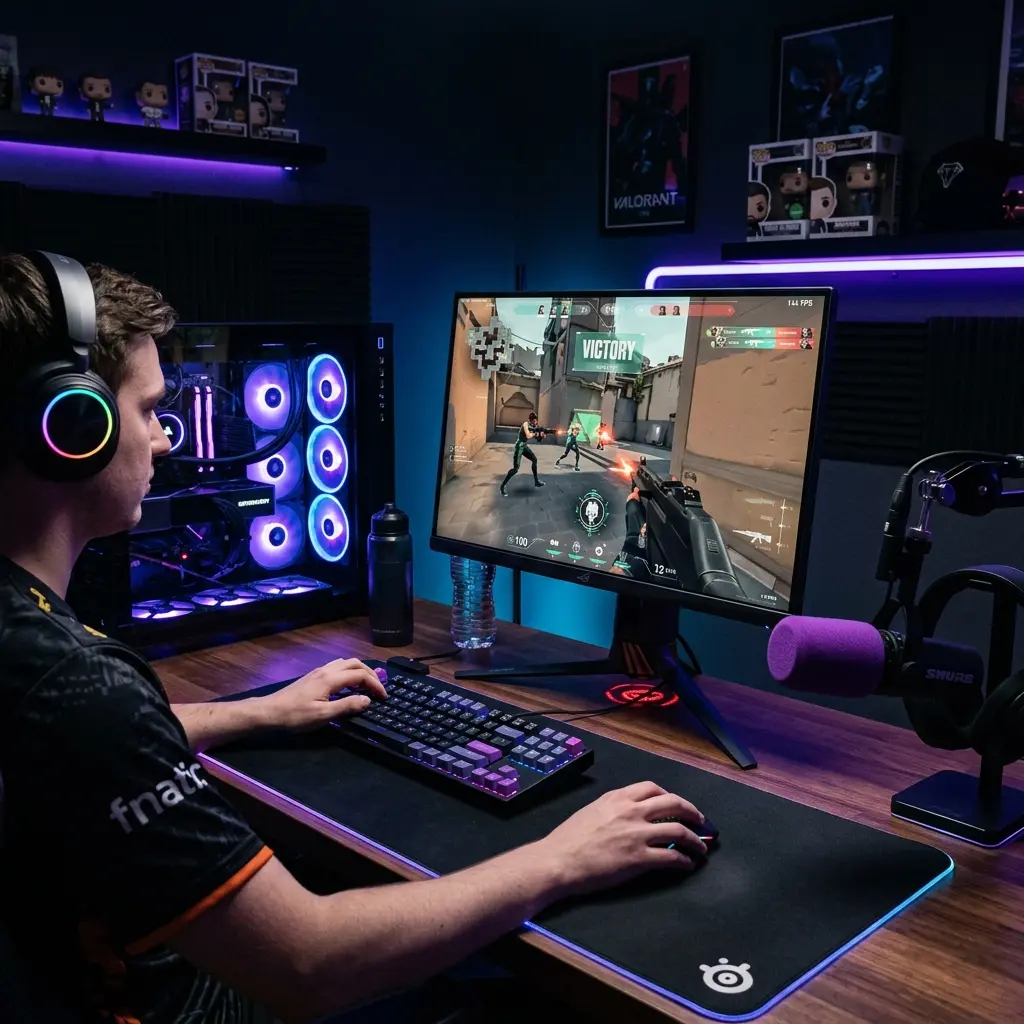
Ergonomics and Visual Comfort
Proper ergonomics reduce strain during prolonged use. Monitors with adjustable stands allow for height, tilt, and swivel adjustments to ensure optimal viewing angles.
Blue light filtering and flicker-free technologies further enhance visual comfort, making long hours of work and gaming more manageable.
| Brand | Model | Resolution | Refresh Rate | Response Time | Price |
|---|---|---|---|---|---|
| ASUS | ROG Swift PG259QN | Full HD | 360 Hz | 1 ms | $699 |
| Dell | UltraSharp U2720Q | 4K | 60 Hz | 5 ms | $799 |
| Acer | Nitro XV272U | QHD | 144 Hz | 1 ms | $499 |
Materials and Durability
High-quality materials contribute to a monitor's longevity. Monitors featuring metal or premium plastic casings are typically more durable than those made from lower-grade materials.
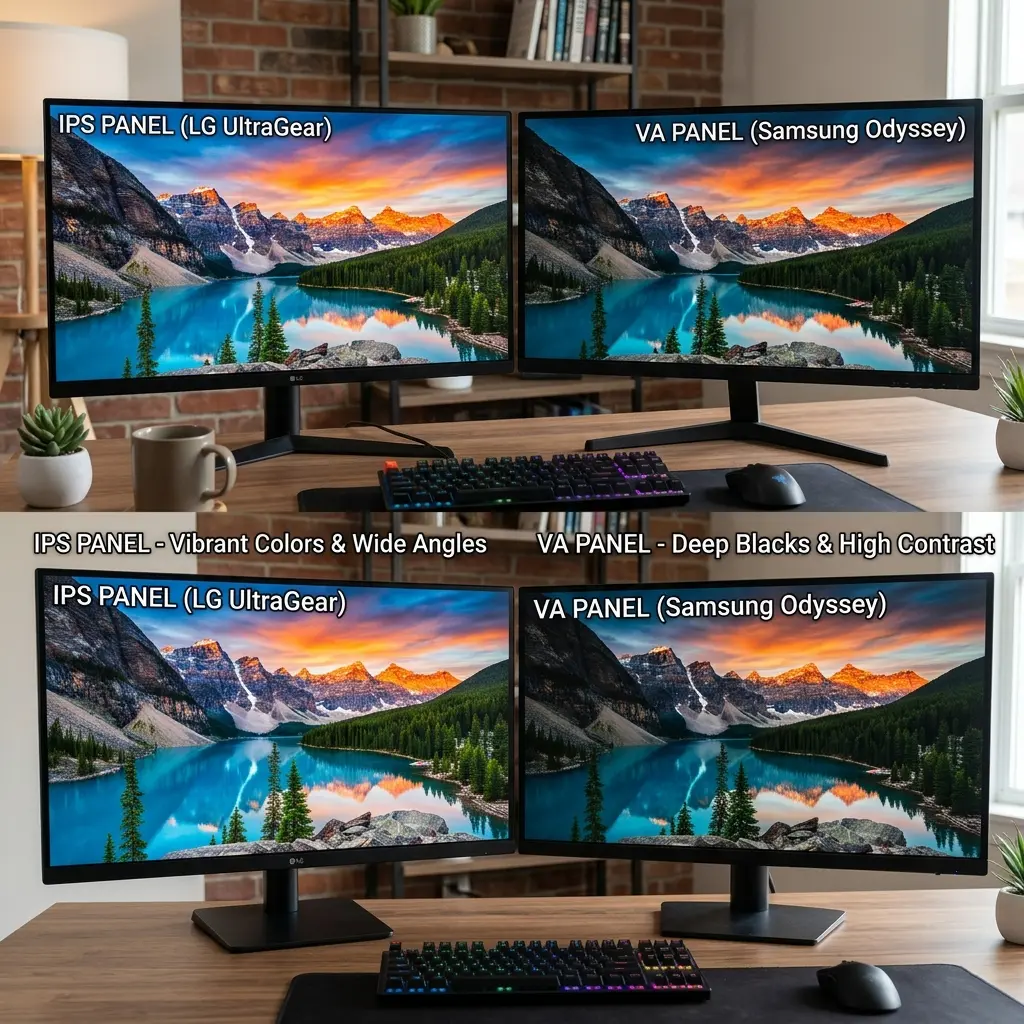
Additionally, IPS panels are known for better color accuracy and viewing angles, making them suitable for both professional work and gaming.
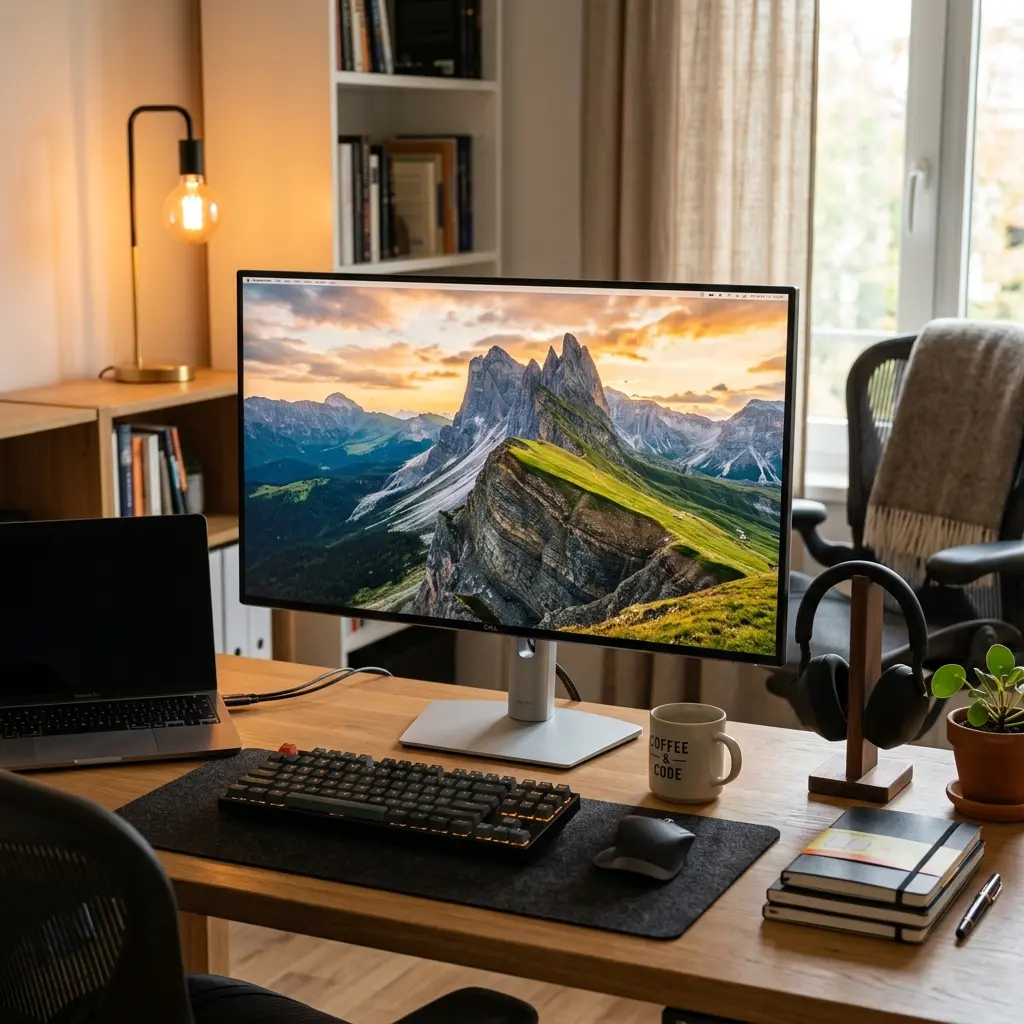
DomineTec Tip: Ensure monitor height is at eye level to prevent neck strain; consider using adjustable stands for optimal positioning.
Buying Recommendations and Brands
Leading brands in the monitor market include Dell, ASUS, Acer, and LG, each offering unique features catering to diverse user needs. When selecting a monitor, consider factors such as resolution, refresh rate, and ergonomics.
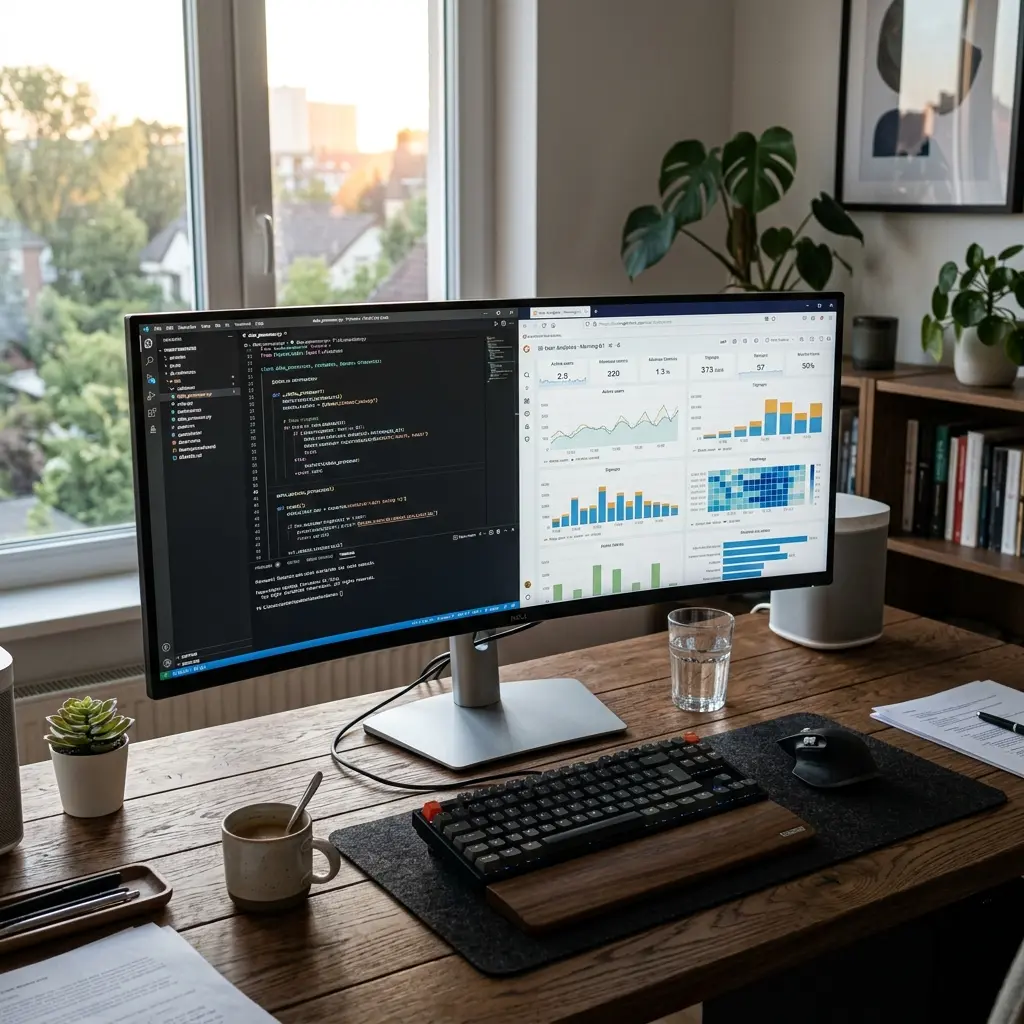
- Determine the primary use: gaming, work, or a mix.
- Choose the appropriate resolution for clarity.
- Select a refresh rate based on gaming needs.
- Ensure ergonomic features are present.
- Review materials and build quality for durability.
Value Analysis and Verdict
Investing in a high-quality monitor that balances work and gaming capabilities pays off in performance and comfort. The right choice enhances productivity while providing an immersive gaming experience.
Color Accuracy and Calibration
Color accuracy is critical for both work and gaming, as it affects the overall visual experience. Monitors with a high color gamut coverage, such as sRGB, Adobe RGB, or DCI-P3, are preferred for tasks requiring precise color representation.
Calibration tools and software can help adjust the monitor settings for optimal color accuracy. Many professional monitors come factory-calibrated, ensuring that colors are rendered accurately right out of the box.
For gamers, vibrant colors enhance the gaming experience, making environments more immersive. Look for monitors that offer features like HDR (High Dynamic Range) to improve contrast and color depth, elevating visual fidelity.
Regular calibration may be necessary for professionals working in photography or graphic design to maintain consistent color output. This ensures that what they see on screen matches the final printed product or digital output.
Refresh Rate and Response Time
The refresh rate of a monitor, measured in hertz (Hz), indicates how many times the display updates per second. A higher refresh rate, such as 144Hz or 240Hz, is particularly beneficial for gaming as it provides smoother motion and reduces motion blur.
Response time, measured in milliseconds (ms), refers to how quickly a pixel can change from one color to another. Monitors with a low response time (1ms to 5ms) are ideal for gaming, as they minimize ghosting and ensure a clearer image during fast-paced action.
For productivity tasks, a refresh rate of 60Hz is typically sufficient, but investing in a higher refresh rate can enhance the overall experience, especially when multitasking or working with dynamic content.
Gamers should also consider adaptive sync technologies like NVIDIA G-SYNC or AMD FreeSync, which help eliminate screen tearing by synchronizing the monitor's refresh rate with the graphics card's output.
Connectivity Options and Compatibility
Connectivity options play a vital role in ensuring compatibility with various devices and setups. Modern monitors typically feature multiple ports, including HDMI, DisplayPort, and USB-C, allowing for flexible connection choices.
USB-C is particularly beneficial for users with laptops, as it can transmit video, audio, and data while also charging the device. This all-in-one solution simplifies the workspace and reduces cable clutter.
Additionally, consider monitors with built-in hubs that offer USB-A ports for connecting peripherals like keyboards and mice. This feature enhances convenience, especially in multi-device setups.
For gamers, ensuring compatibility with consoles like the PlayStation or Xbox is essential. Check for HDMI version support, as newer versions offer better performance for gaming at higher resolutions and refresh rates.
Aspect Ratio and Screen Size
The aspect ratio of a monitor can significantly affect the viewing experience. While the standard 16:9 ratio is common, ultrawide monitors with a 21:9 or 32:9 aspect ratio provide a broader field of view, enhancing immersion in both gaming and productivity tasks.
Screen size is another important factor to consider. Larger monitors (27 inches and above) can increase productivity by providing more screen real estate for multitasking, while also enhancing the gaming experience with a more immersive display.
When choosing a screen size, consider the distance from which the monitor will be viewed. A larger screen may be more suitable for a desk setup where users sit farther away, while smaller screens can be effective for closer viewing.
Ultimately, the choice of aspect ratio and screen size should align with personal preferences and the specific use cases, whether for work-related tasks, gaming, or both.
Additional Features for Enhanced Experience
Many monitors come with additional features designed to enhance user experience. Features such as built-in speakers can save desk space and reduce cable clutter, although dedicated speakers often provide better sound quality.
Some monitors include blue light filters and flicker-free technology to reduce eye strain during prolonged use. These features are particularly beneficial for those who spend long hours working or gaming.
Picture-in-picture (PiP) and picture-by-picture (PbP) functionalities allow users to view content from multiple sources simultaneously. This can be advantageous for multitasking, enabling users to work while keeping an eye on gaming or streaming activities.
Gaming monitors may also offer customizable RGB lighting and on-screen display features for enhanced aesthetics and functionality. These additions can create a more immersive environment for gaming sessions.
Gaming-Specific Technologies
Gaming-specific technologies have become increasingly prominent in monitors, catering to the needs of gamers. Features such as low input lag and variable refresh rates are essential for competitive gaming, providing a responsive and fluid experience.
Advanced technologies like VRR (Variable Refresh Rate) and OLED displays can offer stunning visuals and reduced latency, creating an advantage in fast-paced gaming scenarios. These technologies enhance both performance and visual quality.
Moreover, many gaming monitors come equipped with customizable gaming profiles, which allow users to switch settings based on the type of game being played. This ensures optimal performance tailored to specific gaming genres.
Additionally, features like crosshair overlays and FPS counters can assist gamers in improving their performance, making them more competitive in multiplayer environments.
Environmental Considerations
When selecting a monitor, environmental considerations such as energy efficiency and sustainability are becoming increasingly important. Look for monitors with energy-efficient certifications like ENERGY STAR, which indicates that the device meets specific energy-saving standards.
Recyclability of materials also plays a role in the overall environmental impact of a monitor. Manufacturers that prioritize sustainable practices in their production processes contribute to reducing electronic waste.
Consider monitors with features like automatic brightness adjustment, which can help reduce energy consumption by adapting to ambient light conditions. This not only saves energy but can also enhance the viewing experience.
Incorporating eco-friendly practices into monitor usage, such as adjusting settings to optimize power consumption and properly recycling old monitors, can further contribute to environmental sustainability.
Adaptive Sync Technologies
Adaptive sync technologies such as NVIDIA G-SYNC and AMD FreeSync play a crucial role in enhancing the gaming experience by eliminating screen tearing and stuttering. These technologies synchronize the monitor's refresh rate with the graphics card's frame rate, resulting in smoother gameplay.
For work-related tasks, adaptive sync can also be beneficial, particularly during graphic-intensive applications like video editing or 3D modeling. When working with high-resolution images or complex simulations, the ability to maintain a steady visual output can improve efficiency and reduce eye strain.
When selecting a monitor, it's important to check compatibility with the graphics card. Monitors that support both G-SYNC and FreeSync offer flexibility for users with different hardware setups. This ensures that regardless of the system, users can take advantage of adaptive sync technologies.
Incorporating adaptive sync into a monitor's features can significantly enhance both the gaming and work experience, making it a vital consideration for users looking to balance both activities effectively.
Panel Technologies: IPS, VA, and TN
The choice of panel technology can greatly influence both work and gaming performance. In-Plane Switching (IPS) panels are known for their superior color accuracy and wide viewing angles, making them ideal for design work and media consumption. They also provide good response times, though typically not as fast as TN panels.
Twisted Nematic (TN) panels offer the fastest response times, making them suitable for competitive gaming where every millisecond matters. However, TN panels often have poorer color reproduction and narrow viewing angles compared to IPS, which can be a drawback for work tasks that require precise color fidelity.
Vertical Alignment (VA) panels strike a balance between the two, offering better contrast ratios and decent color performance. They can be a good choice for users who engage in both gaming and photo editing, as they provide a more immersive experience without sacrificing too much on either front.
Ultimately, the choice of panel technology should align with the user's primary usage scenarios, ensuring that both work efficiency and gaming enjoyment are prioritized based on individual needs.
Future-Proofing Your Monitor Choice
Investing in a monitor that is future-proof can save users from needing to upgrade frequently. Key factors to consider include support for the latest resolution standards, such as 4K or even 8K, and compatibility with next-gen gaming consoles and high-performance PCs.
Additionally, features like HDMI 2.1 and DisplayPort 1.4 ensure that the monitor can handle higher bandwidths, allowing for higher refresh rates and resolutions without performance loss. This is particularly important as games and applications become increasingly demanding.
Incorporating emerging technologies, such as mini-LED or OLED displays, can also enhance the longevity of your monitor. These technologies offer improved contrast, brightness, and color performance, creating a more immersive experience for both work and gaming.
By considering these future-oriented features, users can select monitors that not only meet today’s standards but are also equipped to handle tomorrow’s demands, ensuring a solid investment for years to come.
Gaming Modes and Customization Features
Modern monitors often come equipped with various gaming modes that cater to different genres, enhancing the overall gaming experience. These modes can optimize settings such as brightness, contrast, and color saturation depending on the game type, whether it's a fast-paced shooter or an expansive RPG.
Customization features allow users to fine-tune their display settings to suit personal preferences. Options such as customizable crosshairs, on-screen timers, and frame rate counters can provide gamers with a competitive advantage while also tailoring the visual experience to their liking.
Many monitors also support user-defined profiles, enabling quick changes between settings for work and gaming. This flexibility ensures that users can switch effortlessly between a color-accurate workspace and a vibrant, high-contrast gaming environment without the need for constant manual adjustments.
Additionally, some monitors feature integrated software that enables real-time adjustments and monitoring of performance metrics. This provides users with valuable insights into their gaming sessions, allowing them to optimize settings on-the-fly for the best possible experience.
Impact of HDR on Work and Gaming Performance
High Dynamic Range (HDR) technology significantly enhances both work and gaming experiences by expanding the range of colors and contrast levels on the screen. This results in more vivid visuals, which can be particularly beneficial for graphic design work, video editing, and gaming.
HDR can provide a more immersive gaming experience by allowing players to see details in both bright and dark areas of the screen, making it easier to spot enemies or important items in varied lighting conditions. This increased visual fidelity can lead to a more engaging and enjoyable gaming experience.
For professional use, HDR can improve color accuracy and detail, making it easier for creators to evaluate their work. Monitors that support HDR often come with advanced calibration options, ensuring that colors are rendered as accurately as possible, which is crucial for tasks such as photo editing and graphic design.
As HDR content becomes more prevalent in both gaming and media consumption, investing in a monitor that supports this technology can future-proof your setup. Monitors with HDR capabilities are likely to remain relevant as more games and applications begin to adopt HDR standards, making them a wise choice for both work and play.
Frequently Asked Questions
What is the best resolution for gaming and work?
A resolution of 1440p (QHD) is ideal for a balance between quality and performance, while 4K offers superior visuals for professional work.
How important is refresh rate in a monitor?
A higher refresh rate, such as 144 Hz or 240 Hz, greatly enhances gaming experiences by providing smoother visuals and reducing motion blur.
Are curved monitors better for gaming?
Curved monitors can provide a more immersive experience, enhancing peripheral vision, especially in widescreen formats.
What is the significance of response time?
A lower response time (1 ms to 3 ms) reduces motion blur and ghosting, particularly beneficial in fast-paced gaming scenarios.
Can a monitor be used for both gaming and professional work effectively?
Yes, monitors that combine high resolution, fast refresh rates, and ergonomic features can effectively cater to both gaming and professional tasks.




