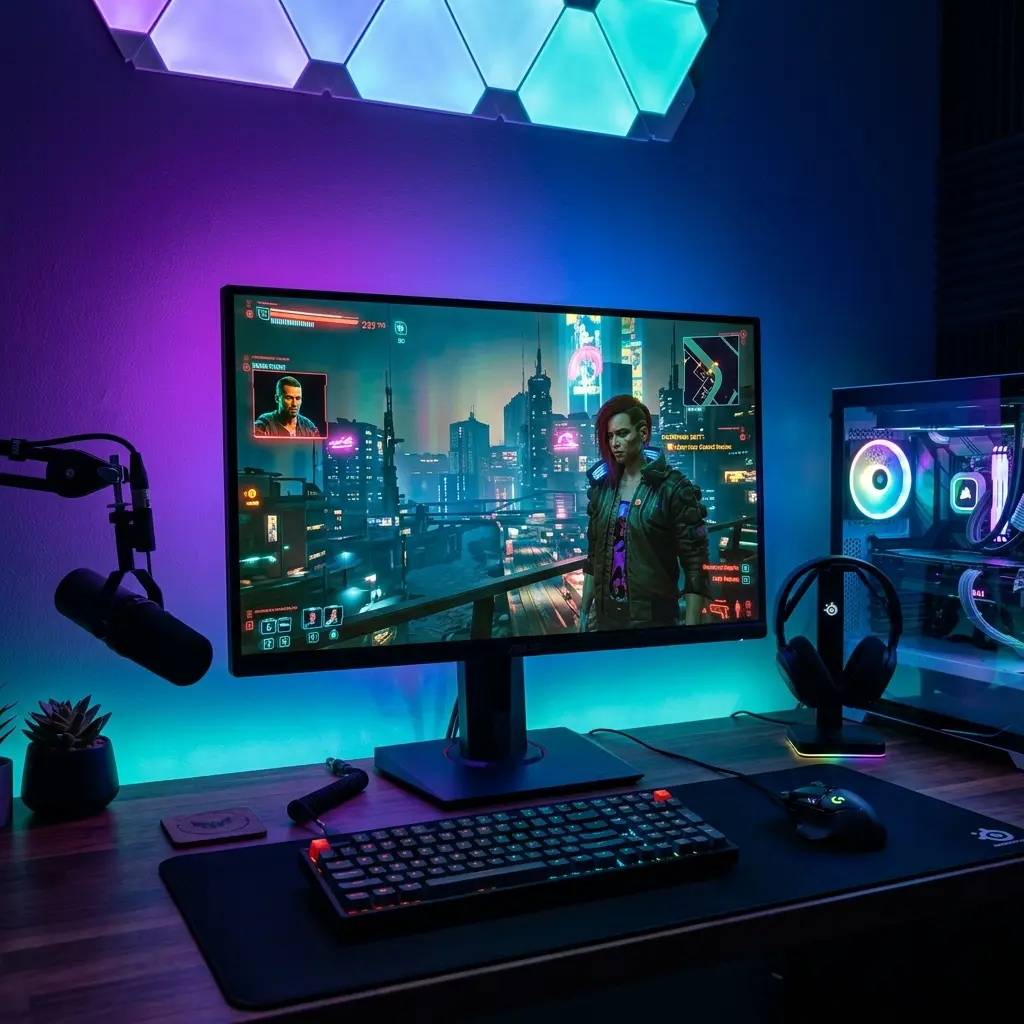
The best monitors for 4K video editing and color grading combine exceptional resolution, accurate color reproduction, and ergonomic features.
Physical Aspects and Resolution
Monitors with a minimum 3840 x 2160 resolution are essential for detailed video editing. Screen sizes ranging from 27 to 32 inches provide an optimal balance between workspace and pixel density.
Performance and Technology
Utilizing IPS and OLED technologies offers superior color accuracy and viewing angles, critical for color grading. Features like HDR support and a wide color gamut enhance the editing experience, allowing for better detail in shadows and highlights.
Ergonomics and Visual Comfort
Monitors with adjustable stands and VESA compatibility promote comfort during extended editing sessions. Anti-glare coatings also reduce eye strain, making prolonged usage more comfortable.
| Monitor Model | Resolution | Panel Type | Color Gamut | Price |
|---|---|---|---|---|
| LG UltraFine 27MD5KL-B | 3840 x 2160 | IPS | P3 99% | $1,299 |
| BenQ PD3220U | 3840 x 2160 | IPS | 100% sRGB | $1,199 |
| Dell UltraSharp U2720Q | 3840 x 2160 | IPS | 95% DCI-P3 | $699 |
Materials and Durability
High-quality materials such as aluminum and reinforced plastics contribute to the longevity of monitors. Look for models with scratch-resistant screens and durable housing to ensure long-term reliability.
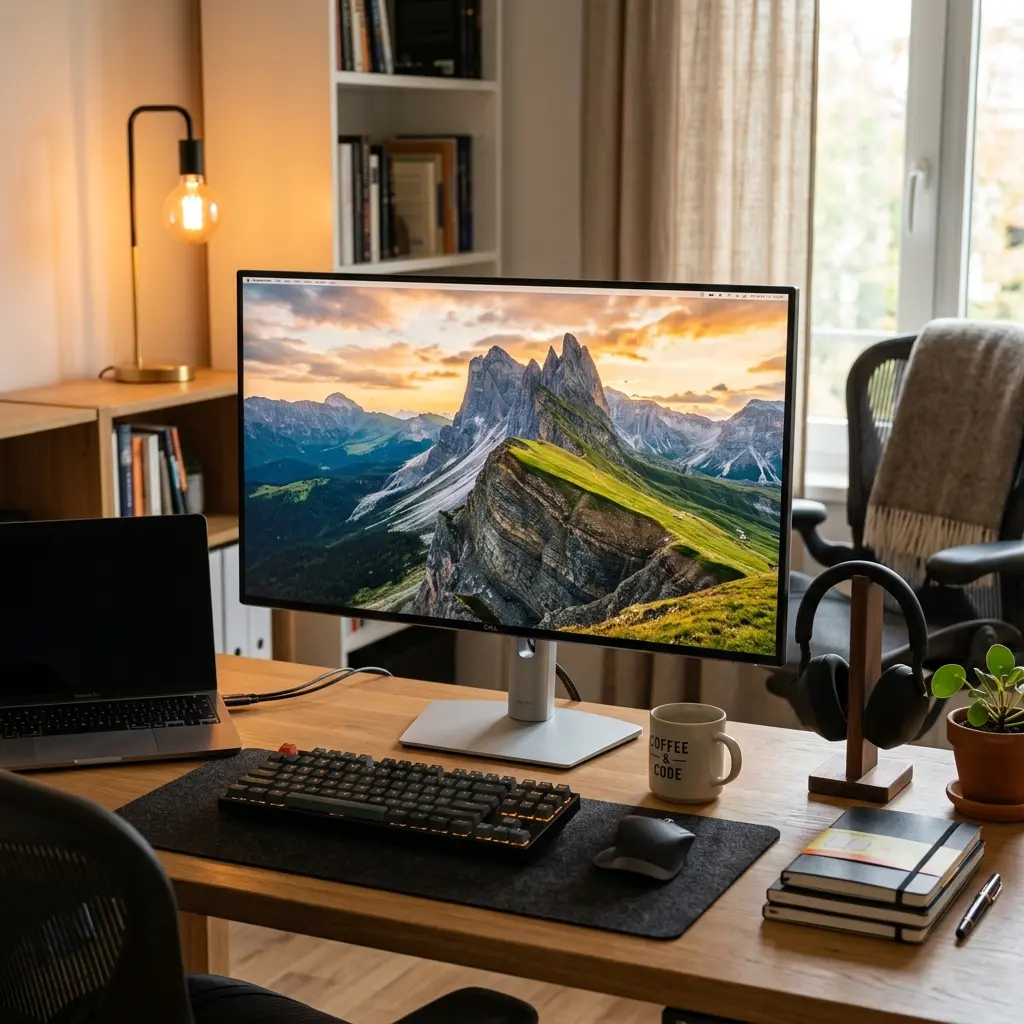
DomineTec Tip: Ensure the monitor has a flicker-free display and low blue light emissions to enhance visual comfort during long editing sessions.
Buying Recommendations and Brands
Top brands for 4K editing monitors include LG, BenQ, and Dell, each offering models tailored for color accuracy and performance. Consider factors such as panel technology, color fidelity, and connectivity options when selecting a monitor.
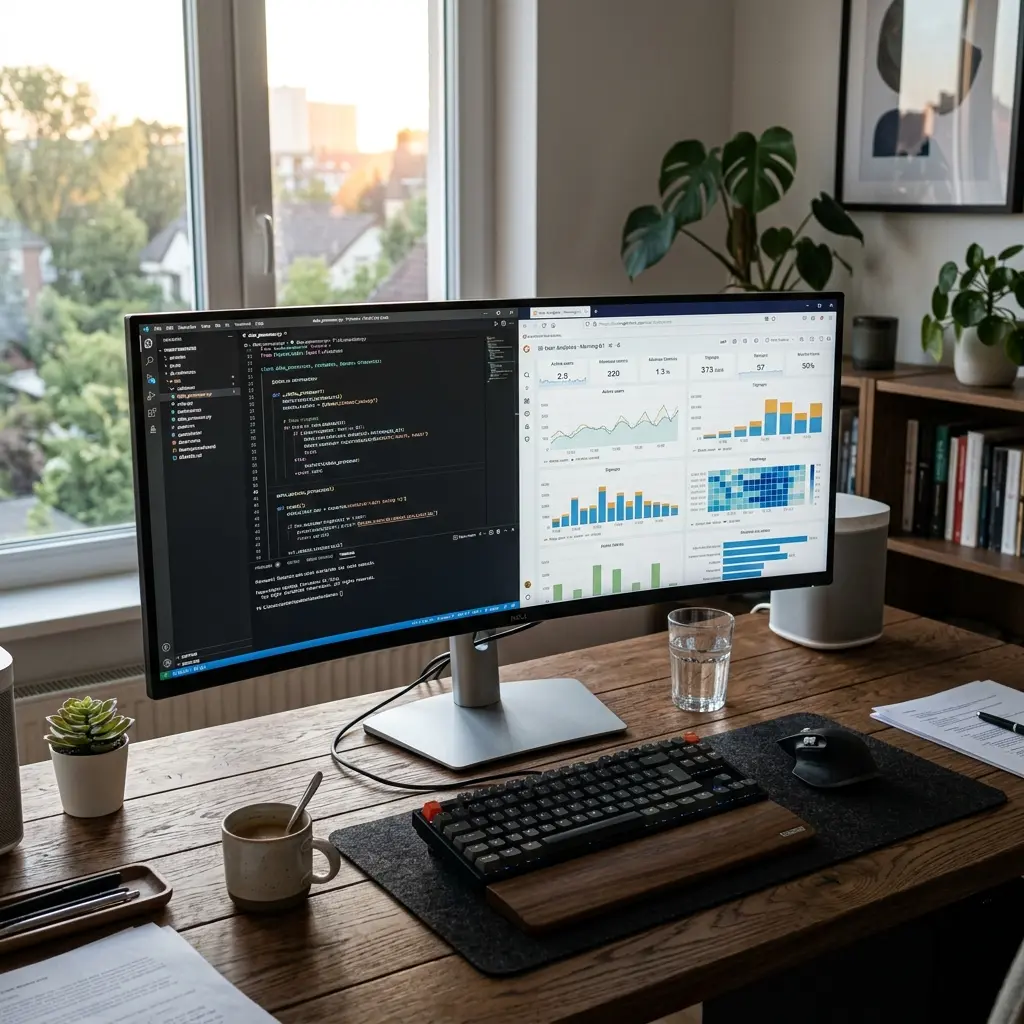
- Determine required screen size based on workspace and comfort.
- Choose between IPS and OLED for desired color accuracy.
- Look for monitors with HDR support and wide color gamut.
- Assess ergonomics; adjustable stands can enhance comfort.
- Compare prices and warranty options to find the best value.
Value Analysis and Verdict
Investing in a high-quality 4K monitor can significantly enhance the video editing and color grading process. A strategic approach to selecting features will ensure the best return on investment.
Color Accuracy and Calibration
Color accuracy is crucial for monitors used in 4K video editing, as it directly affects the visual representation of the footage. Monitors with a high color gamut, such as Adobe RGB or DCI-P3, are preferred for their wider range of colors compared to standard sRGB displays.
Calibration tools and software play a significant role in achieving accurate color reproduction, allowing users to adjust settings to meet industry standards. Regular calibration ensures that the monitor maintains its color accuracy over time, which is essential for professional editing workflows.
Connectivity Options
The variety of connectivity options available on a monitor can significantly impact its usability for video editing tasks. Monitors with multiple HDMI ports, DisplayPort, and USB-C connections provide flexibility in connecting different devices, such as cameras and external storage.
Additionally, integrated USB hubs can enhance workflow efficiency by allowing easy access to peripherals without the need for additional adapters. Ensure that the monitor supports the required resolutions and refresh rates for optimal performance during video editing.
Panel Technology Comparison
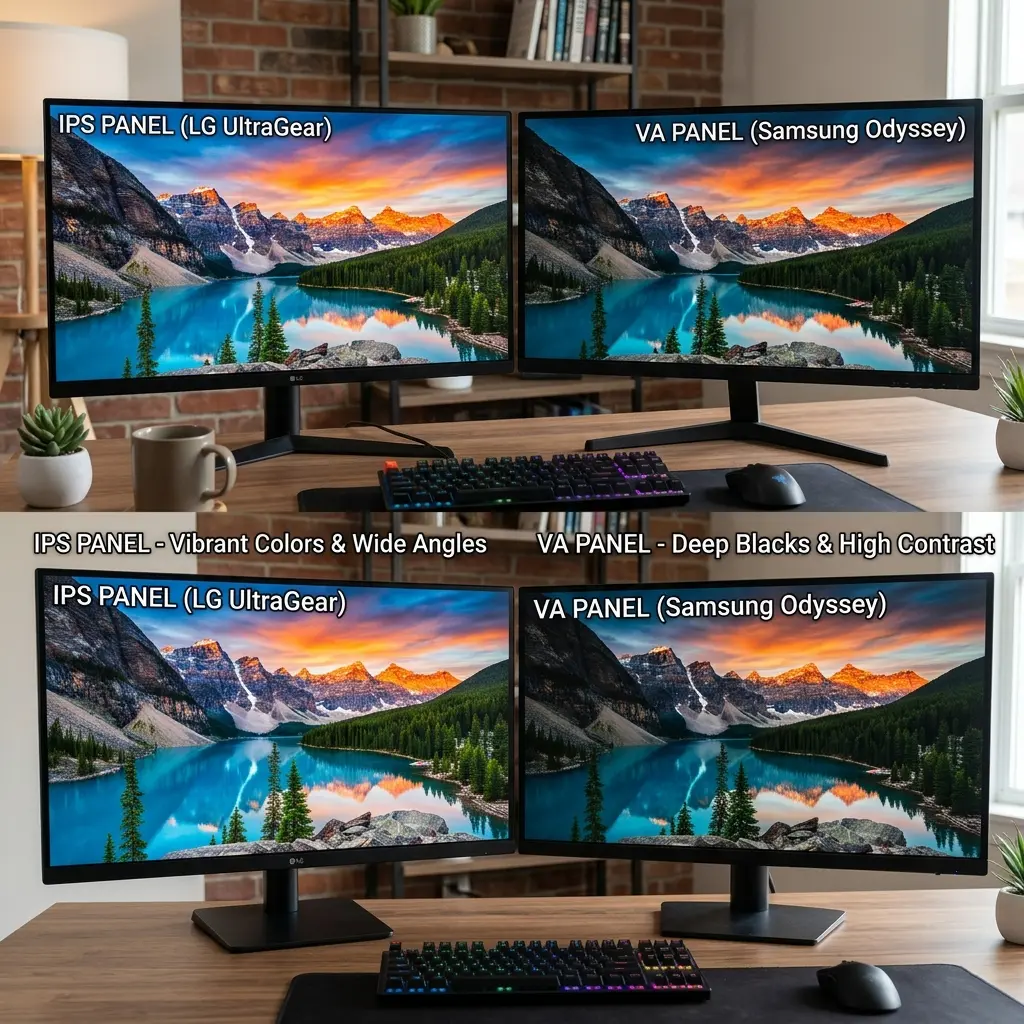
Different panel technologies, such as IPS, VA, and TN, affect performance in various aspects, including color reproduction and viewing angles. IPS panels are widely regarded for their superior color accuracy and wider viewing angles, making them a preferred choice for color-critical work.
While VA panels offer better contrast ratios, they may lag in color accuracy and viewing angles compared to IPS options. Understanding the strengths and weaknesses of each panel type is essential for selecting a monitor that meets specific editing needs.
Size and Aspect Ratio Considerations
The size and aspect ratio of a monitor can significantly influence the editing experience, especially in a 4K context. Monitors ranging from 27 to 32 inches are popular among video editors, as they provide ample screen real estate for detailed work.
Wider aspect ratios, such as 21:9, can enhance productivity by allowing for a more immersive editing environment and providing additional workspace for tool palettes. Ultimately, the choice of size and aspect ratio should align with the editor's workflow preferences and studio setup.
Refresh Rates and Response Times
While traditionally more critical for gaming, refresh rates and response times are increasingly relevant for video editing monitors. A higher refresh rate can result in smoother playback of high-resolution footage, which is beneficial during the editing process.
Response times are also important; lower response times reduce motion blur, providing clearer images during fast movements in video content. When selecting a monitor, it is essential to balance refresh rates and response times with color accuracy and overall display quality for video editing tasks.
Calibration Software and Hardware
Investing in calibration software and hardware can significantly enhance the color performance of a monitor used for video editing. Devices such as colorimeters can provide precise measurements of a monitor's output, allowing for accurate adjustments to be made.
Many professional editors rely on software solutions that facilitate the calibration process, ensuring that the monitor meets industry standards. Regular updates to calibration profiles may be necessary to maintain consistency in color grading workflows over time.
Environmental Factors and Lighting Conditions
The environment where the monitor is used can significantly impact the editing experience and color perception. Proper lighting conditions, such as minimizing glare and reflections, are essential for accurate color grading and editing.
Monitors with anti-glare coatings or matte finishes can help mitigate the effects of ambient lighting, providing a clearer view of the content. Controlling the color temperature of the surrounding environment can further enhance the accuracy of color perception during the editing process.
Advanced Color Management Features
Advanced color management features are essential for professional video editing and color grading. Monitors equipped with features such as 10-bit color depth and wide color gamut support are particularly beneficial for achieving precise color reproduction.
Look for monitors that support industry-standard color spaces like Adobe RGB, DCI-P3, and Rec. 2020. These specifications ensure that the monitor can display a broader range of colors, which is crucial for accurate editing.
Some high-end models include built-in color calibration tools that can automatically adjust the monitor settings to match the desired color profile. These tools can significantly streamline the workflow for video editors.
Additionally, monitors with HDR (High Dynamic Range) capabilities can enhance the viewing experience by providing deeper blacks and brighter highlights, making them ideal for high-quality video production.
Calibration Techniques and Best Practices
Proper calibration techniques are vital for maintaining the integrity of color accuracy over time. Video editors should consider using both software and hardware calibration tools to achieve optimal results.
Hardware calibration devices, such as colorimeters or spectrophotometers, can provide more precise adjustments compared to software-only methods. These devices measure the color output of the monitor and create a custom profile to ensure accurate color representation.
It's recommended to perform calibration regularly, especially after moving the monitor or making significant adjustments to the workspace lighting. Consistency in calibration can prevent color drift and maintain fidelity throughout the editing process.
Additionally, keeping a log of calibration settings and results can help editors track changes over time and adjust their workflow accordingly to accommodate any discrepancies.
Impact of Display Technology on Color Grading
The display technology used in monitors can significantly impact the color grading process. Different panel types, such as IPS, VA, and OLED, offer various advantages and drawbacks related to color accuracy and viewing angles.
IPS panels are favored for their excellent color consistency and wide viewing angles, making them suitable for collaborative editing environments. Conversely, VA panels may offer deeper blacks but can suffer from color shift when viewed from an angle.
OLED technology is becoming increasingly popular for video editing due to its exceptional contrast ratios and vibrant colors. However, potential burn-in issues and varying brightness levels should be taken into account when choosing an OLED monitor.
Understanding the strengths and weaknesses of each display technology can help editors select a monitor that aligns with their specific color grading needs and workflow requirements.
Future Trends in Monitor Technology for Video Editing
The future of monitor technology for video editing is evolving rapidly, with several emerging trends that promise to enhance the editing experience. One significant trend is the adoption of mini-LED and micro-LED technologies, which offer improved brightness and color accuracy.
These technologies allow for better local dimming, resulting in enhanced contrast and HDR performance. As these technologies become more mainstream, they will likely redefine the benchmarks for professional video editing monitors.
Another trend is the integration of AI-driven features that assist in color grading and editing workflows. These innovations can help automate repetitive tasks, allowing editors to focus on more creative aspects of their work.
As the demands for higher resolutions and better color accuracy continue to grow, monitor manufacturers will likely prioritize developments that cater to these needs, ensuring that video editors have access to cutting-edge tools for their projects.
Impact of Color Gamut on Video Editing
Color gamut refers to the range of colors that a monitor can display, which is crucial for video editing and color grading. Monitors with a wider color gamut, such as those covering Adobe RGB or DCI-P3, allow editors to work with a more extensive palette, ensuring that the final product accurately reflects the intended colors.
When choosing a monitor for video editing, it is essential to consider its color gamut capabilities, as they significantly influence the fidelity of color reproduction. For professional video editing, monitors that support at least 99% of the Adobe RGB color space or DCI-P3 are highly recommended for optimal color grading accuracy.
Importance of Aspect Ratio in Video Editing
The aspect ratio of a monitor can greatly impact the workflow of video editors, particularly when working with various video formats. While the standard 16:9 aspect ratio is common, ultrawide monitors (21:9 or 32:9) provide additional horizontal space, allowing for easier multitasking and improved timeline management.
Using an ultrawide monitor can enhance the editing experience by providing a more immersive workspace, reducing the need for multiple screens. For editors working on cinematic projects, an aspect ratio that aligns with the output format can facilitate a more precise editing process, making it a key consideration in monitor selection.
Cost of Ownership and Long-Term Investment
When investing in a monitor for 4K video editing and color grading, it is essential to consider the total cost of ownership beyond the initial purchase price. Factors such as warranty, potential repair costs, and the longevity of the monitor can significantly impact long-term expenditures.
A higher upfront cost may be justified if the monitor offers superior durability and requires fewer repairs over time. Additionally, consider the energy consumption of the display; monitors with energy-efficient technology may have a higher initial cost but can lead to savings on electricity bills in the long run.
Assessing the energy efficiency ratings can help determine which monitors are more sustainable and economically viable over extended periods. Moreover, software updates and compatibility with future technology should be factored into the cost of ownership.
A monitor that supports features like HDR and advanced color spaces may provide better future-proofing, allowing users to take advantage of new editing software and techniques as they become available. Finally, the potential for resale value is another aspect of ownership costs.
Monitors with strong brand reputations and high-quality performance often retain their value better than cheaper alternatives, making them a more prudent investment for professionals in the long run.
User Experience and Workflow Integration
A monitor's ability to integrate seamlessly into a user's existing workflow is crucial for enhancing overall productivity. Factors such as the monitor's interface, customizable settings, and user-friendly controls can significantly impact the editing experience.
Monitors that offer intuitive menu navigation and customizable presets allow users to optimize their settings based on specific projects. Furthermore, compatibility with popular video editing software should be considered, as monitors that can display software interfaces without lag or distortion enable smoother transitions between editing tasks.
This compatibility can be enhanced by using monitors that support various color spaces, ensuring accurate color representation across different applications. Additionally, the physical attributes of the monitor, such as its bezels and stand adjustability, can influence user experience.
Finally, incorporating feedback from other users can provide valuable insights into how a monitor performs in real-world scenarios. Online reviews and community forums can reveal common issues and highlight the strengths of specific monitors, helping potential buyers make informed decisions tailored to their unique workflow needs.
Frequently Asked Questions
What specifications are essential for video editing monitors?
Look for 4K resolution, high color accuracy, and low response times to enhance editing quality.
Is an IPS panel better than a VA panel for color grading?
IPS panels typically provide better color accuracy and wider viewing angles, making them preferable for color grading tasks.
How important is HDR support in a monitor?
HDR support is crucial as it allows for better contrast and a wider range of colors, enhancing the editing experience.
Are curved monitors suitable for video editing?
Curved monitors can provide immersive experiences, but flat monitors are generally preferred for accurate editing and color grading.
What budget range should be expected for a good 4K editing monitor?
A budget of $700 to $1,500 is recommended for quality 4K monitors that meet professional editing standards.