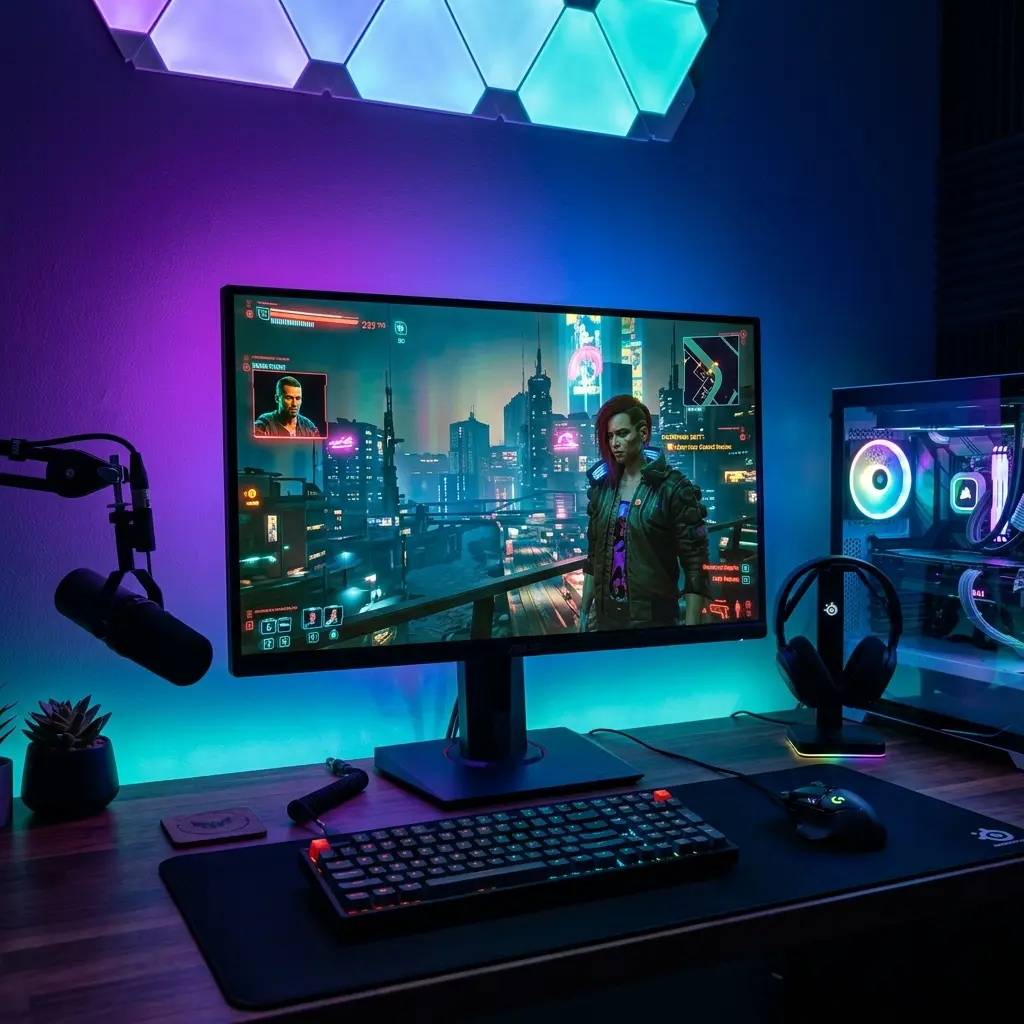
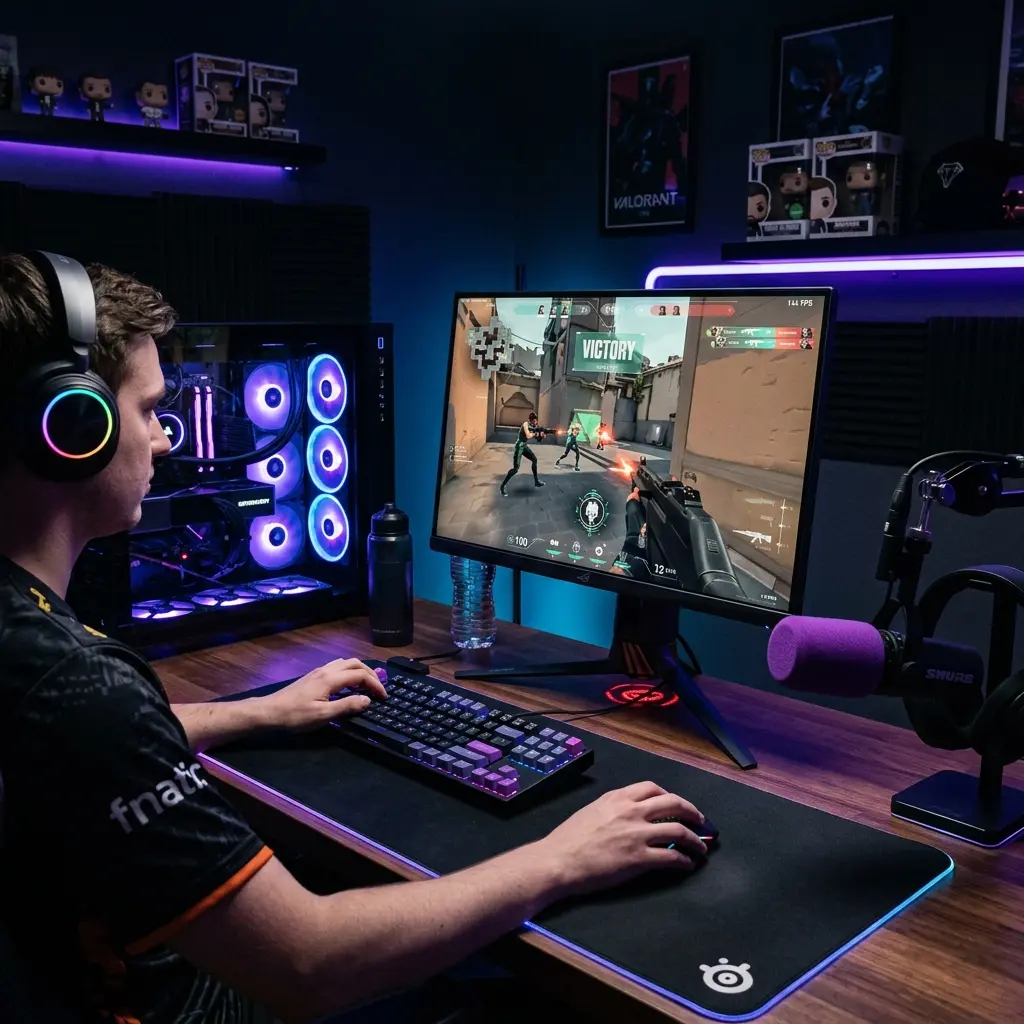
For competitive games like Valorant and CS2, monitors with high refresh rates are crucial for optimal performance.
Physical Aspects and Resolution
A monitor's physical dimensions and resolution significantly impact gameplay. Standard resolutions such as 1080p, 1440p, and 4K provide varying pixel densities and clarity.
Consider panel sizes ranging from 24 inches to 34 inches for immersive experiences while maintaining visibility of in-game details.
Performance and Technology
Refresh rates of 144Hz or higher are essential for fast-paced games, enabling smoother motion and reducing motion blur. Technologies like G-Sync and FreeSync help eliminate screen tearing and stuttering during intense gameplay.
Ergonomics and Visual Comfort
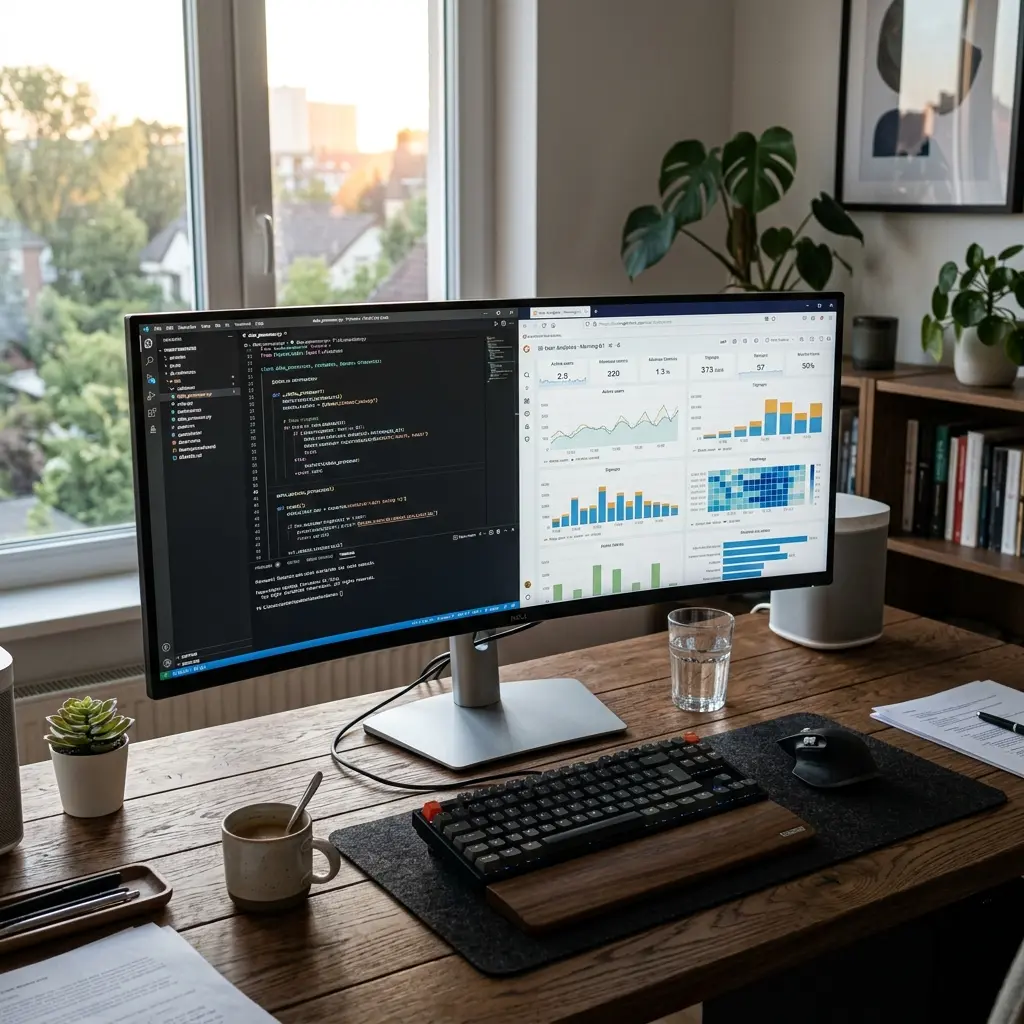
Adjustable stands and VESA compatibility enhance ergonomic setups for prolonged gaming sessions. Features like flicker-free technology and blue light filters contribute to visual comfort and reduce eye strain.
| Monitor Brand | Refresh Rate | Resolution | Panel Type | Price Range |
|---|---|---|---|---|
| ASUS ROG Swift | 165Hz | 1440p | IPS | $600-$800 |
| BenQ ZOWIE XL2411 | 144Hz | 1080p | TN | $200-$300 |
| Acer Predator XN253Q | 240Hz | 1080p | TN | $400-$600 |
| Dell Alienware AW2521H | 360Hz | 1440p | IPS | $800-$1000 |
Materials and Durability
Monitors are often made from high-quality plastics and metals to ensure longevity. The choice of materials influences factors like weight, sturdiness, and overall aesthetic appeal.
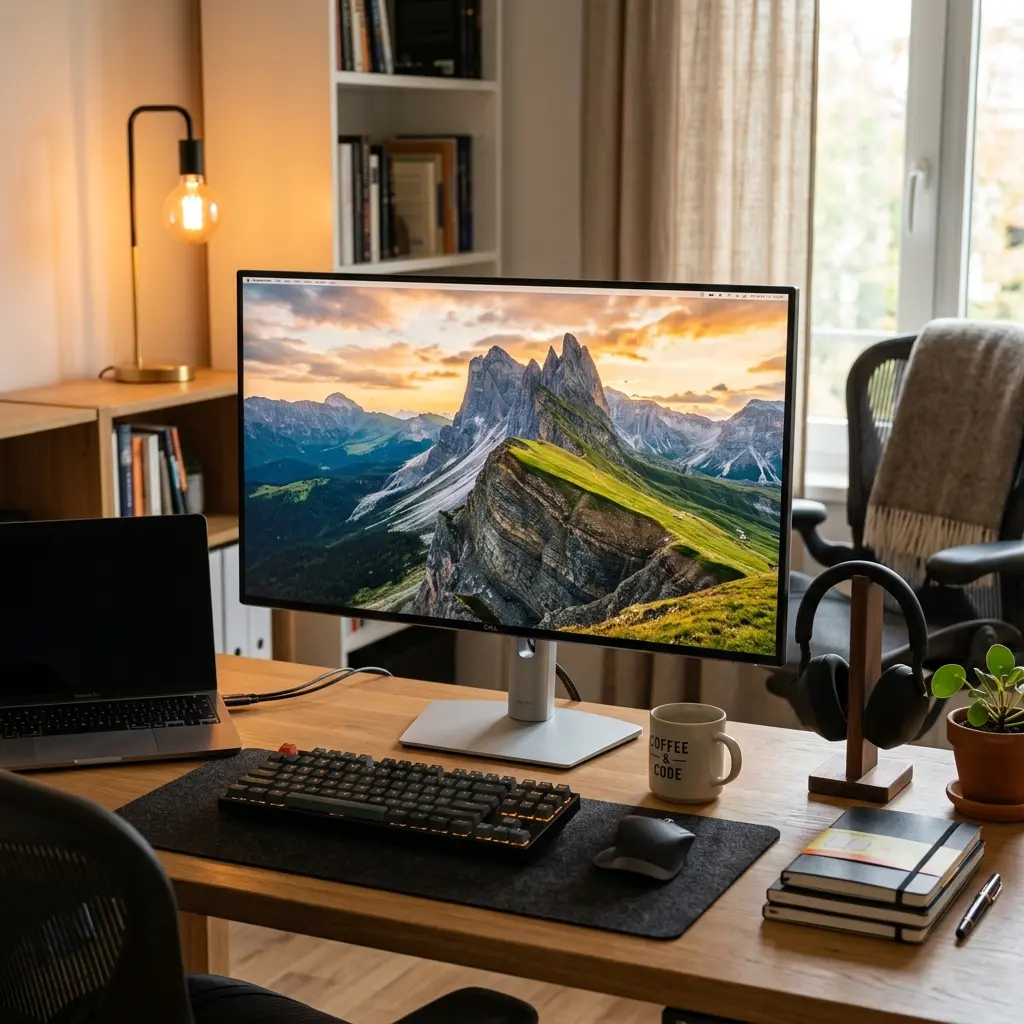
DomineTec Tip: Opt for monitors with anti-glare coatings to minimize reflections and enhance visibility in bright environments.
Buying Recommendations and Brands
Leading brands like ASUS, BenQ, and Dell offer a variety of monitor options tailored for competitive gaming. Each brand provides unique features, catering to different gamer preferences and budgets.
- Identify the desired refresh rate (144Hz, 240Hz, or higher).
- Choose the resolution that suits gameplay style (1080p vs. 1440p).
- Consider panel type (IPS for color fidelity, TN for speed).
- Evaluate ergonomic features (adjustable stands, eye care technologies).
- Set a budget while prioritizing essential features.
Value Analysis and Verdict
Investing in a high-refresh-rate monitor significantly enhances gaming performance, especially in fast-paced titles. Carefully weighing specifications against budget constraints leads to informed purchasing decisions.
Response Time and Input Lag
Response time is a critical factor for competitive gaming, especially in fast-paced titles like Valorant and CS2. Monitors with a low response time reduce motion blur and ghosting, enabling players to see their opponents clearly.
Input lag, defined as the delay between a player's action and the corresponding response on-screen, is equally important. A lower input lag enhances the gaming experience, allowing for quicker reactions during intense gameplay.
For optimal performance, players should seek monitors with a response time of 1ms to 3ms. Monitors with this specification ensure that fast movements are displayed accurately without blurring or lag.
Testing tools like the Leo Bodnar Input Lag Tester can provide insights into a monitor's input lag, helping gamers make informed decisions when selecting their ideal gaming display.
Adaptive Sync Technologies
Adaptive Sync technologies, such as AMD FreeSync and NVIDIA G-SYNC, significantly enhance gaming smoothness by synchronizing the monitor's refresh rate with the graphics card's output. This reduces screen tearing and stuttering, providing a more immersive gaming experience.
FreeSync is typically more accessible, as it is often found in a wider range of monitors and is compatible with various graphics cards. G-SYNC, while usually more costly, tends to offer superior performance, particularly in demanding scenarios.
When selecting a monitor, consider one that supports these adaptive sync technologies to maximize visual fluidity. This is especially crucial for competitive gaming, where every frame matters.
Players should also verify compatibility with their graphics card to ensure they can fully utilize the benefits of adaptive sync technologies, thus enhancing their gaming performance.
Screen Size and Aspect Ratio
The screen size and aspect ratio of a monitor play vital roles in gameplay immersion and field of view. Larger screens can provide an enhanced gaming experience, allowing players to spot enemies more easily.
Common aspect ratios include 16:9 and 21:9, with ultrawide monitors gaining popularity for their expansive field of view. While 16:9 is standard, ultrawide setups can enhance peripheral vision, offering an advantage in competitive play.
However, players must consider their setup space and personal preferences when choosing screen size and aspect ratio. A larger monitor may require a more extensive desk space and may not suit every gaming environment.
Ultimately, players should opt for a size and aspect ratio that balances immersion and practicality, ensuring an optimal gaming experience without compromising comfort or performance.
Color Accuracy and Calibration
Color accuracy is essential for an immersive gaming experience, directly affecting the aesthetics and visibility of in-game elements. Monitors with a wide color gamut can reproduce vibrant colors and deep contrasts, enhancing the visual appeal of games.
Calibration is another crucial aspect; monitors that come pre-calibrated or have easy calibration options can help users achieve the best color performance. This is particularly important for players who value visual fidelity in their games.
Professional gamers may consider investing in calibration tools to ensure their monitors display colors accurately, allowing them to spot enemies and environmental cues effectively.
In competitive scenarios, color accuracy can mean the difference between spotting an opponent or missing a critical opportunity, making it a key consideration in monitor selection.
Connectivity Options
Modern gaming monitors come equipped with various connectivity options, including HDMI, DisplayPort, and USB-C. These options are vital for ensuring compatibility with multiple devices and setups.
DisplayPort is often favored for gaming due to its ability to support higher refresh rates and resolutions, while HDMI is commonly used for consoles and streaming devices. USB-C is becoming increasingly popular for its versatility and ability to transmit power and data simultaneously.
Players should assess their existing hardware and future upgrade plans when choosing a monitor with suitable connectivity options. Having multiple ports can facilitate easy switching between devices without the need for constant cable management.
Additionally, features like built-in USB hubs can enhance convenience by providing easy access to charging and data transfer ports directly on the monitor, further streamlining the gaming setup.
Panel Types and Their Impact on Gaming
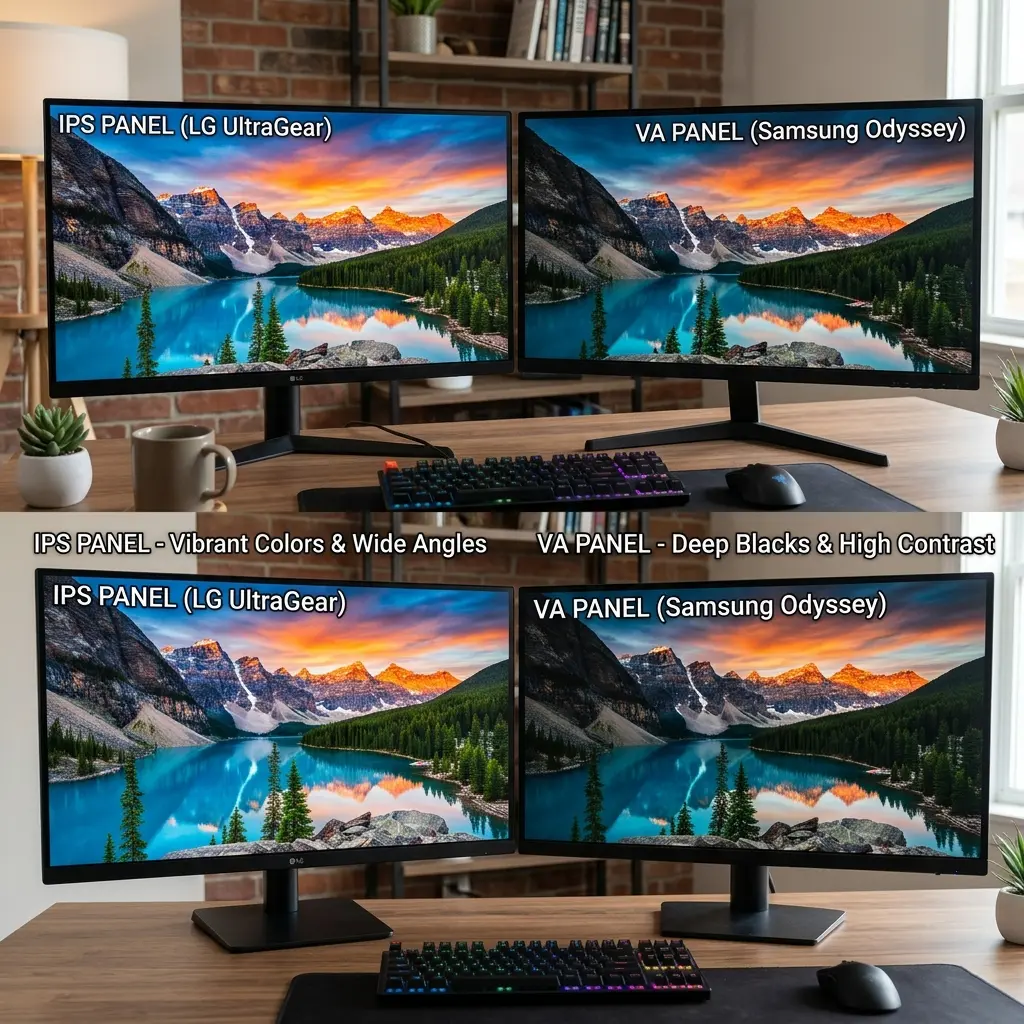
Different panel types, such as TN, IPS, and VA, offer varying benefits and drawbacks that can impact gaming performance. TN panels are known for their fast response times but often lack color accuracy and viewing angles.
IPS panels, on the other hand, provide superior color reproduction and wider viewing angles, making them ideal for immersive gaming experiences. However, they may come with slightly higher response times compared to TN panels.
VA panels offer a middle ground, boasting good contrast and decent response times, making them suitable for gaming while providing better visual quality than TN panels.
Ultimately, the choice of panel type will depend on individual preferences, with competitive players often prioritizing speed and response time, while casual gamers may lean towards color and viewing performance.
Gaming Features and Customization
Modern gaming monitors often come equipped with features designed to enhance the gaming experience, such as customizable crosshairs, on-screen timers, and frame rate counters. These features can provide players with a competitive edge during gameplay.
Customization options, such as adjustable refresh rates and gaming profiles, allow players to tailor their monitor settings to match specific games or personal preferences. This ability to fine-tune settings can significantly improve overall performance.
Some monitors also include built-in gaming presets that optimize settings for specific genres, ensuring players have the best experience possible without needing to manually adjust settings each time.
Investing in a monitor with robust gaming features can enhance not only performance but also comfort, allowing players to focus more on gameplay rather than technical adjustments.
Overclocking Monitors for Enhanced Performance
Overclocking a monitor can provide a significant boost in refresh rates, making it particularly appealing for competitive gamers in titles like Valorant and CS2.
Many gaming monitors come with the capability to overclock, allowing users to push the refresh rate beyond the factory settings, typically up to 240Hz or even higher.
While overclocking can enhance performance, it may also introduce stability issues or artifacts if not done correctly, hence understanding the monitor's limits is crucial.
Users should also ensure their graphics card can handle the increased refresh rate to avoid bottlenecking, which can negate the benefits of overclocking.
Importance of Color Depth and HDR in Competitive Gaming
Color depth and HDR (High Dynamic Range) can play a subtle yet vital role in enhancing visual clarity and immersion during gameplay.
A monitor with higher color depth provides a wider range of colors, allowing gamers to differentiate between subtle shades that may indicate enemy movements or environmental changes.
HDR technology further enhances the gaming experience by improving contrast, making dark areas more visible and bright areas more vivid, thus providing a competitive edge.
While not as critical as refresh rate, investing in a monitor with good color depth and HDR can greatly enhance overall game enjoyment and performance in high-stakes situations.
Calibration Tools and Software for Optimal Settings
Calibrating a monitor is essential for achieving the best visual performance, especially in competitive gaming environments where every detail matters.
Professional calibration tools and software can help adjust settings such as brightness, contrast, and color balance to ensure that the display is optimized for gaming.
Many gaming monitors come with built-in calibration features, but using external tools can provide a more precise setup tailored to individual preferences.
Regularly calibrating the monitor can also help maintain performance consistency, ensuring that gamers always have the best visual experience during intense gaming sessions.
Refresh Rate vs. Frame Rate: Understanding the Difference
While refresh rate and frame rate are often used interchangeably, they refer to different concepts crucial for gaming performance. Refresh rate indicates how many times per second a monitor can redraw the image on the screen, while frame rate refers to how many frames per second a graphics card can render.
A higher refresh rate allows for smoother visuals and reduced motion blur, which is essential in fast-paced games like Valorant and CS2. However, if your graphics card cannot produce frames at a rate that matches the monitor's refresh rate, you may not experience the full benefits of your monitor.
It is important to ensure that your system is capable of delivering a frame rate that matches or exceeds the monitor’s refresh rate for optimal performance. This synchronization helps eliminate issues such as screen tearing, which can be highly detrimental in competitive gaming scenarios.
The use of tools like FPS counters can help gamers monitor their performance and adjust settings accordingly. Understanding both refresh rate and frame rate can lead to better hardware choices and overall gaming experiences.
Choosing the Right Monitor for Competitive Play
Selecting the best monitor for competitive gaming requires careful consideration of several factors beyond just refresh rate. Gamers should evaluate their personal preferences, budget constraints, and specific game requirements when making their decision.
First, players should analyze performance needs. For titles like Valorant and CS2 that prioritize speed and precision, monitors with higher refresh rates and lower input lag are typically preferred. This ensures that players can react quickly to in-game events.
Second, consider the resolution and graphic settings. While a high resolution can enhance visual fidelity, it may demand more from your graphics card, potentially limiting the achievable frame rates. A balance between resolution and refresh rate is crucial for competitive titles.
Lastly, it is beneficial to explore community feedback and professional recommendations when choosing a monitor. Engaging with fellow gamers and reviewing expert opinions can provide insights into which models perform best under competitive conditions.
Future-Proofing Your Monitor Investment
Investing in a gaming monitor is not only about immediate performance but also about ensuring longevity in an ever-evolving gaming landscape. As gaming technology advances, new titles may demand higher specifications, making it essential to choose a monitor that can adapt to these changes.
When selecting a monitor, consider features such as 4K resolution and high refresh rates, which are becoming increasingly standard in competitive gaming. A monitor with a refresh rate of 144Hz or higher is now commonplace, and opting for models that support 240Hz or even 360Hz can offer a significant edge in fast-paced games like Valorant and CS2.
Moreover, the integration of technologies like HDMI 2.1 allows for higher bandwidth, supporting features such as VRR (Variable Refresh Rate) and higher resolutions at increased frame rates. This capability ensures that your monitor remains relevant even as new gaming consoles and high-performance GPUs hit the market.
Additionally, considering a monitor with a robust warranty and excellent customer support can safeguard your investment against potential issues. Researching brands known for their reliability and service can provide peace of mind, making your long-term gaming experience more enjoyable.
Environmental Impact and Energy Efficiency
As gaming technology progresses, so does the importance of considering the environmental impact of your gaming setup. Energy-efficient monitors not only reduce electricity consumption but also contribute to a more sustainable gaming experience.
Many modern monitors incorporate energy-saving technologies such as low-power modes and LED backlighting, which significantly decrease energy usage without compromising performance. Choosing a monitor with an Energy Star certification can be a simple way to ensure that your gaming habits are environmentally friendly.
Furthermore, manufacturers are increasingly focusing on sustainable materials and packaging, reflecting a growing awareness of ecological responsibility. Opting for brands that emphasize eco-friendly practices can enhance your overall gaming ethos while supporting the shift towards sustainable electronics.
Lastly, being mindful of the monitor's lifecycle—from production and usage to eventual disposal—can ensure minimal environmental impact. By recycling old monitors and supporting manufacturers that prioritize sustainability, gamers can actively contribute to a healthier planet.
Frequently Asked Questions
What is the ideal refresh rate for competitive gaming?
A refresh rate of 144Hz or higher is recommended for competitive gaming to ensure smoother visuals and improved reaction times.
Are IPS panels better for gaming than TN panels?
IPS panels offer better color accuracy and wider viewing angles, while TN panels typically provide faster response times, making them suitable for specific gaming scenarios.
How important is response time in a gaming monitor?
A lower response time (1ms to 2ms) reduces motion blur and ghosting, which is crucial for fast-paced games like Valorant and CS2.
Does VESA compatibility matter?
VESA compatibility allows for flexible mounting options, enhancing ergonomics and maximizing desk space for an optimal gaming setup.
Can a 60Hz monitor still be effective for gaming?
While a 60Hz monitor can be used for gaming, higher refresh rates significantly enhance gameplay experience and responsiveness in competitive environments.




