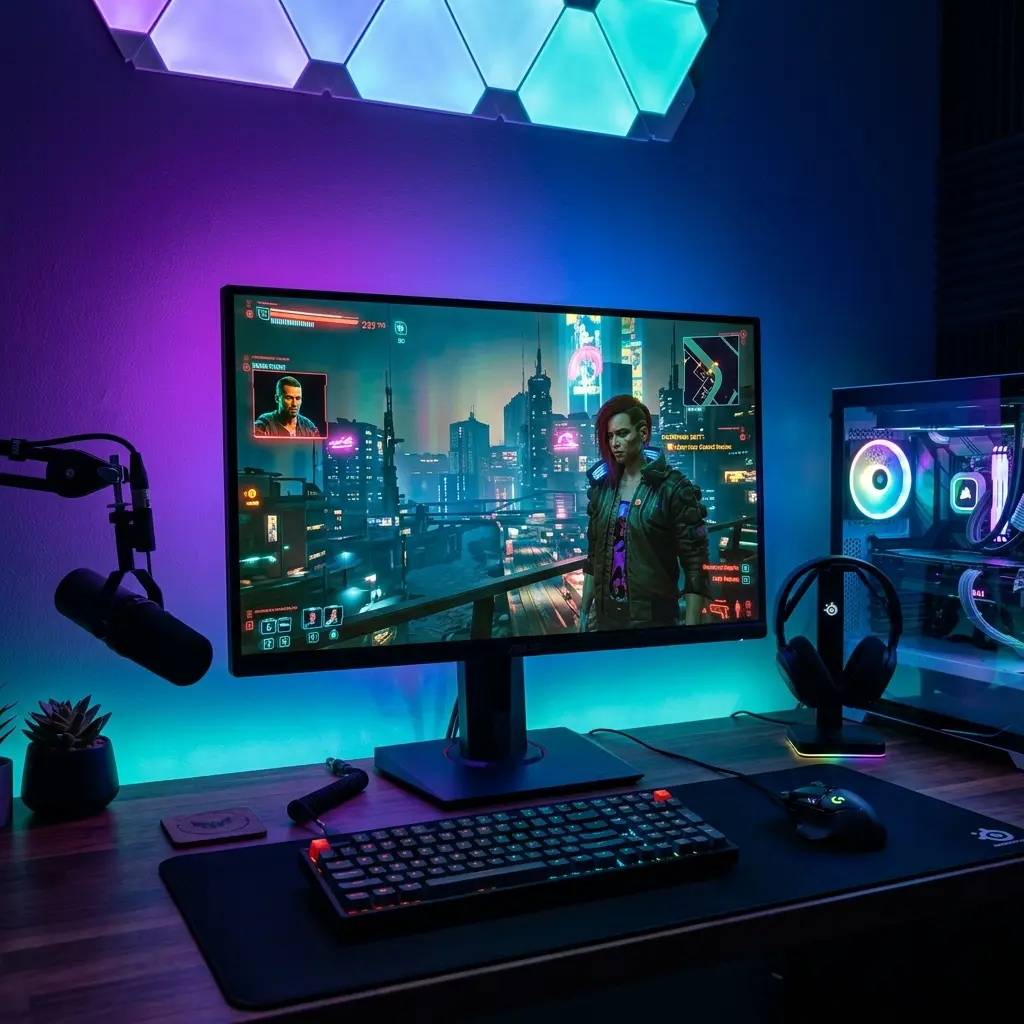
Choosing the right monitor enhances studying and long document reading experiences significantly.
Physical Aspects and Resolution
Monitor size and resolution play critical roles in visual clarity and reading comfort. A resolution of at least 1920x1080 (Full HD) is recommended for sharp text display.
Performance and Technology
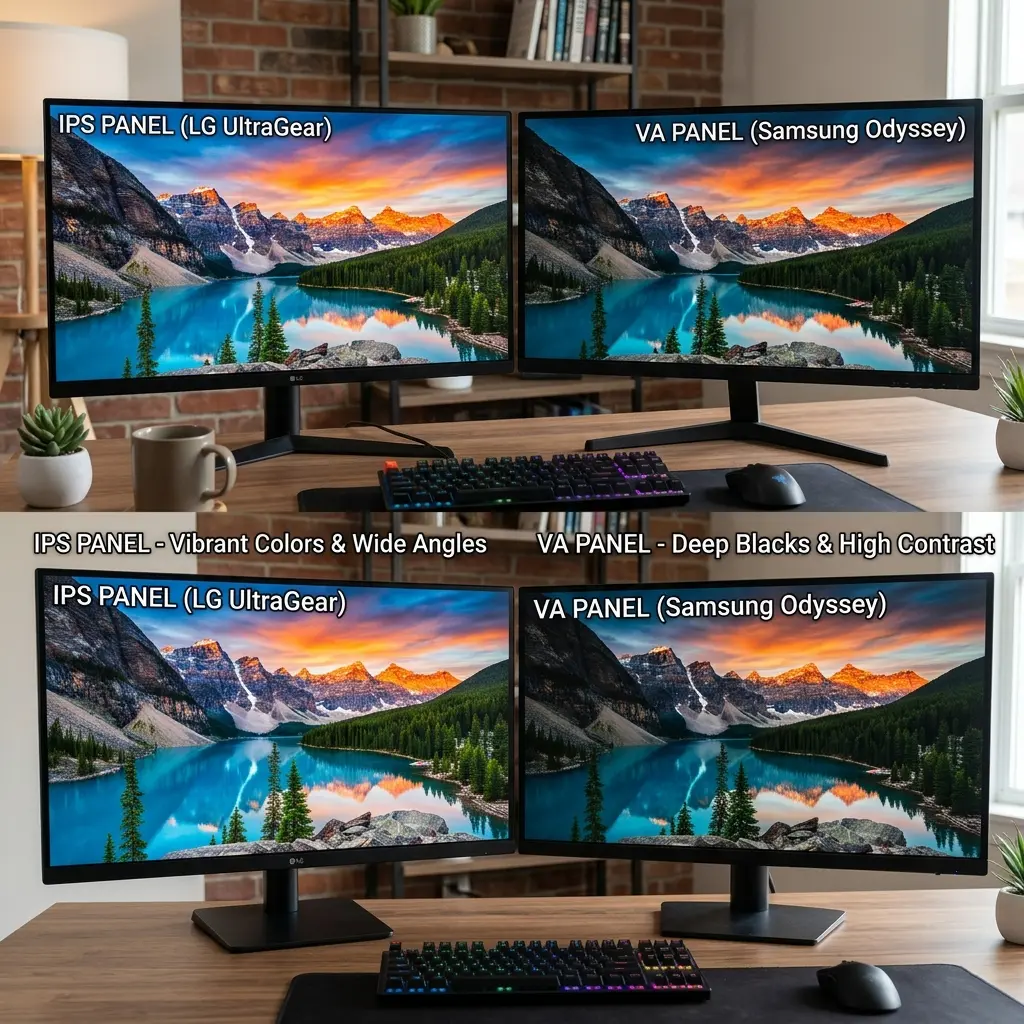
IPS panels provide superior color accuracy and wider viewing angles, beneficial for prolonged reading sessions. Refresh rates above 60Hz can reduce motion blur, enhancing overall usability.
Ergonomics and Visual Comfort
Monitors with adjustable stands enable height and tilt adjustments, promoting ergonomic setups. Blue light filters also minimize eye strain during extended use.
| Model | Screen Size | Resolution | Panel Type | Adjustable Stand | Price |
|---|---|---|---|---|---|
| Dell UltraSharp U2720Q | 27 inches | 3840x2160 (4K) | IPS | Yes | $599 |
| ASUS ProArt PA278QV | 27 inches | 2560x1440 (QHD) | IPS | Yes | $299 |
| LG 34WN80C-B | 34 inches | 2560x1080 (UltraWide) | IPS | Yes | $699 |
Materials and Durability
High-quality materials such as aluminum and reinforced plastics enhance monitor durability. Additionally, monitors with anti-glare coatings provide better longevity against scratches and reflections.
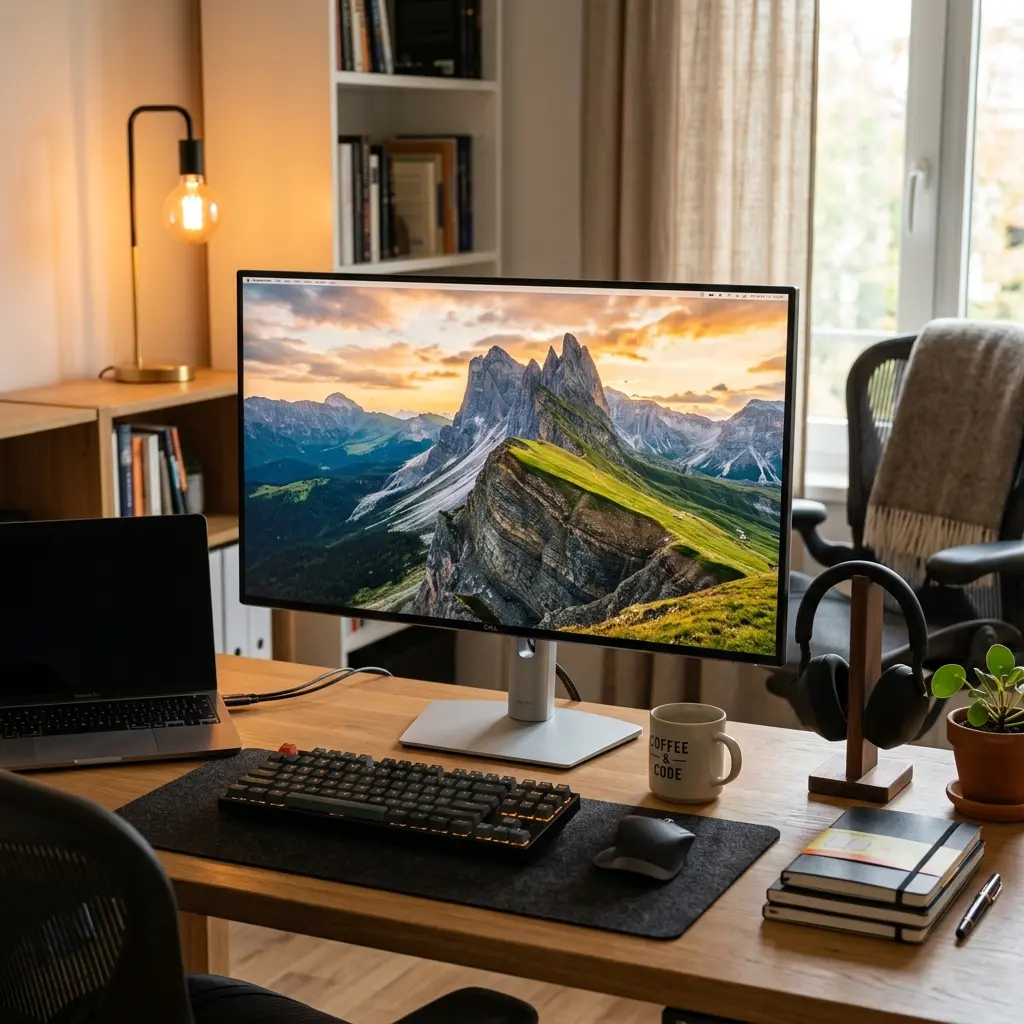
DomineTec Tip: Ensure the monitor is positioned at eye level to reduce neck strain and enhance posture during long study sessions.
Buying Recommendations and Brands
Leading brands such as Dell, ASUS, and LG offer high-quality monitors tailored for productivity. Consider models that feature ergonomic designs and high resolutions for optimal reading experiences.
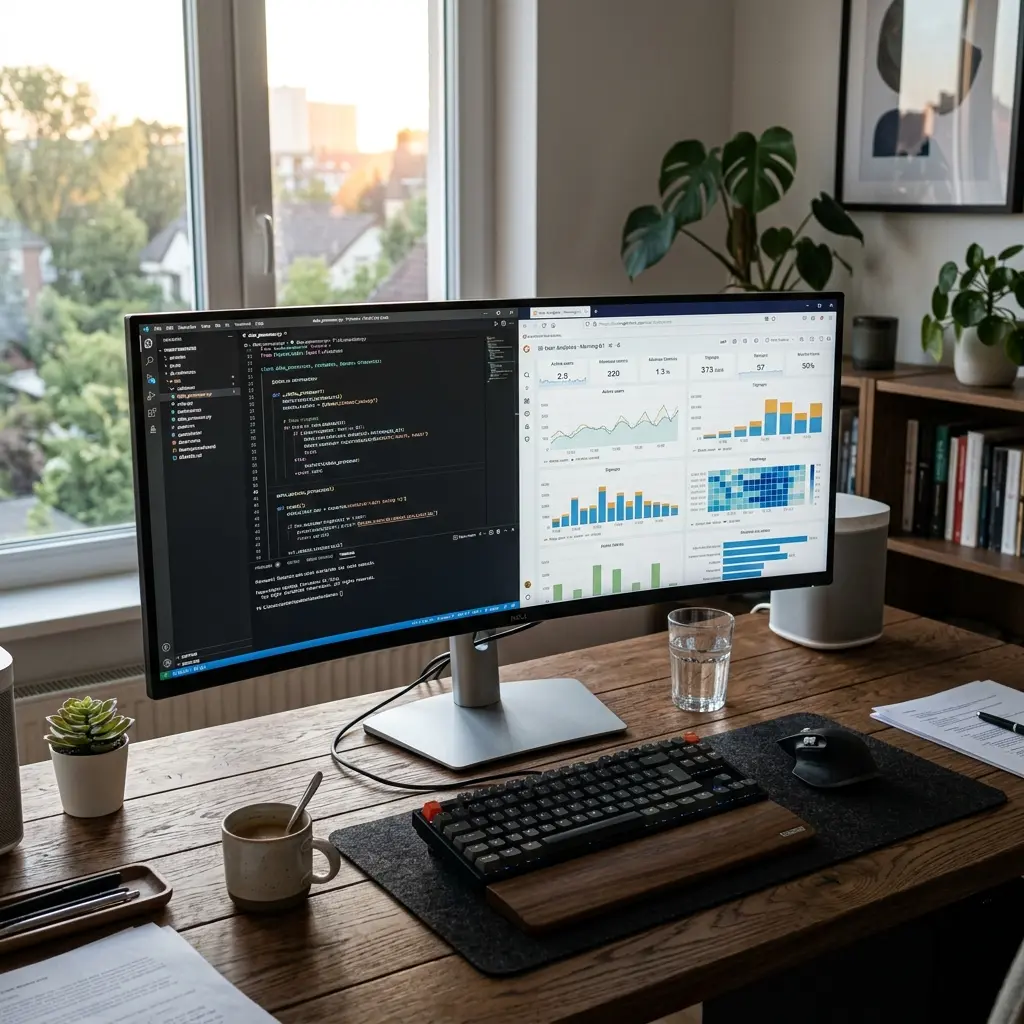
- Determine the optimal screen size based on desk space.
- Select a minimum resolution of 1920x1080 for standard use.
- Prioritize IPS panels for better color accuracy.
- Check for ergonomic features such as height adjustment.
- Evaluate additional features like blue light filters and anti-glare screens.
Value Analysis and Verdict
Investing in a quality monitor can significantly enhance productivity and comfort. Evaluate personal needs and budget to find the best match among top brands.
Connectivity Options and Compatibility
In the digital age, the importance of connectivity options in monitors cannot be overstated. A good study monitor should offer a variety of ports to accommodate different devices, ensuring seamless integration into your study setup.
HDMI and DisplayPort are standard connections that provide high-quality video output, while USB-C has gained popularity for its versatility, allowing video, data, and power transfer through a single cable. Furthermore, having USB-A ports for peripheral devices can enhance productivity.
Compatibility with operating systems is another crucial factor. Monitors that work smoothly with both Windows and macOS provide flexibility for users who may switch between different platforms. Ensuring that your monitor supports the necessary drivers and settings can prevent potential headaches during use.
Lastly, consider wireless connectivity options. Monitors with built-in wireless capabilities can eliminate cable clutter, allowing for a more organized workspace, especially if you're using devices like tablets or smartphones for note-taking or research.
Color Accuracy and Calibration
Color accuracy is essential for anyone spending long hours in front of a monitor, particularly for tasks that involve reading or analyzing colored documents. Monitors with high color accuracy provide a more pleasant visual experience, reducing eye strain and improving focus.
For studying or reading long documents, consider monitors with a wide color gamut that can reproduce colors more faithfully. This becomes particularly important when dealing with graphic design or when color differentiation in data presentations is necessary.
Calibration features are also worth noting. Many monitors come with factory calibration, but users can benefit from models that allow for custom calibration. This ensures that colors remain consistent over time and that the display meets personal preferences.
Investing in a monitor with good color accuracy can enhance overall productivity and make the study environment more enjoyable. Regular calibration can also prolong the life of the monitor and maintain its performance standards.
Screen Size and Aspect Ratio
Choosing the right screen size and aspect ratio is crucial for maximizing productivity during study sessions. A larger screen can provide more real estate for multitasking, allowing users to have multiple documents or applications open simultaneously.
Common screen sizes for study monitors range from 24 to 32 inches. A 27-inch monitor strikes a balance between usability and desk space, making it an ideal choice for many users. The aspect ratio also plays a role; while 16:9 is standard, ultrawide monitors with a 21:9 ratio can offer greater horizontal space for side-by-side document viewing.
Students and professionals who frequently engage with spreadsheets or programming might find ultrawide monitors particularly beneficial. They allow for better organization of work without the need to switch between tabs or windows constantly.
Ultimately, the choice of screen size and aspect ratio will depend on personal preference and workspace limitations. Assessing your typical usage scenarios will help determine the most suitable option for your studying needs.
Eye Care Technologies
Eye care technologies in monitors have become increasingly important due to the rise in screen time among students and professionals. Features like blue light filtering and flicker-free technology are designed to reduce eye strain during prolonged use.
Monitors equipped with blue light reduction filters can minimize exposure to harmful wavelengths, which can disrupt sleep patterns and cause discomfort. This feature is especially useful for those who study late at night or spend long hours reading on their screens.
Flicker-free technology eliminates screen flickering that can be imperceptible but still contribute to eye fatigue. This is particularly relevant when working in low-light environments where flickering becomes more pronounced.
Additionally, some monitors offer specialized modes for reading or office work that further enhance comfort. These modes adjust brightness and contrast to create a more relaxing viewing experience, making them ideal for long study sessions.
Adjustable Features and Mounting Options
Adjustable features in monitors can drastically improve the ergonomics of your workspace. Height-adjustable stands, tilt, swivel, and pivot options allow users to customize the monitor's position for optimal viewing angles.
These adjustments can help reduce neck and back strain, making it easier to maintain a healthy posture during extended study periods. A monitor that can be raised to eye level encourages a more natural alignment of the spine.
In addition to built-in adjustments, consider monitors that are compatible with VESA mounts. This opens up the possibility of mounting the monitor on a wall or an adjustable arm, freeing up desk space and allowing for even greater flexibility.
Using a monitor arm can also enable users to easily switch between different viewing positions, enhancing comfort. With the right setup, you can create an ergonomic workspace tailored to your individual study habits.
Integrated Features and Smart Capabilities
Modern monitors are increasingly equipped with integrated features that enhance their functionality beyond traditional display capabilities. Features such as built-in speakers, webcams, and microphones can streamline your study environment.
Having integrated speakers can eliminate the need for external audio devices, while built-in webcams and microphones are especially beneficial for remote learning or virtual study groups. These features can save desk space and reduce cable clutter.
Smart capabilities are also becoming more common. Some monitors come with operating systems that allow for easy access to apps, streaming services, and productivity tools without needing a connected computer.
These integrated features can enhance the overall utility of the monitor and contribute to a more efficient study routine, making it easier to access resources and collaborate with peers.
Environmental Impact and Energy Efficiency
As sustainability becomes a growing concern, the environmental impact of electronic devices, including monitors, is an important consideration. Energy-efficient models can significantly reduce power consumption, which is not only beneficial for the environment but can also lower electricity bills.
Look for monitors with energy ratings, such as Energy Star certification, which indicates that the model meets strict energy efficiency guidelines. These monitors consume less power during use and in standby mode.
Additionally, consider the materials used in manufacturing the monitor. Brands that prioritize eco-friendly materials and sustainable manufacturing practices contribute positively to the environment.
By choosing a monitor with a focus on energy efficiency and sustainability, consumers can play a role in reducing electronic waste and promoting greener practices in technology consumption.
Impact of Refresh Rate on Reading Experience
The refresh rate of a monitor, measured in hertz (Hz), plays a significant role in the overall reading experience. Higher refresh rates, such as 120Hz or 144Hz, can provide smoother motion and reduce eye strain during prolonged use.
While lower refresh rates are typically sufficient for static content, higher refresh rates can enhance the fluidity of scrolling through long documents. Users may find that smoother transitions lead to a more comfortable and less distracting reading experience.
Monitors with adjustable refresh rates can dynamically change depending on the content displayed, optimizing both performance and eye comfort. This feature can be particularly beneficial for users who switch between reading and other tasks that demand higher refresh rates.
Ultimately, while not essential for document reading, a higher refresh rate can contribute to a more pleasant and efficient workflow, especially for users who multitask frequently.
Software Compatibility and User Interface
The compatibility of a monitor with various software applications can significantly influence the study experience. Monitors that offer seamless compatibility with note-taking and document editing software enhance productivity for students and professionals alike.
User interface features, such as on-screen display (OSD) controls, can simplify the adjustment of settings for brightness, contrast, and color profiles. A well-designed interface allows users to customize their monitor settings quickly, improving their overall experience when reading or studying.
Some monitors come with additional features like picture-in-picture or split-screen capabilities, allowing users to multitask efficiently. This is particularly useful for students who may need to reference multiple documents simultaneously.
Moreover, cloud integration and compatibility with productivity tools can streamline workflows, making it easier to access and manage documents directly from the monitor. This integration can enhance the overall utility of a monitor in academic settings.
Long-Term Investment and Resale Value
When considering a monitor for studying and reading, the long-term investment and potential resale value are crucial factors. High-quality monitors from reputable brands tend to have better durability and performance longevity, which can justify a higher initial cost.
Investing in a monitor with a robust feature set and excellent specifications will likely yield better performance over time, reducing the need for future upgrades. Features like high resolution and superior color accuracy can remain relevant for many years.
The resale value of a monitor can also be influenced by its specifications and condition. Monitors that are well-maintained and have desirable features may retain their value better, providing a return on investment when it comes time to upgrade.
Ultimately, considering the long-term implications and potential resale value can help users make more informed purchasing decisions, ensuring that they select a monitor that meets their needs for years to come.
Accessibility Features and User Inclusivity
Accessibility features in monitors play a crucial role in ensuring that all users, including those with disabilities, can benefit from long document reading and studying. High-quality monitors often come equipped with options such as adjustable text size, contrast settings, and screen readers that enhance usability for individuals with visual impairments.
Many modern monitors also support features like color-blind modes, which allow users to customize color settings according to their specific needs. This inclusivity is essential in educational environments where diverse user needs must be accommodated to promote effective learning.
Additionally, some monitors offer built-in accessibility tools that assist users in navigating software interfaces more effectively. These features can significantly enhance the studying experience by allowing users to engage with content more comfortably and efficiently.
Considering accessibility when selecting a monitor not only supports individual learning styles but also fosters an inclusive educational environment that values diversity and equal opportunities for all students.
Impact of Monitor Technology on Cognitive Load
The technology behind a monitor can significantly influence cognitive load during studying and long document reading. Advanced panel technologies such as IPS (In-Plane Switching) provide wider viewing angles and better color reproduction, which can help reduce the mental effort required to process visual information.
Moreover, the use of features like blue light reduction and flicker-free technology can alleviate eye strain, allowing users to focus more on content without being distracted by discomfort. This is particularly important during extended reading sessions, where cognitive overload can lead to decreased comprehension and retention.
The refresh rate, while often emphasized for gaming, can also play a role in reducing cognitive load during reading. A higher refresh rate can provide smoother scrolling experiences, making it easier for users to follow lines of text and maintain concentration without unnecessary interruptions.
Ultimately, understanding how monitor technology impacts cognitive load can guide users in selecting displays that enhance their studying efficiency, allowing for a more productive and engaging educational experience.
Frequently Asked Questions
What size monitor is best for studying?
A monitor size between 24 to 32 inches is generally recommended for studying, providing ample screen real estate without overwhelming the workspace.
Is a higher resolution always better?
While higher resolutions provide sharper images, the benefits depend on screen size and distance from the monitor.
Do I need an adjustable stand?
An adjustable stand is beneficial for maintaining proper posture and reducing neck strain during long study sessions.
What panel type is best for reading?
IPS panels are preferred for reading due to their superior color accuracy and wide viewing angles, preventing color distortion.
How can I reduce eye strain while using a monitor?
Utilizing blue light filters, maintaining proper screen brightness, and taking regular breaks can significantly reduce eye strain.




