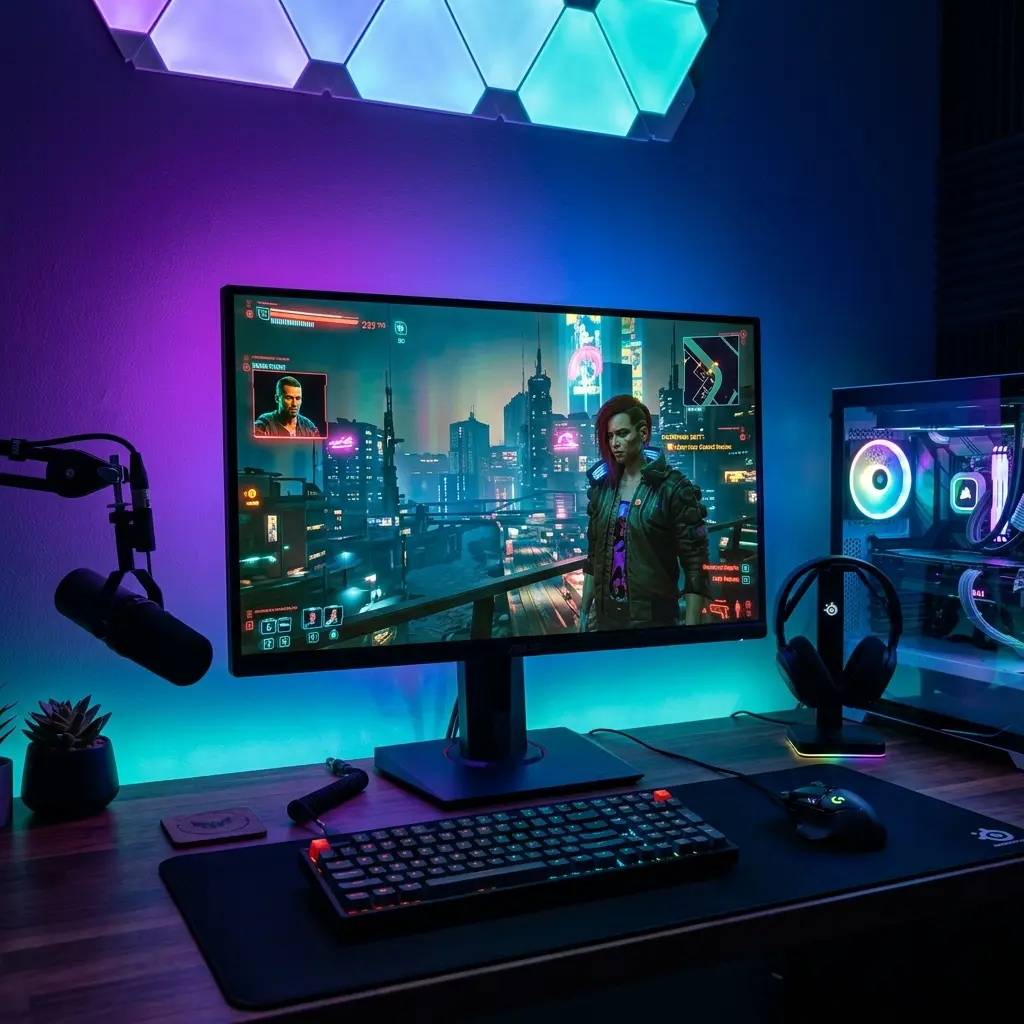
The best monitors for PS5 feature 4K resolution and 120Hz refresh rates, enhancing gaming with stunning visuals and smooth gameplay.
Physical Aspects and Resolution
Monitors designed for PS5 gaming often support a 3840 x 2160 resolution, ensuring sharp images and vibrant colors.
Screen sizes typically range from 27 to 32 inches, balancing immersion and desk space efficiency.
Performance and Technology
Features such as HDMI 2.1 support allow for 4K gaming at 120Hz, providing a noticeable advantage in fast-paced titles.
Variable Refresh Rate (VRR) technology further minimizes screen tearing, enhancing overall gaming performance.
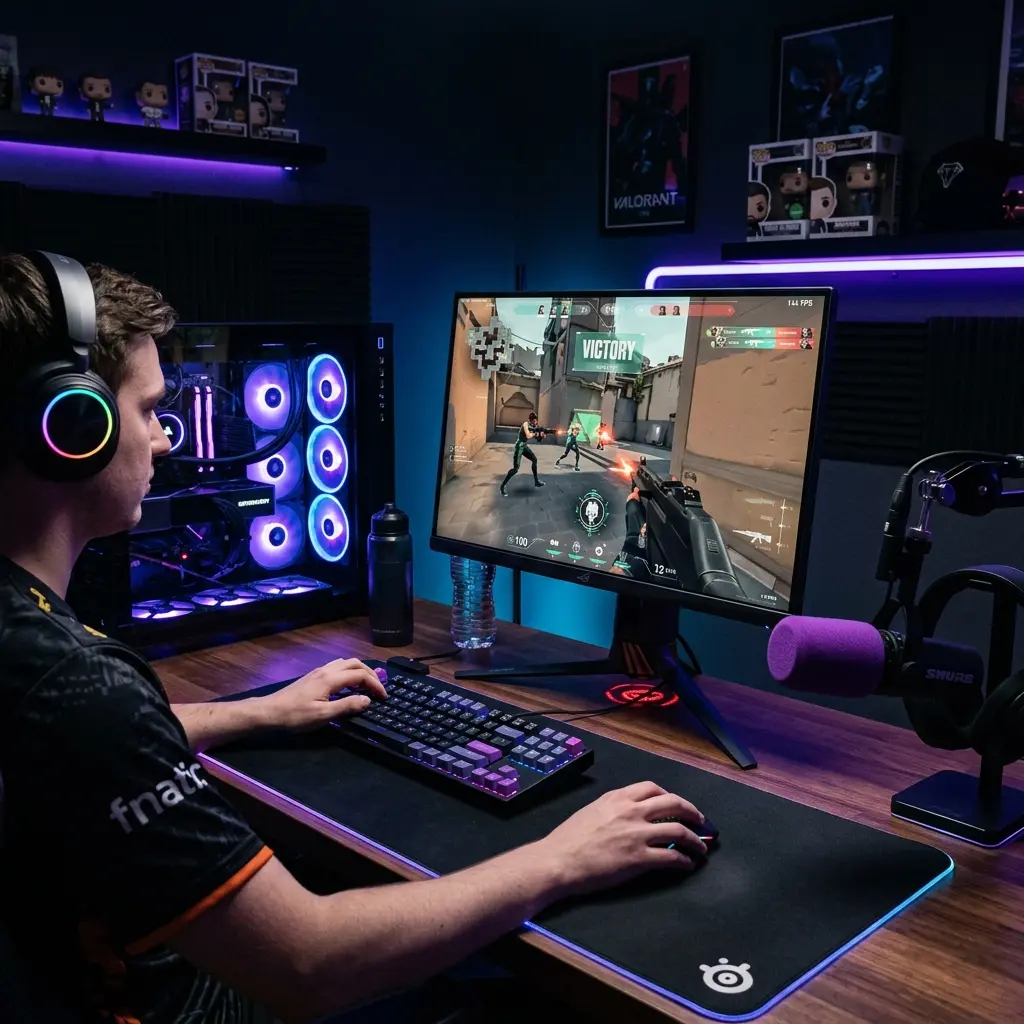
Ergonomics and Visual Comfort
Height, tilt, and swivel adjustments contribute to an optimal viewing experience, reducing strain during extended gaming sessions.
Anti-glare coatings and blue light filters are critical for maintaining visual comfort and preventing eye fatigue.
| Monitor Model | Resolution | Refresh Rate | Panel Type | HDMI 2.1 |
|---|---|---|---|---|
| LG 27GP950-B | 3840 x 2160 | 120Hz | IPS | Yes |
| ASUS ROG Strix XG43UQ | 3840 x 2160 | 120Hz | VA | Yes |
| Samsung Odyssey G7 | 2560 x 1440 | 240Hz | VA | No |
Materials and Durability
High-end gaming monitors utilize premium materials such as aluminum for frames, ensuring longevity and resistance to wear.
Scratch-resistant screens and robust stand designs enhance durability, allowing for a reliable gaming environment.
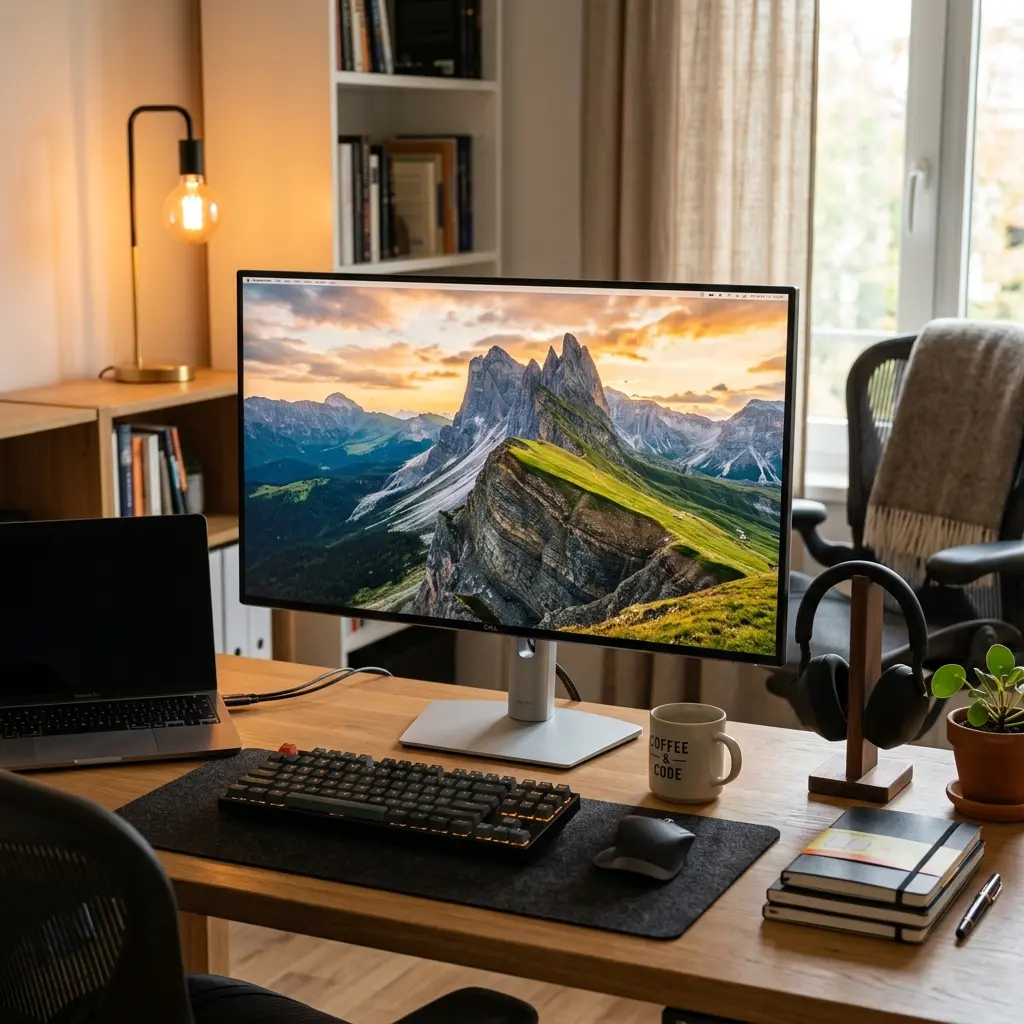
DomineTec Tip: Ensure that the monitor is positioned at eye level to enhance ergonomics and reduce neck strain.
Buying Recommendations and Brands
Consider reputable brands like LG, ASUS, and Samsung, as they offer monitors with advanced gaming features and solid performance.
- Evaluate screen size and resolution based on available space.
- Check for HDMI 2.1 compatibility for 4K 120Hz support.
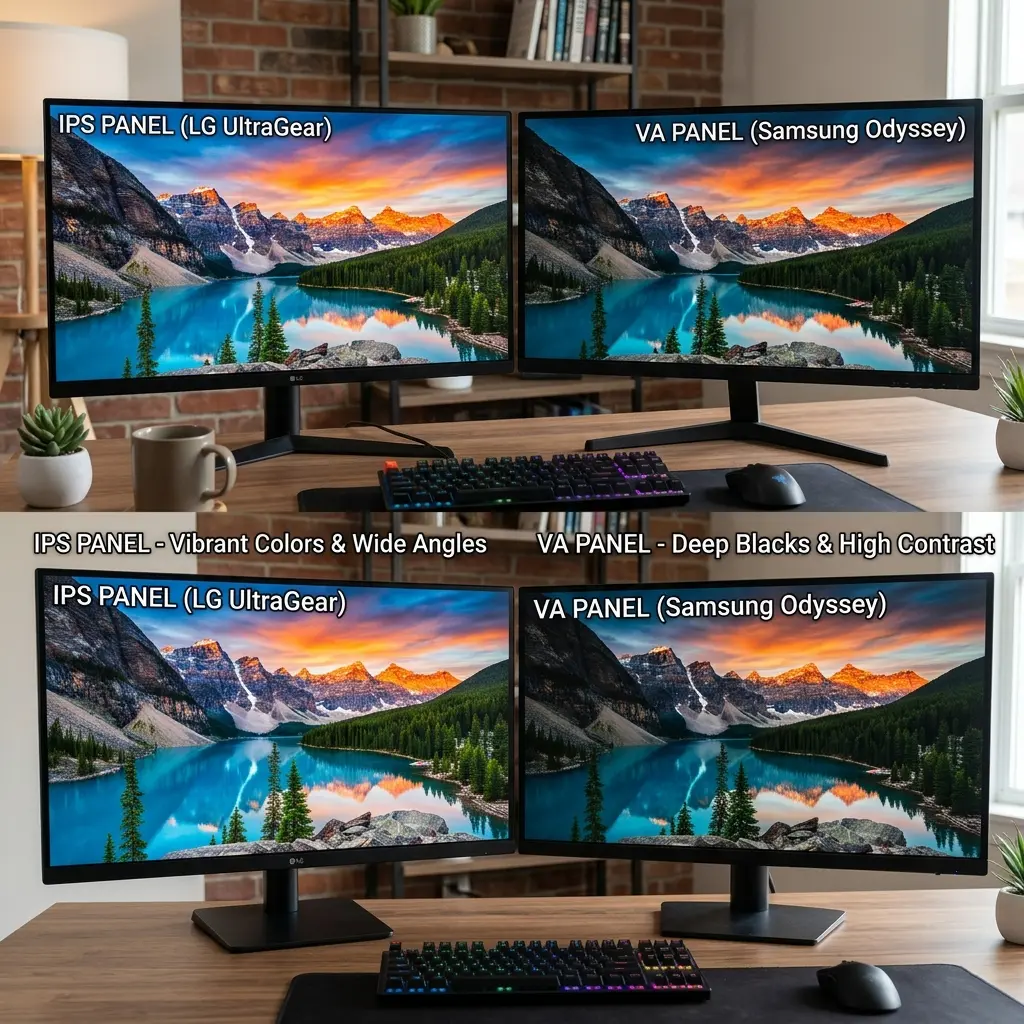
- Examine panel types (IPS vs VA) for color accuracy and response times.
- Assess ergonomic features to ensure a comfortable setup.
- Read reviews and compare prices to find the best value.
Value Analysis and Verdict
The investment in a high-quality monitor directly impacts gaming experience, making it worthwhile for serious gamers.
Ultimately, a well-chosen monitor enhances both visual fidelity and gameplay fluidity, crucial for maximizing the PS5 experience.
Connectivity Options and Compatibility
In the realm of gaming monitors, connectivity options significantly impact user experience. The PlayStation 5 supports a variety of video outputs, including HDMI 2.1, which allows for higher bandwidth and advanced features such as 4K resolution at 120Hz. Therefore, monitors equipped with HDMI 2.1 ports are essential for fully leveraging the PS5’s capabilities.
Beyond HDMI 2.1, additional connectivity options like DisplayPort, USB-C, and built-in speakers can enhance the overall gaming experience. Monitors that offer multiple HDMI inputs allow users to connect additional devices, such as gaming PCs or streaming devices, without the hassle of frequently switching cables.
Compatibility is another crucial factor; gamers should ensure that their chosen monitor can seamlessly integrate with the PS5. This includes not only video output compatibility but also support for features like Variable Refresh Rate (VRR) and Auto Low Latency Mode (ALLM), which optimize gameplay by reducing lag and screen tearing.
Users should also consider the importance of firmware updates and manufacturer support when evaluating connectivity and compatibility. Regular updates can improve performance and functionality, ensuring that the monitor remains relevant as gaming technology evolves.
Color Accuracy and Reproduction
Color accuracy is a critical aspect of any gaming monitor, especially for immersive gameplay. Monitors with high color fidelity deliver a more realistic and engaging visual experience, making it essential to look for displays that support wide color gamuts such as sRGB, Adobe RGB, or DCI-P3.
In addition to color gamut, the calibration of the monitor plays a significant role in achieving accurate colors. A factory-calibrated monitor ensures that colors appear as intended by the creators, while models with customizable calibration settings allow users to tweak performance based on personal preferences.
For gamers who prioritize visuals, HDR (High Dynamic Range) support enhances color depth and contrast, providing a richer viewing experience. Monitors that adhere to HDR10 or Dolby Vision standards can elevate the graphical quality of PS5 games by displaying brighter whites and deeper blacks.
Ultimately, color accuracy not only enhances gaming experiences but also benefits content creators and multimedia enthusiasts. Investing in a monitor that excels in color reproduction can provide versatility beyond gaming, making it a valuable addition to any setup.
Refresh Rate and Response Time
The refresh rate of a monitor is a key performance indicator, especially in fast-paced gaming scenarios. A higher refresh rate, such as 120Hz, ensures smoother motion and reduces motion blur, which is critical for competitive gaming on the PS5.
In conjunction with refresh rate, response time measures how quickly a pixel can change from one color to another. Monitors with low response times, ideally around 1ms to 3ms, minimize ghosting effects, ensuring that fast movements appear sharp and clear.
When considering refresh rates and response times, gamers should also account for the type of games they play. Fast-paced shooters and action games benefit more from higher refresh rates, while slower-paced titles may not require such stringent specifications.
Additionally, technologies like G-Sync and FreeSync provide adaptive sync capabilities that enhance the gaming experience by matching the refresh rate of the monitor with the frame rate output of the PS5. This synchronization reduces screen tearing and stuttering, resulting in a more fluid and enjoyable gaming experience.
Audio Integration and Sound Quality
While visual quality often takes precedence in monitor selection, audio integration and sound quality are equally important. Many gaming monitors come equipped with built-in speakers, but these can vary significantly in performance and quality.
For an optimal gaming experience, monitors with higher-quality built-in audio systems can provide more immersive sound without the need for external speakers or headphones. However, users should consider that dedicated external audio solutions often outperform integrated options.
Some gaming monitors also feature audio pass-through capabilities, allowing users to connect headphones directly to the monitor. This can simplify connections and provide a cleaner setup, especially for those who prefer a minimalist gaming environment.
Realistic audio reproduction enhances gameplay immersion, particularly in titles that rely heavily on sound cues. Therefore, gamers should evaluate audio features when selecting a monitor to ensure they achieve a well-rounded gaming experience.
Gaming Features and Customization Options
Modern gaming monitors often come equipped with a range of features designed to enhance gameplay. Features such as customizable game modes, crosshair overlays, and frame rate counters allow users to tailor their gaming experience to their preferences.
Many monitors also incorporate advanced technologies such as RGB lighting, which can add an aesthetic element to the gaming setup. This customization not only enhances visual appeal but can also provide functional benefits, such as improving ambient lighting for a more immersive experience.
Additionally, some monitors offer customizable settings for different genres of games, allowing users to switch profiles based on their current game. This feature can be particularly useful for players who frequently switch between competitive shooters and narrative-driven adventures.
Ultimately, the availability of gaming features and customization options can significantly impact a gamer's satisfaction and performance. Selecting a monitor that aligns with personal preferences can enhance the overall gaming experience.
Power Consumption and Environmental Impact
As gaming monitors evolve, their power consumption becomes an increasingly important consideration for environmentally conscious consumers. Energy-efficient monitors not only reduce electricity bills but also contribute to a lower carbon footprint.
When evaluating power consumption, it is essential to consider the monitor’s energy ratings and standby modes. Monitors that feature eco-friendly certifications, such as Energy Star, indicate compliance with energy efficiency standards, ensuring minimal environmental impact.
Moreover, features like automatic brightness adjustment can help optimize energy use while maintaining visual quality. Monitors that adapt brightness based on ambient light reduce unnecessary power consumption, contributing to sustainability.
By selecting energy-efficient monitors, gamers can enjoy their gaming experiences while also being mindful of their environmental impact. This approach aligns gaming enjoyment with responsible consumption, creating a balance that benefits both the user and the planet.
Future-Proofing Considerations
Investing in a gaming monitor is a significant decision, and future-proofing is a vital aspect to consider. As gaming technology continues to advance, monitors that support the latest standards will remain relevant for a longer period.
Features such as HDMI 2.1 support, high refresh rates, and adaptive sync technologies are indicators of a monitor's longevity. These specifications ensure compatibility with future gaming consoles and PC hardware, allowing users to maximize their investments over time.
Additionally, monitor manufacturers often release firmware updates to enhance features and performance. Selecting a brand known for robust support can provide assurance that the monitor will adapt to future gaming developments.
Ultimately, considering future-proofing aspects when selecting a monitor can lead to a more satisfactory long-term investment, allowing gamers to enjoy cutting-edge technology without the need for frequent upgrades.
Adaptive Sync Technologies
Adaptive Sync technologies, such as AMD FreeSync and NVIDIA G-Sync, play a crucial role in enhancing gaming experiences on PS5. These technologies minimize screen tearing and stuttering by synchronizing the monitor's refresh rate with the console's output frame rate.
For PS5 users, monitors that support HDMI 2.1 can leverage Variable Refresh Rate (VRR) capabilities, allowing for a smoother gameplay experience. This is particularly beneficial in fast-paced, action-packed games where performance consistency is paramount.
Choosing a monitor with adaptive sync compatibility can significantly enhance visual quality during gameplay. It ensures that players experience fluid motion without the distractions of lag or frame drops.
Moreover, some monitors come with built-in options to customize adaptive sync settings, enabling users to fine-tune performance according to their gaming preferences. This adaptability can be a game-changer for competitive gamers seeking an edge over their opponents.
Design and Aesthetics
The design and aesthetics of a monitor can greatly impact the overall gaming setup. A visually appealing monitor can enhance the ambiance of a gaming space, making it more inviting for long play sessions.
Many modern gaming monitors feature sleek, minimalistic designs with customizable RGB lighting. This allows gamers to match their monitor with other peripherals, creating a cohesive look throughout their setup.
In addition to aesthetics, the build quality and attention to design details can affect functionality. Features such as thin bezels contribute to a more immersive viewing experience by minimizing distractions from the screen edges.
Furthermore, some monitors are designed with cable management solutions, helping to reduce clutter and maintain a tidy gaming environment. This thoughtful design consideration adds to the overall user experience by promoting a clean and organized space.
Calibration and Adjustment Capabilities
Calibration is a critical aspect of achieving optimal visual performance in gaming monitors, especially for PS5 users seeking immersive experiences.
Many high-end monitors offer extensive adjustment options, including brightness, contrast, gamma, and color temperature settings that can be finely tuned to suit individual preferences.
Some models come with factory calibration, which ensures that color accuracy is maintained out of the box, while others allow for user calibration, providing tools such as built-in colorimeters or software support for advanced adjustments.
Moreover, features like HDR calibration are essential for maximizing the capabilities of PS5 games that support high dynamic range, enhancing the overall visual experience.
Gaming Ecosystem and Integration
The gaming ecosystem surrounding the PS5 includes various peripherals and accessories that can enhance the overall gaming experience, making monitor compatibility an important consideration.
Monitors that support features like HDMI 2.1 are particularly valuable, as they enable higher bandwidth for 4K resolution at 120Hz, ensuring seamless integration with next-gen gaming consoles.
Additionally, some monitors come with built-in features that enhance the gaming experience, such as customizable profiles for different games or scenarios, which can significantly improve workflow and enjoyment.
Lastly, the ability to integrate with gaming headsets and other audio solutions can also affect the overall immersion, making it essential to consider compatibility with other components in the gaming setup.
Input Lag and Gaming Experience
Input lag is a critical factor for gamers, especially in fast-paced titles that require quick reflexes. Monitors with low input lag provide a more responsive gaming experience, allowing players to react swiftly to in-game actions.
For PS5 gamers, an input lag of 10ms or lower is ideal. Many modern monitors advertise their input lag performance, making it easier for consumers to identify suitable options for competitive gaming.
Additionally, features such as Game Mode and Instant Mode can further reduce input lag by bypassing certain image processing features. This optimization ensures that your actions translate to on-screen movements almost instantaneously.
As a rule of thumb, always check reviews and specifications to confirm the input lag performance of a monitor before making a purchase. The difference in gameplay can be significant, especially in multiplayer scenarios where every millisecond counts.
Viewing Angles and Screen Coating
Viewing angles can significantly impact the gaming experience, especially in multiplayer settings where multiple players may be viewing the screen simultaneously. Monitors with wider viewing angles allow for a consistent image quality from various positions, enhancing the overall enjoyment of the game.
IPS (In-Plane Switching) panels are known for their superior viewing angles compared to TN (Twisted Nematic) panels. For PS5 gamers, an IPS panel can provide vibrant colors and consistent brightness, even when viewed from the side.
Screen coating also plays a crucial role in managing reflections and glare. A matte finish can reduce distractions from ambient light, ensuring that gamers remain focused on the action without being hindered by reflections.
When selecting a monitor, consider how the viewing angles and screen coating will affect your gaming environment. Especially for shared spaces, these factors can greatly enhance the overall user experience.
Frequently Asked Questions
What is the importance of HDMI 2.1 for PS5 gaming?
HDMI 2.1 enables 4K gaming at 120Hz, allowing for smoother frame rates and better overall performance.
Are 27-inch monitors sufficient for PS5 gaming?
Yes, 27-inch monitors provide an immersive experience without overwhelming desk space, particularly at 4K resolution.
What panel type is best for gaming monitors?
IPS panels are recommended for better color accuracy and viewing angles, while VA panels offer superior contrast ratios.
Can I use a monitor with lower than 120Hz for PS5?
While possible, using a monitor below 120Hz may result in less fluid gameplay, especially in fast-paced games.
How important is screen curvature in a gaming monitor?
Screen curvature can enhance immersion, especially in larger screens, but personal preference plays a significant role.




