Best Monitors for Programming and Coding: Size and Resolution Guide
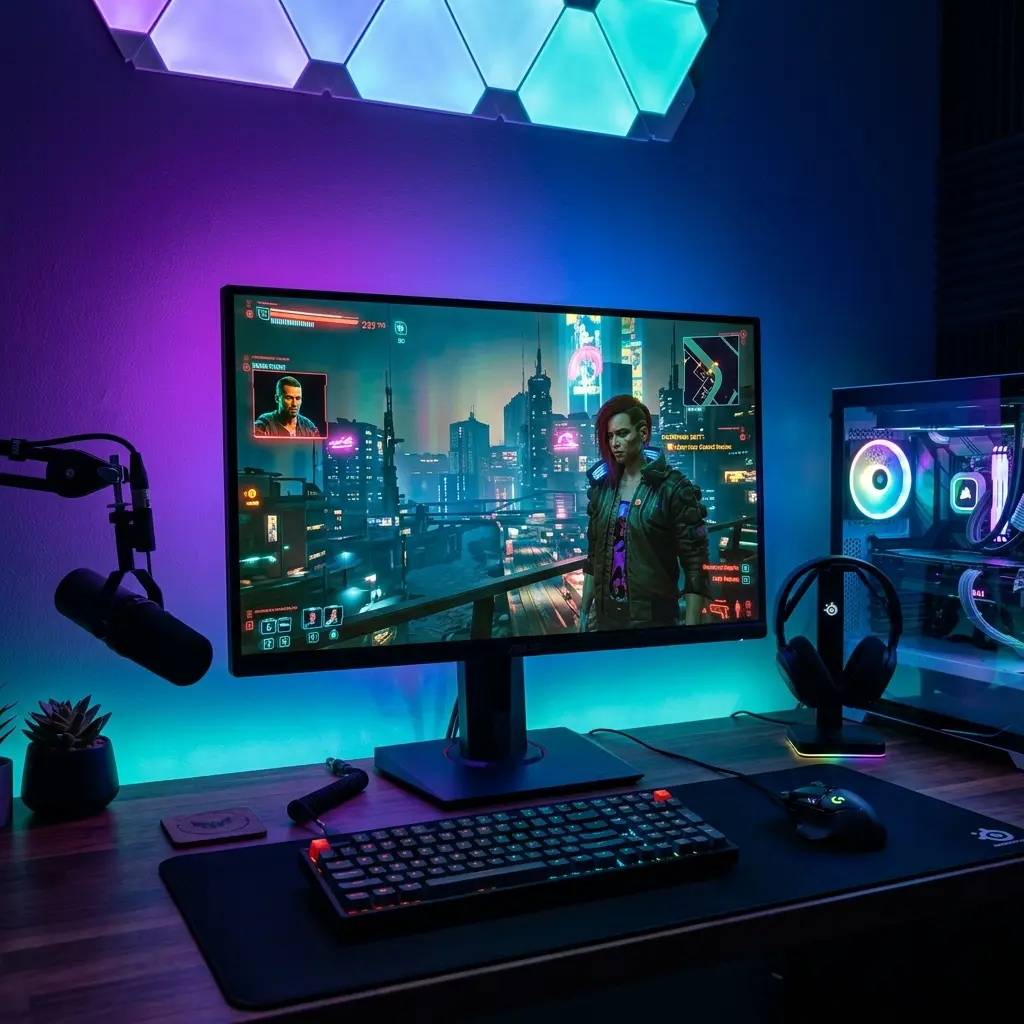
Choosing the right monitor for programming requires careful consideration of size and resolution to enhance productivity and comfort.
Physical Aspects and Resolution
Screen size significantly impacts coding efficiency; monitors between 24 to 32 inches are optimal for multitasking. Resolution plays an equally important role, with 1080p suitable for basic tasks and 4K providing exceptional clarity for detailed work.
Performance and Technology
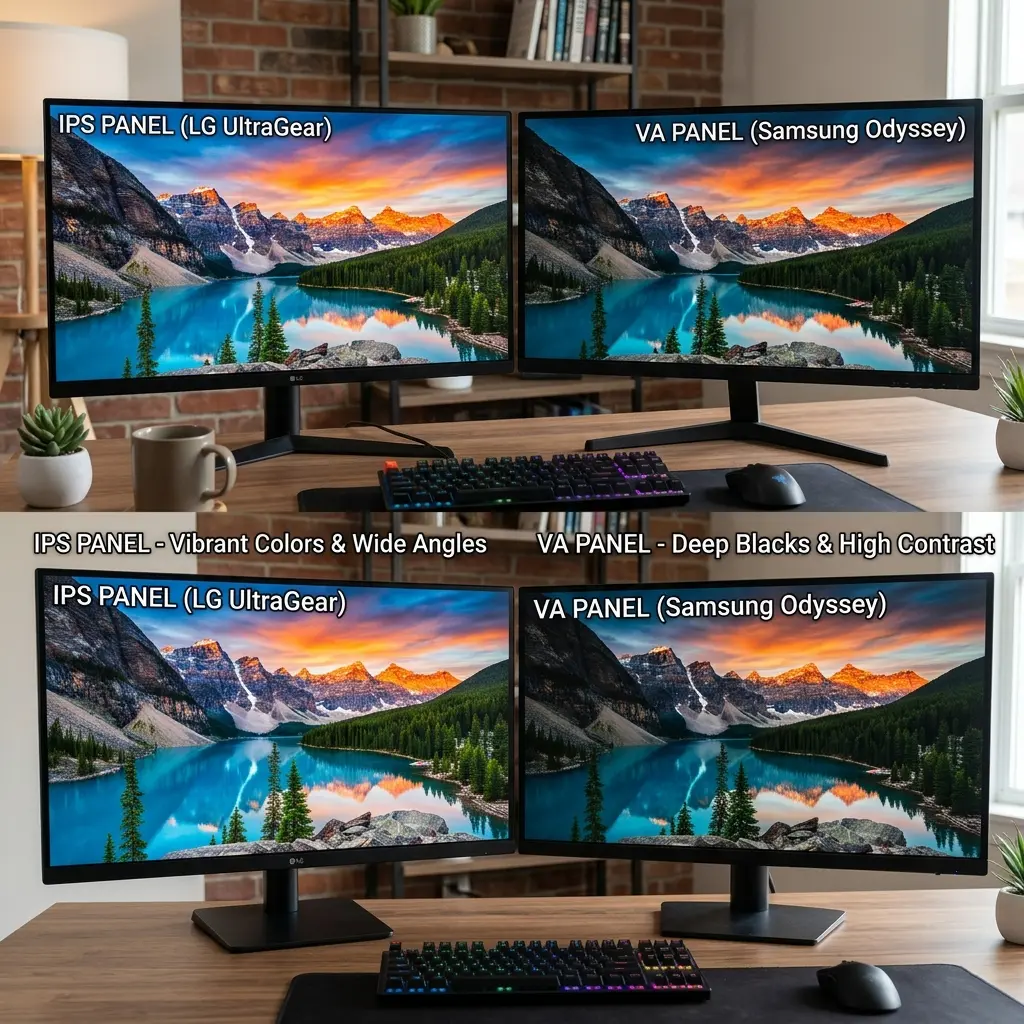
Panel technology affects color accuracy and response time; IPS panels are favored for their superior viewing angles and color reproduction. Refresh rates also matter; 60Hz is standard, while 144Hz enhances smoothness for dynamic coding environments.
Ergonomics and Visual Comfort
Adjustability features such as height, tilt, and swivel enhance comfort during long coding sessions. Blue light filters and flicker-free technology reduce eye strain, promoting better focus and longer productivity periods.
| Monitor | Size | Resolution | Panel Type | Refresh Rate |
|---|---|---|---|---|
| Dell UltraSharp U2720Q | 27" | 4K | IPS | 60Hz |
| LG 34WN80C-B | 34" | 1440p | IPS | 60Hz |
| Acer Predator XB271HU | 27" | 1440p | IPS | 144Hz |
| Samsung Odyssey G7 | 27" | 1440p | VA | 240Hz |
Materials and Durability
High-quality monitors utilize durable materials like aluminum and reinforced plastics, enhancing longevity. Look for screens with scratch-resistant coatings to maintain clarity over time.
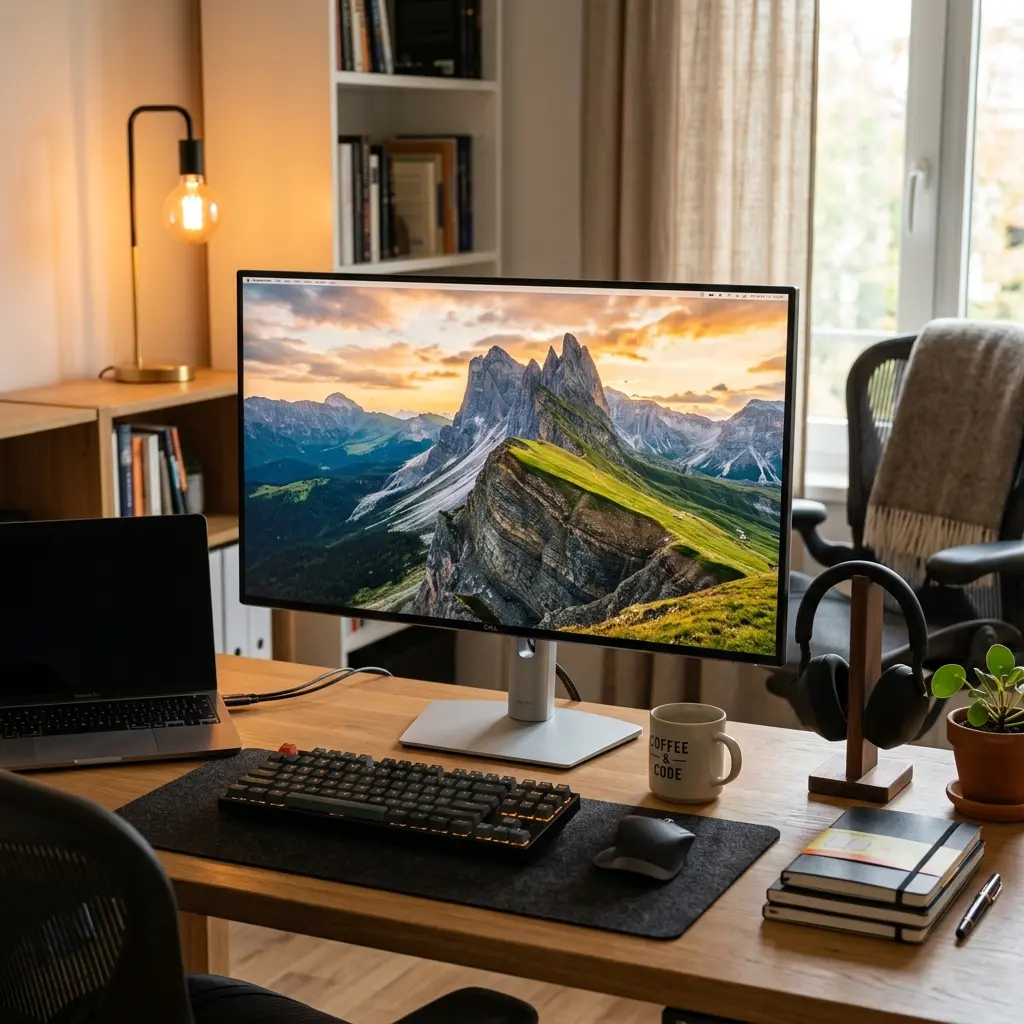
DomineTec Tip: Adjust monitor height so the top of the screen is at or just below eye level to prevent neck strain.
Buying Recommendations and Brands
Leading brands such as Dell, LG, and ASUS offer reliable monitors tailored for programming. Consider warranty options and customer service reputation when making a choice.
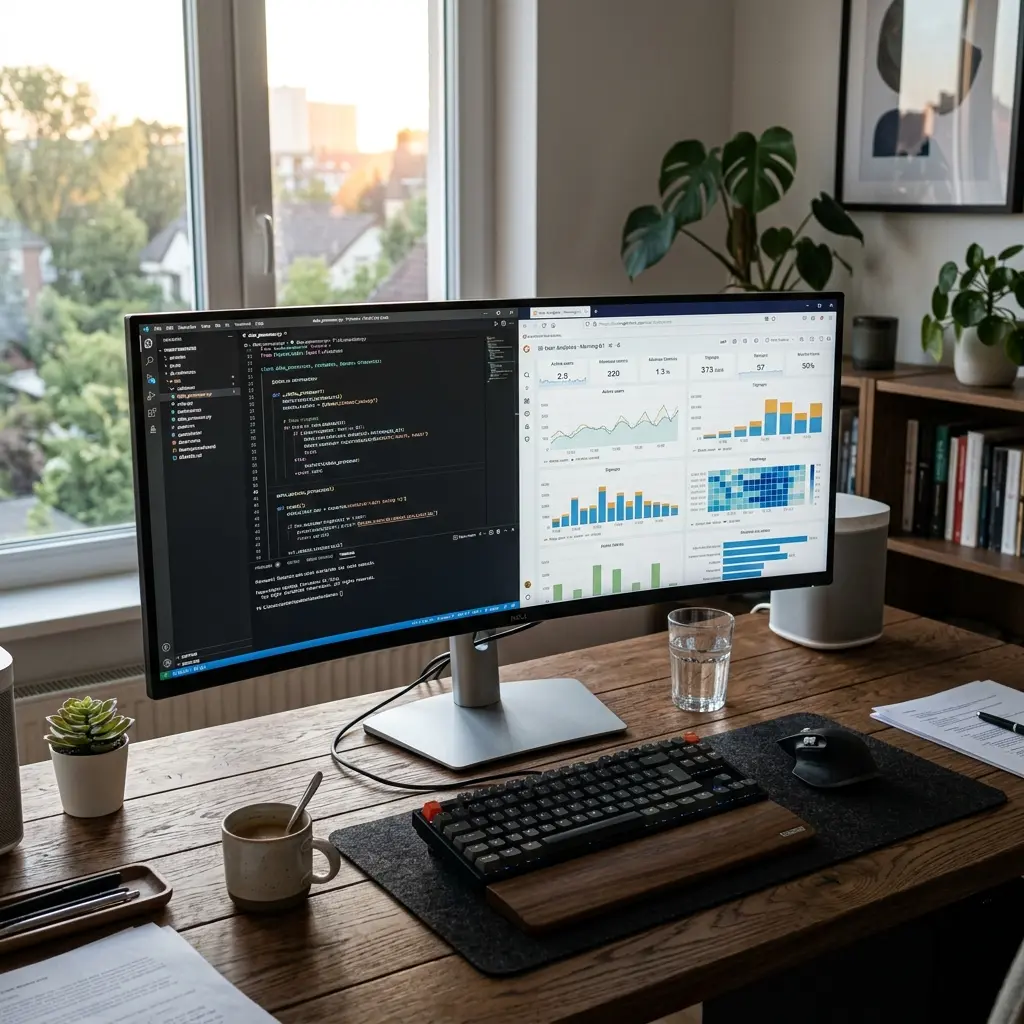
- Determine the ideal screen size based on workspace and comfort.
- Choose a resolution that matches coding requirements and visual clarity.
- Evaluate panel type for color accuracy and viewing angle preferences.
- Check refresh rates to align with specific programming needs.
- Look for ergonomic features to enhance comfort over long hours.
Value Analysis and Verdict
Investing in a high-quality monitor can significantly enhance coding efficiency and reduce eye strain. Prioritize features based on personal coding habits and workspace demands.
Color Accuracy and Calibration
Color accuracy is vital for programming, especially in fields like web development and graphic design where visual output is crucial. Monitors with high color fidelity can display a wider range of colors, allowing developers to see their work as intended.
Calibration tools, such as colorimeters, can ensure that a monitor adheres to industry standards like sRGB or Adobe RGB. Regular calibration helps maintain color consistency over time, which is essential for tasks requiring precise color differentiation.
Connectivity Options
Modern monitors come with a variety of connectivity options that can significantly enhance the programming experience. Ports such as HDMI, DisplayPort, and USB-C provide flexibility in connecting multiple devices, which can be beneficial for multitasking.
Additionally, features like daisy-chaining allow users to connect multiple monitors through a single port, facilitating a more extensive workspace. Consideration of a monitor’s connectivity is crucial for future-proofing, as technology continues to evolve rapidly.
Refresh Rate and Response Time
While refresh rate and response time are often discussed in gaming contexts, they also play a role in programming environments. A higher refresh rate can reduce motion blur and improve clarity, particularly when scrolling through code or documents.
Response time, measured in milliseconds, affects how quickly a pixel can change from one color to another, impacting visual performance. For programming, a monitor with a refresh rate of at least 60Hz and a response time of 5ms or lower is generally considered adequate.
Screen Coating and Finish
The type of screen coating can influence both visual comfort and usability in different lighting conditions. Matte finishes reduce glare and reflections, making them suitable for bright environments, while glossy finishes can enhance color vibrancy.
Choosing the right coating depends on the typical work environment; programmers working in brightly lit spaces may prefer matte screens. Understanding the trade-offs between different finishes can help users select a monitor that minimizes eye strain and enhances productivity.
Aspect Ratio and Multi-Monitor Setups
The aspect ratio of a monitor can significantly affect how much code or information can be viewed simultaneously. Traditional 16:9 displays are common, but ultrawide monitors with a 21:9 or 32:9 aspect ratio offer more horizontal screen real estate.
This can be particularly advantageous for multitasking, as developers can run multiple applications side by side without switching screens. When considering a multi-monitor setup, uniformity in aspect ratio across monitors can help maintain visual coherence and ease of use.
Environmental Impact and Sustainability
As technology advances, the environmental impact of electronic devices, including monitors, becomes increasingly important. Choosing a monitor that adheres to sustainability practices, such as energy efficiency certifications like ENERGY STAR, can help reduce carbon footprints.
Some manufacturers also focus on using recyclable materials and minimizing hazardous substances in their products. Considering the environmental impact not only supports global sustainability efforts but can also align with corporate social responsibility goals for developers and companies.
Software Compatibility and Features
Software compatibility is a key consideration when selecting a monitor, particularly for programmers who use specialized development tools. Features such as Picture-in-Picture (PiP) or Picture-by-Picture (PbP) can enhance workflow efficiency by allowing users to view multiple sources simultaneously.
Additionally, certain monitors come with integrated software that can assist with color calibration, screen splitting, and management of multiple applications. Assessing the compatibility of a monitor with existing software tools can ensure a seamless integration into the programming workflow.
Portability and Space Considerations
Portability is a crucial factor for programmers who work in multiple locations or prefer a flexible workspace. Lightweight monitors can enhance mobility, allowing users to easily transport their setup.
Screen size plays an important role in portability. A 27-inch monitor may provide a larger workspace but can be cumbersome to move, while a 24-inch option strikes a balance between usability and transportability.
Additionally, considering the monitor's footprint is essential when evaluating desk space. A compact design with slim bezels helps maximize workspace while accommodating other necessary equipment.
For those working in shared or co-working environments, a monitor with a foldable or adjustable stand can further enhance convenience and adaptability in various settings.
Gaming Features for Programmers
While gaming features may not be the primary concern for most programmers, a monitor with gaming specifications can enhance the overall experience. Features like high refresh rates and low input lag can create a smoother workflow when multitasking or running resource-intensive applications.
Adaptive sync technologies, such as NVIDIA G-Sync or AMD FreeSync, can prevent screen tearing during high-demand scenarios, providing a more pleasant viewing experience. Furthermore, monitors with built-in game modes may offer specific settings that improve visibility and reduce eye strain during long coding sessions, making them versatile for both work and play.
Incorporating gaming features can also serve to future-proof the monitor, making it a worthwhile investment for users who may wish to engage in gaming during their downtime.
Adjustable Features and Customization
Adjustable features are vital for creating a comfortable and personalized workspace. Monitors with height-adjustable stands allow users to set their screens at an optimal eye level, reducing neck strain during prolonged use.
Many modern monitors also offer tilt and swivel adjustments, enabling users to fine-tune their viewing angles for enhanced comfort and productivity. Additionally, customization options such as programmable buttons can streamline workflows, allowing quick access to frequently used functions or applications.
Some monitors also support various color temperature settings, which can be adjusted based on personal preference or time of day, promoting better visual comfort and reducing fatigue.
Future-Proofing Your Investment
Future-proofing is an essential consideration when investing in a monitor, especially for programming needs. Selecting a model with up-to-date technology ensures compatibility with upcoming software and hardware advancements.
Opting for monitors with higher resolutions, such as 4K, can extend their usability as programming environments and graphic designs become increasingly detailed and demanding. Moreover, choosing a monitor with multiple connectivity options allows for versatility in connecting to various devices, such as laptops, desktops, and even tablets, accommodating changing technological landscapes.
Warranty and support are also critical for future-proofing, as reputable brands usually offer longer warranties and better customer service, providing reassurance for potential issues down the line.
Impact of Blue Light and Eye Care Technologies
Blue light exposure is a growing concern for programmers who spend long hours in front of screens. Monitors equipped with blue light reduction technologies can help mitigate eye strain and improve comfort during extended use.
Many modern monitors feature built-in eye care settings, which adjust brightness and color temperature to reduce the harmful effects of blue light, enhancing visual comfort. Flicker-free technology is another important aspect, as it reduces screen flicker that can lead to fatigue and discomfort over time, making it a valuable feature for long coding sessions.
Investing in monitors that prioritize eye care can contribute to better overall health and productivity, allowing programmers to maintain focus and efficiency without sacrificing well-being.
Power Consumption and Energy Efficiency
When selecting a monitor for programming and coding, power consumption is an essential factor that can impact both your electricity bills and environmental footprint. Modern monitors often come with energy-efficient technologies that reduce power usage while maintaining high performance levels.
Look for monitors that are Energy Star certified, as they meet strict energy efficiency guidelines set by the U.S. Environmental Protection Agency. These monitors not only consume less power but also help in reducing greenhouse gas emissions.
Additionally, consider the panel technology used in the monitor. For instance, IPS panels generally consume more power than VA or TN panels, but they provide better color accuracy and viewing angles. Balancing energy efficiency with performance is crucial for long-term satisfaction.
Some monitors also feature power-saving modes that automatically adjust brightness and other settings based on ambient light, further enhancing energy efficiency without compromising usability.
Compatibility with Development Environments
Compatibility with various development environments and software tools is critical for programmers. Monitors should support multiple resolutions and refresh rates to ensure a smooth experience with different coding applications.
Most programming languages and IDEs (Integrated Development Environments) can benefit from high-resolution displays, as they allow for more lines of code to be visible at once. This can significantly enhance productivity and reduce the need for constant scrolling.
Additionally, some monitors offer features such as Picture-in-Picture (PiP) or Picture-by-Picture (PbP), which allow developers to view multiple applications simultaneously. This is especially useful when debugging or referencing documentation while coding.
Before purchasing, verify that the monitor supports the specific software tools and development environments you use. A monitor with good compatibility reduces the risk of technical issues and enhances the overall coding experience.
Integration of Built-in Features
Modern monitors increasingly come with built-in features that enhance the programming experience. Integrated speakers, USB hubs, and even webcams can reduce clutter on the desk and streamline the workspace.
Additionally, many monitors now offer built-in blue light filters and flicker-free technologies to minimize eye strain during extended coding sessions. These features can be crucial for programmers who spend long hours in front of the screen, helping to promote better eye health and overall comfort.
Furthermore, some monitors are equipped with software that facilitates easy screen management, such as picture-in-picture (PiP) and picture-by-picture (PbP) modes. These functionalities allow programmers to multitask efficiently by viewing multiple windows simultaneously without the need for additional applications.
Overall, the integration of built-in features can significantly enhance a programmer's workflow and productivity. Choosing a monitor with these advanced capabilities can lead to a more organized work environment and improved efficiency in coding tasks.
Impact of Monitor Technology on Workflow Efficiency
The technology behind monitors can profoundly affect workflow efficiency for programmers. For instance, IPS (In-Plane Switching) panels are known for their superior color reproduction and wider viewing angles, which can be advantageous when collaborating with team members or sharing screens during meetings.
Moreover, the advent of 4K resolution monitors has revolutionized how programmers interact with their code. The increased pixel density allows for clearer text and more screen real estate, enabling developers to view larger sections of code or multiple documents side by side without sacrificing clarity.
Adaptive sync technologies, such as G-Sync or FreeSync, can also play a role in enhancing productivity. While primarily designed for gaming, these technologies can reduce screen tearing and stuttering during intense coding sessions, ensuring a smoother visual experience when dealing with complex development environments.
In summary, the choice of monitor technology can significantly influence a programmer's efficiency and effectiveness. By selecting monitors that offer the right technological features, programmers can optimize their workflow and create a more conducive coding environment.
Advanced Color Profiles and Their Importance
In programming and coding, the accuracy of colors can significantly affect the readability of code and the overall development environment. Advanced color profiles allow monitors to display a wider range of colors with greater precision. This is particularly important for developers working in design, front-end development, or any field where visual elements are a priority.
Monitors that support advanced color profiles such as Adobe RGB or DCI-P3 can provide a more vibrant and accurate representation of colors. This ensures that what developers see on the screen closely matches the final product. It is essential for those who need to ensure color fidelity, as discrepancies can lead to errors in design and implementation.
Additionally, many modern monitors come with built-in calibration tools or support for third-party calibration devices. Regular calibration can maintain color accuracy over time, which is crucial for long-term efficiency and consistency in programming tasks that involve visual elements.
Choosing a monitor with robust color profile support can enhance not only the development experience but also the overall quality of the final product. This is particularly relevant for developers who also engage in graphic design, video editing, or any field that requires precise color matching.
Impact of Monitor Size on Coding Efficiency
The size of a monitor can have a substantial impact on coding efficiency and comfort. Larger screens typically allow for more code to be displayed simultaneously, reducing the need for scrolling and switching between windows. This can enhance productivity, as developers can view their code alongside documentation, design specifications, or debugging tools without constantly rearranging their workspace.
Furthermore, larger monitors can facilitate a more immersive coding experience, making it easier to focus on complex tasks. Developers often find that a 27-inch screen or larger provides enough real estate for multitasking, especially when using integrated development environments (IDEs) that require multiple panels or windows.
However, it's essential to balance size with resolution. A large monitor with a low resolution may result in pixelation, making text harder to read.




