Best Monitors for Photography: sRGB and Adobe RGB Coverage
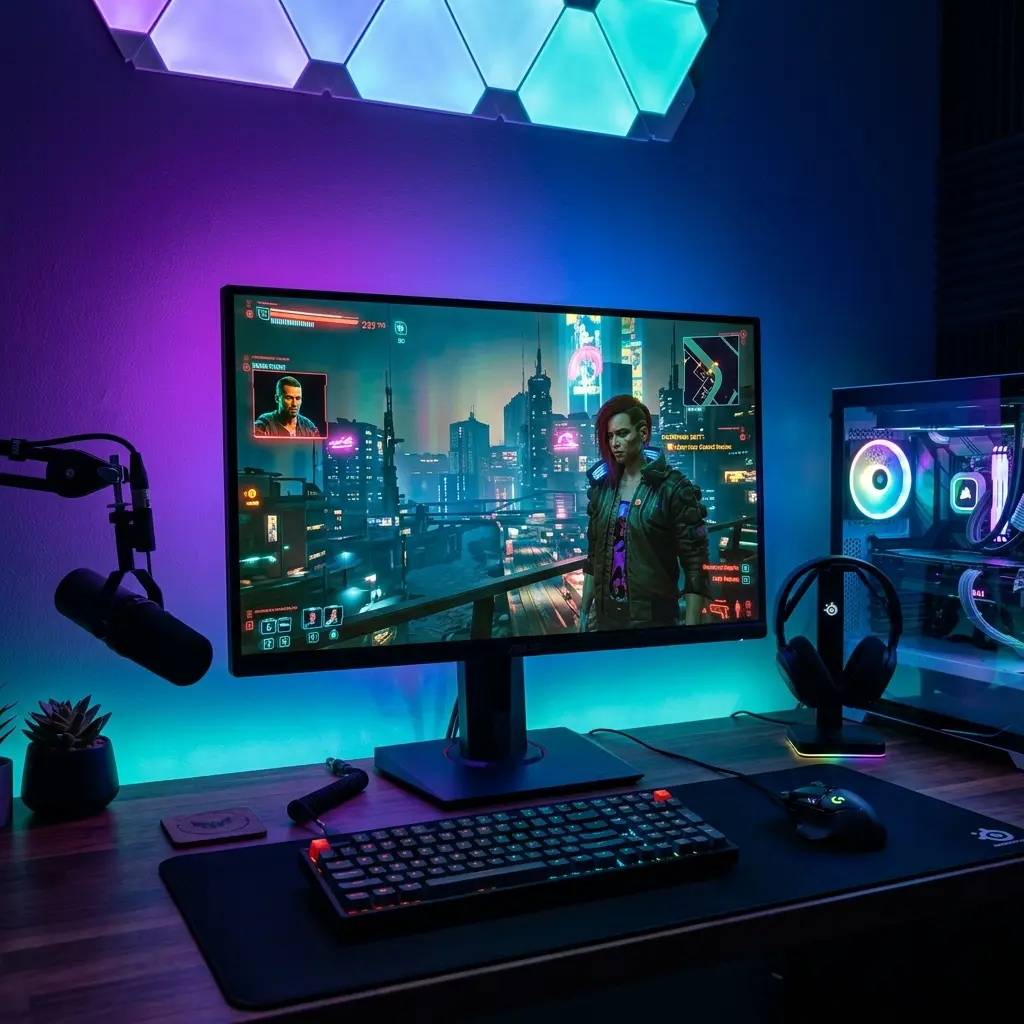
The best monitors for photography deliver exceptional sRGB and Adobe RGB coverage, enhancing color accuracy and detail.
Physical Aspects and Resolution
Monitors designed for photography typically range from 24 to 32 inches, with resolutions varying from 1920x1080 to 3840x2160 (4K). Higher pixel density ensures sharper images, crucial for editing fine details.
Performance and Technology
High-performance monitors often utilize IPS technology, providing superior color reproduction and wider viewing angles. Look for models with at least 99% sRGB and 95% Adobe RGB coverage for optimal results.
Ergonomics and Visual Comfort
Adjustable stands and VESA compatibility enhance ergonomic comfort, allowing for better alignment with eye level. Flicker-free technology and blue light filters help reduce eye strain during prolonged use.
| Model | Size | Resolution | sRGB Coverage | Adobe RGB Coverage | Price |
|---|---|---|---|---|---|
| BenQ SW271 | 27" | 3840x2160 | 99% | 100% | $1,199 |
| Dell UltraSharp U2720Q | 27" | 3840x2160 | 99% | 95% | $699 |
| Eizo ColorEdge CG319X | 31.1" | 4096x2160 | 99% | 99% | $5,999 |
Materials and Durability
High-quality monitors often utilize metal chassis and durable plastic to enhance longevity. Anti-glare coatings protect the screen from scratches and reflections, ensuring durability in various environments.
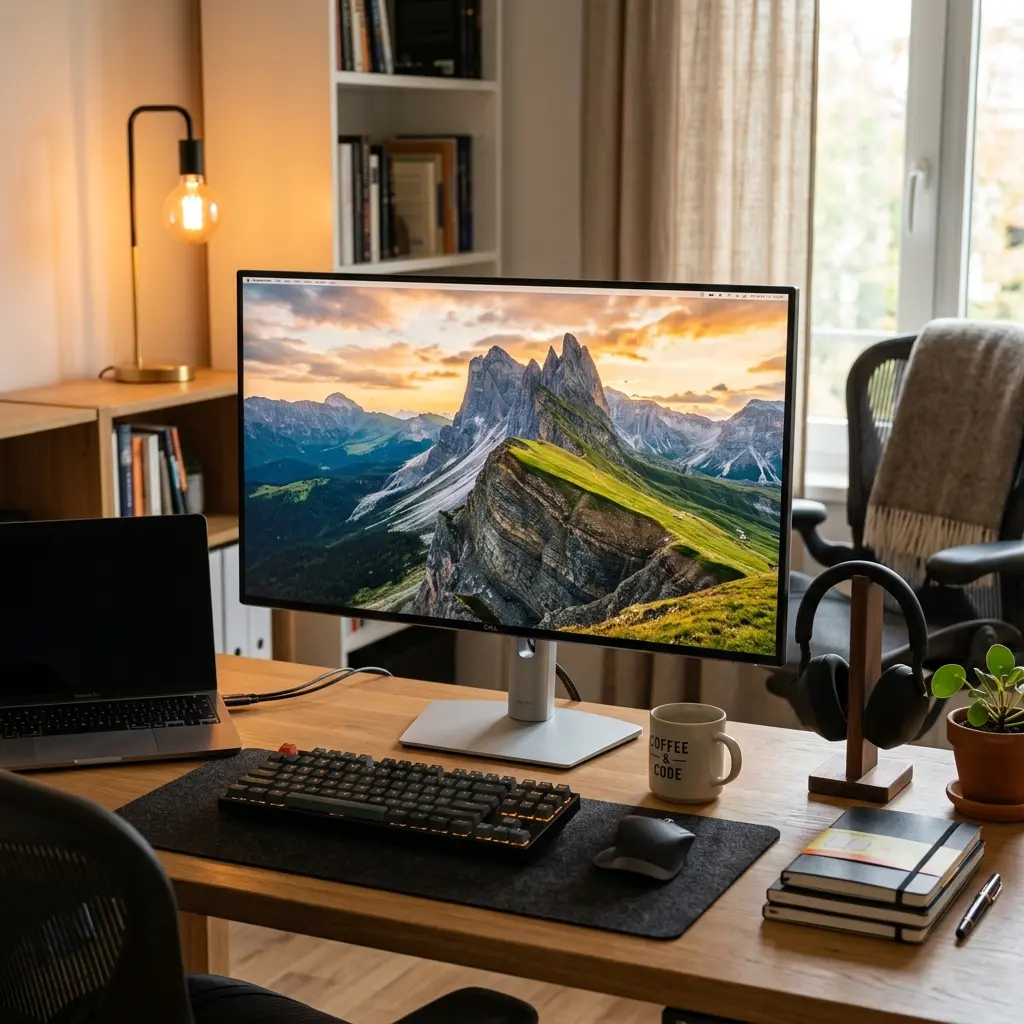
DomineTec Tip: Ensure monitor calibration is performed regularly to maintain color accuracy, especially in professional photography settings.
Buying Recommendations and Brands
Leading brands in photography monitors include BenQ, Eizo, and Dell, known for their color-accurate displays. Each brand offers a range of models to suit different budgets and requirements.
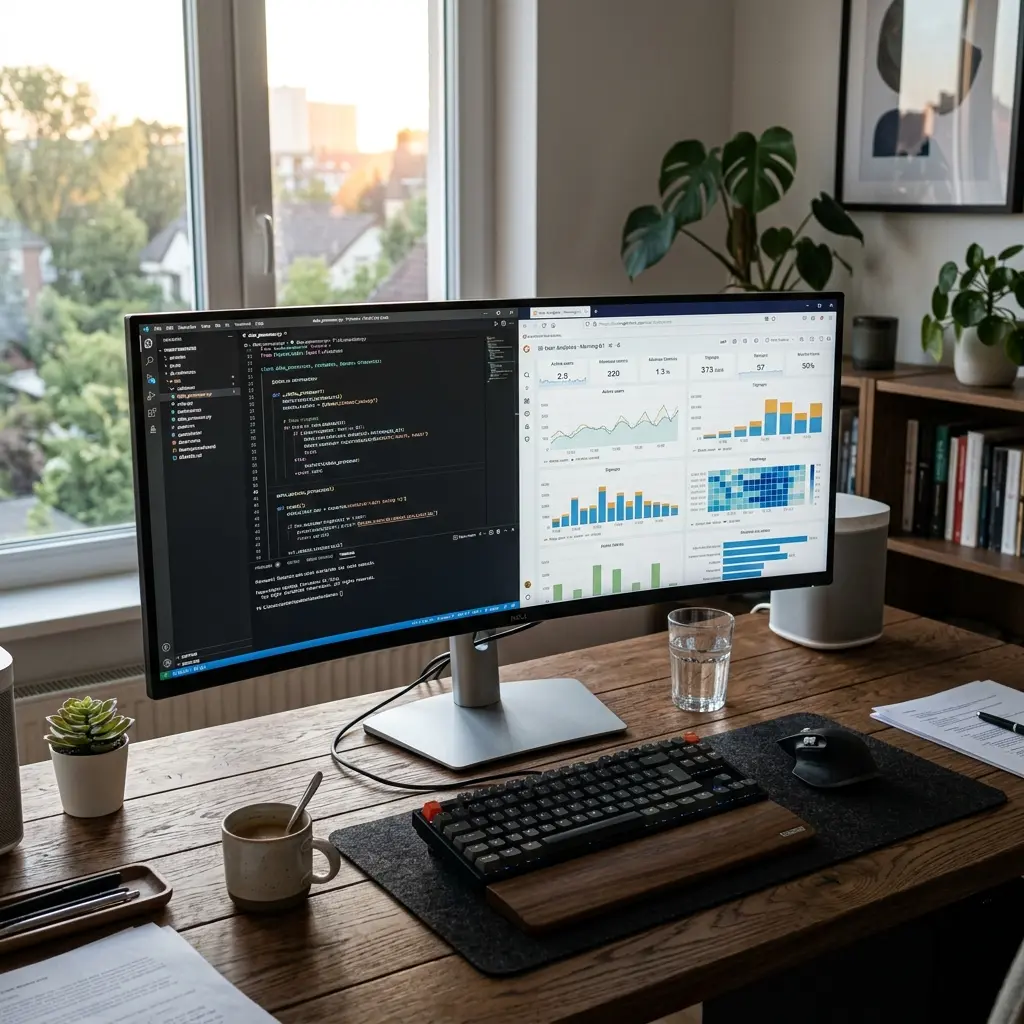
- Determine the required screen size based on workspace and usage.
- Choose a monitor with at least 99% sRGB and 95% Adobe RGB coverage.
- Consider ergonomic features like height adjustment and tilt.
- Evaluate build quality and materials for durability.
- Set a budget that aligns with the desired specifications and brand.
Value Analysis and Verdict
Investing in a high-quality monitor significantly impacts the quality of photographic work. The balance between performance and price is essential for achieving professional results.
Color Accuracy and Calibration
Color accuracy is crucial for photographers, as it ensures that the colors captured in the image are reproduced faithfully on the monitor.
Monitors with high color accuracy typically have factory calibration, which minimizes discrepancies between the displayed image and the actual content.
Calibration tools, such as colorimeters, can be used to adjust monitors for optimal color performance, allowing photographers to achieve precise color reproduction.
Regular calibration is recommended to maintain color fidelity over time, especially when using the monitor for critical editing tasks.
Connectivity and Compatibility
Connectivity options are vital for photographers who need to connect their monitors to various devices, such as cameras, laptops, and desktops.
Modern monitors often come equipped with multiple ports, including HDMI, DisplayPort, USB-C, and even legacy connectors like VGA for older devices.
Compatibility with color grading software and peripherals can enhance the photography workflow, allowing for seamless transitions between devices.
Choosing a monitor with versatile connectivity options ensures greater flexibility in a professional setting, accommodating various equipment setups.
Display Technology Types
Different display technologies, such as IPS, VA, and OLED, offer distinct advantages and disadvantages for photographers.
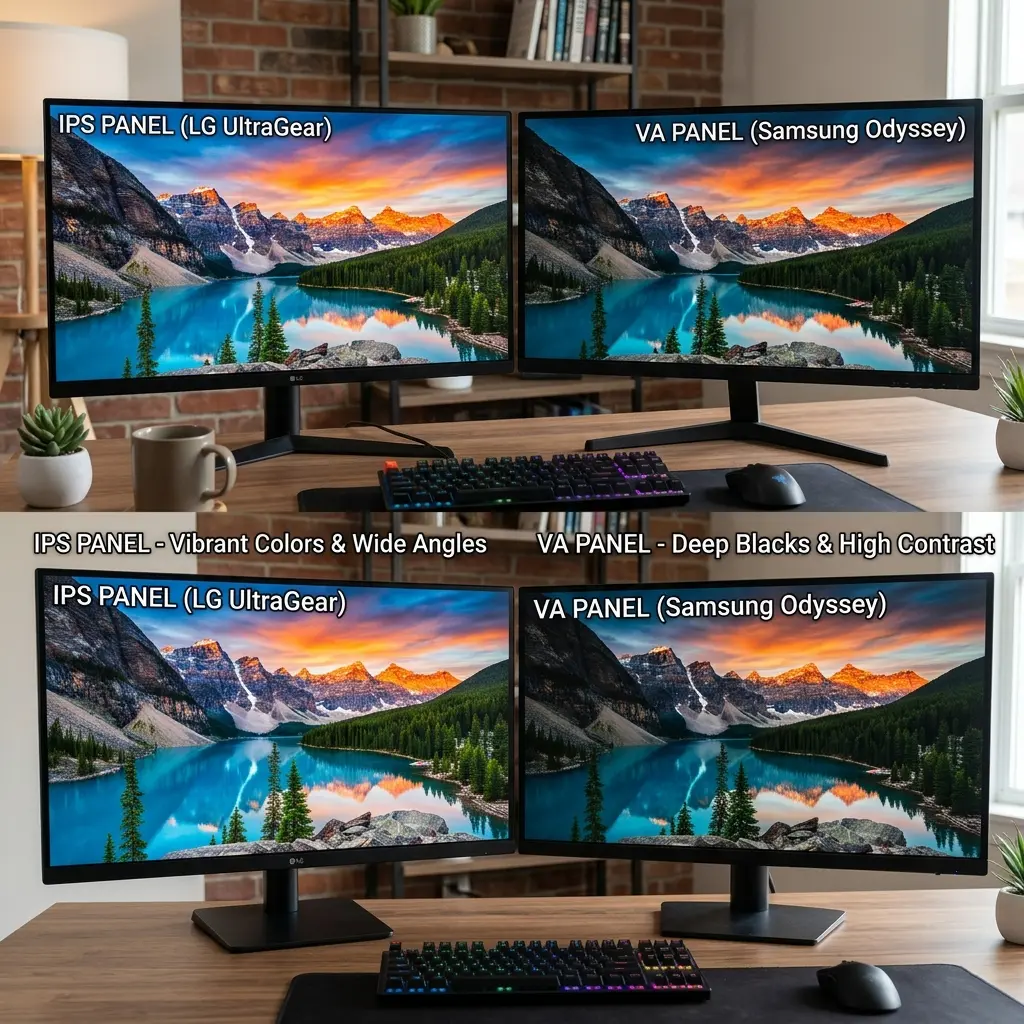
IPS panels are known for their superior color accuracy and wide viewing angles, making them a popular choice among photography professionals.
VA panels, while offering better contrast ratios, may fall short in color consistency compared to IPS displays.
OLED technology provides vibrant colors and true blacks, but potential burn-in issues may deter some photographers from choosing this option.
Viewing Angles and Color Shifts
Viewing angles are an essential factor in monitor selection, as color shifts can occur when viewing the screen from different positions.
Monitors with wide viewing angles, such as those with IPS technology, maintain color integrity even when viewed from the sides.
Color shifts can significantly impact editing accuracy, leading to discrepancies in final images when viewed on other devices.
Photographers should consider monitors with minimal color shifts to ensure consistent results across various viewing conditions.
Ambient Light Adaptability
Ambient light can significantly affect how colors appear on a monitor, making it essential for photographers to choose displays with good adaptability.
Monitors with features like anti-glare coatings and high brightness levels can reduce reflections and maintain clarity in bright environments.
Some monitors come with ambient light sensors that automatically adjust brightness and color temperature according to the surrounding light conditions.
This adaptability not only enhances comfort but also ensures that the monitor displays colors accurately under different lighting scenarios.
Post-Purchase Support and Warranty
Post-purchase support and warranty options are crucial considerations for photographers investing in high-quality monitors.
A robust warranty can provide peace of mind, especially for expensive displays that are essential for professional work.
Customer support services, including technical assistance and repair options, can greatly impact the overall ownership experience.
Choosing brands that offer reliable after-sales support can ensure that users receive help promptly if issues arise during the monitor's lifespan.
Future-Proofing Your Investment
Future-proofing is an important aspect when selecting a monitor, as technology continues to evolve rapidly.
Investing in a monitor that supports the latest color spaces, resolutions, and connectivity options can extend its usability for years to come.
As software and hardware requirements change, having a monitor that can adapt to these advancements ensures that photographers remain competitive.
Choosing a model with upgradeable firmware or versatile features can provide flexibility and longevity in a constantly changing digital landscape.
Color Gamut and Its Importance
Understanding color gamut is essential for photographers, as it defines the range of colors that a monitor can display. Different color spaces, such as sRGB and Adobe RGB, represent varying levels of color richness and fidelity.
Adobe RGB is particularly favored in professional photography, as it encompasses a broader color spectrum than sRGB, making it ideal for print work. A monitor with high Adobe RGB coverage allows photographers to see more vibrant and accurate colors in their images.
When selecting a monitor, it is crucial to consider its color gamut capabilities. A monitor that supports a wide color gamut will ensure that your work maintains its integrity across different mediums.
Photographers should opt for monitors that provide color gamut specifications, as this will directly influence the final output of their work, whether viewed on screen or printed.
Calibration Techniques and Tools
Proper calibration is vital for any monitor used in photography, as it ensures that colors are displayed accurately. Calibration techniques can range from simple adjustments to using specialized hardware tools.
Hardware calibration devices, such as colorimeters and spectrophotometers, are recommended for achieving precise color accuracy. These tools measure the monitor's output and create a custom profile that adjusts the display settings accordingly.
Software-based calibration can also be effective, but it may not achieve the same level of precision as hardware solutions. Photographers should consider investing in a calibration tool to maintain consistency across their workflow.
Regular calibration is advised, especially when working with different lighting conditions or after a prolonged period of use, to ensure that the monitor's color performance remains optimal.
Impact of Refresh Rate on Photography Workflows
While refresh rates are often discussed in gaming contexts, they also play a role in photography. A higher refresh rate can contribute to smoother transitions and reduce motion blur, which is beneficial for dynamic content workflows.
For photographers who engage in video editing or motion graphics, a monitor with a refresh rate of 60Hz or higher can enhance the overall experience. This capability is particularly important when reviewing footage or making adjustments in real-time.
Additionally, certain monitors offer adaptive sync technologies that further improve the viewing experience by minimizing tearing and stuttering during high-motion scenes. This feature can be particularly useful during editing sessions.
While refresh rate may not be the primary concern for still photography, it can enhance the usability of the monitor across various creative applications.
Environmental Considerations in Monitor Selection
As sustainability becomes increasingly important, the environmental impact of monitor production and usage is a significant factor for many consumers. Opting for energy-efficient monitors can reduce both energy consumption and carbon footprint.
Look for monitors that carry energy efficiency certifications such as Energy Star. These certifications indicate that the monitor meets specific energy consumption standards, helping to minimize overall environmental impact.
Additionally, consider the materials used in monitor production. Brands that prioritize sustainable materials and manufacturing processes contribute to a reduced ecological footprint.
Investing in eco-friendly monitors not only supports environmental initiatives but can also lead to long-term cost savings through reduced energy bills and increased durability.
Importance of Panel Type for Color Work
The type of panel used in a monitor significantly influences color accuracy and viewing experiences. Common panel types include IPS, VA, and TN, each with distinct characteristics that cater to different needs.
IPS (In-Plane Switching) panels are highly regarded for their superior color reproduction and wider viewing angles, making them ideal for professional photography. They excel in maintaining color consistency, even when viewed from the side.
VA (Vertical Alignment) panels offer better contrast ratios but may not provide the same level of color accuracy as IPS panels. Meanwhile, TN (Twisted Nematic) panels are faster but compromise on color fidelity and viewing angles, making them less suitable for serious photography work.
When selecting a monitor, it is essential to understand the implications of panel type on your specific workflow and choose one that aligns with your color-critical tasks.
Software and Color Management Solutions
Effective color management is essential for photographers to ensure that their work is displayed accurately across different devices. Utilizing software that supports color profiles can help maintain consistency throughout the editing process.
Programs like Adobe Lightroom and Photoshop provide robust color management options, enabling users to assign and convert color profiles as needed. These tools ensure that photos retain their intended colors when viewed or printed, mitigating discrepancies due to different display technologies.
Additionally, operating systems such as Windows and macOS offer built-in color calibration tools that can enhance the monitor's color accuracy. Regularly updating these settings can help photographers keep their displays in check, especially when introducing new hardware.
For advanced users, third-party calibration software, such as X-Rite i1Profiler or Datacolor Spyder, can facilitate precise adjustments. These solutions often come with hardware calibration devices that measure the monitor's output to create a custom color profile tailored to individual preferences.
Impact of Monitor Size on Workflow Efficiency
The size of a monitor can significantly influence a photographer's workflow efficiency. Larger screens allow for more comfortable multitasking, enabling users to have multiple applications open side by side without compromising visibility.
For instance, a 27-inch or larger monitor provides ample screen real estate for detailed editing work, allowing photographers to view and manipulate images at their full resolution without excessive scrolling or zooming. This can lead to a more intuitive editing experience and faster turnaround times.
Moreover, larger monitors often feature higher pixel densities, which can enhance detail visibility. This is particularly beneficial for photographers who work on intricate details or perform retouching, as it allows for greater precision and clarity in their adjustments.
However, it is important to balance screen size with desk space and viewing distance. An excessively large monitor in a small workspace can lead to discomfort and reduced productivity, making it crucial to choose a size that fits well within the photographer's working environment.
Influence of Color Depth on Image Quality
Color depth refers to the number of bits used to represent the color of a single pixel, significantly impacting the quality of displayed images. Monitors with higher color depth, such as 10-bit or 12-bit panels, can display over a billion colors, providing smoother gradients and more accurate color reproduction compared to 8-bit displays.
This increased color depth is particularly essential for professional photographers, as it allows for better handling of complex color transitions and fine details in highlights and shadows. When editing images, the ability to view subtle variations in color can be critical for achieving the desired final output.
Moreover, higher color depth can reduce the risk of color banding, a common issue in 8-bit displays where smooth color transitions can appear as distinct bands rather than a gradual shift. This is especially relevant when working with high dynamic range (HDR) content, where detail in both the brightest and darkest parts of an image is crucial.
In conclusion, when selecting a monitor for photography, considering color depth alongside color gamut ensures that the display can accurately represent the full range of colors available in high-quality images, ultimately leading to better editing outcomes.
Impact of Calibration Frequency on Long-Term Performance
Regular calibration of monitors is vital for maintaining consistent color accuracy over time, especially for photographers who rely on precise color representation. As monitors age, their color performance can drift due to various factors, including temperature changes and prolonged usage.
Experts recommend calibrating monitors every few weeks to ensure optimal performance, especially when working on critical projects. This practice helps prevent discrepancies between what is seen on the screen and the final print or digital output, thereby reducing the risk of color-related errors.
Additionally, many professional monitors come equipped with built-in calibration tools or support for external calibration devices, making it easier to maintain color accuracy without significant disruption to workflow. Investing in a monitor that supports regular calibration can enhance the longevity of the display's performance.
Ultimately, understanding the importance of calibration frequency can significantly impact a photographer's workflow, ensuring that the colors they see during editing are true to life and consistent across different devices and mediums.
Frequently Asked Questions
What is the difference between sRGB and Adobe RGB?
sRGB is a standard color space used for web and digital images, while Adobe RGB offers a wider color gamut, ideal for print and professional photography.
Do I need a 4K monitor for photo editing?
A 4K monitor provides greater detail and clarity, beneficial for high-resolution photography, but a 1080p monitor can suffice for casual editing.
How often should a monitor be calibrated?
Calibration should be performed every few weeks or after significant changes in lighting conditions to ensure color accuracy.
Can any monitor be used for photo editing?
Not all monitors are suitable; those with high color accuracy and coverage are recommended for serious photo editing.
What features should I look for in a photography monitor?
Key features include color accuracy, resolution, screen size, ergonomic adjustments, and build quality.




