Best Monitors for Photo Editing: 100% sRGB Color Coverage
Discover the top monitors for photo editing that provide 100% sRGB color coverage, ensuring accurate color representation.
Physical Aspects and Resolution
Monitors designed for photo editing typically feature a resolution of 1920x1080 (Full HD) or higher, with many options available in 4K (3840x2160). The physical size ranges from 24 to 32 inches, allowing for varying workspace needs.
Performance and Technology
High-performance monitors utilize IPS (In-Plane Switching) technology, providing superior color accuracy and viewing angles. A refresh rate of 60Hz is standard, but some models offer higher rates for smoother transitions.
Ergonomics and Visual Comfort
Adjustable stands that offer height, tilt, and swivel functions enhance user comfort during extended editing sessions. Anti-glare screens and blue light filtering contribute to reduced eye strain.
| Monitor Model | Resolution | Color Coverage | Panel Type | Ergonomics |
|---|---|---|---|---|
| BenQ SW271 | 3840x2160 | 99% Adobe RGB | IPS | Height, Tilt, Swivel |
| LG 27UK850-W | 3840x2160 | 99% sRGB | IPS | Height, Tilt |
| Dell UltraSharp U2718Q | 3840x2160 | 100% sRGB | IPS | Height, Tilt, Swivel |
| ASUS ProArt PA32UCX | 3840x2160 | 99% Adobe RGB | IPS | Height, Tilt, Swivel |
Materials and Durability
High-quality monitors often utilize robust materials, including aluminum and reinforced plastics for the chassis. Screen durability is enhanced by scratch-resistant coatings and anti-glare treatments.

DomineTec Tip: Consider a monitor with a VESA mount for optimal positioning and space management.
Buying Recommendations and Brands
Brands such as BenQ, Dell, and LG are renowned for their exceptional monitors tailored for photo editing. These brands offer various models catering to different budgets and preferences.
- Assess color accuracy requirements based on editing needs.
- Choose the appropriate resolution for the intended use.
- Evaluate ergonomics for long hours of work.
- Research brands and read user reviews for reliability.
- Compare prices to find the best value for features offered.
Value Analysis and Verdict
Investing in a high-quality monitor for photo editing can significantly enhance the editing experience. Monitors that feature 100% sRGB color coverage are essential for achieving professional results.
Color Management and Calibration
Accurate color representation is crucial in photo editing, making color management and calibration essential components of a monitor's performance. Monitors with 100% sRGB color coverage often come with built-in calibration tools or software that help maintain color accuracy over time.
Using hardware calibration tools can significantly improve color fidelity. These devices measure the monitor's output and adjust settings to align with standardized color profiles, ensuring that what you see on the screen matches printed outputs or other devices.
Regular calibration is necessary to account for changes in brightness and color drift that can occur over time. Users should consider scheduling calibration every few months to maintain high standards for their workflow.
Additionally, understanding color profiles like Adobe RGB and ProPhoto RGB can expand a photographer's editing capabilities. While a monitor may cover 100% sRGB, knowing how to switch between profiles can help in achieving the desired color outcomes for various projects.
Connectivity Options and Compatibility
Modern monitors come equipped with a variety of connectivity options, which is vital for seamless integration with editing systems. Typically, USB-C, HDMI, and DisplayPort are standard, allowing compatibility with different devices.
USB-C is particularly beneficial for photographers who often work with laptops, as it facilitates data transfer and power delivery through a single cable. This reduces clutter and enhances portability without sacrificing performance.
DisplayPort often supports higher resolutions and refresh rates, making it a preferred choice for high-end monitors. It also allows for daisy-chaining multiple monitors, providing a more immersive workspace for photo editing.
It's crucial to check the version of connectivity ports as well, as newer versions support higher bandwidths and features like HDR. Ensuring compatibility with your editing software and hardware setup will lead to a more efficient workflow.
Aspect Ratios and Screen Formats
Aspect ratios significantly affect the editing experience, with common formats being 16:9, 16:10, and even ultra-wide 21:9. Each ratio offers different advantages depending on the user's workflow and the type of content being edited.
16:9 is the standard for most monitors, providing ample space for editing software and toolbars. However, photographers who frequently work with panoramic images may find ultra-wide ratios beneficial, as they offer a broader canvas for viewing and editing images side by side.
Additionally, monitors with adjustable aspect ratios can provide flexibility for different tasks, such as switching from landscape to portrait mode for mobile editing. This adaptability enhances user experience, particularly for creative professionals.
Choosing the right aspect ratio can affect not only productivity but also comfort. Users should consider their editing habits and the genres of photography they work with to find the most suitable format for their needs.
Panel Types and Their Impact on Viewing Experience
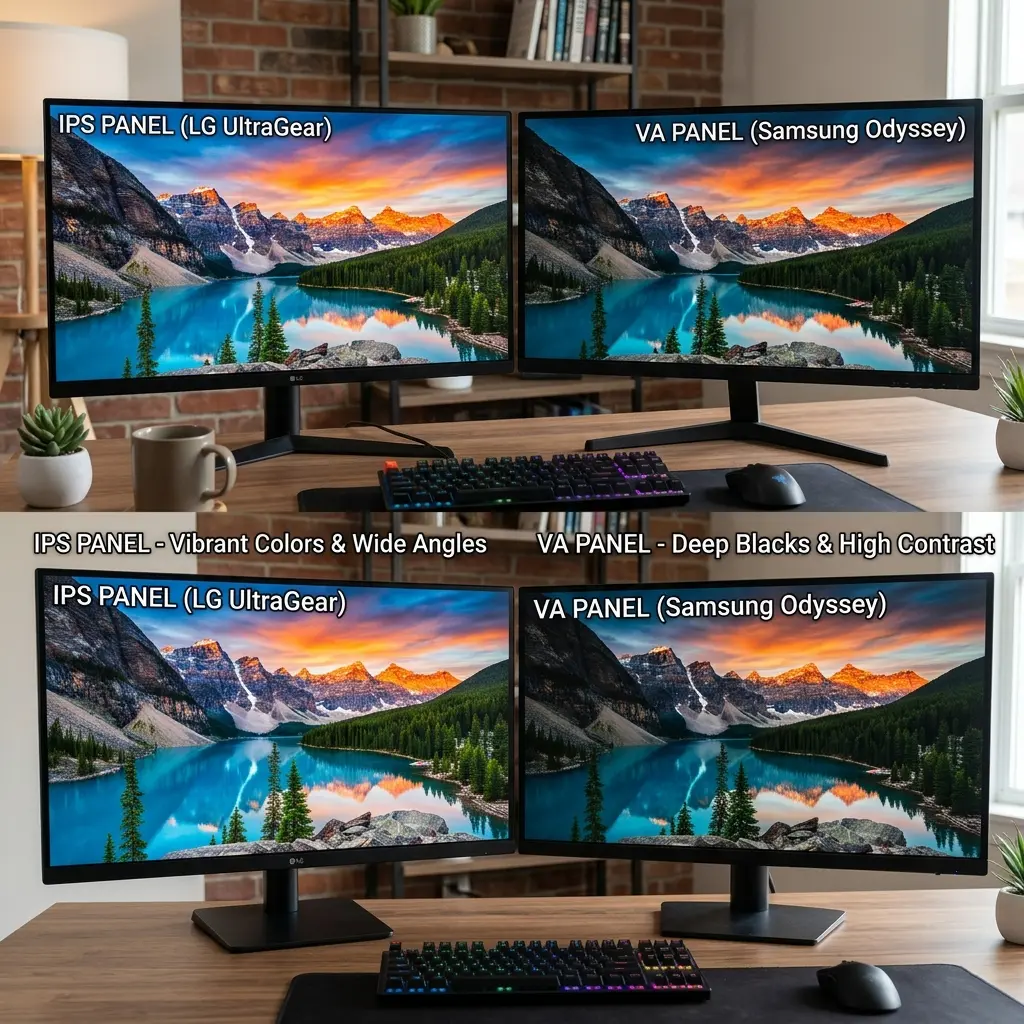
The type of panel used in a monitor plays a crucial role in determining overall performance and viewing experience. The three main types are IPS, TN, and VA, each with distinct advantages and disadvantages.
IPS panels are widely favored in photo editing due to their superior color accuracy and wider viewing angles. This ensures that colors remain consistent, even when viewed from different angles, which is vital for collaborative projects.
TN panels, while often cheaper and faster in response times, typically suffer from poorer color reproduction and viewing angles. They may not be ideal for professional photo editing, where color integrity is paramount.
VA panels offer better contrast ratios and deeper blacks, making them suitable for specific tasks like video editing. However, they may fall short in color accuracy compared to IPS panels, limiting their appeal for photographers focused on precise color work.
Environmental Considerations and Energy Efficiency
As awareness of environmental issues grows, energy efficiency is becoming an important factor in monitor selection. Energy-efficient monitors can help reduce electricity consumption without compromising performance.
Look for monitors that have energy-saving certifications like Energy Star or TCO Certified. These certifications ensure that the product meets stringent energy efficiency guidelines, which can contribute to lower utility bills over time.
Additionally, some manufacturers are incorporating eco-friendly materials in monitor construction, further minimizing environmental impact. This includes using recyclable plastics and reducing harmful substances in production.
Choosing an energy-efficient monitor not only benefits the environment but can also enhance a professional's brand image, aligning with sustainability principles and attracting environmentally conscious clients.
Performance under Varying Lighting Conditions
Monitors used for photo editing should perform well under various lighting conditions, which can influence color perception. Monitors with higher brightness levels and anti-glare coatings are better suited for bright environments.
Brightness levels of at least 300 nits are recommended, allowing users to see details in highlights and shadows without being washed out by ambient light. This is particularly important for photographers editing in well-lit studios or natural light settings.
Anti-glare or matte screens can help reduce reflections and distractions from surrounding light sources. This feature is valuable for maintaining focus on the editing process, especially during critical color correction tasks.
Users should also consider the monitor's performance in low-light conditions. A good monitor should not only maintain color accuracy but also deliver sufficient detail in shadows, enabling precise edits.
Software Support for Color Profiles and Editing Tools
In addition to hardware capabilities, the software used in photo editing can greatly impact a monitor's effectiveness. Compatibility with popular editing software like Adobe Lightroom and Photoshop ensures that users can maximize their monitor's potential.
Many high-end monitors come with software that allows users to switch between color profiles easily. This feature is crucial for photographers who need to adapt their workflow based on project requirements.
Some monitors also provide custom color calibration software, allowing users to create personalized settings tailored to their specific preferences and editing styles. This flexibility can enhance productivity and precision in editing tasks.
Additionally, understanding how software interacts with monitor settings can help users troubleshoot issues and optimize their workflow. Familiarity with software capabilities ensures that photographers can get the most out of their devices.
Color Gamut and Accuracy Beyond sRGB
While 100% sRGB coverage is essential for photo editing, monitors that extend beyond this spectrum offer significant advantages for professional photographers.
Adobe RGB and DCI-P3 are two popular color gamuts that provide a wider range of colors, allowing for more vibrant and true-to-life images.
Monitors capable of achieving high coverage in these color spaces enable photographers to work with images intended for various media, including print and digital displays.
Utilizing a monitor with broader color gamut support ensures that colors remain consistent across different devices and formats, enhancing the overall workflow for photo editing.
Calibration Tools and Techniques
Effective calibration tools are crucial for maintaining color accuracy in monitors used for photo editing.
Hardware calibration devices, such as colorimeters, can adjust the monitor's settings to achieve precise color representation, making them indispensable for professional work.
Software solutions are also available, allowing users to create custom color profiles tailored to their specific needs and preferences.
Regular calibration, ideally every few weeks, helps ensure that the monitor remains true to its color specifications, reducing discrepancies in the editing process.
Impact of Viewing Angles on Editing Precision
The viewing angle of a monitor significantly affects color perception and image quality, making it a vital consideration for photo editing.
Monitors with wide viewing angles retain color accuracy and contrast, even when viewed from different positions, enhancing collaborative workflows.
IPS (In-Plane Switching) panels are known for their superior viewing angles, allowing multiple users to view the screen without experiencing color distortions.
Choosing a monitor with excellent viewing angle performance ensures that the editor can confidently assess and adjust images during the editing process.
Long-Term Investment: Cost vs. Benefit in Photo Editing Monitors
Investing in a high-quality monitor for photo editing is often a significant financial commitment, yet the long-term benefits can outweigh the initial costs. A monitor with 100% sRGB color coverage not only enhances the editing experience but also ensures that the final output is true to the original vision of the photographer. Over time, this investment can lead to improved client satisfaction and potential referrals.
Furthermore, a premium monitor can reduce the frequency of color correction and re-editing, ultimately saving time and resources. For professional photographers, the ability to present accurate colors and details can be a decisive factor in securing contracts and building a reputable portfolio. Thus, when considering the cost of a monitor, it is essential to evaluate the potential return on investment in terms of time saved and quality delivered.
Another aspect to consider is the longevity of high-end monitors. Typically, these products come equipped with better components and build quality, allowing them to withstand prolonged use without significant degradation in performance. Consequently, investing in a quality monitor can also mean fewer replacements and repairs over time, contributing to overall cost savings.
Ultimately, making an informed decision by weighing the upfront costs against the long-term benefits is crucial for photographers. A well-chosen monitor can serve as a reliable tool for years, ensuring that the colors you see during editing are the colors your audience experiences.
Future Trends in Photo Editing Monitors
The landscape of photo editing monitors is continuously evolving, driven by advancements in technology and the increasing demands of photographers. Emerging trends indicate a shift towards monitors that offer wider color gamuts, such as Adobe RGB and DCI-P3, alongside the traditional sRGB coverage. This expansion allows for greater color accuracy and a more vibrant editing experience.
Additionally, the integration of HDR (High Dynamic Range) technology is becoming more prevalent in photo editing monitors. HDR capabilities enhance contrast and color depth, providing a more immersive and realistic viewing experience. As photographers strive for more dynamic and engaging visuals, HDR support is likely to become a standard feature in high-end monitors.
Another trend to watch is the rise of OLED (Organic Light Emitting Diode) technology, which offers exceptional color reproduction and contrast ratios. OLED monitors can display true blacks and vibrant colors, enhancing the overall image quality. As the technology matures and becomes more affordable, it is expected to gain traction among photographers seeking the best possible visual fidelity.
Lastly, as remote work and online collaboration become more common, features such as built-in calibration tools and cloud connectivity are expected to gain importance. These innovations will facilitate seamless workflows and ensure that color accuracy is maintained across different devices and platforms, catering to the needs of modern photographers.
Impact of Refresh Rate on Editing Workflow
The refresh rate of a monitor can significantly influence the overall editing workflow, especially when working with dynamic content or high-resolution images. A higher refresh rate, typically measured in hertz (Hz), allows for smoother transitions and more fluid interactions with editing software. While traditional photo editing may not necessitate exceptionally high refresh rates, the benefits are evident when manipulating videos or high-frame-rate images.
Monitors with refresh rates of 60Hz are standard for most photo editing tasks, but higher rates such as 120Hz or 144Hz can enhance user experience by reducing motion blur and improving responsiveness. This is particularly valuable for photographers who also engage in video editing or require real-time previews of their adjustments. The ability to see changes in real-time without lag can lead to more accurate edits and less frustration during the creative process.
Moreover, a higher refresh rate can aid in reducing eye strain during prolonged editing sessions. As images update more frequently, the visual workload on the eyes is lessened, allowing for longer periods of focused work. Consequently, photographers who frequently edit in high-paced environments may find that investing in a monitor with a higher refresh rate is beneficial for both productivity and comfort.
Ultimately, while the refresh rate may not be the primary consideration for all photographers, it can enhance the editing experience and improve workflow efficiency. Evaluating the types of projects undertaken will help determine if a higher refresh rate is necessary for achieving optimal results.
Impact of Screen Coating on Image Quality
The screen coating of a monitor plays a crucial role in determining image quality, glare reduction, and overall viewing experience. Glossy screens are often favored for their ability to produce vibrant colors and deeper blacks, which can enhance the visual appeal of photo edits. However, they can also reflect ambient light, leading to distractions and potential inaccuracies during editing.
On the other hand, matte screens are designed to minimize glare, making them a popular choice for professional environments where lighting conditions can be unpredictable. These screens diffuse reflections and provide a more consistent viewing experience, allowing for better color grading and detail assessment. Photographers often prefer matte finishes when working in bright studios or environments with direct light exposure.
Choosing between glossy and matte coatings ultimately depends on the individual’s workflow and the conditions in which they typically edit. While glossy screens may enhance color vibrancy, they require controlled lighting conditions to avoid glare. Conversely, matte screens provide versatility in varying environments but may slightly dull color saturation.
As such, photographers should consider their specific editing habits and environment when selecting a monitor. The right screen coating can significantly impact the accuracy of color representation and the overall editing experience, making it an essential factor in monitor selection.
Frequently Asked Questions
What does 100% sRGB color coverage mean?
100% sRGB color coverage ensures that the monitor can display all colors within the sRGB color space, critical for accurate photo editing.
Why is panel type important for photo editing?
Different panel types, like IPS and VA, offer varying levels of color accuracy and viewing angles, impacting the editing experience.
How can ergonomics affect photo editing?
Proper ergonomic adjustments can prevent fatigue during long editing sessions, improving focus and productivity.
Are 4K monitors better for photo editing?
4K monitors provide higher resolution, allowing for more detail in images, which can be beneficial in professional editing environments.
What brands are recommended for photo editing monitors?
Brands like BenQ, Dell, and LG are often recommended for their high-quality displays tailored to photographers and graphic designers.




