Best Monitors for Home Office and Remote Work Productivity
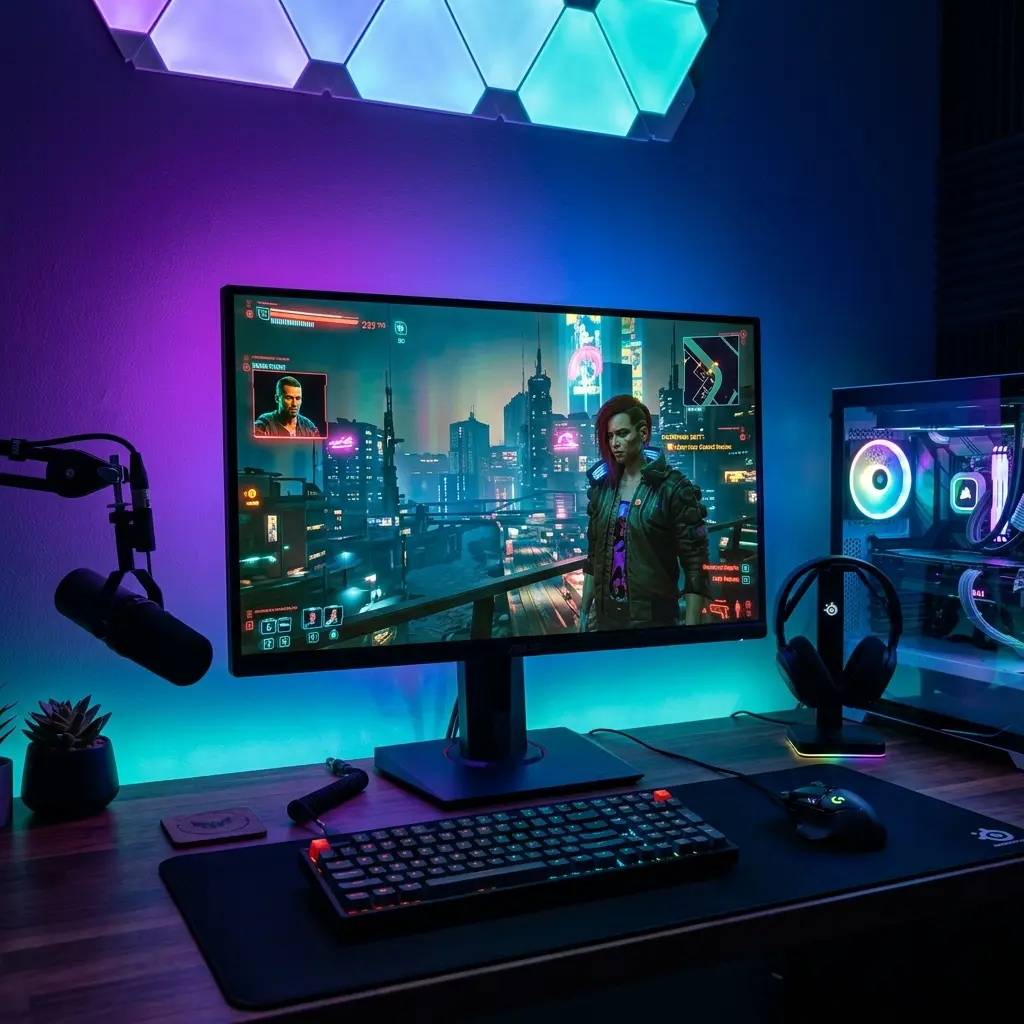
Choosing the best monitors for home office and remote work can significantly enhance productivity and comfort.
Physical Aspects and Resolution
Monitor size, resolution, and panel type greatly influence user experience. A minimum of 24 inches with Full HD (1920x1080) resolution is recommended for clarity.
For those seeking higher detail, 4K monitors (3840x2160) offer superior image quality, beneficial for design and multitasking.
Performance and Technology
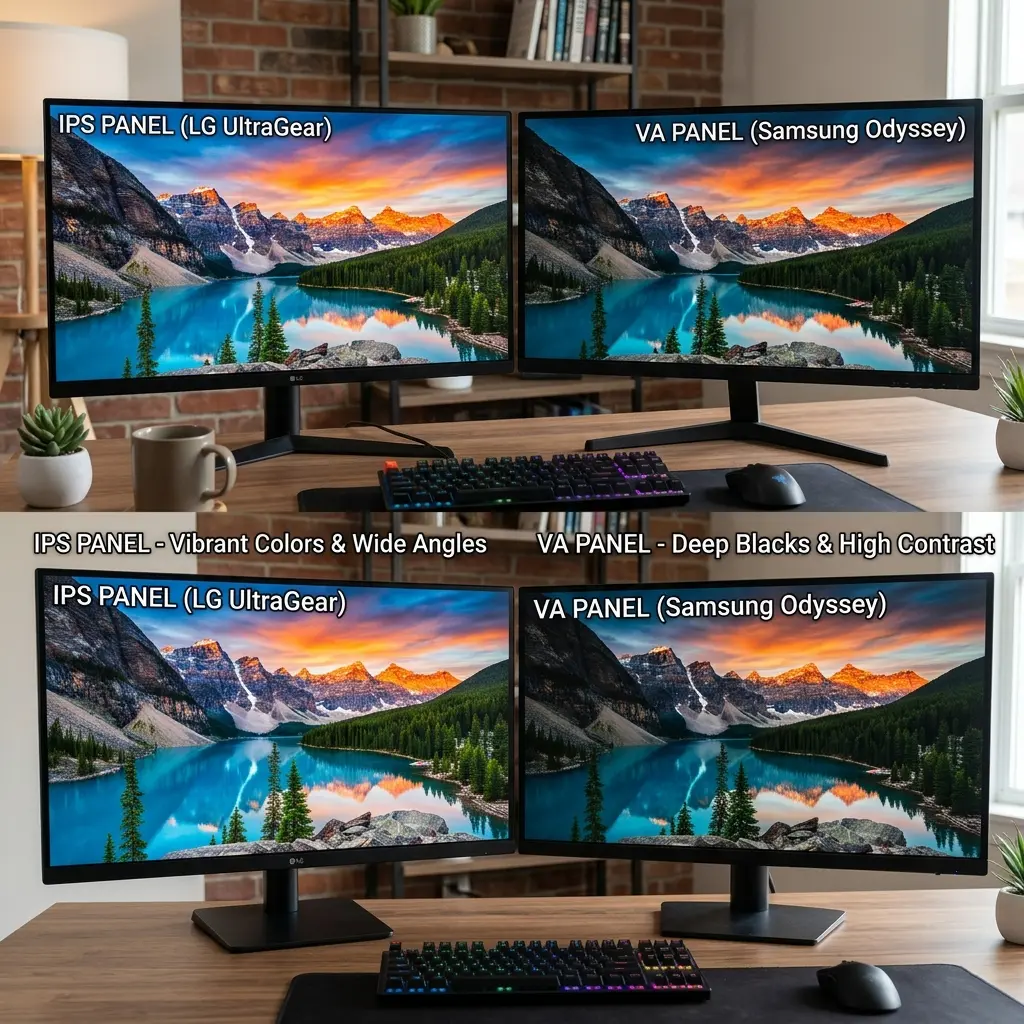
Modern monitors utilize various technologies such as IPS, VA, and TN panels, each with unique advantages. IPS panels provide better color accuracy and wider viewing angles, ideal for creative tasks.
Refresh rates of 60Hz to 144Hz can enhance visual fluidity, especially during extended work sessions involving video conferencing or content consumption.
Ergonomics and Visual Comfort
Adjustable stands and VESA compatibility are crucial for maintaining ergonomic posture. Monitors that allow for height, tilt, and swivel adjustments help reduce neck strain.
Flicker-free technology and blue light filters are essential features to minimize eye fatigue during long working hours.
| Monitor Model | Screen Size | Resolution | Panel Type | Refresh Rate | Price |
|---|---|---|---|---|---|
| Dell UltraSharp U2720Q | 27 inches | 3840x2160 | IPS | 60Hz | $599 |
| ASUS ProArt PA278QV | 27 inches | 2560x1440 | IPS | 75Hz | $399 |
| LG 34WN80C-B | 34 inches | 3440x1440 | IPS | 60Hz | $699 |
| Samsung Odyssey G5 | 27 inches | 2560x1440 | VA | 144Hz | $399 |
| Acer R240HY | 24 inches | 1920x1080 | IPS | 60Hz | $199 |
Materials and Durability
Monitors constructed with high-quality materials ensure longevity and reliability. Look for models with robust plastic and metal frames to withstand daily use.
Additionally, screens with anti-glare coatings help maintain visibility and reduce reflections in various lighting conditions.
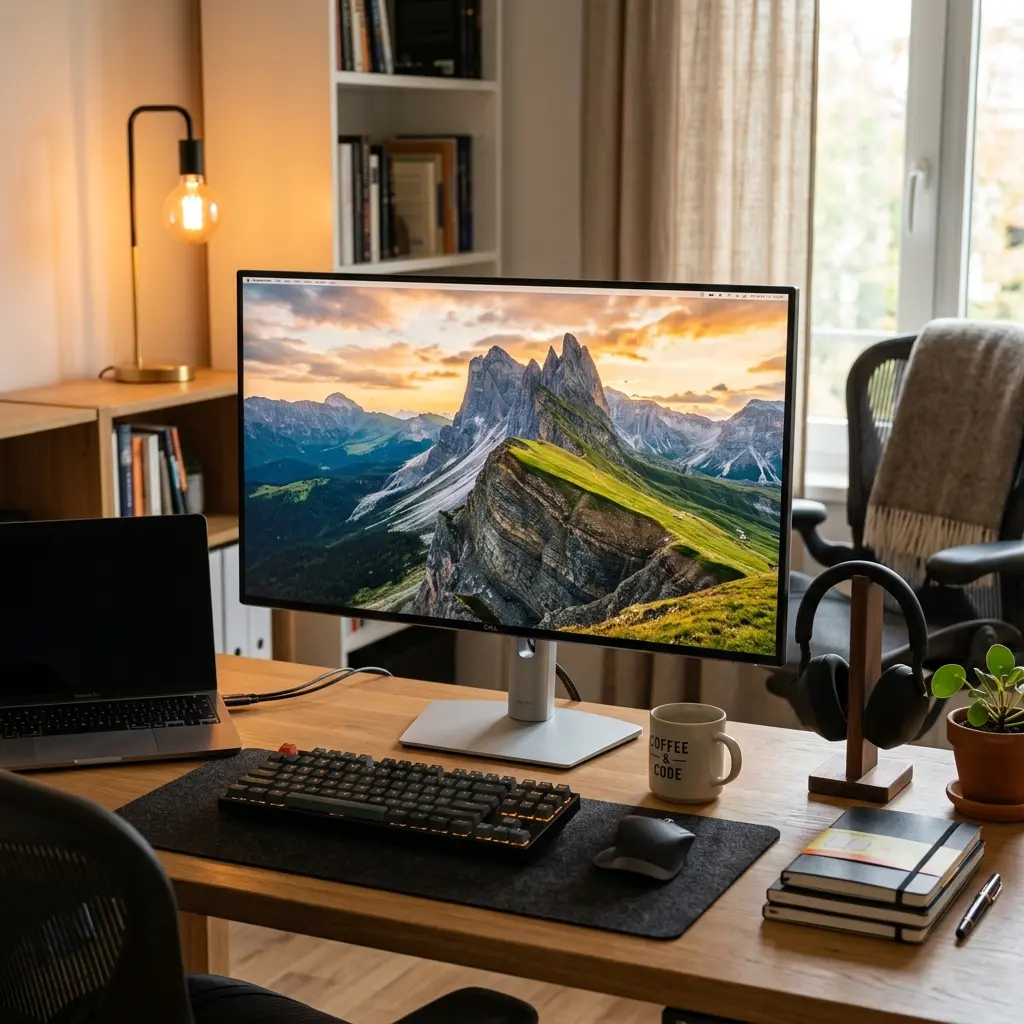
DomineTec Tip: Position the monitor at eye level and at least an arm’s length away to enhance comfort and reduce eye strain.
Buying Recommendations and Brands
Reputable brands such as Dell, LG, ASUS, and Samsung offer a range of monitors tailored for productivity. Assess specific needs, such as screen size and resolution, before making a purchase.
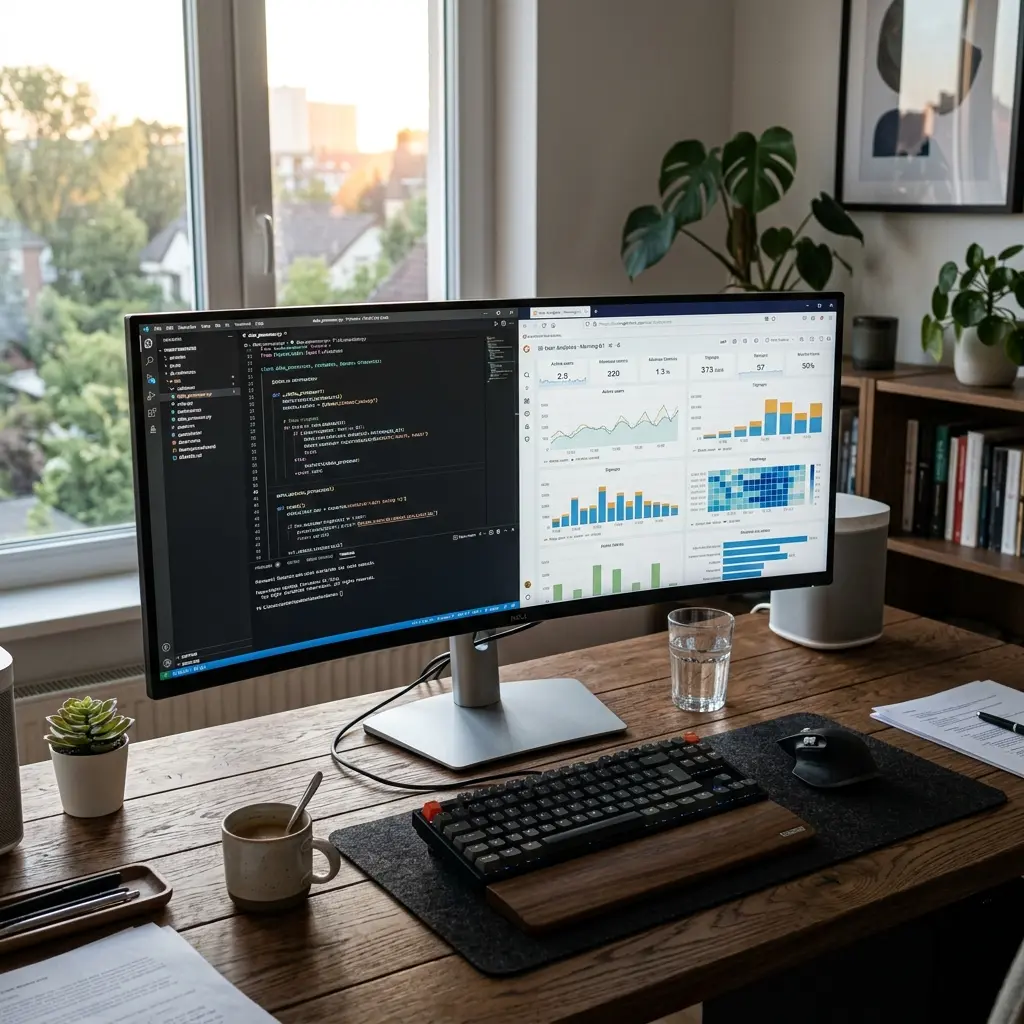
- Determine the ideal screen size based on workspace availability.
- Choose between 1080p, 1440p, or 4K resolution based on usage.
- Evaluate panel types (IPS, VA, TN) for desired color accuracy and response time.
- Consider ergonomic features such as height adjustment and blue light filters.
- Compare prices and reviews from trusted sources before finalizing the choice.
Value Analysis and Verdict
Investing in a high-quality monitor can yield significant improvements in productivity, especially for remote work scenarios. Prioritize features that align with specific work tasks to maximize value.
Connectivity Options and Compatibility
In today's digital workspace, the variety of connectivity options available for monitors plays a crucial role in enhancing productivity. Modern monitors typically come equipped with multiple ports, including HDMI, DisplayPort, USB-C, and even legacy connectors like VGA and DVI. It is essential for users to assess their existing hardware and identify compatible connections to ensure seamless integration with laptops, desktops, and other peripherals.
USB-C has gained significant traction due to its ability to deliver power, data, and video through a single cable. This is particularly beneficial for remote workers who prefer a minimalist setup. Monitors that support USB-C can reduce cable clutter and streamline connections, making them an attractive option for those who frequently switch between devices.
Additionally, users should consider monitors that support daisy chaining, which allows multiple displays to be connected through a single DisplayPort output. This feature can enhance multitasking capabilities by enabling an extended workspace without the need for multiple cables and ports, thus simplifying the user experience.
Wireless connectivity options, such as Wi-Fi or Bluetooth, are also worth exploring. While less common, some monitors offer wireless display capabilities, allowing users to connect devices without physical cables. This can be particularly useful in flexible work environments where adaptability is key.
Color Accuracy and Calibration
Color accuracy is a critical factor for professionals who rely on precise visuals, such as graphic designers and photographers. Monitors with high color accuracy ensure that the colors displayed are true to life, which is essential for tasks that require color grading or editing. Look for monitors that cover a wide color gamut, such as sRGB, AdobeRGB, or DCI-P3, to achieve the best results.
Calibration is another important aspect to consider. Many high-end monitors come factory-calibrated, but regular calibration is necessary to maintain color accuracy over time. Users can invest in calibration tools or software to adjust their monitors based on specific tasks or personal preferences, ensuring that the display remains consistent and reliable.
It is advisable to read reviews and specifications to understand the color performance of potential monitors. Features such as 10-bit color depth and HDR support can significantly enhance the overall viewing experience, providing richer and more vibrant visuals.
For those who work in color-sensitive industries, it may be worthwhile to choose monitors that are certified by industry standards, such as Pantone or CalMAN. Such certifications indicate that the monitor has undergone rigorous testing to ensure its suitability for professional use.
Screen Size and Aspect Ratio
The size and aspect ratio of a monitor can significantly influence workflow and productivity. A larger screen size allows for more extensive multitasking capabilities, enabling users to view multiple applications simultaneously without constant window switching. Monitors ranging from 27 to 34 inches are popular choices for home offices, striking a balance between screen real estate and desk space.
The aspect ratio also plays a pivotal role in how content is displayed. Traditional 16:9 monitors are versatile for most tasks, while ultrawide monitors with ratios like 21:9 or 32:9 offer a panoramic view that can replicate a dual-monitor setup. These ultrawide displays are particularly useful for professionals who work with timelines, large spreadsheets, or immersive media.
Furthermore, the choice of aspect ratio can impact ergonomics and comfort. A wider monitor may reduce neck strain by allowing users to view content without needing to turn their heads excessively. This can lead to more comfortable extended work sessions, which is vital for remote workers.
Ultimately, the decision regarding screen size and aspect ratio should be guided by the specific needs of the user. Considerations such as desk space, intended use, and individual preferences will determine the ideal monitor configuration.
Adjustable Features and Mounting Options
Adjustable features in monitors are essential for creating a comfortable and customizable workspace. Many modern monitors come with height adjustment, tilt, swivel, and pivot capabilities, allowing users to modify their viewing angles easily. This is particularly important in home office settings where users may spend long hours in front of the screen.
Height adjustment is crucial for aligning the monitor with eye level, reducing strain on the neck and back. Tilt and swivel features offer flexibility in positioning the screen to accommodate different seating arrangements or group viewing situations. Such adjustments can significantly enhance overall comfort during extended work sessions.
Additionally, mounting options can further optimize desk space and ergonomics. VESA-compatible monitors can be mounted on adjustable arms or wall mounts, providing even more versatility in positioning. This can free up valuable desk space for other essentials, promoting a clutter-free work environment.
It is advisable for users to evaluate the mounting options available with their chosen monitor, considering factors such as desk height and personal preferences. Investing in high-quality monitor arms or stands can lead to a more organized and comfortable workspace, contributing to enhanced productivity.
Energy Efficiency and Environmental Considerations
Energy efficiency is becoming an increasingly important factor when selecting monitors, especially for those who work remotely. Monitors with Energy Star certification or similar ratings consume less power, contributing to lower electricity bills and a reduced environmental footprint. This is particularly relevant for remote workers who may leave their monitors on for extended periods.
In addition to energy consumption, users should consider the materials used in monitor production. Manufacturers are increasingly focusing on sustainable practices, utilizing recycled materials and eco-friendly packaging. Opting for monitors from companies that prioritize sustainability can align with users' values and contribute to a healthier planet.
Furthermore, many modern monitors incorporate features that help reduce energy consumption, such as automatic brightness adjustments based on ambient light. These technologies not only save energy but can also improve visual comfort by adapting the display to the working environment.
As remote work becomes more prevalent, individuals can play a role in promoting sustainability by choosing energy-efficient monitors. This not only benefits personal finances but also supports broader environmental initiatives.
Software and Additional Features
Many monitors today come with built-in software and features designed to enhance productivity and user experience. Features such as Picture-in-Picture (PiP) and Picture-by-Picture (PbP) allow users to view content from multiple sources simultaneously, which can be particularly beneficial for multitasking professionals. These functionalities enable a more streamlined workflow, reducing the need for constant window switching.
Some monitors also include integrated software tools that facilitate color calibration, screen splitting, or even productivity tracking. These tools can help users tailor their monitor settings to suit their specific tasks, optimizing performance and comfort. Users should explore these options to maximize the utility of their monitors.
Moreover, certain monitors come equipped with blue light reduction technology or flicker-free screens to minimize eye strain during prolonged use. These features are increasingly important for remote workers who may spend long hours in front of the screen, contributing to improved visual comfort and overall well-being.
It is advisable to investigate the additional software features offered by potential monitor options. The right combination of software capabilities can not only enhance productivity but also improve the overall user experience.
Future-Proofing Your Monitor Choice
Investing in a monitor that remains relevant and functional over time is essential for maximizing value. As technology continues to evolve, selecting a monitor with future-proofing features can save users from needing frequent upgrades. Look for monitors that support the latest standards, such as HDMI 2.1 or DisplayPort 2.0, which provide increased bandwidth for higher resolutions and refresh rates.
Additionally, consider monitors with upgradeable firmware or those that receive regular software updates. Manufacturers that commit to enhancing their products through updates can extend the life and capabilities of the monitor, ensuring that it remains competitive with newer models.
Future-proofing also involves evaluating the potential for expandability. Monitors that support modular accessories or additional connectivity options can adapt to changing technology landscapes. This flexibility can be crucial for remote workers who may need to upgrade their setups as their needs evolve.
Ultimately, making an informed choice about future-proofing can lead to long-term satisfaction and productivity. Users should assess their current and anticipated needs while considering how their monitor choice will align with future technological developments.
Audio Quality and Integrated Speakers
In the context of remote work, audio quality is often overlooked when selecting a monitor, yet it plays a crucial role in virtual meetings and video conferencing.
Many modern monitors come equipped with integrated speakers, which can enhance the overall user experience by providing clear sound without the need for external audio devices.
When evaluating monitors, consider the sound output quality; look for models that offer higher wattage and better speaker design to ensure conversations are audible and free from distortion.
Some monitors also feature advanced audio technologies, such as Dolby Audio or DTS, which can further improve sound clarity and create a more immersive experience during presentations or team discussions.
Blue Light Filtering and Eye Care Technologies
As remote work often involves prolonged screen time, the inclusion of blue light filtering technology in monitors is essential for reducing eye strain and fatigue.
Many manufacturers now offer monitors with built-in blue light reduction features that can be adjusted based on user preference, helping to minimize the risk of digital eye strain.
In addition to blue light filtering, some monitors incorporate flicker-free technology, which reduces screen flickering at low brightness levels, further enhancing visual comfort during extended use.
Investing in a monitor with these eye care features can lead to increased productivity and a healthier work environment, allowing users to focus on tasks without the discomfort associated with long hours of screen exposure.
Accessibility Features and Inclusivity
Incorporating accessibility features in monitors is crucial for creating an inclusive home office environment. Options such as adjustable brightness and contrast settings can significantly enhance visibility for users with visual impairments.
Many modern monitors also support screen readers and have compatibility with various assistive technologies, making it easier for individuals with disabilities to use their devices effectively. For those who rely on audio cues, monitors with built-in assistive features can facilitate a smoother work experience.
Furthermore, customizable user interfaces allow users to tailor settings to their specific needs. This can include features like on-screen overlays, larger fonts, and high-contrast modes, which can be invaluable for enhancing readability.
Ultimately, selecting a monitor that prioritizes accessibility ensures that all users can enjoy a productive work environment, regardless of their individual challenges. Evaluating monitors based on their accessibility options can lead to better long-term satisfaction and usability.
Remote Collaboration Features
As remote work becomes the norm, monitors equipped with collaboration features are increasingly valuable. These features can enhance communication and teamwork, making it easier to connect with colleagues in a virtual environment.
Some monitors come with integrated webcams and microphones, allowing for seamless video conferencing without the need for additional equipment. This integration can simplify setups and reduce clutter, making remote workspaces more organized.
Moreover, many modern monitors support screen-sharing capabilities and have software compatibility specifically designed for collaborative tools like Zoom, Microsoft Teams, or Google Meet. This ensures that users can share their screens effortlessly, facilitating better brainstorming sessions and presentations.
Additionally, monitors equipped with multi-screen functionality can enhance productivity during remote collaboration. Users can have multiple applications open simultaneously, allowing for easier multitasking and more efficient teamwork. Investing in a monitor with these features can significantly improve the overall remote work experience.
Frequently Asked Questions
What is the ideal monitor size for a home office?
A monitor size of 24 to 32 inches is generally ideal for a home office, balancing screen space and desk size.
Is 4K resolution worth it for productivity?
4K resolution is beneficial for tasks requiring high detail, such as graphic design or video editing, enhancing clarity and workspace.
What panel type is best for remote work?
IPS panels are recommended for remote work due to their superior color accuracy and wider viewing angles.
How important are ergonomic features in a monitor?
Ergonomic features are crucial for maintaining comfort during long working hours, helping to reduce strain and fatigue.
What brands are best for home office monitors?
Brands like Dell, ASUS, LG, and Samsung are highly regarded for their quality and performance in home office monitors.




