Discover the best monitors for graphic design, focusing on color accuracy and performance metrics for professionals.
Physical Aspects and Resolution
Monitor size and resolution critically influence design workflows. Options range from 24-inch Full HD displays to expansive 32-inch 4K monitors.
Higher pixel density ensures finer detail, with recommended resolutions being 2560x1440 (QHD) or 3840x2160 (4K) for optimal clarity.
Performance and Technology
Modern monitors utilize IPS, OLED, or Mini-LED technologies for superior color reproduction. Color spaces like sRGB, Adobe RGB, and DCI-P3 are crucial for graphic applications.
Refresh rates of 60Hz to 144Hz enhance visual fluidity, particularly beneficial in motion graphics and video editing.
Ergonomics and Visual Comfort
Adjustable stands and VESA compatibility improve user comfort during extended design sessions. Features like flicker-free technology and low blue light help reduce eye strain.
Monitors with matte screens minimize glare, providing a more comfortable viewing experience in various lighting conditions.
| Monitor Model | Size | Resolution | Panel Type | Color Gamut | Price |
|---|---|---|---|---|---|
| BenQ PD3220U | 32" | 3840x2160 | IPS | 95% DCI-P3 | $1,199 |
| LG UltraFine 27MD5KL-B | 27" | 5120x2880 | IPS | 99% DCI-P3 | $1,299 |
| Eizo ColorEdge CG319X | 31.1" | 4096x2160 | IPS | 99% Adobe RGB | $5,499 |
| Dell UltraSharp U2720Q | 27" | 3840x2160 | IPS | 95% DCI-P3 | $699 |
Materials and Durability
Quality monitors typically feature sturdy plastic or metal casings, enhancing longevity. Look for models with tempered glass screens to resist scratches and damage.
Warranty and support are essential indicators of durability, with many brands offering at least a three-year guarantee.
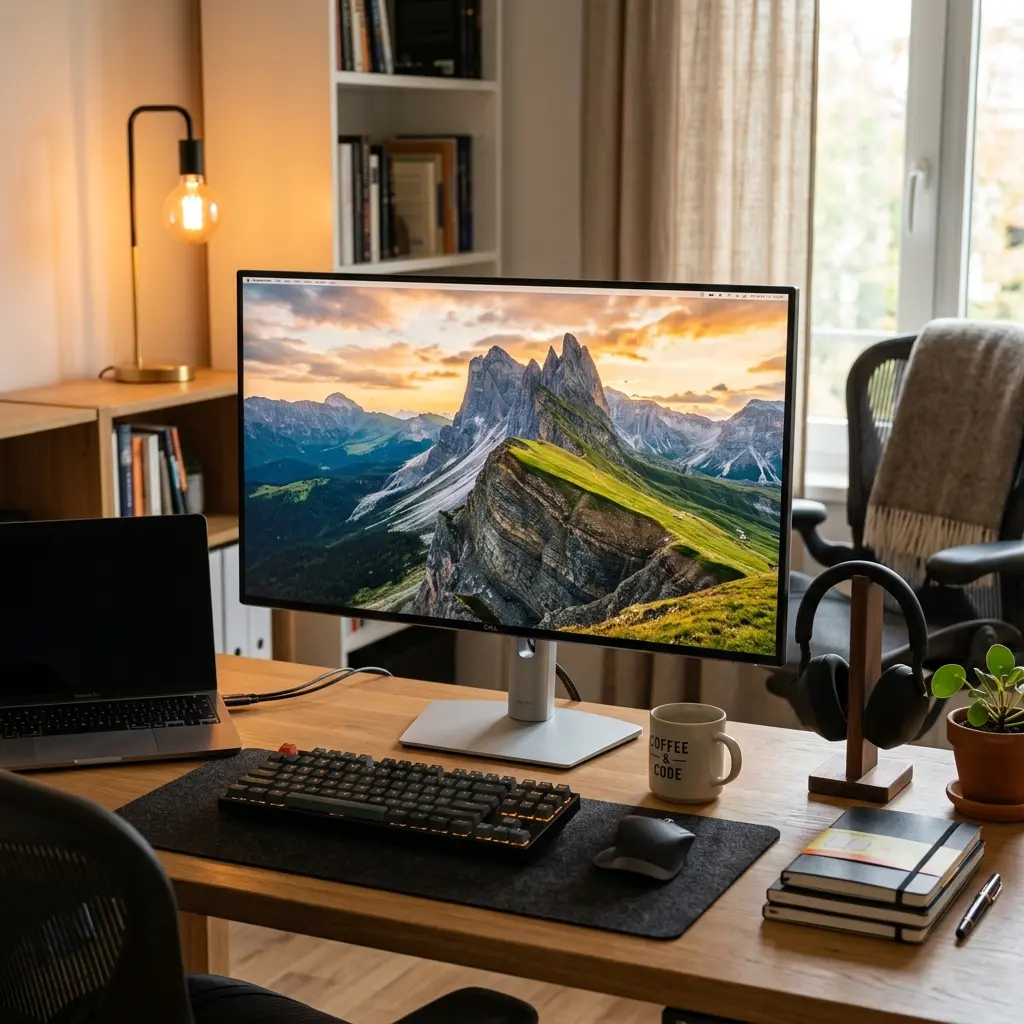
DomineTec Tip: For optimal ergonomic setup, consider using a monitor arm to position the screen at eye level, reducing neck strain.
Buying Recommendations and Brands
Key brands recognized for their exceptional monitors include BenQ, Eizo, Dell, and LG. Each brand offers various models suited for specific graphic design needs.
- Determine the preferred screen size based on workspace and design needs.
- Evaluate resolution requirements, prioritizing 4K for detailed work.
- Consider panel technology (IPS for color accuracy, OLED for contrast).
- Check color gamut coverage essential for design projects.
- Look for ergonomic features to enhance comfort during use.
Value Analysis and Verdict
Investing in a high-quality monitor directly impacts design quality and productivity. A balance between price and specifications is crucial for long-term satisfaction.
Calibration and Color Management
Calibration is crucial for graphic design monitors as it ensures that colors are displayed accurately. Regular calibration helps maintain the monitor's color accuracy over time, compensating for any deviations that may occur.
Many high-end monitors for graphic design come with built-in calibration tools or software that assist users in the calibration process. External calibration devices, such as colorimeters, can also be used to achieve precise results.
Understanding color spaces is essential when calibrating monitors. Common color spaces include sRGB, Adobe RGB, and DCI-P3, each suited for different types of design work and media.
Effective color management also involves using software that supports color profiles. Programs like Adobe Photoshop and Lightroom allow users to work within specific color spaces, ensuring consistency across projects.
Panel Types and Their Impact on Color Accuracy
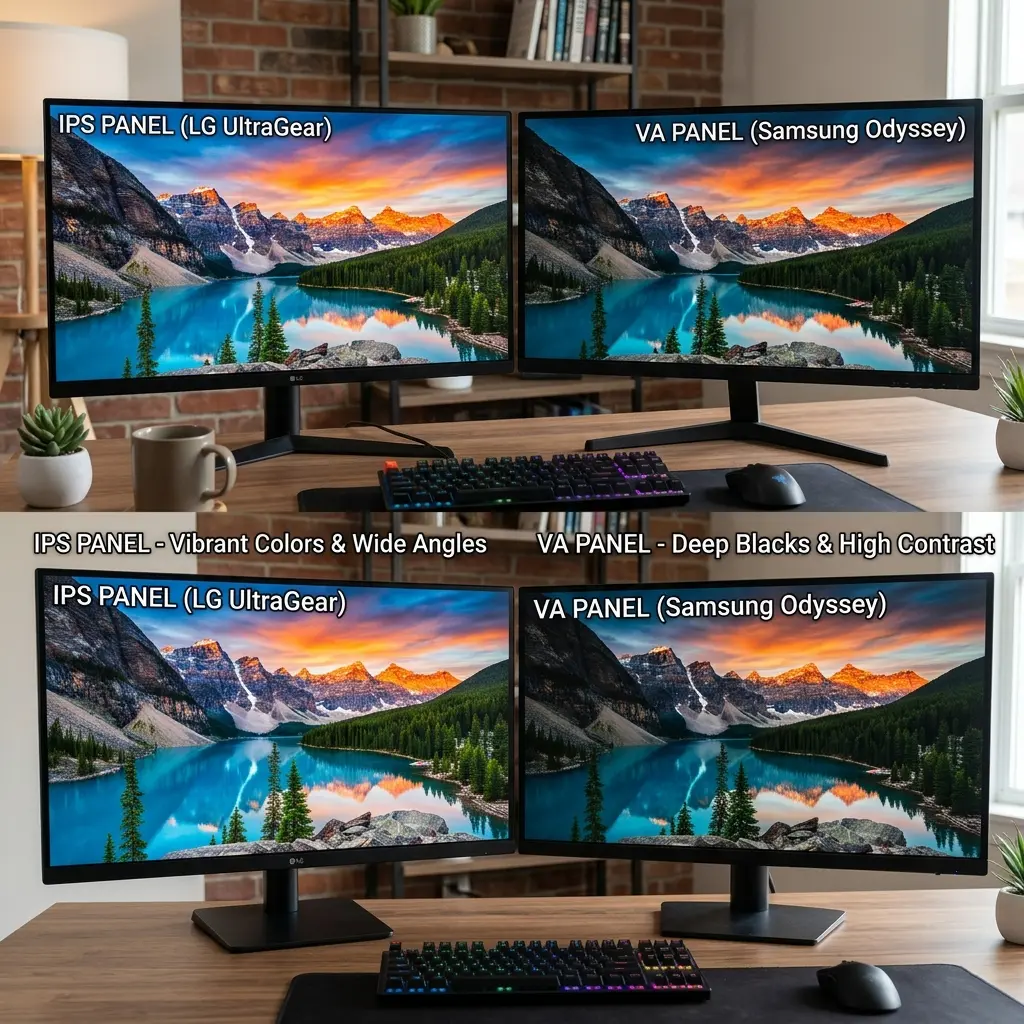
The type of panel technology used in monitors significantly affects color accuracy and viewing angles. The most common panel types are IPS, VA, and TN, with IPS panels generally providing superior color reproduction and wider viewing angles.
In-Plane Switching (IPS) panels are often preferred by graphic designers because they deliver consistent colors from various angles. This is particularly beneficial in collaborative environments where multiple people view the screen simultaneously.
Vertical Alignment (VA) panels offer better contrast ratios than IPS but may sacrifice color consistency at wider angles. While they are suitable for certain applications, they may not be the best choice for detailed graphic design work.
Twisted Nematic (TN) panels are the least favorable for graphic design due to their limited color accuracy and viewing angles. They are primarily used in gaming monitors where response time is prioritized over color fidelity.
Connectivity Options and Compatibility
Connectivity options are crucial for ensuring that a monitor can integrate seamlessly into a designer's workflow. Common connections include HDMI, DisplayPort, USB-C, and older options like VGA.
USB-C is increasingly popular for modern graphic design monitors, as it allows for both video output and power delivery through a single cable. This simplifies the setup for designers using laptops.
DisplayPort is favored for its higher bandwidth capabilities, enabling higher resolutions and refresh rates, making it suitable for demanding design applications. It also supports daisy chaining multiple monitors.
Compatibility with various operating systems and graphic design software is also essential. Ensuring that the monitor supports the necessary color profiles and resolutions is key to achieving optimal performance.
Adjustable Color Gamut and HDR Support
An adjustable color gamut feature allows designers to switch between different color spaces easily, accommodating various project requirements. This flexibility is vital for ensuring that designs appear as intended across different media.
High Dynamic Range (HDR) support is becoming increasingly important in monitors for graphic design. HDR monitors can display a wider range of colors and brightness levels, enhancing the overall visual experience.
When selecting a monitor with HDR capabilities, it is essential to consider peak brightness levels and the monitor's ability to display true HDR content. This can significantly impact how designs are perceived.
Designers should also ensure that their software supports HDR workflows to fully leverage the capabilities of HDR monitors. This can lead to more vibrant and lifelike representations of their work.
Size and Aspect Ratio Considerations
The size of the monitor can influence a designer's workflow significantly. Larger screens provide ample real estate for multitasking, allowing designers to work with multiple applications simultaneously.
Common monitor sizes for graphic design range from 24 inches to 32 inches, with some designers preferring even larger displays for immersive experiences. The choice ultimately depends on individual preferences and desk space availability.
Aspect ratio is another crucial factor; traditional 16:9 monitors are common, but ultrawide monitors with a 21:9 aspect ratio can enhance productivity by providing a more panoramic view of the workspace.
Choosing the right size and aspect ratio can reduce eye strain and improve comfort during long design sessions, ultimately leading to better focus and creativity.
Environmental Considerations and Energy Efficiency
As sustainability becomes increasingly important, many manufacturers are focusing on producing energy-efficient monitors. Energy Star ratings and eco-friendly certifications can guide consumers in making environmentally sound choices.
Monitors that utilize LED backlighting not only consume less power but also have a longer lifespan compared to traditional CCFL-backlit displays. This contributes to reduced waste over time.
Some manufacturers are also exploring sustainable materials in their monitor designs, which can further minimize environmental impact. These materials can include recycled plastics and low-emission components.
Investing in energy-efficient monitors not only helps the environment but can also reduce electricity costs for designers who spend long hours in front of their screens.
Software Optimization for Design Workflows
The importance of software optimization cannot be overstated when it comes to graphic design. Specific software tools can help designers get the most out of their monitor's capabilities, particularly in color accuracy and resolution.
Programs like Adobe Creative Suite provide advanced color management tools that enable users to customize color profiles based on their monitor's specifications. This ensures color consistency across different projects.
Moreover, utilizing software that supports high-resolution outputs is crucial for designers working on detailed graphics or large prints. This makes it essential to match software capabilities with monitor specifications.
Designers should also stay updated on software updates and new features that can enhance performance and usability, ensuring they are leveraging their monitor's full potential in their creative workflows.
Color Depth and Bit Depth Considerations
Color depth, measured in bits, directly influences the range of colors a monitor can display. Higher bit depth allows for smoother gradients and more accurate color representation, which is crucial for graphic design work.
For graphic designers, a color depth of 10 bits per channel is often recommended, as this can display over a billion colors. In contrast, an 8-bit panel only supports 16.7 million colors, which may not suffice for projects requiring high precision.
Monitors with higher bit depths can significantly reduce color banding, a common issue when displaying gradients. This is particularly important in professional environments where color transitions must be flawless.
When selecting a monitor, checking the supported bit depth alongside the color accuracy specifications can ensure that designers are equipped with the necessary tools for their work.
Impact of Refresh Rate on Design Workflows
Although refresh rate is often associated with gaming, it plays a role in design applications as well. A higher refresh rate can lead to smoother movements and transitions when editing graphics and videos.
Standard monitors typically operate at 60Hz, which is sufficient for most design tasks. However, monitors with refresh rates of 120Hz or higher can enhance responsiveness, especially in dynamic design environments.
Designers working with animations or video editing may benefit from higher refresh rates as they can preview their work more fluidly. This can aid in identifying issues that might not be as noticeable at lower refresh rates.
When considering a monitor for graphic design, evaluating refresh rates alongside other specifications can provide a more comprehensive understanding of its performance capabilities.
Advanced Features for Color Critical Work
Features such as hardware calibration and built-in colorimeters significantly enhance a monitor's suitability for color-critical work. These tools ensure that the display maintains accurate colors over time.
Monitors that support hardware calibration allow users to adjust the monitor's internal settings without relying on external software. This can lead to more precise outcomes in color reproduction and consistency.
Additionally, some monitors come with pre-calibrated profiles for different color spaces, making it easy for designers to switch between RGB, CMYK, and other formats. This versatility is essential for workflows that involve multiple mediums.
Investing in a monitor with advanced calibration features can ultimately save time and improve the quality of design work, making it a worthwhile consideration for professionals in the field.
Display Technologies and Their Impact on Visual Fidelity
When selecting a monitor for graphic design, understanding the various display technologies is crucial for achieving optimal visual fidelity. The most common technologies include Twisted Nematic (TN), In-Plane Switching (IPS), and Vertical Alignment (VA). Each technology has its unique characteristics that influence color reproduction, viewing angles, and response times.
IPS panels are often favored for graphic design due to their superior color accuracy and wide viewing angles. They maintain consistent color representation even when viewed from extreme angles, making them ideal for collaborative environments where multiple viewers may need to assess the same design work. Additionally, IPS monitors tend to have better color consistency over time compared to TN panels.
On the other hand, VA panels excel in contrast ratios, providing deeper blacks and more vibrant colors in darker scenes. This characteristic can be particularly beneficial for tasks that involve multimedia editing or design work that relies heavily on shadow details. However, VA panels typically fall short in color accuracy and viewing angles when compared to IPS counterparts.
Ultimately, the choice of display technology should align with the specific needs of the designer. For those prioritizing color accuracy and wide viewing angles, IPS remains the top choice, while designers who work with high-contrast images might find VA panels more suitable. Understanding these distinctions can lead to better-informed purchasing decisions.
Future Trends in Monitor Technology for Graphic Design
The landscape of monitor technology is rapidly evolving, with innovations that promise to enhance the graphic design experience significantly. One major trend is the integration of OLED technology into professional monitors. OLED displays offer exceptional color accuracy, infinite contrast ratios, and faster response times, making them highly desirable for design applications.
Moreover, advancements in Mini-LED technology are also gaining traction. Mini-LED monitors provide improved local dimming features, resulting in better contrast and brightness control. This technology combines the benefits of traditional LED backlighting with the enhanced performance of OLED, offering a middle ground for designers who seek both vibrancy and accurate color representation.
Additionally, the rise of 8K resolution monitors is set to redefine detail and clarity in graphic design workflows. While 4K monitors have become the standard, 8K displays provide an unprecedented level of detail that can be beneficial for high-resolution image editing and intricate design tasks. This trend indicates a shift towards higher pixel densities, allowing designers to work with finer details without sacrificing clarity.
As manufacturers continue to innovate, features such as improved color calibration tools, seamless integration with design software, and enhanced connectivity options will likely become standardized. Staying informed about these trends will help graphic designers select monitors that not only meet their current needs but also adapt to future technological advancements.
Impact of Ambient Lighting on Color Perception
The environment in which a monitor is used can significantly influence color perception, making ambient lighting a critical consideration for graphic designers. Calibration settings may look different under varying light conditions, leading to discrepancies in color accuracy.
Natural light, fluorescent bulbs, and LED lighting can all emit different color temperatures, which can alter the appearance of colors on a screen. Designers should strive for consistent lighting conditions that mimic the target output environment, such as print or digital media.
Using adjustable window treatments or specialized lighting can help control ambient light and reduce glare, ensuring that color evaluations are made under optimal conditions. It is also advisable to use monitors with anti-glare coatings to further enhance visual comfort.
Regularly assessing the workspace's lighting conditions and making necessary adjustments can lead to more accurate color representation, ultimately improving the quality of the design work produced.
The Role of Color Profiles in Graphic Design Workflows
Color profiles are essential for maintaining consistency across different devices and media in graphic design. These profiles define how colors are represented on screens, printers, and other output devices, making them crucial for accurate color management.
Graphic designers should familiarize themselves with common color spaces, such as sRGB, Adobe RGB, and ProPhoto RGB, to select the appropriate profile for their projects. Each color space has its unique gamut, affecting how colors are rendered and perceived.
Utilizing software tools that support color profile management can streamline the design workflow, ensuring that colors remain consistent from the initial design phase to




