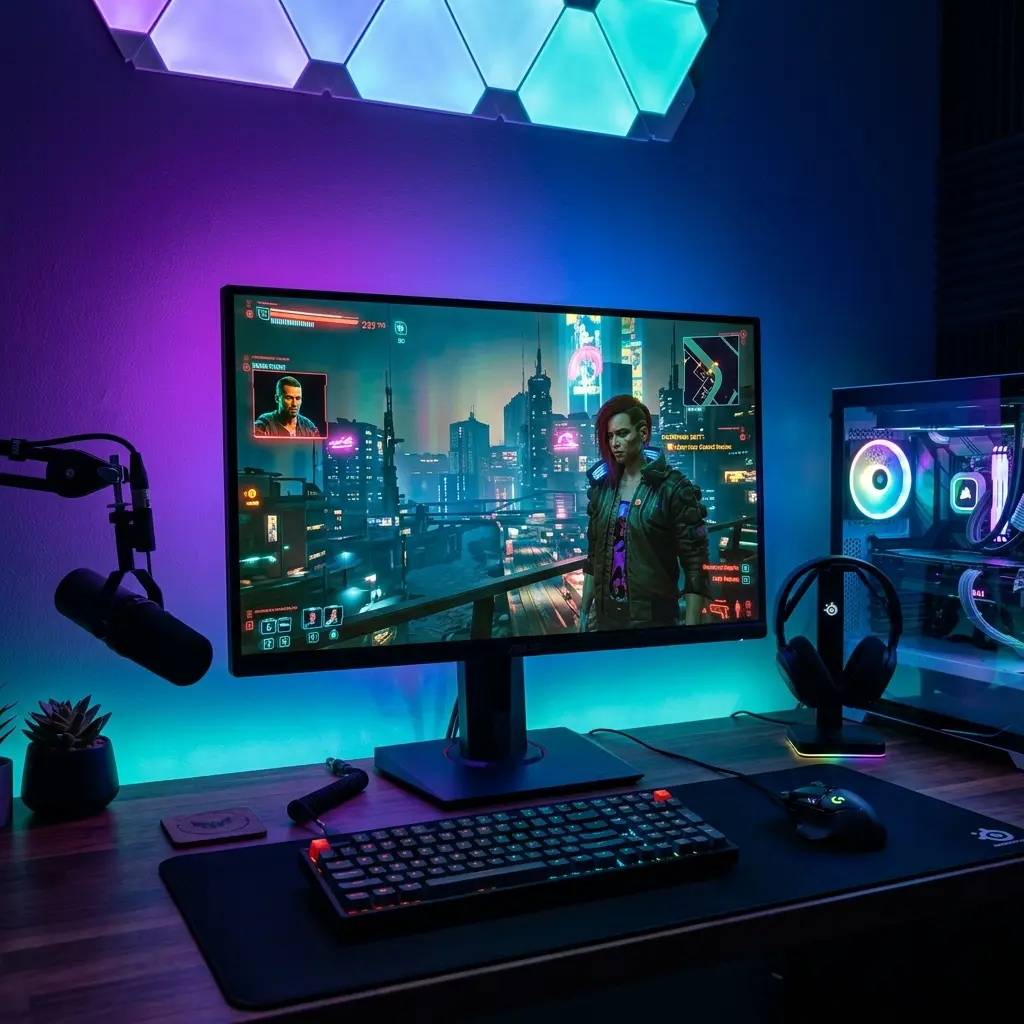
Discover the best monitors for digital illustration and art, enhancing color accuracy and ergonomic comfort.
Physical Aspects and Resolution
Monitors with at least 4K resolution are essential for detailed digital artwork, providing sharper images and better color depth.
Look for screens that range from 24 to 32 inches, as these sizes balance workspace and visibility, crucial for intricate designs.
Performance and Technology
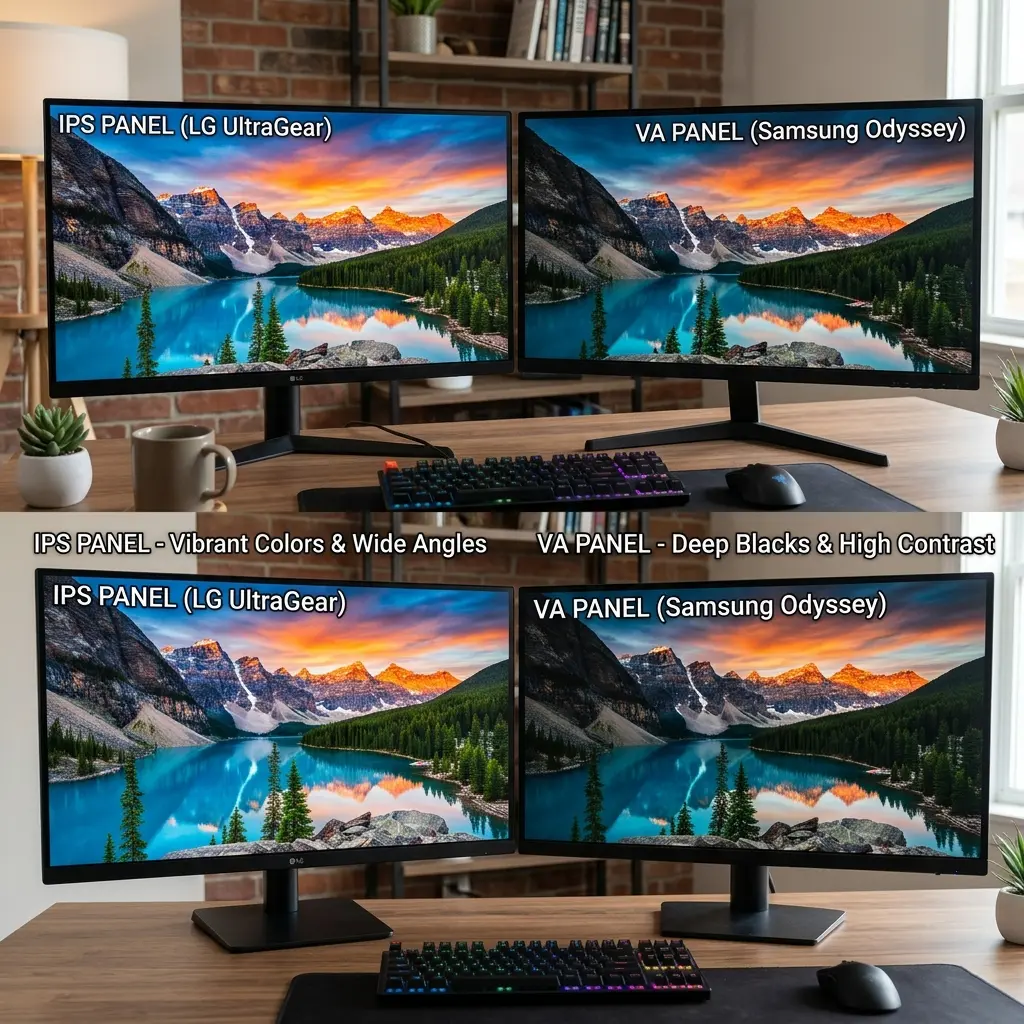
IPS panels are recommended for their superior color reproduction and wide viewing angles, essential for accurate digital illustrations.
Consider monitors with a refresh rate of at least 60Hz to ensure smooth rendering and responsiveness during creative tasks.
Ergonomics and Visual Comfort
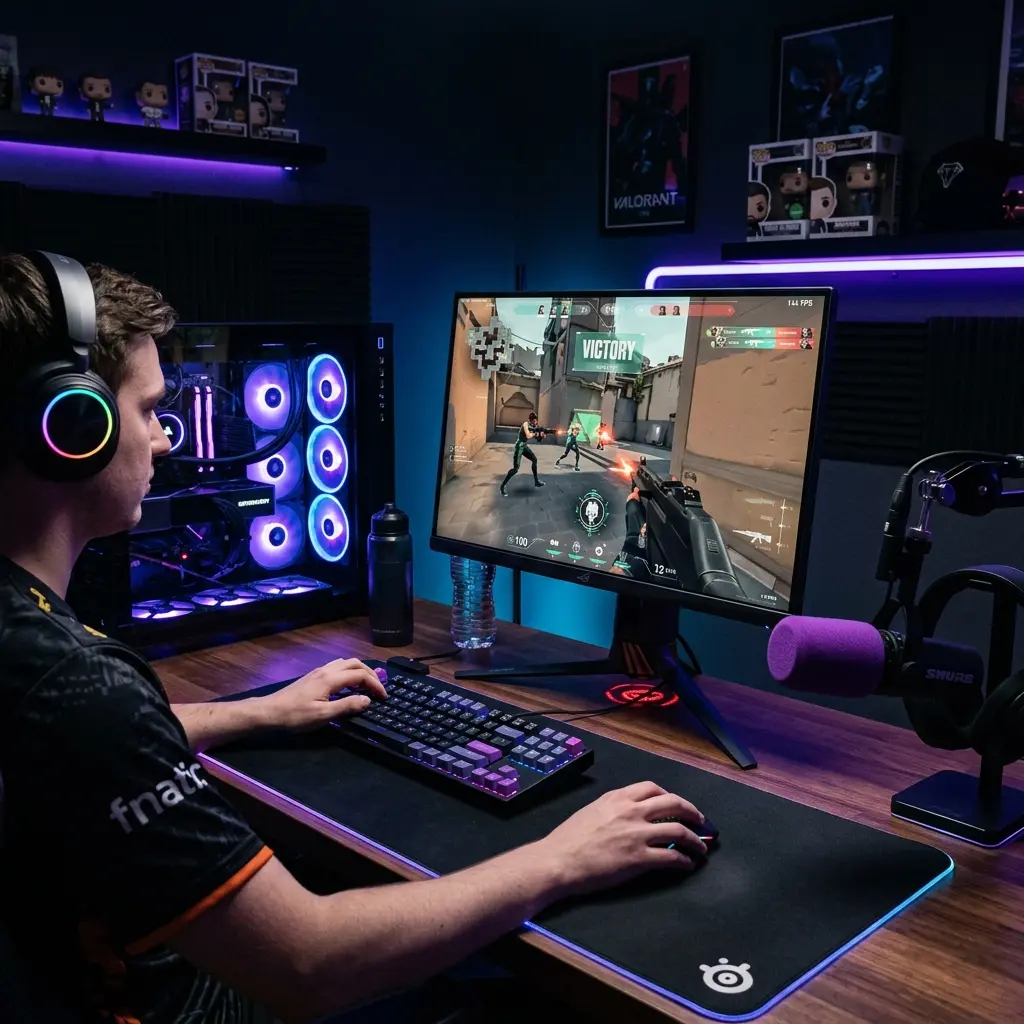
Adjustable stands for height, tilt, and swivel enhance ergonomic comfort, reducing strain during long hours of work.
Anti-glare coatings and blue light filtering features also contribute significantly to reducing eye fatigue over extended use.
| Monitor Model | Resolution | Panel Type | Size | Price |
|---|---|---|---|---|
| Wacom Cintiq 22 | 1920 x 1080 | IPS | 22 inches | $999 |
| Dell UltraSharp U2720Q | 3840 x 2160 | IPS | 27 inches | $699 |
| BenQ PD3220U | 3840 x 2160 | IPS | 32 inches | $1,199 |
Materials and Durability
Monitors with a solid build quality, often featuring aluminum or high-grade plastics, ensure longevity and reliable performance.
Check for warranties that reflect manufacturer confidence in durability, typically ranging from 3 to 5 years for premium models.
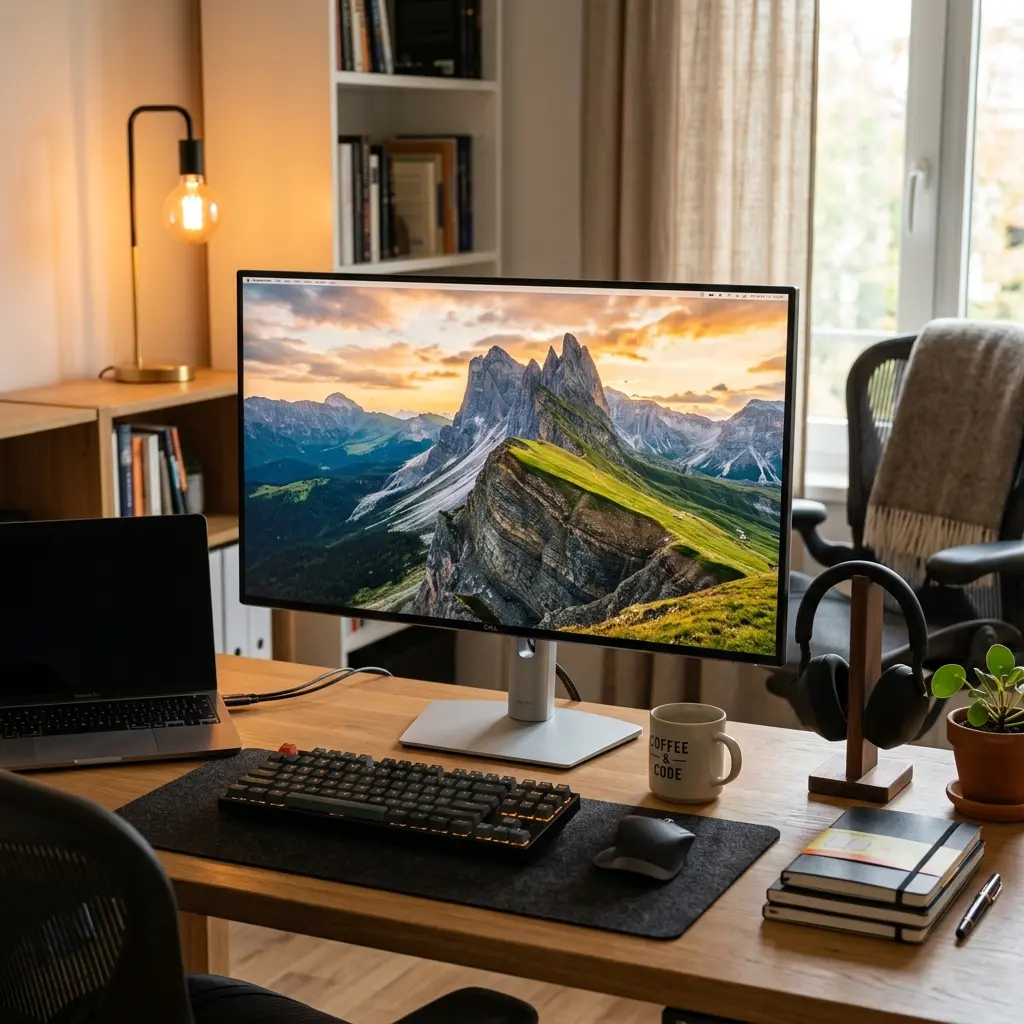
DomineTec Tip: Adjust the monitor height to eye level and maintain a distance of at least an arm's length for optimal comfort.
Buying Recommendations and Brands
Leading brands like Wacom, Dell, and BenQ are recognized for their high-quality monitors specifically designed for digital artists.
These manufacturers offer various models that cater to different styles and needs, ensuring there is a suitable choice for everyone.
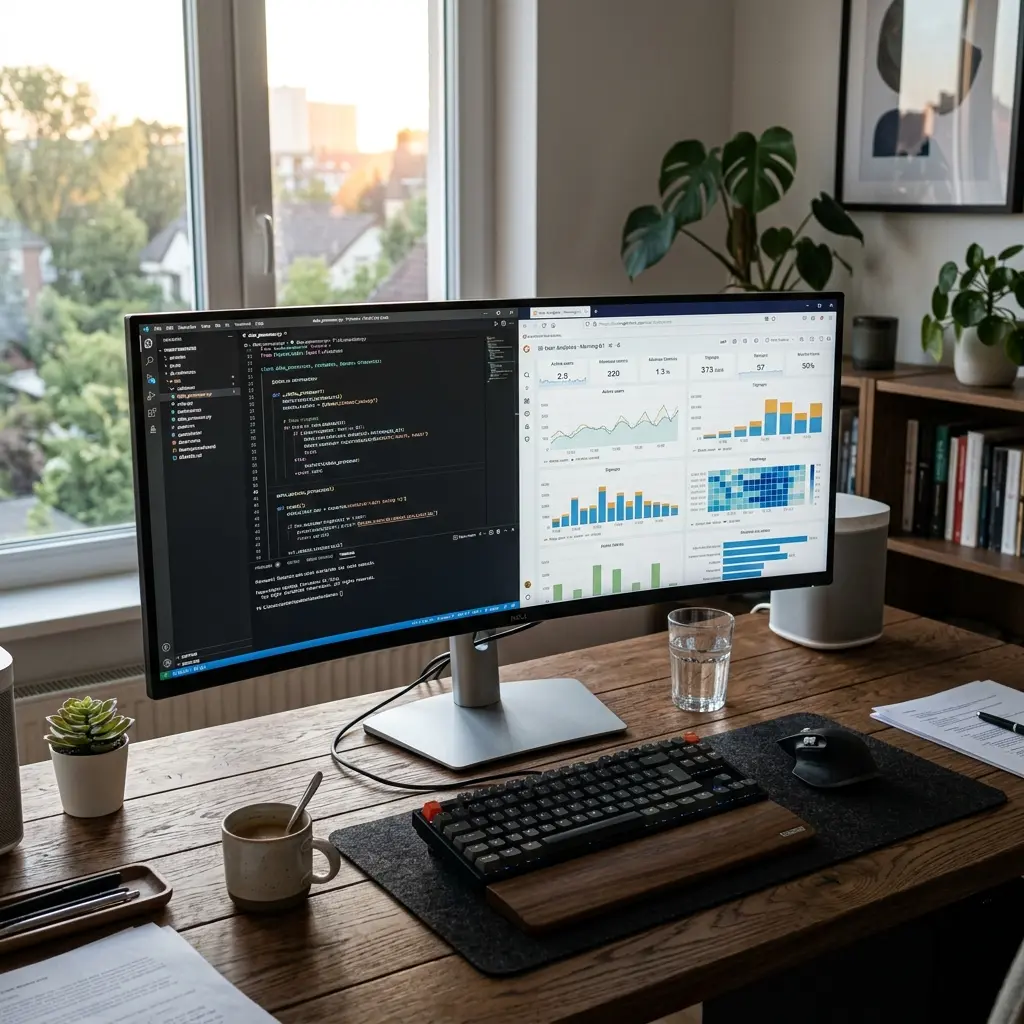
- Determine the required resolution and size based on artistic needs.
- Evaluate panel types, favoring IPS for color accuracy.
- Check for ergonomic features to enhance comfort during use.
- Consider durability and manufacturer reputation for long-term investment.
- Compare prices across retailers for the best deals.
Value Analysis and Verdict
Investing in a high-quality monitor for digital art maximizes creative potential and enhances workflow efficiency.
The initial cost is often justified by improved visual performance and reduced strain, making it a wise choice for serious artists.
Calibration and Color Accuracy
Calibration is crucial for monitors used in digital illustration, as it ensures that the colors displayed are true to life and consistent across different devices.
Professional monitors often come with factory calibration, but users can also perform manual calibration using tools such as colorimeters for optimal results.
Color accuracy is measured in terms of Delta E values, with lower values indicating better accuracy; a Delta E under 2 is generally considered excellent for digital art.
Monitors that support wide color gamuts, such as Adobe RGB and DCI-P3, allow artists to work with a broader range of colors, which is essential for high-quality digital illustrations.
Panel Types and Their Impact on Art
The type of panel used in a monitor significantly impacts color reproduction, viewing angles, and response times, all critical factors for digital artists.
IPS (In-Plane Switching) panels are favored for their superior color accuracy and wide viewing angles, making them ideal for intricate artwork.
TN (Twisted Nematic) panels, while faster and more affordable, often lack the color fidelity and viewing angles required for serious digital art work.
VA (Vertical Alignment) panels offer better contrast ratios but may not provide the same level of color accuracy as IPS panels, making them less suitable for professional illustration tasks.
Connectivity Options and Compatibility
Connectivity options are essential for seamless integration with various devices, including graphic tablets and computers, which are commonly used in digital art.
Monitors should ideally feature multiple input options like HDMI, DisplayPort, and USB-C to accommodate different setups and devices.
Some monitors also offer built-in USB hubs, allowing artists to connect peripherals directly to the monitor, streamlining their workspace.
Compatibility with color grading software and hardware is also important, particularly for artists who require precise color matching across different media.
Size and Screen Real Estate
The size of a monitor can significantly influence the workflow and efficiency of digital artists, as larger screens provide more workspace for detailed illustrations.
Monitors ranging from 24 to 32 inches are commonly recommended for digital art, striking a balance between size and desk space considerations.
Ultra-wide monitors are becoming increasingly popular, offering panoramic views that can enhance multitasking and provide additional canvas space for artwork.
However, artists must consider their work environment and available space to ensure that the monitor size aligns with their ergonomic needs and workflow preferences.
Refresh Rate and Response Time
While refresh rate and response time are often discussed in the context of gaming, they also play a role in digital illustration, particularly for artists who work with animation or motion graphics.
A higher refresh rate, such as 144Hz, can provide smoother visuals, making it easier to review animated sequences or interact with software in real-time.
Response time, measured in milliseconds, indicates how quickly a pixel can change colors; lower response times reduce motion blur, which can help artists during fast-paced editing sessions.
For most digital illustrators, a refresh rate of 60Hz combined with a response time under 5ms is sufficient, but those engaged in animation may benefit from higher specifications.
Software Compatibility and Features
Choosing a monitor that is compatible with popular digital art software, such as Adobe Photoshop, Illustrator, or Corel Painter, is essential for a smooth workflow.
Some monitors come with built-in features designed specifically for artists, such as customizable color profiles or software that allows for easy switching between different color modes.
It's also beneficial to consider monitors that support touchscreen functionality, providing artists with an additional layer of interactivity while creating their artwork.
Software updates and ongoing support from manufacturers can enhance a monitor's functionality, ensuring it remains compatible with evolving digital art applications.
Environmental Considerations and Energy Efficiency
As sustainability becomes a growing concern, many artists are looking for monitors that are energy-efficient and environmentally friendly.
Monitors with Energy Star ratings or similar certifications indicate lower power consumption, which can reduce both energy bills and environmental impact.
Additionally, manufacturers that prioritize eco-friendly materials and packaging can contribute to a more sustainable production cycle, appealing to socially conscious artists.
Considering the lifecycle of a monitor and its recyclability is also important for artists who wish to minimize their carbon footprint while investing in their craft.
Color Gamut and Coverage
The color gamut refers to the range of colors that a monitor can display, which is critical for digital artists aiming for accurate color representation.
Monitors that cover wider color gamuts, such as Adobe RGB or DCI-P3, are preferred as they offer richer and more vibrant colors compared to standard sRGB displays.
An ideal monitor for digital illustration should achieve at least 99% Adobe RGB coverage to ensure fidelity in color reproduction, essential for professional work.
Artists should consider monitors that come factory-calibrated to ensure that the colors displayed closely match those intended by the creator.
Input Methods and Accessibility
Different input methods can significantly enhance the user experience for digital artists, allowing for greater creativity and efficiency.
Touchscreen capabilities, for instance, provide a more intuitive interface, enabling artists to interact with their artwork directly on the screen.
Add-on devices, such as stylus pens with pressure sensitivity, can further improve precision and control, making them essential for detailed illustrations.
Accessibility features, including adjustable settings for brightness and contrast, play a crucial role in accommodating various artistic styles and preferences.
Portability and Space Considerations
For digital artists who travel or work in different locations, the portability of a monitor is a vital consideration.
Ultrawide monitors and those with slim bezels can save desk space while still providing ample screen real estate for multitasking and detailed work.
Lightweight monitors with built-in stands or the ability to mount on portable arms offer flexibility for artists who may need to set up their workspace quickly.
Furthermore, battery-operated options allow artists to work in environments without direct access to power, enhancing mobility without sacrificing performance.
Long-term Investment and Future-Proofing
Investing in a high-quality monitor can have long-term benefits, especially for artists who rely on technology for their work.
Choosing monitors with upgradable firmware and connectivity options ensures compatibility with future devices and software updates.
Investing in higher resolution and advanced panel technologies can also provide longevity, as they remain relevant even as new standards emerge.
Artists should consider the total cost of ownership, including warranty and support options, to safeguard their investment against potential issues over time.
Software Integration and Workflow Optimization
When selecting a monitor for digital illustration, software integration is paramount for enhancing workflow efficiency. Monitors that support advanced software features can provide an edge in productivity, allowing artists to streamline their processes.
Many modern monitors come equipped with features such as customizable shortcuts and on-screen display options that facilitate quick access to tools within popular graphic design software. This integration can significantly reduce time spent navigating menus and enhance creative flow.
Furthermore, certain monitors offer built-in tools that allow for direct interaction with software, such as pressure sensitivity for stylus input, which is crucial for artists who rely on precision in their work. This feature can make a monitor a vital part of an artist's toolkit as it harmonizes with their preferred software.
Lastly, compatibility with multiple operating systems can also enhance an artist's workflow, ensuring that they can easily switch between devices without losing functionality. Monitors that prioritize software integration thus play a critical role in optimizing the digital illustration experience.
User Reviews and Community Feedback
User reviews and community feedback are essential in understanding the real-world performance of monitors for digital illustration. Insights from fellow artists can provide valuable information that goes beyond technical specifications.
Artists often share their experiences regarding color accuracy, screen responsiveness, and overall satisfaction with a monitor's performance. These reviews can highlight specific pros and cons that may not be apparent from professional reviews or product descriptions.
Moreover, community forums and social media platforms can serve as excellent resources for gauging the long-term reliability of different monitor brands. User feedback can indicate potential issues with durability or software compatibility that might not be covered in standard product evaluations.
Incorporating user experiences into the purchasing decision can lead to more informed choices, ensuring that artists select a monitor that truly meets their needs in a practical setting.
Future Trends in Monitor Technology
As technology evolves, so too do the capabilities of monitors specifically designed for digital art. Emerging trends suggest a shift towards higher resolutions and enhanced color accuracy, providing artists with even more tools to express their creativity.
One notable trend is the development of OLED and Mini-LED technology, which offers deeper blacks and more vivid colors than traditional LCD screens. These advancements can significantly enhance the visual experience for digital illustrators, allowing for greater detail in artwork.
Additionally, features such as adaptive refresh rates and improved response times are becoming standard, catering to artists who require seamless interactions while painting or editing. This technology can help to minimize lag, ensuring that every brushstroke is captured accurately.
Lastly, the integration of artificial intelligence in monitor calibration and color management is on the rise, promising to simplify the process of achieving accurate colors. This development could empower artists to focus more on their work rather than the technicalities of setup and calibration.
Image Processing and Graphics Rendering
Image processing capabilities are essential for digital illustration monitors, as they directly affect how artwork is rendered on-screen. High-quality monitors often come equipped with advanced image processing technologies, which can enhance color reproduction and improve overall image quality. This is particularly crucial for artists who require precise visual outcomes in their work.
Moreover, the graphics rendering performance is influenced by the monitor's ability to handle complex visual data. Monitors with high dynamic range (HDR) support can display a wider range of luminosity and color, allowing artists to see their work with enhanced detail and vibrancy. This capability is paramount for professionals who seek to create visually striking pieces.
Additionally, the compatibility of the monitor with various graphic processing units (GPUs) can also impact rendering performance. Artists using powerful GPUs can take advantage of monitors that support higher refresh rates and response times, ensuring a smoother experience when working with high-resolution graphics. This synergy between hardware and monitor capabilities is vital for achieving optimal performance.
In summary, the integration of advanced image processing and robust graphics rendering capabilities significantly enhances the digital illustration experience. Artists should prioritize monitors that excel in these areas to ensure they can produce high-quality artwork efficiently and effectively.
Maintenance and Care for Monitors
Maintaining a digital illustration monitor is crucial to ensure its longevity and optimal performance. Regular cleaning of the screen using appropriate materials, such as microfiber cloths, can prevent dust and smudges from interfering with the visual experience. Additionally, avoiding harsh chemicals and using screen-safe cleaners can help preserve the monitor's finish.
Calibration is another essential aspect of monitor maintenance. Periodic calibration ensures that the colors displayed remain accurate and consistent over time. Many professional artists invest in calibration tools to achieve precise color accuracy, which is vital for their work. Such practices can significantly enhance the overall quality of digital illustrations.
Environmental factors also play a significant role in the maintenance of monitors. Artists should be mindful of the conditions in which their monitors are placed, ensuring they are not exposed to excessive heat, moisture, or direct sunlight. Proper ventilation and temperature control can prolong the monitor's lifespan and maintain its performance.
Lastly, monitoring the software and firmware updates for the monitor can also contribute to its maintenance. Manufacturers often release updates that improve performance and fix bugs, ensuring that the monitor remains compatible with the latest applications and technologies used in digital art. Keeping abreast of these updates can optimize the workflow for artists.
Frequently Asked Questions
What is the best resolution for digital illustration?
A resolution of 4K (3840 x 2160) is optimal for detailed digital illustrations, providing better clarity and color accuracy.
Are IPS panels worth the investment?
IPS panels are highly recommended for digital art due to their superior color reproduction and viewing angles, justifying the higher price.
How important is monitor size for digital artists?
Monitor size impacts workspace and visibility; a range of 24 to 32 inches is ideal for balancing detail and comfort.
What ergonomic features should be considered?
Height adjustment, tilt, and swivel features are crucial for optimizing viewing angles and reducing strain during extended use.
Which brands are best for digital art monitors?
Brands like Wacom, Dell, and BenQ are recognized for their high-performance monitors tailored for digital artists.




