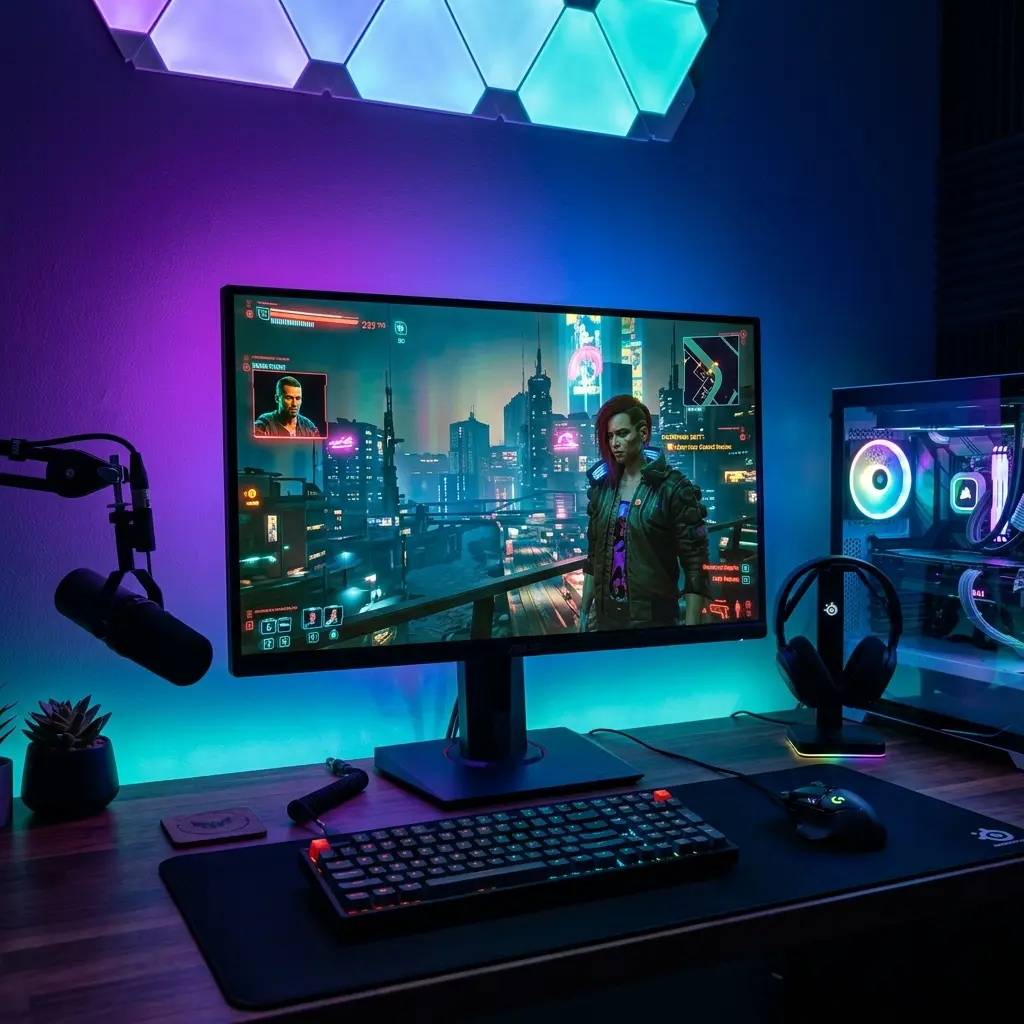
Discover the best monitors tailored for architecture and AutoCAD workflows, emphasizing superior visual clarity and ergonomic design.
Physical Aspects and Resolution
Monitors with at least 24 inches and 4K resolution provide the necessary screen real estate for detailed architectural designs. The pixel density is crucial, as higher DPI ensures sharper images and precise line work.
Performance and Technology
IPS technology is favored for its color accuracy and wide viewing angles, essential for design work. A refresh rate of 60Hz is typically sufficient, but models offering 120Hz can enhance fluidity in dynamic applications.
Ergonomics and Visual Comfort
Adjustable height, tilt, and swivel features enhance user comfort during extended work sessions. Blue light filtering and flicker-free technology can reduce eye strain, promoting longer productivity spans.
| Model | Resolution | Panel Type | Refresh Rate | Price |
|---|---|---|---|---|
| Dell UltraSharp U2720Q | 3840x2160 | IPS | 60Hz | $599 |
| LG 34WN80C-B | 3440x1440 | IPS | 60Hz | $699 |
| BenQ PD3220U | 3840x2160 | IPS | 60Hz | $799 |
| ASUS ProArt PA32UCX | 3840x2160 | Mini LED | 120Hz | $2999 |
Materials and Durability
Monitors built with high-quality materials ensure longevity and resistance to wear. Look for aluminum or reinforced plastic casings, which can withstand regular use without compromising aesthetics.
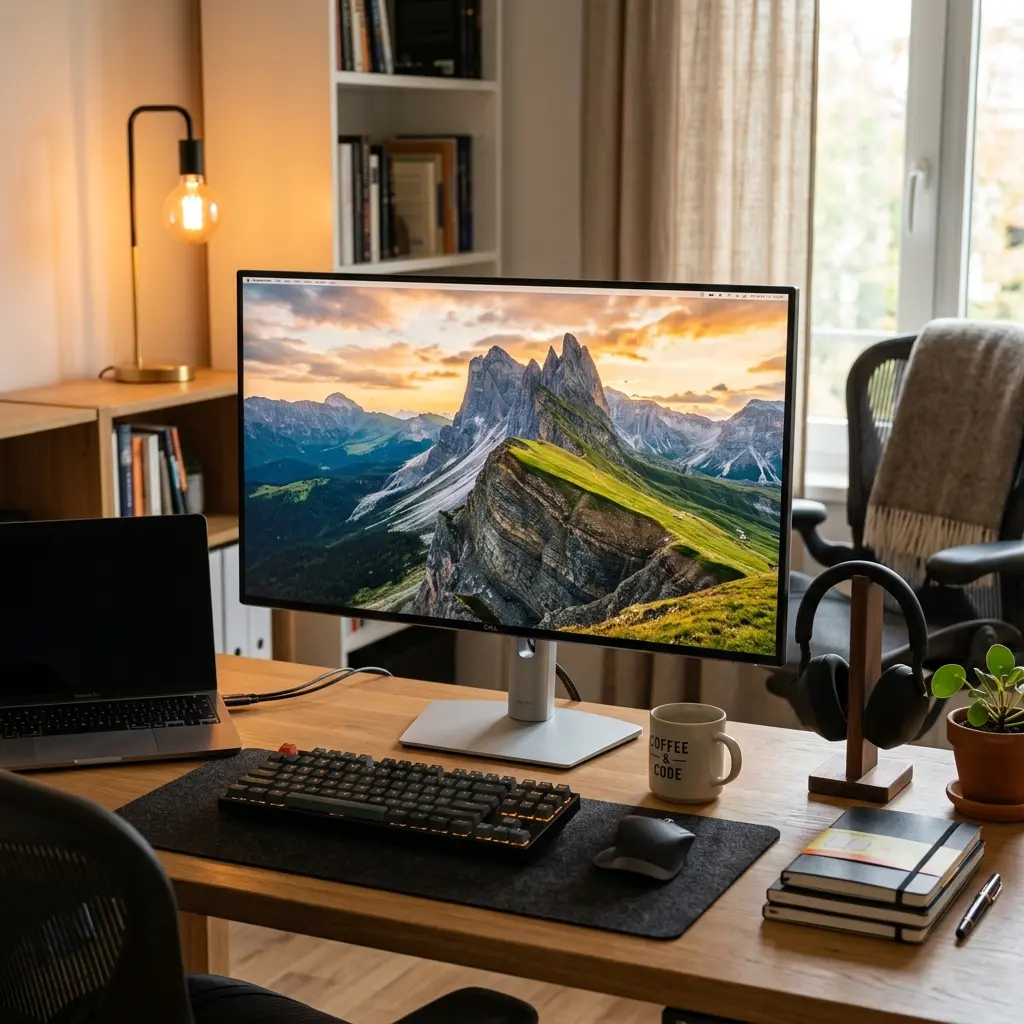
DomineTec Tip: Position monitors at an arm's length and at eye level to promote better posture and reduce neck strain.
Buying Recommendations and Brands
Leading brands like Dell, LG, BenQ, and ASUS are renowned for producing reliable monitors ideal for architectural tasks. Consider models that offer extensive warranty support and customer service for added peace of mind.

- Determine the required screen size and resolution based on workspace.
- Evaluate panel technology for color accuracy and viewing angles.
- Check ergonomics features for adjustable height and tilt.
- Compare durability ratings and manufacturing materials.
- Research warranty terms and brand reputation.
Value Analysis and Verdict
Investing in a high-quality monitor can significantly enhance productivity and design accuracy. A balance between performance and cost is essential to achieve the best value for architectural workflows.
Color Accuracy and Calibration
Color accuracy is crucial in architectural design and AutoCAD workflows, as it allows professionals to visualize and present their projects with precision.
Monitors that support a wide color gamut, such as Adobe RGB or DCI-P3, are preferable for tasks requiring accurate color representation.
Calibration tools, such as colorimeters, can enhance a monitor's performance, ensuring that colors are displayed as intended, which is essential for client presentations.
Regular calibration should be part of a workflow to maintain consistent color accuracy over time, especially when working with various media formats.
Connectivity Options and Compatibility
The connectivity options of a monitor directly influence its compatibility with different devices and setups commonly used in architecture and design.
Monitors equipped with multiple HDMI, DisplayPort, and USB-C ports offer flexibility, allowing users to connect laptops, workstations, and peripherals seamlessly.
Additionally, features such as daisy chaining via DisplayPort can simplify multi-monitor setups, which are often preferred for enhanced productivity.
Compatibility with different operating systems and software is also essential, ensuring that the display can handle the demands of professional design software without issues.
Screen Size and Aspect Ratio Considerations
The size and aspect ratio of a monitor can significantly impact the user experience, particularly in design-focused applications.
Wider aspect ratios, such as 21:9 or ultrawide formats, provide ample horizontal space for side-by-side comparisons and multitasking, which is beneficial in architectural design.
In contrast, standard 16:9 displays may suffice for general use but could limit the workspace available for complex projects.
Choosing the right size also involves considering desk space and viewing distance, as larger screens can enhance immersion but may require a more significant physical area.
Refresh Rate and Response Time
While architecture and AutoCAD workflows do not demand extremely high refresh rates, a monitor's refresh rate can influence overall responsiveness and smoothness.
Standard refresh rates of 60Hz are typically sufficient, but higher rates can reduce motion blur, which may be beneficial when working with dynamic content or animations.
Response time is another factor to consider, as lower response times can minimize ghosting effects, leading to a more pleasant visual experience when navigating complex designs.
For most architectural work, prioritizing color accuracy and resolution is essential, but balancing these with adequate refresh rates and response times can enhance overall workflow efficiency.
Software Integration and Customization
Integration with design software is vital, as certain monitors come equipped with built-in features that enhance productivity in AutoCAD and architectural applications.
Customizable settings, such as programmable shortcuts and on-screen displays, allow users to optimize their work environment according to their specific needs.
Some monitors offer software that can help manage color profiles and monitor settings, providing a streamlined experience for users who frequently switch between projects.
Exploring the monitor's compatibility with design software can lead to improved workflows and a more tailored approach to project execution.
Power Consumption and Environmental Impact
Power consumption is an important consideration, especially for users who work long hours or maintain multiple monitors in their setup.
Energy-efficient models not only reduce electricity costs but also have a lower environmental impact, which is increasingly important in today's eco-conscious market.
Monitors with energy-saving features, such as automatic brightness adjustment and sleep modes, can contribute to a more sustainable workflow.
Selecting monitors that meet ENERGY STAR standards or similar certifications can ensure that users are making environmentally responsible choices without compromising on performance.
User Reviews and Community Feedback
Gathering user reviews and community feedback can provide valuable insights into the real-world performance of monitors for architectural and AutoCAD workflows.
Online forums and professional groups often share experiences that highlight specific features, usability, and long-term satisfaction with various models.
Analyzing user feedback can help identify potential issues that might not be apparent from technical specifications alone.
Engaging with the community can also lead to discovering lesser-known brands or models that might offer exceptional value for architectural professionals.
Advanced Features for Enhanced Productivity
Many modern monitors come equipped with advanced features that can significantly enhance productivity for architects and AutoCAD users. Features such as Picture-by-Picture (PbP) and Picture-in-Picture (PiP) allow users to multitask effectively by displaying multiple inputs simultaneously. This capability can be particularly beneficial when referencing documents or comparing designs side by side.
Additionally, some monitors offer built-in KVM switches which enable users to control multiple computers from a single monitor, keyboard, and mouse setup. This is especially useful for professionals who often switch between different machines for various design tasks, streamlining workflow and improving efficiency.
Another noteworthy feature is customizable shortcut keys or on-screen displays that allow quick access to frequently used functions and settings. This can save time during intensive design sessions, allowing for a smoother and more intuitive working experience.
Lastly, integrated software tools for color calibration and screen management can help ensure that the visual output remains consistent across projects. Such features are invaluable for maintaining design integrity and ensuring accurate representation of work.
Impact of Panel Technology on Workflow
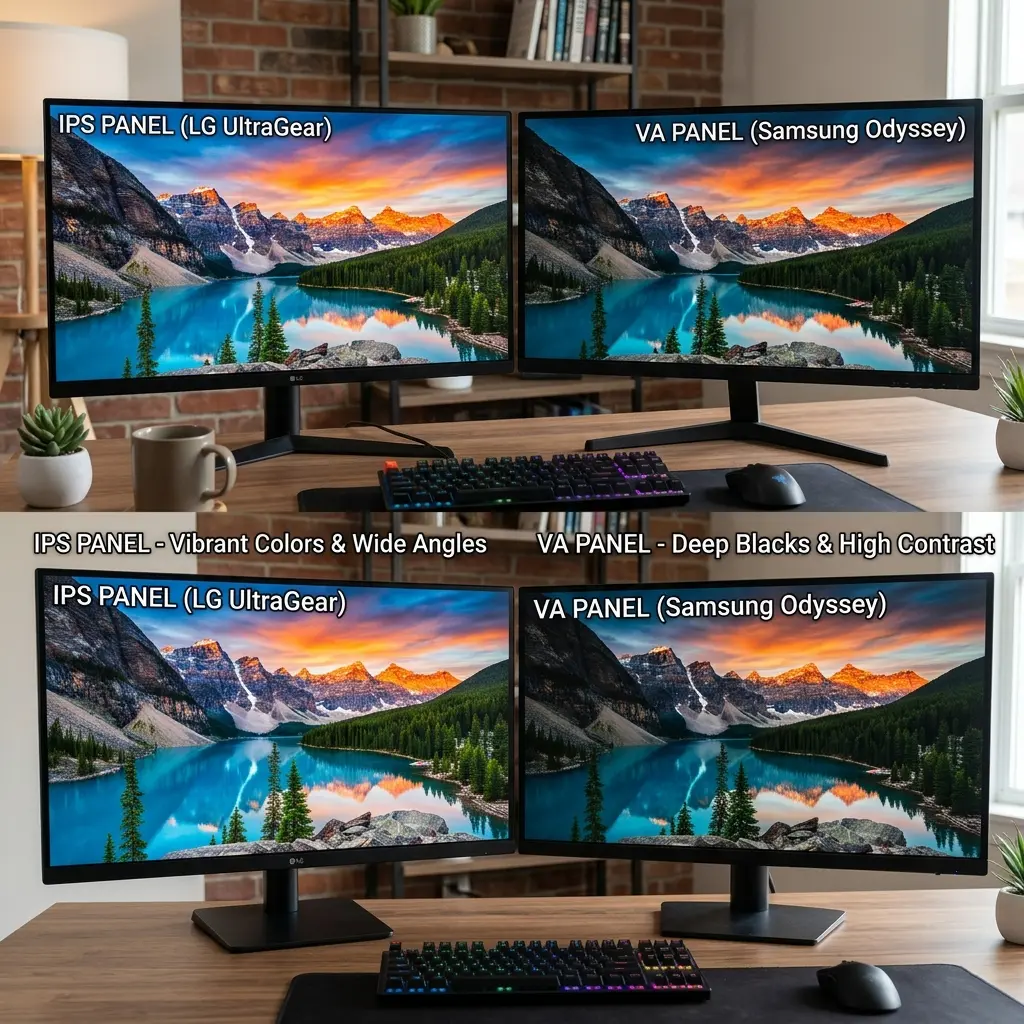
The type of panel technology used in a monitor can greatly influence the overall user experience, particularly for architecture and CAD applications. IPS (In-Plane Switching) panels are often favored for their superior color accuracy and wide viewing angles. This is crucial when working on detailed designs that require precise color representation.
On the other hand, VA (Vertical Alignment) panels can provide deeper blacks and better contrast ratios, which may appeal to professionals seeking enhanced visual depth in their designs. However, VA panels typically have slower response times compared to IPS, potentially affecting performance in fast-paced scenarios.
Furthermore, TN (Twisted Nematic) panels, while generally cheaper, often fall short in color fidelity and viewing angles. For architecture and CAD tasks, where detail and accuracy are paramount, investing in a high-quality IPS or VA panel is advisable to ensure the best possible visual output.
Ultimately, understanding the strengths and weaknesses of each panel technology can help users make informed choices that align with their specific workflow requirements, ensuring optimal performance in design tasks.
Future-Proofing Your Investment
When selecting a monitor for architecture and AutoCAD workflows, considering future-proofing features can be critical to maximizing your investment. As technology evolves, monitors with higher resolutions, improved refresh rates, and advanced connectivity options will become increasingly important.
Investing in a monitor that supports 4K resolution ensures compatibility with future software updates and design standards. Additionally, monitors with HDMI 2.1 or DisplayPort 1.4 connectivity will be better equipped to handle higher bandwidth demands from future graphics cards and devices.
Moreover, features like HDR (High Dynamic Range) support can enhance visual quality in design projects, providing greater detail in both dark and bright areas. As more design applications begin to leverage HDR capabilities, having a monitor that supports this feature can be a significant asset.
Lastly, consider monitors that offer firmware updates and a strong warranty. This ensures that your monitor can adapt to future changes and continues to perform optimally over time, protecting your investment and enhancing your working experience.
Environmental Considerations and Sustainability
As environmental consciousness rises, the sustainability of electronics, including monitors, has become a critical consideration for many users. Choosing energy-efficient monitors can reduce power consumption without sacrificing performance, making them a responsible choice for both your workflow and the planet.
Look for monitors that are ENERGY STAR certified or carry similar eco-labels, as these indicators confirm that the product meets strict energy efficiency guidelines. This can contribute to lower electricity bills and a reduced carbon footprint in your workspace.
In addition, consider the materials used in monitor manufacturing. Brands that prioritize sustainable materials and recyclable packaging demonstrate a commitment to reducing environmental impact. This not only benefits the environment but also aligns with the values of many architects and designers who focus on sustainability in their work.
Finally, some manufacturers offer trade-in programs or recycling initiatives for old monitors. Participating in such programs can help ensure that electronic waste is managed responsibly, promoting a more sustainable approach to technology consumption.
Calibration Tools and Techniques
For professionals in architecture and AutoCAD workflows, calibration tools and techniques are essential for ensuring color accuracy and consistency across different monitors. Utilizing hardware calibration devices, such as colorimeters, can significantly enhance the monitor's performance by adjusting color settings to meet specific standards, which is critical in design workflows.
Software solutions also play a vital role in the calibration process. Applications such as X-Rite i1Profiler and Datacolor Spyder allow users to create custom color profiles that cater to individual needs. These profiles can be fine-tuned to ensure that the colors displayed are true to life, which is particularly important when dealing with architectural visualizations that require precise color representation.
Regular calibration should be part of a professional’s routine to maintain optimal performance. Depending on the monitor and usage frequency, recalibrating every few weeks or months can prevent color drift, ensuring that the visual output remains reliable throughout the design process. This practice not only enhances the quality of work but also builds trust in the design's accuracy among clients and stakeholders.
Finally, understanding the limitations of the monitor's hardware is crucial for effective calibration. Each panel technology, such as IPS or OLED, has unique characteristics that may affect how colors are rendered. Being aware of these traits can help users make informed decisions about the calibration process and the tools they choose to employ.
Impact of Monitor Size on Collaboration and Team Workflows
The size of a monitor can significantly influence collaboration and teamwork in architectural projects. Larger screens facilitate better visibility of intricate designs, allowing multiple team members to view and discuss the same project simultaneously without straining. This can lead to more effective brainstorming sessions and quicker consensus building among team members.
In addition to physical size, the resolution of larger monitors enables finer details to be visible, which is essential during collaborative reviews. High-resolution displays can showcase intricate details that may be missed on smaller screens, leading to a more thorough understanding of the design elements and fostering comprehensive discussions around potential changes or improvements.
Furthermore, the arrangement of monitors in a shared workspace can enhance collaborative efforts. Utilizing multiple monitors or an ultra-wide display can provide a panoramic view of designs, allowing teams to work on various aspects of a project simultaneously. This setup encourages dynamic interactions and streamlined communication between architects, engineers, and stakeholders.
Finally, investing in larger monitors that support split-screen functionality can be beneficial for collaborative workflows. This feature allows users to display multiple applications or documents side by side, optimizing productivity by minimizing the need to switch between windows. Such an arrangement can lead to more efficient decision-making processes, ultimately improving project outcomes.
Frequently Asked Questions
What size monitor is best for AutoCAD?
A monitor size of 27 inches or larger is recommended for AutoCAD to provide adequate workspace for detailed designs.
Is 4K necessary for architecture work?
While 4K resolution is not mandatory, it enhances clarity and allows for more detailed visualizations, improving design accuracy.
Are curved monitors better for design work?
Curved monitors can offer a more immersive experience, reducing distortion at the edges, which may benefit certain design workflows.
How important is color accuracy in architectural design?
Color accuracy is vital in architectural design to ensure that colors appear as intended in real-life applications.
What is the lifespan of a typical monitor?
Most monitors have a lifespan of 30,000 to 50,000 hours, depending on usage and care, with quality materials extending durability.




