Best Kling AI Prompts for Photorealistic Video Generation
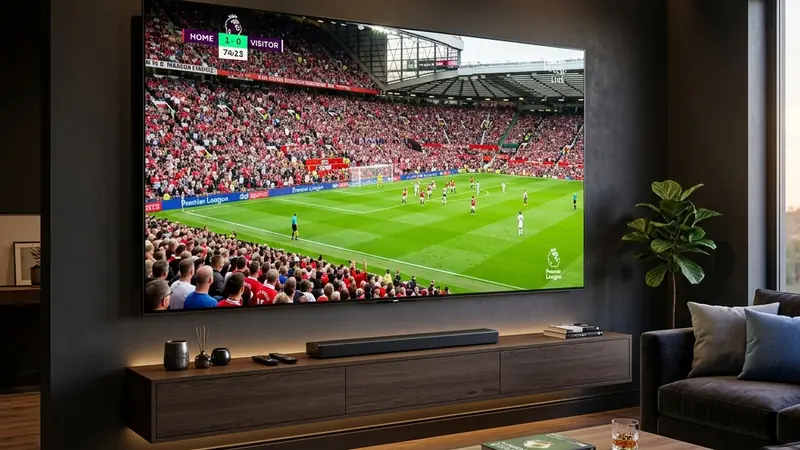
The best Kling AI prompts can significantly enhance photorealistic video generation.
Understanding Photorealistic Video Generation
Photorealistic video generation involves creating videos that closely mimic real life. Esta tecnologia utiliza algoritmos avançados e modelos de IA para alcançar visuais realistas.
Com o aumento das tecnologias de IA, a geração de vídeo se tornou mais acessível e eficiente. Isso abre portas para profissionais criativos e empresas.
Importance of AI Prompts in Video Generation
AI prompts serve como a base para gerar conteúdo de alta qualidade. Os prompts corretos podem guiar a IA para produzir resultados desejados de forma eficaz.
A utilização de prompts específicos e bem elaborados permite um maior controle sobre o vídeo gerado. Isso garante que o resultado final se alinhe de perto com a visão pretendida.
Best Kling AI Prompts for Achieving Realism
Choosing effective prompts is crucial for generating photorealistic videos. Vários tipos de prompts podem ser empregados para melhorar o realismo.
- Descriptive Prompts: Use detailed descriptions of the scene to be generated.
- Emotion-Driven Prompts: Incorporate emotional cues to create more engaging content.
- Contextual Prompts: Provide background information to set the scene.
- Action-Oriented Prompts: Describe specific actions or movements to be performed.
- Stylistic Prompts: Suggest a particular visual style or aesthetic to guide the output.
Comparing Prompt Types for Effectiveness
| Prompt Type | Description | Effectiveness |
|---|---|---|
| Descriptive | Detailed scene descriptions | High |
| Emotion-Driven | Incorporates emotional elements | Medium |
| Contextual | Sets the scene with background info | High |
| Action-Oriented | Focuses on specific actions | Medium |
| Stylistic | Suggests visual style | Variable |
Steps to Create Effective Prompts
Crafting effective prompts requires careful consideration of various factors. Follow these steps to enhance prompt quality:
- Identify the objective of the video.
- Choose the appropriate prompt type based on the objective.
- Provide detailed information to guide the AI.
- Incorporate emotional and contextual elements.
- Review and refine the prompts for clarity.

DomineTec Tip: Test different prompt variations to find the most effective combinations for your needs.
Real-World Applications of Photorealistic Video Generation
Photorealistic video generation has numerous applications across various industries. Understanding these applications can help in utilizing this technology effectively.
Examples include marketing, training simulations, and entertainment. Each application benefits from realistic visual representation.
Marketing and Advertising
No setor de marketing, vídeos gerados por IA podem ser usados para criar anúncios envolventes. A capacidade de gerar imagens realistas pode aumentar a taxa de conversão.
Campanhas publicitárias podem se beneficiar ao mostrar produtos em cenários da vida real, aumentando a confiança do consumidor. Isso ajuda a criar experiências visuais que capturam a atenção do público.
Training and Simulation
A geração de vídeo fotorealista é essencial para simulações de treinamento. Indústrias como medicina, aviação e militar utilizam essa tecnologia para treinar profissionais em ambientes seguros e controlados.
Essas simulações permitem que os usuários pratiquem habilidades em cenários realistas. Isso pode melhorar a retenção de informações e a preparação para situações do mundo real.
Entertainment Industry
No entretenimento, a geração de vídeos fotorealistas pode ser usada para criar cenas de filmes e jogos. A qualidade visual aprimorada resulta em experiências mais imersivas para o público.
Além disso, pode ser aplicada na criação de conteúdo para plataformas de streaming e redes sociais. Isso permite que criadores de conteúdo produzam material de alta qualidade com menos recursos.
Challenges in Photorealistic Video Generation
Apesar dos avanços, desafios permanecem na busca pela verdadeira fotorealidade. Esses desafios podem impactar a qualidade dos vídeos gerados.
Questões comuns incluem tempo de renderização, poder computacional e a complexidade das cenas. Abordar esses desafios pode levar a melhores resultados.
Overcoming Challenges
Para superar os desafios, é crucial investir em hardware adequado. Equipamentos de alta performance podem reduzir significativamente o tempo de renderização.
Além disso, otimizar o design das cenas pode ajudar a minimizar a complexidade. Isso pode incluir simplificar elementos ou usar técnicas de modelagem mais eficientes.
Future Trends in Photorealistic Video Generation
O futuro da geração de vídeo fotorealista promete inovações emocionantes. Expectativas incluem melhorias na velocidade de processamento e na qualidade visual.
Com o avanço da IA, novas técnicas de aprendizado de máquina podem surgir, tornando a geração de vídeo ainda mais acessível. Isso pode abrir portas para uma variedade ainda maior de aplicações.
Frequently Asked Questions
What are Kling AI prompts?
Kling AI prompts are specific instructions given to AI models to generate desired video content. These prompts can significantly influence the quality and realism of the output.
How can prompts improve video generation?
Effective prompts guide the AI in creating more accurate and engaging content. They provide clarity and direction, leading to better results.
Are there any specific prompts recommended for beginners?
Beginners should start with descriptive and contextual prompts. These prompts are straightforward and provide a solid foundation for video generation.
How long does it take to generate a photorealistic video?
The time required for generating a video varies depending on several factors. These include the complexity of the scene and the processing power of the system used.
Can AI-generated videos be used commercially?
Yes, AI-generated videos can be used commercially, provided that copyright and licensing issues are addressed. It is important to understand the legal implications before use.
```htmlAdvanced Optimization Tips
To achieve the best results in photorealistic video generation with Kling AI, fine-tuning the prompt structure is essential. Utilizing specific keywords related to lighting, texture, and environment can significantly enhance the realism of the output.
Experimenting with different styles and parameters can also lead to improved image quality. Incorporating detailed descriptions of the desired scene will help the AI generate more accurate and visually appealing videos.
Common Configuration Errors
When configuring Kling AI for video generation, overlooking the resolution settings is a frequent mistake that can detract from the overall quality. Always ensure that the resolution matches the intended output to avoid pixelation or blurriness.
Another common error involves neglecting to specify the aspect ratio, which can lead to distorted or improperly framed videos. Double-checking these settings before generating videos can save time and resources.
Alternative Solutions
If Kling AI does not meet specific requirements for photorealistic video generation, exploring alternative AI platforms may be beneficial. Various tools offer different strengths in generating realistic visuals, catering to diverse project needs.
Troubleshooting Steps
In the event of unexpected results during video generation, it is crucial to review the prompt used for clarity and specificity. Revisiting the prompt may reveal ambiguities that could lead to unsatisfactory outputs.
Checking the AI's settings and ensuring that all configurations align with the project goals is also recommended. Restarting the generation process after making adjustments can often rectify previous issues.
Limitation Warnings
While Kling AI excels in many areas, it is important to be aware of its limitations in generating photorealistic videos. Certain complex scenes with intricate details may still present challenges, leading to less than optimal results.
Additionally, the AI's performance can vary based on available computational resources, which might affect rendering times and output quality. Understanding these limitations helps set realistic expectations for project outcomes.
``` ```htmlBest Kling AI Prompts for Photorealistic Video Generation
Kling AI has emerged as a powerful tool for generating photorealistic videos. Effective prompts are essential for maximizing the capabilities of this technology and achieving high-quality outputs, with this document outlining effective prompts, frequently asked questions, troubleshooting tips, and a comparison table of different prompting techniques.
Effective Prompts for Photorealistic Video Generation
- Environment Focus: "Create a bustling city street at sunset, capturing reflections on glass buildings."
- Character Detail: "Generate a close-up of a character with detailed facial features, expressing joy."
- Action Sequence: "Produce a high-speed chase through a forest, focusing on dynamic movement."
- Lighting Effects: "Show a serene lake at dawn, with mist hovering over the water and soft light filtering through trees."
- Seasonal Themes: "Depict a vibrant autumn scene with falling leaves and families enjoying a park."
Advanced Prompting Techniques
- Layered Descriptions: "Generate a thunderstorm over a mountain landscape with lightning strikes illuminating the peaks."
- Emotion-driven Prompts: "Create a sad farewell scene at a train station, capturing the emotions of the characters."
- Dynamic Elements: "Produce a bustling market scene with people interacting, vendors selling, and colorful displays."
- Time-lapse Requests: "Depict the change of seasons in a single frame, showing winter, spring, summer, and autumn."
FAQ
| Question | Answer |
|---|---|
| What is Kling AI? | Kling AI is an advanced tool for generating photorealistic videos using artificial intelligence. |
| How do prompts influence video quality? | Well-structured prompts guide the AI's focus, enhancing detail, composition, and overall realism. |
| Can Kling AI create videos without prompts? | While it can generate content with minimal input, detailed prompts significantly improve the quality. |
| What file formats are supported for output? | Kling AI supports various formats like MP4, AVI, and MOV for video output. |
| Is there a limit to the length of videos generated? | Video length can vary, but longer videos may require more detailed prompts for coherence. |
Troubleshooting Checklist
- Check Internet Connection: Ensure a stable connection for optimal performance.
- Prompt Clarity: Review prompts for clarity and detail; vague prompts can lead to subpar results.
- Adjust Settings: Verify that video settings (resolution, frame rate) match project requirements.
- Resource Availability: Ensure sufficient system resources (CPU, RAM) for video processing.
- Restart Application: If issues persist, restarting the application can resolve temporary glitches.
Comparison of Prompting Techniques
| Technique | Description | Benefits |
|---|---|---|
| Simple Descriptions | Basic prompts focusing on general scenes or actions. | Quick to create, suitable for initial testing. |
| Layered Descriptions | Prompts that build complexity with multiple elements. | Produces more dynamic and engaging videos with depth. |
| Emotion-driven Prompts | Focuses on capturing emotional scenes or character expressions. | Enhances viewer engagement through relatable content. |
| Dynamic Elements | Incorporates movement and interactions within the scene. | Creates a lively atmosphere, making videos more immersive. |
Conclusion
Effective prompting is crucial for leveraging Kling AI's capabilities in photorealistic video generation. Utilizing the outlined techniques and understanding the importance of detailed descriptions can significantly enhance video outputs.
Regularly reviewing FAQs and the troubleshooting checklist will also aid in maintaining optimal performance.
``` ```htmlAdvanced Optimization Tips for Kling AI Prompts
Maximizing the quality of photorealistic video generation requires careful crafting of prompts. Utilizing specific adjectives and detailed contexts can significantly enhance the output's realism.
Incorporating lighting conditions, textures, and environmental elements in prompts allows for a more immersive experience. Experimenting with varying levels of detail can yield different artistic interpretations, potentially improving the final product.
Taking advantage of AI's ability to learn from previous outputs can refine future prompts. Iterative testing and prompt adjustments based on previous results can lead to progressively better video quality.
Common Configuration Errors in Kling AI
Misconfigurations often lead to subpar video output, which can be frustrating for users. Ensuring that all settings are correctly aligned with the intended style of the generated video is crucial for optimal performance.
One frequent error is neglecting to specify the desired resolution and frame rate, which can compromise the visual quality. Additionally, overlooking the importance of context can result in disjointed narratives and unrealistic scenes.
It is also essential to double-check compatibility between the input format and the AI's requirements. This oversight can prevent the generation process from initiating successfully, leading to wasted time and resources.
``` ```htmlBest Kling AI Prompts for Photorealistic Video Generation
Photorealistic video generation with Kling AI requires precise prompts to achieve the desired output. The following sections outline the most effective prompts, along with additional resources and troubleshooting tips.
Effective Prompts
- Nature Scenes: "Generate a photorealistic video of a serene forest with sunlight filtering through the leaves."
- Urban Landscapes: "Create a bustling city street at night, illuminated by neon signs and street lamps."
- Animals in Action: "Produce a slow-motion video of a cheetah sprinting across the savannah."
- Underwater Life: "Visualize a coral reef teeming with colorful fish in crystal clear water."
FAQ
- What is Kling AI? Kling AI is an advanced tool for generating high-quality, photorealistic videos using AI technology.
- How can prompts be optimized? Use specific adjectives and action verbs to enhance the clarity and detail of the prompts.
- What are the system requirements for running Kling AI? A powerful GPU and sufficient RAM are recommended for optimal performance.
Troubleshooting Checklist
- Ensure the latest version of Kling AI is installed.
- Check GPU compatibility and driver updates.
- Review prompt clarity and specificity.
- Verify internet connection for online features.
Comparison Table of Video Generation Techniques
| Technique | Quality | Speed | Complexity |
|---|---|---|---|
| Traditional Animation | Medium | Slow | High |
| Photorealistic Generation | High | Medium | Medium |
| 3D Rendering | Very High | Slow | Very High |
By utilizing these prompts and resources, users can significantly enhance their experience with Kling AI for photorealistic video generation.




