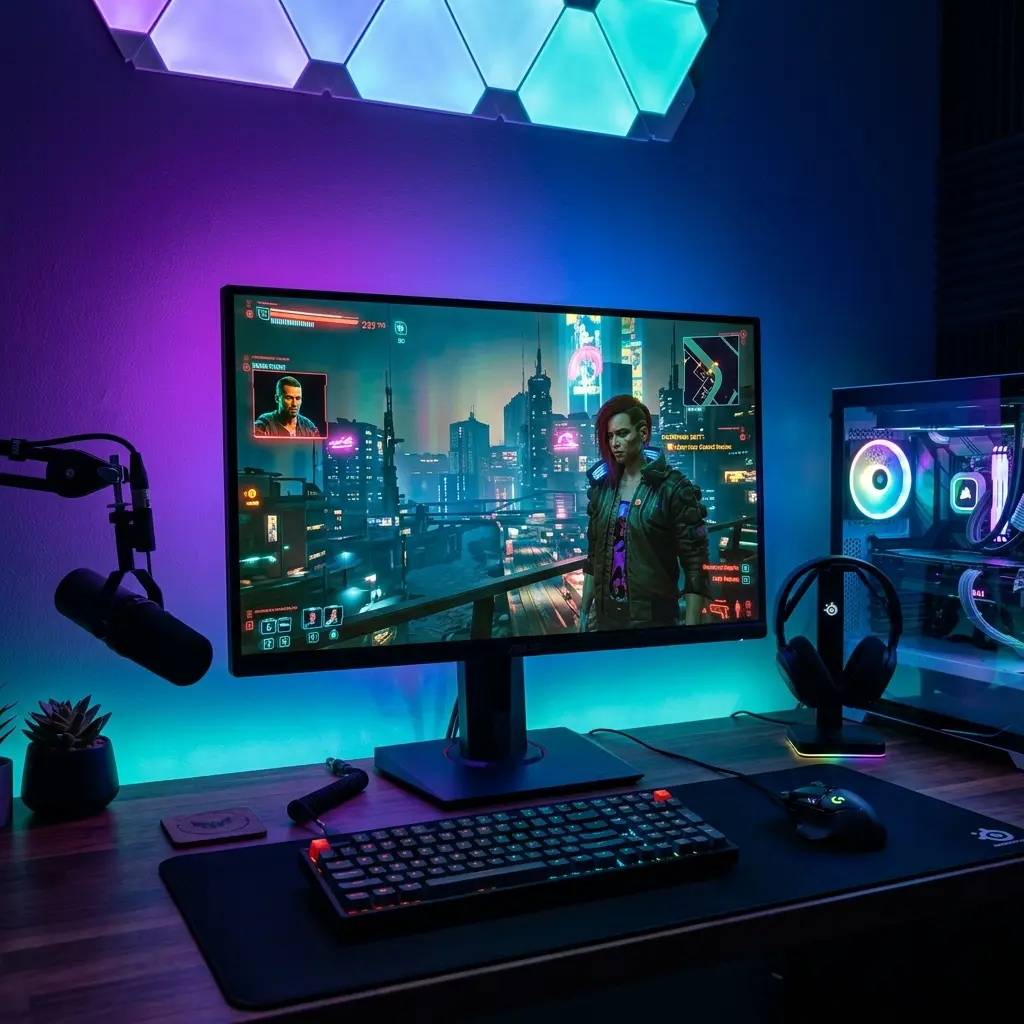
IPS gaming monitors excel in color accuracy and speed, making them ideal for gamers seeking visual fidelity.
Physical Aspects and Resolution
Most IPS gaming monitors feature a resolution of at least 1920x1080 (Full HD), with many offering 2560x1440 (QHD) or 3840x2160 (4K).
The physical size typically ranges from 24 to 34 inches, providing adequate screen real estate for immersive gameplay.
Performance and Technology
Refresh rates for IPS panels now often exceed 144Hz, providing smooth motion and reducing motion blur.
Technologies such as FreeSync and G-Sync enhance performance by synchronizing the monitor's refresh rate with the graphics card's output.
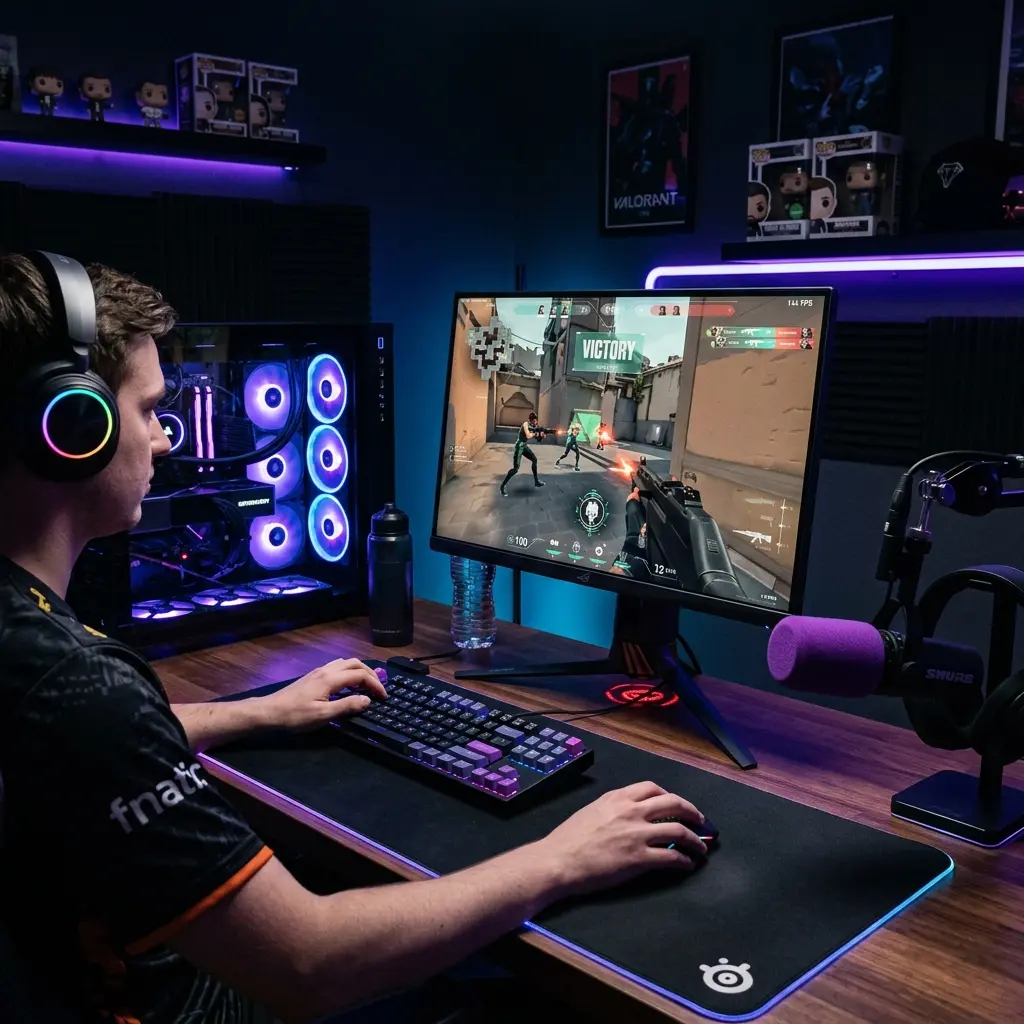
Ergonomics and Visual Comfort
Adjustable stands allow for height, tilt, and swivel adjustments, promoting ergonomic comfort during prolonged usage.
Flicker-free technology and blue light filters help reduce eye strain during extended gaming sessions.
| Monitor Model | Resolution | Refresh Rate | Response Time | Price |
|---|---|---|---|---|
| LG 27GN950-B | 3840x2160 | 144Hz | 1ms | $799 |
| Acer Predator XB273K | 3840x2160 | 144Hz | 1ms | $749 |
| Dell Alienware AW2521H | 2560x1440 | 360Hz | 1ms | $999 |
| ASUS ROG Swift PG32UQX | 3840x2160 | 144Hz | 4ms | $1999 |
Materials and Durability
High-quality IPS panels utilize advanced glass coatings to enhance durability and reduce glare.
Robust frames made from aluminum or high-grade plastic ensure longevity and stability in various setups.
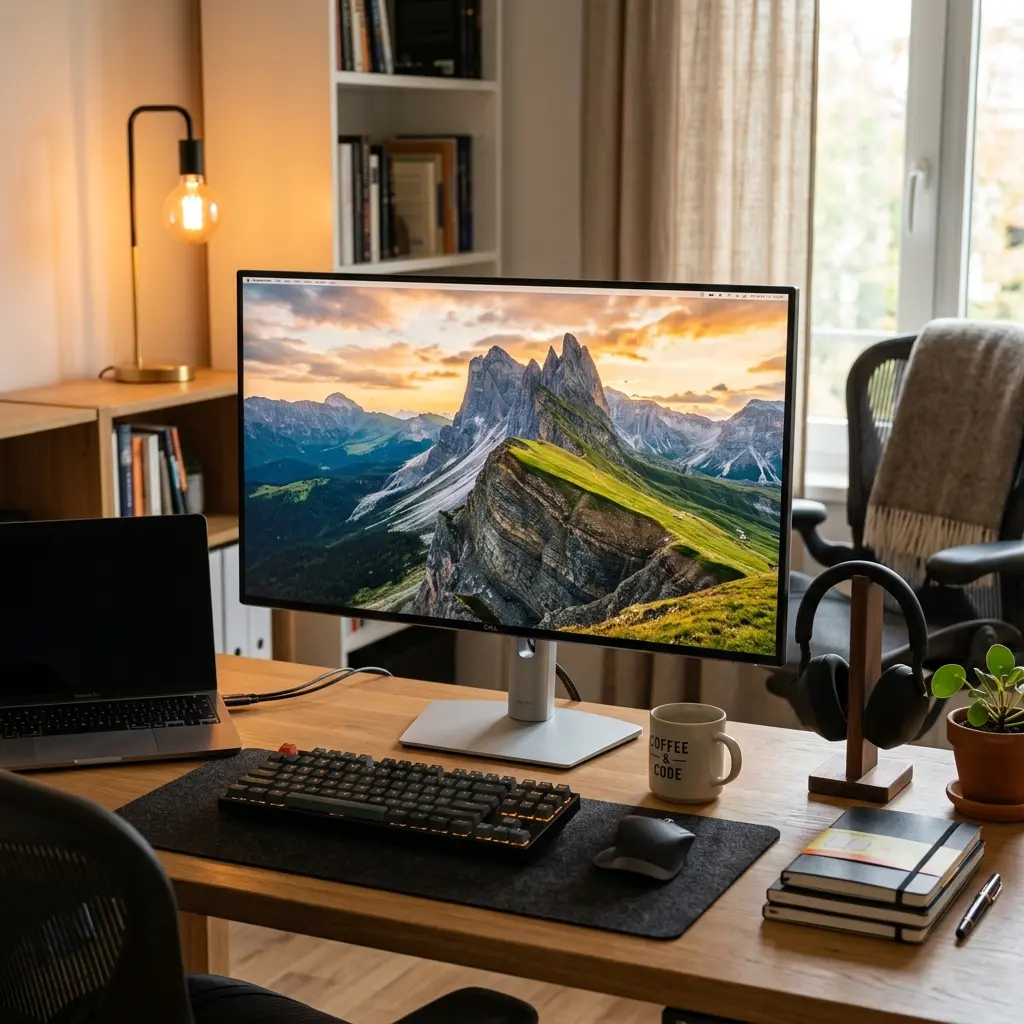
DomineTec Tip: Consider using a monitor arm to free up desk space and allow for optimal positioning.
Buying Recommendations and Brands
Leading brands like LG, Acer, and ASUS consistently produce high-quality IPS monitors catering to diverse gaming needs.
Models should be evaluated based on user reviews, warranty, and specific gaming requirements.

- Determine the preferred screen size and resolution.
- Decide on the necessary refresh rate for competitive gaming.
- Evaluate panel technology for specific gaming genres.
- Read reviews and comparisons for real-world performance insights.
- Consider ergonomics and adjustability based on usage habits.
Value Analysis and Verdict
Investing in a high-quality IPS monitor enhances the overall gaming experience through superior visuals and responsiveness.
Long-term benefits include improved color accuracy, better eye comfort, and enhanced gameplay performance.
Color Gamuts and Reproduction
Color gamuts define the range of colors a monitor can display, significantly impacting the visual experience during gaming and content creation.
Most modern IPS gaming monitors cover a wide color gamut, such as sRGB, Adobe RGB, and DCI-P3, allowing for vibrant and lifelike visuals.
Monitors with superior color reproduction can enhance gameplay by providing accurate and vivid colors, making environments appear more immersive.
When selecting a monitor, consider its color gamut coverage to ensure you are getting a display that meets your visual expectations.
Refresh Rate and Response Time
Refresh rate and response time are critical specifications that dictate how smoothly games are rendered on the screen.
A higher refresh rate, typically 144Hz or above, allows for smoother motion, which is essential for fast-paced gaming environments.
Response time, measured in milliseconds, indicates how quickly a pixel can change from one color to another, with lower values reducing motion blur.
When gaming, prioritizing monitors with both high refresh rates and low response times can significantly enhance performance and visual clarity.
Adaptive Sync Technologies
Adaptive sync technologies, such as NVIDIA G-Sync and AMD FreeSync, help eliminate screen tearing and stuttering during gameplay.
These technologies synchronize the refresh rate of the monitor to the frame rate output of the graphics card, ensuring a smoother gaming experience.
Choosing a monitor with adaptive sync support can greatly improve performance, particularly in competitive gaming scenarios.
It is important to verify compatibility with your graphics card to fully leverage the benefits of these adaptive sync technologies.
Connectivity Options and Features
The variety of connectivity options available on a gaming monitor influences how easily it can integrate with different devices.
Common ports such as HDMI, DisplayPort, and USB-C provide flexibility for connecting gaming consoles, PCs, and peripherals.
Additionally, features like built-in USB hubs can enhance user convenience by allowing easy access to connect devices without reaching behind the monitor.
When evaluating connectivity options, ensure that the monitor supports the latest standards for optimal performance and compatibility.
Calibration and Customization
Calibration is essential for achieving optimal color accuracy and visual performance in gaming monitors.
Many IPS monitors offer factory calibration, but users may also benefit from manual calibration tools to fine-tune display settings.
Customization options, such as adjustable color profiles and gaming presets, can enhance the gaming experience based on individual preferences.
Investing time in calibration can lead to a monitor that not only performs well but also meets specific aesthetic and gameplay needs.
Gaming-Specific Features
Modern gaming monitors are equipped with features designed specifically to enhance the gaming experience beyond standard specifications.
Features like crosshair overlays, frame rate counters, and customizable RGB lighting can provide added advantages and immersion during gameplay.
Some monitors also include low input lag modes, which ensure that gameplay is responsive and fluid, essential for competitive gaming.
When selecting a gaming monitor, consider these features to find a model that best aligns with your gaming style and preferences.
Environmental Impact and Energy Efficiency
As sustainability becomes a growing concern, the environmental impact of electronics, including gaming monitors, is worth considering.
Energy-efficient monitors consume less power, reducing environmental footprints and lowering electricity bills over time.
Many manufacturers are now focusing on eco-friendly designs, utilizing recyclable materials and energy-efficient technologies in their products.
When purchasing a gaming monitor, look for certifications such as Energy Star or EPEAT to identify environmentally responsible choices.
Panel Types and Their Impact on Gaming Experience
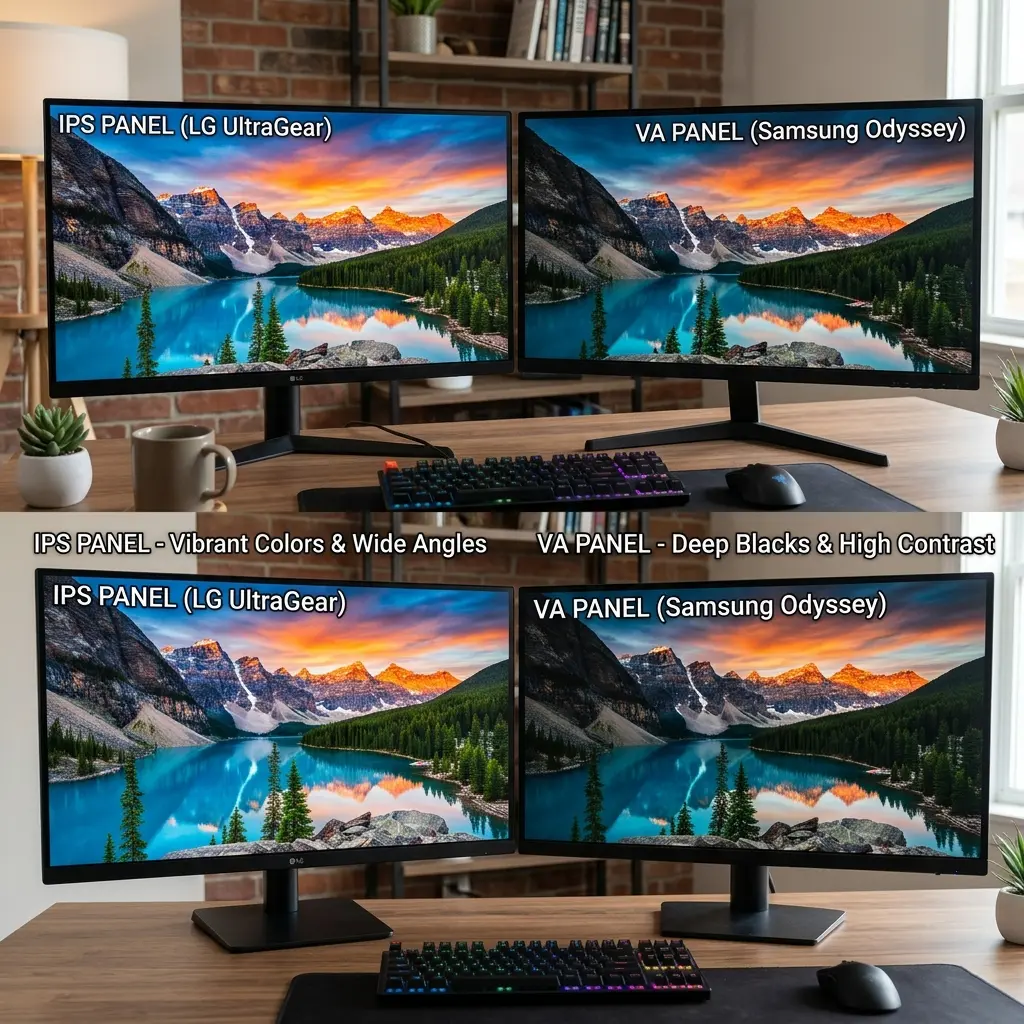
When discussing IPS gaming monitors, it's essential to understand the different panel types available on the market. In addition to IPS, there are TN (Twisted Nematic) and VA (Vertical Alignment) panels, each offering unique advantages and disadvantages.
TN panels are known for their rapid response times, making them suitable for competitive gaming. However, their color accuracy and viewing angles are generally inferior to those of IPS panels, which can lead to a less immersive experience.
VA panels, on the other hand, excel in contrast ratios and deep blacks, but they may suffer from slower response times and color shift when viewed from off-angles. Choosing the right panel type can significantly affect a gamer's overall experience.
Ultimately, the choice between IPS, TN, and VA should be influenced by the specific gaming needs and preferences of the user, as well as the types of games being played.
Impact of Display Size on Gaming Experience
The size of a gaming monitor plays a crucial role in enhancing the gaming experience. A larger screen can provide a more immersive environment, allowing players to take in more details and feel more engaged with the game world.
However, larger displays can also introduce challenges, such as pixel density and viewing distance. A 27-inch monitor may require a different setup compared to a 24-inch monitor to maintain optimal image clarity and comfort.
Additionally, the physical space available for the monitor should be considered. Users with limited desk space might find that a smaller monitor fits better while still providing an enjoyable gaming experience.
Ultimately, selecting the right display size should balance immersion and practicality, taking into account the gaming environment and personal preferences.
Gaming Genres and Monitor Requirements
Different gaming genres often have varying requirements when it comes to monitor features. For instance, fast-paced shooters benefit from high refresh rates and low response times, while RPGs may prioritize color accuracy for a more immersive experience.
In competitive gaming, a monitor's performance can be the difference between victory and defeat. Gamers often look for displays that minimize motion blur and provide fluid motion during intense action sequences.
On the other hand, strategy games may emphasize high resolution and color reproduction, as players need to discern fine details and distinguish between various units and environments.
Understanding the specific needs of each genre can help gamers choose the most suitable monitor, ultimately enhancing their gameplay experience.
Future Trends in Gaming Monitor Technology
The gaming monitor industry is evolving rapidly, with new technologies emerging to enhance user experience. Innovations such as OLED technology are becoming more prevalent, offering unparalleled contrast ratios and color vibrancy.
Furthermore, developments in mini-LED backlighting are allowing for better brightness control and improved HDR performance. These advancements aim to create more realistic and engaging visual experiences for gamers.
Additionally, the integration of artificial intelligence in monitor settings is paving the way for smarter calibration and optimization based on individual gaming styles and preferences.
As technology continues to advance, gamers can expect even more innovative features that will redefine the standards of performance, immersion, and visual fidelity in gaming monitors.
Importance of Firmware Updates and Support
Regular firmware updates are essential for maintaining optimal performance in gaming monitors. Manufacturers often release updates to fix bugs, improve compatibility, and enhance performance, ensuring that users benefit from the latest advancements.
Support from manufacturers can also play a significant role in a user's experience. Reliable customer service and responsive support teams can address concerns and assist with troubleshooting issues that may arise during usage.
Additionally, community forums and online resources can provide valuable insights and tips for optimizing monitor settings, further enhancing the gaming experience.
Choosing a brand that prioritizes ongoing support and firmware updates can lead to a more satisfying and long-lasting ownership experience.
Input Lag and Its Implications for Competitive Gaming
Input lag is a critical factor that can significantly influence a gamer's performance, particularly in fast-paced competitive scenarios. Measured in milliseconds, input lag refers to the delay between a user's action (such as pressing a button) and the corresponding on-screen response. Monitors with low input lag are essential for competitive gaming, as they ensure that commands are executed in real-time, providing a smoother and more responsive experience.
Modern IPS gaming monitors generally offer improved input lag compared to their predecessors, but the performance can vary widely among different models. Some high-end IPS panels boast input lag measurements as low as 1 ms, making them suitable for even the most demanding esports titles. It is advisable for gamers to check independent reviews and benchmarks to ascertain the input lag of specific monitors before making a purchase.
In addition to raw input lag numbers, the overall gaming experience is also influenced by other factors like refresh rate and response time. A monitor with a high refresh rate and low response time can complement low input lag, resulting in a seamless gaming experience. Gamers should prioritize monitors that balance these three metrics to achieve optimal performance.
Moreover, understanding the implications of input lag can help gamers choose the right monitor for their gaming style. Those engaged in fast-paced genres such as first-person shooters or fighting games should prioritize monitors with the lowest input lag, while those who play slower-paced games may find that a slightly higher input lag does not significantly impact their enjoyment.
Color Calibration Techniques for Enhanced Gaming Experience
Color calibration is an essential process that ensures a monitor displays colors accurately, enhancing the overall gaming experience. While many IPS monitors come pre-calibrated from the factory, gamers looking for the best visual fidelity may benefit from performing custom calibrations. This involves adjusting settings such as brightness, contrast, and color temperature to achieve the most true-to-life visuals.
Various tools are available to assist in the calibration process, including hardware colorimeters and software solutions. Colorimeters can measure the monitor's output and suggest adjustments, while software applications can provide a user-friendly interface to make these changes manually. Investing in a good calibration tool can be particularly beneficial for gamers who also engage in creative tasks, such as graphic design or video editing.
Calibration can also extend to in-game settings, where adjusting color profiles or using built-in game modes can optimize visual performance further. Many gaming titles offer options to modify color settings, enabling gamers to tailor their visual experience based on personal preferences or specific gameplay scenarios. This level of customization can significantly impact immersion and engagement during gaming sessions.
Finally, maintaining an ongoing calibration routine is essential, as monitors can drift over time due to factors such as usage hours and environmental changes. Regular calibration checks can ensure that colors remain accurate and vibrant, allowing gamers to enjoy the full spectrum of visual detail that modern games have to offer.
Display Coatings and Reflection Management
Display coatings play a crucial role in enhancing the gaming experience by managing reflections and glare that can detract from image quality. Matte coatings are prevalent in gaming monitors as they reduce reflections and allow for better visibility in brightly lit environments.
Conversely, glossy coatings can enhance color vibrancy and contrast, but they are more susceptible to reflections, which could be problematic in certain gaming setups. The choice between matte and glossy finishes often depends on the lighting conditions of the gaming environment and personal preference.
Advanced anti-glare technologies are also emerging, providing a middle ground by minimizing reflections while maintaining color accuracy and sharpness. Understanding the impact of display coatings on visual performance is essential for gamers who prioritize immersion and clarity during gameplay.
Ultimately, the right display coating can enhance the overall gaming experience, making it essential for consumers to consider this aspect when selecting a monitor. Gamers should weigh their typical environments and usage scenarios when deciding on the appropriate coating type.
Impact of Calibration and Color Profiles on Gaming Experience
Calibration is a critical aspect of achieving optimal color accuracy and visual performance in gaming monitors. Many high-end models come with factory calibration, but users may benefit from custom calibration to better suit their specific gaming preferences and environments.
Color profiles can significantly affect how games are perceived visually, impacting elements such as mood and atmosphere. Different genres may benefit from distinct color profiles, with vibrant colors enhancing action games while more subdued tones may be preferable for immersive storytelling experiences.
Utilizing calibration tools and software can help gamers fine-tune their monitors to ensure that colors appear as intended by game developers. This can lead to an enriched gaming experience, allowing players to fully appreciate the artistic direction of their favorite games.
Moreover, staying informed about color calibration techniques can empower gamers to make the most of their display technology, ensuring that their monitors perform optimally across various titles. Regular calibration can also prolong the lifespan of the monitor by ensuring consistent performance over time.
Frequently Asked Questions
What is the advantage of IPS over other panel types?
IPS panels typically offer superior color accuracy and wider viewing angles compared to TN and VA panels.
Are IPS monitors good for competitive gaming?
Yes, modern IPS monitors provide high refresh rates and low response times, making them suitable for competitive play.
What refresh rate is ideal for gaming?
A refresh rate of 144Hz or higher is generally recommended for a smoother gaming experience, especially in fast-paced games.
How does color accuracy affect gaming?
Accurate colors enhance visual immersion and can provide a competitive edge by improving object recognition in games.
What should be considered when choosing a monitor size?
Monitor size should be based on desk space, viewing distance, and personal preference for immersive gameplay.




