Best HDR1000 Monitors for Content Creators and Professionals
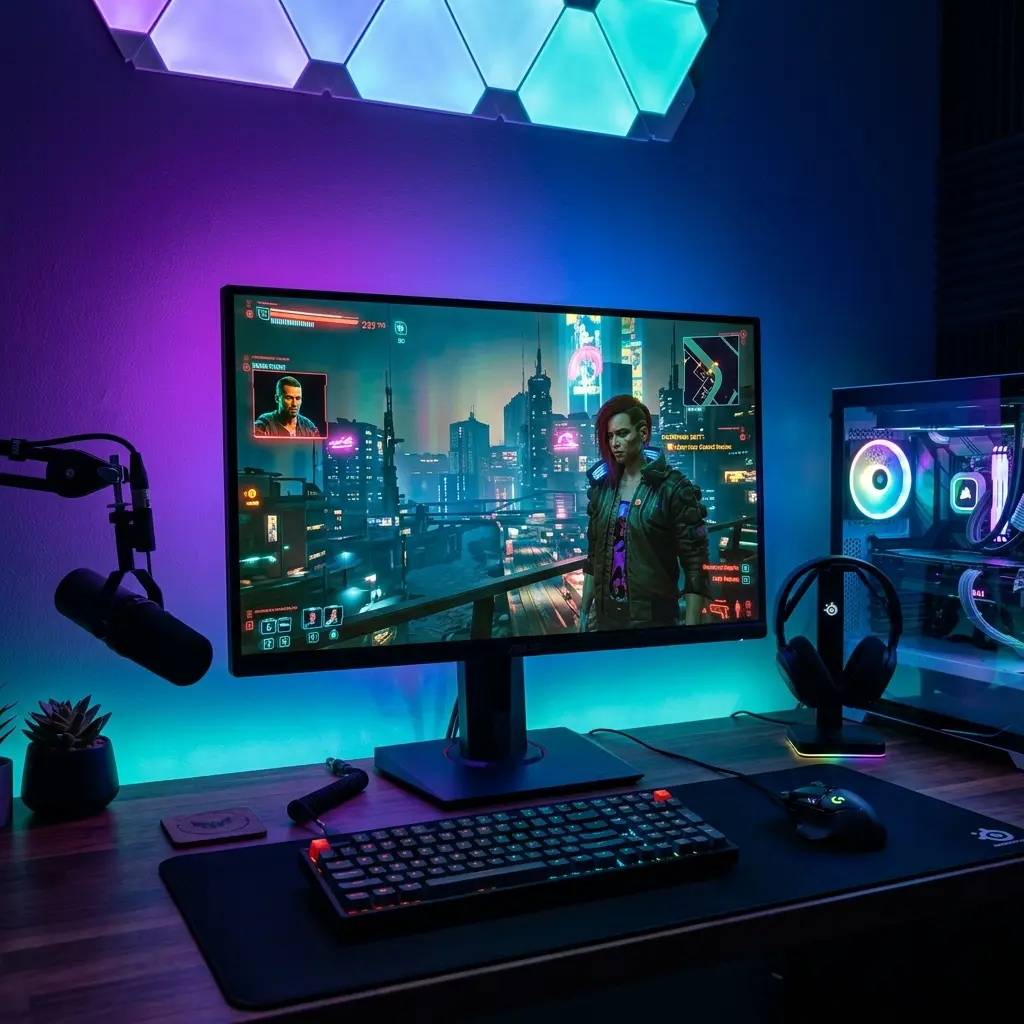
Discover the best HDR1000 monitors that cater to the needs of content creators and professionals, ensuring exceptional image quality.
Physical Aspects and Resolution
HDR1000 monitors typically feature a resolution of at least 3840 x 2160 pixels, ensuring sharp and detailed visuals for precise editing. The screen size usually ranges from 27 to 32 inches, providing ample workspace for multitasking.
Performance and Technology
Utilization of Quantum Dot technology enhances color accuracy and brightness, with peak brightness levels reaching 1000 nits. Response times are often as low as 1ms, accommodating fast-paced content creation scenarios.
Ergonomics and Visual Comfort
Most HDR1000 monitors come with adjustable stands, allowing for height, tilt, and swivel adjustments to maintain optimal viewing angles. Flicker-free technology and blue light filters reduce eye strain during extended use.
| Model | Resolution | Brightness (nits) | Panel Type | Refresh Rate |
|---|---|---|---|---|
| LG UltraFine 32UN880 | 3840 x 2160 | 1000 | IPS | 60Hz |
| BenQ PD3220U | 3840 x 2160 | 1000 | IPS | 60Hz |
| ASUS ProArt PA32UCX | 3840 x 2160 | 1200 | Mini LED | 60Hz |
| Dell UltraSharp UP2720Q | 3840 x 2160 | 1000 | IPS | 60Hz |
Materials and Durability
Monitors are often constructed with high-quality materials such as aluminum and durable plastics, ensuring longevity. Screens are generally treated with anti-glare coatings to enhance usability in various lighting conditions.
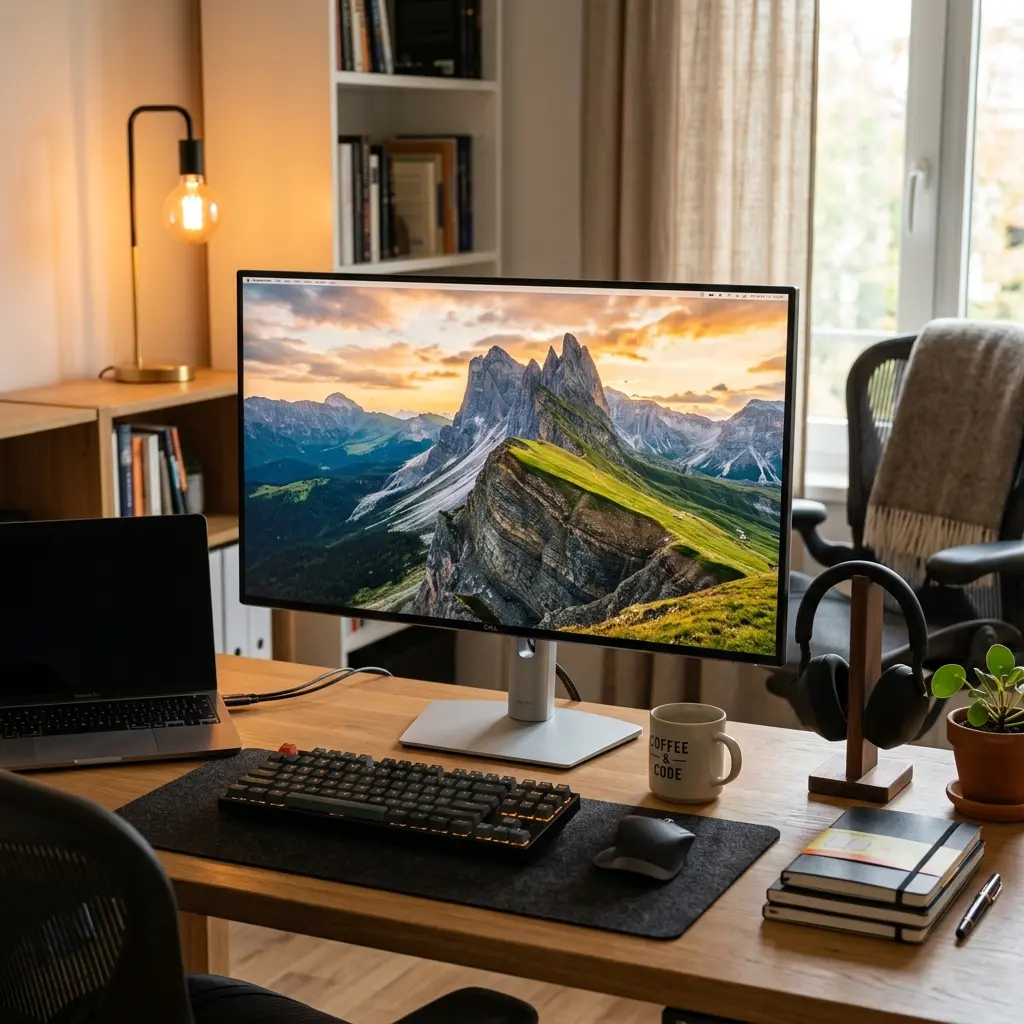
DomineTec Tip: Ensure the monitor is positioned at eye level to prevent neck strain and improve posture.
Buying Recommendations and Brands
Leading brands such as LG, BenQ, ASUS, and Dell offer an array of HDR1000 monitors tailored for professionals. Each brand provides unique features, ensuring a choice suited to various creative needs.
- Determine the primary use case, whether for video editing, graphic design, or gaming.
- Evaluate the necessary color accuracy and resolution based on the projects undertaken.
- Consider connectivity options like HDMI, DisplayPort, and USB-C for compatibility with devices.
- Look for features such as built-in calibration tools to maintain color accuracy.
- Research customer reviews and professional recommendations before making a purchase.
Value Analysis and Verdict
Investing in an HDR1000 monitor translates to enhanced productivity and superior image quality for content creators. The long-term benefits often outweigh the initial costs, making it a wise choice for professionals.
Color Accuracy and Calibration
Color accuracy is critical for content creators, particularly in fields like photography, graphic design, and video editing. Monitors that support HDR1000 standards often feature wide color gamuts, ensuring that colors appear vibrant and true to life.
Calibration is an essential process that allows users to adjust their monitors to display colors accurately. Many HDR1000 monitors come with factory calibration, but professional creators may prefer to perform manual calibration using tools like colorimeters for precise results.
Regular calibration can help maintain color fidelity over time, especially in professional environments where color consistency is paramount. Some monitors include built-in calibration features, while others may require external calibration devices.
Investing in a monitor with excellent color accuracy and reliable calibration tools can significantly impact the quality of the final output, ensuring that the content meets industry standards and client expectations.
HDR Performance and Brightness Levels
HDR performance is a defining characteristic of HDR1000 monitors, which can achieve peak brightness levels of 1000 nits or more. This high brightness allows for stunning visuals, with bright highlights and deep shadows that create a more immersive viewing experience.
In addition to peak brightness, the overall brightness uniformity across the screen is important. Monitors that maintain consistent brightness levels across various content types can enhance the viewing experience, particularly when working with HDR content.
Some monitors also feature local dimming technology, which improves contrast by dynamically adjusting the backlight in different areas of the screen. This technology can enhance the HDR effect by providing deeper blacks and more vivid colors.
Evaluating HDR performance should include consideration of how the monitor handles different types of HDR content, including HDR10, Dolby Vision, and HLG. Each format has its own characteristics, and a monitor's ability to display them accurately can significantly affect content quality.
Connectivity and Compatibility
Connectivity options are crucial for professionals who often work with multiple devices. A good HDR1000 monitor should support various input types, including HDMI 2.0 and DisplayPort 1.4, to accommodate different sources without compromising performance.
Compatibility with different operating systems and software can also impact a professional's workflow. Monitors that support various color spaces and HDR formats can provide greater flexibility when working with diverse content types.
In addition to standard inputs, features like USB-C connectivity and built-in hubs can enhance usability. This allows for easier connection to laptops and other devices, streamlining the workflow for content creators.
Considering future-proofing is essential as well, as newer standards like HDMI 2.1 may become more prevalent. Choosing a monitor with advanced connectivity options ensures longevity and adaptability in a rapidly evolving technology landscape.
User Interface and Control Options
A user-friendly interface is essential for efficient monitor usage, especially for professionals who require quick adjustments during creative processes. Monitors with intuitive on-screen display (OSD) menus allow users to navigate settings easily.
Control options such as physical buttons, joystick controllers, or remote access can enhance usability. Monitors that offer customizable settings can allow creators to switch profiles based on specific tasks, such as gaming, photo editing, or video production.
Additionally, some monitors come equipped with software that facilitates remote control and settings adjustment from a computer. This can streamline workflows and reduce distractions during critical editing sessions.
Evaluating the responsiveness and clarity of the OSD can also impact user experience. Monitors that offer clear instructions and accessible navigation can help users make adjustments quickly and efficiently.
Viewing Angles and Panel Technology
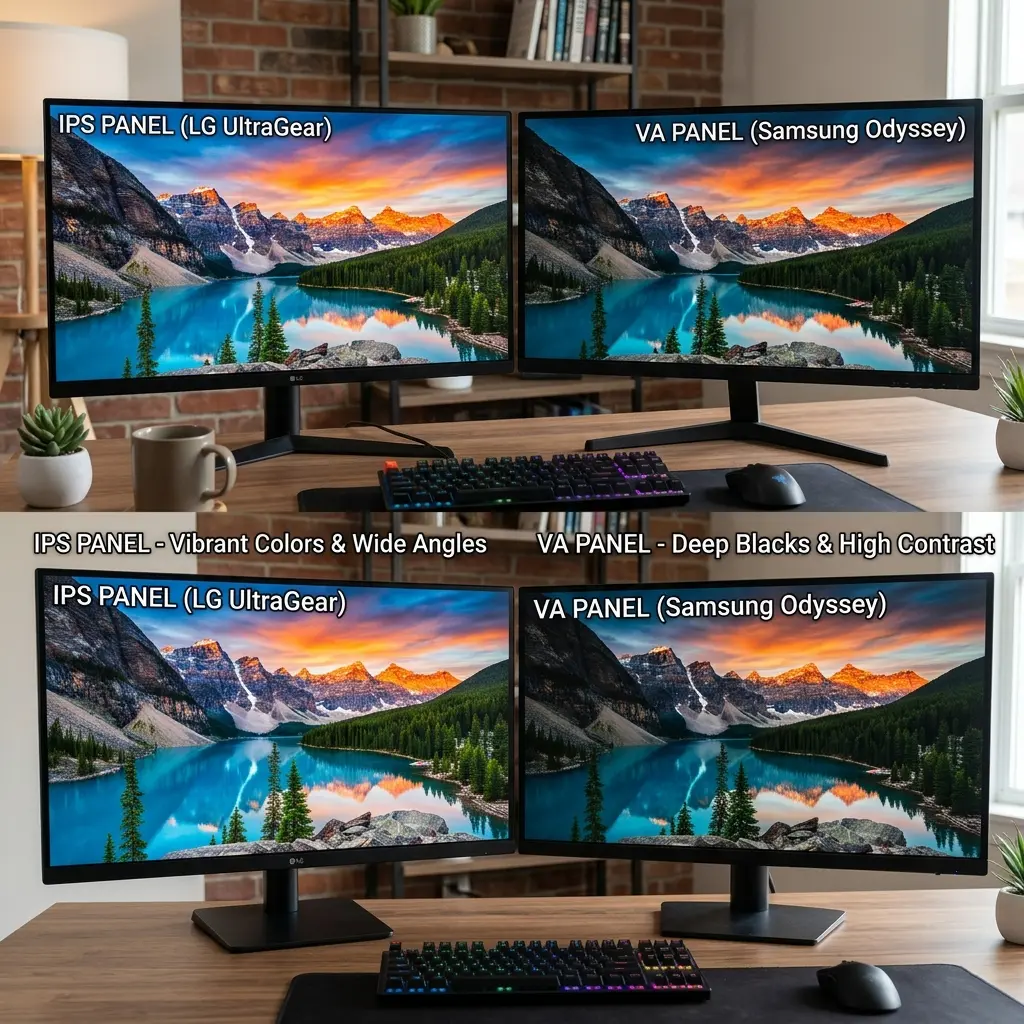
The type of panel technology used in HDR1000 monitors can significantly affect the viewing experience. IPS panels are often favored for their superior color accuracy and wide viewing angles, making them ideal for collaborative work environments.
Viewing angle is particularly important for content creators working in teams or with clients, as it ensures that colors and details remain consistent from different perspectives. Monitors that maintain color integrity at wider angles can prevent discrepancies during presentations and reviews.
VA panels, while offering better contrast ratios, may have limitations in viewing angles compared to IPS. Understanding the trade-offs between panel types can help professionals choose the right monitor for their specific needs.
Ultimately, the choice of panel technology should align with the intended use. For tasks requiring precise color work, an IPS panel may be the best choice, whereas a VA panel might suffice for general multimedia consumption.
Advanced Features and Customization
Advanced features such as HDR gaming modes, adaptive sync technologies like G-Sync or FreeSync, and customizable presets can enhance the overall functionality of HDR1000 monitors. These features cater to various user needs, including gaming and multimedia creation.
Customizable presets allow users to switch between different settings optimized for specific tasks. This flexibility can improve efficiency, especially for professionals who frequently transition between activities such as video editing and gaming.
Additionally, features like picture-in-picture (PiP) and picture-by-picture (PbP) allow users to multitask more efficiently. These functionalities enable viewing content from multiple sources simultaneously, enhancing productivity during collaborative projects.
When evaluating monitors, consider how these advanced features align with your workflow. Investing in a monitor that offers tailored options can greatly enhance the user experience and overall productivity.
Environmental Considerations and Energy Efficiency
As sustainability becomes increasingly important, the environmental impact of technology products cannot be overlooked. Many HDR1000 monitors now come with energy-efficient certifications, indicating lower energy consumption without sacrificing performance.
Energy-efficient monitors not only reduce electricity costs but also contribute to a smaller carbon footprint. This is particularly relevant for professionals who spend long hours in front of their screens, as energy savings can add up over time.
Additionally, eco-friendly manufacturing processes, such as the use of recycled materials, are becoming more common in monitor production. Supporting brands that prioritize sustainability can align with a creator's values and contribute to broader environmental goals.
Considering the environmental impact of a monitor can be an essential factor for responsible consumers. An energy-efficient HDR1000 monitor can provide high-quality performance while supporting sustainable practices in the tech industry.
Image Processing and Refresh Rates
Image processing is a critical aspect of HDR1000 monitors, particularly for content creators who require precision and clarity in their work. Advanced algorithms are employed to enhance video quality, reducing artifacts and improving overall viewing experiences.
Refresh rates play a significant role in the fluidity of motion on screen. Monitors with higher refresh rates (120Hz and above) provide smoother transitions, which is particularly beneficial for video editing and gaming, allowing for a more immersive experience.
Many HDR1000 monitors support variable refresh rates (VRR), which synchronize the display's refresh rate with the output of the graphics card. This technology minimizes screen tearing and stuttering, ensuring seamless visuals during fast-paced content creation or gaming sessions.
Additionally, features like motion blur reduction are increasingly being integrated into HDR1000 monitors, further enhancing the viewing experience. This minimizes ghosting effects that can hinder the clarity of fast-moving content.
Calibration Tools and Software Integration
Calibration tools are essential for achieving optimal color accuracy in HDR1000 monitors. Many manufacturers include built-in calibration software that allows users to adjust settings based on their specific needs, ensuring true-to-life color representation.
Third-party calibration tools are also widely available, providing advanced options for professionals who demand the highest level of precision. These tools can analyze the monitor's performance and suggest adjustments to enhance color fidelity and brightness levels.
Software integration is another vital element for content creators, as many HDR1000 monitors are compatible with popular editing software. This compatibility allows for seamless workflow integration, making it easier for professionals to manage their projects effectively.
Regular calibration is recommended to maintain optimal performance, especially for those working with critical color applications. This practice ensures that the monitor continues to deliver accurate and consistent results over time.
Market Trends and Future Developments
The market for HDR1000 monitors is rapidly evolving, with manufacturers continuously innovating to meet the demands of content creators and professionals. Recent trends indicate a growing emphasis on mini-LED technology, which offers improved brightness and contrast ratios compared to traditional LED panels.
Additionally, the integration of AI-driven features is becoming more prevalent, allowing for real-time adjustments based on the content being displayed. This technology enhances user experience by providing automatic optimization tailored to specific tasks.
As remote work and digital content creation continue to rise, there is an increasing focus on connectivity features. Future HDR1000 monitors are likely to include more versatile connectivity options, such as Thunderbolt 4 and advanced USB-C capabilities, to cater to a wider range of devices.
Looking ahead, sustainability will also play a key role in the development of HDR1000 monitors. Manufacturers are expected to adopt eco-friendly materials and energy-efficient technologies, responding to the growing demand for environmentally responsible products in the tech industry.
Color Gamut and HDR Standards
The color gamut of a monitor refers to the range of colors it can display, which is crucial for content creators who require precision in their work. Monitors that support wider color gamuts, such as Adobe RGB and DCI-P3, provide richer hues and more accurate color reproduction, making them essential for professional graphic design and video editing.
HDR standards, including HDR10, Dolby Vision, and HLG, play a significant role in how content is experienced. These standards define the specifications for brightness, contrast, and color accuracy, enabling content creators to produce work that not only looks stunning on their monitors but also translates well to various viewing platforms.
When choosing an HDR1000 monitor, it is essential to consider its ability to cover a substantial portion of these color gamuts. This capability ensures that the monitor can reproduce colors faithfully, which is particularly important for tasks like photo retouching and color grading in film production.
Furthermore, monitors that meet or exceed HDR standards can display a broader dynamic range, showcasing deeper blacks and more vibrant highlights. This feature not only enhances the viewing experience but also allows creators to work with more nuanced visuals, ultimately leading to higher-quality output.
Calibration and Maintenance Best Practices
Calibration is a vital process for ensuring that monitors perform optimally over time, especially for HDR1000 models. Utilizing tools like colorimeters can help achieve accurate color representation, ensuring that the display meets industry standards required for professional work.
Regular maintenance, including cleaning the screen and updating firmware, is necessary to preserve the monitor's performance. Dust and fingerprints can detract from image quality, while firmware updates may introduce enhancements and fixes that improve overall functionality.
Content creators should establish a calibration routine, especially after moving the monitor or changing the environment's lighting conditions. This practice helps maintain color accuracy and ensures that the monitor continues to deliver the expected HDR performance.
Additionally, understanding the specific calibration settings recommended by the manufacturer can lead to better overall results. This knowledge enables users to fine-tune their monitors to suit their unique workflow and preferences, maximizing the benefits of HDR technology.
Frequently Asked Questions
What is HDR1000?
HDR1000 refers to the brightness level that displays can achieve, with 1000 nits allowing for vibrant highlights and deeper blacks.
Are HDR1000 monitors worth the investment?
Yes, especially for professionals needing color accuracy and dynamic range for content creation.
What panel types are best for HDR?
IPS and Mini LED panels are preferred for their superior color accuracy and wider viewing angles.
How can I improve my workspace ergonomics?
Using an adjustable monitor stand and ergonomic chair can significantly enhance comfort and reduce strain during long hours of work.
Do HDR monitors require special cables?
Yes, using HDMI 2.0 or DisplayPort 1.4 cables is essential to fully utilize HDR capabilities.




