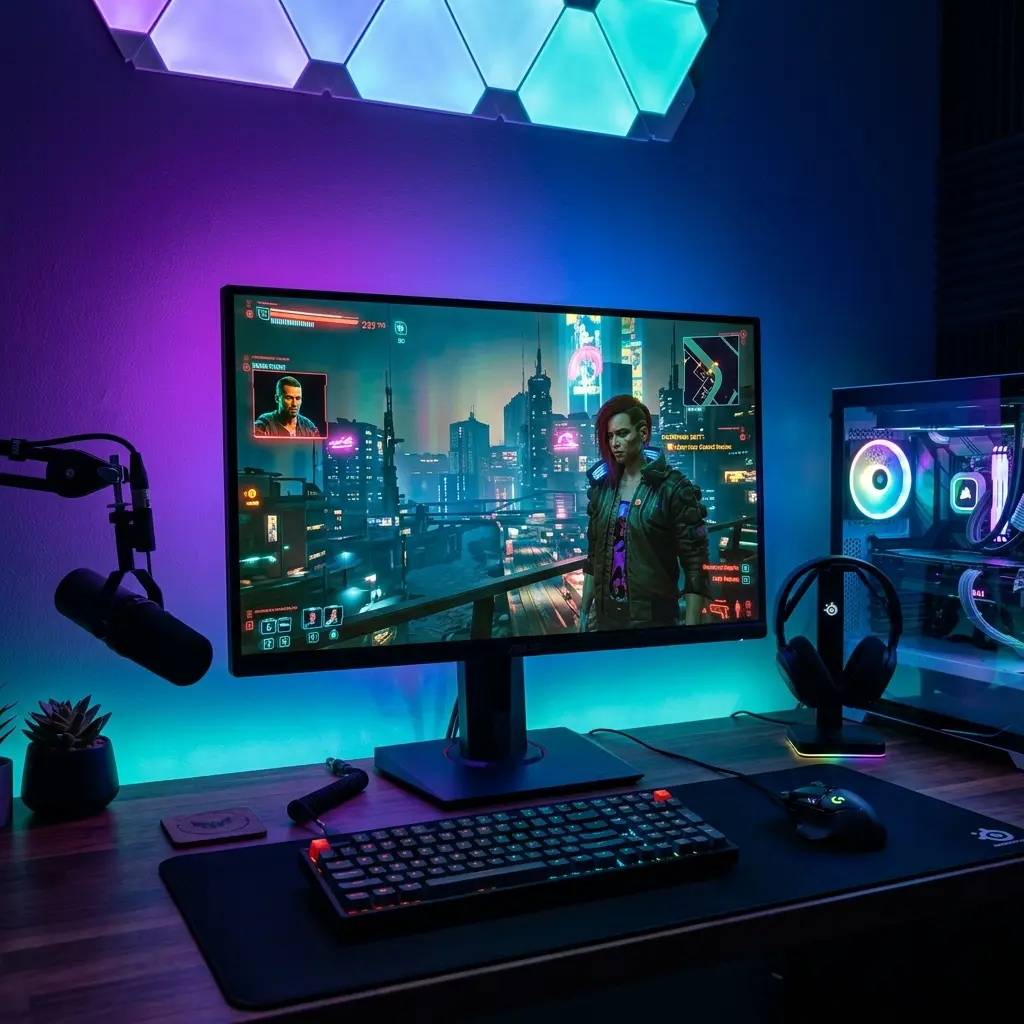
Discover the best gaming monitors available on KaBuM, featuring unbeatable deals and detailed reviews.
Physical Aspects and Resolution
Monitors in the gaming category often feature resolutions ranging from Full HD (1920x1080) to 4K (3840x2160). Screen sizes typically vary between 24 to 34 inches, catering to diverse display preferences.
Performance and Technology
High refresh rates, such as 144Hz or 240Hz, provide smoother gameplay, while technologies like G-Sync and FreeSync minimize screen tearing. A quick response time, ideally below 5ms, is essential for competitive gaming scenarios.
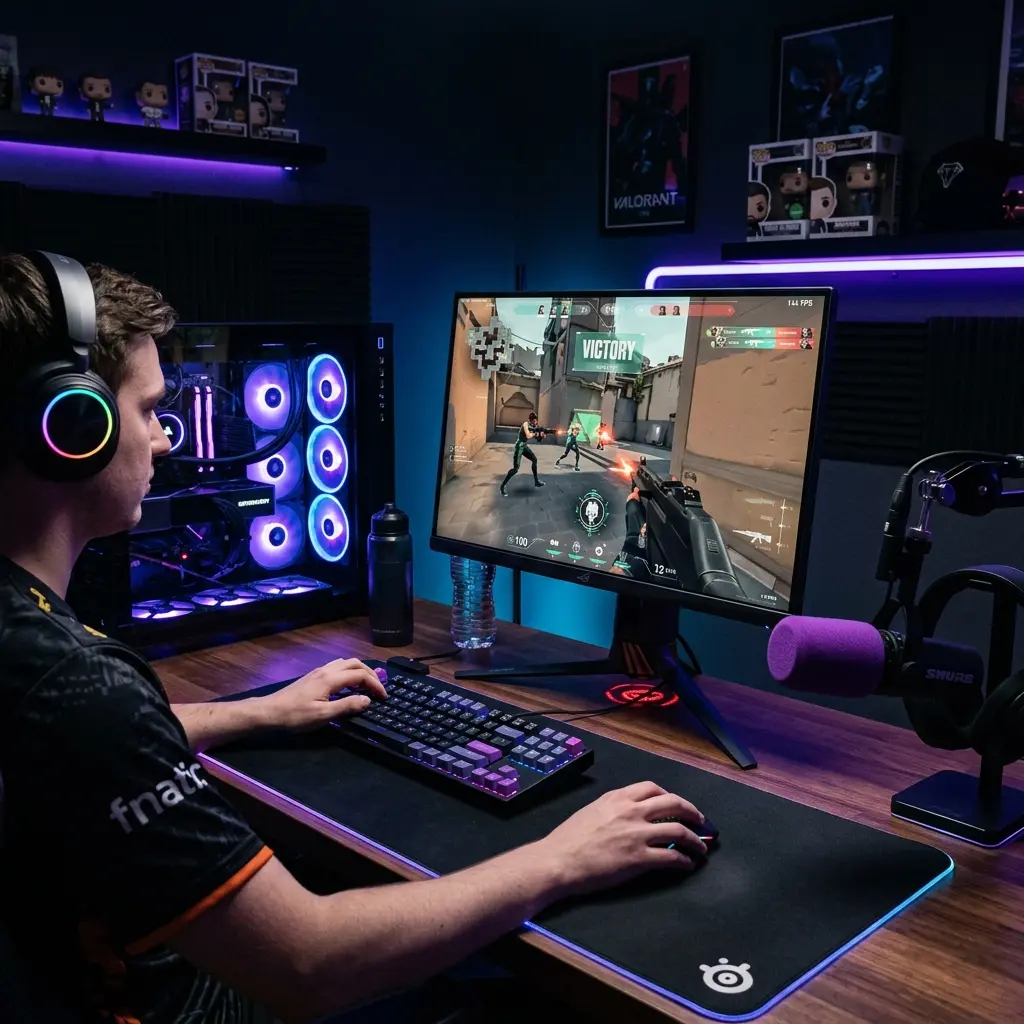
Ergonomics and Visual Comfort
Adjustable stands and VESA compatibility enhance user comfort, allowing for optimal viewing angles. Features like flicker-free technology and blue light filters reduce eye strain during extended gaming sessions.
| Monitor Model | Resolution | Refresh Rate | Response Time | Panel Type |
|---|---|---|---|---|
| Acer Predator XB271HU | 2560x1440 | 144Hz | 4ms | IPS |
| ASUS ROG Swift PG259QN | 1920x1080 | 360Hz | 1ms | IPS |
| LG UltraGear 27GN950 | 3840x2160 | 144Hz | 1ms | Nano IPS |
Materials and Durability
Monitors typically utilize high-quality plastics and metal to ensure durability and aesthetic appeal. Brands like ASUS and Acer often incorporate robust stands and bezels that withstand frequent adjustments.
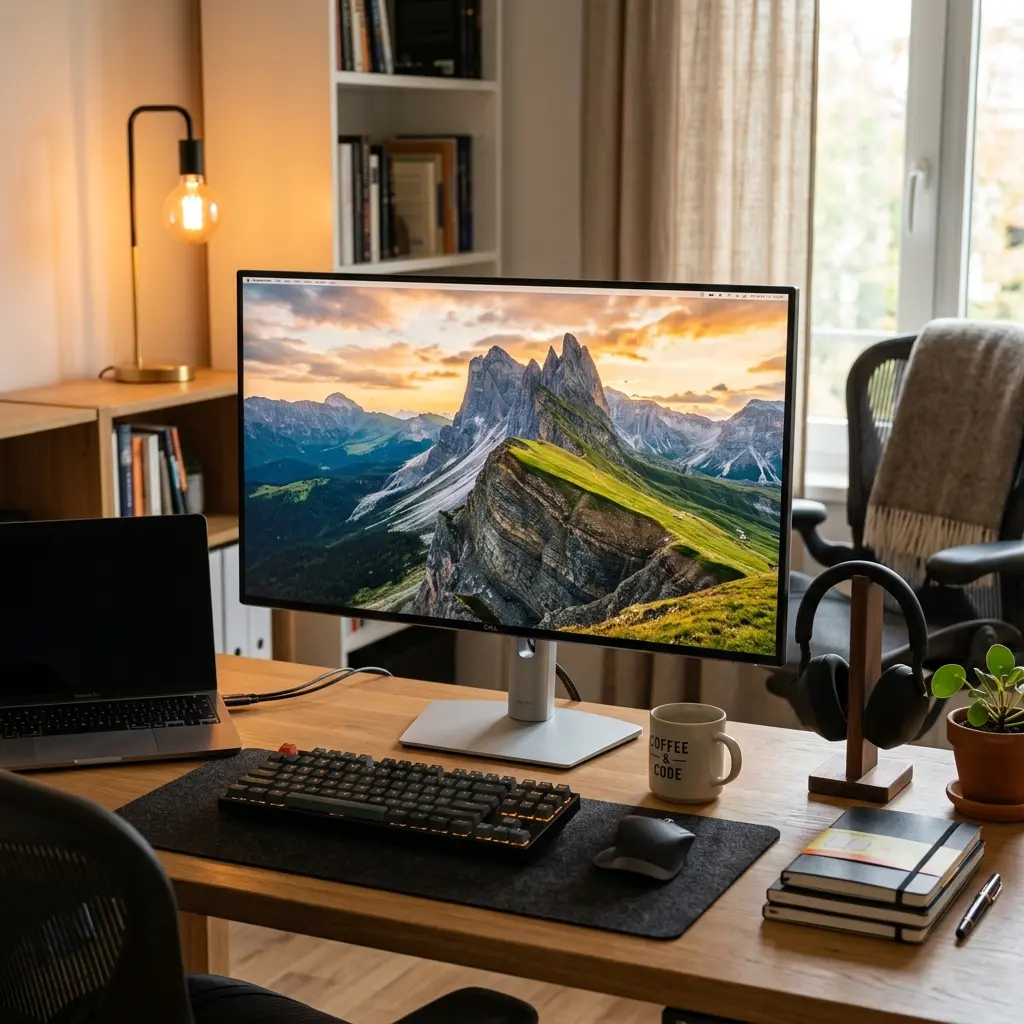
DomineTec Tip: Position the monitor at eye level to maintain proper posture and reduce neck strain.
Buying Recommendations and Brands
Leading brands such as Dell, ASUS, and Samsung offer a variety of models tailored for different gaming needs. Consider factors like screen size, resolution, and refresh rate when making a decision.
- Assess gaming requirements (casual vs. competitive).
- Determine preferred resolution (1080p, 1440p, or 4K).
- Choose refresh rate based on gaming style (144Hz or higher for fast-paced games).
- Evaluate ergonomics and adjustability.
- Research brand reputations and warranty offerings.
Value Analysis and Verdict
Investing in a quality gaming monitor enhances the overall gaming experience, making it a crucial component of a gaming setup. Balancing performance with budget considerations will yield the best results.
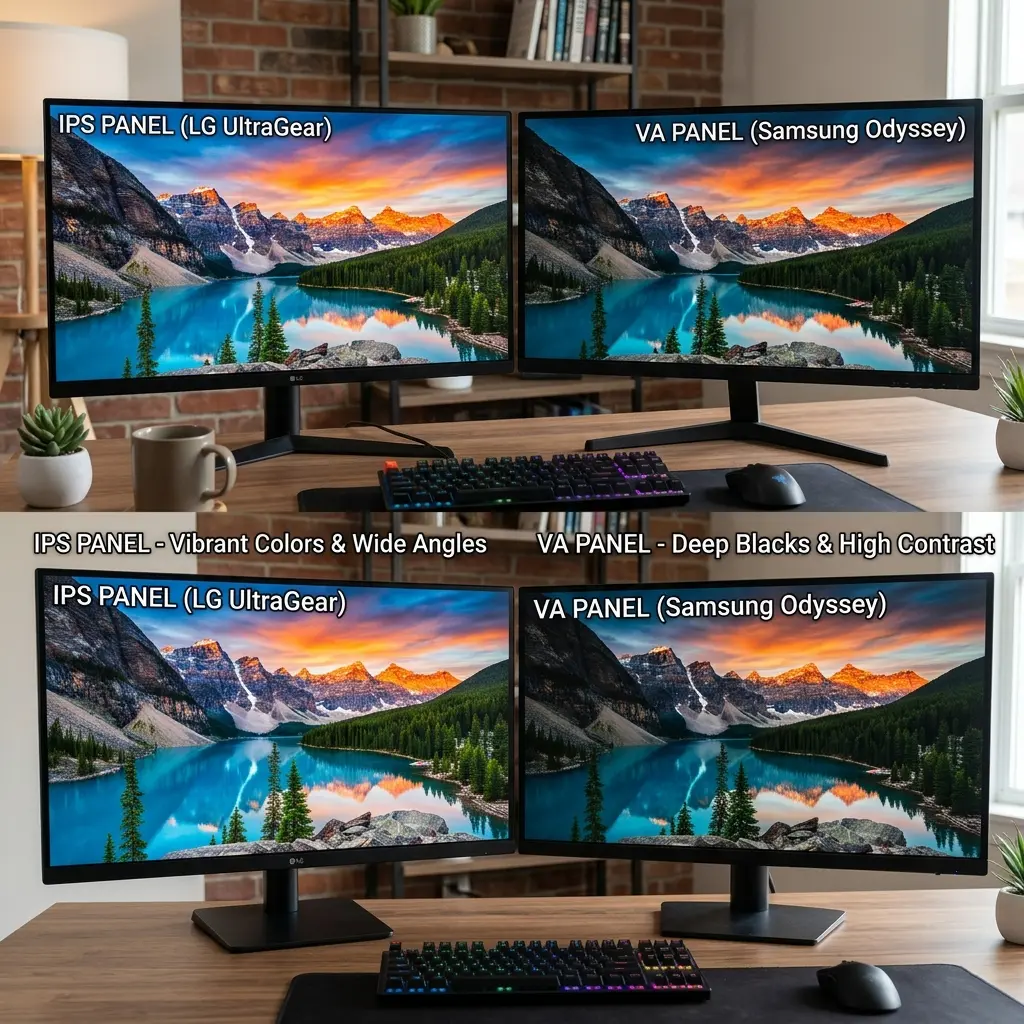
Refresh Rate and Response Time
The refresh rate of a gaming monitor plays a crucial role in delivering a smooth gaming experience. Measured in hertz (Hz), a higher refresh rate means that the monitor can display more frames per second, which is particularly important for fast-paced games.
Most gaming monitors now offer refresh rates of 144Hz or even 240Hz, significantly reducing motion blur and providing a more fluid visual experience. Gamers often prefer higher refresh rates to enhance their reaction times in competitive gameplay.
Response time, on the other hand, is the time it takes for a pixel to change from one color to another. Lower response times, ideally 1ms to 3ms, can help reduce ghosting effects, where previous images linger on the screen, leading to distractions during gameplay.
When selecting a monitor, it is essential to consider both refresh rate and response time in tandem to ensure that the hardware meets the demands of your gaming preferences.
Adaptive Sync Technologies
Adaptive sync technologies, such as NVIDIA G-SYNC and AMD FreeSync, are integral to modern gaming monitors. These technologies synchronize the monitor's refresh rate with the graphics card's frame rate, minimizing screen tearing and stuttering.
G-SYNC, developed by NVIDIA, requires specific hardware to work properly, often leading to a premium price point for compatible monitors. However, it offers superior performance in scenarios where frame rates fluctuate.
FreeSync, on the other hand, is an open standard technology that works with a broader range of hardware, including AMD and some NVIDIA graphics cards. It generally offers a more cost-effective solution for gamers looking to enhance their visual experience without breaking the bank.
Choosing a monitor with adaptive sync technology can greatly improve overall gameplay, especially in fast-paced action games where performance consistency is key.
Connectivity Options and Compatibility
The range of connectivity options available on gaming monitors is vital for ensuring compatibility with various gaming setups. Common ports include HDMI, DisplayPort, and USB-C, each offering different advantages.
HDMI is widely used and supports high-definition video and audio, making it a standard choice for consoles and PCs. DisplayPort, however, is often preferred by gamers due to its higher bandwidth capabilities and support for higher refresh rates.
USB-C connectivity is becoming increasingly popular, particularly for laptops and devices that require a single-cable solution for video, audio, and power. Monitors with USB-C ports can simplify connectivity, especially in portable or compact setups.
When choosing a gaming monitor, it is crucial to evaluate the available ports and ensure that they align with your current and future gaming hardware to avoid compatibility issues.
Color Accuracy and Calibration
Color accuracy is an essential feature for gaming monitors, as it directly influences the visual quality of games. Monitors with high color accuracy can provide a more immersive experience by rendering colors that are true to life.
Many gaming monitors come with factory calibration, which ensures that colors are displayed as intended out of the box. However, enthusiasts may want to invest in professional calibration tools to fine-tune their displays for even better results.
Look for monitors with wide color gamuts, such as those supporting sRGB, Adobe RGB, or DCI-P3 standards, to ensure vibrant and diverse colors. These specifications indicate the range of colors the monitor can reproduce, which can enhance the gaming experience significantly.
For competitive gamers, accurate color representation can be pivotal, as it helps in distinguishing between different elements in the game environment, providing a strategic advantage.
Gaming Features and Customization
Many gaming monitors come equipped with specialized features designed to enhance the gaming experience. These may include customizable RGB lighting, on-screen displays, and gaming presets tailored for different genres.
Customizable RGB lighting can add a personal touch to your gaming setup, allowing users to sync lighting effects with gameplay for a more immersive experience. On-screen displays can provide real-time information like frame rates and system performance, aiding gamers in making informed decisions during gameplay.
Gaming presets automatically adjust the monitor's settings based on the type of game being played, optimizing visuals for better performance. These presets can be particularly useful for gamers who switch between genres frequently.
When choosing a gaming monitor, consider the additional gaming features it offers, as they can significantly enhance both enjoyment and performance during gaming sessions.
Portability and Space Considerations
Portability is becoming increasingly relevant in the world of gaming monitors, especially with the rise of mobile gaming and compact gaming setups. Lightweight monitors are easier to transport, making them ideal for gamers who attend LAN parties or gaming events.
Space considerations are also critical when selecting a monitor. Many gamers prefer larger screens for immersive experiences, but this can lead to challenges in smaller gaming spaces. It's essential to measure available space to find a monitor that fits comfortably without compromising performance.
Some monitors come with adjustable stands or VESA mount compatibility, allowing for versatile positioning that can save desk space. This flexibility can be a game-changer for those with limited setups.
Ultimately, balancing portability and space requirements is essential for gamers who want both functionality and comfort in their gaming environments.
Environmental Considerations and Energy Efficiency
As the gaming industry evolves, environmental considerations and energy efficiency are becoming increasingly important. Modern gaming monitors are designed with energy-saving features that can help reduce power consumption without sacrificing performance.
Look for monitors with ENERGY STAR certifications as they meet strict energy efficiency guidelines. These monitors often include features like automatic brightness adjustments and low power modes, which can significantly lower energy usage.
Additionally, some manufacturers are taking steps to minimize their environmental impact by using sustainable materials and eco-friendly packaging. This approach not only supports a healthier planet but also appeals to environmentally conscious consumers.
When selecting a gaming monitor, consider its energy efficiency and sustainability features, as they can contribute to a more responsible gaming experience.
Gaming Monitor Types: Curved vs Flat
Choosing between curved and flat gaming monitors can significantly impact the gaming experience. Curved monitors are designed to provide a more immersive field of view, making them ideal for expansive gaming environments.
Flat monitors, on the other hand, offer a traditional viewing experience that some players prefer for competitive gaming. The choice often depends on personal preference and the type of games played.
Curved monitors can reduce distortion at the edges, enhancing the overall visual quality. However, they may not be suitable for all setups, especially in multi-monitor configurations.
Flat monitors generally present a more straightforward installation and calibration process, making them accessible for gamers who prioritize ease of use. Understanding the pros and cons of each type can help gamers select the best monitor for their needs.
Future-Proofing Your Purchase
When investing in a gaming monitor, considering future-proofing is essential for long-term satisfaction. Technology in gaming is constantly evolving, and choosing a monitor that can adapt to these changes is wise.
Look for monitors that support the latest display technologies, such as HDMI 2.1 and DisplayPort 2.0, which offer higher bandwidth for better resolutions and refresh rates. These features ensure compatibility with upcoming gaming consoles and graphics cards.
Additionally, consider monitors with upgradeable firmware or features that allow for adjustments over time. Such capabilities can extend the lifespan of your monitor as new gaming technologies emerge.
Future-proofing also involves considering your gaming habits. If you anticipate upgrading your gaming rig in the near future, select a monitor that can handle higher specifications to accommodate these advancements.
Community Feedback and User Reviews
Community feedback plays a vital role in evaluating the performance of gaming monitors. User reviews often provide insights into the real-world performance of monitors beyond technical specifications.
Many gamers share their experiences regarding color accuracy, build quality, and overall satisfaction after prolonged use. This feedback can highlight potential issues that might not be apparent in manufacturer descriptions.
Engaging with online forums and review platforms can help potential buyers make informed decisions. Real user experiences can shed light on how monitors perform under different gaming conditions.
Additionally, community feedback can guide buyers in understanding customer service experiences and warranty claims, which are essential factors when investing in high-end gaming monitors.
Gaming Monitor Compatibility with Consoles
With the rise of next-gen consoles like the PlayStation 5 and Xbox Series X, gamers are increasingly seeking monitors that can seamlessly integrate with these devices. Compatibility is crucial, as many consoles support 4K output and high refresh rates, making specific monitor features more relevant than ever.
Look for monitors that support HDMI 2.1, which allows for higher bandwidth to accommodate 4K gaming at 120Hz. This feature ensures that console gamers can experience smooth gameplay without stuttering or screen tearing, particularly in fast-paced titles.
Additionally, some gaming monitors come with specific console modes that optimize settings for gaming, enhancing response times and reducing input lag. These modes can significantly improve the overall gaming experience for console users.
In summary, ensuring that your gaming monitor is compatible with current and future consoles will enhance your gaming experience. It is advisable to check for specifications that align with your console's capabilities before making a purchase.
Impact of Monitor Size on Gaming Experience
The size of a gaming monitor plays a pivotal role in the overall user experience, influencing immersion and field of view. Larger monitors typically provide a more engaging experience, making it easier to spot distant enemies and appreciate intricate graphics.
However, monitor size should be balanced with the resolution and viewing distance. For example, a 27-inch monitor at 1440p can deliver sharper images than a 32-inch monitor at the same resolution, which may result in pixelation if viewed too closely.
Another consideration is the gaming setup and space available. Gamers with limited desk space may find that a smaller monitor fits better while still providing a high-quality experience. Conversely, those with more room may prefer larger displays for an immersive gaming environment.
Ultimately, choosing the right monitor size involves considering personal preferences, gaming styles, and the physical space available. A thoughtful selection can greatly enhance gameplay enjoyment and effectiveness.
Calibration and User Settings
Calibration is a crucial step in optimizing the visual performance of gaming monitors, allowing users to achieve accurate color representation and improved overall image quality. Many high-end monitors come with built-in calibration tools, but for those that don’t, third-party calibration devices can provide a significant upgrade.
Users should consider their specific gaming needs when configuring monitor settings. For instance, adjusting brightness and contrast levels can enhance visibility in darker game environments, while tweaking color settings can improve the vibrancy and depth of in-game visuals.
Moreover, some monitors feature customizable presets that allow gamers to switch between settings tailored for different genres, such as fast-paced shooters or visually rich RPGs. Exploring these options can lead to a more immersive gaming experience.
Regular calibration is also recommended to maintain optimal performance over time, especially as monitors can drift from their original settings due to factors like usage and age. Keeping up with calibration ensures that the gaming experience remains consistently enjoyable.
Impact of Monitor Technology on Eye Health
As gaming becomes more immersive, the health implications of prolonged screen time are gaining attention. Various monitor technologies have been developed to mitigate eye strain, including blue light filters and flicker-free technology.
Blue light emitted from screens can disrupt sleep patterns and cause discomfort during extended gaming sessions. Many modern monitors now include settings to reduce blue light exposure, making them more suitable for lengthy gameplay.
Flicker-free technology is another important feature designed to reduce eye fatigue. Traditional monitors often use PWM (Pulse Width Modulation) to control brightness, which can cause flickering that is not always noticeable but can lead to eye strain over time.
Choosing monitors with these health-conscious features can enhance not only the gaming experience but also the overall well-being of gamers, allowing them to enjoy longer sessions without the adverse effects associated with extended screen time.
Frequently Asked Questions
What screen size is best for gaming?
A screen size between 24 to 32 inches is commonly recommended for immersive gaming experiences.
Is 144Hz worth it for casual gaming?
For casual gaming, 144Hz provides a smoother experience, reducing motion blur and enhancing enjoyment.
What is the difference between IPS and TN panels?
IPS panels offer better color accuracy and viewing angles, while TN panels provide faster response times but poorer color reproduction.
Should I choose a curved monitor?
Curved monitors help create a more immersive experience but may not suit all users’ preferences or desk setups.
How important is a low response time?
A low response time (1-5ms) is crucial for competitive gaming, reducing ghosting and improving overall performance.




