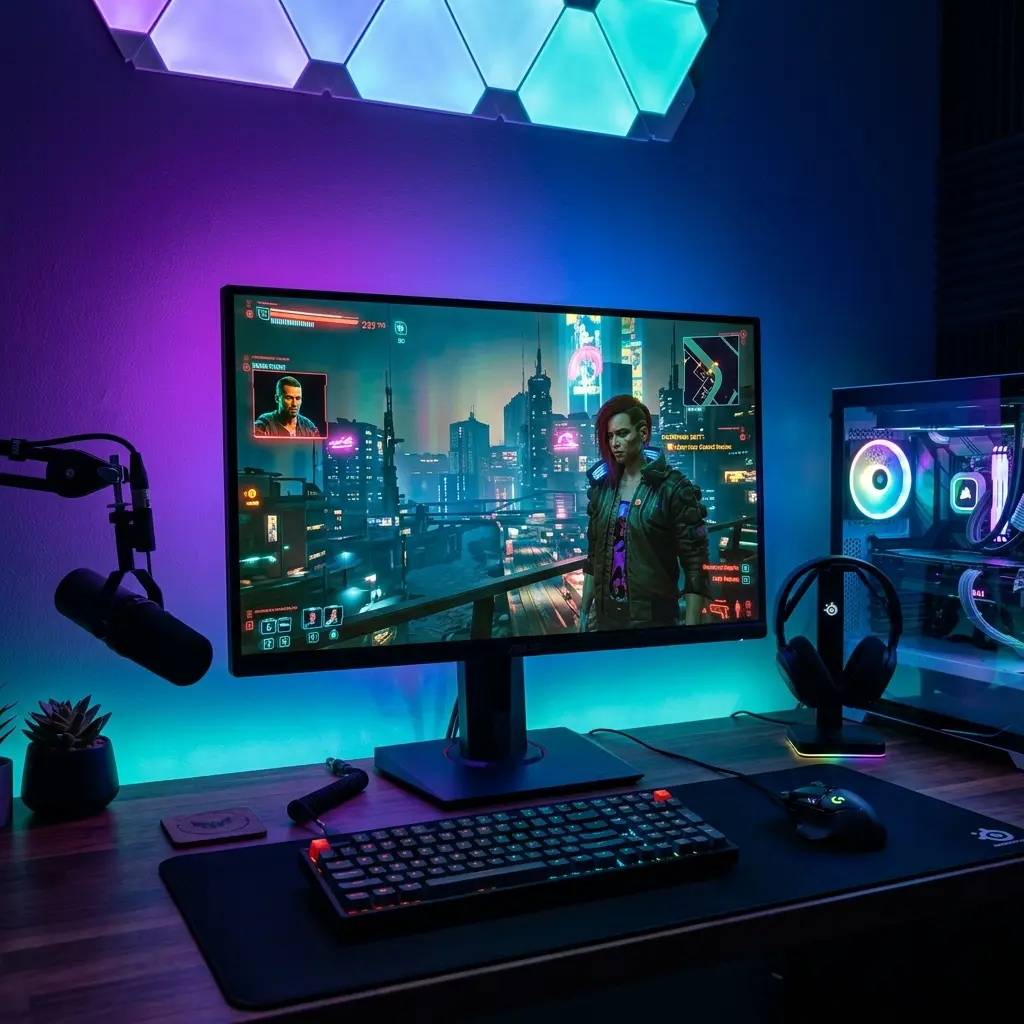
Discover the best gaming monitors equipped with built-in USB hubs, enhancing convenience and performance for gamers.
Physical Aspects and Resolution
High-quality gaming monitors typically feature resolutions ranging from Full HD (1920x1080) to 4K (3840x2160). These displays often incorporate various screen sizes, allowing for immersive gameplay experiences.
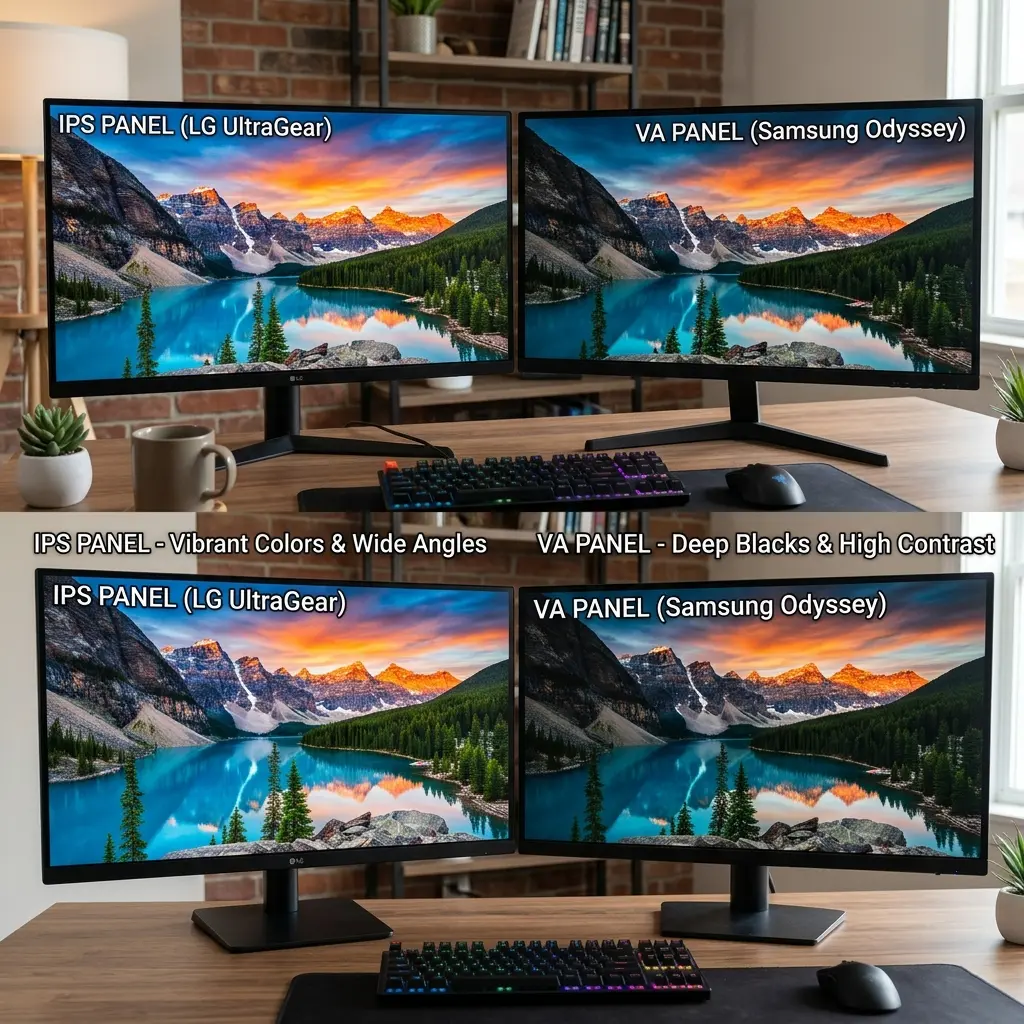
Panel types such as IPS, TN, and VA each offer distinct color reproduction and viewing angles, which influence visual fidelity during play.
Performance and Technology
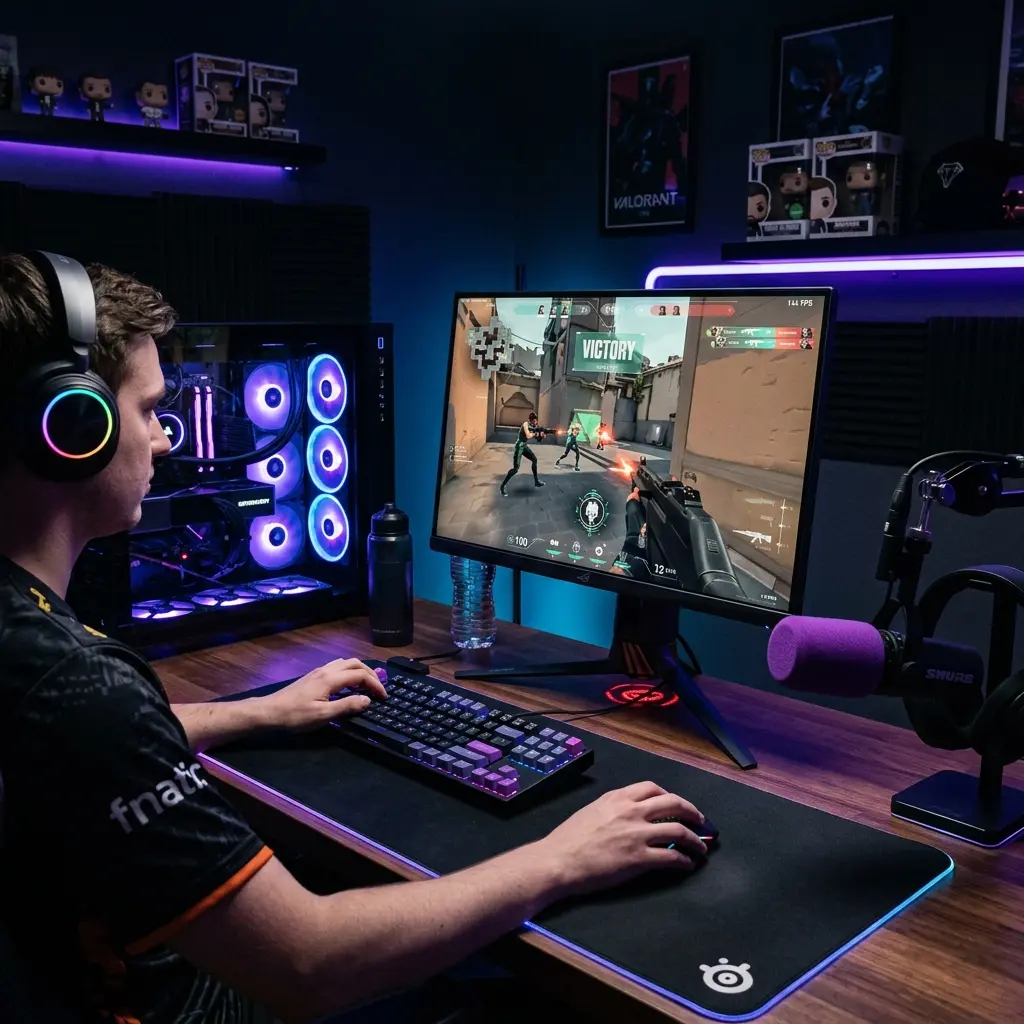
Monitors with refresh rates of 144Hz and 240Hz provide smoother motion, significantly benefiting competitive gaming. Adaptive sync technologies like G-Sync and FreeSync further reduce screen tearing and input lag.
Ergonomics and Visual Comfort
Adjustable stands offer tilt, swivel, and height adjustments, ensuring optimal viewing angles and reducing neck strain. Anti-glare coatings and blue light filters are common features that enhance visual comfort during extended gaming sessions.
| Monitor Model | Resolution | Refresh Rate | Panel Type | USB Hub |
|---|---|---|---|---|
| ASUS ROG Swift PG259QN | 1920x1080 | 360Hz | IPS | Yes |
| Acer Predator X27 | 3840x2160 | 144Hz | IPS | Yes |
| LG UltraGear 27GN950 | 3840x2160 | 144Hz | IPS | Yes |
| Samsung Odyssey G7 | 2560x1440 | 240Hz | VA | Yes |
Materials and Durability
Most gaming monitors utilize high-quality plastics and metals, ensuring structural integrity and longevity. VESA mount compatibility often enhances the versatility of monitor setups.
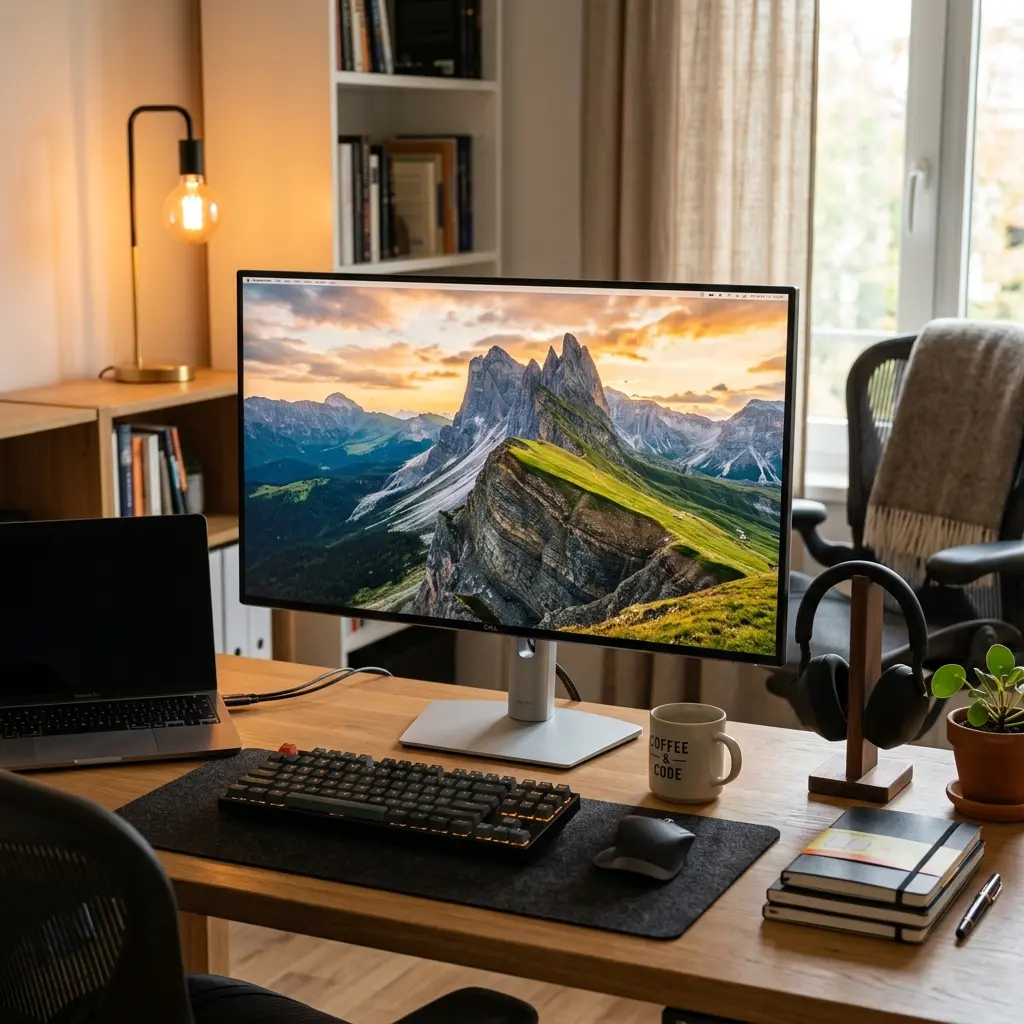
DomineTec Tip: Ensure the monitor's height is aligned with eye level to promote better posture and reduce fatigue during prolonged use.
Buying Recommendations and Brands
Leading brands offering high-quality gaming monitors include ASUS, Acer, LG, and Dell. Each brand presents models tailored for varying performance needs and budgets.
- Determine required resolution based on gaming preferences.
- Assess refresh rates needed for competitive gaming.
- Evaluate the necessity of USB hub features for peripheral connectivity.
- Consider panel type for optimal color and viewing angles.
- Research user reviews for real-world performance insights.
Value Analysis and Verdict
Investing in a gaming monitor with a built-in USB hub enhances overall gaming efficiency and connectivity. The right choice balances performance, ergonomics, and durability.
Connectivity Options and Compatibility
When selecting a gaming monitor with a built-in USB hub, evaluating its connectivity options is crucial. Monitors should ideally support multiple connectivity types, including HDMI, DisplayPort, and USB-C, to cater to various gaming setups.
USB hub functionality enhances the monitor's versatility, allowing users to connect peripherals directly to the display. This feature is particularly beneficial for gamers who prefer a cleaner desk setup without multiple cables trailing across their workspace.
Compatibility with gaming consoles and PCs is another important aspect. Many modern gaming monitors are designed to work seamlessly with both platforms, offering plug-and-play convenience for users.
Additionally, it's vital to check the version of USB ports available on the monitor. USB 3.0 or higher is recommended for faster data transfer rates, which can significantly improve the performance of gaming accessories connected to the hub.
Color Accuracy and Gamut Coverage
Color accuracy is a critical factor for gamers who want an immersive experience. A monitor that offers a wide color gamut ensures that games appear vibrant and lifelike.
Many gaming monitors advertise coverage of color spaces like sRGB, Adobe RGB, or DCI-P3, which determine how accurately colors are reproduced. A higher percentage of coverage in these color spaces usually indicates better performance in displaying diverse hues.
Calibration is also an important consideration for achieving optimal color accuracy. Some monitors come factory-calibrated, while others may require users to perform manual adjustments to achieve the desired color fidelity.
For gamers involved in creative work or those who value visual aesthetics in gaming, selecting a monitor with strong color accuracy can enhance both gameplay and productivity.
Refresh Rate and Response Time
Refresh rate and response time are pivotal specs for gaming monitors. A higher refresh rate delivers smoother visuals, which is particularly important in fast-paced games where every frame counts.
Many gaming monitors now support refresh rates of 144Hz or even 240Hz, making them ideal for competitive gaming. Such high refresh rates enhance the overall gaming experience by reducing motion blur and improving responsiveness.
Response time, measured in milliseconds, indicates how quickly a pixel can change from one color to another. Lower response times are preferable as they minimize ghosting and trailing, which can detract from gameplay.
It is advisable to look for monitors with a balance of high refresh rates and low response times to ensure optimal performance across different gaming genres.
Adaptive Sync Technologies
Adaptive sync technologies like AMD FreeSync and NVIDIA G-SYNC play a significant role in delivering a tear-free gaming experience. These technologies dynamically adjust the monitor's refresh rate to match the graphics card's output, preventing screen tearing and stuttering.
Choosing a monitor that supports one of these technologies can significantly enhance gameplay, particularly in action-packed or competitive titles where timing is critical.
In addition to improving visual smoothness, adaptive sync technologies can also reduce input lag, making the overall gaming experience more responsive and enjoyable.
Gamers should check for certification labels on monitors, as these indicate compatibility with specific graphics cards and the effectiveness of the adaptive sync technology employed.
Audio Features and Integrated Speakers
While many gamers prefer using dedicated headsets for audio, integrated speakers can still play a role in enhancing the gaming experience, especially in casual scenarios. Monitors with built-in speakers can provide decent sound quality for everyday use.
Some gaming monitors are equipped with advanced audio technologies, such as Dolby Atmos or DTS, which can enhance sound immersion during gameplay. These features may provide a more enveloping audio experience, complementing the visual elements.
However, it's essential to manage expectations regarding the quality of integrated speakers. Generally, dedicated speakers or gaming headsets will offer superior audio performance compared to built-in options.
For users who wish to minimize clutter, having monitor-integrated audio can be a practical solution, especially in setups where space is limited.
Lighting and Aesthetics
Lighting features in gaming monitors have become increasingly popular, with many models offering customizable RGB lighting. This aesthetic appeal not only enhances the overall look of the gaming setup but can also provide ambient lighting effects that improve immersion.
Some monitors allow users to synchronize lighting with in-game events or other RGB components in their setup, creating a cohesive visual experience. This personalization can add a unique touch to a gaming station.
Additionally, the design and build quality of the monitor contribute to its overall aesthetics. Sleek designs with minimal bezels can make a significant difference in how a gaming area is perceived.
Ultimately, while aesthetics may not directly impact performance, they can influence the user's overall enjoyment and satisfaction with their gaming environment.
Environmental Considerations and Energy Efficiency
In today's world, environmental considerations are increasingly relevant when purchasing electronic devices, including gaming monitors. Energy efficiency is a crucial factor, as it affects both the environment and long-term operating costs.
Monitors with Energy Star certification or similar ratings indicate that they meet specific energy efficiency standards. These monitors can reduce power consumption, contributing to lower electricity bills and a smaller carbon footprint.
Some manufacturers are also focusing on sustainable practices in their production processes, using recycled materials and minimizing waste. Consumers interested in environmentally friendly products should look for brands that prioritize sustainability.
Moreover, features like automatic brightness adjustment can further enhance energy efficiency by reducing power use based on ambient lighting conditions.
Gaming Monitor Calibration and Settings Optimization
Calibrating a gaming monitor is essential for achieving the best visual experience. Proper calibration can significantly enhance color accuracy, contrast, and overall image quality, making it crucial for both casual gamers and competitive players.
Most modern gaming monitors come with built-in presets for different gaming genres, such as FPS, RPG, or RTS. However, manual calibration may be necessary to achieve the most accurate results tailored to individual preferences and specific lighting conditions.
Utilizing calibration tools and software can simplify the process. These tools help adjust settings such as brightness, contrast, and gamma to ensure the display is optimized for the best performance.
Additionally, frequent adjustments may be needed as ambient lighting changes or after extended use. Regularly revisiting calibration settings helps maintain an optimal gaming experience over time.
Impact of USB Hubs on Gaming Setup Efficiency
Built-in USB hubs on gaming monitors can greatly enhance the efficiency of a gaming setup. These hubs provide convenient access to multiple USB ports, reducing cable clutter and streamlining connections for peripherals.
By integrating a USB hub into the monitor, players can easily connect devices such as keyboards, mice, and gaming controllers without needing to search for free ports on a desktop or laptop. This accessibility promotes a more organized and efficient workspace.
Furthermore, the inclusion of USB-C ports in some gaming monitors allows for charging devices and transferring data simultaneously. This dual functionality is particularly beneficial for gamers who rely on mobile devices during gameplay.
As gaming setups become increasingly complex, the role of USB hubs cannot be underestimated. They contribute to a seamless gaming experience by simplifying device management and minimizing interruptions caused by connectivity issues.
Future Trends in Gaming Monitor Technology
The gaming monitor industry is rapidly evolving, with several trends shaping the future of display technology. Innovations in panel types, such as Mini-LED and MicroLED, promise enhanced brightness, contrast, and color accuracy compared to traditional LCD panels.
Moreover, the integration of artificial intelligence (AI) in gaming monitors is gaining traction. AI can optimize settings automatically based on user preferences and content type, offering a personalized experience for gamers.
Another emerging trend is the development of curved monitors and ultra-wide displays. These designs provide immersive experiences by expanding the field of view, making them increasingly popular among gamers seeking a more engaging environment.
As manufacturers continue to prioritize features like high refresh rates and low response times, future gaming monitors are expected to offer even more advanced functionalities, catering to the demands of competitive gaming and enhancing overall user experience.
Impact of USB Hub on Peripheral Management
The inclusion of a built-in USB hub in gaming monitors significantly simplifies peripheral management for gamers. This feature allows users to connect multiple devices, such as keyboards, mice, and headsets, directly to the monitor rather than cluttering the desk with additional cables and power adapters.
By centralizing the connection point, gamers can enjoy a cleaner and more organized gaming environment. This arrangement not only enhances aesthetics but also reduces the likelihood of cable tangling and damage, contributing to a more efficient setup.
Moreover, the availability of USB hubs on monitors often comes with USB 3.0 or higher, ensuring faster data transfer rates for connected devices. This is particularly beneficial for gamers who rely on high-speed peripherals, providing improved performance during gameplay.
The convenience of a USB hub also extends to ease of access, as users can quickly plug and unplug devices without needing to reach behind their PC. This feature is especially useful during gaming sessions when quick adjustments to peripherals may be necessary.
Integration with Smart Home Devices
As gaming monitors continue to evolve, their integration with smart home devices is becoming more prevalent. Built-in USB hubs can facilitate connections with various smart devices, allowing gamers to control their environment directly from their monitor.
This capability may include linking smart lighting systems, speakers, or even smart assistants, creating a cohesive gaming atmosphere. Such integration enhances the overall gaming experience, allowing for real-time adjustments that can be made without interrupting gameplay.
Furthermore, the ability to manage smart devices through a gaming monitor can streamline the user interface, offering a unified control center for both gaming and home automation. This can be particularly appealing for gamers who enjoy immersive experiences and seek to optimize their gaming spaces.
As the trend of smart homes continues to grow, the demand for gaming monitors equipped with USB hubs that support these technologies is likely to increase, shaping the future of gaming setups.
Impact of Screen Size on Gaming Experience
The screen size of a gaming monitor significantly influences the overall gaming experience and immersion. Larger screens can provide a more engaging field of view, allowing players to take in more detailed environments and action without moving their heads extensively.
For instance, monitors ranging from 27 to 32 inches are often considered optimal for gaming, as they strike a balance between visibility and space. However, the ideal size may vary based on the user's distance from the screen and personal preferences, making it essential for gamers to consider their setup before making a purchase.
Additionally, larger screens may enhance cooperative gaming experiences, allowing multiple players to view the action simultaneously without compromising visibility. This can be particularly beneficial for local multiplayer gaming scenarios where shared screen space is crucial for teamwork.
Nonetheless, larger screens may require higher resolution displays to maintain image clarity, emphasizing the importance of pairing the appropriate screen size with adequate resolution capabilities. Gamers should assess their gaming habits and environments to select a monitor size that complements their unique experiences.
Role of Refresh Rate in Competitive Gaming
The refresh rate of a gaming monitor plays a crucial role in competitive gaming, directly influencing the smoothness of gameplay and responsiveness. Monitors with higher refresh rates, such as 144Hz or 240Hz, are designed to display more frames per second, resulting in a smoother visual experience that is advantageous for fast-paced games.
A higher refresh rate reduces motion blur and provides clearer images during rapid movements, which can be critical in first-person shooters and racing games. Gamers often find that monitors with refresh rates above 60Hz allow for quicker reaction times, potentially giving them an edge over opponents in competitive scenarios.
Moreover, many modern gaming monitors also incorporate advanced technologies such as NVIDIA G-SYNC or AMD FreeSync to further enhance the experience by synchronizing the monitor's refresh rate with the graphics card's output. This minimizes screen tearing and stuttering, allowing for smoother transitions and improved overall gameplay.
As competitive gaming continues to evolve, the demand for monitors with higher refresh rates is likely to increase. Gamers should prioritize refresh rate alongside other specifications to ensure they are equipped with the best possible tools for achieving peak performance in their gaming endeavors.
Frequently Asked Questions
What is a built-in USB hub in a monitor?
A built-in USB hub allows seamless connection of multiple devices such as keyboards, mice, and external drives directly to the monitor.
How does refresh rate affect gaming performance?
A higher refresh rate results in smoother motion and reduced blur, enhancing the overall gaming experience, especially in fast-paced games.
Are IPS panels better for gaming?
IPS panels provide superior color accuracy and wider viewing angles, making them ideal for immersive gaming experiences.
Can a gaming monitor be used for professional work?
Yes, gaming monitors often excel in color reproduction, making them suitable for tasks that require visual fidelity, such as graphic design.
What factors should be considered when buying a gaming monitor?
Key factors include resolution, refresh rate, panel type, connectivity options, and ergonomic features for optimal comfort.




