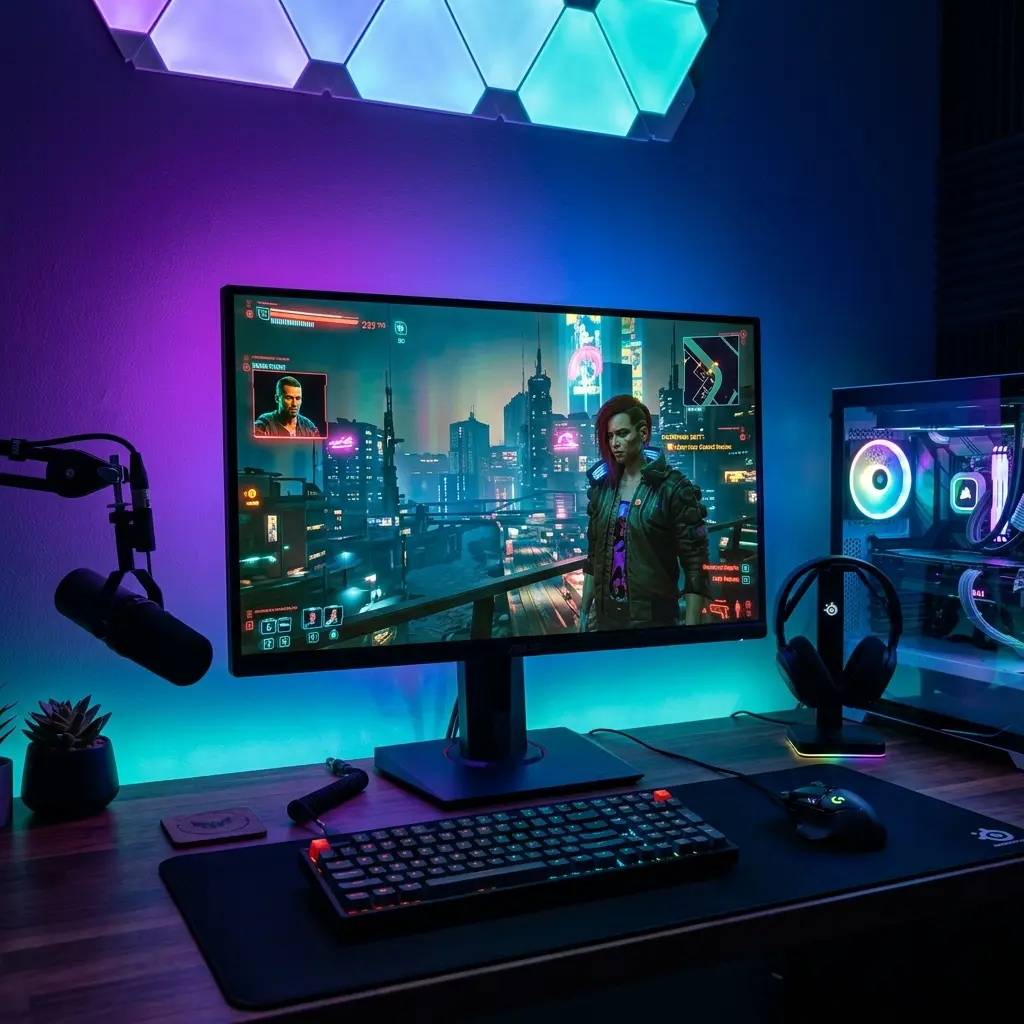
The best gaming monitors with true HDR support deliver exceptional visual experiences, enhancing gameplay and immersion.
Physical Aspects and Resolution
High-end gaming monitors typically feature resolutions ranging from 1440p (QHD) to 4K (UHD) to support detailed visuals.
Physical dimensions vary, with screen sizes commonly between 24 to 34 inches, accommodating different gaming setups.
Performance and Technology
True HDR monitors utilize advanced technologies like Quantum Dot and Mini LED to achieve peak brightness levels exceeding 1000 nits.
Refresh rates from 144Hz to 240Hz ensure smooth gameplay, while response times under 1ms minimize motion blur.
Ergonomics and Visual Comfort
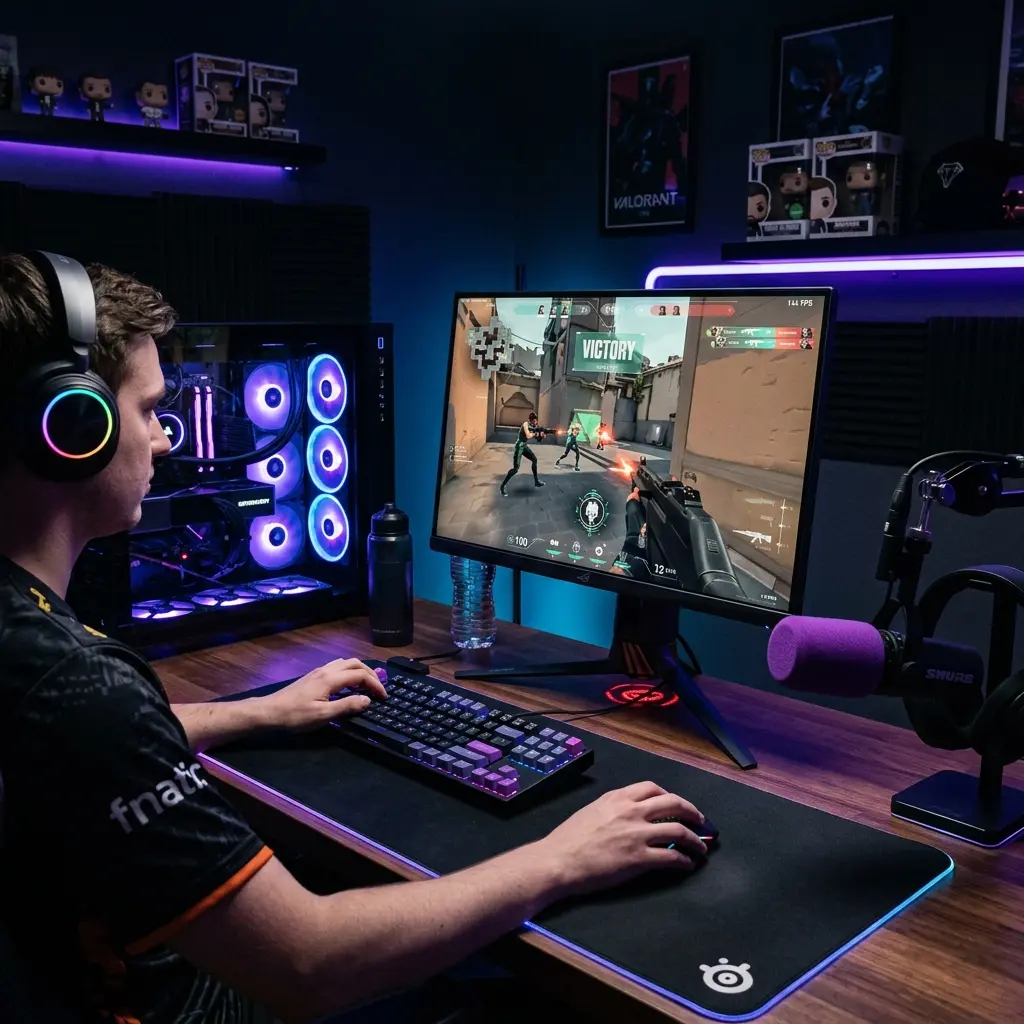
Monitors with height, tilt, swivel, and pivot adjustments enhance user comfort during extended gaming sessions.
Anti-glare coatings and blue light filters reduce eye strain, promoting longer periods of gameplay without discomfort.
| Model | Resolution | Refresh Rate | HDR Support | Price Range |
|---|---|---|---|---|
| LG UltraGear 27GN950 | 3840 x 2160 | 144Hz | HDR10 | $800 - $900 |
| ASUS ROG Swift PG32UQX | 3840 x 2160 | 144Hz | DisplayHDR 1400 | $3,000+ |
| Acer Predator X27 | 3840 x 2160 | 144Hz | DisplayHDR 1000 | $1,200 - $1,500 |
| Samsung Odyssey G7 | 2560 x 1440 | 240Hz | HDR600 | $700 - $800 |
Materials and Durability
Quality gaming monitors often utilize premium materials such as aluminum and high-grade plastics for enhanced durability.
Screen panels are built to withstand daily wear, with some models featuring protective coatings to prevent scratches.
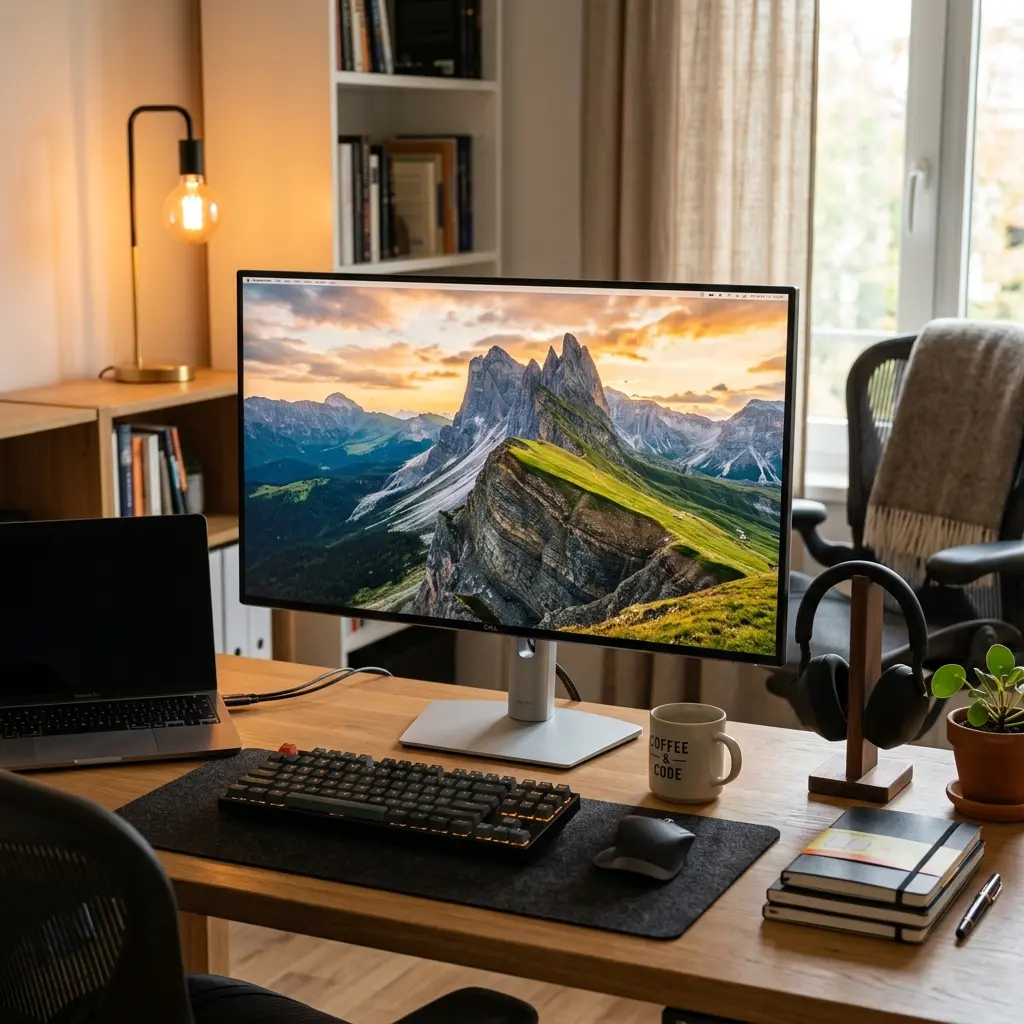
DomineTec Tip: Consider adjusting monitor height and distance to optimize visual comfort and reduce neck strain.
Buying Recommendations and Brands
Leading brands such as Dell, ASUS, and Acer offer a variety of monitors with true HDR support tailored for gamers.
Evaluating warranty options and customer service reputation can also influence the purchasing decision.

- Determine the preferred resolution (1440p or 4K).
- Choose a refresh rate based on gaming style (144Hz for competitive).
- Evaluate HDR capabilities for visual quality.
- Consider ergonomics and adjustability features.
- Research brand reliability and warranty options.
Value Analysis and Verdict
Investing in a gaming monitor with true HDR support can significantly enhance the gaming experience, providing vivid colors and deep contrasts.
Careful consideration of specifications and brand reputation is essential to ensure long-term satisfaction with the purchase.
Color Accuracy and Gamut Coverage
Color accuracy is paramount for gaming monitors, especially those claiming True HDR support. Monitors with high color fidelity can reproduce a wider range of colors, which significantly enhances the gaming experience.
To achieve this, many high-end gaming monitors utilize technologies such as IPS panels, which offer better color reproduction compared to traditional TN panels. A monitor should also boast a wide color gamut, ideally covering 95% or more of the DCI-P3 spectrum for optimal HDR performance.
Calibration is another key factor; monitors that come factory-calibrated can offer superior color accuracy out of the box. Gamers looking for precise color representation may want to consider monitors that allow for custom calibration through software.
Investing in a monitor with excellent color coverage not only enhances gaming visuals but can also benefit content creators who require accurate color representation for their work.
Refresh Rate and Response Time
Refresh rate and response time are critical specifications for gamers seeking smooth gameplay. A higher refresh rate, typically 144Hz or more, allows for fluid motion and reduces motion blur during fast-paced scenes.
Response time, measured in milliseconds (ms), indicates how quickly a pixel can change from one color to another. Monitors with a lower response time (1ms to 3ms) are ideal for competitive gaming, as they minimize ghosting and provide a clearer image during rapid movements.
When selecting a monitor, ensure that both the refresh rate and response time align with the type of games played. Fast-paced first-person shooters, for example, will benefit significantly from these features.
Additionally, technologies like NVIDIA G-SYNC and AMD FreeSync can further enhance the gaming experience by synchronizing the refresh rate of the monitor with the frame rate of the graphics card, reducing screen tearing and stuttering.
Connectivity Options
Connectivity options are essential for a versatile gaming setup. A monitor with multiple input ports, such as HDMI 2.1, DisplayPort 1.4, and USB-C, allows for connection to various devices including gaming consoles, PCs, and laptops.
HDMI 2.1 is particularly noteworthy for supporting higher resolutions and refresh rates, making it ideal for next-gen gaming consoles. DisplayPort, on the other hand, often supports higher bandwidths and is favored by PC gamers for its robust performance.
Additionally, built-in USB hubs can enhance convenience by allowing users to connect peripherals directly to the monitor, reducing clutter on the desk. Look for monitors that offer at least a couple of USB ports for optimal usability.
Choosing a monitor with diverse connectivity options ensures compatibility with future devices and enhances overall functionality in a multi-device gaming environment.
Adaptive Sync Technologies
Adaptive sync technologies are essential for providing a tear-free gaming experience. These technologies, such as NVIDIA G-SYNC and AMD FreeSync, dynamically adjust the monitor's refresh rate to match the frame rate output of the graphics card.
This synchronization prevents tearing, a common issue where frames are out of sync, causing visual artifacts. Monitors that support these technologies are particularly beneficial for gamers who play fast-paced games or titles with variable frame rates.
Most modern gaming monitors now come with one or both of these adaptive sync technologies, but it's important to ensure compatibility with your graphics card. This can significantly enhance the gaming experience by ensuring smoother visuals.
Investing in a monitor with adaptive sync support not only improves gameplay but also reduces input lag, providing a competitive edge in online gaming scenarios.
HDR Standards and Compliance
Understanding HDR standards is crucial for evaluating True HDR support in gaming monitors. The two most recognized standards are HDR10 and Dolby Vision, with HDR10 being the more prevalent in gaming setups.
Monitors that meet or exceed the DisplayHDR certification, particularly DisplayHDR 400, 600, or 1000, indicate a certain level of peak brightness and color performance that enhances HDR content. These certifications help ensure that the monitor can display HDR content accurately.
Furthermore, some monitors may support additional features like local dimming, which enhances contrast ratios by dimming specific areas of the screen. This feature is beneficial for improving the overall HDR experience.
When considering a monitor for True HDR gaming, it’s essential to look for compliance with these standards to ensure an immersive and visually stunning gaming experience.
Gaming Features and Customization Options
Modern gaming monitors often come equipped with a variety of gaming features that enhance usability. Features such as customizable crosshairs, game modes, and frame rate counters can provide significant advantages in competitive gaming.
Moreover, many monitors offer on-screen display (OSD) settings that allow users to fine-tune various parameters, including brightness, contrast, and color settings per game type. This customization ensures that gamers can optimize their visual settings for each game.
Advanced features like low blue light settings and flicker-free technology contribute to prolonged gaming sessions by reducing eye strain. These ergonomics-focused features are becoming increasingly important among gamers.
Overall, a monitor equipped with specific gaming features can enhance both performance and comfort, making it a more attractive option for dedicated gamers.
Future-Proofing Your Purchase
When investing in a gaming monitor, future-proofing your purchase is essential. As gaming technology evolves, monitors with the latest specifications will ensure longevity and compatibility with upcoming devices.
Consider features such as high resolution (4K or beyond), high refresh rates (144Hz or more), and advanced HDR capabilities. Selecting a monitor that meets these criteria can help stave off the need for an upgrade in the near future.
Additionally, look for models that support the latest connectivity standards, such as HDMI 2.1, which is becoming increasingly important for next-gen gaming consoles and high-performance PCs.
By choosing a monitor that incorporates cutting-edge technology and standards, users can ensure a more extended period of satisfactory performance, making it a wise long-term investment.
Calibration and Color Management
Calibration is essential for achieving the most accurate color representation in gaming monitors with True HDR support. A well-calibrated monitor ensures that colors are not only vibrant but also true to life, enhancing the overall gaming experience.
Many gaming monitors offer built-in calibration tools and presets that can be adjusted to suit individual preferences. Users can also invest in hardware calibration tools for more precise adjustments, which is particularly beneficial for competitive gamers who rely on color accuracy for gameplay.
Moreover, color management systems help in maintaining consistency across different devices. By using standardized color profiles, gamers can ensure that the colors they see on their monitor match what they experience in-game, reducing discrepancies that can affect gameplay.
Regular calibration is recommended, especially after significant changes in environmental lighting or after prolonged use. This practice not only prolongs the lifespan of the monitor but also guarantees that users consistently enjoy high-quality visuals.
Adaptive Brightness and Local Dimming Techniques
Adaptive brightness features in gaming monitors play a crucial role in enhancing HDR performance. These technologies adjust the brightness in real-time based on the content displayed, ensuring that dark scenes remain rich and detailed while bright areas shine vibrantly.
Local dimming is another vital technique employed in monitors with True HDR support. It allows for specific zones of the screen to dim or brighten independently, significantly improving contrast ratios and resulting in deeper blacks and brighter highlights.
Advanced local dimming technologies, such as mini-LED backlighting, offer even finer control over brightness levels. This results in an impressive dynamic range, making HDR content more immersive and visually striking.
When choosing a gaming monitor, it is essential to consider the effectiveness of its adaptive brightness and local dimming features. Monitors with better implementations of these technologies can significantly enhance gaming experiences, particularly in visually demanding titles.
Impact of Panel Type on HDR Experience
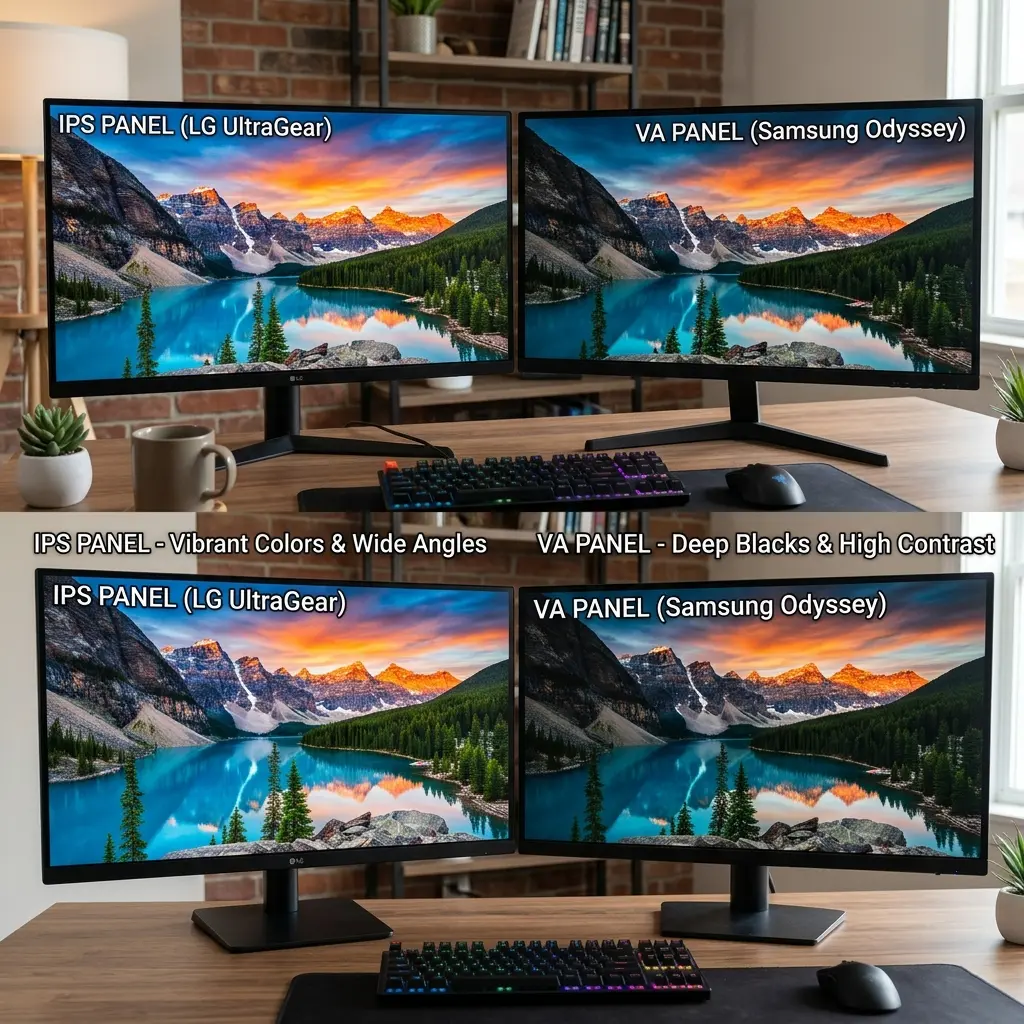
The type of panel used in a gaming monitor greatly influences its HDR performance. Common panel technologies include IPS, VA, and TN, each offering distinct advantages and drawbacks in terms of color accuracy, contrast, and viewing angles.
IPS panels, for instance, are known for their superior color reproduction and wide viewing angles, making them ideal for games with rich visuals. However, they may not achieve the same level of contrast as VA panels, which excel in producing deeper blacks due to their higher native contrast ratios.
VA panels can enhance HDR experiences with their ability to display high contrast levels but may suffer from slower response times compared to IPS panels. TN panels, while offering the fastest response times, generally lag in color accuracy and viewing angles, making them less favorable for HDR gaming.
Understanding the impact of panel type is crucial for gamers seeking the best HDR experience. Selecting a monitor that aligns with their gaming preferences and visual requirements will lead to a more enjoyable and immersive gaming journey.
Input Lag and Gaming Performance
Input lag is a critical factor for competitive gamers, as any delay between the user's actions and the on-screen response can significantly impact performance.
Monitors with true HDR support often feature advanced processing technologies that minimize input lag, making them suitable for fast-paced gaming scenarios.
When selecting a gaming monitor, aim for models with input lag measurements below 10ms for a responsive gaming experience, especially in first-person shooters and real-time strategy games.
Testing tools and reviews can provide insights into the input lag performance of specific models, helping gamers make informed choices.
Environmental Considerations and Energy Efficiency
With increasing awareness of environmental issues, the energy efficiency of gaming monitors has become an important consideration for consumers.
Many modern monitors, particularly those with true HDR capabilities, come equipped with features that reduce power consumption without compromising performance.
Look for monitors that meet energy efficiency certifications, such as Energy Star, which indicates a commitment to reducing environmental impact.
Additionally, some models offer adjustable brightness settings and automatic energy-saving modes, which can further enhance energy efficiency during use.
Advanced Panel Technologies and Their Impact on HDR Performance
The evolution of panel technologies has significantly influenced the HDR gaming experience. OLED, for example, offers exceptional contrast ratios and true blacks, which are critical for HDR content. This technology allows each pixel to emit its own light, resulting in vibrant colors and deep shadow details that enhance overall immersion.
In contrast, IPS panels have made notable strides in recent years, particularly with advancements like IPS Black technology. This innovation allows for deeper blacks while maintaining the wide viewing angles that IPS panels are renowned for. The combination of improved black levels and color fidelity contributes to a more engaging HDR experience, especially in visually rich gaming environments.
VA panels, known for their high contrast ratios, provide another alternative for gamers seeking enhanced HDR performance. They excel in displaying darker scenes, although they may struggle with color accuracy compared to OLED and IPS displays. Nevertheless, recent developments in VA technology have aimed to mitigate these drawbacks, making them a viable option for HDR gaming.
Ultimately, the choice of panel technology will depend on individual preferences and gaming styles. Gamers seeking the most vibrant and true-to-life HDR experience may lean towards OLED, while those who prioritize color accuracy and viewing angles might prefer IPS or the latest VA innovations.
The Role of Software and Firmware Updates in Enhancing HDR Functionality
Software and firmware updates play a crucial role in optimizing HDR functionality in gaming monitors. Manufacturers often release updates that improve color calibration, enhance HDR performance, and fix bugs that could hinder the gaming experience. Staying current with these updates ensures that users can take full advantage of their monitor's capabilities.
Some monitors also feature proprietary software that allows for further customization and fine-tuning of HDR settings. This software can provide users with control over brightness, contrast, and color profiles, enabling a more personalized visual experience. Custom settings can be particularly beneficial for gamers who switch between different genres or titles, as various games may require unique configurations to achieve optimal HDR performance.
Additionally, community-driven resources and forums can be invaluable for gamers looking to maximize their HDR experience. Users often share settings, calibration techniques, and insights based on their personal experiences with different monitors. Engaging with these communities can help users discover hidden features or effective configurations that may not be documented officially.
In conclusion, the continuous evolution of software and firmware is essential for maintaining and enhancing HDR performance in gaming monitors. By actively managing updates and leveraging community knowledge, gamers can ensure their monitors deliver the best possible HDR experience over time.
Frequently Asked Questions
What does true HDR mean?
True HDR refers to monitors that can reproduce a wider range of brightness and colors, enhancing visual fidelity.
How important is refresh rate?
A higher refresh rate provides smoother motion, which is especially beneficial in fast-paced games.
Is 4K worth it for gaming?
4K resolution offers superior detail, but requires a powerful GPU to maintain high frame rates.
What is the best panel type for gaming?
IPS panels are favored for their color accuracy and viewing angles, while TN panels excel in response time.
Can HDR be used with all games?
Not all games support HDR; checking game compatibility is crucial for utilizing this feature.




