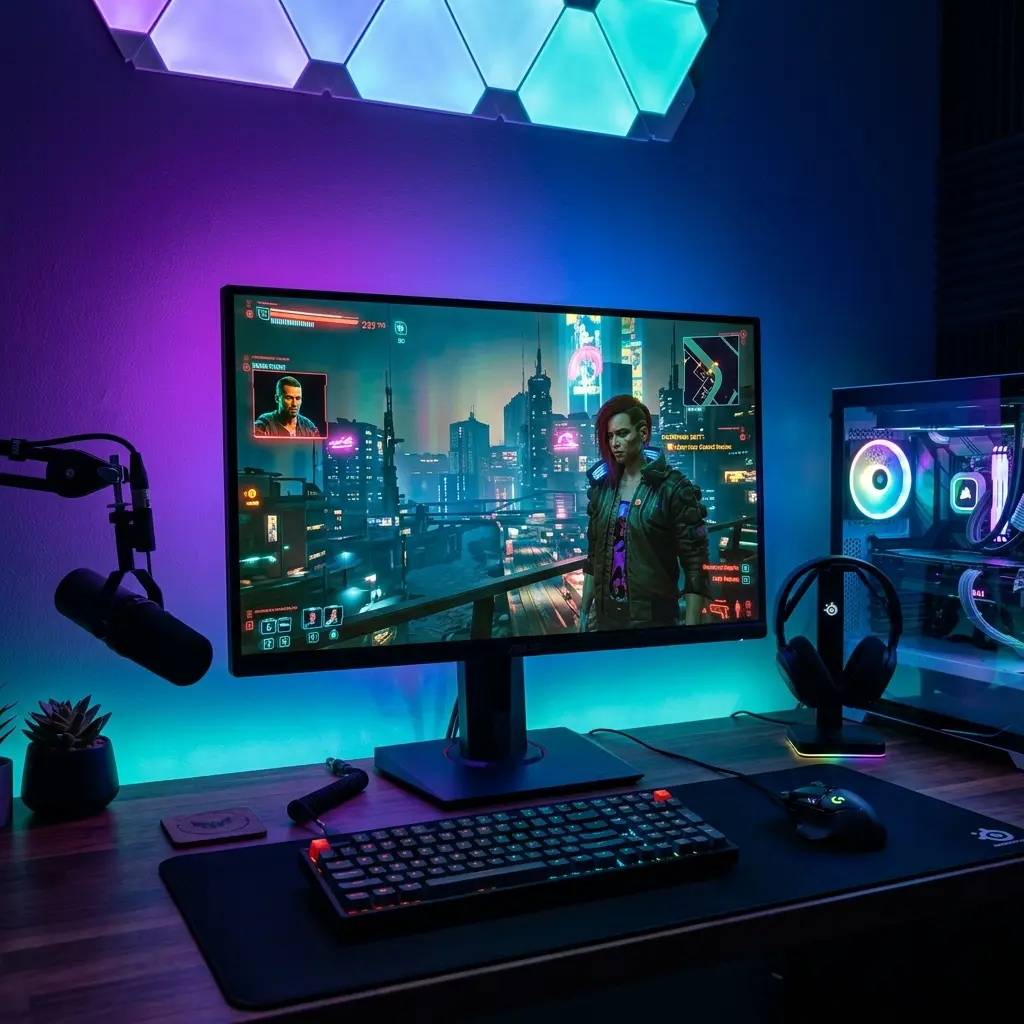
Discover the top gaming monitors under R$3000 in Brazil, balancing performance and affordability.
Physical Aspects and Resolution
The monitors in this price range typically feature 24 to 27 inches of screen size, with resolutions reaching up to 2560x1440 pixels. Common panel types include IPS and VA, offering excellent color reproduction and viewing angles.
Performance and Technology
Gaming monitors often support refresh rates of 144Hz or higher, enhancing motion clarity in fast-paced games. Additionally, technologies like FreeSync and G-Sync aim to eliminate screen tearing, improving the gaming experience.
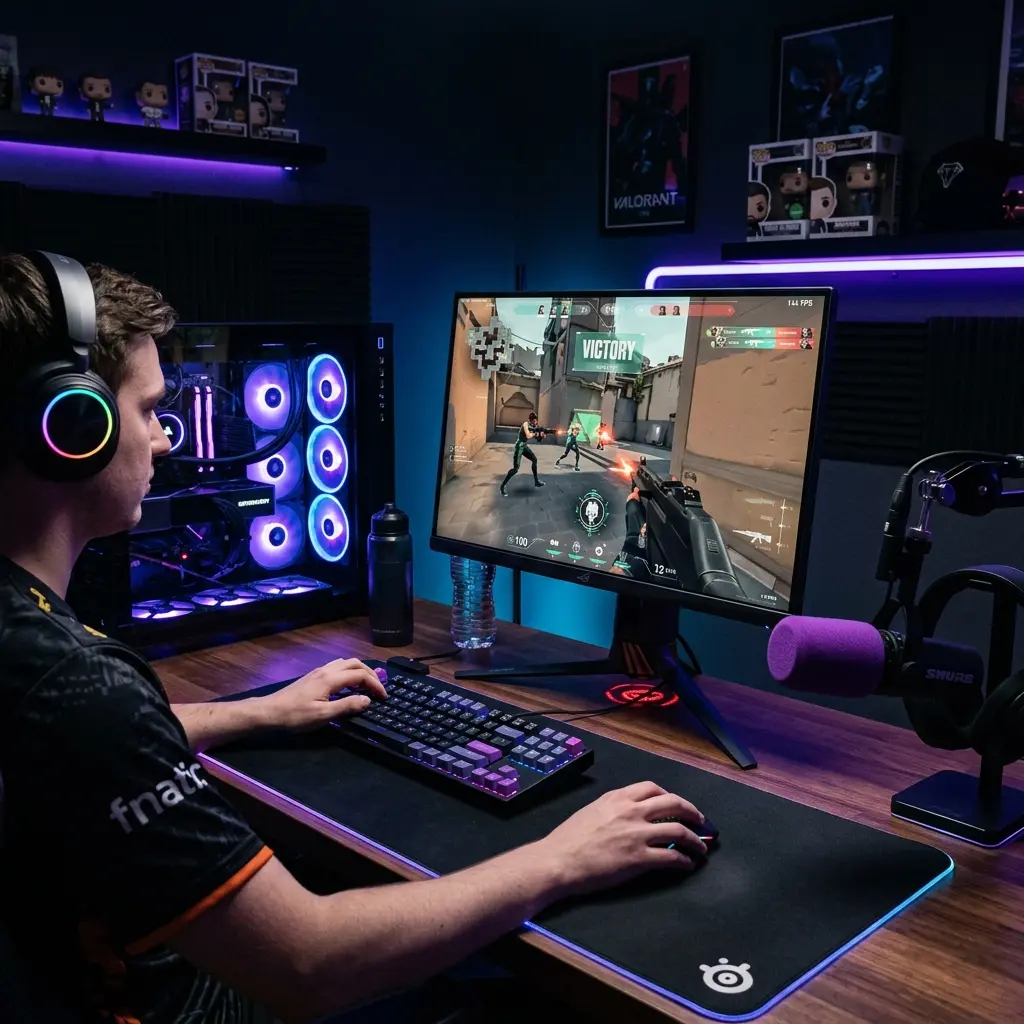
Ergonomics and Visual Comfort
Many models come with adjustable stands, allowing for tilt, swivel, and height adjustments that promote better posture. Anti-glare coatings are also common, reducing eye strain during extended gaming sessions.
| Monitor | Screen Size | Resolution | Refresh Rate | Panel Type | Price (R$) |
|---|---|---|---|---|---|
| Acer Nitro VG271 | 27" | 2560x1440 | 144Hz | IPS | 2,799 |
| Samsung Odyssey G5 | 27" | 2560x1440 | 144Hz | VA | 2,599 |
| LG UltraGear 24GN650 | 24" | 1920x1080 | 144Hz | IPS | 1,899 |
| ASUS TUF Gaming VG249Q1R | 24" | 1920x1080 | 165Hz | IPS | 1,799 |
Materials and Durability
Most gaming monitors are constructed with a combination of plastic and metal, offering a balance between durability and weight. The use of high-quality materials contributes to the longevity of these devices, even with frequent transportation.

DomineTec Tip: Adjust the monitor’s brightness and contrast settings to match ambient lighting, enhancing visual comfort and reducing eye strain.
Buying Recommendations and Brands
Brands such as Acer, ASUS, and LG are recognized for their reliable gaming monitors within this budget. Consider models with good customer reviews and warranty options to ensure satisfaction.
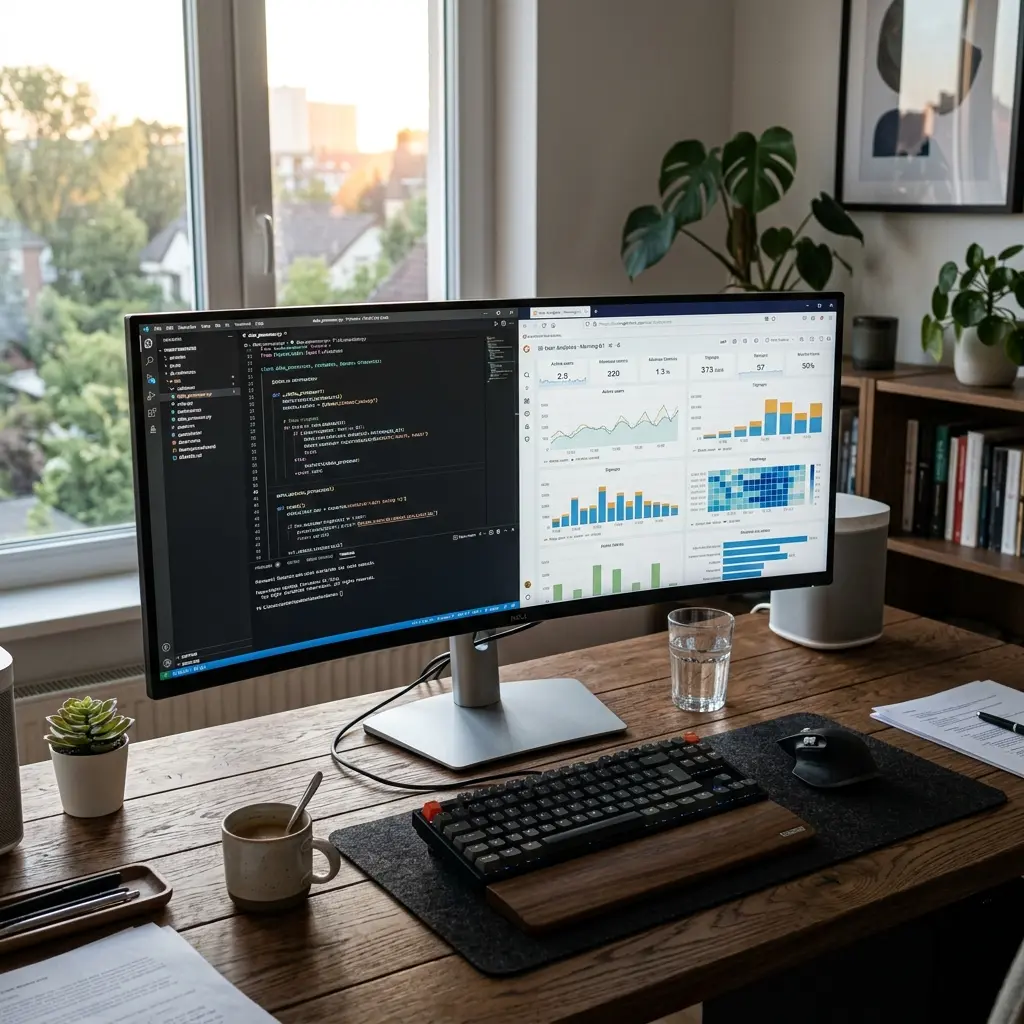
- Define preferred screen size and resolution.
- Evaluate refresh rate requirements based on gaming style.
- Research panel types (IPS vs. VA) for color and contrast preferences.
- Check for ergonomic features like height adjustment and tilt.
- Compare prices and warranty options among different retailers.
Value Analysis and Verdict
Choosing a gaming monitor under R$3000 requires balancing features with budget constraints. Investing in a monitor that meets specific gaming needs can enhance the overall gaming experience significantly.
Connectivity Options and Compatibility
When selecting a gaming monitor, the variety of connectivity options is crucial for ensuring compatibility with various devices. Most monitors in this price range offer multiple ports, including HDMI, DisplayPort, and sometimes USB-C, which provide versatility in connecting consoles, PCs, and other peripherals.
HDMI is the most common interface and is widely supported across gaming consoles and PCs. Depending on the version, HDMI can support higher resolutions and refresh rates, making it suitable for gaming at 1080p or 1440p resolutions with high frame rates.
DisplayPort, on the other hand, is often preferred by PC gamers due to its ability to deliver higher bandwidth, enabling features like G-Sync and FreeSync. Monitors equipped with DisplayPort can provide a smoother gaming experience, particularly in competitive gaming scenarios.
USB ports, while not primarily for video output, can be useful for connecting peripherals like gaming mice and keyboards directly to the monitor, reducing cable clutter and enhancing convenience.
Color Accuracy and Calibration
Color accuracy is a vital consideration for gamers who want an immersive experience and accurate visuals. Monitors with good color reproduction can enhance the gaming experience by providing vibrant and true-to-life colors.
Many monitors in this price range come factory-calibrated, offering decent color accuracy out of the box. However, for enthusiasts and professionals, manual calibration may be necessary to achieve the desired color fidelity, particularly for games that rely on visual cues.
Gamers should look for monitors that cover a wide color gamut, such as sRGB or Adobe RGB, which ensures that the display can reproduce a broad spectrum of colors. This is especially important in visually rich games where color depth can significantly impact gameplay.
Calibration tools and software are available for those looking to fine-tune their monitor settings. Regular calibration can help maintain color accuracy over time, ensuring an optimal gaming experience.
Refresh Rate and Response Time
Refresh rate and response time are critical specifications for gamers aiming for smooth gameplay. The refresh rate, measured in hertz (Hz), indicates how many times per second the display can refresh the image, impacting motion clarity and responsiveness.
Monitors with refresh rates of 144Hz or higher are now common in gaming setups, providing a noticeable advantage in fast-paced games. A higher refresh rate can lead to smoother animations and reduced motion blur, enhancing overall gaming performance.
Response time, measured in milliseconds (ms), refers to how quickly a pixel can change from one color to another. Lower response times (1ms to 5ms) help prevent ghosting effects, which can be distracting during intense gaming sessions.
When considering a monitor, players should balance refresh rates and response times according to their gaming preferences and the types of games they play, ensuring that the monitor meets their specific needs.
Panel Types and Their Impact on Gaming
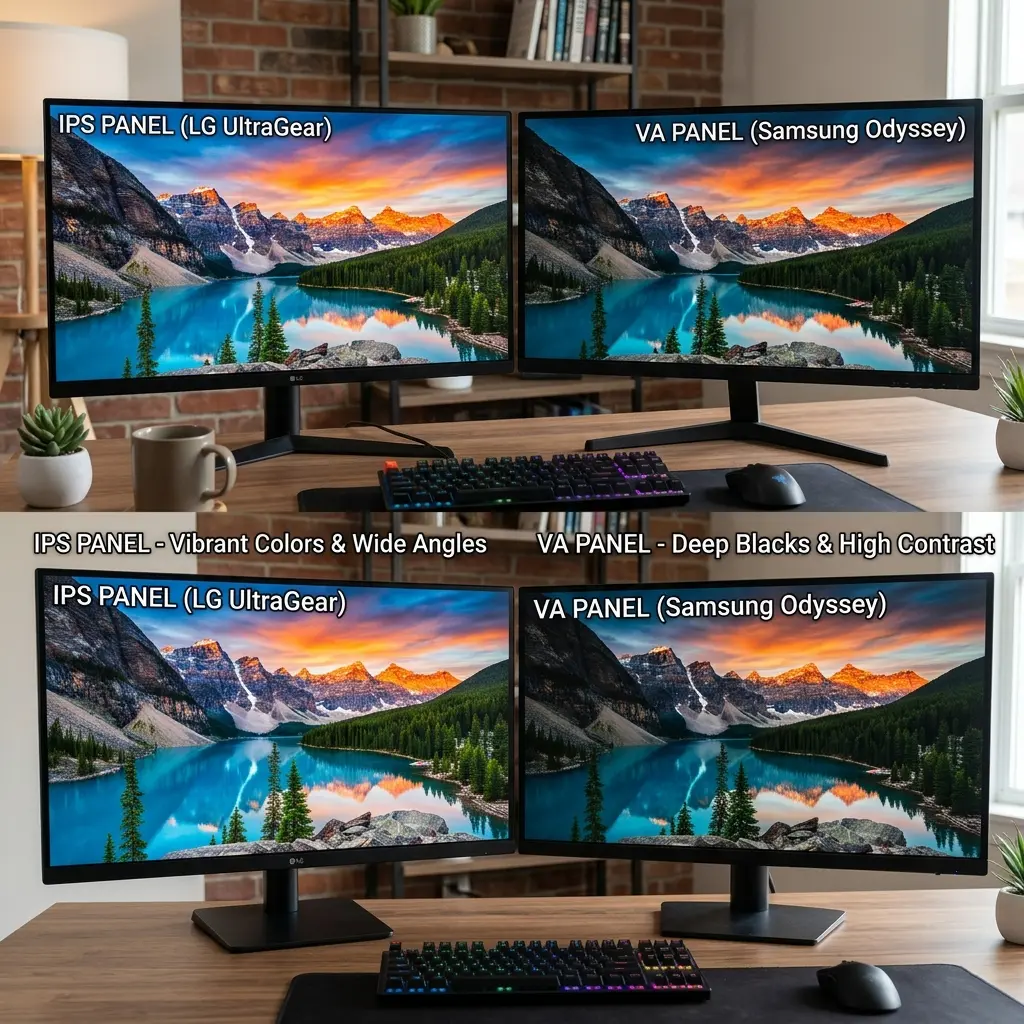
The type of panel used in a monitor plays a significant role in determining its performance characteristics. The three most common panel types are Twisted Nematic (TN), In-Plane Switching (IPS), and Vertical Alignment (VA), each with distinct advantages and disadvantages.
TN panels are known for their fast response times and high refresh rates, making them popular among competitive gamers. However, they often suffer from poorer color reproduction and viewing angles compared to other types.
IPS panels excel in color accuracy and wide viewing angles, making them ideal for immersive gaming experiences and visually demanding titles. The trade-off is generally slower response times, but recent advancements have led to IPS monitors with competitive specs.
VA panels offer superior contrast ratios, providing deeper blacks and better color depth. While they may not match the response times of TN or IPS panels, they are suitable for gamers who prioritize visual quality over ultra-fast response times.
Gaming Features and Technologies
Modern gaming monitors often come equipped with a range of features designed to enhance the gaming experience. Technologies such as G-Sync and FreeSync are crucial for reducing screen tearing and ensuring smoother gameplay, particularly in fast-paced scenarios.
These adaptive sync technologies work by synchronizing the monitor's refresh rate with the GPU's frame output, effectively eliminating stuttering and tearing during gameplay. Monitors that support these features are highly recommended for gamers using compatible graphics cards.
Other gaming-related features include customizable RGB lighting, which can enhance the aesthetic of a gaming setup, and gaming modes that optimize the monitor's settings for specific genres or titles.
Additionally, many monitors now include low input lag modes, which minimize the delay between user input and on-screen response, further enhancing the gaming experience for competitive players.
Size and Screen Curvature Options
The size of the gaming monitor is an essential factor that can impact gameplay and immersion. Monitors in the R$3000 range typically vary from 24 to 32 inches, with larger sizes offering a more immersive experience in games.
Screen curvature can also enhance immersion, particularly in larger displays. Curved monitors provide a wider field of view, allowing gamers to take in more of the action without needing to move their heads significantly.
Choosing the right size and curvature depends on the gaming environment and personal preference. A larger monitor may require a more considerable distance from the viewer to prevent eye strain, while a smaller monitor may be better suited for close-up viewing.
Gamers should consider their space and setup when selecting monitor size and curvature, ensuring that the choice aligns with their gaming habits and physical comfort.
Environmental Considerations and Energy Efficiency
As gaming monitors evolve, manufacturers are increasingly focusing on energy efficiency and environmental sustainability. Many models now come with energy-saving features that reduce power consumption, making them a more eco-friendly choice.
Look for monitors with energy certifications, such as Energy Star, which indicate that the product meets specific efficiency guidelines. These monitors not only save energy but can also lead to lower electricity bills over time.
Additionally, advancements in panel technology have led to displays that require less power without compromising performance. LED-backlit monitors, for instance, consume less energy compared to traditional LCDs, making them a smarter environmental choice.
When purchasing a gaming monitor, considering the environmental impact and energy efficiency can contribute to a more sustainable gaming experience, aligning with the growing trend of eco-conscious consumerism.
Adaptive Sync Technologies
Adaptive sync technologies such as AMD FreeSync and NVIDIA G-SYNC are critical for enhancing gaming experiences, particularly in fast-paced environments.
These technologies help eliminate screen tearing and stuttering, ensuring that frames are displayed smoothly in real-time.
Monitors under R$3000 in Brazil often feature FreeSync, which is compatible with a wider range of graphics cards, making it a more accessible choice for budget-conscious gamers.
When selecting a monitor, consider one that supports these technologies to maximize your gaming performance and visual satisfaction.
Audio and Built-In Speakers
While monitors primarily focus on visual performance, integrated audio solutions can enhance the overall gaming experience.
Many gaming monitors in the R$3000 range come equipped with built-in speakers, which offer convenience but may not deliver the best sound quality.
For optimal audio experiences, using external speakers or gaming headsets is often recommended, as they provide clearer sound and better immersion.
However, if portability and space-saving are priorities, monitors with decent built-in audio can be a practical solution for casual gaming setups.
Warranty and Customer Support
When investing in a gaming monitor, understanding the warranty and customer support options is crucial for long-term satisfaction.
Most manufacturers offer warranties that cover defects in materials and workmanship, typically ranging from one to three years.
Research the customer support reputation of brands to ensure prompt assistance in case of issues, as this can significantly impact the user experience.
Choosing a monitor from a brand with a strong support system can provide peace of mind and enhance the overall value of your investment.
Gaming Monitor Accessories and Enhancements
Investing in a high-quality gaming monitor is just the beginning of an immersive gaming experience. Accessories such as monitor stands, mounts, and cable management solutions can significantly enhance usability and aesthetics. Adjustable stands can help achieve the optimal viewing angle, while monitor mounts free up desk space and enable multi-monitor setups.
Additionally, high-quality HDMI or DisplayPort cables are essential for ensuring that the monitor's full capabilities are utilized. Poor quality cables can lead to signal degradation, which may affect resolution and refresh rates. It is advisable to invest in premium cables, especially for high-performance monitors.
Other enhancements include screen protectors and anti-glare films, which can improve visibility in bright environments. For gamers who spend long hours in front of their monitors, blue light filters or screen glasses can help reduce eye strain and fatigue.
Lastly, consider investing in a good-quality mouse pad and gaming peripherals, such as a mechanical keyboard and gaming mouse. These accessories complement the monitor and contribute to a more enjoyable and efficient gaming experience.
Future Trends in Gaming Monitor Technology
The gaming monitor market is rapidly evolving, with advancements in technology reshaping the landscape. One notable trend is the increasing popularity of OLED panels, which offer superior contrast ratios and color reproduction compared to traditional LED panels. As manufacturing costs decrease, more affordable OLED options are likely to become available.
Another emerging trend is the incorporation of artificial intelligence into gaming monitors. AI-driven features could optimize settings based on game genres or user preferences, enhancing the overall gaming experience. This includes automatic calibration for color accuracy, brightness adjustments, and even performance enhancements.
Furthermore, the rise of 8K resolution monitors is on the horizon, although they are not yet widely available under R$3000. As content creation and gaming technology improve, 8K displays could become more mainstream, prompting manufacturers to develop more affordable options in the future.
Lastly, sustainability is becoming a focal point in electronics manufacturing. As environmental concerns grow, expect to see gaming monitors that focus on energy efficiency and eco-friendly materials. This shift not only addresses consumer preferences but also aligns with global sustainability goals.
Gaming Monitor Aesthetics and Design Considerations
The aesthetic appeal of a gaming monitor can significantly influence the overall gaming setup. Sleek designs with minimal bezels enhance immersion, allowing players to focus on the game without distractions. Monitors with customizable RGB lighting can also add a personal touch, making them a stylish addition to any gaming environment.
In addition to aesthetics, the design of a monitor plays a crucial role in functionality. Features such as adjustable stands for height and tilt, VESA mount compatibility, and cable management systems contribute to a more organized gaming space. A monitor that combines visual appeal with practical design elements can enhance both the gaming experience and the room's decor.
Furthermore, the choice of materials used in the construction of the monitor can affect its overall look and feel. Premium finishes, such as brushed aluminum or matte plastics, can elevate the monitor's appearance while ensuring durability. A well-designed monitor not only performs well but also serves as a visually pleasing centerpiece in a gaming setup.
Ultimately, the right balance between aesthetics and functionality must be considered when choosing a gaming monitor under R$3000. Consumers should evaluate how design elements align with their personal style and gaming needs to make an informed decision.
Impact of Monitor Size on Gaming Experience
The size of a gaming monitor is a critical factor that can greatly influence the gaming experience. Larger screens can provide a more immersive experience by filling the player's field of vision, making games feel more engaging and lifelike. However, the optimal size can depend on the available space and the distance from which the player typically views the screen.
When selecting a monitor size, gamers should consider their gaming habits and preferences. For fast-paced games, a smaller screen may allow for quicker head movements and better focus, while larger screens are often preferred for open-world or visually rich games where detail matters. Understanding the type of games played can guide the decision on monitor size.
Additionally, the resolution of the monitor should match its size to ensure clarity and detail. A larger screen with a lower resolution can lead to pixelation, detracting from the overall visual quality. Gamers should aim for a resolution that complements their chosen screen size to maintain a sharp and vibrant image.
Ultimately, finding the right monitor size involves balancing personal preferences, gaming style, and space constraints. Evaluating these factors will help gamers choose a monitor that enhances their overall gaming experience.
Frequently Asked Questions
What is the best refresh rate for gaming monitors?
A refresh rate of 144Hz or higher is recommended for smoother gameplay, particularly in fast-paced titles.
Is an IPS panel better than a VA panel?
IPS panels typically offer superior color accuracy and viewing angles, while VA panels excel in contrast ratios.
What screen size is ideal for gaming?
A screen size of 24 to 27 inches is often considered ideal, providing a balance between immersion and desktop space.
Do all gaming monitors support FreeSync or G-Sync?
Not all monitors have support for these technologies; checking specifications is essential before purchase.
How important is ergonomics in a gaming monitor?
Ergonomics is crucial for long gaming sessions, helping to reduce physical strain and improve overall comfort.




