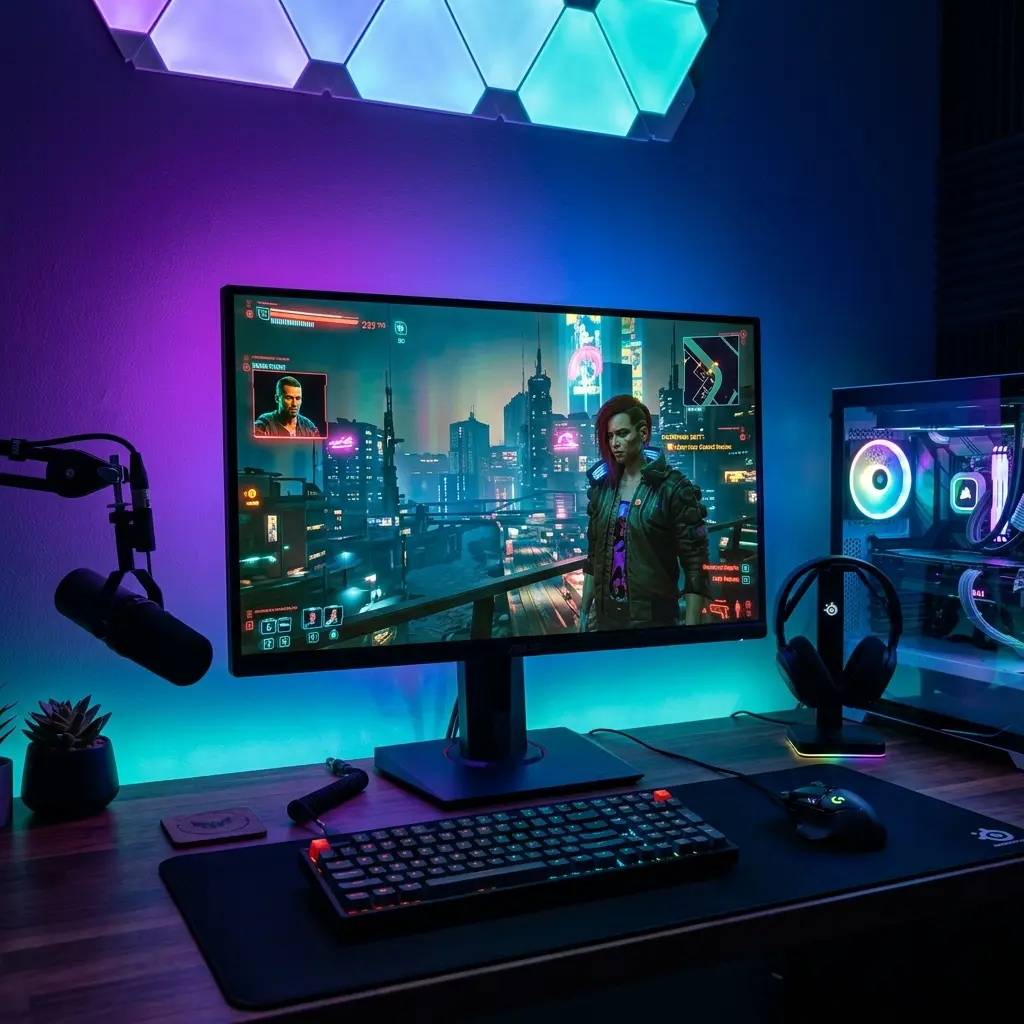
Discover the best gaming monitors under R$1000 in Brazil, offering exceptional performance without exceeding budget constraints.
Physical Aspects and Resolution
Most gaming monitors in this price range feature 24 to 27 inches displays, providing the optimal balance between size and desk space.
Common resolutions include Full HD (1920x1080), which ensures crisp visuals, especially during fast-paced gaming sessions.
Performance and Technology
Refresh rates of 60Hz to 144Hz are standard, with higher rates preferred for competitive gaming due to smoother motion rendering.
Panel technologies such as TN, IPS, and VA cater to different needs; IPS offers superior color accuracy, while TN panels provide faster response times.
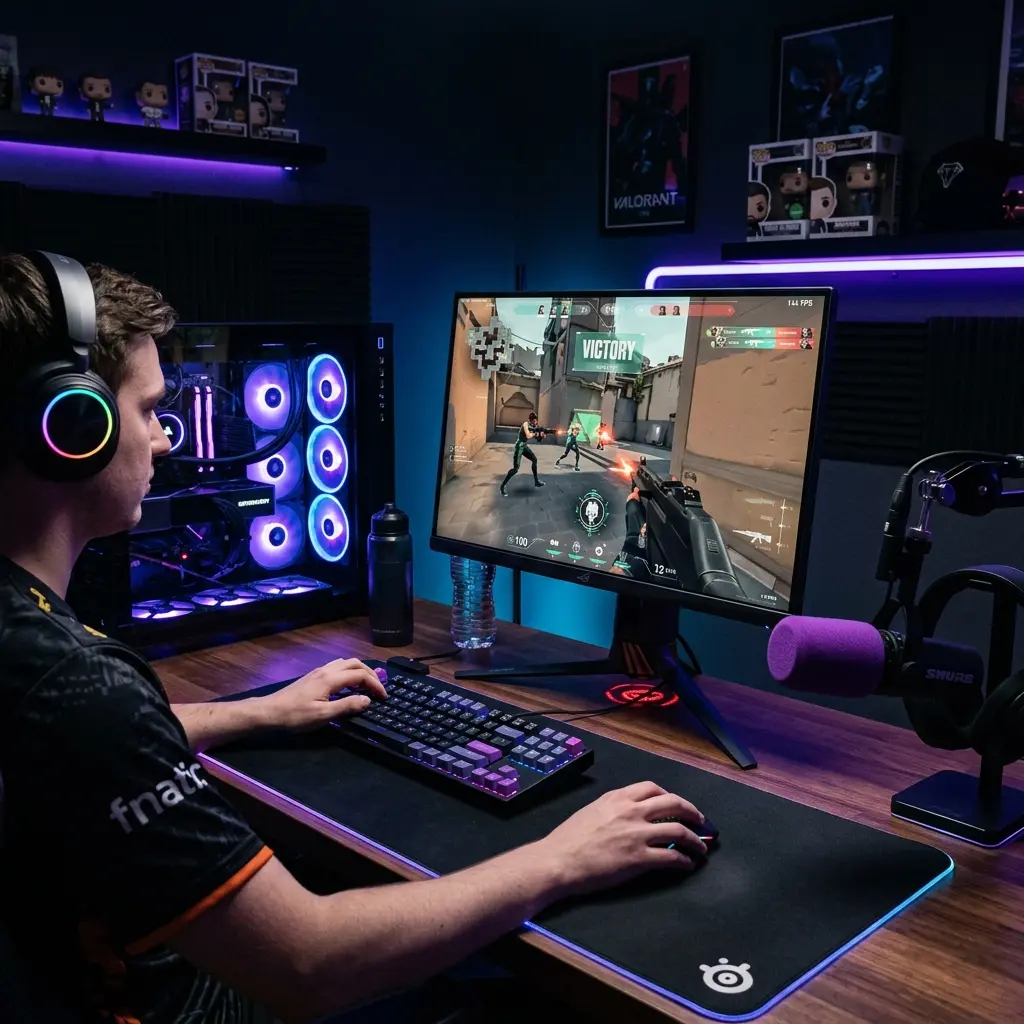
Ergonomics and Visual Comfort
Adjustable stands and VESA compatibility enhance comfort, allowing users to customize viewing angles for prolonged use.
Flicker-free technology and blue light filters are crucial features that reduce eye strain during extended gaming sessions.
| Monitor | Size | Resolution | Refresh Rate | Panel Type | Price (R$) |
|---|---|---|---|---|---|
| Acer Nitro VG240Y | 24" | 1920x1080 | 75Hz | IPS | R$899 |
| LG 24MP59G | 24" | 1920x1080 | 75Hz | IPS | R$999 |
| Samsung Odyssey LC24F390 | 24" | 1920x1080 | 60Hz | VA | R$799 |
| ASUS VG248QG | 24" | 1920x1080 | 165Hz | TN | R$999 |
Materials and Durability
High-quality plastics and metal frames are commonly used in the construction of these monitors, ensuring longevity and stability.
Look for monitors with scratch-resistant coatings and reinforced panels to withstand rigorous daily use.
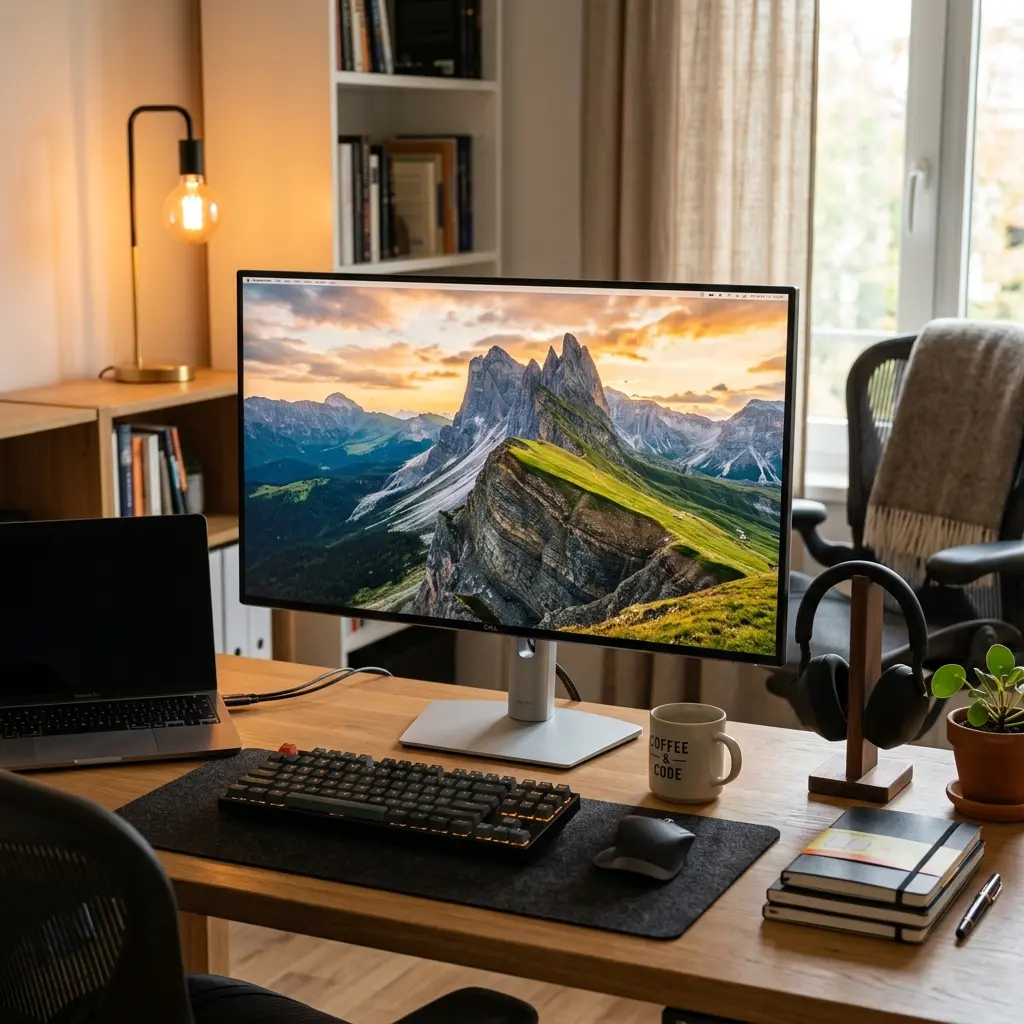
DomineTec Tip: Ensure monitor height is adjusted to eye level for optimal posture and reduced strain during long gaming sessions.
Buying Recommendations and Brands
Popular brands include Acer, LG, and ASUS, known for their reliability and performance in the gaming monitor segment.
Consider warranty terms and customer support reputation when making a purchase, as these factors contribute to long-term satisfaction.

- Determine the preferred size and resolution.
- Evaluate refresh rates based on gaming style, prioritizing 144Hz for competitive gaming.
- Check panel type for color accuracy versus response time needs.
- Research brands and warranty options for added security.
- Compare prices across different retailers to find the best deal.
Value Analysis and Verdict
Monitors under R$1000 can offer competitive features, making them suitable for both casual and serious gamers.
Prioritizing ergonomics, performance, and durability ensures a worthwhile investment in gaming technology.
Refresh Rate and Response Time
Refresh rate is a crucial specification for gaming monitors, particularly for fast-paced gaming genres. A higher refresh rate, measured in hertz (Hz), allows for smoother motion and reduces motion blur, enhancing the gaming experience.
Most monitors in the under R$1000 category typically offer refresh rates of 60Hz to 75Hz. However, some budget options may reach 144Hz, providing a competitive edge in multiplayer games.
Response time, measured in milliseconds (ms), indicates how quickly a pixel can change from one color to another. Lower response times, ideally below 5ms, help minimize ghosting effects during rapid movements.
When selecting a monitor, it is essential to balance refresh rate and response time to ensure an optimal gaming experience without compromising image quality.
Connectivity Options
Connectivity options are vital for ensuring compatibility with various gaming devices and peripherals. A well-equipped gaming monitor should have multiple input ports, including HDMI, DisplayPort, and possibly VGA.
HDMI is the most common connection type found on gaming consoles and PCs, while DisplayPort is preferred for high refresh rates and resolutions on gaming PCs. Monitors with multiple ports offer more flexibility for users.
USB ports can be beneficial for connecting peripherals directly to the monitor, reducing cable clutter. Monitors with built-in USB hubs allow for easier access to charging or data transfer.
Before purchasing, it's advisable to verify that the monitor supports the required connectivity for your devices to ensure a seamless gaming experience.
Color Accuracy and Calibration
Color accuracy is crucial for gamers who value visual fidelity and immersion in their games. Monitors with high color accuracy can reproduce vibrant and lifelike colors, enhancing the overall visual experience.
Some budget monitors may come with factory calibration, but many will require manual adjustments to achieve optimal color performance. Tools such as color calibration devices can help gamers fine-tune their monitors.
Additionally, look for monitors that support color gamuts like sRGB or Adobe RGB, which indicate a wider range of colors that the monitor can display. This is especially important for games with rich graphics and detailed environments.
Investing time in calibrating your monitor can significantly improve your gaming experience, leading to more accurate visuals and a greater sense of immersion.
Adaptive Sync Technology
Adaptive sync technology aims to eliminate screen tearing and stuttering, resulting in a smoother gaming experience. Two popular implementations are AMD's FreeSync and NVIDIA's G-Sync.
While G-Sync monitors tend to be more expensive, FreeSync technology is becoming increasingly common in budget monitors, offering a cost-effective solution for gamers. Many monitors under R$1000 now support FreeSync.
Adaptive sync features dynamically adjust the refresh rate of the monitor to match the frame rate output of the graphics card, which is particularly useful during gaming sessions with variable frame rates.
When selecting a monitor, consider one that supports adaptive sync technology to enhance gameplay, especially in fast-paced action games where smooth visuals are crucial.
Panel Types and Their Impact on Gaming
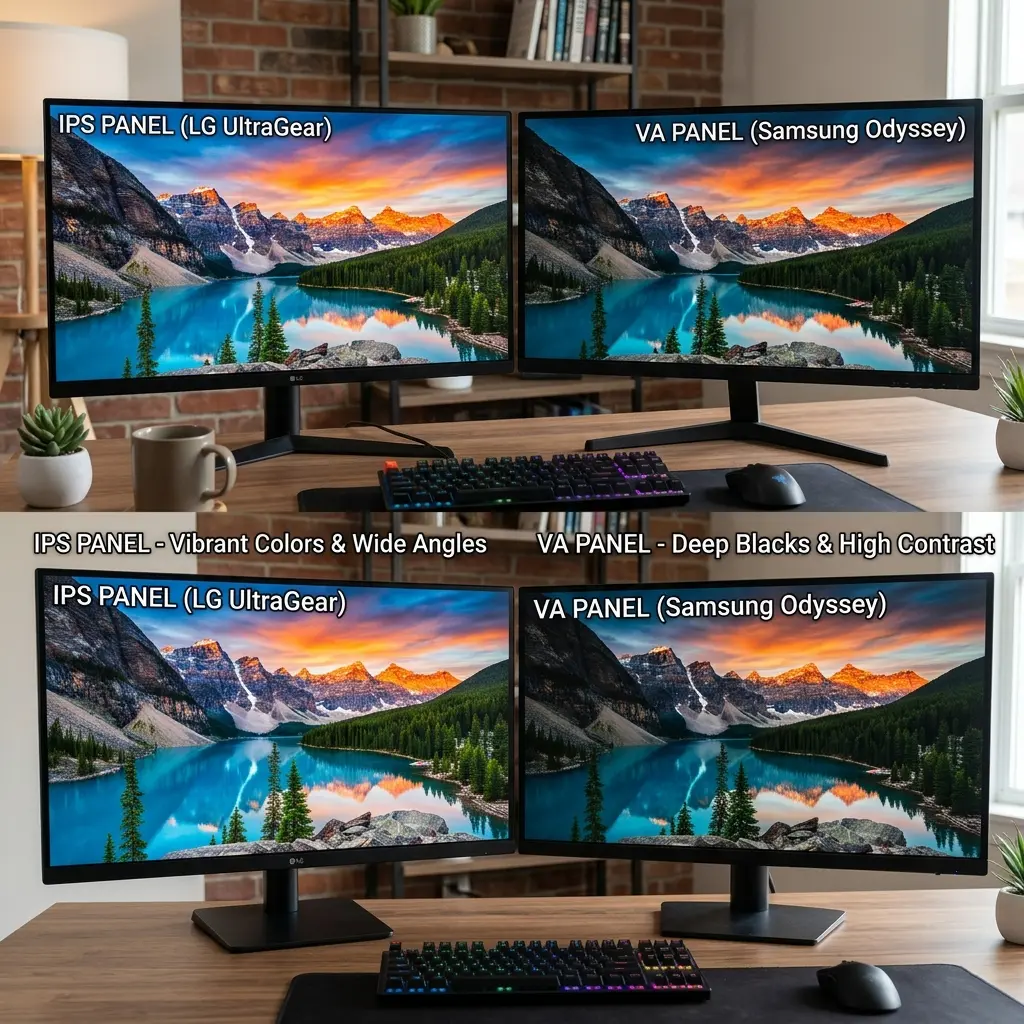
The type of panel used in a monitor greatly influences its performance and visual characteristics. The three main types are TN (Twisted Nematic), IPS (In-Plane Switching), and VA (Vertical Alignment).
TN panels generally offer faster response times and are less expensive but suffer from poorer color reproduction and viewing angles. IPS panels provide superior color accuracy and wider viewing angles, making them ideal for immersive gaming.
VA panels are known for their high contrast ratios, which enhance dark scenes but can have slower response times compared to TN and IPS panels. Understanding these differences is essential when choosing a gaming monitor.
Gamers should evaluate their priorities, such as speed vs. color accuracy, to select a panel type that best suits their gaming style and preferences.
Gaming Features and Customization
Many gaming monitors come equipped with features designed to enhance the gaming experience. These may include customizable reticles, crosshair overlays, and pre-set gaming modes tailored for specific genres.
Some monitors also feature options for adjusting brightness and contrast settings on-the-fly, allowing players to adapt to different gaming environments easily. These adjustments can significantly impact gameplay in competitive scenarios.
Moreover, features like low input lag and customizable refresh rates can provide gamers with a more responsive experience, which is crucial in high-stakes gaming situations.
When considering a monitor, it's beneficial to explore the available gaming features and customization options to ensure that it aligns with your gaming habits and enhances your overall performance.
Energy Efficiency and Environmental Impact
Energy efficiency is an important aspect to consider when purchasing a monitor, especially for gamers who spend extended hours in front of their screens. Monitors with Energy Star ratings are designed to consume less power without sacrificing performance.
Lower energy consumption not only reduces electricity bills but also minimizes the environmental impact of your gaming setup. Choosing energy-efficient models contributes to sustainable practices in technology usage.
Some monitors come with built-in features that help manage power consumption, such as automatic brightness adjustment based on ambient light conditions. These features enhance user comfort while promoting energy savings.
When selecting a monitor, consider its energy efficiency rating and features that contribute to reduced power usage, ensuring that your gaming experience is both enjoyable and environmentally responsible.
Audio Quality and Enhancements
In the realm of gaming, audio quality is often overlooked, yet it plays a critical role in the overall experience. Monitors that come equipped with built-in speakers can provide basic sound output, but gamers often find that these options fall short in delivering immersive audio. High-quality external speakers or headsets are typically recommended for a more engaging experience, especially in competitive gaming scenarios.
Some gaming monitors now feature advanced audio enhancements such as DTS or Dolby technologies, which can significantly improve sound clarity and depth. These features allow for a more realistic soundscape, enabling players to detect subtle audio cues that can be crucial during gameplay. When choosing a monitor, it's beneficial to consider models that support these audio enhancements to elevate the gaming experience.
Additionally, some brands have started integrating headphone amplifiers into their monitors, providing superior audio output for gamers who prefer to use high-impedance headphones. This feature ensures that audio quality remains uncompromised, regardless of the audio source. Investing in a monitor with enhanced audio capabilities can lead to a more satisfying gaming experience.
Finally, the ability to customize audio settings can also be a decisive factor. Monitors that offer audio equalization settings allow users to tailor sound profiles to their preferences, which can enhance both gaming and multimedia experiences. As such, evaluating a monitor’s audio features is essential for a holistic gaming setup.
Gaming Aesthetics and Design
The design and aesthetics of a gaming monitor can significantly influence a gamer's setup and experience. Many monitors designed for gaming come with sleek, modern designs that feature customizable RGB lighting. This aesthetic appeal not only enhances the look of a gaming rig but can also create an immersive atmosphere that complements the gaming experience.
Furthermore, the bezels of a monitor play a crucial role in its visual impact. Thinner bezels contribute to a more immersive experience by minimizing distractions on the screen edges. Some gaming monitors now offer virtually borderless designs, allowing for multiple-monitor setups without significant gaps. These designs are not only visually appealing but also enhance productivity for gamers who multitask.
Another aspect of design to consider is the stand and base of the monitor. Adjustable stands that allow for height, tilt, and swivel adjustments offer gamers the freedom to position their monitors for optimal viewing angles. This ergonomic design also helps reduce strain during extended gaming sessions, making it a crucial factor in the overall aesthetics and functionality of a gaming monitor.
Finally, the finish of the monitor can also affect its overall aesthetic. Matte finishes are generally preferred as they reduce glare and reflections, enhancing visibility in various lighting conditions. Conversely, glossy finishes can add a premium look but may require careful placement to avoid glare. Ultimately, the aesthetics and design of a monitor should align with personal preferences while also considering functionality and performance.
Future-Proofing Your Investment
When investing in a gaming monitor, future-proofing is an essential consideration, especially in a rapidly evolving technology landscape. Monitors that support the latest standards, such as HDMI 2.1, can accommodate future gaming consoles and high-end PC graphics cards, ensuring compatibility as technology advances. This foresight can extend the lifespan of your investment.
Additionally, features such as variable refresh rates and support for next-generation gaming technologies, like ray tracing, can enhance the longevity of a monitor. These capabilities ensure that the monitor can handle the demands of upcoming games, which may require more advanced specifications than current titles.
Another aspect of future-proofing is the resolution. While 1080p remains the standard for many gamers, the trend is shifting toward 1440p and 4K resolutions. A monitor capable of higher resolutions can provide a more visually stunning experience and better graphics fidelity, making it a wise choice for gamers looking to stay ahead.
Finally, regular firmware updates from manufacturers can also play a role in future-proofing. Monitors that receive consistent updates can benefit from improved performance, bug fixes, and new features that enhance the gaming experience. Therefore, choosing a reputable brand known for supporting its products post-purchase can be a key factor in ensuring long-term satisfaction with your gaming monitor.
Warranty and Customer Support
Warranty policies can significantly influence the longevity of a gaming monitor, especially for budget models. Most brands offer a standard warranty of one to three years, which usually covers manufacturing defects and certain types of failures.
It is essential to read the fine print of the warranty, as some brands provide limited coverage for specific components such as backlighting or pixel defects. A more extended warranty can serve as an added layer of security for budget-conscious gamers.
Customer support quality is another crucial aspect to consider when purchasing a gaming monitor. Brands that offer responsive customer service can make the difference when facing technical issues or needing assistance with setup and troubleshooting.
Researching user reviews can provide insights into the effectiveness and accessibility of a brand's customer support. Quality customer service paired with a solid warranty can enhance the overall gaming experience and provide peace of mind for users.
Compatibility with Gaming Consoles and PCs
Compatibility with gaming consoles and PCs is vital when selecting a monitor under R$1000. The monitor should seamlessly connect to various gaming platforms, including PlayStation, Xbox, and gaming PCs, to ensure a versatile gaming experience.
Most budget gaming monitors come equipped with HDMI and DisplayPort, which are standard for modern gaming consoles and PCs. Ensuring that the monitor supports the resolution and refresh rate of the console or PC will maximize the gaming experience.
Additionally, gamers should consider whether the monitor supports features like HDR (High Dynamic Range) and variable refresh rates, which can enhance graphics and gameplay. A monitor that excels in these areas will provide a more immersive gaming experience.
It is also essential to check for any firmware updates that may improve compatibility and performance after the initial purchase. Keeping the monitor updated can ensure optimal performance across various gaming platforms.
Frequently Asked Questions
What is the best refresh rate for gaming monitors?
A refresh rate of 144Hz is recommended for competitive gaming, providing smoother visuals and reduced motion blur.
Are IPS panels better than TN panels?
IPS panels offer better color accuracy and wider viewing angles, while TN panels excel in response times, making each suitable for different uses.
How important is screen size for gaming?
Screen size affects immersion; typically, 24 to 27 inches is ideal for gaming, balancing visibility and desk space.
Can these monitors be used for professional work?
Yes, many gaming monitors provide excellent color accuracy and resolution, making them suitable for design and productivity tasks.
What features should be prioritized in a gaming monitor?
Focus on refresh rate, response time, panel type, and ergonomic features for an optimal gaming experience.




