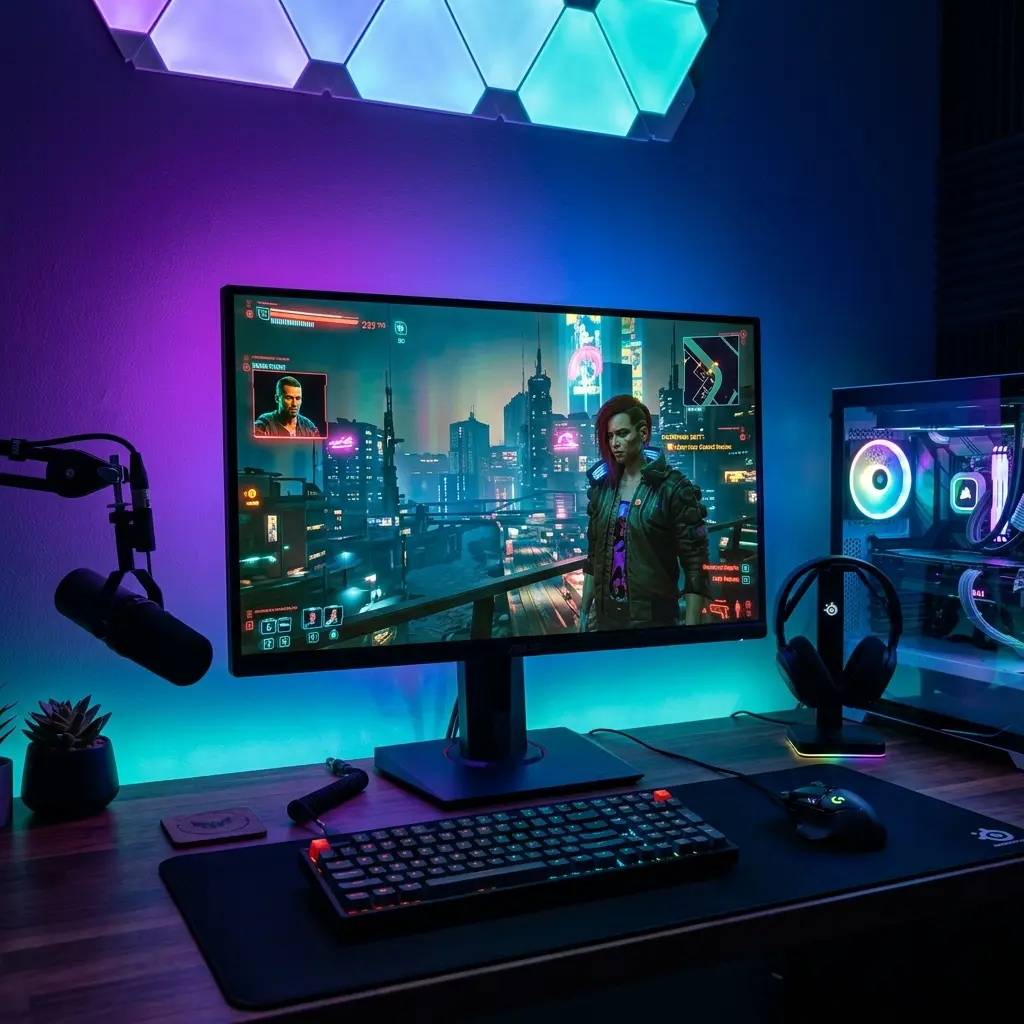
Discover the best gaming monitors with built-in KVM switch capabilities, designed for seamless multi-device management.
Physical Aspects and Resolution
Modern gaming monitors typically feature resolutions of 1080p, 1440p, or 4K, catering to a range of gaming preferences.
Screen sizes often vary from 24 inches to 34 inches, with ultrawide options providing immersive experiences for gamers.
Performance and Technology
Refresh rates of 144Hz or higher are standard, offering smoother gameplay and reduced motion blur.
Technologies such as NVIDIA G-Sync and AMD FreeSync enhance performance by synchronizing frame rates with the graphic output.
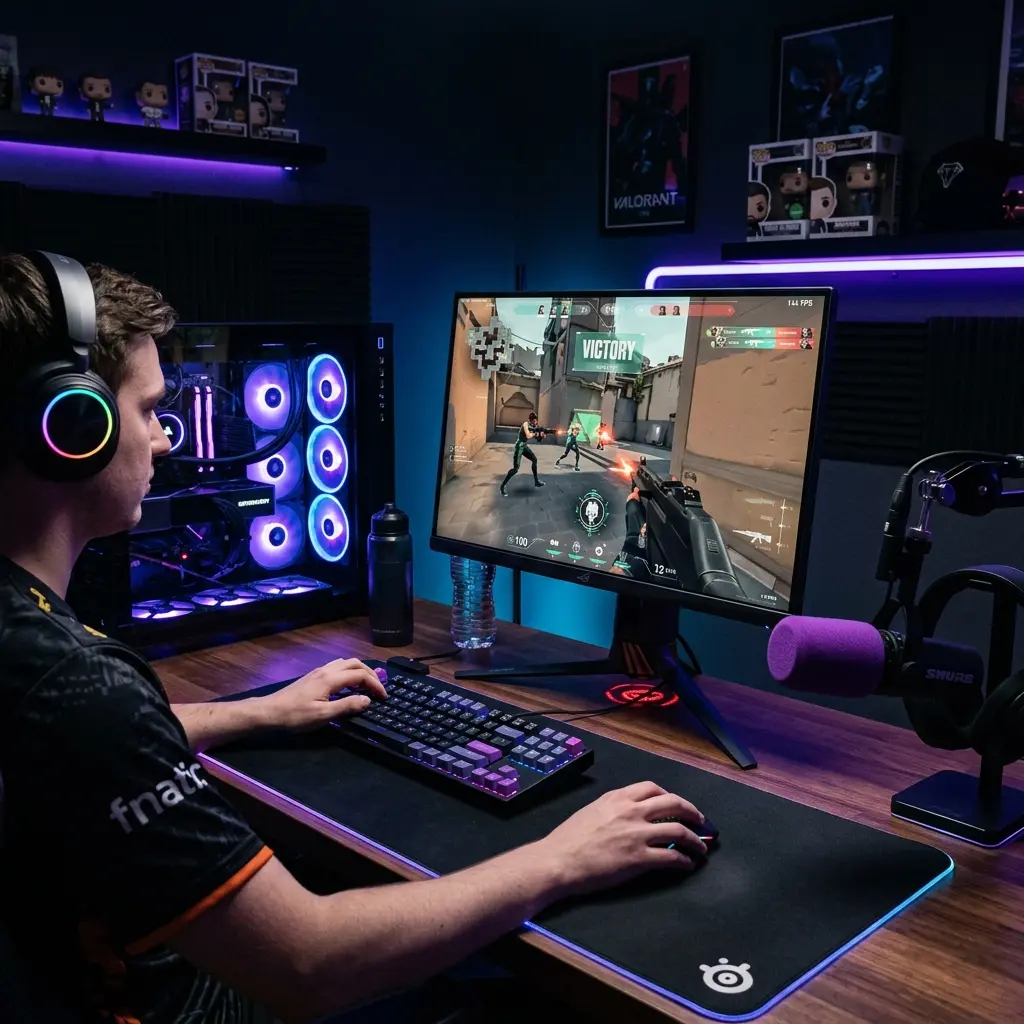
Ergonomics and Visual Comfort
Adjustable stands and VESA compatibility improve ergonomics, allowing users to position monitors for optimal viewing angles.
Anti-glare coatings and blue light filtering technologies contribute to visual comfort during extended gaming sessions.
| Monitor Model | Resolution | Refresh Rate | Screen Size | KVM Switch |
|---|---|---|---|---|
| Acer Predator X35 | 3440x1440 | 200Hz | 35 inches | Yes |
| LG 34GN850-B | 3440x1440 | 160Hz | 34 inches | Yes |
| ASUS ROG Swift PG32UQX | 3840x2160 | 144Hz | 32 inches | Yes |
| Samsung Odyssey G9 | 5120x1440 | 240Hz | 49 inches | Yes |
Materials and Durability
High-quality plastic and metal alloys are commonly used in monitor construction, ensuring durability and aesthetic appeal.
Monitors are often tested for longevity, with features like scratch-resistant screens enhancing their lifespan.
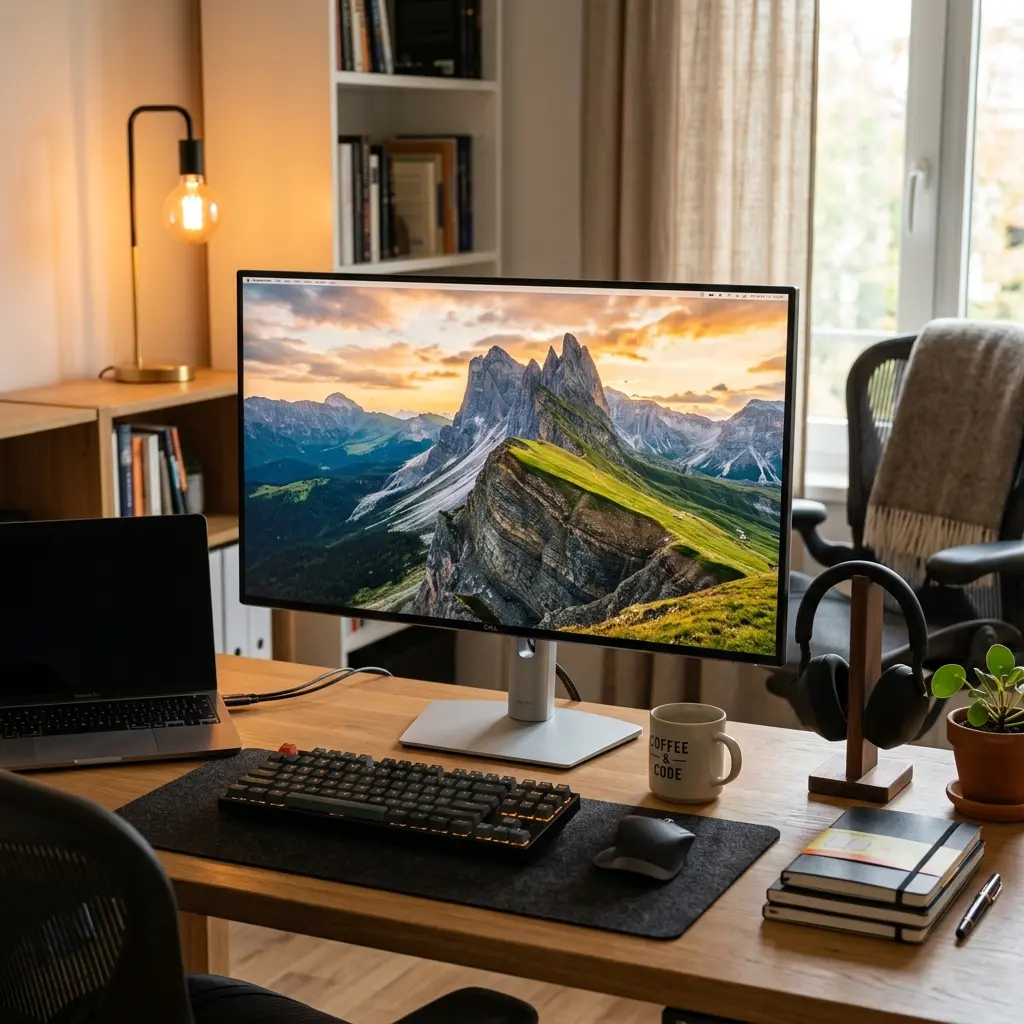
DomineTec Tip: Ensure that the monitor is positioned at eye level to maintain a neutral spine posture, reducing the risk of strain during long gaming sessions.
Buying Recommendations and Brands
Brands such as Dell, ASUS, Acer, and LG consistently produce high-performance gaming monitors with KVM capabilities.
Comparison of features, warranties, and customer support is essential when making a purchasing decision.

- Assess the resolution needed based on gaming preferences.
- Determine the required refresh rate for optimal performance.
- Check for ergonomic features such as height adjustments and tilt options.
- Consider the connectivity options available with the built-in KVM switch.
- Read user reviews for insights on reliability and durability.
Value Analysis and Verdict
Investing in a quality gaming monitor with a built-in KVM switch provides convenience for users managing multiple devices.
Overall, the combination of performance, ergonomics, and technology makes these monitors a worthy addition to any gaming setup.
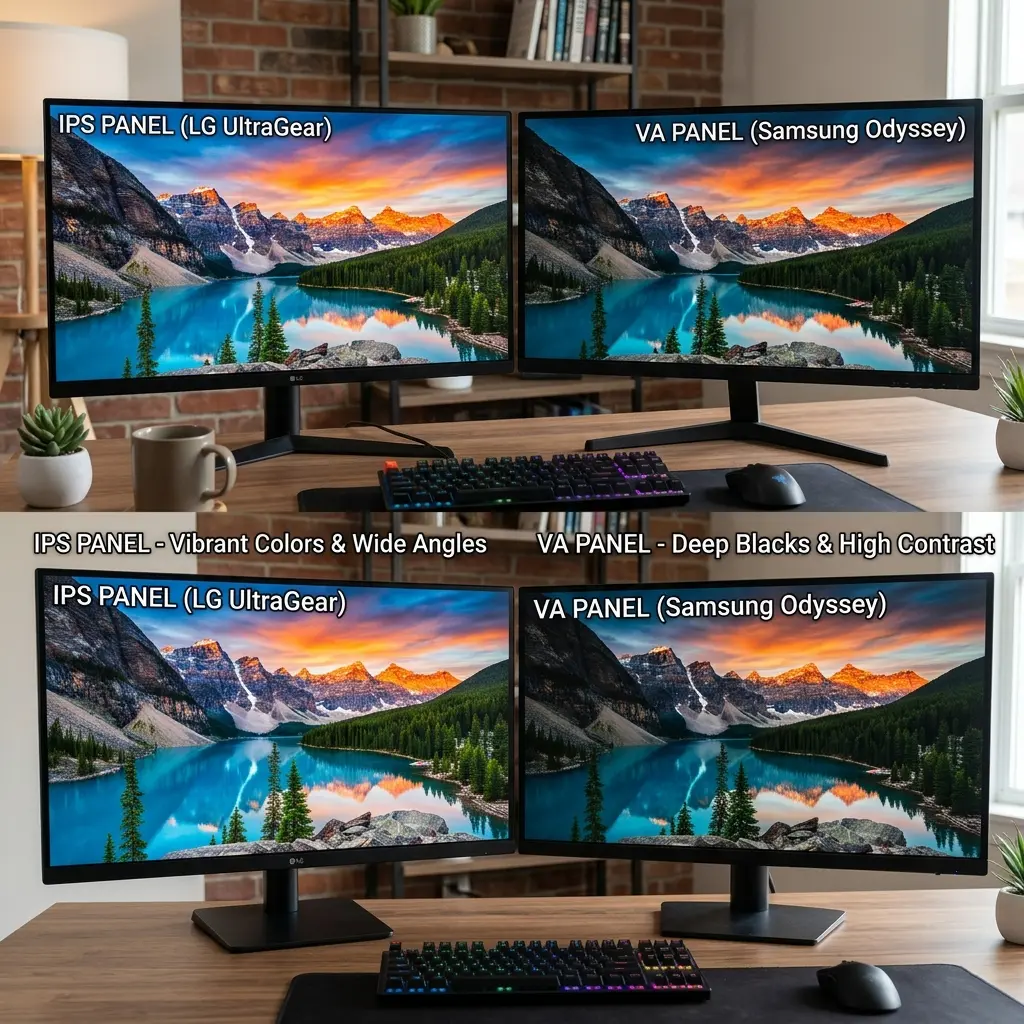
Connectivity Options and Versatility
Modern gaming monitors with built-in KVM switches offer a variety of connectivity options to enhance versatility. These monitors typically include multiple HDMI, DisplayPort, and USB ports, allowing for easy connection of various devices.
A robust selection of ports ensures compatibility with different gaming consoles, PCs, and peripherals, making it convenient for gamers who switch between devices frequently. The inclusion of USB-C ports also allows for streamlined connections with laptops and mobile devices.
For gamers who utilize multiple setups, the KVM switch functionality allows seamless transitioning between devices without the need to physically disconnect cables. This feature is particularly beneficial for multitaskers who may need to work or stream while gaming.
Additionally, some monitors come equipped with built-in audio outputs, enabling users to connect headphones or external speakers directly. This array of connectivity options addresses the diverse needs of gamers and professionals alike.
Color Performance and Calibration
Color performance is a crucial aspect when selecting a gaming monitor, especially for those who engage in graphic-intensive gaming or content creation. Many monitors with built-in KVM switches feature advanced color calibration technologies that provide accurate and vibrant color reproduction.
These monitors often support wide color gamuts such as sRGB, Adobe RGB, and DCI-P3, ensuring that colors appear true to life. This capability is particularly important for gamers who value visual fidelity in their gaming experiences.
Moreover, many models come with preset modes for different gaming genres, allowing users to optimize color settings based on their gameplay needs. Users can also fine-tune color settings using calibration tools to achieve the perfect balance for their specific preferences.
Regular software updates from manufacturers can further enhance color accuracy over time, ensuring that the monitor remains competitive in a rapidly evolving gaming landscape. This emphasis on color performance solidifies the monitor's role as a valuable tool for serious gamers and creatives.
Gaming-Specific Features
Gaming monitors with built-in KVM switches often include several gaming-specific features that enhance the overall experience. Features such as variable refresh rates (VRR) and low input lag are commonly found, improving responsiveness during gameplay.
Adaptive Sync technologies like NVIDIA G-SYNC and AMD FreeSync ensure smoother gameplay by minimizing screen tearing and stuttering. These technologies dynamically adjust the monitor's refresh rate to match the frame rate of the GPU, resulting in a more fluid gaming experience.
Additionally, features such as customizable crosshairs, FPS counters, and display alignment tools can provide gamers with a competitive edge. These enhancements allow users to tailor their gaming experience to their specific needs and preferences.
Some monitors also include integrated game modes, which automatically adjust settings based on the type of game being played. This convenience allows users to focus on their gameplay rather than constantly adjusting settings manually.
Gaming Monitor Sizes and Form Factors
The size and form factor of gaming monitors with built-in KVM switches can significantly impact the gaming experience. Monitors come in various sizes, ranging from compact 24-inch models to expansive 49-inch ultrawide displays, catering to different user preferences and setups.
Choosing the right size often depends on the available desk space and the desired level of immersion. Larger monitors can provide a more immersive experience, especially in racing and simulation games, while smaller models are ideal for limited spaces or competitive gaming.
Ultrawide monitors have gained popularity among gamers due to their ability to provide an extended field of view. This feature is particularly advantageous in first-person shooters and strategy games, where peripheral vision can be crucial.
Ultimately, users should consider their gaming habits and environment when selecting the size and form factor of their monitor. The right choice can enhance both gameplay and comfort during extended gaming sessions.
Energy Efficiency and Environmental Impact
Energy efficiency is becoming an increasingly important factor in the selection of gaming monitors, especially for environmentally conscious consumers. Many modern gaming monitors with built-in KVM switches are designed to minimize power consumption while maintaining performance.
Features such as power-saving modes and automatic brightness adjustments can significantly reduce energy use, making these monitors more eco-friendly. Additionally, manufacturers are beginning to adopt sustainable practices in production and packaging, further reducing environmental impact.
Energy-efficient monitors often come with certifications such as Energy Star, indicating that they meet strict energy efficiency guidelines. This not only benefits the environment but can also lead to lower electricity bills for users.
As awareness of environmental issues continues to grow, choosing an energy-efficient gaming monitor demonstrates a commitment to sustainability while still enjoying high-performance gaming experiences.
Gaming Community and Support
The gaming community plays a vital role in shaping the experience of using monitors with built-in KVM switches. Many manufacturers engage with their user base through forums, social media, and dedicated support channels, fostering a supportive environment for gamers.
Active community engagement allows users to share tips, tricks, and best practices for optimizing their monitor settings. This shared knowledge can enhance user experience and help individuals get the most out of their equipment.
In addition to community support, some manufacturers offer dedicated customer service for troubleshooting and advice. Comprehensive warranties and return policies can provide additional peace of mind for consumers.
Being part of a thriving gaming community can enhance the overall ownership experience, as users can gather insights on updates, new features, and potential issues affecting their monitors.
Future Trends in Gaming Monitors
The future of gaming monitors with built-in KVM switches is poised for exciting advancements as technology continues to evolve. Innovations in display technology, such as OLED and Mini-LED, promise to deliver even better contrast ratios and color accuracy.
Furthermore, the integration of artificial intelligence in monitor settings could allow for automated adjustments based on user habits. This could lead to enhanced performance and customization without the need for manual input.
As gaming becomes increasingly competitive, features such as real-time performance analytics and enhanced collaboration tools for multiplayer gaming may emerge. Such features would provide gamers with deeper insights into their performance and facilitate better teamwork.
Overall, the future landscape of gaming monitors suggests continuous improvement in functionality, performance, and user experience, making them an essential component of the modern gaming setup.
Cooling Solutions and Thermal Management
Effective cooling solutions are essential for maintaining optimal performance in gaming monitors, especially those equipped with advanced technologies. High refresh rates and intense graphical processing generate considerable heat, making thermal management a critical aspect.
Many modern gaming monitors feature integrated cooling systems that utilize heat sinks and ventilation to dissipate heat efficiently. These designs help prevent thermal throttling, ensuring that the monitor maintains performance during extended gaming sessions.
Some models also incorporate innovative materials that enhance heat dissipation, contributing to longer lifespans and consistent performance. Additionally, the placement of cooling vents is crucial, as it can affect airflow and overall thermal efficiency.
Users should consider monitors with robust thermal management systems, as they provide a better gaming experience and prolong the monitor's operational durability, especially in high-stakes competitive environments.
Software Features and Customization
Modern gaming monitors increasingly incorporate software features that allow for extensive customization and enhanced functionality. These tools enable users to adjust settings such as color profiles, response times, and input lag to suit specific gaming needs.
Some manufacturers offer proprietary software solutions that provide advanced calibration options, allowing users to fine-tune their display for optimal performance. This can include adjusting gamma levels, contrast ratios, and even implementing game-specific profiles for different titles.
Moreover, built-in features like on-screen crosshairs, frame rate counters, and customizable hotkeys can significantly enhance the gaming experience by providing real-time feedback and control. These software capabilities can be crucial for competitive gamers seeking every possible advantage.
Investing in a gaming monitor with robust software features not only improves performance but also allows for a more personalized gaming environment, catering to individual preferences and styles.
Impact of Refresh Rates and Response Times
Refresh rates and response times are pivotal specifications in gaming monitors that directly affect gameplay quality. A higher refresh rate, typically measured in hertz (Hz), allows for smoother motion and a more fluid gaming experience.
Monitors with refresh rates of 144Hz or higher are increasingly popular among gamers, as they significantly reduce motion blur and improve responsiveness. This is particularly beneficial in fast-paced games where every millisecond counts.
Response time, measured in milliseconds (ms), indicates how quickly a pixel can change from one color to another. A lower response time minimizes ghosting effects and enhances clarity, making it easier to track moving objects on the screen.
When selecting a gaming monitor, it is essential to consider both refresh rates and response times, as they collectively contribute to a smoother and more immersive gaming experience, especially in competitive settings.
Advanced Gaming Features and Customization
Modern gaming monitors with built-in KVM switches are increasingly incorporating advanced gaming features that enhance the overall user experience. Technologies such as adaptive sync, including NVIDIA G-SYNC and AMD FreeSync, help eliminate screen tearing and stuttering during gameplay. These features synchronize the monitor's refresh rate with the GPU's frame output, ensuring smooth and responsive visuals.
Beyond adaptive sync, many gaming monitors offer customizable gaming modes that cater to different genres. These modes adjust settings such as contrast, brightness, and color saturation to optimize performance for first-person shooters, racing games, or strategy titles. Users can often save their preferred settings, allowing for quick adjustments based on the type of game being played.
Additionally, some monitors come equipped with on-screen crosshairs, timers, and frame rate counters, providing gamers with valuable tools to enhance competitive play. These features enable players to track their performance in real-time and make necessary adjustments during gameplay. Customization options extend to RGB lighting, allowing users to create a visually immersive gaming environment that complements their setup.
Furthermore, the integration of software tools within these monitors allows for fine-tuning of various aspects, including overdrive settings and input lag reduction. This level of customization not only improves gaming performance but also enhances the user’s overall satisfaction with their monitor, making it a vital consideration for serious gamers.
Market Trends and Competitive Analysis
The gaming monitor market has seen significant growth due to the increasing popularity of competitive gaming and eSports. As demand rises, manufacturers are continually innovating to offer products that meet the evolving needs of gamers. This competitive landscape drives the development of monitors with advanced features such as higher refresh rates, lower response times, and enhanced color accuracy.
Additionally, there is a growing trend towards monitors that cater specifically to multi-device users. Built-in KVM switches are becoming a standard feature, allowing gamers to seamlessly switch between devices without the hassle of multiple peripherals. This convenience is particularly appealing to streamers and content creators who often use multiple systems for gaming and production.
Another trend gaining traction is the emphasis on eco-friendly materials and energy-efficient designs. As consumers become more environmentally conscious, manufacturers are responding by integrating sustainable practices in their production processes. This includes using recyclable materials and implementing energy-saving technologies, which also appeal to the cost-conscious gamer.
In terms of competitive analysis, brands are differentiating themselves through unique features and price points. High-end models are competing on performance and build quality, while budget-friendly options focus on delivering essential gaming functionalities. This broad range of choices enables consumers to find a monitor that fits their specific needs and budget, fostering a diverse market landscape.
Frequently Asked Questions
What is a KVM switch and how does it work?
A KVM switch allows users to control multiple computers using one keyboard, monitor, and mouse setup.
What resolution is best for gaming?
For competitive gaming, 1080p is common, while 1440p and 4K provide more detail for immersive experiences.
How important is refresh rate?
A higher refresh rate reduces motion blur, enhancing gameplay, especially in fast-paced games.
Are curved monitors better for gaming?
Curved monitors can enhance immersion and reduce glare, making them appealing to many gamers.
How do I choose the right size monitor?
Consider the distance from the screen and available desk space; larger monitors are better viewed from further away.




