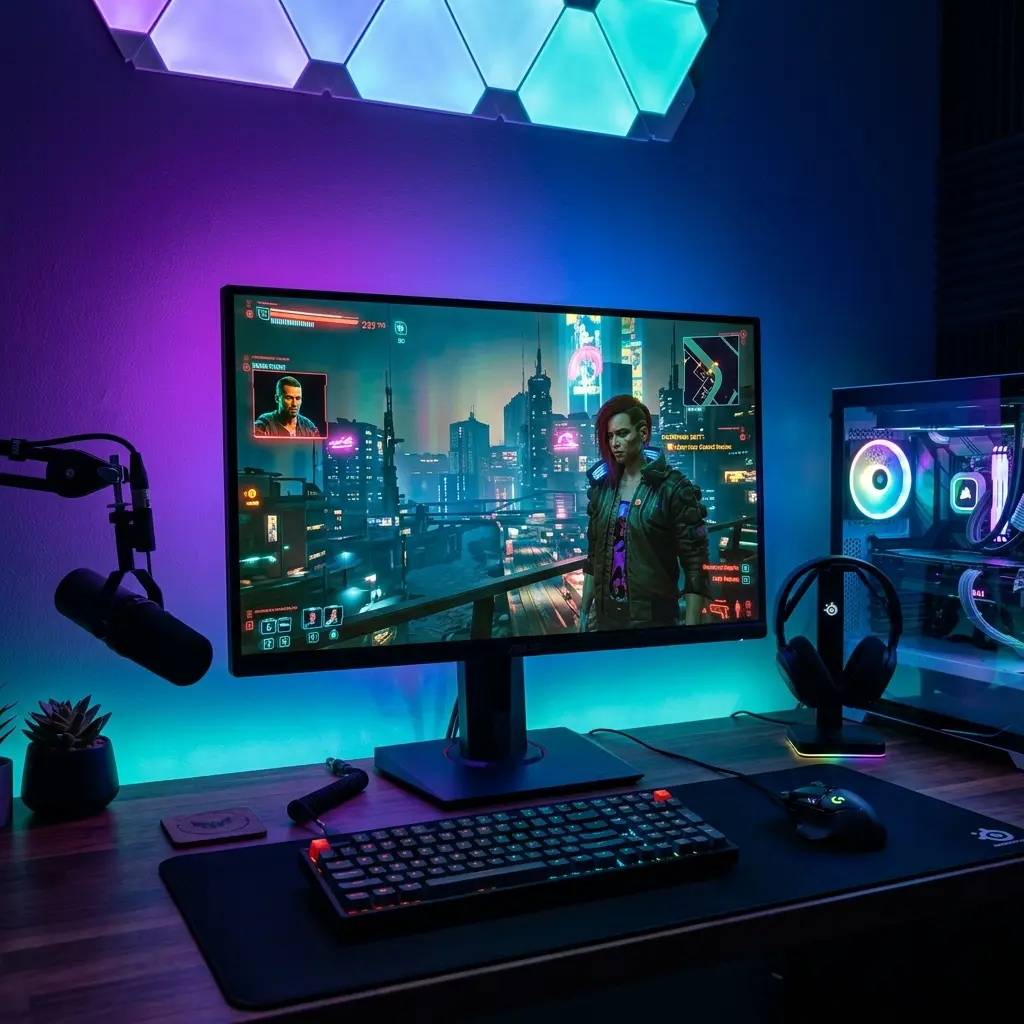
Flat 27-inch IPS 144Hz gaming monitors provide exceptional visuals and performance, making them ideal for immersive gaming experiences.
Physical Aspects and Resolution
With a 27-inch screen size, IPS panels deliver vivid colors and wide viewing angles, crucial for competitive gaming. The standard resolution is 2560x1440 (QHD), balancing pixel density and performance.
Performance and Technology
144Hz refresh rates ensure smooth motion during fast-paced gameplay, reducing motion blur and enhancing responsiveness. Adaptive Sync technologies like FreeSync or G-Sync further minimize screen tearing and stuttering.
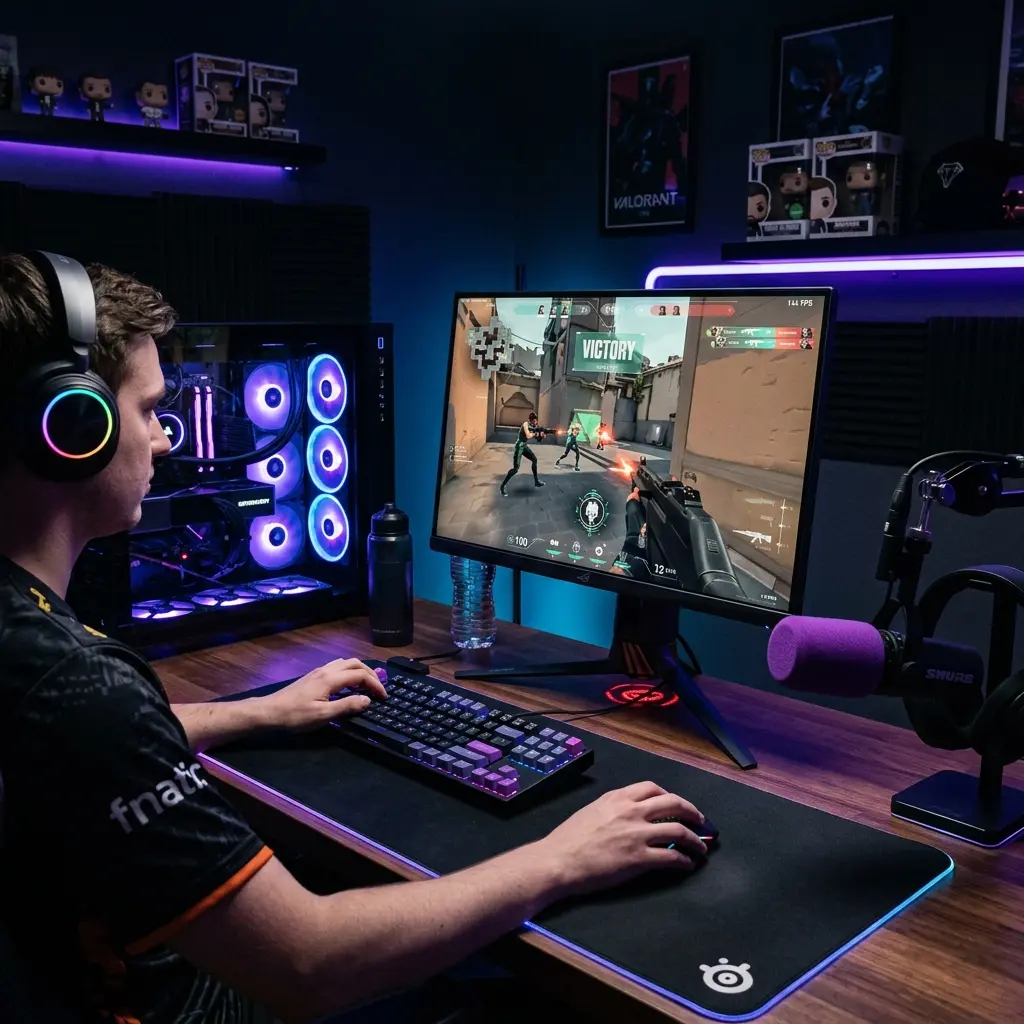
Ergonomics and Visual Comfort
Adjustable stands allow for height, tilt, and swivel adjustments, promoting a comfortable viewing position. Flicker-free technology and blue light filters help reduce eye strain during extended gaming sessions.
| Model | Resolution | Refresh Rate | Response Time | Price |
|---|---|---|---|---|
| Acer Nitro VG271U | 2560x1440 | 144Hz | 1ms | $349 |
| ASUS TUF Gaming VG27AQ | 2560x1440 | 144Hz | 1ms | $399 |
| LG 27GL850-B | 2560x1440 | 144Hz | 1ms | $449 |
Materials and Durability
High-quality plastic and metal constructions enhance durability while remaining lightweight. Energy-efficient LED backlighting contributes to longevity and reduced power consumption.
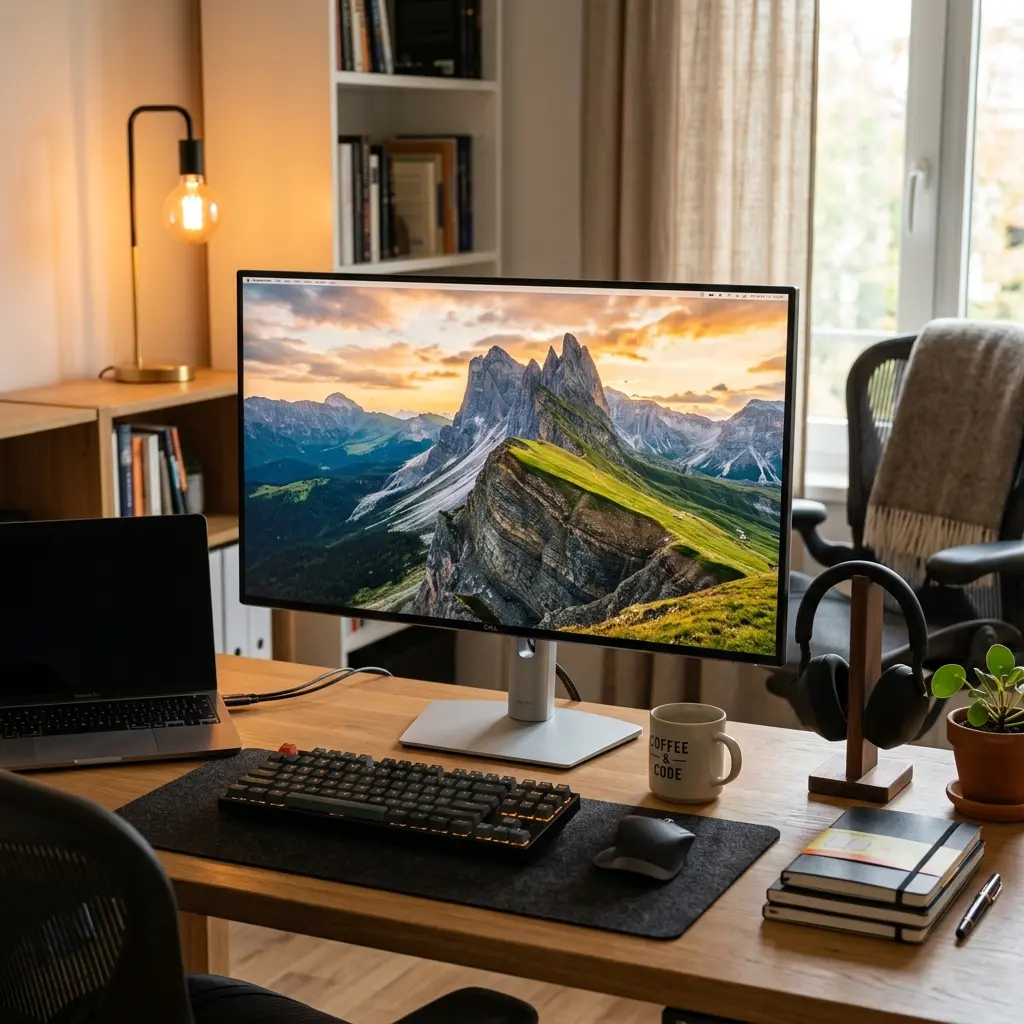
DomineTec Tip: Opt for monitors with adjustable stands to enhance comfort and adaptability in your gaming setup.
Buying Recommendations and Brands
Consider trusted brands like Acer, ASUS, and LG for reliable performance and build quality. Look for models with extensive warranties and customer support for added peace of mind.

- Determine your budget and preferred specifications.
- Research and compare models based on reviews and performance metrics.
- Check for compatibility with existing hardware and gaming setups.
- Examine warranty options and customer service availability.
- Make an informed purchase based on thorough evaluation.
Value Analysis and Verdict
Investing in a 27-inch IPS 144Hz gaming monitor is a strategic decision for gamers seeking an optimal blend of quality and performance. The balance of price and features often leads to an enhanced gaming experience.
Color Accuracy and Calibration
Color accuracy is a critical factor for gamers who seek immersive experiences and professional performance.
Many 27-inch IPS gaming monitors come factory-calibrated, ensuring vibrant colors right out of the box, but individual calibration can further enhance accuracy.
Using tools like colorimeters, users can adjust settings to achieve a Delta E value under 2, which is considered excellent for color fidelity.
Monitors with wide color gamut coverage, such as 99% sRGB or 95% DCI-P3, provide a richer palette, making them suitable for both gaming and content creation.
Response Time and Input Lag
Response time and input lag are crucial metrics that affect gaming performance, especially in fast-paced genres.
Modern 27-inch IPS monitors typically feature a response time of 1ms to 5ms, which helps minimize ghosting and blurring during rapid movements.
Input lag, ideally below 20ms, ensures that there is minimal delay between user actions and on-screen responses, enhancing competitive play.
Users should look for monitors that utilize technologies like Adaptive Sync to further reduce lag and provide smoother gameplay experiences.
Connectivity Options and Compatibility
Connectivity options play a vital role in ensuring compatibility with various gaming systems and devices.
Most high-end 27-inch IPS monitors come equipped with multiple HDMI and DisplayPort inputs, facilitating connections to PCs, consoles, and other peripherals.
Some models also feature USB-C ports, enabling easy connection with laptops and mobile devices, which can be a significant advantage for gamers on the go.
Additionally, built-in USB hubs can enhance convenience by allowing users to connect keyboards, mice, and other accessories directly to the monitor.
Gaming Features and Technologies
Many 27-inch IPS gaming monitors include advanced gaming features that cater to the needs of serious gamers.
Technologies such as NVIDIA G-Sync and AMD FreeSync help eliminate screen tearing and provide a smoother gaming experience by synchronizing the monitor's refresh rate with the graphics card.
Some models also offer customizable crosshair overlays, frame rate counters, and dynamic contrast enhancements that can give players a competitive edge.
These features not only improve gameplay but also enhance the overall gaming experience by providing users with tools to optimize their performance.
Design Aesthetics and Customization
The design aesthetics of a monitor can significantly influence a gaming setup's overall appeal.
Many 27-inch IPS monitors feature sleek, modern designs with thin bezels, allowing for a more immersive viewing experience and multi-monitor setups.
Some models offer customizable RGB lighting, enabling users to sync their monitor's lighting with other gaming peripherals for a cohesive look.
Furthermore, the option for various stand designs, including VESA mounting capabilities, allows users to tailor their setups to their preferences and space constraints.
Environmental Impact and Energy Efficiency
As awareness of environmental issues grows, the energy efficiency of gaming monitors becomes increasingly important.
Many 27-inch IPS gaming monitors come with energy-saving features such as automatic brightness adjustments and low power modes, reducing overall energy consumption.
Some manufacturers also focus on sustainable practices, using recyclable materials and environmentally friendly packaging to minimize their ecological footprint.
Users looking to make more responsible choices can seek monitors with ENERGY STAR certifications, which guarantee energy efficiency without sacrificing performance.
Future-Proofing and Upgradability
Investing in a gaming monitor that offers future-proofing features can help users enjoy their purchase for years to come.
27-inch IPS monitors with high refresh rates and resolutions are increasingly becoming the standard, making them a wise choice for long-term use.
Additionally, support for the latest HDMI and DisplayPort standards ensures compatibility with upcoming graphics cards and gaming consoles.
Choosing a monitor that supports variable refresh rates and features advanced gaming technologies will also help users remain competitive as games continue to evolve.
Refresh Rate and Frame Synchronization
The refresh rate is a critical factor for gaming monitors, particularly those designed for fast-paced action. A 144Hz refresh rate enables smoother visuals, which can enhance the overall gaming experience significantly.
Frame synchronization technologies, such as NVIDIA G-SYNC and AMD FreeSync, further improve performance by eliminating screen tearing and reducing stuttering. These technologies synchronize the monitor’s refresh rate with the frame rate output by the graphics card.
When choosing a gaming monitor, consider compatibility with your graphics hardware. A monitor that supports G-SYNC or FreeSync can provide a more fluid gaming experience and can be particularly beneficial in graphically intensive games.
Additionally, the combination of a high refresh rate and frame synchronization can lead to a competitive edge in gaming. Fast response times paired with these technologies ensure that players can react promptly to in-game events.
Color Gamut and HDR Support
Color gamut refers to the range of colors that a monitor can display. Monitors with a wide color gamut can reproduce more accurate and vibrant colors, enhancing the visual quality of games.
High Dynamic Range (HDR) support is an important feature to consider, as it allows monitors to display a greater range of brightness and contrast levels. HDR can significantly enhance the visual experience by providing more realistic lighting and shadow effects.
When evaluating HDR performance, look for monitors that meet the VESA DisplayHDR certification standards. Monitors with higher certification levels will offer improved peak brightness and better color accuracy.
For gamers, both color gamut and HDR support can vastly improve immersion, making environments feel more lifelike. Investing in a monitor with these features can elevate the overall gaming experience.
Anti-Glare Coatings and Screen Finish
Anti-glare coatings are essential for gaming monitors, particularly in brightly lit environments. These coatings minimize reflections and help maintain visibility during intense gaming sessions.
The screen finish plays a significant role in how the display performs in various lighting conditions. Matte finishes typically reduce glare but may slightly impact color vibrancy compared to glossy finishes.
Choosing the right screen finish depends on the user's gaming environment. For those who game in well-lit rooms, a matte finish is often preferable, while glossy screens may be suitable for darker settings.
It is also essential to consider how the screen finish affects maintenance. Matte screens can be more resistant to fingerprints and smudges, making them easier to keep clean compared to their glossy counterparts.
Audio Quality and Built-in Speakers
While many gamers rely on headsets for audio, built-in speakers can still play a role in the overall gaming experience. The quality of these speakers varies widely among monitors, with some providing surprisingly good sound.
When assessing a monitor's audio capabilities, look for features like built-in subwoofers or high-quality audio drivers. These features can enhance sound performance, making games more immersive without the need for external audio equipment.
Additionally, some monitors come with integrated audio processing technologies that can improve sound clarity and spatial awareness. This can be particularly beneficial in competitive gaming scenarios where sound cues are crucial.
However, for serious gamers or audiophiles, it is still advisable to invest in a dedicated sound system or high-quality headphones. Built-in speakers can complement audio setups but may not meet the demands of all users.
Software and User Interface Features
The software and user interface of a gaming monitor can greatly influence usability and functionality. Many modern monitors come with on-screen display (OSD) menus that allow for easy adjustment of settings like brightness, contrast, and color profiles.
Some brands offer advanced software that enhances the monitor's functionality, including customizable profiles for different games and applications. This can allow users to switch settings quickly based on their gaming needs.
Furthermore, features like picture-in-picture and split-screen modes can enhance multitasking capabilities. These features can be particularly useful for streamers or gamers who want to monitor additional content while playing.
Ultimately, a user-friendly interface can enhance the overall experience, making it easier for users to optimize their settings and take full advantage of their monitor's capabilities.
Calibration Tools and Techniques
For optimal performance, users should consider employing calibration tools to enhance the visual quality of their gaming monitors. Utilizing hardware calibration devices can significantly improve color accuracy and consistency across different lighting conditions.
Software solutions are also available that offer built-in calibration settings, allowing users to adjust parameters such as gamma, brightness, and contrast. Programs like DisplayCAL or the calibration tools provided by manufacturers can help gamers achieve the best possible visual experience.
Regular calibration is recommended, especially for gamers who prioritize color precision in competitive environments. As games evolve in graphical fidelity, maintaining an accurately calibrated monitor ensures that visuals remain true to the developers' intent.
Gamers should familiarize themselves with their monitor’s specific calibration controls and options. A well-calibrated monitor can enhance immersion and accuracy in gameplay, providing a competitive edge in fast-paced scenarios.
Impact of Panel Variants on Gaming Experience
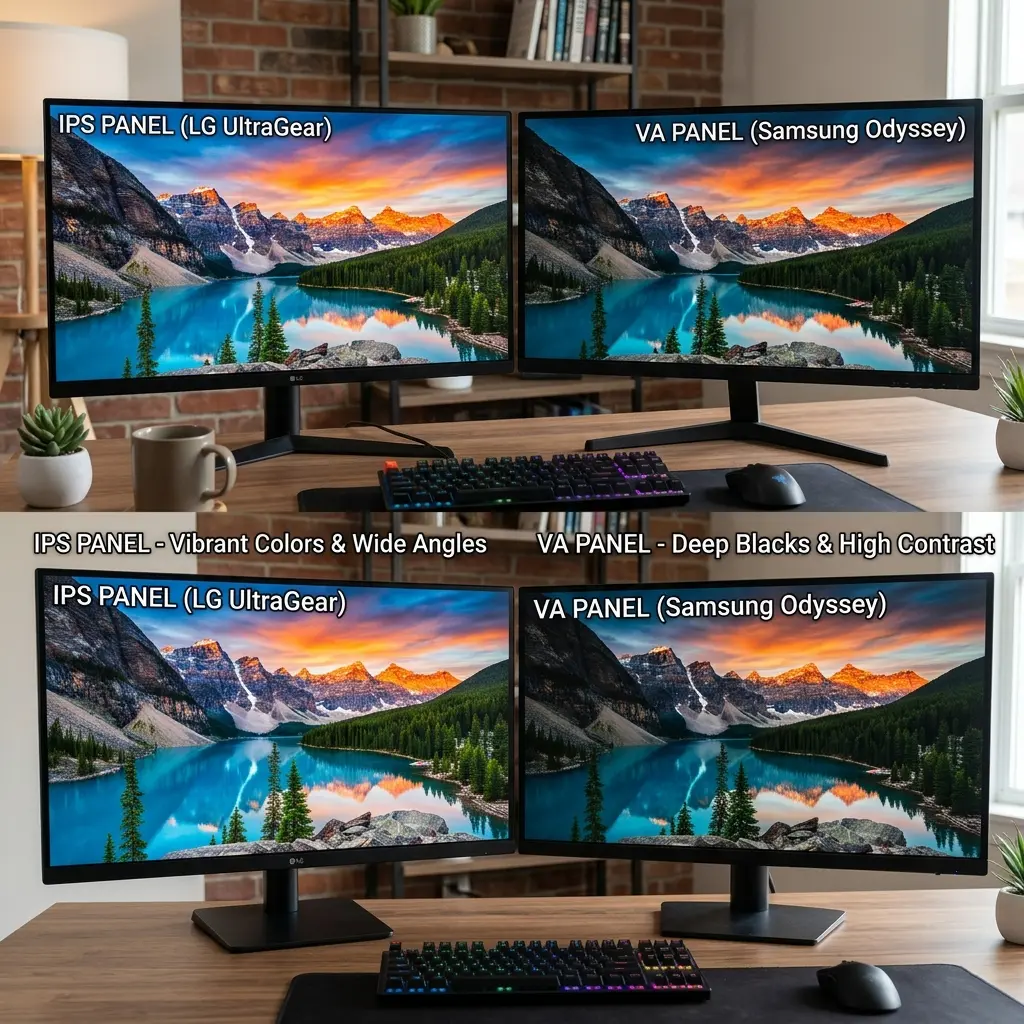
While IPS panels are renowned for their color accuracy and viewing angles, it is essential to understand the differences among various panel technologies. Each type, including TN and VA, has its unique characteristics that can influence gaming performance and user experience.
TN panels, for instance, offer faster response times compared to IPS, making them suitable for competitive gaming where speed is critical. However, they often fall short in color reproduction and viewing angles, which may not appeal to users who enjoy visually rich, immersive environments.
VA panels provide a middle ground with better contrast ratios but may exhibit slower response times. This can lead to ghosting in fast-moving scenes, thereby affecting gameplay quality. Understanding these differences helps gamers choose the right monitor based on their gaming style and preferences.
Ultimately, the choice of panel technology should align with the type of games played and individual performance expectations. By evaluating the strengths and weaknesses of each panel type, gamers can make informed decisions that enhance their overall gaming experience.
Customer Reviews and User Feedback
Customer reviews provide valuable insights into the real-world performance of 27-inch IPS 144Hz gaming monitors. Users often highlight the importance of color accuracy and responsiveness, which directly impact the gaming experience.
Many gamers appreciate the smoothness of high refresh rates, noting that it significantly enhances competitive gaming. Positive feedback frequently mentions how these monitors reduce motion blur, leading to a more immersive experience during fast-paced gameplay.
Conversely, some users express concerns regarding the initial calibration of these monitors. While factory settings may suffice for casual use, gamers often recommend manual calibration to achieve optimal color performance and minimize input lag.
Overall, user feedback plays a crucial role in identifying the strengths and weaknesses of specific models. Prospective buyers are encouraged to consider reviews that discuss long-term usage, as they can reveal insights into durability and reliability over time.
Comparative Analysis of Leading Models
In the competitive market of 27-inch IPS 144Hz gaming monitors, several models stand out based on features, performance, and price. Conducting a comparative analysis helps potential buyers identify the best options tailored to their gaming needs.
For instance, one popular model features superior HDR support and a wider color gamut, making it ideal for gamers who prioritize visual fidelity. In contrast, another model may excel in response time and input lag, appealing to competitive gamers who require rapid feedback.
Price points also vary significantly; higher-end models may offer additional features such as G-Sync compatibility and extensive connectivity options. Budget-conscious gamers should weigh these features against their specific needs to make an informed decision.
Ultimately, a thorough comparative analysis allows consumers to navigate the diverse landscape of 27-inch IPS 144Hz gaming monitors effectively. This process ensures that they find a monitor that aligns with their gaming style and budgetary constraints.
Frequently Asked Questions
What is the ideal resolution for a 27-inch gaming monitor?
A QHD resolution (2560x1440) is recommended for a 27-inch display, providing excellent clarity without taxing the GPU excessively.
Are IPS panels better for gaming?
IPS panels offer superior color accuracy and wider viewing angles, making them suitable for gaming and multimedia applications.
How does refresh rate affect gaming performance?
A higher refresh rate, such as 144Hz, results in smoother motion and reduced motion blur, significantly enhancing gaming experiences.
Can these monitors be used for professional work?
Yes, the color accuracy and sharp resolution of these monitors make them ideal for both gaming and professional graphic design tasks.
What should be considered for monitor ergonomics?
Height adjustment, tilt, and swivel options are essential for creating a comfortable viewing position that minimizes strain during long sessions.




