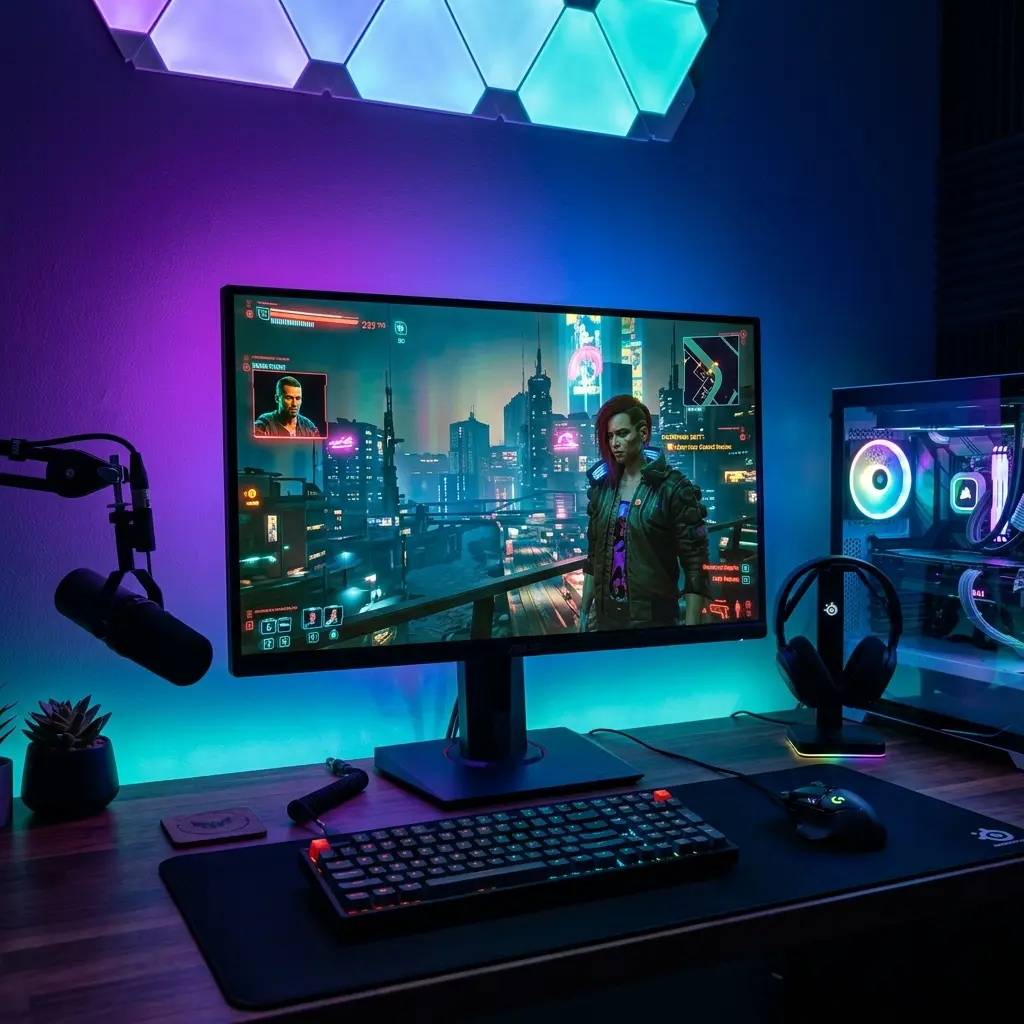
The best 27-inch curved gaming monitors enhance immersion and provide superior performance for an elevated gaming experience.
Physical Aspects and Resolution
Curved gaming monitors typically feature a resolution of 2560x1440 (QHD) or 1920x1080 (FHD), with a 16:9 aspect ratio.
The curvature radius varies from 1800R to 4000R, impacting the viewing experience significantly.
Performance and Technology
Refresh rates of 144Hz or higher are standard in high-performance models, providing smooth motion during fast-paced gaming.
Technologies such as FreeSync and G-SYNC enhance fluidity by synchronizing the GPU and monitor refresh rates.
Ergonomics and Visual Comfort
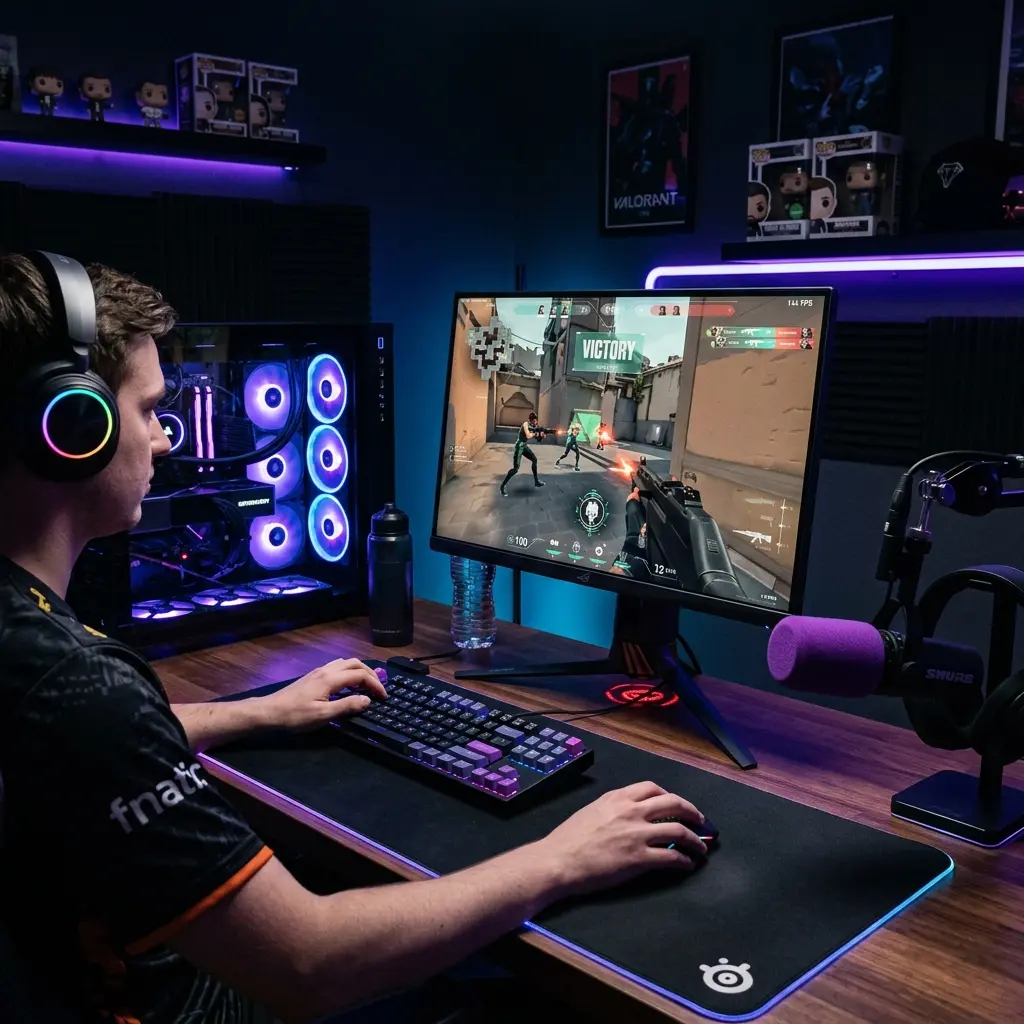
Adjustable stands allow for tilt, swivel, and height adjustments, ensuring optimal viewing angles and reducing neck strain.
Blue light filters and flicker-free technology contribute to visual comfort during extended gaming sessions.
| Model | Resolution | Refresh Rate | Panel Type | Curvature |
|---|---|---|---|---|
| Samsung Odyssey G7 | 2560x1440 | 240Hz | VA | 1800R |
| Acer Predator XZ271U | 2560x1440 | 144Hz | VA | 1800R |
| MSI Optix MAG272CQR | 2560x1440 | 165Hz | VA | 1500R |
| LG 27GN950-B | 3840x2160 | 144Hz | IPS | Curved |
Materials and Durability
High-quality materials, such as aluminum and durable plastics, ensure longevity and resistance to wear and tear.
Monitors often feature anti-glare coatings and strong glass to protect screens from scratches and reflections.
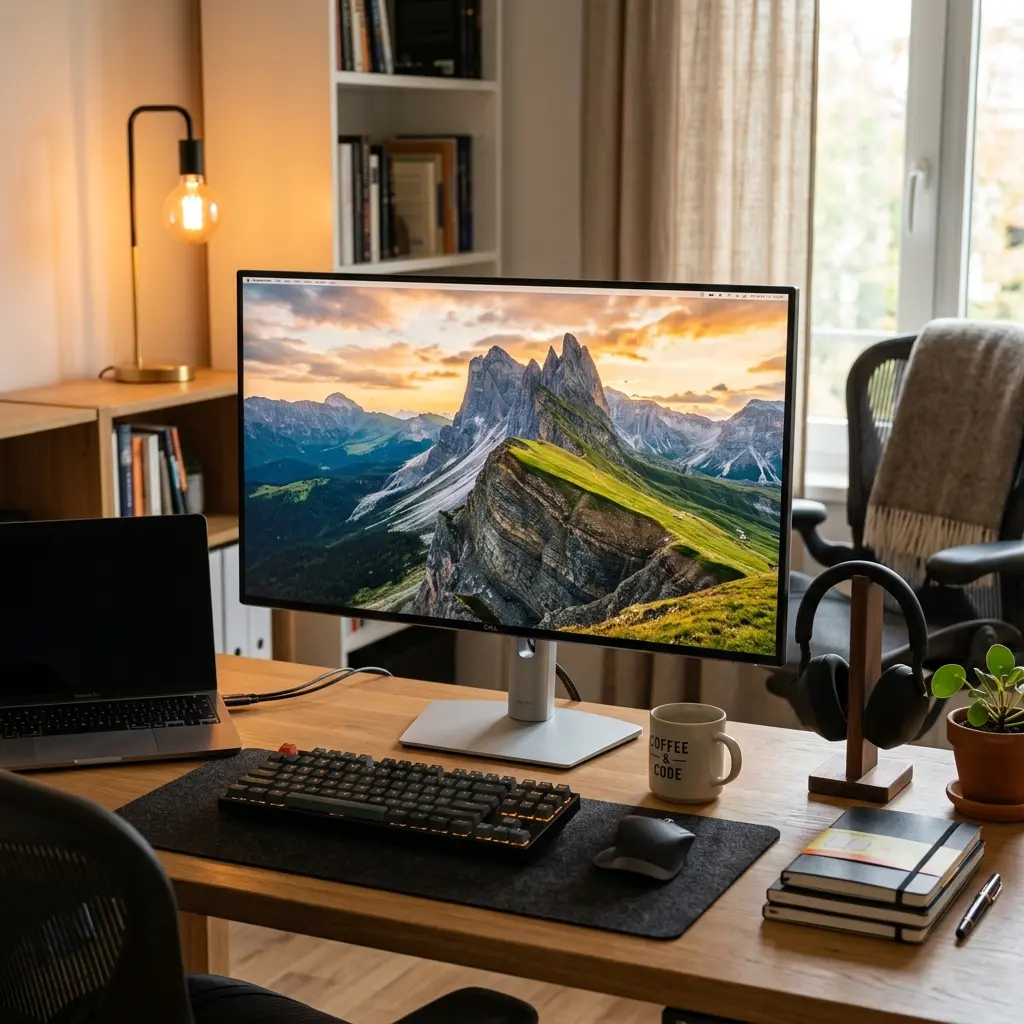
DomineTec Tip: Maintain an optimal distance from the screen of about 1.5 to 2.5 times the diagonal size of the display for better ergonomics.
Buying Recommendations and Brands
Consider reputable brands such as Samsung, Acer, MSI, and LG for high-quality curved monitors.
Look for models with a combination of high refresh rates, adaptive sync technologies, and ergonomic designs for the best experience.
- Assess the resolution needed for your gaming style.
- Choose a refresh rate that complements your graphics hardware.
- Evaluate ergonomic features for a comfortable setup.
- Research brand reliability and customer feedback.
- Compare prices and warranty options to ensure value.
Value Analysis and Verdict
Investing in a quality 27-inch curved gaming monitor can significantly enhance gameplay and overall user experience.
Prioritize specifications that match personal gaming preferences for optimal satisfaction.
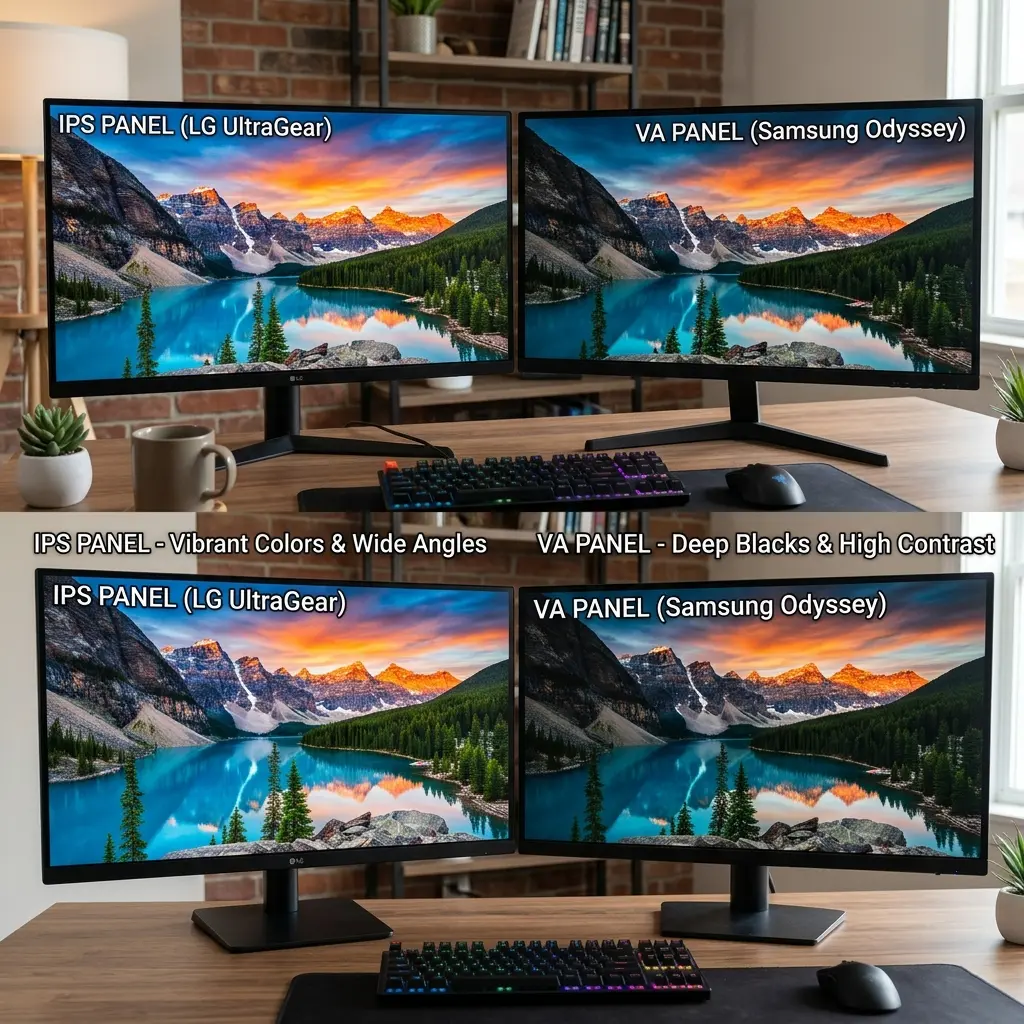
Color Accuracy and Calibration
Color accuracy is crucial for gamers who seek an immersive experience and realistic visuals. Monitors with high color fidelity can reproduce a broader spectrum of colors, enhancing the overall gaming experience.
Many high-end 27-inch curved gaming monitors come factory-calibrated, ensuring that colors are represented as intended. This calibration process is vital for gamers who play visually demanding titles or engage in content creation.
Advanced calibration tools and software are often available for users wanting to fine-tune their monitors. These tools allow for adjustments in gamma, brightness, contrast, and color balance to personalize the viewing experience.
Investing in a monitor with high color accuracy can significantly impact gameplay, making it essential for gamers who prioritize visual quality. Additionally, a monitor that supports wide color gamuts like Adobe RGB or DCI-P3 can further enhance the gaming experience.
Refresh Rate and Response Time
Refresh rate and response time are critical specifications for gamers, particularly in fast-paced genres. A higher refresh rate, such as 144Hz or 240Hz, enables smoother visuals and more responsive gameplay.
Response time, measured in milliseconds, indicates how quickly a pixel can change from one color to another. Monitors with lower response times help reduce motion blur, ensuring clarity in fast-moving scenes.
For competitive gamers, a monitor with a high refresh rate and low response time can provide a significant advantage. This combination enhances the ability to track fast-moving objects and improves overall gameplay fluidity.
Many modern 27-inch curved gaming monitors now support adaptive sync technologies like NVIDIA G-SYNC or AMD FreeSync. These technologies synchronize the refresh rate with the graphics card output, eliminating screen tearing and stuttering.
Connectivity Options and Compatibility
Connectivity options are vital for ensuring compatibility with various gaming systems and devices. A well-equipped monitor should feature multiple ports, including HDMI, DisplayPort, and USB hubs.
Having diverse connectivity options allows gamers to link multiple devices, such as PCs, consoles, and peripherals, without the need for constant plug-and-unplug. This flexibility is especially beneficial for multi-device setups.
Some monitors also offer features like Picture-in-Picture (PiP) and Picture-by-Picture (PbP), enabling users to view content from multiple sources simultaneously. This feature can enhance multitasking capabilities, especially for streamers and content creators.
Compatibility with the latest HDMI and DisplayPort standards is essential for ensuring optimal performance. It allows gamers to take advantage of higher resolutions, refresh rates, and other advanced features without limitations.
Gaming Features and Customization
Many 27-inch curved gaming monitors come equipped with gaming-specific features that enhance user experience. These features can range from customizable RGB lighting to integrated crosshairs and FPS counters.
Advanced gaming modes allow users to optimize settings for specific genres, such as FPS, RTS, or RPG. This customization can improve performance by adjusting color, contrast, and response times tailored to the game's demands.
Some monitors also include built-in presets for quick adjustments during gameplay. These presets enable gamers to switch between different settings based on lighting conditions or game types with ease.
Furthermore, software applications provided by manufacturers can offer additional customization options. These applications allow users to save profiles, adjust overdrive settings, and monitor performance metrics for a more tailored gaming environment.
Environmental Impact and Energy Efficiency
As gaming technology advances, so does the need for environmentally friendly practices. Many manufacturers are now focusing on energy efficiency and sustainable materials in their monitor designs.
Energy-efficient monitors consume less power, which not only reduces electricity costs but also minimizes the carbon footprint. Look for monitors with Energy Star certifications or similar eco-friendly ratings.
Additionally, some manufacturers are incorporating recycled materials into their monitor construction. This practice helps reduce waste and promotes sustainability in the tech industry.
Investing in energy-efficient gaming monitors is not only beneficial for the environment but can also enhance the longevity of the device. Lower power consumption can lead to reduced heat generation, which positively affects the monitor's lifespan.
Image Quality in Different Environments
The environment in which a monitor is used can significantly impact image quality. Factors such as ambient light, room color, and screen glare can all affect the viewing experience.
Curved monitors are designed to provide an immersive experience by reducing reflections and glare, making them suitable for various lighting conditions. However, positioning them correctly is essential to maximize visual performance.
Gamers should consider using anti-glare coatings or filters for their monitors when placed in bright rooms. These coatings can help maintain image clarity and prevent distractions caused by reflections.
Additionally, adjusting monitor settings based on the environment can enhance image quality. Brightness and contrast levels may need tweaking to optimize visibility in rooms with different lighting conditions.
Multimedia Capabilities and Versatility
While primarily designed for gaming, many 27-inch curved monitors also excel in multimedia applications. Their large screens and high resolutions make them suitable for watching movies, editing photos, and creating content.
Many models support HDR (High Dynamic Range), which enhances the contrast and color range in multimedia content. This feature allows for a more immersive experience, particularly when viewing HDR-enabled films and games.
Some monitors offer built-in speakers, although they may not replace dedicated audio systems. However, they can provide convenience for casual viewing without needing external speakers.
For content creators, high-resolution monitors enhance the precision required for graphic design and video editing. The wide color gamut and accurate reproduction of colors are essential for producing high-quality content.
Adaptive Sync Technologies
Adaptive Sync technologies, such as NVIDIA G-SYNC and AMD FreeSync, have become critical features in 27-inch curved gaming monitors for enhancing the gaming experience.
These technologies minimize screen tearing and stuttering by synchronizing the monitor's refresh rate with the GPU's frame rate, ensuring smoother gameplay.
As a result, gamers can enjoy more fluid motion and responsiveness, especially in fast-paced titles where every millisecond counts.
When selecting a monitor, it is essential to verify compatibility with your graphics card to fully leverage these adaptive sync technologies.
Curvature and Immersion
The curvature of a monitor significantly impacts the level of immersion experienced during gaming sessions.
A 27-inch curved gaming monitor typically features a curvature radius of 1800R to 4000R, creating a more enveloping field of view.
This design helps to reduce distortion at the edges of the screen, enhancing peripheral vision and providing a more engaging experience.
Moreover, the curvature can also alleviate eye strain during extended gameplay, as it encourages a more natural viewing angle.
Software and User Interface
Many modern 27-inch curved gaming monitors come equipped with sophisticated software that enhances usability and customization options.
This software often includes features such as on-screen crosshairs, frame rate counters, and customizable presets for different gaming genres.
User interfaces can vary widely, with some models offering intuitive navigation through joystick controllers or customizable hotkeys for quick adjustments.
Investing in a monitor with robust software support can greatly enhance the overall gaming experience by allowing users to tailor settings to their specific preferences.
Price Range and Budget Considerations
The price of 27-inch curved gaming monitors can vary significantly based on features, brand reputation, and performance specifications. Budget-conscious consumers may find entry-level models priced around $250, while high-end options can exceed $1,000, especially those equipped with advanced technology and features.
When setting a budget, it's crucial to consider not only the initial purchase price but also the long-term value. Features like adaptive sync technologies and high refresh rates can enhance the gaming experience, making a slightly higher investment worthwhile for avid gamers.
For gamers looking to balance performance with cost, mid-range monitors that fall between $400 and $700 often provide an excellent combination of features and quality. These monitors typically include solid refresh rates, decent response times, and good color accuracy, catering to most gaming needs.
Ultimately, understanding the price-to-performance ratio of various models will help consumers make informed decisions. Researching reviews and comparisons can aid in identifying which monitors offer the best value in relation to their price point.
Future Trends in Curved Gaming Monitors
The future of 27-inch curved gaming monitors is poised for exciting advancements as technology continues to evolve. One notable trend is the increasing integration of artificial intelligence (AI) to enhance user experience, such as optimizing display settings based on individual preferences or gaming styles.
Moreover, manufacturers are focusing on reducing the environmental impact of production and disposal by using sustainable materials and energy-efficient processes. This trend aligns with growing consumer demand for eco-friendly products, which could significantly influence future designs and manufacturing practices.
Additionally, the implementation of next-generation display technologies, such as Mini-LED and OLED, will likely redefine color accuracy and contrast ratios in curved monitors. These technologies promise deeper blacks and more vibrant colors, elevating the immersive gaming experience to unprecedented levels.
Finally, as gaming continues to embrace virtual and augmented reality, future monitors may incorporate features that cater specifically to these platforms. This could include enhanced connectivity options and unique ergonomic designs aimed at providing a seamless transition between traditional gaming and immersive environments.
Maintenance and Care for Curved Gaming Monitors
Proper maintenance of a curved gaming monitor is essential for ensuring its longevity and optimal performance. Regular cleaning of the screen and the surrounding area can help prevent dust and fingerprints from affecting image quality.
Using a microfiber cloth is recommended for cleaning the screen, as it minimizes the risk of scratches. Additionally, users should avoid harsh chemicals and opt for screen-safe cleaning solutions to maintain the integrity of the display.
It is also important to adjust the monitor settings periodically. This includes recalibrating color profiles and ensuring that the refresh rate settings align with the capabilities of the graphics card, which can enhance the overall gaming experience.
Lastly, keeping the monitor firmware updated can provide improvements in performance and compatibility with new gaming technologies. Manufacturers often release updates that address bugs and enhance features, contributing to a better user experience.
Comparative Analysis with Flat Monitors
When comparing curved monitors to their flat counterparts, several factors come into play that can influence a gamer's choice. Curved monitors generally offer a more immersive experience by wrapping the display around the viewer's field of vision, which can enhance gameplay in first-person shooters and adventure games.
Flat monitors, however, often provide better viewing angles for multi-user situations. They are typically easier to position for shared gaming experiences, making them a better choice for local multiplayer settings.
Another aspect to consider is the impact on eye strain. Curved monitors can reduce distortion and glare, which might lead to less eye fatigue during long gaming sessions. In contrast, flat monitors may require users to adjust their seating position frequently to find the optimal viewing angle.
Ultimately, the decision between a curved and flat monitor will depend on individual preferences and gaming habits. Each type has its strengths, and understanding these can help gamers make a more informed choice that aligns with their specific needs.
Frequently Asked Questions
What is the ideal refresh rate for gaming?
A refresh rate of 144Hz is recommended for competitive gaming, while 60Hz is sufficient for casual gaming.
Are curved monitors better for gaming?
Curved monitors improve immersion by wrapping images around the viewer’s peripheral vision, enhancing gameplay.
What panel types are best for gaming?
IPS panels offer better color accuracy, while TN panels provide faster response times; VA panels balance both.
How important is screen size for gaming?
Screen size affects immersion and field of view; 27 inches is considered optimal for a balance of detail and visibility.
Can curved monitors be used for productivity?
Yes, curved monitors can improve productivity by providing a wider field of view for multitasking.




