Best Color-Accurate Monitors for Professional Video Editing
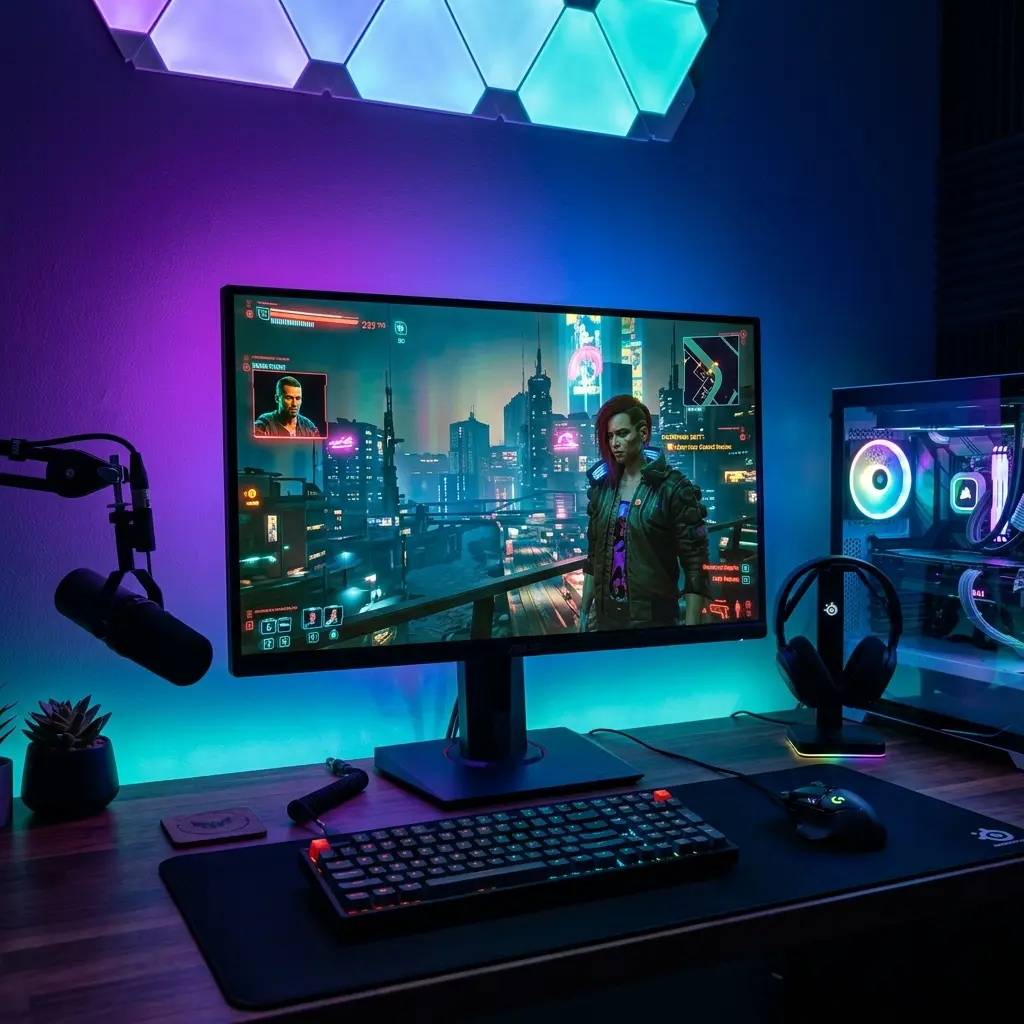
Choosing the best color-accurate monitors for professional video editing ensures precision and quality in visual projects.
Physical Aspects and Resolution
Monitors designed for video editing typically feature larger screen sizes ranging from 27 to 32 inches. High resolution is essential; 4K (3840 x 2160) is recommended for precise detail and clarity.
Performance and Technology
Modern monitors utilize advanced technologies such as LCD, OLED, and mini-LED, enhancing color performance. Look for models with at least 99% sRGB and Adobe RGB coverage for accurate color reproduction.
Ergonomics and Visual Comfort
Adjustable stands, VESA compatibility, and anti-glare coatings contribute to user comfort during long editing sessions. An ideal monitor should support multiple viewing angles and have flicker-free technology to reduce eye strain.
| Monitor Model | Resolution | Color Gamut | Panel Type | Price |
|---|---|---|---|---|
| BenQ PD3220U | 4K | 95% P3 | IPS | $1,199 |
| LG UltraFine 27MD5KL-B | 5K | 99% DCI-P3 | IPS | $1,299 |
| Dell UltraSharp U2720Q | 4K | 95% DCI-P3 | IPS | $749 |
Materials and Durability
High-quality monitors often incorporate premium materials such as aluminum and reinforced plastic for durability. It is also crucial to consider the build quality, ensuring longevity in professional environments.
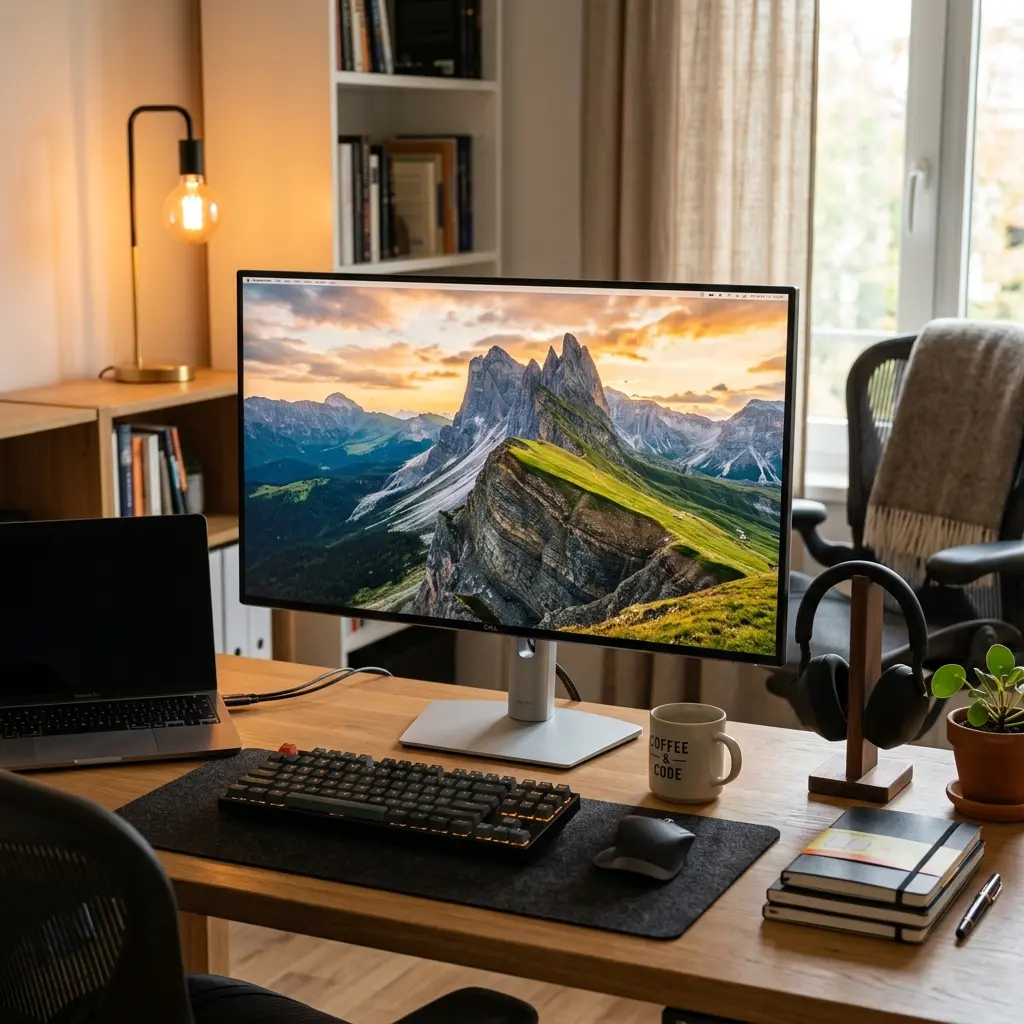
DomineTec Tip: Utilize monitor calibration tools regularly to maintain color accuracy over time.
Buying Recommendations and Brands
Brands like BenQ, LG, and Dell are renowned for their color-accurate displays tailored for video editing. Assessing warranty options and customer support can also influence purchasing decisions.
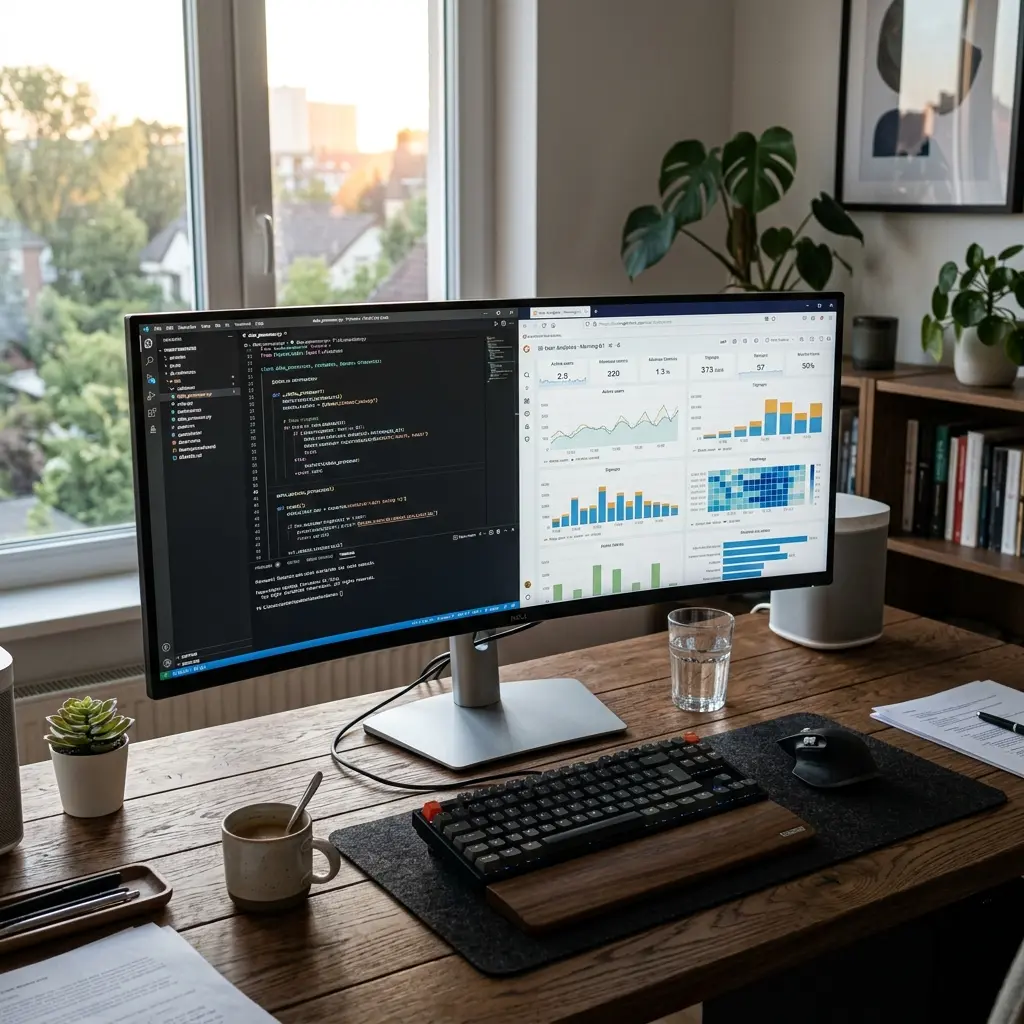
- Determine specific editing needs and workspace setup.
- Research monitors with high color accuracy and resolution.
- Compare reviews and user feedback for reliability.
- Consider ergonomic features for extended use.
- Finalize choices based on budget and warranty options.
Value Analysis and Verdict
Investing in a high-quality monitor is essential for achieving professional results in video editing. Balancing performance, ergonomics, and price will ensure optimal workflow and comfort.
Calibration and Color Accuracy Standards
Calibration is crucial for professional video editing, ensuring that monitors display accurate colors. Various calibration tools and software are available to assist users in achieving precise color accuracy and consistency.
Industry standards such as sRGB, Adobe RGB, and DCI-P3 are essential benchmarks for color accuracy. Monitors that support these standards are more likely to provide a true representation of colors in video editing work.
Regular calibration is recommended for maintaining color accuracy over time. Many high-end monitors come with built-in calibration features or support external calibration devices, making the process more accessible for professionals.
Understanding how to interpret calibration results and make necessary adjustments is key for video editors. This knowledge helps in ensuring that the final output meets the desired color quality for various platforms and mediums.
Connectivity Options and Compatibility
Connectivity is a vital consideration for video editing monitors, as professionals often use multiple devices. Monitors with a variety of ports, such as HDMI, DisplayPort, and USB-C, offer greater flexibility in connecting to cameras, computers, and other peripherals.
Compatibility with video editing software and hardware is also essential. Monitors that support high refresh rates and resolutions can significantly enhance the editing experience, reducing latency and improving workflow efficiency.
Some monitors provide daisy-chaining capabilities through DisplayPort, allowing multiple monitors to be connected easily. This feature is beneficial for professionals who require extensive screen real estate for their editing tasks.
Additionally, ensuring that the monitor supports the necessary color profiles and formats is crucial for seamless integration into existing editing setups. This compatibility ensures that color grading and corrections are accurately reflected on the display.
Panel Types and Their Implications
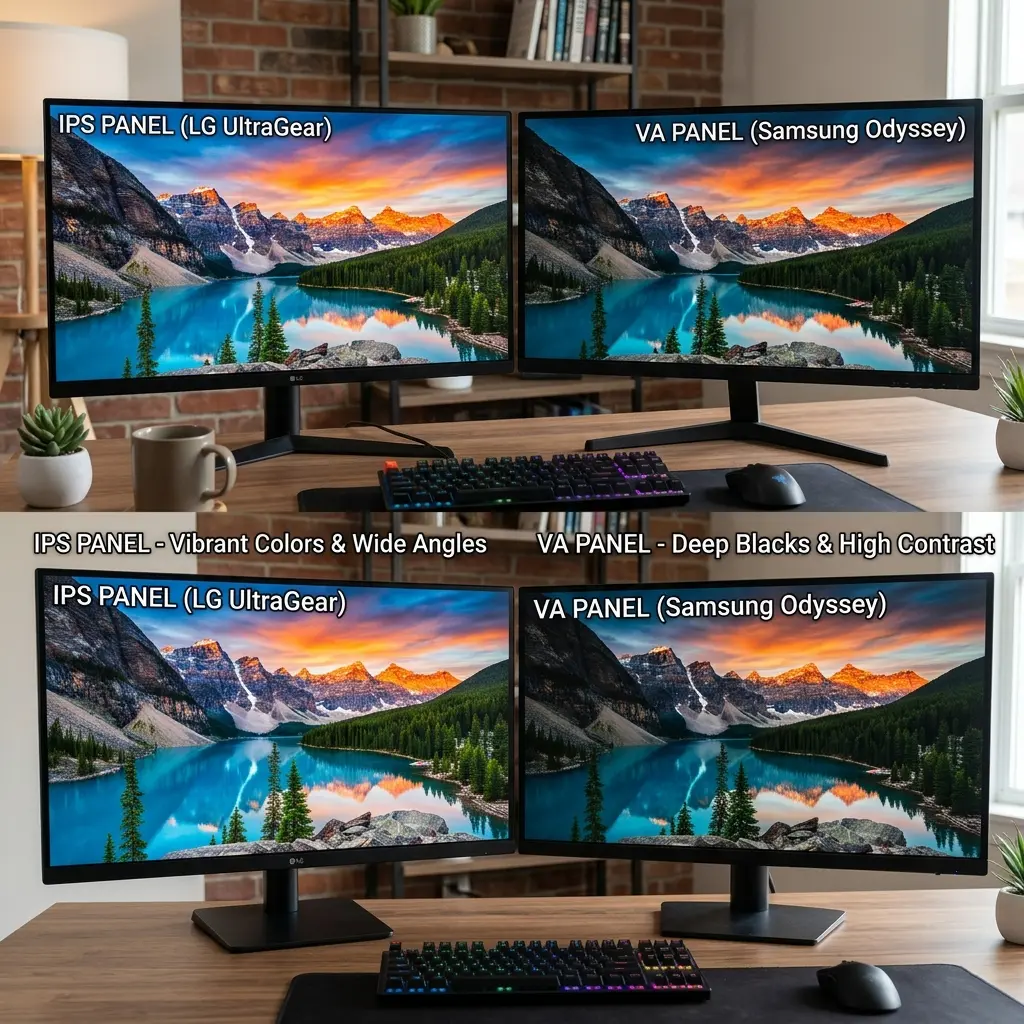
The type of panel used in monitors can significantly impact color accuracy and viewing angles. Common panel types include IPS, VA, and TN, each with distinct characteristics suited for different editing needs.
IPS panels are favored for their superior color reproduction and wide viewing angles, making them ideal for video editing. They maintain consistent colors even when viewed from off-angles, which is essential for collaborative projects.
VA panels, while offering better contrast ratios, may struggle with color accuracy and viewing angles compared to IPS. However, they can be a viable option for those prioritizing deep blacks and high contrast in their visual work.
TN panels, although often the most affordable, typically provide less accurate color representation and narrower viewing angles. They are generally not recommended for professional video editing due to these limitations.
Environment and Ambient Light Considerations
The environment in which a monitor is used plays a significant role in perceived color accuracy. Ambient light can affect how colors appear on the screen, making it essential to manage lighting conditions during editing sessions.
Monitors with anti-glare coatings can help minimize reflections and distractions caused by ambient light. This feature is particularly beneficial in environments where light cannot be controlled completely.
Creating a calibrated workspace with controlled lighting can enhance the editing experience. Using soft, diffused lighting can reduce eye strain and improve color perception during long editing sessions.
Furthermore, understanding the interplay between monitor brightness and ambient light is crucial. Adjusting monitor settings in relation to the surrounding light can help maintain color accuracy and visual comfort.
Future-Proofing Your Investment
Investing in a quality monitor for video editing is a long-term decision. As technology continues to evolve, selecting a monitor with future-proof features ensures relevance for years to come.
Consider monitors that support emerging standards, such as HDR (High Dynamic Range) and higher resolutions, including 4K and 8K. These features will maintain the monitor's utility as content quality continues to advance.
Upgradability is also a vital factor; choosing monitors with modular components or those that can easily integrate with future technology can enhance longevity. This flexibility allows professionals to adapt their setups as new technologies are released.
Moreover, investing in a monitor with robust software support can facilitate updates and improvements over time. A monitor that receives regular firmware updates will often provide better performance and compatibility with new software tools.
Color Gamut Coverage and Comparison
Understanding color gamut coverage is essential for video editors. The color gamut refers to the range of colors that a monitor can reproduce, which directly impacts the accuracy of video editing work.
Monitors with high coverage of color gamuts such as Adobe RGB and DCI-P3 are crucial for delivering vibrant and true-to-life colors. A monitor that covers at least 95% of the Adobe RGB spectrum is often recommended for professional tasks.
Comparing different monitors based on their color gamut coverage can highlight significant differences in performance. Editors should prioritize monitors that excel in color reproduction, ensuring that their work translates well across different viewing platforms.
Additionally, understanding the implications of color gamut coverage on various editing tasks, such as color grading and color correction, is essential. A wider gamut allows for more creative flexibility and accuracy in post-production processes.
User Reviews and Community Feedback
User reviews and community feedback provide valuable insights into the real-world performance of monitors. Engaging with professional forums and review sites can help identify the strengths and weaknesses of specific models.
Feedback from fellow video editors often highlights practical experiences with color accuracy, calibration ease, and overall user satisfaction. This information can guide potential buyers in making informed decisions based on collective experiences.
Participating in discussions about monitors can also reveal tips and tricks for optimizing performance. Many experienced users share their calibration settings and workflows, which can benefit newcomers to the field.
Furthermore, understanding the reputation of brands and models within the community can help in selecting reliable monitors. Monitors that consistently receive positive feedback are often more dependable for professional use.
Color Management Software Integration
Effective color management is crucial for ensuring that the colors displayed on a monitor are consistent across different devices. Professional video editors often use color grading software to manipulate and enhance the color quality of their projects.
Monitors that seamlessly integrate with industry-standard color management software can significantly streamline the workflow. Such compatibility allows for precise adjustments in color space and profile settings, ensuring that the output matches the intended vision of the project.
Leading software options, like DaVinci Resolve and Adobe Premiere Pro, include features that can further optimize the calibration of monitors. This integration can help editors maintain a consistent workflow without the need for excessive manual adjustments.
Investing in a monitor that supports advanced color management software can ultimately reduce the time spent on corrections and enhance the final output quality. This is especially important in professional settings where accuracy is non-negotiable.
Special Features for Video Editing
Some monitors come equipped with specialized features designed to enhance the video editing experience. Features such as HDR support, high refresh rates, and low input lag can be particularly beneficial for video professionals.
HDR (High Dynamic Range) capability allows monitors to display a broader range of colors and brightness levels. This is increasingly important as HDR content becomes more prevalent in the industry, enabling editors to work with footage that closely matches the final viewing experience.
Additionally, monitors with high refresh rates and low input lag provide a smoother and more responsive editing experience. This is particularly beneficial during playback and scrubbing through timelines, allowing for more efficient editing sessions.
These specialized features not only enhance the editing process but also contribute to the overall quality of the final product. Monitors with these capabilities often cater specifically to the needs of professionals in the video editing field.
Environmental Considerations and Sustainability
As environmental concerns grow, the sustainability of electronic products, including monitors, has become increasingly important. Many manufacturers are now focusing on eco-friendly production processes and materials.
Buying monitors that adhere to energy efficiency standards, such as Energy Star certification, can significantly reduce power consumption. This is beneficial not only for the environment but also for reducing operational costs over time.
Additionally, some brands are taking steps to minimize their carbon footprint by using recyclable materials in their monitors. This commitment to sustainability can influence purchasing decisions among environmentally conscious consumers.
Choosing monitors from brands that prioritize sustainability practices can ensure that professionals contribute positively to environmental efforts while still acquiring high-quality, color-accurate displays.
Cost of Ownership and Long-Term Investment
When considering a monitor for professional video editing, the initial purchase price is only one aspect of the overall cost of ownership.
Factors such as maintenance, calibration, and potential upgrades can significantly affect long-term expenses.
Investing in a high-quality monitor may seem costly upfront, but it can yield better results and reduce the need for frequent replacements.
Moreover, a color-accurate monitor can enhance workflow efficiency, making it a more economical choice for professionals in the long run.
Industry Trends and Technological Advancements
The landscape of monitor technology is constantly evolving, with manufacturers integrating advanced features that cater specifically to video editing needs.
Emerging technologies such as OLED and mini-LED are gaining traction, offering improvements in color accuracy and contrast ratios.
Additionally, as HDR content becomes more prevalent, monitors are being developed to support higher brightness levels and wider color gamuts.
Staying informed about these trends ensures that professionals choose monitors that not only meet current standards but are also adaptable to future industry developments.
Color Grading Tools and Resources
Utilizing color grading tools is essential for achieving the desired look in professional video editing. Popular software options like DaVinci Resolve and Adobe Premiere Pro provide advanced color grading capabilities, allowing editors to manipulate color balance, saturation, and contrast with precision.
Moreover, these tools often come equipped with built-in scopes and color wheels, which help editors evaluate and adjust color accuracy effectively. The integration of LUTs (Look-Up Tables) can also enhance workflow efficiency, enabling quick comparisons between different color grading styles.
For those looking to expand their color correction skills, investing in online courses or tutorials can be beneficial. Platforms such as Skillshare and LinkedIn Learning offer a plethora of resources tailored specifically for video editors, focusing on color theory and practical applications.
Additionally, engaging with community forums or local workshops can provide valuable insights and tips from industry professionals. This collaborative environment fosters learning and can lead to improved proficiency in color grading techniques.
Impact of Display Calibration on Workflow Efficiency
Display calibration plays a crucial role in maintaining color accuracy, directly influencing workflow efficiency. Regular calibration ensures that the monitor's color output is consistent and true to the original footage, which is vital for achieving cohesive results in video editing.
Using hardware calibration tools, such as the X-Rite i1Display Pro, can significantly enhance the calibration process. These devices measure the display's color output and adjust settings accordingly, ensuring a reliable workspace for color-critical tasks.
Moreover, a well-calibrated monitor can reduce the time spent on color correction during the editing process. By starting with an accurate display, editors can make more confident adjustments without the need for extensive rework later on.
Incorporating a routine calibration schedule into the editing workflow is recommended. This practice not only maintains color fidelity but also helps in building a more efficient and streamlined editing process.
Frequently Asked Questions
What is color accuracy in monitors?
Color accuracy refers to the monitor's ability to reproduce colors true to life, essential for video editing.
Why is resolution important for video editing?
Higher resolution provides better detail, allowing for precise editing and color grading.
What panel type is best for color accuracy?
IPS panels are generally preferred for their superior color reproduction and wide viewing angles.
How often should monitors be calibrated?
Calibration should be performed regularly, ideally every few months or whenever color accuracy is in question.
Are ultrawide monitors suitable for video editing?
Ultrawide monitors can enhance productivity by providing more screen real estate for editing tools and timelines.




