Best Cavaletti Ergonomic Office Chairs for Long Working Hours
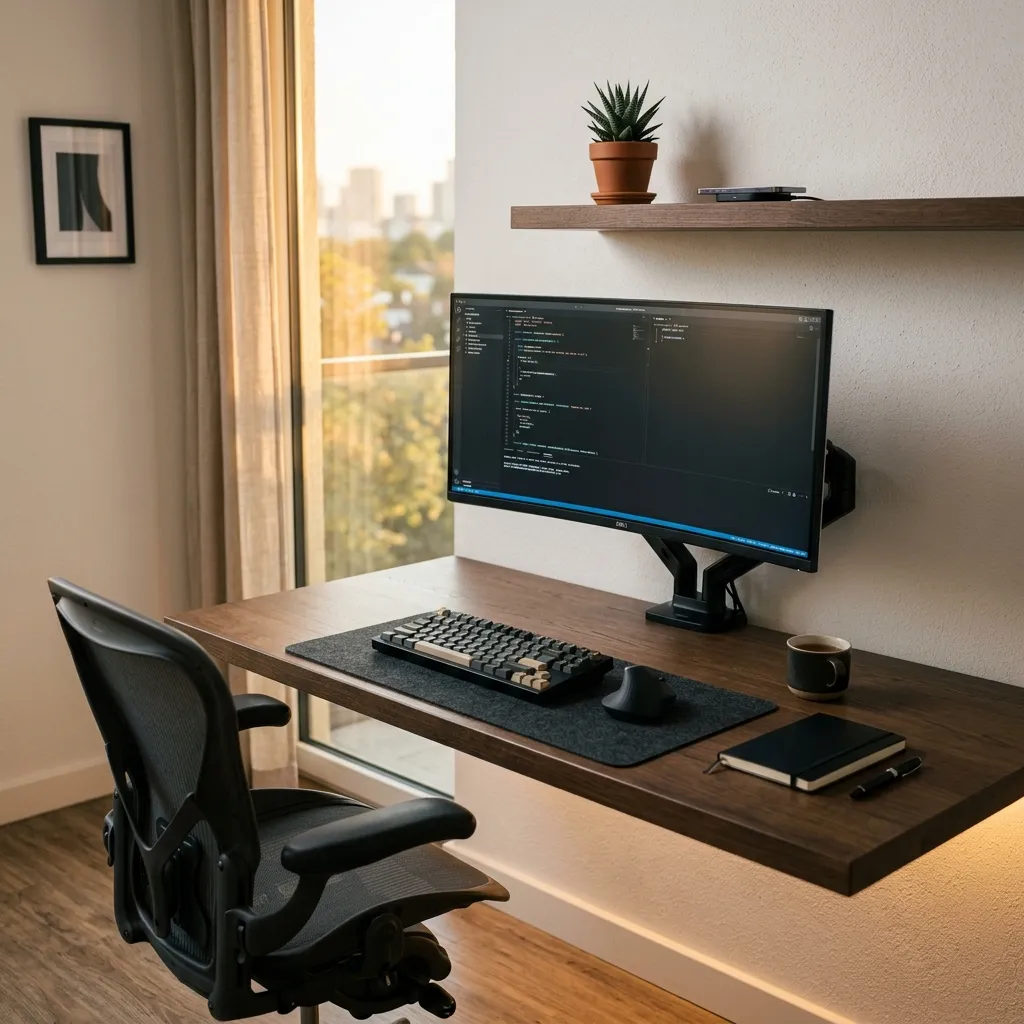
The best Cavaletti ergonomic office chairs enhance comfort and support for prolonged working hours, promoting productivity and health.
Ergonomic Design Features
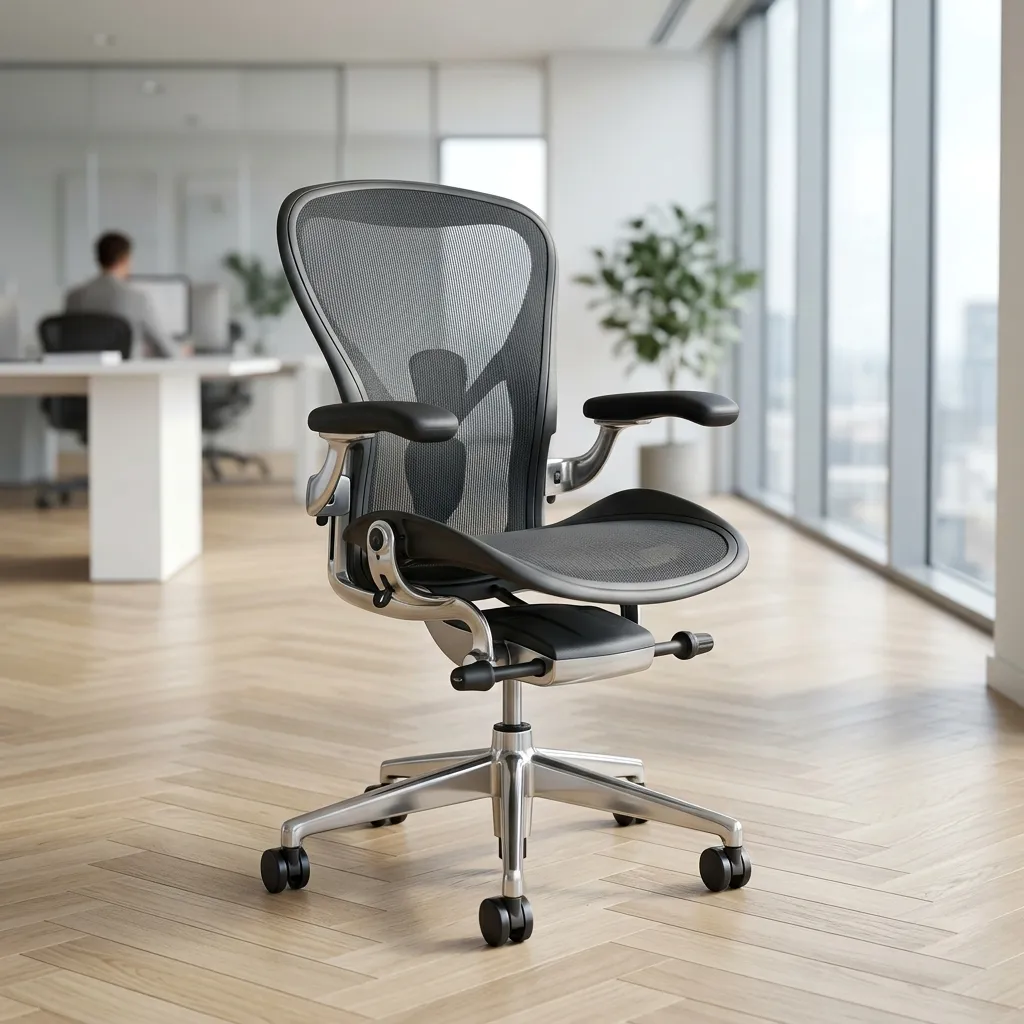
Cavaletti ergonomic office chairs incorporate adjustable lumbar support, ensuring the lower back is well-supported during long hours of sitting.
Features like adjustable armrests allow for personalized positioning, reducing strain on the shoulders and neck.
Performance and Comfort
The performance of these chairs reflects in their ability to maintain comfort without compromising posture during extended use.
High-density foam cushioning is often used to provide a balance between softness and support, enhancing overall sitting experience.
Material Specifications
Cavaletti chairs utilize durable materials such as breathable mesh and premium fabric for temperature regulation and moisture-wicking.
The frame is typically constructed from reinforced steel or high-grade plastic, ensuring longevity and stability under daily use.
Adjustability and Customization
Multiple adjustment features, including seat height and tilt tension, cater to individual user preferences for optimal ergonomic alignment.
Some models also include a synchronous tilt mechanism, allowing the seat and backrest to move together, promoting fluid movement and comfort.
Comparative Analysis of Top Models
| Model | Material | Weight Capacity | Lumbar Support | Price |
|---|---|---|---|---|
| Cavaletti Alpha | Mesh and Foam | 120 kg | Yes | $350 |
| Cavaletti Beta | Fabric and Steel | 130 kg | Adjustable | $400 |
| Cavaletti Omega | Eco-Leather | 150 kg | Yes | $450 |
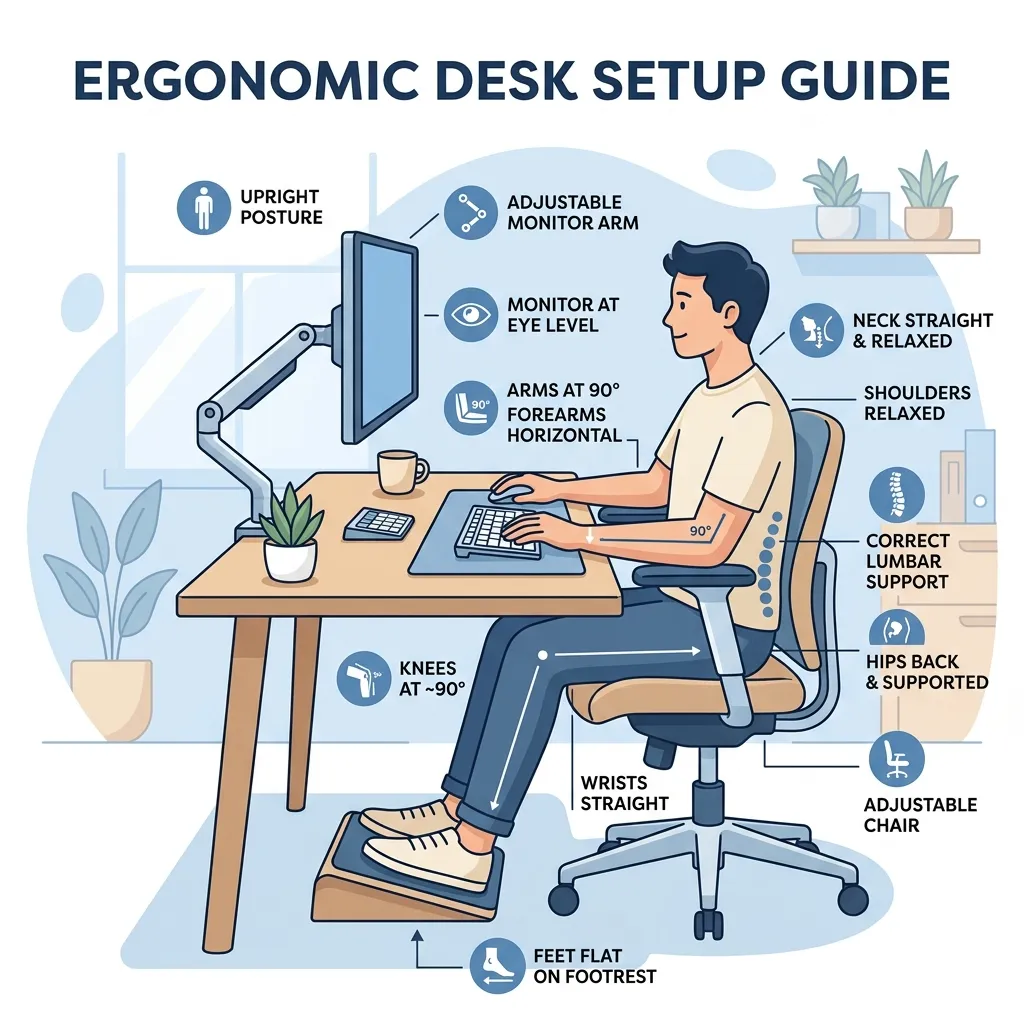
DomineTec Tip: Consider adjusting the chair height so your feet rest flat on the floor, promoting better circulation and reducing pressure on your legs.
- Assess personal ergonomic needs and preferences.
- Research specific Cavaletti models that meet those needs.
- Test chair adjustments in-store or during a trial period.
- Check for warranty and customer support options.
- Invest in accessories like a footrest or ergonomic keyboard.
Health Benefits of Using Ergonomic Office Chairs
Utilizing ergonomic office chairs can significantly improve overall health for individuals working long hours. These chairs are designed to promote better posture, reducing the risk of musculoskeletal disorders.
Proper lumbar support helps maintain the natural curve of the spine, which is essential in preventing back pain. Additionally, ergonomic chairs facilitate blood circulation, minimizing the risk of fatigue and discomfort.
Regular use of these chairs can lead to improved concentration and productivity. Workers are less likely to experience distractions caused by discomfort, allowing them to focus on their tasks more effectively.
Moreover, ergonomic chairs may contribute to long-term health benefits, including reduced risk of chronic conditions such as obesity and cardiovascular diseases, by encouraging a more active sitting posture.
Impact on Productivity and Work Efficiency
The choice of office chair can profoundly influence work efficiency and productivity levels. Ergonomic chairs are designed to support the body in a way that enhances comfort and reduces fatigue.
When employees are comfortable, they are more likely to remain focused on their tasks, resulting in higher output and improved quality of work. The reduction in physical discomfort also lessens the number of breaks needed throughout the workday.
Ergonomic chairs can help create a conducive work environment where individuals feel energized. This energization translates into motivation and a more positive attitude towards work responsibilities.
Overall, investing in an ergonomic chair can yield significant returns for employers through increased productivity and reduced employee turnover due to health-related issues.
Environmental Sustainability of Office Chairs
With rising awareness about environmental sustainability, many ergonomic office chairs are now designed with eco-friendly materials. Manufacturers are increasingly using recycled and sustainable resources in their production processes.
Choosing such chairs can reduce the carbon footprint associated with office furniture. Additionally, many ergonomic chairs are built for durability, which contributes to less waste over time.
Some brands have adopted sustainable practices, such as using non-toxic adhesives and finishes. This ensures that the chairs are not only safe for the users but also for the environment.
As consumers become more conscious of their purchasing decisions, selecting environmentally sustainable ergonomic chairs can align with their values while promoting health and comfort in the workplace.
Technological Integration in Ergonomic Chairs
Recent advancements in technology have led to the development of smart ergonomic chairs that enhance user experience. These chairs often include features such as built-in posture monitoring systems.
Posture monitoring technology can alert users when they are slouching or sitting incorrectly, promoting healthier habits over time. This integration of technology can further enhance the ergonomic benefits provided by the chairs.
Some models also come with adjustable settings controlled via apps, allowing users to customize their chair preferences easily. This level of personalization can optimize comfort for individuals with different body types and preferences.
Furthermore, the use of technology in ergonomic chairs can extend to features like temperature control and massage functions, providing an additional layer of comfort for long working hours.
Cost vs. Value of Ergonomic Office Chairs
Investing in ergonomic office chairs may initially seem costly, but the long-term value often outweighs the initial expenditure. The benefits gained from improved health and productivity can justify the investment.
Cheaper alternatives may lead to discomfort and potential health issues, resulting in higher medical costs and lost productivity. In contrast, quality ergonomic chairs are designed for durability, often lasting longer than standard office chairs.
Moreover, many high-end ergonomic chairs come with warranties, further enhancing their value. These warranties can provide assurance of the chair’s quality and longevity.
When considering the cost of an ergonomic chair, it is essential to evaluate the potential return on investment through improved employee well-being and productivity over time.
Maintenance and Care of Ergonomic Chairs
Proper maintenance and care are crucial for extending the lifespan of ergonomic office chairs. Regular cleaning and upkeep can prevent wear and tear, ensuring that the chair retains its ergonomic features.
Users should follow manufacturer guidelines for cleaning materials and methods to avoid damaging the chair. Investing in chair covers or pads can also help protect against spills and stains.
Routine checks on moving parts, such as wheels and adjustable mechanisms, are essential. Addressing any issues promptly can prevent further damage and ensure the chair continues to function optimally.
Incorporating these maintenance practices can maximize the ergonomic benefits of the chair while promoting a cleaner and more organized workspace.
Customization for Diverse Body Types
Ergonomic office chairs are designed to accommodate a range of body types, making customization a critical feature. Adjustable components such as seat height, armrest position, and lumbar support are essential for ensuring proper fit.
Individuals have unique body dimensions, and a one-size-fits-all approach may not be sufficient. Customizable chairs allow users to find the most comfortable settings for their specific needs.
This level of customization can significantly reduce discomfort and promote better posture, regardless of the user’s size or shape. It is particularly beneficial in shared workspaces where multiple individuals may use the same chair.
Investing in a chair that offers comprehensive customization options can lead to a more inclusive workplace, promoting health and comfort for all employees.
User Experiences and Testimonials
User experiences play a vital role in assessing the effectiveness of ergonomic office chairs. Testimonials often highlight the positive impact these chairs have on comfort during extended work hours.
Many users report a significant reduction in back and neck pain after switching to ergonomic chairs, illustrating the effectiveness of their design. Feedback often emphasizes the importance of adjustability in achieving the ideal seating position.
Real-life experiences can provide valuable insights into the potential benefits and drawbacks of specific models. They help prospective buyers make informed decisions based on actual user satisfaction.
Ultimately, user testimonials contribute to a better understanding of how ergonomic office chairs can enhance the working experience, making them a crucial factor in the buying process.
Long-Term Investment and Warranty Considerations
When it comes to ergonomic office chairs, a long-term investment perspective is essential for decision-making. These chairs are often more expensive than traditional options, but they offer durability and longevity that can justify the initial cost.
Many manufacturers provide warranties ranging from five to ten years, reflecting the confidence they have in their products. This warranty can cover not only structural integrity but also parts like gas lifts and armrests, ensuring peace of mind for users.
Investing in a high-quality ergonomic chair can lead to significant savings over time, reducing the need for replacements and minimizing health-related expenses due to poor seating. Thus, it is prudent to consider the warranty terms and service options before making a purchase.
Additionally, reviewing customer service reputation can aid in understanding how responsive a company is regarding claims and repairs, further influencing the overall value of the chair.
Design Aesthetics and Workplace Integration
The aesthetic appeal of ergonomic chairs can significantly influence their acceptance in various office environments. With a range of styles, colors, and finishes, these chairs can complement modern office decor while ensuring functionality.
A well-designed ergonomic chair not only enhances comfort but also contributes to the overall branding and atmosphere of a workplace. The right chair can reflect a company’s commitment to employee well-being and modern workplace trends.
From sleek minimalist designs to more traditional upholstery, the choice of an ergonomic chair can be tailored to fit different office styles. This flexibility allows for a cohesive look across diverse workspaces, promoting a professional image.
Moreover, considering the visual impact of ergonomic chairs can help in creating an inviting workspace that motivates employees, fostering a positive work environment conducive to collaboration and creativity.
Innovative Features in Modern Ergonomic Chairs
Modern ergonomic office chairs are increasingly incorporating innovative features that enhance user experience. One such feature is dynamic lumbar support, which adjusts automatically to the user's movements throughout the day.
Another popular innovation is the incorporation of breathable mesh materials, which improve airflow and temperature regulation. This can significantly reduce discomfort associated with prolonged sitting, particularly in warmer office environments.
Many ergonomic chairs now also include integrated technology, such as built-in speakers or USB charging ports, allowing users to stay connected without disrupting their workflow. This integration of technology aligns with the evolving needs of the modern workforce.
Additionally, some models offer programmable settings that allow users to save their preferred adjustments, making it easy to transition between different users or postures throughout the day.
Trends in Ergonomic Office Chair Development
The ergonomic chair market is witnessing various trends that reflect changing work environments and user preferences. One significant trend is the shift towards hybrid designs that combine the benefits of sitting and standing, promoting movement throughout the workday.
Another emerging trend is the focus on personalized ergonomics, where manufacturers are increasingly customizing chairs to meet the specific needs of individual users, including adjustments for height, weight, and posture.
Furthermore, sustainability in materials is gaining traction, with more brands opting for recycled or eco-friendly materials in their chair designs, appealing to environmentally conscious consumers.
Lastly, the integration of smart technology in ergonomic chairs is becoming more prevalent, with features that monitor user posture and provide reminders to take breaks, ultimately contributing to overall health and wellness in the workplace.
Impact of Ergonomic Chairs on Mental Well-Being
The workplace environment significantly influences mental health, and ergonomic office chairs play a crucial role in this aspect. By providing proper support and comfort, these chairs can reduce the likelihood of distractions caused by physical discomfort.
Employees seated in ergonomic chairs often report lower stress levels, as they can maintain better posture and experience reduced fatigue. This mental clarity can lead to improved focus and efficiency throughout the workday.
Additionally, the aesthetic appeal of ergonomic chairs can contribute to a positive workplace atmosphere. A well-designed office space, featuring visually pleasing furniture, can enhance employee morale and promote a sense of well-being.
Furthermore, investing in ergonomic chairs demonstrates a company's commitment to employee health, fostering a culture of care and respect. This, in turn, can enhance job satisfaction and reduce turnover rates.
Future Innovations in Ergonomic Chair Technology
The future of ergonomic office chairs is poised for significant advancements, driven by ongoing research and technological integration. Emerging technologies such as artificial intelligence and smart sensors are expected to personalize seating experiences based on individual user data.
For instance, chairs equipped with biometric sensors could monitor posture and provide real-time feedback to adjust support levels automatically. This proactive approach ensures that users maintain optimal posture throughout their working hours.
Moreover, advancements in materials science are likely to lead to the development of smarter fabrics that regulate temperature and moisture. This innovation would enhance comfort, particularly during extended periods of use, by adapting to the user's body temperature.
Lastly, the incorporation of virtual reality (VR) in workplace ergonomics may revolutionize the way employees interact with their office setups. VR tools could simulate different seating arrangements and ergonomic configurations, enabling users to find their ideal setup before making a purchase.
Adaptive Support Mechanisms
Adaptive support mechanisms in ergonomic office chairs are designed to provide dynamic assistance tailored to the user's movements throughout the day.
These mechanisms often include features such as lumbar support that adjusts automatically based on the user's posture, ensuring consistent spinal alignment.
Additionally, some chairs incorporate a flexible backrest that allows for natural movement, which can significantly reduce the strain on the lower back during extended sitting periods.
This level of adaptability is crucial for users who may shift positions frequently, as it promotes better circulation and reduces the risk of musculoskeletal disorders.
Impact of Ergonomic Chairs on Remote Work Dynamics
The rise of remote work has underscored the importance of ergonomic chairs in home office setups, where many individuals may lack access to traditional office furniture.
Incorporating ergonomic chairs into remote work environments can lead to enhanced comfort, which directly correlates with increased focus and productivity levels.
Moreover, as remote work becomes a long-term arrangement for many, investing in a quality ergonomic chair can significantly improve overall health and job satisfaction.
Employers are also recognizing this trend, often providing stipends or recommendations for ergonomic furniture to support their employees working from home.
Frequently Asked Questions
What is the average price range for Cavaletti ergonomic chairs?
The price typically ranges from $350 to $450, depending on features and materials used.
Are Cavaletti chairs suitable for tall individuals?
Yes, many models offer adjustable height features that accommodate taller users effectively.
How long can one sit in a Cavaletti ergonomic chair?
These chairs are designed for prolonged use, but regular breaks every hour are recommended for optimal health.
Is lumbar support adjustable on all models?
Not all models have adjustable lumbar support; it's vital to check specifications before purchase.
Can the armrests be adjusted on Cavaletti chairs?
Most models feature adjustable armrests; check specific model details for functionality.