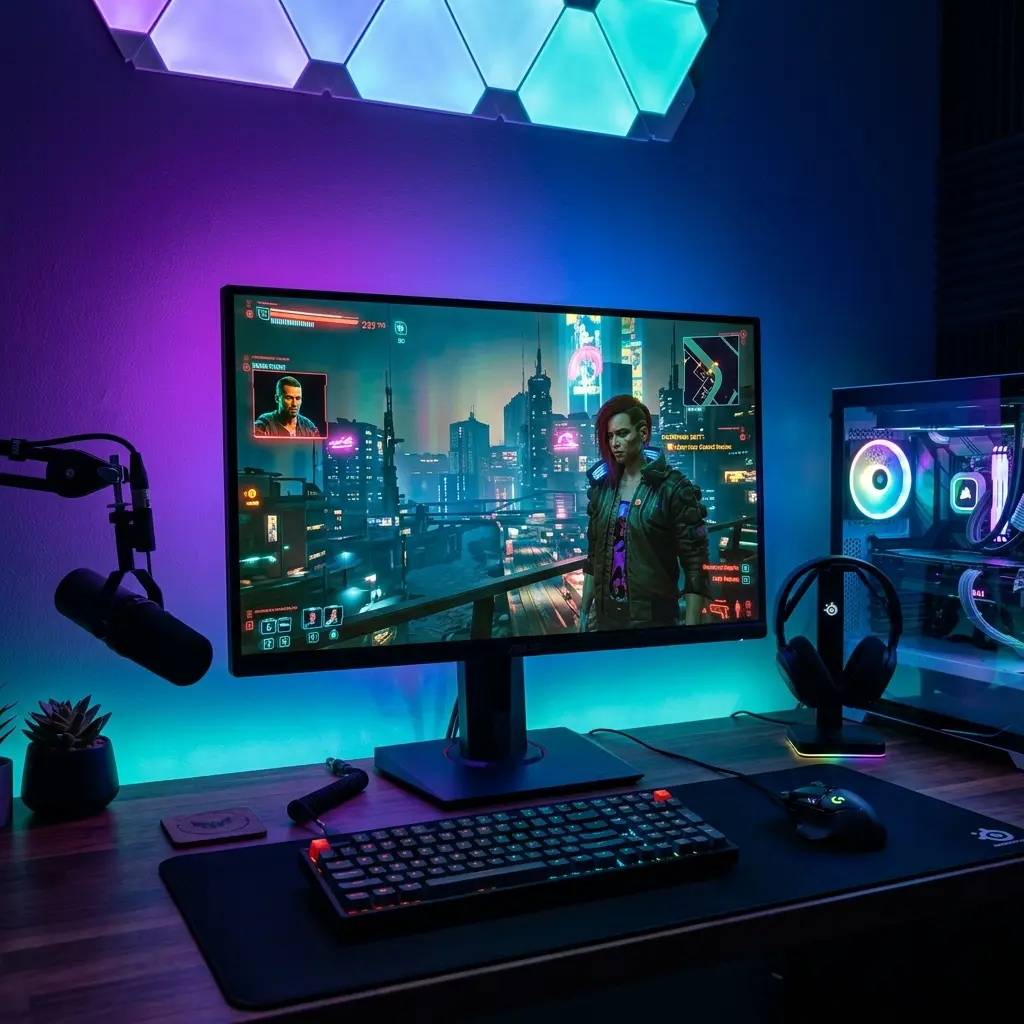
Discover top budget gaming monitors that offer exceptional value without compromising performance.
Physical Aspects and Resolution
Most budget gaming monitors offer screen sizes ranging from 24 to 27 inches, typically featuring Full HD (1920x1080) or Quad HD (2560x1440) resolutions. A few models even provide 4K options at a competitive price point.
Performance and Technology
Refresh rates of 60Hz to 144Hz are common, with many budget monitors employing TN, IPS, or VA panels for varied color reproduction and response times. Adaptive sync technologies like AMD FreeSync or NVIDIA G-SYNC compatibility can enhance the gaming experience by eliminating screen tearing.
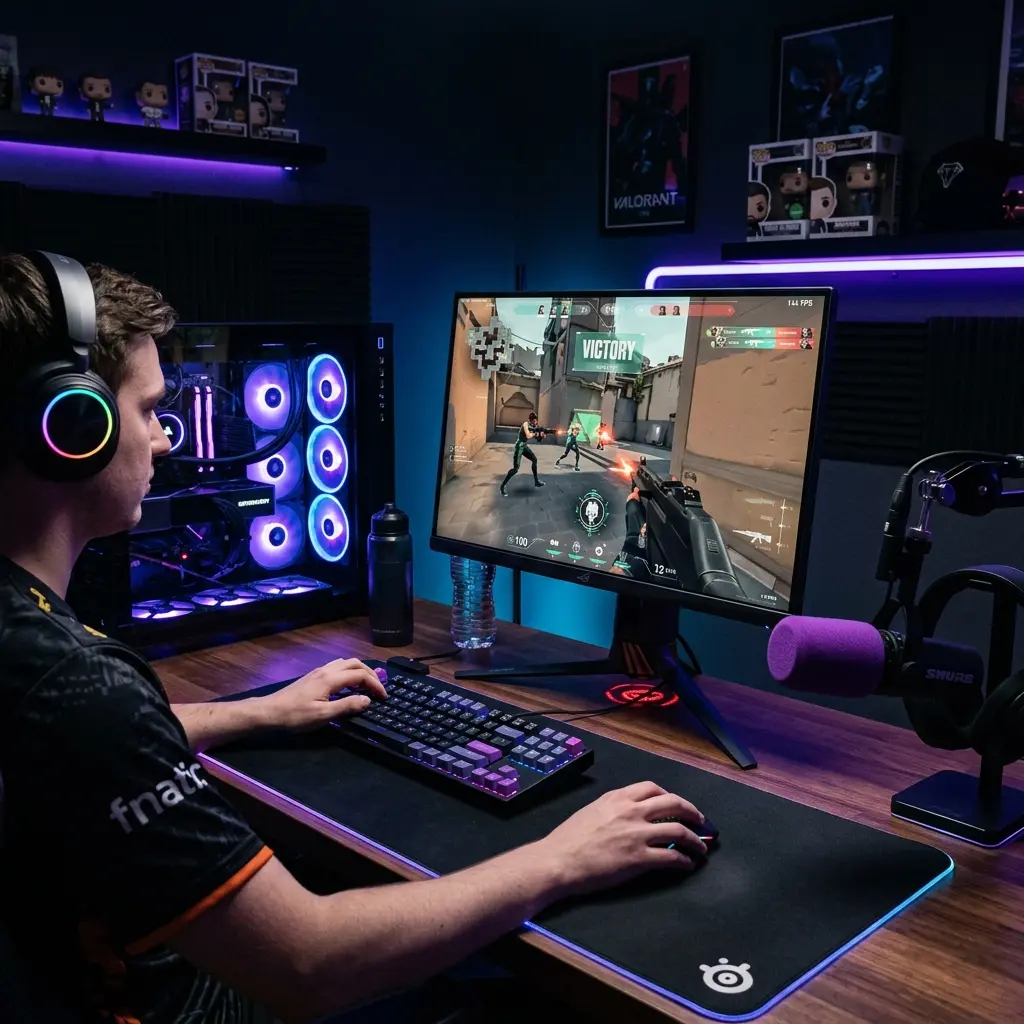
Ergonomics and Visual Comfort
Basic ergonomic features such as tilt and height adjustments are available in many budget monitors, though full ergonomic stands are rare. Anti-glare screens help reduce eye strain during extended gaming sessions.
| Model | Screen Size | Resolution | Refresh Rate | Panel Type | Price |
|---|---|---|---|---|---|
| Acer R240HY | 24" | 1920x1080 | 60Hz | IPS | $179 |
| ASUS VG248QG | 24" | 1920x1080 | 165Hz | TN | $239 |
| LG 27GL63T | 27" | 2560x1440 | 144Hz | IPS | $299 |
| Samsung Odyssey G5 | 27" | 2560x1440 | 144Hz | VA | $349 |
Materials and Durability
Most budget monitors are constructed using plastic materials, which can affect overall durability and aesthetic appeal. However, robust metal stands and panels can provide added stability and longevity.
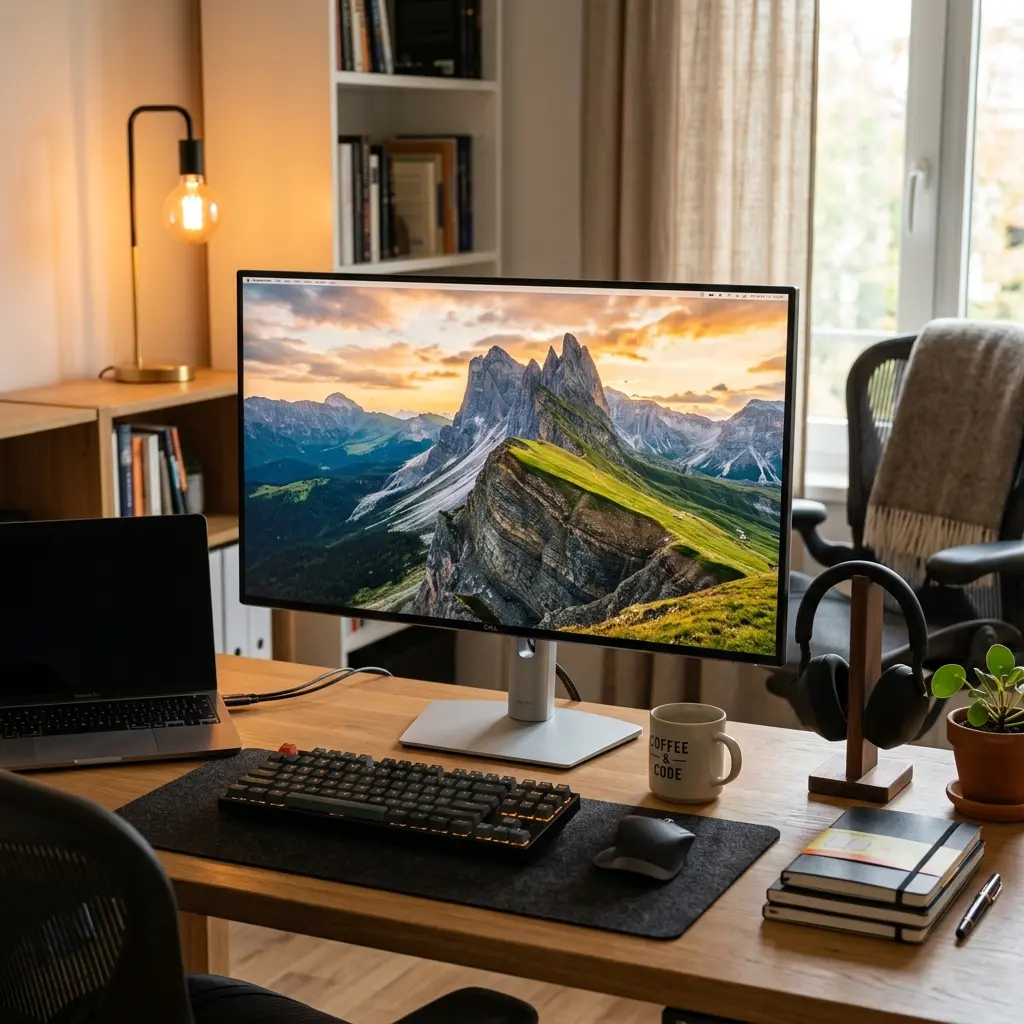
DomineTec Tip: Consider using a monitor with a matte finish to reduce reflections and improve visual comfort during gaming sessions.
Buying Recommendations and Brands
Brands such as Acer, ASUS, LG, and Samsung dominate the budget gaming monitor market, providing reliable performance and quality. These brands typically offer a range of features, ensuring options for different gaming preferences.
- Determine the desired screen size and resolution for gaming needs.
- Set a budget to narrow down options that offer the best value.
- Look for features such as adaptive sync and refresh rates that suit gaming styles.
- Read reviews and comparisons to understand user experiences with each model.
- Finalize the choice based on ergonomic features and warranty support offered.
Value Analysis and Verdict
Budget gaming monitors can deliver impressive performance with the right specifications. Careful analysis of features and user feedback ensures a well-informed purchase decision that maximizes value.
Connectivity Options and Compatibility
When selecting a budget gaming monitor, it's essential to consider the variety of connectivity options available. Most modern monitors offer HDMI and DisplayPort inputs, which are crucial for connecting to gaming consoles and PCs.
Compatibility with different platforms is also paramount. Ensuring that a monitor can seamlessly connect to consoles like the PlayStation and Xbox can enhance the gaming experience. Look for monitors that support variable refresh rates (VRR) through HDMI 2.1 for the latest consoles to maximize performance.
Another factor to consider is the potential for multi-monitor setups. Many gamers prefer a dual or triple monitor configuration, which can elevate immersion and productivity. Monitors with slim bezels and VESA mount compatibility can facilitate such arrangements.
Finally, it's advisable to check for any firmware updates or manufacturer support regarding connectivity features. Some monitors may offer improved performance or additional settings through software updates, enhancing the overall user experience.
Color Accuracy and Calibration
Color accuracy is a critical factor in gaming monitors, especially for genres that rely heavily on visual fidelity. Budget monitors often skimp on color reproduction, but some models stand out by offering impressive sRGB coverage, making them suitable for both gaming and content creation.
Calibration tools can also enhance color accuracy. Many monitors offer built-in settings for adjusting gamma, brightness, and color temperature. Investing time in calibrating a monitor can significantly improve the visual experience, particularly for competitive gamers who rely on subtle color differences.
For those serious about color accuracy, consider monitors that support hardware calibration. This feature allows users to adjust color settings directly on the monitor, leading to more precise results than software calibration alone.
Lastly, user reviews can provide insights into the out-of-the-box color performance of a monitor. Reading feedback from fellow gamers can help identify models that excel in this area without requiring extensive adjustments.
Refresh Rates and Adaptive Sync Technologies
Refresh rates play a crucial role in gaming performance, affecting how smooth and responsive gameplay feels. Budget gaming monitors now commonly feature refresh rates of 60Hz, 75Hz, or even 144Hz, with higher rates providing a more fluid experience during fast-paced gaming sessions.
Adaptive sync technologies, such as AMD's FreeSync and NVIDIA's G-SYNC, help eliminate screen tearing and stuttering by synchronizing the monitor's refresh rate with the graphics card's output. While G-SYNC tends to be more expensive, many budget monitors now support FreeSync, making it an appealing option for gamers on a budget.
It's essential to verify if the monitor’s adaptive sync technology is compatible with your graphics card. Compatibility can greatly enhance the gaming experience, especially in competitive settings where every frame counts.
When evaluating refresh rates, consider the types of games played. Fast-paced shooters benefit from higher refresh rates, while slower-paced games may not require the same level of performance. Understanding individual gaming preferences can guide the selection of the right refresh rate.
Response Time and Input Lag
Response time and input lag are critical metrics for gamers, particularly in competitive gaming where milliseconds can make a significant difference. Response time refers to how quickly a pixel can change from one color to another, with lower times generally resulting in reduced motion blur.
Most budget gaming monitors feature response times ranging from 1ms to 5ms. It's important to note the specifications since lower response times typically correlate with better performance in fast-paced games, making them ideal for competitive players.
Input lag, on the other hand, measures the delay between a command being input and the action being displayed. Monitors with input lag under 20ms are generally considered acceptable for gaming. Checking reviews and benchmarks can provide valuable insights into a monitor's performance in this regard.
For gamers, finding a monitor with both low response time and low input lag can significantly enhance the overall experience. Prioritizing these specifications can lead to a more responsive and enjoyable gaming environment.
Gaming Features and Customization Options
Many budget gaming monitors now come equipped with specialized gaming features that enhance the user experience. Features such as customizable crosshairs, FPS counters, and preset gaming modes can help players fine-tune their settings for different gaming scenarios.
Customization options extend to on-screen display (OSD) settings, allowing users to adjust color profiles, brightness, and contrast easily. Some monitors even include game-specific presets that optimize settings for genres like RPGs or FPS games.
Additionally, features like picture-in-picture (PiP) and picture-by-picture (PbP) modes allow users to multitask efficiently. Gamers can, for example, play while simultaneously monitoring a live stream or chat application, enhancing overall productivity.
Exploring these gaming features can provide a competitive edge and improve enjoyment during gameplay. Reviewing the specifications and OSD options can help identify monitors that offer desirable features for individual gaming preferences.
Energy Efficiency and Power Consumption
Energy efficiency is an important consideration for budget gaming monitors, especially for users who plan to spend long hours gaming. Monitors with energy-saving features can significantly reduce electricity costs over time.
Look for monitors that have energy-efficient certifications, such as Energy Star or TCO Certified, which indicate compliance with strict energy consumption standards. These certifications often reflect lower power usage without compromising performance.
Adjustable brightness settings and automated sleep modes can further enhance energy efficiency. Monitors that automatically reduce brightness when not in use can save energy while extending the device's lifespan.
Overall, considering energy efficiency not only benefits the environment but also contributes to long-term savings. Analyzing power consumption ratings can help users make informed choices when selecting a budget gaming monitor.
Warranty and Customer Support
A comprehensive warranty and responsive customer support can significantly influence the overall satisfaction with a budget gaming monitor. Many manufacturers offer warranty periods ranging from one to three years, which can provide peace of mind regarding potential defects or issues.
It's advisable to read the warranty terms carefully, particularly regarding what is covered and under what circumstances. Some brands offer extensive coverage that includes accidental damage, while others may have more limited policies.
Customer support quality is another vital consideration. Brands that provide multiple support channels, including live chat, phone assistance, and email, can significantly enhance the user experience. Positive user experiences with customer service can indicate a brand's commitment to its products.
Researching customer reviews can provide insights into both warranty experiences and customer support quality. A monitor from a brand with a solid reputation for service can be a more reliable investment in the long run.
Panel Types and Their Implications for Gaming
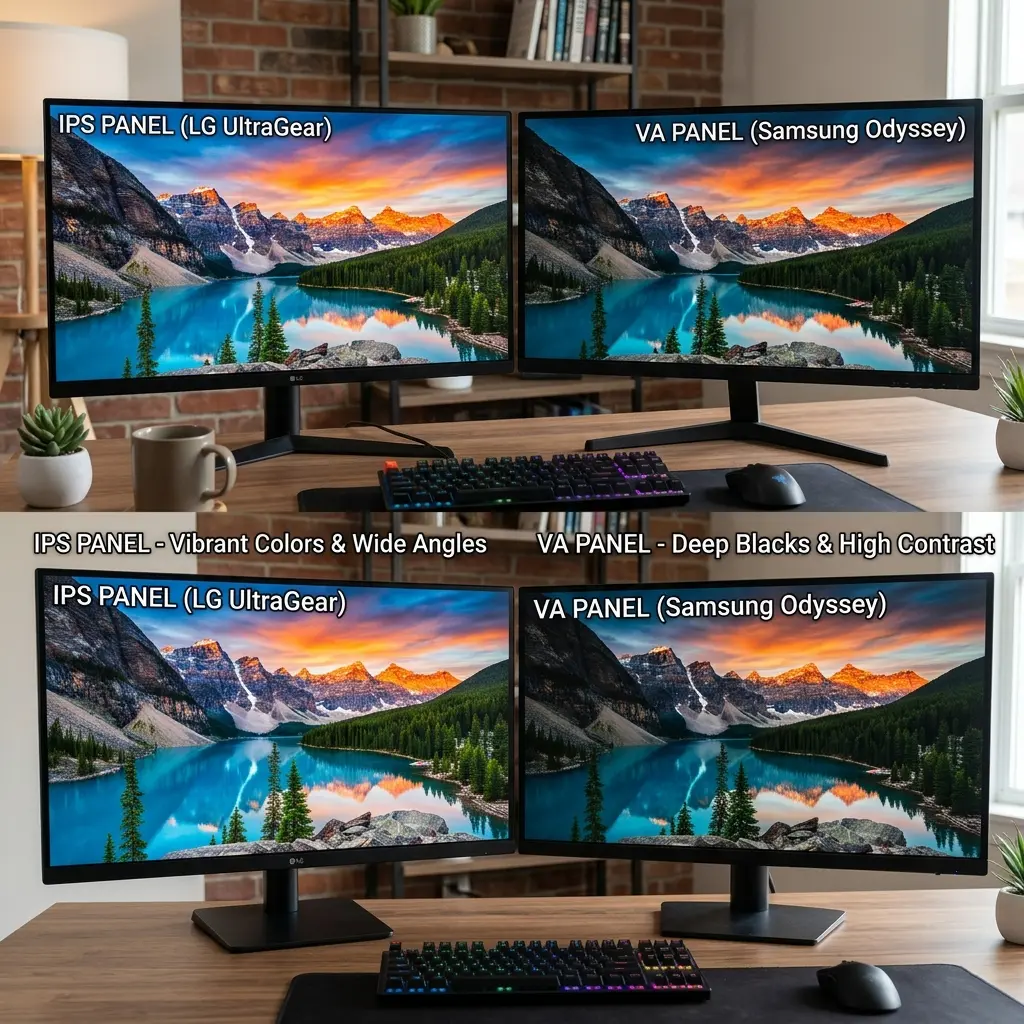
When selecting a budget gaming monitor, understanding panel types is crucial for optimizing your gaming experience. The three most common types are Twisted Nematic (TN), In-Plane Switching (IPS), and Vertical Alignment (VA), each offering distinct advantages and disadvantages.
TN panels are known for their fast response times and lower costs, making them popular among competitive gamers. However, they often sacrifice color accuracy and viewing angles, which can detract from the visual experience.
IPS panels, while typically more expensive, provide superior color reproduction and wider viewing angles, making them ideal for immersive gaming and content creation. The trade-off can be slightly slower response times compared to TN panels, but advancements in technology are narrowing this gap.
VA panels offer a middle ground with better contrast ratios and deeper blacks than both TN and IPS. They are suitable for gamers who prioritize cinematic experiences but may not match the speed of TN or the color accuracy of IPS in fast-paced gaming scenarios.
Future-Proofing Your Gaming Setup
Investing in a budget gaming monitor should also consider future-proofing to ensure longevity in your gaming setup. As gaming technology advances, the demands on displays continue to evolve, making it essential to choose monitors that can adapt to these changes.
One key aspect of future-proofing is ensuring compatibility with emerging technologies such as higher resolutions and refresh rates. Monitors that support 1440p or 4K resolutions, along with refresh rates of 120Hz or higher, will be more relevant as new consoles and graphics cards are released.
Additionally, it is important to look for monitors with features like HDMI 2.1 support, which facilitates higher bandwidth for 4K gaming at high refresh rates. This will allow gamers to take full advantage of the capabilities of next-generation consoles.
Lastly, consider the monitor's upgrade path regarding software and firmware updates. Brands that offer regular updates can enhance performance and compatibility, ensuring that your monitor remains relevant for years to come.
Audio Integration in Gaming Monitors
Audio quality is an essential aspect of gaming that often goes overlooked when selecting a monitor. Many budget gaming monitors come equipped with built-in speakers, but their performance can vary significantly.
While integrated speakers may suffice for casual gaming or basic notifications, they typically lack the depth and clarity required for an immersive experience. For serious gamers, investing in external audio solutions, such as soundbars or gaming headsets, can enhance the overall sound experience.
Additionally, some monitors offer audio pass-through capabilities via HDMI, allowing users to connect audio devices directly to the monitor. This feature can streamline setup and reduce cable clutter.
When assessing a monitor's audio capabilities, it is crucial to consider the quality of built-in speakers, connectivity options for external audio devices, and compatibility with surround sound systems for a fully immersive gaming experience.
Gaming Monitor Aesthetics and Design
The aesthetics of a gaming monitor play a significant role in its overall appeal and can enhance the gaming experience. Many manufacturers focus on creating visually striking designs that resonate with gamers.
Elements such as RGB lighting, customizable bezels, and sleek panel designs contribute to a monitor's attractiveness. These features allow gamers to personalize their setups and create a more engaging atmosphere.
Moreover, the design of a monitor can influence its functionality. Monitors with thinner bezels maximize screen real estate and create a more immersive viewing experience. Additionally, adjustable stands can help tailor the monitor's position for optimal comfort and performance.
Ultimately, the choice of a gaming monitor should consider not only its technical specifications but also its design and how it complements the overall gaming environment.
Gaming Monitor Calibration Techniques
Calibration is essential for optimizing the visual performance of gaming monitors, ensuring that colors are accurate and displays perform at their best. Different calibration techniques can significantly enhance the gaming experience, making it crucial for gamers to understand the options available.
One common method is the use of calibration tools and software, which can adjust brightness, contrast, and color levels to match industry standards. These tools often provide detailed graphs and metrics, allowing users to fine-tune their displays based on personal preferences and gaming requirements.
Users can also engage in manual calibration, where they adjust settings using test images and patterns. This method requires a keen eye and an understanding of color theory, but it can yield excellent results tailored to individual gaming setups.
Regular calibration is recommended, especially when using monitors for extended periods or after significant changes in lighting conditions. A well-calibrated monitor enhances immersion and can provide a competitive edge in fast-paced gaming scenarios.
Environmental Considerations in Monitor Selection
When selecting a budget gaming monitor, environmental impact is becoming an increasingly important consideration for consumers. Many manufacturers are now focusing on sustainable practices and energy-efficient designs to reduce their ecological footprint.
Energy-efficient monitors often come with certifications such as Energy Star, indicating that they meet strict energy efficiency guidelines. Choosing such monitors not only contributes to lower electricity bills but also supports global efforts to reduce energy consumption and greenhouse gas emissions.
Additionally, some brands are employing eco-friendly materials in their monitor construction, minimizing the use of harmful substances and promoting recyclability. Consumers who prioritize sustainability can look for models that highlight their commitment to environmental responsibility.
Furthermore, considering the lifecycle of a monitor, from production to disposal, is essential. Opting for brands with take-back programs or those that emphasize longevity can make a significant difference in reducing electronic waste.
Frequently Asked Questions
What is the best size for a budget gaming monitor?
A 24 to 27-inch monitor is generally recommended for immersive gaming experiences without overwhelming desk space.
Is a higher refresh rate always better?
A higher refresh rate provides smoother visuals, making it advantageous for fast-paced games, but it's essential to pair it with a capable graphics card.
Can budget monitors support 4K gaming?
Some budget monitors do offer 4K resolution, but they may lack high refresh rates and advanced features found in pricier




