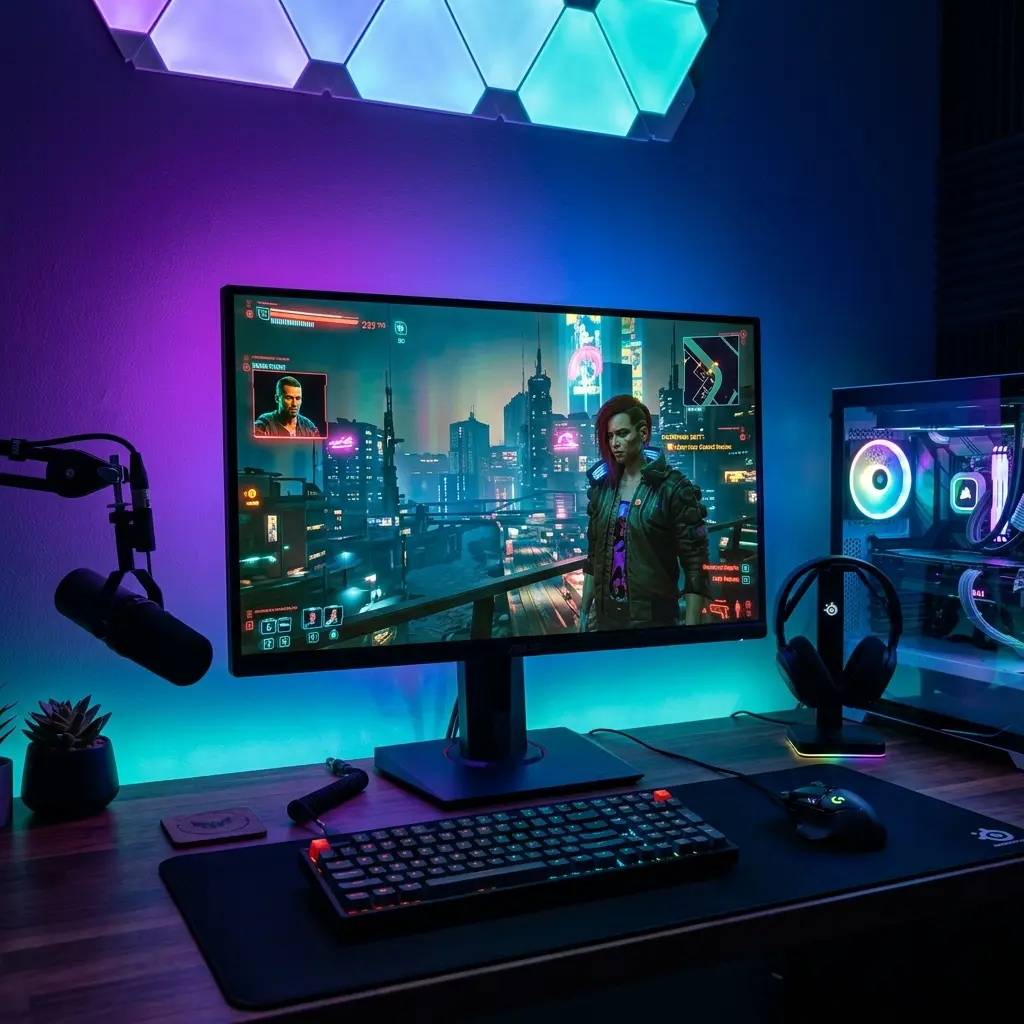
The top ASUS ROG gaming monitors combine advanced technology with premium designs for an unparalleled gaming experience.
Physical Aspects and Resolution
ASUS ROG monitors offer a range of sizes, typically from 24 to 34 inches, ensuring options for various gaming setups.
Most models feature resolutions from Full HD (1920x1080) to 4K (3840x2160), providing crisp visuals for immersive gameplay.
Performance and Technology
High refresh rates, often exceeding 144Hz, are standard across premium models, delivering smooth motion during fast-paced gaming.
Technologies such as G-SYNC and FreeSync are integrated, minimizing screen tearing and enhancing overall performance.
Ergonomics and Visual Comfort
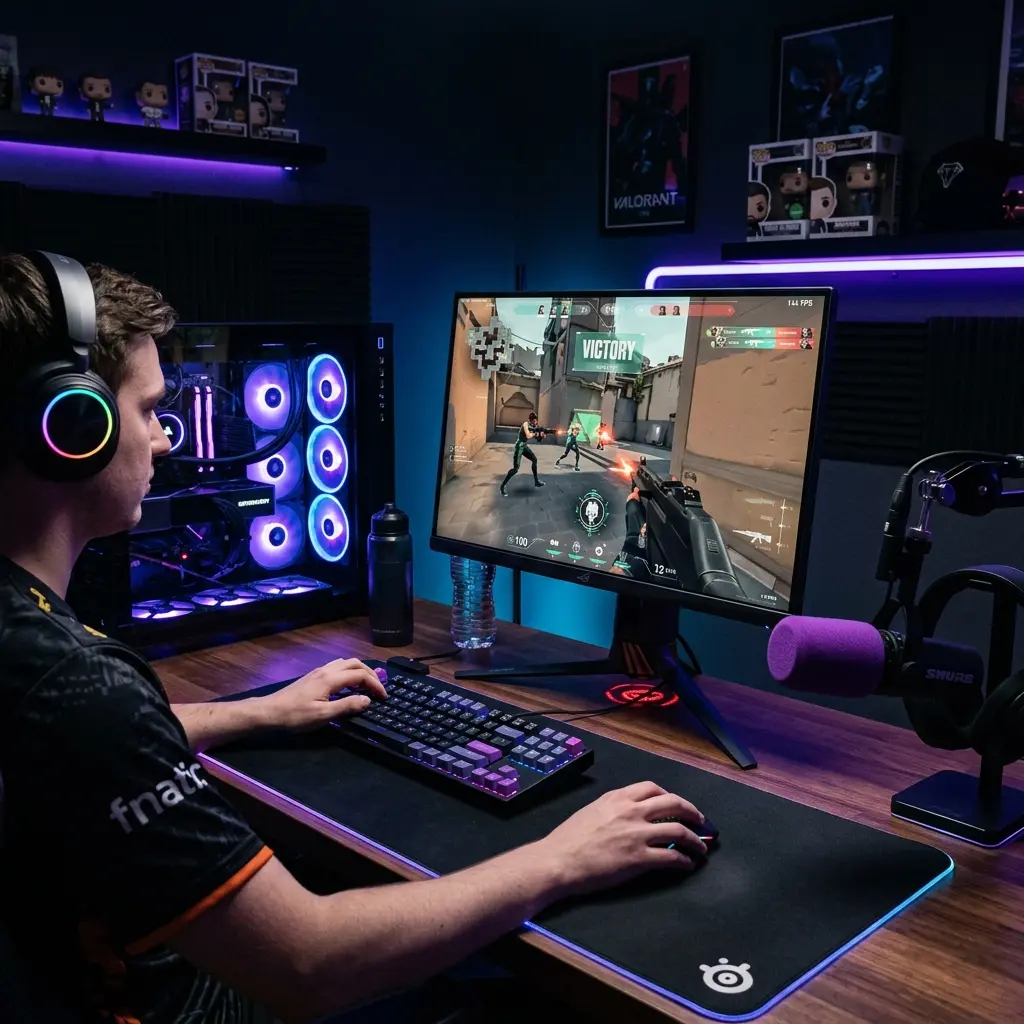
Adjustable stands allow tilting, swiveling, and height adjustments to ensure optimal viewing angles and comfort during long sessions.
Anti-glare coatings and low blue light features reduce eye strain, enhancing the visual comfort during extended gameplay.
| Model | Screen Size | Resolution | Refresh Rate | Panel Type | Price Range |
|---|---|---|---|---|---|
| ASUS ROG Swift PG259QN | 24.5" | 1920x1080 | 360Hz | IPS | $599 |
| ASUS ROG Strix XG279Q | 27" | 2560x1440 | 170Hz | IPS | $699 |
| ASUS ROG Swift PG32UQ | 32" | 3840x2160 | 144Hz | IPS | $1,199 |
| ASUS ROG Strix XG43UQ | 43" | 3840x2160 | 144Hz | VA | $1,199 |
Materials and Durability
Robust construction with high-quality plastics and metals ensures durability, with many models featuring reinforced stands for stability.
Some variants utilize a matte finish to resist fingerprints and scratches, maintaining aesthetics over time.

DomineTec Tip: Adjust monitor height to eye level to reduce neck strain and enhance posture during gaming sessions.
Buying Recommendations and Brands
ASUS ROG consistently ranks among the top brands in gaming monitors, known for their innovation and reliability.
When selecting a monitor, consider factors like screen size, resolution, refresh rate, and budget to find the best fit.

- Determine the preferred screen size based on available desk space.
- Select a resolution that matches the gaming needs, prioritizing 1440p or 4K for high-quality visuals.
- Choose a refresh rate that suits the gaming style, with 144Hz or higher recommended for competitive gaming.
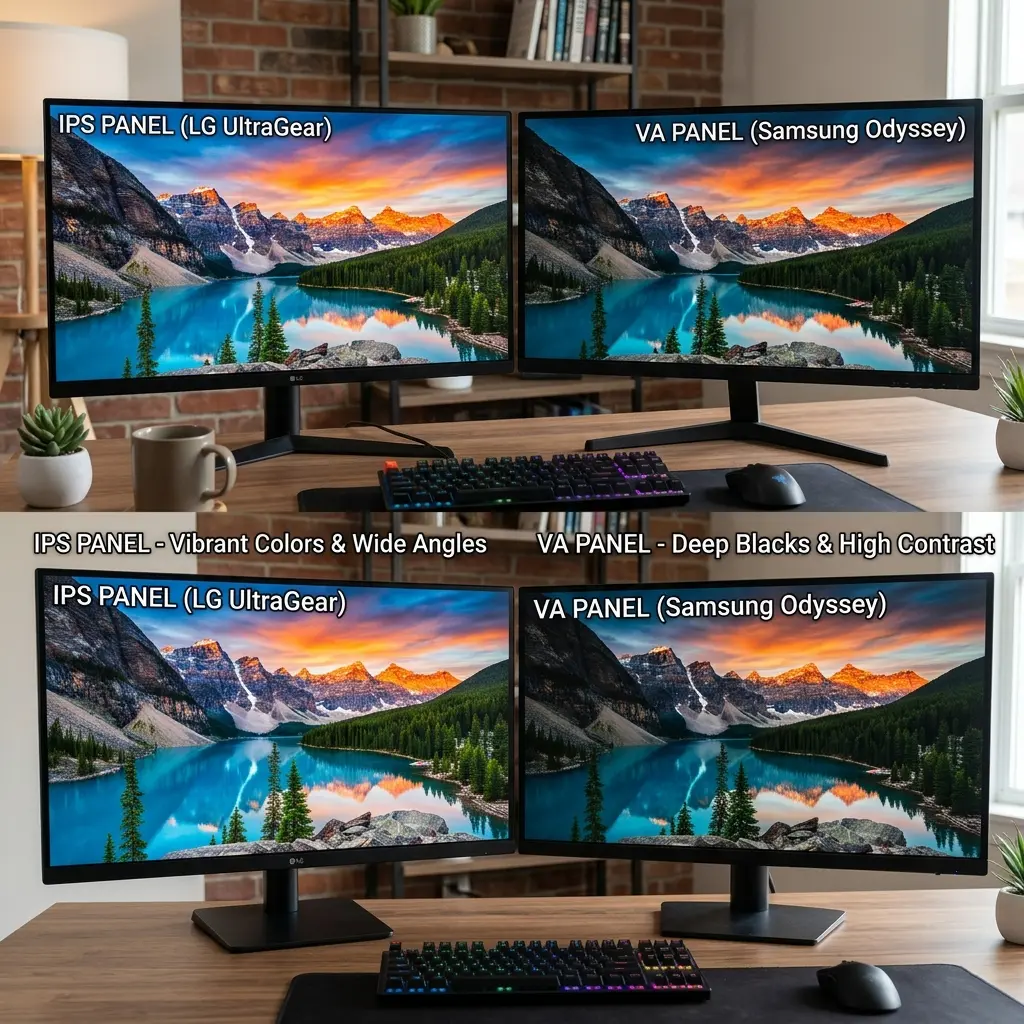
- Consider panel types; IPS offers better color, while VA provides deeper blacks.
- Set a budget, comparing models within the price range for the best value.
Value Analysis and Verdict
Investing in an ASUS ROG gaming monitor ensures access to top-tier performance and visual fidelity, justifying the premium price.
Each model presents a unique balance of features, catering to various preferences and gaming styles.
Color Accuracy and Calibration
Color accuracy is a critical aspect of gaming monitors, especially for gamers and designers who require precise color representation. ASUS ROG monitors often come factory-calibrated, ensuring that they deliver consistent and vibrant colors right out of the box.
Many models utilize advanced color technologies such as HDR (High Dynamic Range) to enhance the visual experience. This technology allows for a wider color gamut, resulting in richer and more lifelike images.
Calibration tools and software are frequently included or recommended for ASUS ROG monitors, allowing users to fine-tune their display settings to match specific requirements. This level of customization is essential for achieving optimal performance in various gaming scenarios.
For professional gamers and content creators, dedicated calibration tools can further enhance the monitor's color performance. Monitoring tools can help ensure that colors remain consistent across different devices and platforms.
Adaptive Sync Technologies
Adaptive sync technologies are integral for reducing screen tearing and stuttering in gaming. ASUS ROG monitors typically support both NVIDIA G-SYNC and AMD FreeSync, catering to a wide range of graphics cards.
G-SYNC technology synchronizes the refresh rate of the monitor with the frame rate of the NVIDIA GPU, providing a smoother gaming experience. On the other hand, FreeSync performs a similar function for AMD graphics cards, ensuring fluid gameplay without artifacts.
Some ASUS ROG models feature a built-in Adaptive Sync technology that automatically adjusts the refresh rate to match the output of the GPU. This dynamic adjustment enhances gameplay responsiveness and visual fidelity.
For competitive gamers, the benefits of adaptive sync technologies are evident, as they can significantly improve reaction times and overall game performance, ultimately providing a competitive edge.
Connectivity Options and Compatibility
Connectivity options are essential for modern gaming setups, and ASUS ROG monitors often come equipped with a variety of ports. Commonly included ports are HDMI, DisplayPort, and USB hubs, facilitating seamless connections to multiple devices.
Many ASUS ROG models support the latest HDMI 2.1 standard, allowing for higher bandwidth and support for features like 4K gaming at higher refresh rates. This compatibility is crucial for gamers using next-gen consoles and high-end PCs.
USB-C ports have also become more prevalent in gaming monitors, enabling easy connection to laptops and mobile devices. This versatility allows users to quickly switch between devices without needing multiple cables.
For those with elaborate setups, daisy-chaining capabilities through DisplayPort can be a significant advantage, reducing cable clutter while expanding screen real estate for multitasking and immersive gaming experiences.
Gaming-Specific Features
ASUS ROG monitors are packed with gaming-specific features designed to enhance the overall gaming experience. One notable feature is customizable RGB lighting, which not only adds aesthetic appeal but can also be synchronized with in-game actions.
Many models include integrated crosshair overlays and frame rate counters, allowing gamers to adjust in-game settings without the need for external software. These tools can improve gameplay and provide valuable information at a glance.
Some ASUS ROG monitors also come equipped with built-in gaming modes tailored for different genres. These modes optimize settings for first-person shooters, racing games, and more, ensuring that gamers can fine-tune their experience easily.
Furthermore, advanced anti-glare coatings and blue light filters are often included to reduce eye strain during prolonged gaming sessions. These features contribute to a more comfortable gaming environment and better overall performance.
Environmental Considerations
As sustainability becomes increasingly important, ASUS ROG has taken steps to ensure that their monitors are environmentally friendly. Many models are designed with energy-efficient technologies that reduce power consumption without sacrificing performance.
Recyclable materials are often used in the construction of ASUS ROG monitors, minimizing the environmental impact of production. This approach aligns with global efforts to reduce electronic waste and promote sustainable practices in the tech industry.
In addition to materials, the packaging of ASUS ROG monitors is typically designed to be eco-friendly, utilizing minimal plastic and maximizing recyclability. This attention to detail can appeal to environmentally conscious consumers.
By prioritizing sustainability, ASUS ROG not only meets the demands of modern consumers but also contributes to a greener future in the gaming industry. This commitment is evident in their ongoing initiatives to improve product lifecycle management.
User Reviews and Community Feedback
User reviews and community feedback play a significant role in evaluating the performance and satisfaction of ASUS ROG monitors. Many gamers share their experiences online, providing insights into real-world performance and usability.
Common themes in reviews often highlight the stunning visuals and performance capabilities of ASUS ROG monitors. Users frequently commend the color accuracy and refresh rates, which enhance their gaming experiences.
However, some reviews also address potential drawbacks, such as pricing or specific features that may not meet everyone's needs. This feedback can be invaluable for prospective buyers looking to make informed decisions.
Engaging with the gaming community through forums and social media can provide additional context and recommendations, helping users to find the monitor that best suits their gaming style and preferences.
Future Trends in Gaming Monitors
The gaming monitor market continues to evolve, with emerging technologies promising to enhance the gaming experience further. One trend is the increasing adoption of 240Hz and higher refresh rates, providing smoother gameplay and improved responsiveness.
OLED technology is also gaining traction, offering superior contrast ratios and deeper blacks compared to traditional LCD panels. ASUS ROG is expected to explore this technology in future models to cater to high-end gamers.
Another area of development is the integration of artificial intelligence in monitor settings, allowing for automatic adjustments based on user preferences and environmental conditions. This could revolutionize the way gamers interact with their displays.
As gaming becomes more immersive with VR and AR technologies, ASUS ROG monitors may also adapt, incorporating features that enhance the experience in these new dimensions. Staying ahead of these trends will be crucial for maintaining a leading position in the gaming monitor market.
Advanced Gaming Features
ASUS ROG gaming monitors often come packed with a range of advanced gaming features that enhance the overall gaming experience. These include customizable crosshairs, on-screen timers, and FPS counters, which provide gamers with tools to improve their performance. Additionally, many models offer game modes that can be tailored to specific genres, such as FPS, RTS, or RPG, ensuring optimal settings for each gaming style.
Another noteworthy feature is the inclusion of Shadow Boost technology, which enhances visibility in dark areas without overexposing bright regions. This can be particularly beneficial in competitive gaming where spotting opponents in shadowy corners can mean the difference between victory and defeat. Moreover, ASUS frequently integrates a GamePlus feature that provides in-game enhancements like a timer and a frame rate counter, allowing players to track their performance metrics seamlessly.
Some ASUS ROG monitors also support specific gaming peripherals, such as the ROG Swift and ROG Strix series, which can synchronize with ASUS Aura Sync for a unified RGB lighting experience. This not only adds to the aesthetics of a gaming setup but also allows for dynamic lighting effects that can react to in-game events, further immersing players in their virtual worlds. These advanced features contribute significantly to the appeal of ASUS ROG monitors among competitive gamers.
In conclusion, the focus on advanced gaming features sets ASUS ROG monitors apart from others in the market. By integrating tools that enhance gameplay, these monitors cater to both casual and hardcore gamers, ensuring that users can extract maximum performance from their gaming sessions.
Panel Types and Their Impact on Gaming
The type of panel used in gaming monitors plays a crucial role in determining the overall performance and visual quality. ASUS ROG monitors commonly utilize IPS, TN, and VA panels, each offering distinct advantages and disadvantages. IPS panels, for example, are known for their superior color accuracy and wider viewing angles, making them ideal for gamers who prioritize vibrant visuals and detailed graphics.
On the other hand, TN panels are often favored for their rapid response times and high refresh rates, appealing to gamers who prioritize speed and fluidity in fast-paced titles. While these panels may sacrifice some color accuracy and viewing angles, their performance in competitive gaming scenarios can be a deciding factor for many players. VA panels, while less common, offer excellent contrast ratios and deep blacks, providing a visually immersive experience, particularly in darker game environments.
When selecting a monitor, understanding the impact of panel type on gaming performance is essential. For instance, IPS panels may be better suited for single-player experiences where visual fidelity is paramount, while TN panels could be the go-to choice for esports enthusiasts seeking a competitive edge. ASUS ROG monitors often incorporate a blend of these technologies, allowing users to select models that best fit their gaming style.
Ultimately, the choice of panel type can significantly influence a gamer’s experience. By considering the strengths and weaknesses of each panel type, users can make informed decisions when selecting an ASUS ROG monitor that aligns with their gaming preferences.
Calibration and Customization Options
Calibration and customization options are vital for optimizing the visual performance of ASUS ROG gaming monitors. Many models come equipped with built-in calibration tools that allow users to fine-tune color settings, contrast, and brightness according to their preferences. This is particularly beneficial for gamers who want to achieve accurate color reproduction for immersive gameplay and content creation.
Moreover, ASUS offers software solutions such as the ASUS DisplayWidget, which enables users to adjust monitor settings directly from their desktops. This user-friendly interface makes it easy to switch between different profiles and tweak settings on the fly, enhancing overall convenience. Custom profiles can be saved for various gaming scenarios, ensuring quick access to preferred settings without the need to navigate through menus.
In addition to software calibration, ASUS ROG monitors often support hardware calibration tools, which allow for professional-grade adjustments. This feature is especially appealing to content creators and graphic designers who require precise color accuracy. By utilizing these tools, users can achieve consistent color performance across different devices, ensuring that their work appears as intended.
Overall, the emphasis on calibration and customization options in ASUS ROG monitors reflects the brand's commitment to delivering a tailored gaming experience. These features not only enhance gameplay but also cater to users with specific visual requirements, ultimately elevating the monitor's versatility.
Frequently Asked Questions
What is the best ASUS ROG gaming monitor?
The ASUS ROG Swift PG259QN is often regarded as one of the best for competitive gaming due to its 360Hz refresh rate and low latency.
Are ASUS ROG monitors good for console gaming?
Many ASUS ROG monitors support HDMI 2.1, making them suitable for console gaming at higher resolutions and refresh rates.
How do ASUS ROG monitors compare to other brands?
ASUS ROG monitors are known for their superior build quality, innovative features, and extensive customization options compared to competitors.
What panel type is best for gaming?
IPS panels are favored for their color accuracy and wide viewing angles, while TN panels offer faster response times, making them ideal for competitive gamers.
Can ASUS ROG monitors be calibrated?
Most ASUS ROG monitors come with calibration settings that allow users to adjust color profiles for a personalized viewing experience.




