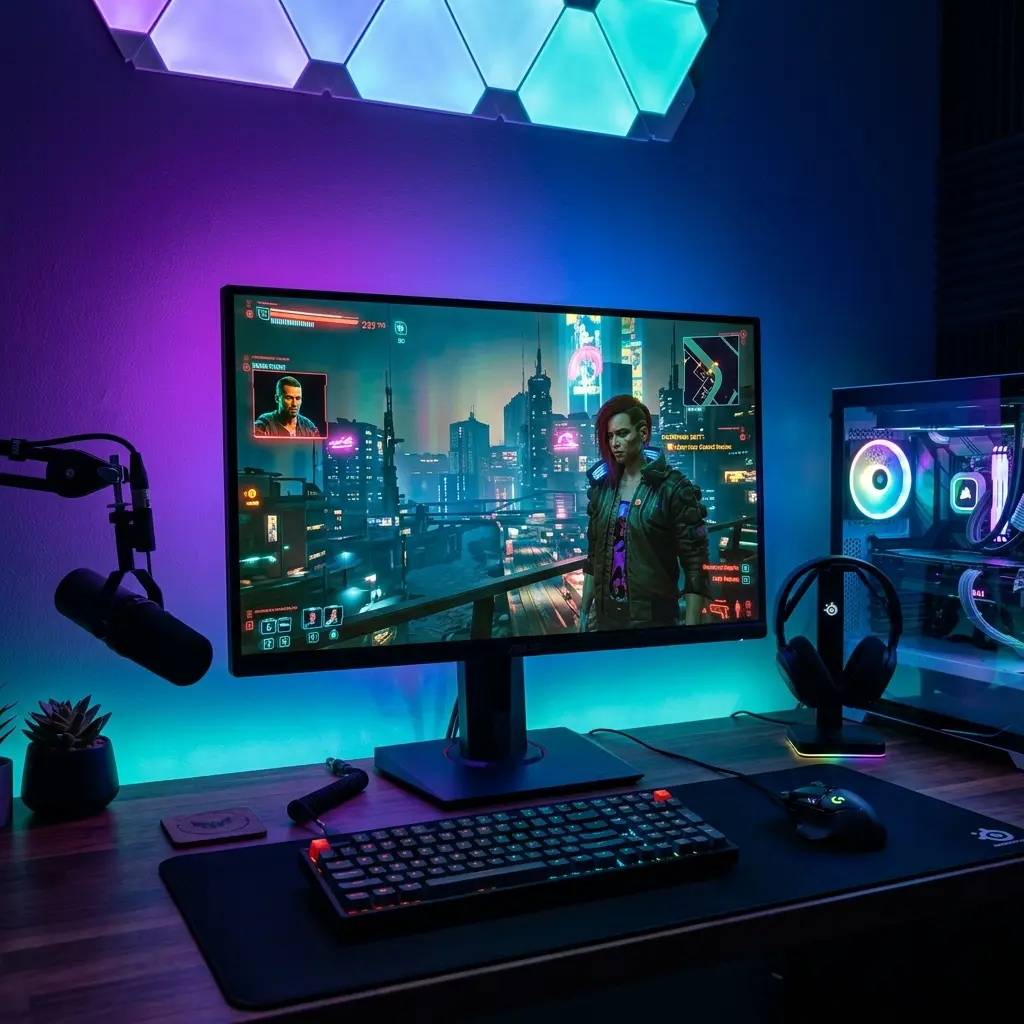
Discovering the best anti-glare matte gaming monitors can drastically improve your gaming experience.
Physical Aspects and Resolution
Anti-glare matte gaming monitors typically feature a screen size ranging from 24 to 34 inches, with resolutions from Full HD (1920x1080) to 4K (3840x2160).
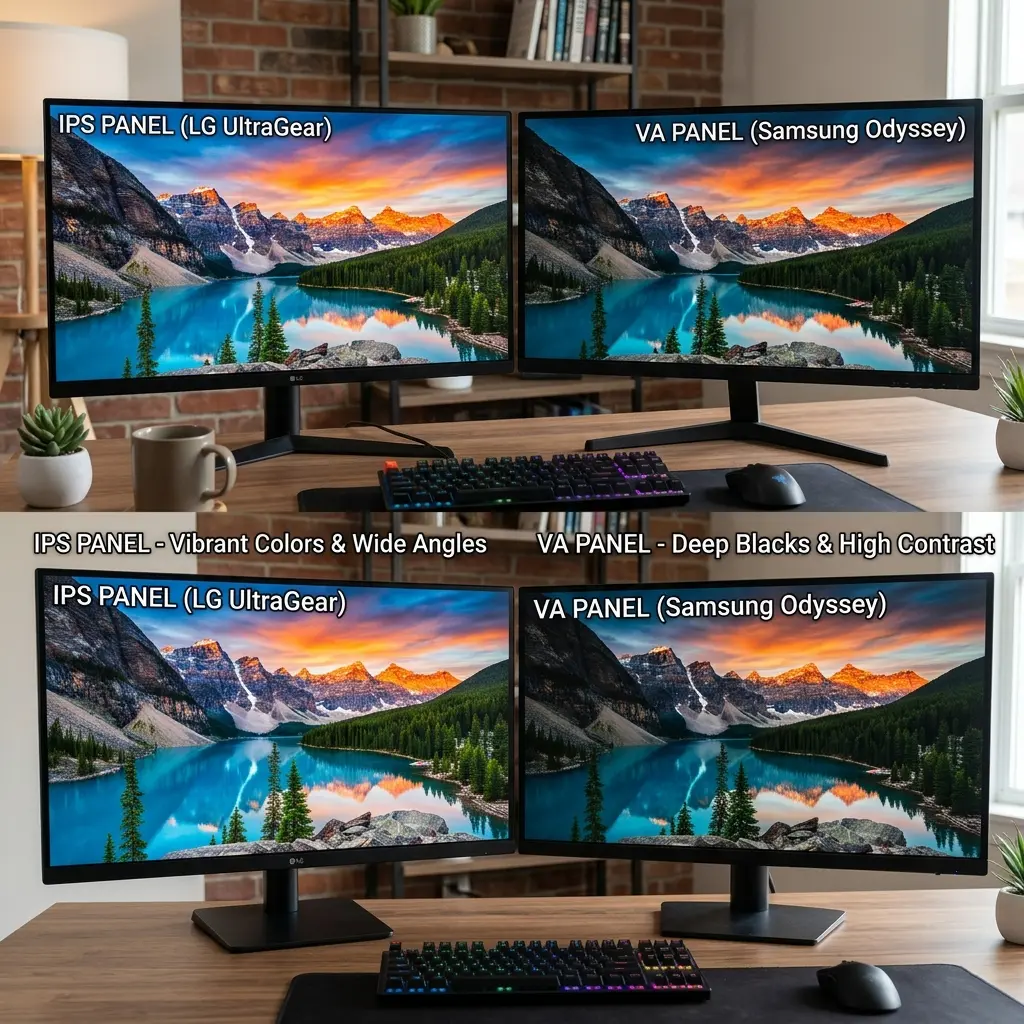
Most models utilize IPS or VA panel technology, providing excellent color accuracy and wider viewing angles, essential for immersive gameplay.
Performance and Technology
High refresh rates, often between 144Hz to 240Hz, ensure smooth gameplay, particularly in fast-paced games.
Adaptive sync technologies such as G-SYNC or FreeSync are commonly integrated to minimize screen tearing and stuttering.
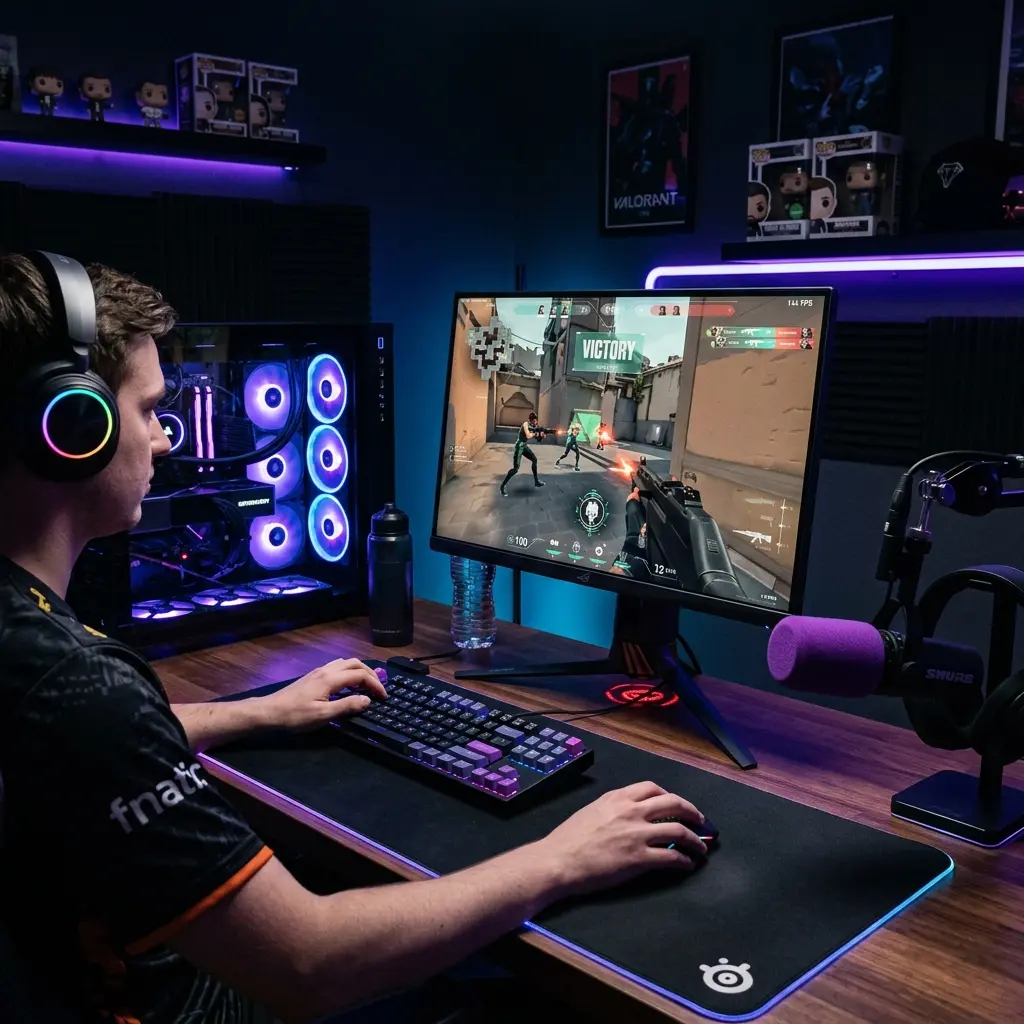
Ergonomics and Visual Comfort
Adjustable stands allowing tilt, height, and swivel adjustments cater to user comfort, reducing neck and eye strain during extended gaming sessions.
Flicker-free technology and blue light filters are integral features that enhance visual comfort by minimizing eye fatigue.
| Monitor Model | Size | Resolution | Refresh Rate | Panel Type | Price |
|---|---|---|---|---|---|
| Acer Predator XB273U | 27" | 2560x1440 | 165Hz | IPS | $699 |
| ASUS ROG Swift PG32UQX | 32" | 3840x2160 | 144Hz | IPS | $2999 |
| Samsung Odyssey G7 | 27" | 2560x1440 | 240Hz | VA | $699 |
| Dell S2721DGF | 27" | 2560x1440 | 165Hz | IPS | $529 |
Materials and Durability
High-quality anti-glare monitors often feature robust plastic or metal casings, ensuring longevity and resistance to wear.
Screen coatings are designed to resist scratches and fingerprints, maintaining clarity and performance over time.
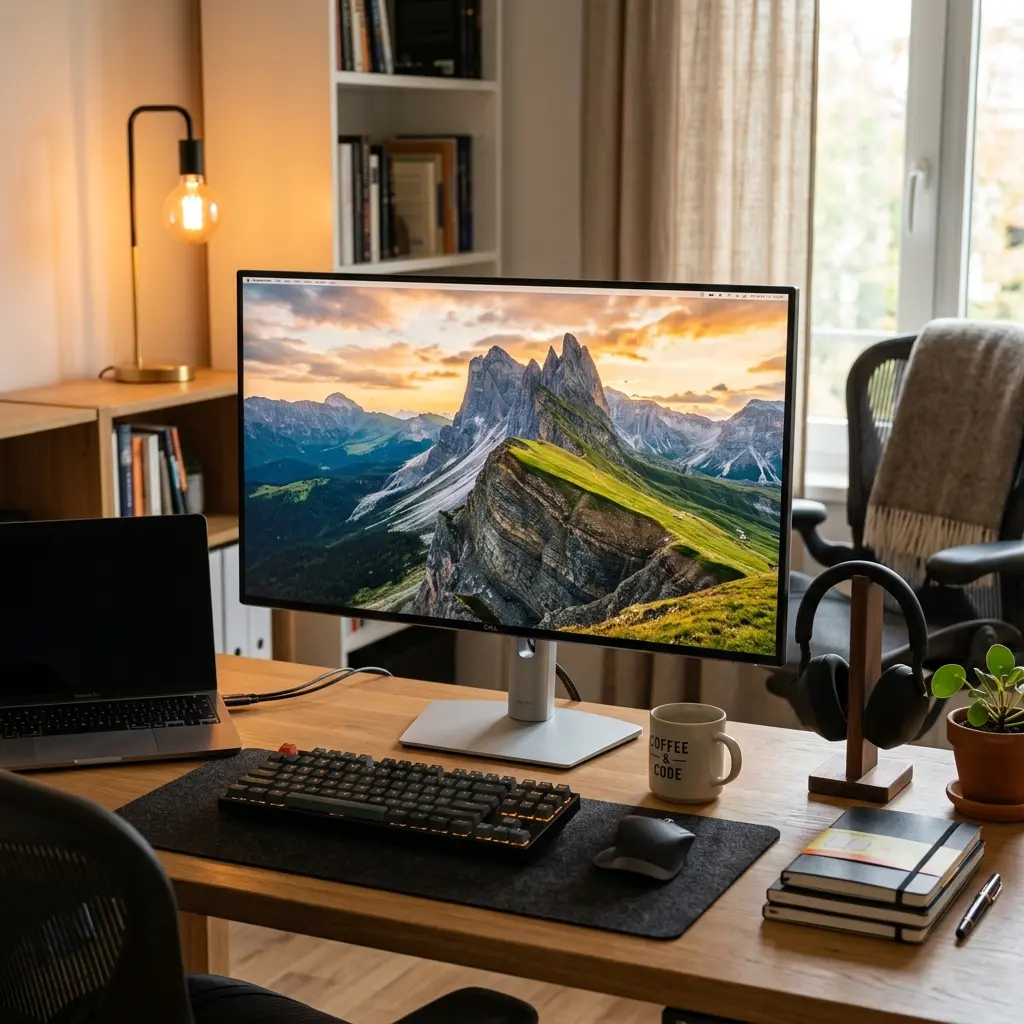
DomineTec Tip: Consider adjusting the monitor's brightness and contrast settings to optimize visual comfort and performance based on ambient lighting conditions.
Buying Recommendations and Brands
Top brands like Acer, ASUS, Dell, and Samsung specialize in anti-glare matte gaming monitors, offering a variety of options tailored to different needs.
Invest in models with reputable reviews and robust warranties to ensure satisfaction and longevity.

- Determine desired screen size and resolution.
- Choose between IPS or VA panel types based on color accuracy or contrast needs.
- Look for adaptive sync technology to enhance performance.
- Read user reviews to assess real-world performance and durability.
- Compare prices from multiple retailers to find the best deal.
Value Analysis and Verdict
While anti-glare matte gaming monitors may have a higher initial cost, their benefits in visual comfort and performance often justify the investment.
Choosing the right monitor can lead to significant improvements in gaming enjoyment and productivity.
Color Accuracy and Calibration
Color accuracy is a critical aspect when selecting an anti-glare matte gaming monitor, especially for gamers who prioritize visual fidelity.
Monitors with high color accuracy often feature technologies such as IPS or OLED panels, which provide a wider color gamut and more precise color representation.
Calibration is essential for achieving optimal color performance; many monitors come factory-calibrated, while others may require manual adjustment using calibration tools.
For serious gamers and content creators, investing in a monitor that supports color calibration can enhance the overall visual experience and ensure colors remain consistent across different devices.
Refresh Rates and Response Times
The refresh rate of a monitor is crucial for gaming performance, as it dictates how many times the screen refreshes per second, measured in Hertz (Hz).
Higher refresh rates, such as 144Hz or 240Hz, provide smoother gameplay and reduce motion blur, making them ideal for fast-paced gaming scenarios.
Similarly, response time, measured in milliseconds (ms), indicates how quickly a pixel can change from one color to another, impacting visual clarity during rapid movements.
Monitors with lower response times, typically around 1ms to 3ms, are preferred to minimize ghosting effects and enhance overall gaming responsiveness.
Adaptive Sync Technologies
Adaptive sync technologies, such as NVIDIA G-Sync and AMD FreeSync, are important features for gamers seeking smooth and tear-free gameplay.
These technologies work by synchronizing the monitor's refresh rate with the graphics card's frame rate, reducing screen tearing and stuttering during intense gaming sessions.
Choosing a monitor that supports these adaptive sync technologies can greatly enhance the overall gaming experience, particularly in graphically demanding titles.
It is essential to consider compatibility with your graphics card when selecting a monitor with adaptive sync capabilities, ensuring optimal performance across the board.
Connectivity and Ports
The variety of connectivity options available on a monitor can greatly affect its usability and versatility in a gaming setup.
Common ports include HDMI, DisplayPort, USB-C, and even legacy options like VGA or DVI, each serving different purposes and compatibility with various devices.
Having multiple ports allows for easy connection to different gaming consoles, PCs, and peripherals, streamlining the setup process for gamers.
Additionally, some monitors feature built-in USB hubs, providing convenient access to USB ports for connecting devices like mice, keyboards, or external storage.
Screen Size and Aspect Ratio
The screen size and aspect ratio of a gaming monitor play a significant role in the gaming experience, affecting immersion and field of view.
Common screen sizes range from 24 to 32 inches, with larger screens providing a more immersive experience but requiring more desk space.
Aspect ratios, such as 16:9 or 21:9, also influence gameplay; ultrawide monitors (21:9) offer a broader field of view, enhancing immersion in games designed for wider perspectives.
Choosing the appropriate screen size and aspect ratio depends on personal preference, gaming style, and the available workspace in the gaming setup.
Gaming Features and Customization
Many modern gaming monitors come equipped with specialized features designed to enhance gameplay and provide customization options for users.
Features such as customizable game modes, crosshair overlays, and on-screen display settings allow gamers to tailor their experience to their preferences.
Some monitors also include advanced features like black equalizer and motion blur reduction, which can improve visibility in dark scenes and reduce visual artifacts.
When selecting a monitor, considering these gaming-specific features can help optimize performance and provide a competitive edge in various gaming scenarios.
Environmental Considerations
As sustainability becomes an increasingly important consideration for consumers, the environmental impact of gaming monitors is worth noting.
Many manufacturers are adopting eco-friendly practices, such as using recycled materials, energy-efficient components, and reducing packaging waste.
Choosing an energy-efficient monitor can not only reduce electricity costs but also contribute to a smaller carbon footprint, aligning with environmentally conscious values.
Additionally, some monitors come with energy-saving modes and certifications, such as ENERGY STAR, indicating their commitment to sustainability and efficiency.
Gaming Environment and Setup
Creating an optimal gaming environment enhances the experience significantly, especially when using anti-glare matte monitors. Room lighting plays a crucial role; ideally, gamers should avoid direct light sources that can create reflections on their screens.
Utilizing ambient lighting, such as LED strips behind the monitor, can reduce eye strain and improve immersion. Additionally, positioning the monitor at eye level minimizes neck strain and allows for a more comfortable viewing angle during long gaming sessions.
Ergonomic furniture is another key aspect of a well-designed gaming setup. A chair with proper lumbar support and a desk at the right height can significantly increase comfort and performance.
Finally, incorporating soundproofing elements can enhance the focus and concentration of gamers by reducing outside noise interference, allowing for deeper engagement in the gaming experience.
Gaming Genres and Monitor Suitability
Different gaming genres can benefit from specific monitor features, making the choice of an anti-glare matte monitor critical. For example, fast-paced games like first-person shooters (FPS) demand high refresh rates and low response times to ensure smooth gameplay and rapid action responsiveness.
On the other hand, real-time strategy (RTS) games often require larger screen sizes and improved color accuracy for better visibility of intricate details on the battlefield. Players in these genres may prioritize a monitor's color reproduction capabilities and resolution over refresh rates.
Role-playing games (RPGs) often emphasize story and graphics, making a monitor with excellent color depth and detail crucial for immersive storytelling. Gamers may prefer larger displays with higher resolutions to appreciate the aesthetics of richly detailed game worlds.
Ultimately, understanding the specific requirements of various gaming genres can help players make informed decisions when selecting the best anti-glare matte gaming monitors for their needs.
Impact of Anti-Glare Coating on Gaming Performance
The anti-glare coating on monitors serves a vital function in reducing reflections and enhancing visibility. This feature becomes particularly beneficial in bright environments, where glare can obscure critical visual elements during gameplay.
In competitive gaming, where split-second decisions can determine the outcome of matches, every detail counts. Monitors with effective anti-glare properties can help players maintain focus and clarity, avoiding distractions caused by reflections.
Moreover, the surface texture of anti-glare coatings can affect the overall feel of the display. A smoother matte finish may provide a more pleasant visual experience, while a rougher texture could lead to minor visual artifacts that some gamers may find distracting.
Overall, the quality of the anti-glare coating can play a significant role in a gamer’s performance, reinforcing the importance of selecting a monitor that balances this feature with other specifications.
Future Trends in Gaming Monitor Technology
The gaming monitor industry is constantly evolving, with new technologies emerging to enhance user experience. One of the most anticipated trends is the integration of OLED technology, which offers superior contrast ratios and color accuracy compared to traditional LCDs.
Additionally, advancements in display resolutions, such as 8K monitors, are starting to make their way into the consumer market, promising an unprecedented level of detail for gamers. However, the practical benefits of such high resolutions will depend on hardware capabilities and game optimization.
Another trend is the growing adoption of immersive technologies, such as virtual reality (VR) and augmented reality (AR), which could redefine how monitors are designed. Future gaming monitors may need to accommodate these technologies by offering features like high refresh rates and low latency.
As gaming continues to evolve, it is essential for consumers to stay informed about these trends to make educated decisions when purchasing a monitor that will meet their future gaming needs.
Power Consumption and Energy Efficiency
Power consumption is an essential factor to consider when selecting a gaming monitor, as it impacts both operational costs and environmental sustainability.
Many gaming monitors now come with energy-efficient technologies, such as LED backlighting, which significantly reduces power usage compared to traditional displays.
Look for monitors that have received Energy Star certification, as these devices comply with strict energy efficiency guidelines set by the EPA.
In addition to lower energy bills, energy-efficient monitors often have features that allow users to adjust brightness and contrast settings dynamically, further optimizing power consumption.
Impact of Screen Coating on Eye Health
The type of screen coating can significantly influence eye health, particularly for gamers who spend extended periods in front of their monitors.
Anti-glare coatings help reduce reflections and minimize eye strain, but users should also consider the potential for increased glare in brightly lit environments.
Studies have shown that excessive screen time without proper eye care can lead to digital eye strain, making it crucial to choose monitors that enhance visual comfort.
Incorporating features such as blue light filters and flicker-free technology alongside anti-glare coatings can further protect eye health during long gaming sessions.
Monitor Calibration Techniques for Optimal Anti-Glare Performance
Calibrating a monitor is essential for achieving optimal visual performance, especially for gamers who demand precise graphics. Various calibration tools and software are available to assist users in fine-tuning their monitors, ensuring that colors are accurately represented and glare reduction is maximized.
Hardware calibration tools, such as colorimeters, can provide professional-grade adjustments. These devices measure the monitor's output and create custom profiles that enhance color accuracy while minimizing glare, which can be particularly beneficial in brightly lit environments.
Software calibration options are also widely accessible, with many operating systems offering built-in tools. Users can adjust brightness, contrast, and color settings to find a configuration that reduces glare without sacrificing image quality, making the gaming experience more enjoyable.
Regular recalibration is recommended to maintain optimal performance, especially as monitor settings can drift over time. Gamers should consider calibrating their monitors every few months or whenever they notice changes in display quality, ensuring consistent anti-glare effectiveness.
Comparative Analysis of Anti-Glare Technologies
Anti-glare technologies vary significantly among manufacturers, with each employing different methods to reduce reflections and enhance visibility. The most common types include matte coatings, textured surfaces, and advanced polarization techniques, each offering unique benefits for gamers.
Matte coatings are widely used due to their ability to diffuse light and reduce glare effectively. These coatings minimize reflections, making them suitable for environments with varying lighting conditions, but they can sometimes affect color vibrancy and contrast levels.
Textured surfaces are another approach, designed to scatter ambient light and prevent reflections from interfering with the gaming experience. This method can enhance immersion, but it may also introduce a slight graininess to the display, which some users might find distracting.
Advanced polarization technologies represent the cutting edge of anti-glare solutions, utilizing special filters to eliminate reflections while maintaining color fidelity. Although these monitors tend to be more expensive, the investment can be worthwhile for serious gamers seeking the ultimate visual experience.
Frequently Asked Questions
What is an anti-glare matte monitor?
An anti-glare matte monitor has a special coating that reduces reflections, enhancing visibility in bright environments.
Are matte monitors better for gaming?
Matte monitors often provide better visibility and reduced eye strain, making them suitable for long gaming sessions.
What panel type is best for gaming?
IPS panels are favored for their color accuracy and viewing angles, while VA panels excel in contrast and deep blacks.
How do I maintain my matte monitor?
Regular cleaning with a microfiber cloth and gentle screen cleaner helps maintain clarity and performance.
Is a 4K monitor worth it for gaming?
A 4K monitor offers exceptional detail, but a powerful graphics card is necessary to fully utilize its capabilities in gaming.




