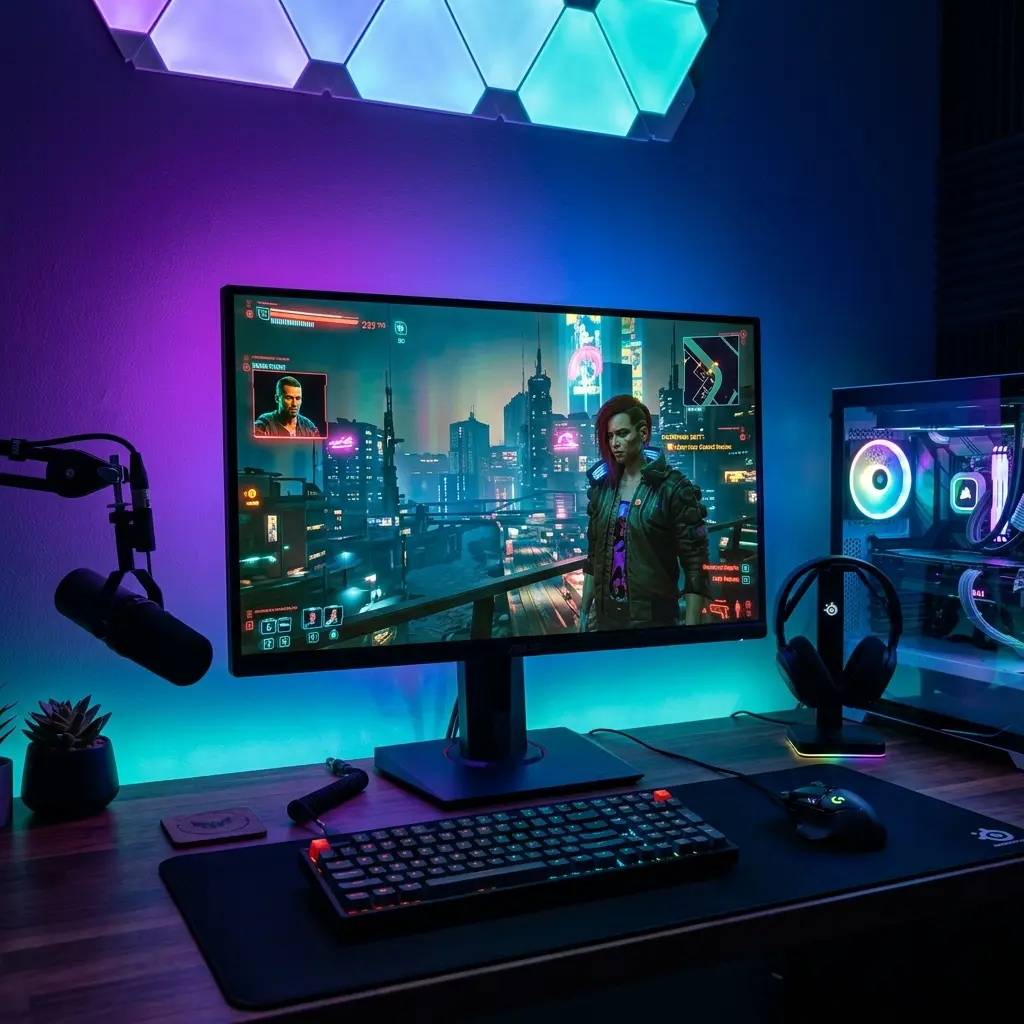
Discover the best 4K Thunderbolt monitors for MacBook Pro, combining exceptional performance with ergonomic design.
Physical Aspects and Resolution
High-resolution 4K monitors are essential for maximizing the capabilities of the MacBook Pro. Most models offer a pixel density of 3840 x 2160, ensuring sharp images and vibrant colors.
Performance and Technology
Thunderbolt connectivity provides high data transfer rates, crucial for video editing and graphic design professionals. Advanced technologies like HDR and wide color gamut enhance visual experiences significantly.
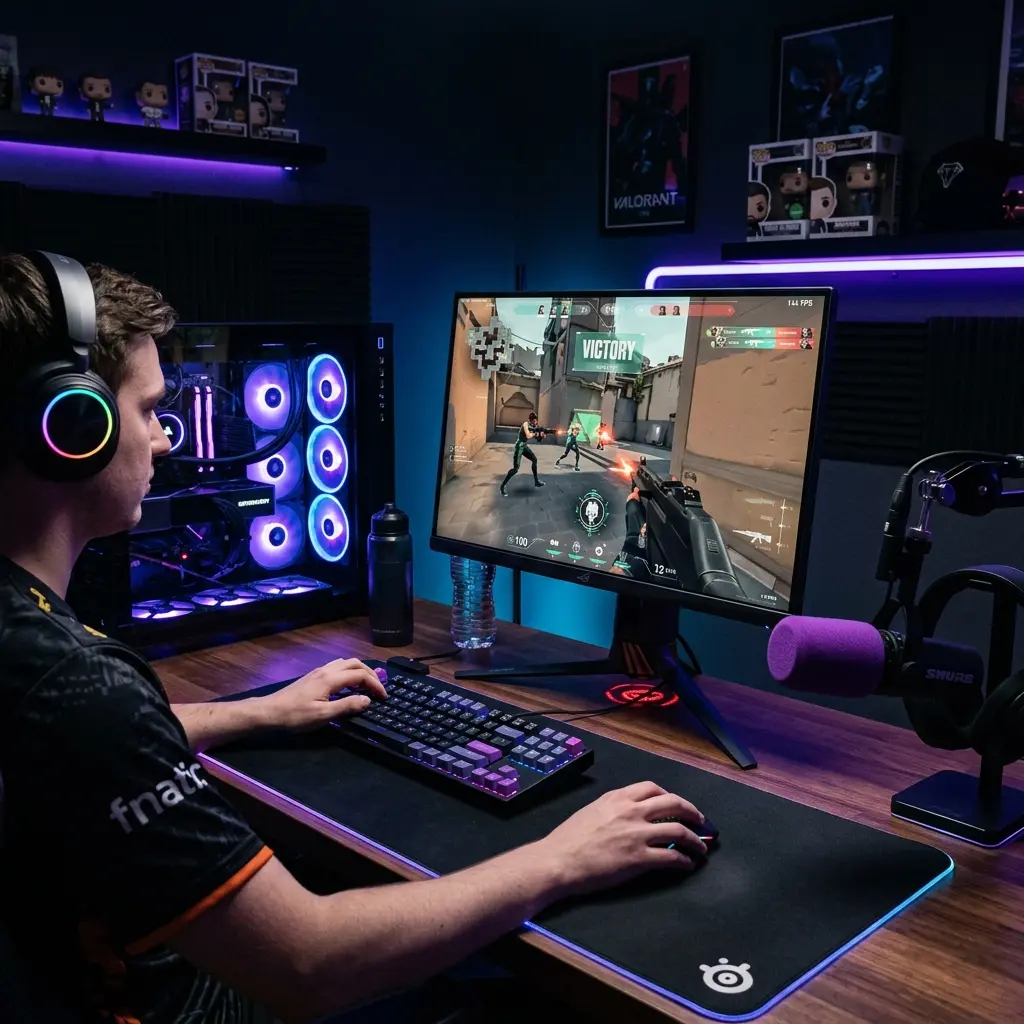
Ergonomics and Visual Comfort
Adjustable stands and VESA compatibility promote better posture and comfort during extended use. Features like anti-glare coatings further reduce eye strain in various lighting conditions.
| Monitor Model | Resolution | Refresh Rate | Panel Type | Thunderbolt Ports | Price |
|---|---|---|---|---|---|
| LG UltraFine 5K | 5120 x 2880 | 60Hz | IPS | 1 | $1,299 |
| BenQ PD3220U | 3840 x 2160 | 60Hz | IPS | 2 | $1,199 |
| Dell UltraSharp U2720Q | 3840 x 2160 | 60Hz | IPS | 1 | $699 |
| Apple Pro Display XDR | 6016 x 3384 | 60Hz | IPS | 1 | $4,999 |
Materials and Durability
Premium materials such as aluminum and reinforced glass enhance the longevity of these monitors. Many models also feature robust designs that resist wear and tear over time.

DomineTec Tip: Ensure the monitor is placed at eye level to reduce neck strain and promote a healthier posture.
Buying Recommendations and Brands
Leading brands like LG, Dell, and BenQ are known for their high-quality 4K Thunderbolt monitors. Consider features such as color accuracy, connectivity options, and ergonomic designs when making a selection.

- Determine your primary use case (e.g., graphic design, video editing, general use).
- Assess the importance of color accuracy and panel type for your work.
- Check connectivity options, ensuring compatibility with your MacBook Pro.
- Evaluate ergonomics, including adjustability and eye comfort features.
- Set a budget, considering the price range of reliable brands.
Value Analysis and Verdict
Investing in a high-quality 4K Thunderbolt monitor can significantly enhance productivity and visual experiences. The right choice will depend on individual needs and budget considerations.
Compatibility and Connectivity Options
When selecting a 4K Thunderbolt monitor for your MacBook Pro, compatibility is a paramount consideration. Most MacBook Pro models support Thunderbolt 3, which allows for high-speed data transfer and connection to multiple displays. Ensuring that the monitor you choose has the appropriate Thunderbolt or USB-C ports is essential for maximizing performance.
Beyond Thunderbolt, many monitors also offer HDMI and DisplayPort connections. While these can work with your MacBook Pro, they may limit certain features like higher refresh rates or color depth available through Thunderbolt connections. It's advisable to check the specifications of both the monitor and your MacBook model to ensure seamless compatibility.
Additionally, consider the software compatibility, particularly if you use specialized applications for creative work. Some monitors come with proprietary software that can enhance their functionality, such as color calibration tools or screen splitting capabilities, which can significantly benefit productivity.
Lastly, keep in mind the importance of cable quality. Using high-quality cables can help prevent signal degradation and ensure that your monitor operates at its full potential, particularly at 4K resolution.
Color Accuracy and Calibration
Color accuracy is a critical factor for professionals in photography, graphic design, and video editing. Monitors that offer factory calibration often provide better out-of-the-box color fidelity. Look for models that cover a wide color gamut, such as Adobe RGB or DCI-P3, to ensure vibrant and accurate color reproduction.
Calibration tools can also enhance the monitor's performance over time. Some monitors come with built-in calibration features, while others may require external calibration devices. Regular calibration can help maintain color accuracy, especially if the monitor is used for critical visual tasks.
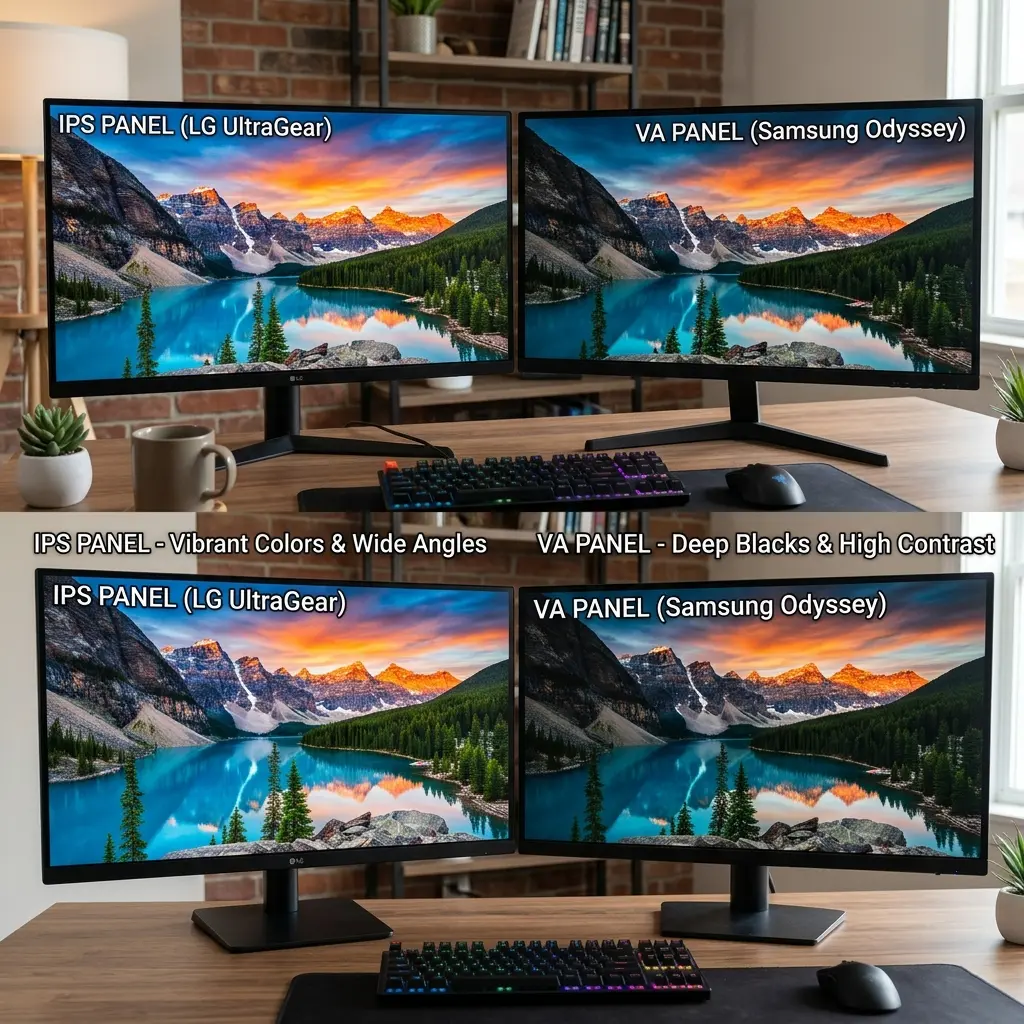
In addition to calibration, the type of panel technology can impact color performance. IPS panels are renowned for their superior color reproduction and viewing angles, making them a popular choice for creative professionals. Understanding the differences between panel types can help in selecting the best monitor for your needs.
Moreover, consider how the monitor handles HDR content, as this can significantly influence the viewing experience. Monitors that support HDR10 or Dolby Vision typically offer improved brightness and contrast, further enhancing color depth.
Aspect Ratio and Screen Real Estate
The aspect ratio of a monitor can greatly influence productivity and user experience. Most 4K monitors have a standard 16:9 aspect ratio, which is suitable for general use, but ultrawide monitors with a 21:9 or 32:9 ratio can provide additional screen real estate for multitasking.
Ultrawide monitors can replace a dual-monitor setup, allowing users to run multiple applications side by side without bezels interrupting the view. This can be particularly beneficial for creative professionals who require ample screen space for design or editing software.
However, it's essential to consider the physical space available on your desk when choosing an ultrawide model. The larger footprint may require more room than a traditional 16:9 monitor, impacting overall workstation ergonomics.
Screen resolution and pixel density also play a role in the usability of different aspect ratios. Higher pixel density can enhance clarity, making text and graphics sharp and easy to read, regardless of the aspect ratio selected.
Gaming Features and Refresh Rates
While primarily aimed at professionals, many 4K Thunderbolt monitors also cater to gamers. Features such as high refresh rates and low response times can significantly enhance the gaming experience, providing smoother visuals during fast-paced action.
Look for monitors that support variable refresh rate technologies like AMD FreeSync or NVIDIA G-Sync. These features help eliminate screen tearing and stuttering, which can detract from gameplay, making them an excellent addition for gamers using a MacBook Pro.
In addition to refresh rates, consider the monitor's input lag. Low input lag is crucial for competitive gaming, ensuring that your actions are reflected on screen without noticeable delay. Many gaming-focused monitors provide specifications that detail input lag performance.
Lastly, consider the importance of customizable settings for gaming. Some monitors come with gaming presets that optimize visual settings for specific genres, enhancing the overall experience, whether you’re playing first-person shooters or strategy games.
Energy Efficiency and Environmental Impact
Energy efficiency is an increasingly important consideration in monitor selection. Look for monitors that are Energy Star certified, which indicates they meet strict energy efficiency guidelines, reducing both electricity consumption and environmental impact.
In addition to energy savings, manufacturers are increasingly focusing on sustainable materials and production practices. Some brands utilize recycled materials in their monitor construction, contributing to a reduced carbon footprint.
Understanding a monitor’s energy consumption not only helps in making an environmentally conscious choice but can also lead to cost savings on electricity bills. Take note of the power consumption ratings provided by manufacturers for both active and standby modes.
Moreover, consider the longevity of the monitor and its potential for recycling at the end of its life cycle. Investing in a durable and repairable monitor contributes to sustainability by extending its usable life and reducing electronic waste.
Sound Quality and Built-in Features
While many users rely on external speakers or headphones for audio, built-in speakers can still play a role in the overall functionality of a monitor. Look for monitors that offer decent sound quality and volume, particularly for casual use or presentations.
Some monitors also feature integrated webcams and microphones, which can be beneficial for video conferencing. These all-in-one solutions can help reduce desk clutter and simplify setup, especially in remote working environments.
Additionally, consider features such as picture-in-picture (PiP) or picture-by-picture (PbP) capabilities, which allow users to view multiple sources simultaneously. These features can enhance productivity, particularly for multitasking professionals.
Finally, assess the overall connectivity options for audio output. Monitors that offer headphone jacks or audio passthrough can provide flexibility in audio management, catering to various user preferences.
User Reviews and Community Feedback
Before making a final decision, it's beneficial to explore user reviews and community feedback. Platforms such as forums or tech review websites often provide insights into real-world performance and potential issues that may not be covered in official specifications.
Pay attention to reviews from users with similar use cases, whether professional creatives or casual users. This can help identify strengths and weaknesses specific to your needs, ensuring that the monitor aligns with your expectations.
Additionally, consider the longevity of user satisfaction with the product. Monitors that have been positively reviewed over time may indicate reliability and consistent performance, which can be crucial for long-term investment.
Lastly, engaging with online communities can also provide tips for optimal settings and usage, helping to enhance the overall experience with your chosen monitor.
Software Compatibility and Integration
When selecting a 4K Thunderbolt monitor for MacBook Pro, it is essential to consider software compatibility and integration capabilities. Many monitors offer features that enhance productivity, such as built-in software that allows users to customize display settings or switch between multiple inputs seamlessly.
For creative professionals, specific monitor models come equipped with calibration tools that ensure color accuracy directly from the software interface. This integration can save time and enhance workflow, especially for graphic designers, video editors, and photographers.
Furthermore, some monitors provide support for macOS-specific features, such as True Tone and Night Shift, which can significantly improve the user experience by adjusting the display settings according to the ambient light. This capability can be particularly beneficial for users who work in varying light conditions.
In addition, seamless integration with productivity applications, like those from the Adobe Creative Suite, can help users maximize their workflow efficiency. Compatibility with software updates and ongoing support is an essential consideration for long-term usability.
Portability and Workspace Flexibility
Portability can be a crucial factor for users who frequently move their setup or work in different locations. While 4K Thunderbolt monitors are generally larger, some models are designed to be lightweight and easy to transport, making them suitable for on-the-go professionals.
Workspace flexibility is another important aspect, as some monitors offer adjustable stands or VESA mount compatibility. This feature allows users to customize their workspace according to their preferences, whether they are working at a desk or in a more casual environment.
In addition, certain monitor designs incorporate a sleek aesthetic that complements various office setups, which can be vital for users who prioritize both functionality and style. Monitors that support vertical orientation are also beneficial for tasks that require long-form content reading or coding.
The option to use a monitor as a secondary display for multitasking can enhance productivity. Users can easily switch between tasks and applications without cluttering their MacBook Pro screen, allowing for a more organized and efficient workflow.
Future-Proofing and Upgradability
Investing in a 4K Thunderbolt monitor also involves considering future-proofing and upgradability. As technology continues to evolve, it is essential to select monitors that support upcoming standards and features, ensuring they remain relevant for years to come.
Some monitors now come with DisplayPort 2.0 or HDMI 2.1 compatibility, which allows for higher refresh rates and better bandwidth. These features can accommodate future devices that may require greater performance capabilities, making the monitor a long-term investment.
Additionally, features such as firmware updates and customizable settings can enhance the longevity of the monitor. Manufacturers that provide ongoing support and updates ensure that users can benefit from new functionalities as they become available.
Finally, considering the monitor's resale value is also crucial for future-proofing. Models known for their quality and performance tend to retain value better, allowing users to upgrade more easily when needed without incurring significant losses.
Color Gamut and Dynamic Range
Color gamut refers to the range of colors that a monitor can display, which is particularly critical for professionals in photography, graphic design, and video editing. Many high-end 4K Thunderbolt monitors for MacBook Pro support wide color gamuts such as Adobe RGB and DCI-P3, allowing users to see more vibrant and accurate colors.
Dynamic range, on the other hand, denotes the monitor's ability to display details in both the darkest and lightest parts of an image. Monitors that boast high dynamic range (HDR) capabilities can deliver stunning visuals with enhanced contrast, making them ideal for multimedia applications.
When selecting a 4K Thunderbolt monitor, it is essential to consider its color gamut specifications alongside dynamic range capabilities. A monitor that excels in both areas will provide a more immersive and true-to-life viewing experience.
Calibration tools and software can further enhance color accuracy, ensuring that users achieve the best possible results for their creative projects. Investing in a monitor with robust color performance is crucial for anyone seeking precision in visual content creation.
Thermal Management and Noise Levels
Thermal management in monitors is vital for maintaining optimal performance and longevity. High-quality 4K Thunderbolt monitors often employ advanced cooling technologies that prevent overheating, ensuring consistent functionality even during prolonged use.
Noise levels are also an important consideration, particularly in quiet environments or during intensive tasks. Many modern monitors are designed with silent operation in mind, utilizing passive cooling systems that minimize fan noise and distractions.
When selecting a 4K Thunderbolt monitor, it is crucial to review thermal performance and noise specifications. Monitors that effectively manage heat without excessive noise can greatly enhance the overall user experience.
Users in creative fields will benefit from monitors that maintain thermal stability, allowing for uninterrupted workflows. Thus, thoughtful design in thermal management can play a significant role in the usability and effectiveness of a monitor in professional settings.
Frequently Asked Questions
What is Thunderbolt technology?
Thunderbolt technology allows for high-speed data transfer and versatility in connectivity, supporting multiple devices through a single port.
Can 4K monitors be used for gaming?
Yes, 4K monitors can be suitable for gaming if they feature high refresh rates and low response times, enhancing the gaming experience.
Do I need special cables for Thunderbolt monitors?
Yes, Thunderbolt monitors require compatible Thunderbolt cables to achieve optimal data transfer speeds and functionality.
Are all 4K monitors compatible with MacBook Pro?
Most 4K monitors are compatible with MacBook Pro, but checking connectivity options and specifications is essential for seamless integration.
What size monitor is best for productivity?
A monitor size of 27 to 32 inches is often recommended for productivity, providing ample screen space without causing eye strain.




