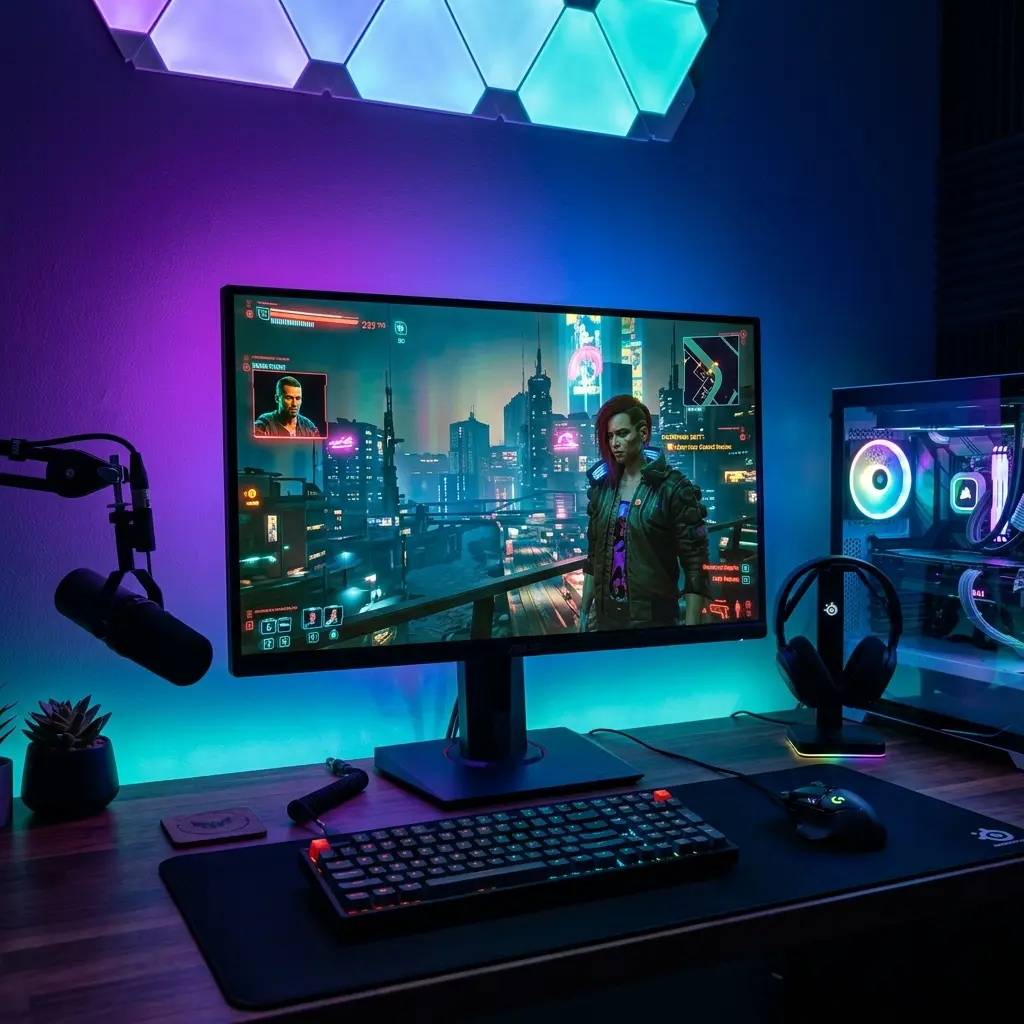
Discover the best 4K external monitors for MacBook and Mac Mini, featuring superior resolution and design.
Physical Aspects and Resolution
4K external monitors typically feature a resolution of 3840 x 2160 pixels, providing sharp image quality essential for design and multimedia work.
Common screen sizes range from 27 to 32 inches, balancing workspace and pixel density to ensure clarity without overwhelming the user.
Performance and Technology
Most modern 4K monitors utilize IPS technology, which offers wider viewing angles and better color accuracy compared to traditional TN panels.
Features like HDR support and high refresh rates enhance visual performance, making them suitable for both creative tasks and gaming.
Ergonomics and Visual Comfort
Ergonomically designed monitors often include adjustable stands for height, tilt, and swivel, promoting comfort during extended use.
Blue light reduction technologies and flicker-free screens help minimize eye strain, crucial for users engaged in long work sessions.
| Monitor Model | Screen Size | Panel Type | Refresh Rate | HDR Support | Price Range |
|---|---|---|---|---|---|
| LG UltraFine 27UN850-W | 27" | IPS | 60Hz | Yes | $700 - $800 |
| BenQ PD3220U | 32" | IPS | 60Hz | Yes | $1,200 - $1,300 |
| Dell UltraSharp U2720Q | 27" | IPS | 60Hz | Yes | $600 - $700 |
| ASUS ProArt PA32UCX | 32" | IPS | 60Hz | Yes | $3,000 - $3,500 |
Materials and Durability
High-quality monitors often utilize premium materials such as aluminum for the chassis, providing durability and a sleek appearance.
Glass screens with anti-glare coatings prevent scratches and reflections, enhancing the longevity and functionality of the display.

DomineTec Tip: Ensure the monitor is positioned at eye level to promote proper posture and reduce neck strain.
Buying Recommendations and Brands
Leading brands include LG, Dell, and BenQ, recognized for their commitment to color accuracy and build quality.
Consider models that come with extensive warranty coverage, as this is indicative of the manufacturer's confidence in their product's durability.

- Assess the screen size based on workspace availability.
- Evaluate panel types for color accuracy and viewing angles.
- Compare refresh rates for specific usage needs.
- Review HDR capabilities for enhanced visual experience.
- Check for ergonomic features that support comfortable use.
Value Analysis and Verdict
Investing in a quality 4K external monitor can significantly enhance productivity and enjoyment, especially for creative professionals.
Ultimately, the right choice balances performance, ergonomics, and price, ensuring a worthwhile addition to any MacBook or Mac Mini setup.

Connectivity Options and Compatibility
Modern 4K external monitors offer a variety of connectivity options that enhance compatibility with MacBook and Mac Mini devices.
Common interfaces include HDMI, DisplayPort, and USB-C, each providing different benefits in terms of bandwidth and functionality.
USB-C is particularly advantageous for Mac users, as it allows for data transfer, video output, and charging through a single cable.
It's essential to check the specifications of both the monitor and the Mac device to ensure seamless integration and optimal performance.
Color Accuracy and Calibration
Color accuracy is a crucial factor for professionals in design, photography, and video editing fields who rely on precise color representation.
Monitors with high color gamut coverage, such as Adobe RGB and DCI-P3, provide a broader range of colors, which is vital for creative work.
Many high-end models come factory-calibrated, but it's recommended to perform additional calibration using tools like colorimeters for best results.
Understanding the factory calibration status and the ability to adjust color settings can greatly influence the monitor's suitability for professional tasks.
Audio Capabilities and Features
While many users may rely on external speakers or headphones, the audio capabilities of a monitor can enhance the overall multimedia experience.
Some 4K monitors come equipped with built-in speakers that can provide decent sound quality for casual use, reducing cable clutter.
Advanced models may feature additional audio technologies, such as built-in subwoofers or support for surround sound systems.
Considering the audio features of a monitor can be especially important for users who frequently engage in video conferencing or multimedia applications.
Gaming Performance and Features
For gamers, having a 4K monitor that meets specific performance criteria is essential for an immersive gaming experience.
Look for features such as low input lag, high refresh rates, and adaptive sync technologies like FreeSync or G-SYNC, which greatly enhance gameplay fluidity.
While many MacBooks and Mac Minis are not primarily designed for gaming, compatible monitors can still deliver satisfying gaming experiences when paired with the right hardware.
Evaluating the gaming-related specifications of a monitor can help users make informed choices based on their gaming habits and preferences.
Mounting Options and Flexibility
Different mounting options and flexibility features can significantly impact workspace organization and ergonomics.
VESA compatibility is a crucial consideration, as it allows users to mount the monitor on adjustable arms or wall mounts for optimal positioning.
Some monitors also offer height, tilt, and swivel adjustments, enabling users to customize their viewing angles easily.
Assessing the mounting capabilities of a monitor can prevent neck strain and enhance productivity through better ergonomics.
Energy Efficiency and Environmental Considerations
Energy efficiency is an important aspect of modern technology, with many monitors designed to consume less power while delivering high performance.
Look for monitors that feature Energy Star certification or similar ratings, which indicate lower energy consumption without compromising functionality.
Additionally, some manufacturers implement environmentally friendly practices in their production processes, which can appeal to eco-conscious consumers.
Understanding a monitor's energy efficiency and environmental impact can contribute to more sustainable purchasing decisions.
Customer Support and Warranty Services
Reliable customer support and warranty services can significantly influence the overall ownership experience of a 4K monitor.
When purchasing a monitor, it's advisable to review the warranty terms, including the duration and coverage for defects or damages.
Many reputable brands offer extended warranty options that can provide added peace of mind for users investing in high-end displays.
Evaluating customer support channels, such as availability of live chat, phone support, and online resources, can also enhance user satisfaction.
Software Compatibility and Optimization
When selecting a 4K external monitor for MacBook and Mac Mini, software compatibility plays a crucial role in achieving optimal performance.
macOS supports a wide range of display configurations, allowing users to take full advantage of high-resolution displays without compromising functionality.
It is essential to check for any specific software requirements or driver updates that might enhance the monitor's performance and ensure seamless integration with the operating system.
Additionally, certain monitors come with proprietary software that can further optimize display settings, including color profiles and resolution adjustments, enhancing the user experience.
Portability and Space Considerations
For users with limited desk space or those who travel frequently, the portability of a 4K external monitor is a significant factor.
Many modern monitors are designed with slim profiles and lightweight materials, making them easier to transport and set up in various environments.
Considering the size and weight of the monitor can help users find a balance between screen real estate and portability.
Furthermore, some monitors feature foldable or detachable stands, enhancing their adaptability for different workspace setups.
Future-Proofing and Technological Trends
Investing in a 4K monitor involves considering future technological advancements and trends that may impact usability.
As display technologies evolve, features such as higher refresh rates, improved color space coverage, and enhanced connectivity options are becoming increasingly common.
Choosing a monitor with support for emerging technologies, such as HDMI 2.1 or DisplayPort 2.0, ensures compatibility with upcoming devices and standards.
Staying informed about these trends can aid consumers in making informed decisions that extend the longevity of their monitor investment.
User Experience and Community Feedback
User experience and community feedback are valuable resources when evaluating the best 4K external monitors.
Online platforms, such as forums and review sites, often provide insights from real users regarding performance, reliability, and any issues encountered during usage.
Analyzing user reviews can reveal common strengths and weaknesses associated with specific models, aiding potential buyers in making informed choices.
Furthermore, engaging with the community can provide tips on optimal settings and configurations that enhance the overall user experience.
Adjustability and Customization Features
Adjustability is an essential factor when selecting an external monitor for MacBook and Mac Mini users. Many modern 4K monitors offer a range of ergonomic adjustments that allow users to customize their viewing experience to reduce strain and enhance comfort. Features such as height adjustment, tilt, swivel, and pivot capabilities can significantly improve user ergonomics, especially during extended periods of use.
Moreover, customizable settings such as brightness, contrast, and color temperature are crucial for tailoring the monitor's performance to individual preferences or specific work tasks. Some models even offer advanced options like programmable presets that enable quick adjustments for different applications, making it easier to switch between tasks seamlessly.
In addition to physical adjustments, integrated software solutions for monitor calibration can provide users with more control over their visual experience. This functionality can be particularly valuable for graphic designers and photographers who require precise color reproduction and consistency in their workflow.
Ultimately, the right combination of adjustability and customization features can enhance productivity and comfort, making it an important consideration for those seeking the best 4K external monitors for their Mac systems.
Input Lag and Response Time
Input lag and response time are critical specifications to consider, particularly for users who engage in gaming or fast-paced video editing. Input lag refers to the delay between a user's action and the on-screen response, while response time measures how quickly a pixel can change colors. Both factors can significantly impact the overall performance and experience when using a 4K external monitor.
For gamers, a lower input lag is essential for maintaining competitive performance, particularly in fast-paced scenarios. Monitors with input lag under 10 milliseconds are generally considered optimal for gaming, allowing real-time responsiveness to player actions. Additionally, a low response time, ideally 1ms to 5ms, ensures smoother visuals, reducing ghosting effects that can occur during fast movements.
While input lag and response time are often overlooked by casual users, they can be crucial for professionals in creative fields who require real-time feedback and precision in their work. Video editors, for example, may benefit from monitors that provide fast response times, minimizing delays when trimming or adjusting clips during the editing process.
In summary, assessing input lag and response time can help users identify monitors that meet their specific needs, particularly in scenarios that demand quick reactions and high visual fidelity.
Advanced Features and Innovations
Modern 4K external monitors are increasingly equipped with advanced features and innovations that enhance usability and functionality. Technologies such as HDR (High Dynamic Range) provide improved brightness and color performance, allowing for a more immersive viewing experience by displaying a wider range of colors and contrasts.
Another noteworthy innovation is the introduction of adaptive sync technologies, such as AMD FreeSync and NVIDIA G-Sync, which help to eliminate screen tearing and stuttering during gaming sessions. These technologies ensure that the monitor and graphics card work in harmony, providing a smoother visual experience regardless of the frame rates being produced.
Additionally, many newer monitors come with integrated blue light filters and flicker-free technologies, which significantly reduce eye strain during prolonged use. These features can be especially beneficial for users who spend long hours in front of their screens, promoting better eye health and comfort.
As manufacturers continue to innovate, features like AI-based image enhancement and built-in productivity tools are becoming more common, further enriching the user experience. Keeping an eye on these advanced features can help consumers choose monitors that not only meet their current needs but also offer greater versatility and future-proofing.
Environmental Impact and Sustainability Practices
The environmental impact of electronics is an increasingly important consideration for consumers. Many manufacturers now focus on sustainable practices, from sourcing materials to energy consumption during production and usage.
When selecting a 4K external monitor, it is crucial to evaluate the company's sustainability initiatives. Look for brands that utilize recycled materials, have transparent supply chains, and commit to reducing their carbon footprint.
Additionally, energy-efficient models can significantly lower energy consumption, contributing to a reduced environmental impact. Certifications such as Energy Star can help identify monitors that adhere to stringent energy efficiency guidelines.
Considering the life cycle of a monitor, from production to disposal, is essential for making an informed decision. Opt for brands that offer recycling programs or take-back initiatives to minimize electronic waste.
User Interface and Control Features
The user interface of a 4K external monitor plays a crucial role in the overall user experience. Monitors equipped with intuitive menus and easy-to-navigate controls enhance usability, especially for creative professionals who require quick adjustments.
Some monitors offer advanced on-screen display (OSD) features that allow users to customize settings easily, including brightness, contrast, and color profiles. These features can significantly improve workflow efficiency, particularly in color-sensitive tasks.
Touchscreen capabilities are becoming increasingly popular, providing an interactive experience that can simplify navigation and settings adjustments. This feature can be particularly beneficial for graphic designers and video editors who frequently modify display settings.
Remote control options are also worth considering, as they allow for quick adjustments without the need to reach for the monitor itself. A well-designed user interface can make a substantial difference in daily usage, enhancing productivity and overall satisfaction.
Frequently Asked Questions
What is the ideal screen size for a 4K monitor?
A 27-inch to 32-inch screen size is generally recommended for optimal resolution and clarity.
Do all 4K monitors support HDR?
Not all 4K monitors come with HDR support, so checking specifications before purchase is essential.
Can a 4K monitor be used with older MacBook models?
Older MacBook models may have limitations with 4K output, so compatibility checks are necessary.
What panel type is best for color accuracy?
IPS panels are renowned for their color accuracy and are ideal for creative tasks.
Are external monitors worth the investment for Mac users?
External monitors provide enhanced productivity and better visuals, making them a valuable investment for most users.




