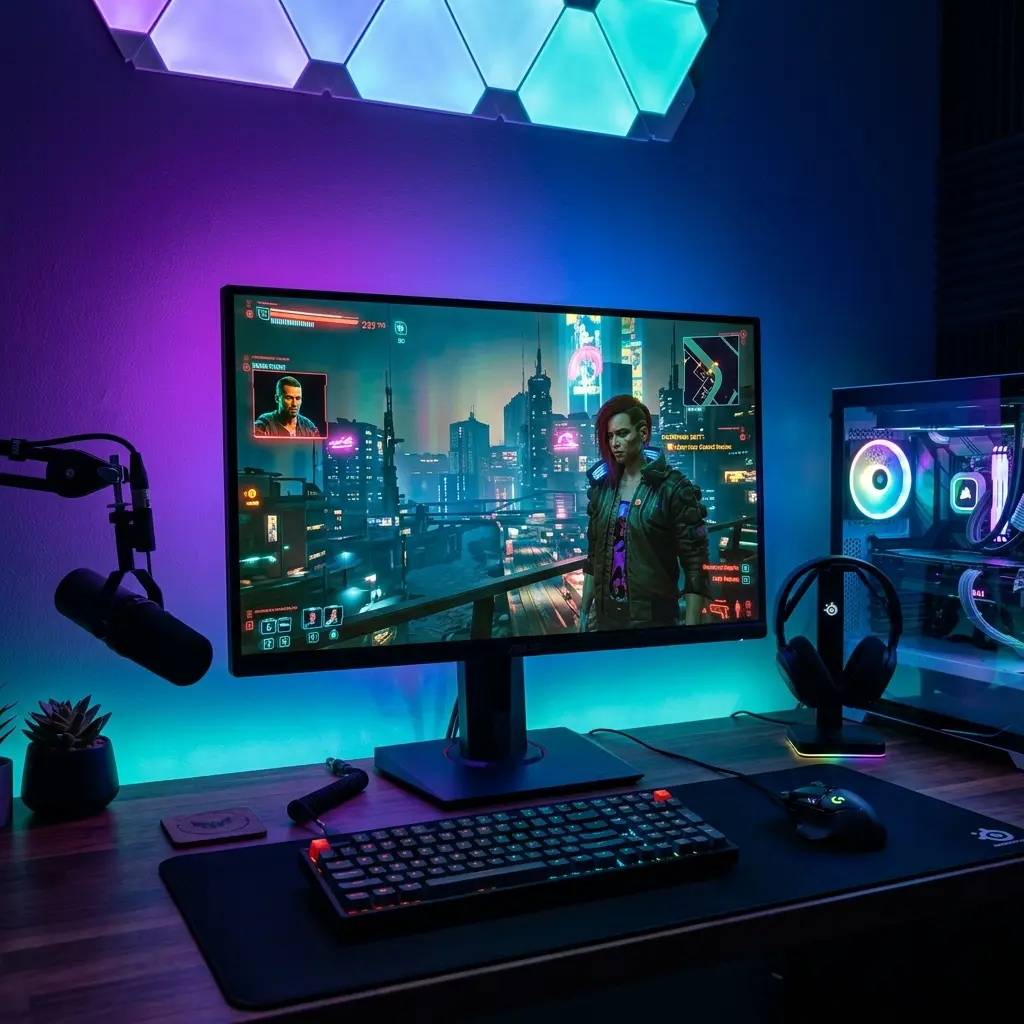
Investing in a quality 4K monitor is crucial for 3D modeling and Blender workflows. The right display enhances detail and color accuracy.
Physical Aspects and Resolution
4K monitors typically offer a resolution of 3840 x 2160 pixels, providing a significant increase in detail over standard HD displays.
Physical size and screen technology, such as IPS or OLED, directly impact color reproduction and viewing angles, essential for 3D modeling.
Performance and Technology
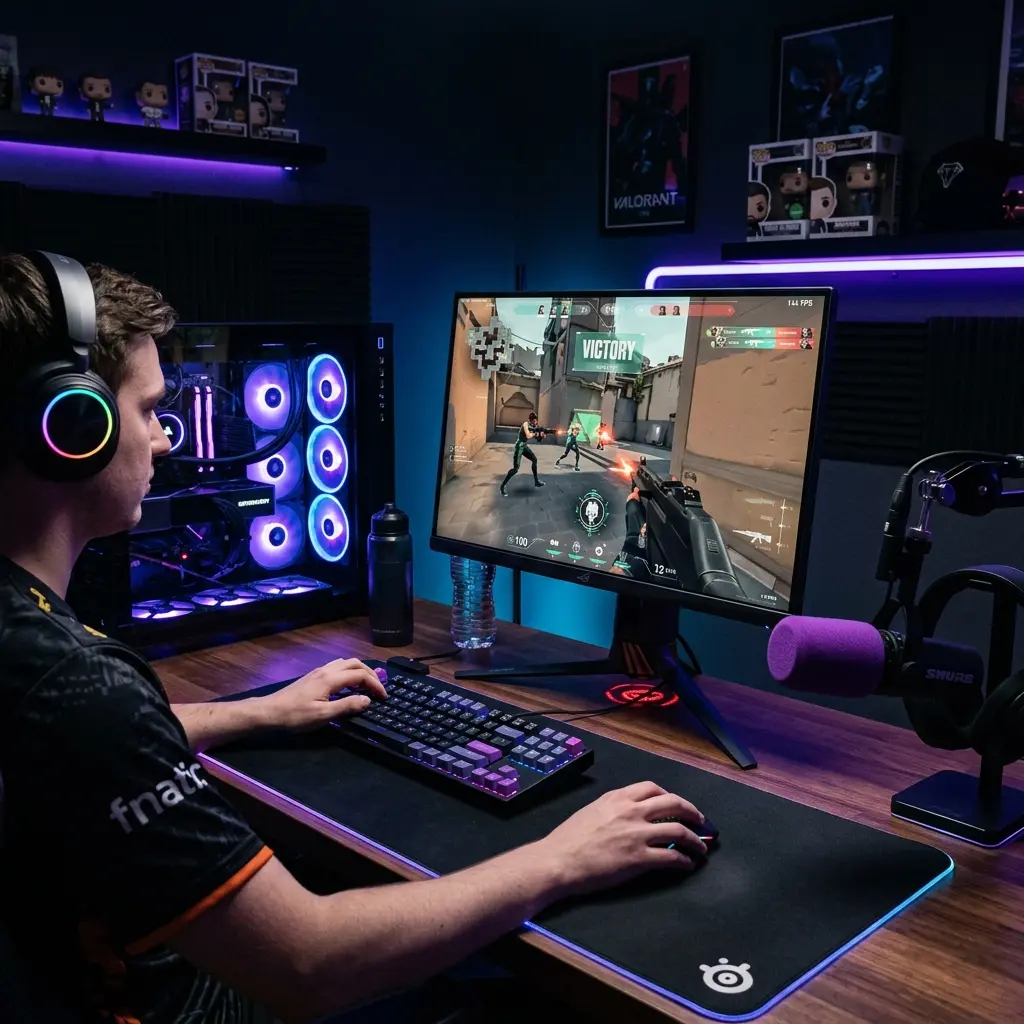
High refresh rates and low response times are vital for delivering smoother animations and rendering in real-time.
Advanced technologies like HDR and G-Sync can enhance visual fidelity and reduce screen tearing during intensive tasks.
Ergonomics and Visual Comfort
Adjustability features such as height, tilt, and swivel capabilities can greatly enhance user comfort during extended work sessions.
Blue light filters and flicker-free technology are also important for reducing eye strain, particularly during long modeling sessions.
| Model | Resolution | Refresh Rate | Panel Type | Price |
|---|---|---|---|---|
| LG UltraFine 27UN850-W | 3840 x 2160 | 60Hz | IPS | $699 |
| Dell UltraSharp U2720Q | 3840 x 2160 | 60Hz | IPS | $629 |
| Acer Predator X27 | 3840 x 2160 | 144Hz | IPS | $1,199 |
| ASUS ProArt PA32UCX | 3840 x 2160 | 60Hz | Mini LED | $2,999 |
Materials and Durability
Monitors with sturdy metal or high-quality plastic casings tend to offer better durability and longevity during daily use.
Additionally, displays with anti-glare coatings can reduce reflections, contributing to a more comfortable viewing experience.
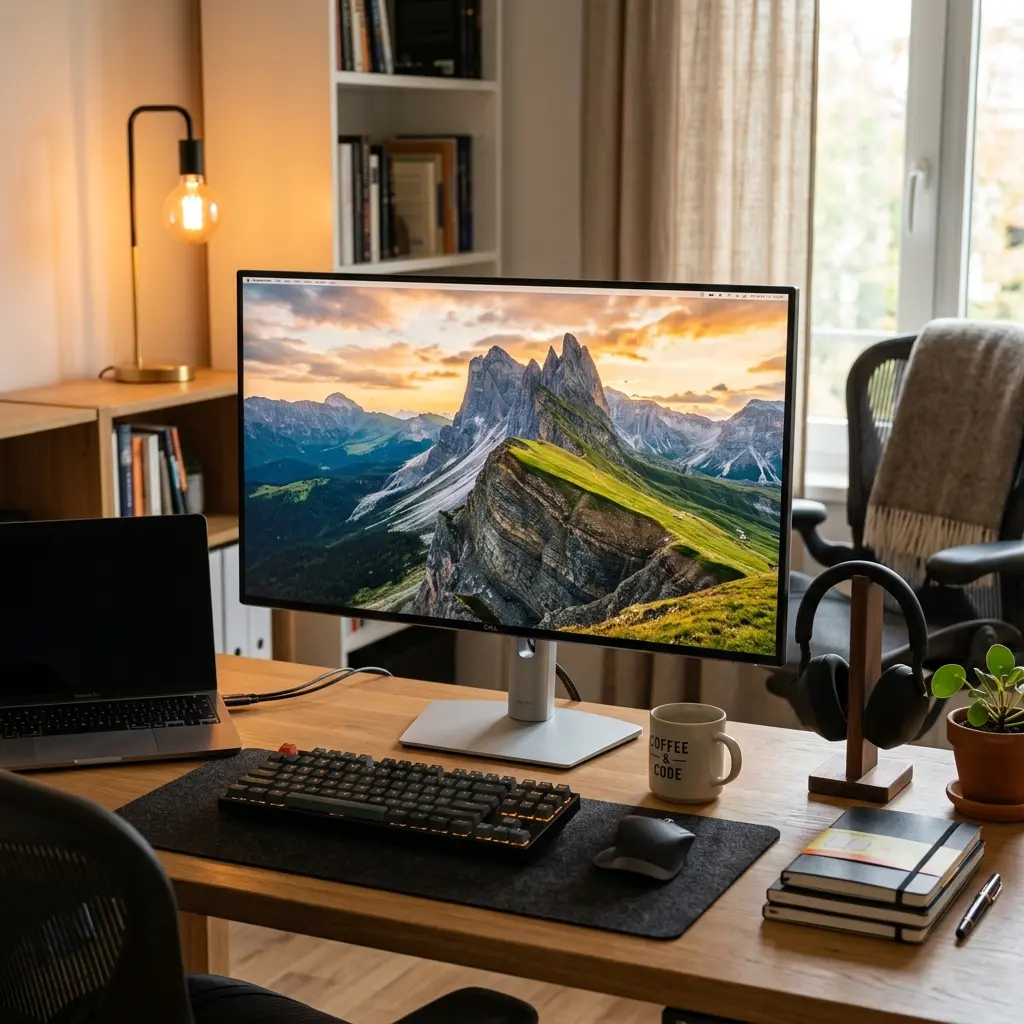
DomineTec Tip: Consider using a monitor arm to enhance ergonomics, allowing for better positioning and workspace optimization.
Buying Recommendations and Brands
Leading brands such as Dell, LG, ASUS, and Acer provide a variety of models tailored for professional use in 3D modeling.
Prioritize features like color accuracy and connectivity options when selecting a monitor for Blender workflows.
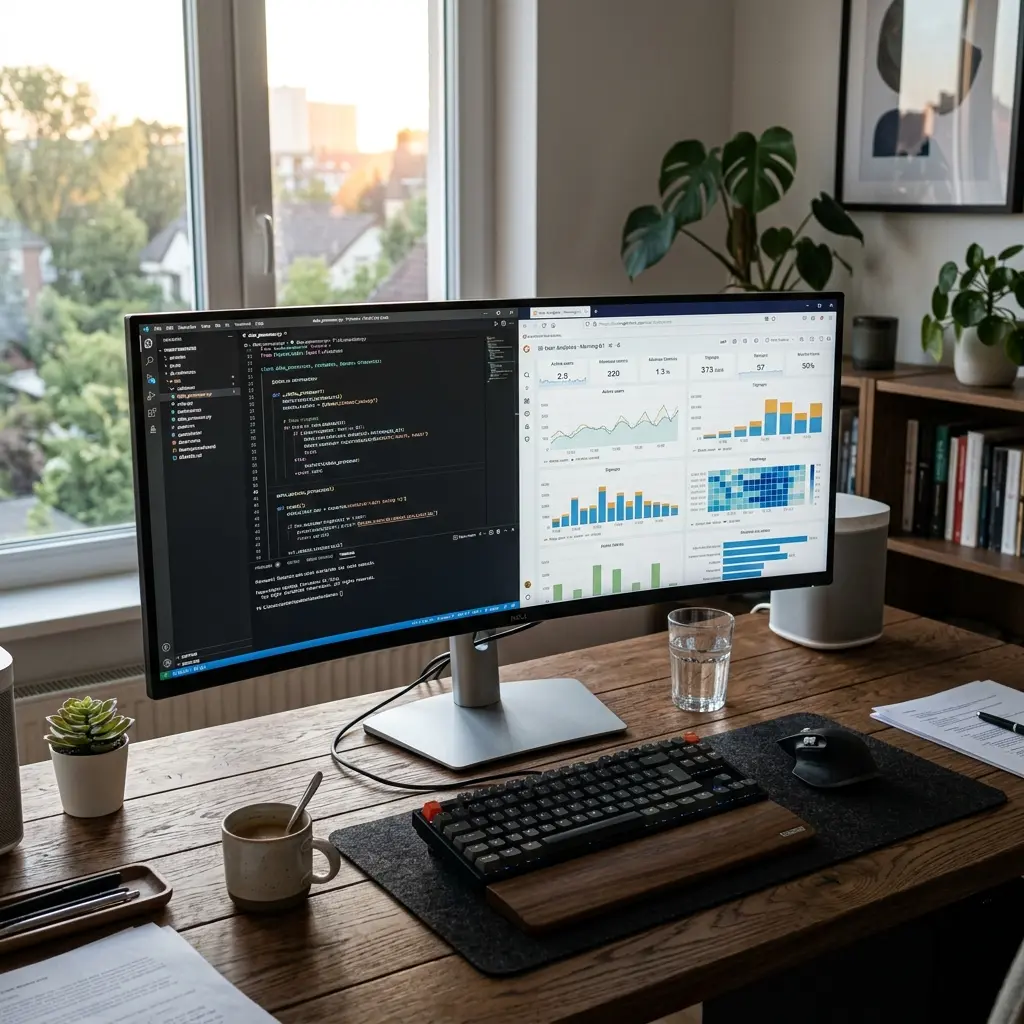
- Identify specific use cases: gaming, professional design, or general use.
- Assess budget constraints while prioritizing essential features.
- Research user reviews and expert opinions for real-world performance insights.
- Compare warranty and customer support options across brands.
- Test monitors in-store for personal preference on display quality.
Value Analysis and Verdict
The investment in a high-quality 4K monitor can significantly enhance productivity and accuracy in 3D modeling tasks.
Choosing a monitor that meets both technical specifications and ergonomic needs leads to improved workflow and satisfaction.
Color Accuracy and Calibration
Color accuracy is crucial for 3D modeling and Blender workflows, as it directly impacts the representation of textures and materials. Monitors with high color accuracy allow designers to see their work as it will appear in the final render, reducing the risk of discrepancies.
Look for monitors that cover a wide color gamut, such as Adobe RGB or DCI-P3, as these provide a broader spectrum of colors. Calibration options are also essential; some monitors come factory-calibrated and include hardware calibration tools to maintain color fidelity over time.
Regular calibration ensures that the monitor remains true to its specifications, particularly after prolonged use. Many professionals invest in calibration tools to optimize their monitors for specific workflows, ensuring consistent results across various projects.
In addition to calibration, consider the monitor's color depth—10-bit panels are preferable for smoother gradients and reduced banding. This is particularly important for 3D modeling, where subtle variations in shading can significantly affect the final outcome.
Refresh Rate and Response Time
While refresh rate and response time are often emphasized in gaming monitors, they are also relevant for 3D modeling. A higher refresh rate can lead to smoother motion during viewport navigation, enhancing overall workflow efficiency.
Typically, a refresh rate of 60Hz is sufficient for most 3D modeling tasks, but 120Hz or higher can improve the experience when working in real-time applications. A low response time is also essential to minimize motion blur, especially when manipulating complex models.
For users who frequently work with real-time rendering or simulations, a monitor with a higher refresh rate can provide a more responsive experience. This can translate to better accuracy when making adjustments to animations and effects in Blender.
However, it is essential to balance refresh rate with resolution and color accuracy. A monitor that prioritizes refresh rate over these factors may not deliver the overall quality needed for precise 3D work.
Connectivity Options and Compatibility
The connectivity options of a monitor can significantly influence its usability in a 3D modeling setup. Ensure that the monitor offers a variety of ports, such as HDMI, DisplayPort, and USB-C, to accommodate different devices and workflows.
DisplayPort is particularly valuable for 4K monitors, as it supports higher resolutions and refresh rates compared to HDMI. Additionally, USB-C connectivity can be beneficial for users looking to connect laptops or tablets directly, streamlining their workstation setup.
Check for compatibility with your graphics card; some monitors may require specific cables or adapters to achieve the desired performance levels. Verifying compatibility can prevent frustrating issues that arise from suboptimal connections.
Lastly, consider future-proofing your investment by selecting monitors that support the latest connectivity standards. This ensures that as technology evolves, your monitor remains relevant and compatible with new devices and workflows.
Panel Technology and Viewing Angles
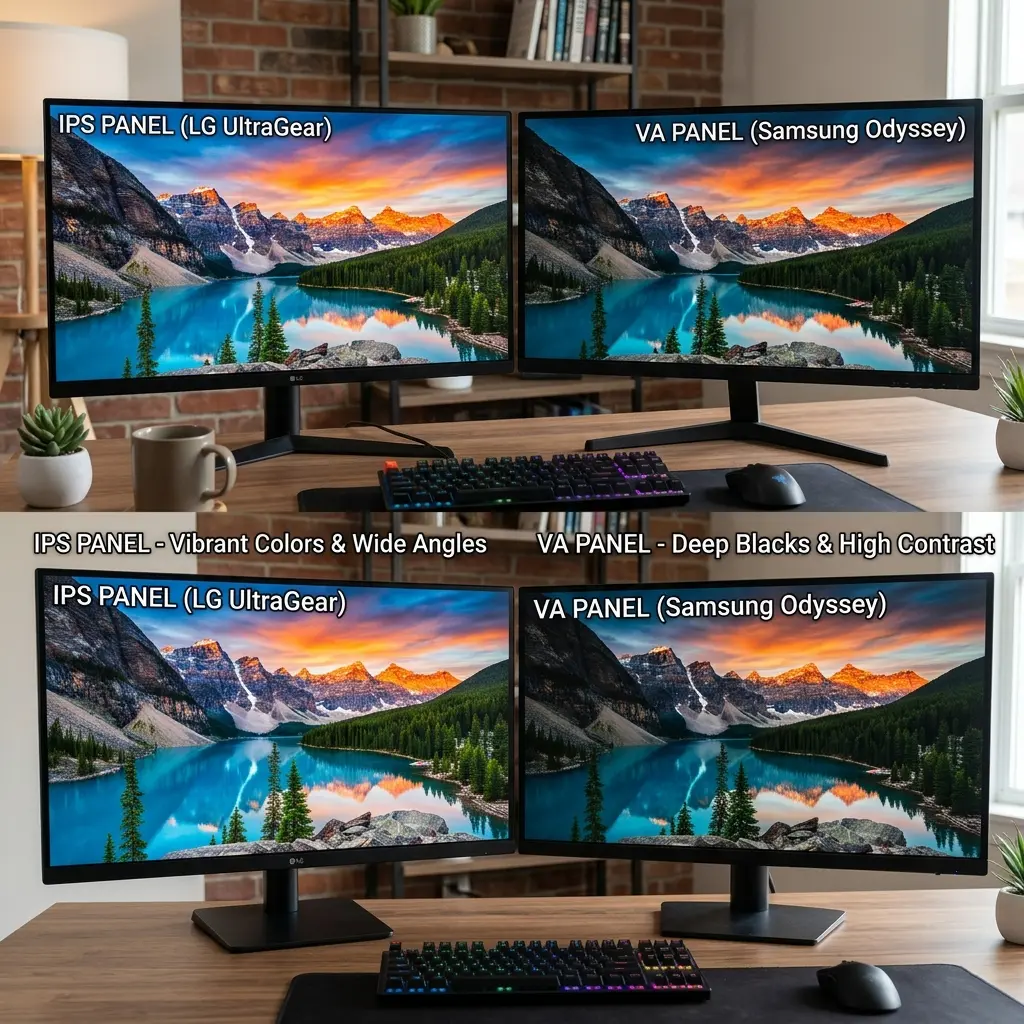
The type of panel technology used in a monitor is a critical factor impacting color reproduction and viewing angles. IPS (In-Plane Switching) panels offer superior color accuracy and wider viewing angles compared to TN (Twisted Nematic) panels, making them the preferred choice for 3D modeling.
While VA (Vertical Alignment) panels can provide deep blacks and high contrast ratios, they often fall short in color consistency across different angles. This inconsistency can be problematic when working on intricate details that require precise color evaluation.
IPS panels maintain their color integrity even when viewed from steep angles, which is particularly beneficial in collaborative environments where multiple people may be viewing the screen. This ensures that everyone sees the same colors without distortion.
When selecting a monitor, consider the trade-offs between panel types. While IPS panels may be slightly more expensive, their advantages in color accuracy and viewing angles often justify the cost for professional 3D artists.
Size and Aspect Ratio Considerations
Monitor size and aspect ratio can dramatically influence workflow efficiency and comfort during 3D modeling tasks. Larger monitors allow for more screen real estate, enabling users to have multiple windows open simultaneously, which is crucial for multitasking.
Common aspect ratios for 4K monitors are 16:9, but ultrawide monitors with 21:9 or 32:9 ratios are gaining popularity among 3D artists. These ultrawide formats provide an expansive workspace, making it easier to visualize complex projects without the need for multiple monitors.
However, the choice between a standard and ultrawide display depends on personal preference and the specific requirements of the workflow. Some users may find ultrawide monitors overwhelming, while others appreciate the vast amount of information displayed at once.
Additionally, larger monitors can reduce the need for zooming in and out during modeling processes, allowing for a more fluid experience. Consider the available desk space and ergonomics when choosing the size to ensure it fits comfortably within your workspace.
Special Features for 3D Workflows
Many monitors come equipped with special features tailored for 3D modeling and animation. Features such as HDR (High Dynamic Range) support enhance the visual experience by providing greater contrast and a wider range of colors, which is especially beneficial for detailed textures.
Some monitors also include integrated software tools that facilitate color calibration, screen splitting, and picture-in-picture modes, enhancing productivity. These tools can help streamline workflows by allowing users to manage multiple applications or views simultaneously.
Look for monitors with built-in presets for various creative tasks, as they can simplify the transition between different types of work. This is particularly useful for artists who switch between 3D modeling, texturing, and rendering tasks frequently.
Additionally, features like anti-glare coatings and blue light filters can improve comfort during long working hours. A monitor that prioritizes user comfort while providing high-quality visuals can significantly enhance the overall creative process.
Environmental Impact and Energy Efficiency
As awareness of environmental issues grows, the energy efficiency of monitors has become an important consideration for many buyers. Monitors that are certified for energy efficiency, such as those with Energy Star ratings, can help reduce electricity consumption without compromising performance.
Energy-efficient monitors not only save on electricity bills but also contribute to reducing the overall carbon footprint of a workspace. This is particularly relevant for professionals who work long hours and rely heavily on their monitors.
Additionally, consider the materials used in the construction of the monitor. Brands that prioritize sustainable materials and environmentally friendly manufacturing processes contribute positively to the environment.
When shopping for a monitor, look for information on energy consumption and sustainability initiatives of the manufacturer. This can inform purchasing decisions, allowing consumers to support brands that align with their values.
Software Compatibility and Integration
When selecting a 4K monitor for 3D modeling and Blender workflows, software compatibility plays a crucial role in ensuring seamless performance.
Many 3D modeling applications, including Blender, often benefit from specific display features such as higher bit depths and precise color representation.
It is essential to verify that the monitor's specifications align with the requirements of the software being used, particularly for features like HDR support and color gamut coverage.
Furthermore, some monitors come with integrated calibration tools that help maintain consistent color accuracy across different applications, enhancing user experience.
Workflow Optimization and User Customization
For professionals in 3D modeling, workflow optimization through user customization can significantly improve productivity.
Many modern 4K monitors offer customizable settings that allow users to save different profiles for various tasks, such as rendering, texturing, or animation.
These profiles can adjust parameters like brightness, contrast, and color temperature, making it easier to switch between tasks without manual adjustments each time.
Additionally, advanced features such as split-screen functionality and picture-in-picture modes can facilitate multitasking, allowing users to reference materials or tutorials while working on their projects.
Calibration Tools and Techniques
For professionals engaged in 3D modeling and Blender workflows, precise calibration of a 4K monitor is essential for achieving accurate color representation and detail retention.
Utilizing hardware calibration tools such as colorimeters can significantly enhance the monitor's performance by providing tailored profiles based on the specific lighting conditions of the workspace.
Software solutions, including calibration applications bundled with the monitor or third-party options, also play a vital role in adjusting brightness, contrast, and color settings to meet industry standards.
Regular calibration is recommended, especially when working on projects that require strict adherence to color fidelity, ensuring that the work is visually consistent across different devices.
Impact of Panel Uniformity on 3D Workflows
Panel uniformity refers to the consistency of brightness and color across the entire screen, which is critical in professional 3D modeling and rendering tasks.
Monitors with high panel uniformity minimize color shifts and discrepancies that can lead to inaccurate visual assessments during the creative process.
Inconsistent panel performance can result in frustration, as artists may find themselves making adjustments that are not truly reflective of the final output, particularly in nuanced textures and lighting.
When selecting a monitor for 3D work, it is advisable to look for reviews and specifications that highlight panel uniformity ratings to ensure a reliable visual experience.
Color Gamut and Representation
In 3D modeling and Blender workflows, the range of colors a monitor can display plays a crucial role in achieving accurate and vibrant visuals. Monitors that cover a wider color gamut, such as Adobe RGB or DCI-P3, provide artists with the ability to see more colors in their projects, leading to better texture and lighting choices.
For professionals working with digital art, a monitor that supports a high percentage of the Adobe RGB color space is particularly beneficial, as it allows for greater precision in color grading and rendering. This is essential for ensuring that the final output matches the intended vision, especially in industries like film and gaming.
Calibration tools can help maintain color accuracy over time, but starting with a monitor that has superior factory calibration can save users significant time and effort. It is important to consider monitors that are well-reviewed for their color performance, as this can greatly affect the final output quality in 3D projects.
Furthermore, having a monitor that supports HDR (High Dynamic Range) can enhance the viewing experience, allowing for deeper blacks and brighter whites. This capability can be particularly advantageous when working with light simulations and textures, as it provides a more realistic preview of how elements will appear in the final render.
Workflow Efficiency and Multi-Monitor Setups
Efficient workflows in 3D modeling often involve the use of multiple monitors to streamline the creative process. A dual or even triple monitor setup can significantly enhance productivity by allowing users to spread out their workspace, keeping tools and reference materials visible while working on the primary display.
When selecting monitors for a multi-display setup, it is essential to ensure that they have thin bezels to minimize distractions and maximize screen real estate. Uniformity in color and brightness across monitors is also critical, as inconsistencies can lead to confusion during the design process.
Additionally, using monitors with adjustable stands allows for better alignment and ergonomics in a multi-monitor arrangement. This adaptability fosters a comfortable working environment, which is vital for long sessions of 3D modeling and animation.
Lastly, the decision to use a single ultrawide monitor versus multiple traditional monitors is worth considering. An ultrawide monitor can provide an uninterrupted view with a high resolution, but it may limit the ability to customize the workspace to specific tasks, whereas multiple monitors offer greater flexibility in organizing tools and views.
Frequently Asked Questions
What is the ideal screen size for 3D modeling?
A 27-inch to 32-inch screen size is generally recommended for optimal detail visibility and workspace management.
Is a high refresh rate important for modeling?
While not critical for static modeling, a high refresh rate can benefit motion graphics and complex animations.
Do color accuracy specifications matter?
Yes, monitors with accurate color reproduction are essential for ensuring the fidelity of designs and models.
What panel type is best for 3D modeling?
IPS panels are often preferred for their superior color consistency and wider viewing angles compared to TN panels.
Are curved monitors beneficial for work?
Curved monitors can enhance immersion and reduce glare, making them a good choice for expansive modeling tasks.




