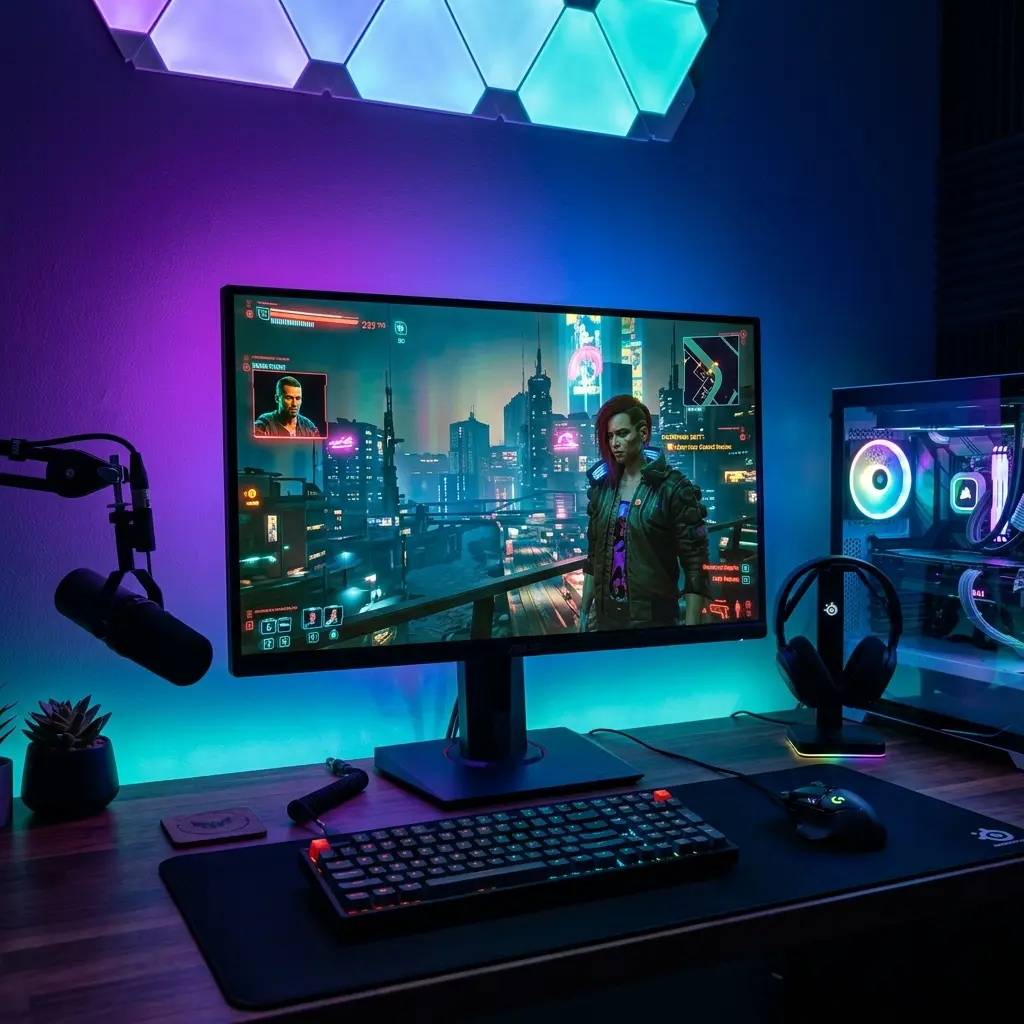
The best 4K HDR10 monitors for movie watching combine stunning visuals, excellent performance, and ergonomic design.
Physical Aspects and Resolution
4K resolution, specifically 3840 x 2160 pixels, provides a clear and detailed picture, enhancing the cinematic experience.
Monitors with HDR10 support further improve color accuracy and contrast, delivering vibrant visuals essential for film enthusiasts.
Performance and Technology
Modern 4K HDR10 monitors often feature high refresh rates and low input lag, crucial for a smooth viewing experience.
Technologies like OLED and Mini LED backlighting significantly enhance contrast ratios and color depth, creating an immersive viewing environment.
Ergonomics and Visual Comfort
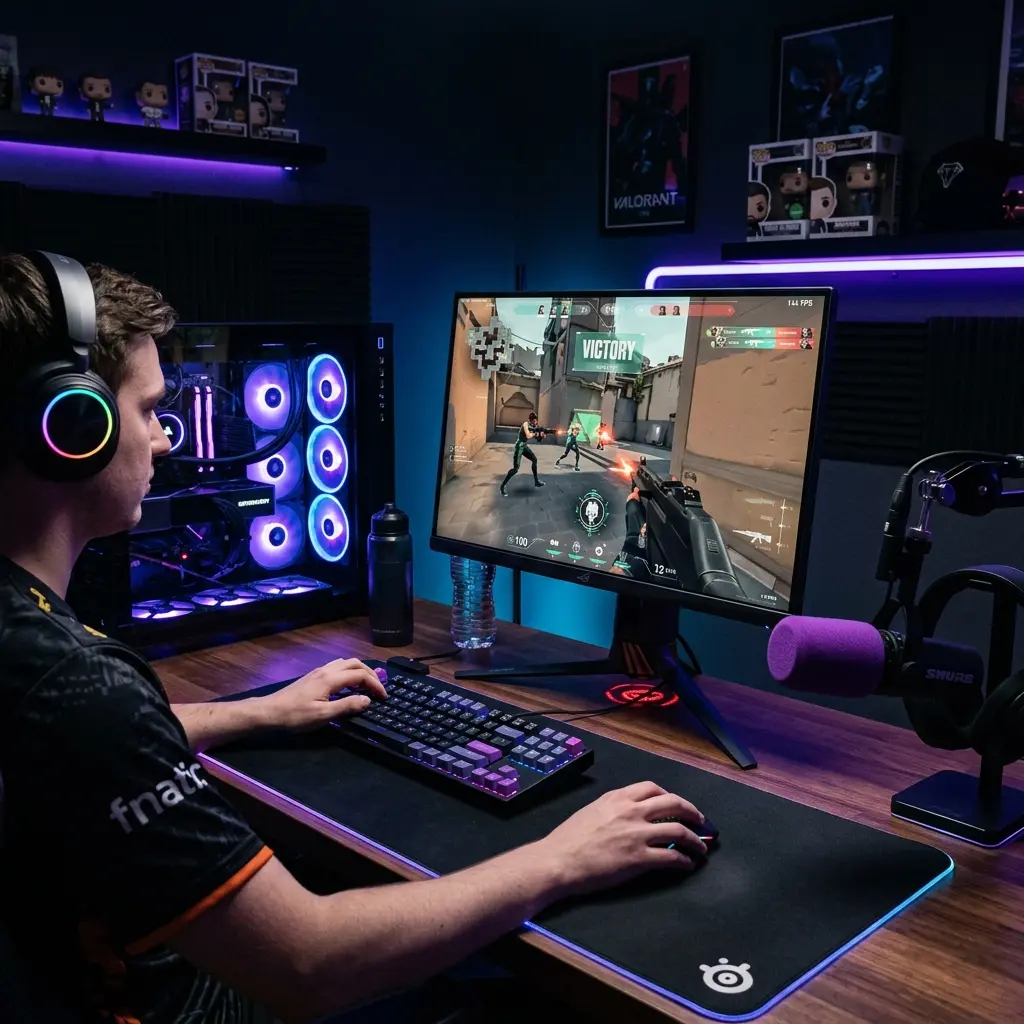
Adjustable stands and VESA compatibility allow for customized viewing angles, promoting better posture during extended movie sessions.
Anti-glare screens and blue light reduction features help minimize eye strain, enhancing comfort for long durations of use.
| Monitor Model | Screen Size | Panel Type | Refresh Rate | HDR Support | Price |
|---|---|---|---|---|---|
| LG UltraFine OLED | 27" | OLED | 60Hz | HDR10 | $1,299 |
| Samsung Odyssey G7 | 32" | VA | 240Hz | HDR600 | $699 |
| Dell UltraSharp U2720Q | 27" | IPS | 60Hz | HDR400 | $599 |
| ASUS ProArt PA32UCX | 32" | Mini LED | 60Hz | HDR10 | $3,999 |
Materials and Durability
High-quality materials, such as aluminum and reinforced plastics, enhance the durability of monitors, ensuring longevity.
Monitors designed with robust build quality withstand everyday use while maintaining aesthetic appeal.
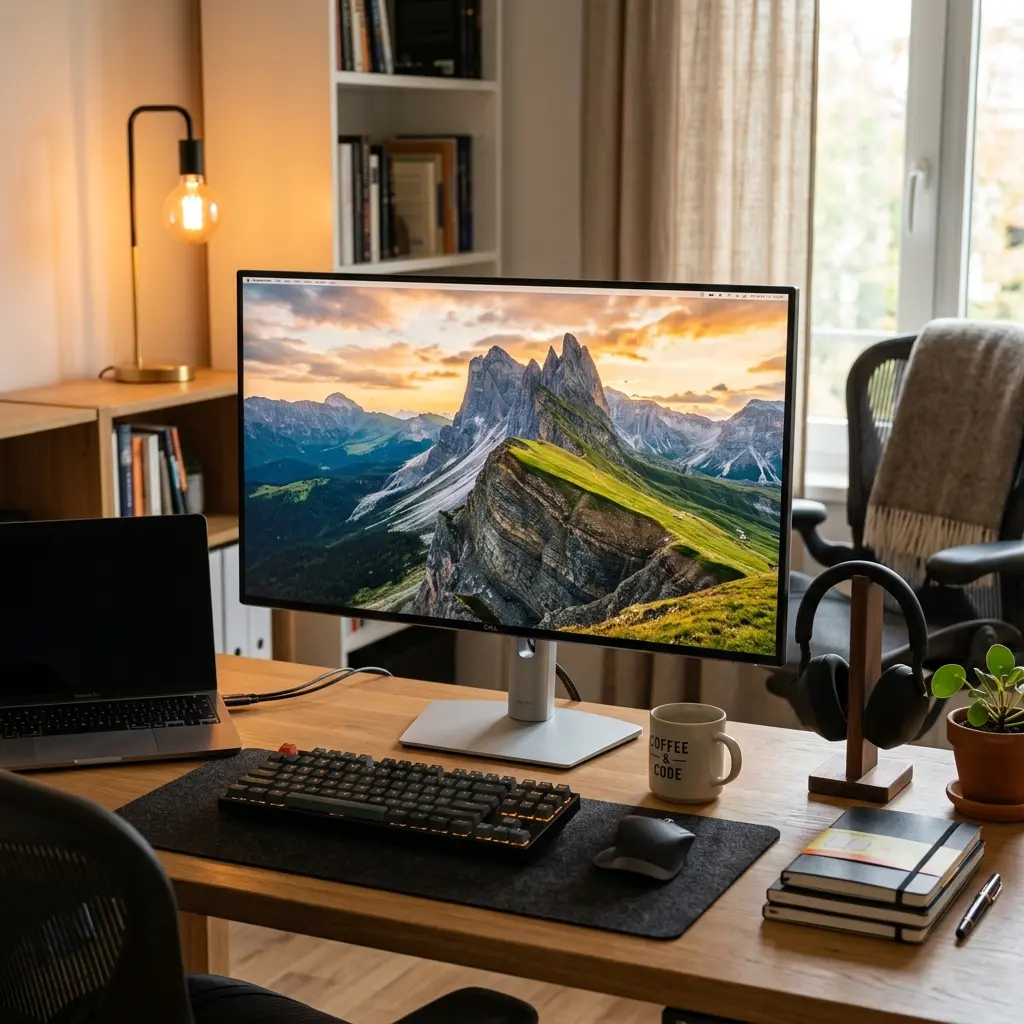
DomineTec Tip: Consider adjusting the monitor height to eye level to reduce neck strain and improve viewing comfort.
Buying Recommendations and Brands
Top brands like LG, Dell, and Samsung consistently deliver high-quality 4K HDR10 monitors suited for movie watching.
Models equipped with advanced features such as local dimming and color calibration provide superior performance for film lovers.

- Determine the preferred screen size based on viewing distance.
- Evaluate panel types (IPS, VA, OLED) based on color accuracy and contrast.
- Check HDR capabilities for enhanced brightness and colors.
- Inspect ergonomics for adjustable stands and VESA compatibility.
- Review customer feedback and expert reviews for performance insights.
Value Analysis and Verdict
Investing in a high-quality 4K HDR10 monitor enhances the movie-watching experience significantly.
Balancing performance, ergonomics, and price leads to a monitor that meets both entertainment and budget needs effectively.
Color Accuracy and Calibration
Color accuracy is critical for an immersive movie-watching experience, especially when it comes to HDR10 content.
Monitors with high color fidelity can reproduce a broader spectrum of colors, which enhances the visual quality of films.
Many 4K HDR10 monitors come factory-calibrated, but further calibration can be beneficial for achieving optimal performance.
Utilizing calibration tools and software can help users adjust settings to suit personal preferences and environmental lighting.
HDR Performance and Brightness Levels
High Dynamic Range (HDR) performance is a defining feature of modern monitors, enabling deeper blacks and brighter highlights.
A monitor's peak brightness level significantly influences its HDR capability, with higher brightness levels providing more impressive visuals.
Effective local dimming technology can enhance contrast and improve HDR performance by controlling backlight zones independently.
When selecting a monitor, consider its HDR certification and brightness specifications to ensure an optimal viewing experience.
Input Lag and Response Time
Input lag and response time are crucial for a smooth viewing experience, especially during fast-paced scenes in movies.
Monitors with low input lag ensure that the onscreen action is in sync with the viewer's reactions, enhancing immersion.
Response time, measured in milliseconds, indicates how quickly a pixel can change from one color to another, affecting motion clarity.
When evaluating monitors, look for those that offer low input lag and fast response times to minimize motion blur.
Connectivity Options
Diverse connectivity options are essential for connecting various devices, such as Blu-ray players and streaming devices, to the monitor.
HDMI 2.0 and 2.1 ports are particularly important for supporting 4K HDR content, providing adequate bandwidth for high-quality video signals.
Some monitors also include USB-C ports, which can facilitate easy connections with laptops and other devices.
When choosing a monitor, ensure it has the necessary ports to accommodate current and future devices without requiring additional adapters.
Viewing Angles and Panel Types
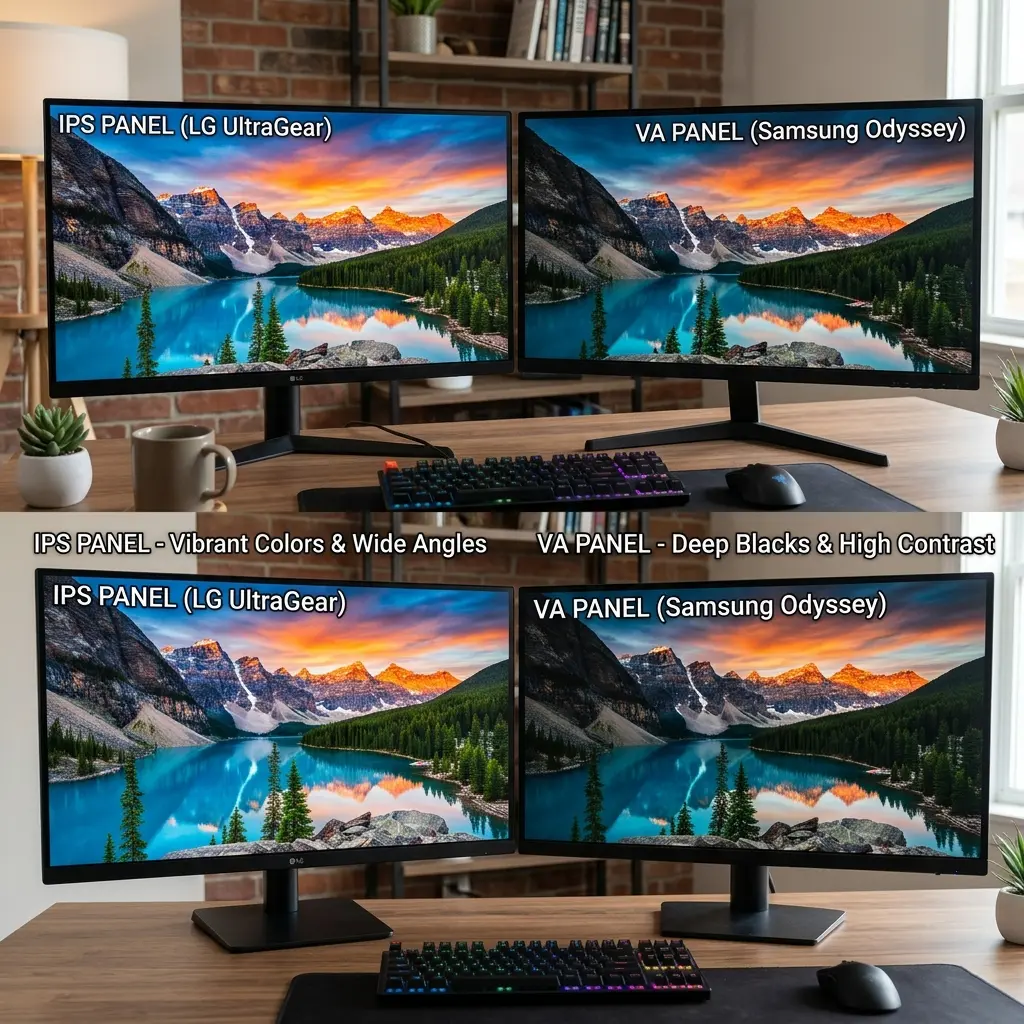
The type of panel used in a monitor significantly affects viewing angles and color consistency across different positions.
IPS panels are commonly favored for their superior viewing angles and color reproduction compared to TN or VA panels.
However, VA panels may offer better contrast ratios, making them suitable for dark room viewing, albeit with limited viewing angles.
Assessing the panel type can help users determine which monitor best suits their viewing environment and preferences.
Gaming Compatibility and Features
While the focus is primarily on movie watching, gaming compatibility can enhance the versatility of a monitor.
Features such as variable refresh rates (VRR) and G-Sync or FreeSync technology can improve the overall experience during gaming sessions.
These features help eliminate screen tearing and stuttering, providing a smoother visual experience whether watching movies or playing games.
Considering a monitor that balances both movie-watching and gaming capabilities can offer more value for users with varied interests.
Environmental Impact and Energy Efficiency
As sustainability becomes increasingly important, the environmental impact of electronics, including monitors, is a key consideration.
Energy-efficient monitors consume less power, reducing both utility bills and carbon footprints, making them environmentally friendly choices.
Look for monitors with Energy Star certification or similar eco-labels, which indicate adherence to energy-saving standards.
Choosing a monitor that balances performance and energy efficiency can contribute to a more sustainable lifestyle without sacrificing quality.
Audio Performance and Integration
While visual quality is paramount for movie watching, audio performance cannot be overlooked. Many modern 4K HDR10 monitors come equipped with built-in speakers, which can significantly enhance the viewing experience, especially in smaller setups.
However, the quality of built-in speakers varies greatly between models. Users should consider options that provide clear sound, adequate bass, and volume levels sufficient for immersive movie watching.
For audiophiles or those seeking a more cinematic experience, external sound systems or soundbars can be integrated seamlessly with many monitors. This allows for enhanced audio fidelity and a more dynamic soundstage.
When evaluating a monitor, it's essential to review its audio output options, such as HDMI ARC or optical audio output, to ensure compatibility with high-quality external audio devices.
Smart Features and User Interface
In today's digital landscape, smart features can significantly enhance the usability of 4K HDR10 monitors. Many models now come with integrated smart platforms that allow users to access streaming services directly from the monitor without needing additional devices.
A user-friendly interface is crucial for navigating content libraries and adjusting settings easily. Features such as voice control or compatibility with smart home devices can further streamline the user experience.
Some monitors also support screen mirroring and casting, enabling users to stream content from smartphones or tablets directly to the display. This functionality broadens the range of available media and enhances convenience.
When choosing a monitor, it's beneficial to explore its smart features and consider how they align with personal viewing habits and preferences.
Calibration Tools and Software
Calibration plays a vital role in achieving optimal picture quality on 4K HDR10 monitors. Many manufacturers provide built-in calibration tools or software, allowing users to fine-tune settings for more accurate color reproduction and brightness levels.
Some monitors may even come with pre-calibrated modes tailored for specific content types, such as movies or games. These presets can be a handy starting point for users unfamiliar with manual calibration techniques.
For professionals or enthusiasts seeking precise accuracy, external calibration tools can be employed. These devices can measure color accuracy and help adjust the monitor settings to meet industry standards.
Investing time in calibration not only improves visual performance but also enhances the overall movie-watching experience by ensuring that colors and details are rendered as intended by filmmakers.
Future-Proofing and Technology Trends
As display technology continues to evolve, future-proofing becomes a significant consideration for buyers of 4K HDR10 monitors. New standards and technologies, such as HDMI 2.1, are becoming increasingly important for ensuring compatibility with future devices and content.
Features such as variable refresh rates (VRR) and enhanced audio return channel (eARC) are becoming standard in newer models, providing improved performance for both video and audio. This is particularly relevant for users who plan to upgrade their home theater systems in the coming years.
Additionally, emerging technologies like Mini LED and OLED are gaining traction, offering superior contrast and color depth. Prospective buyers should stay informed about these advancements to make informed decisions about their next monitor purchase.
Choosing a monitor that supports the latest technologies can help ensure a longer lifespan and greater adaptability to future content and playback devices.
User Reviews and Community Feedback
User reviews and community feedback provide valuable insights into the real-world performance of 4K HDR10 monitors. These perspectives can reveal strengths and weaknesses that may not be apparent in technical specifications.
Online forums and review platforms often host discussions where users share their experiences regarding color accuracy, HDR performance, and overall satisfaction. This information can guide potential buyers in selecting the right monitor for their needs.
Additionally, community feedback can highlight any recurring issues, such as software bugs or compatibility problems with certain devices. Understanding these potential pain points can inform purchasing decisions and set realistic expectations.
Engaging with the community and reading user reviews can also uncover tips and tricks for optimizing monitor performance, enhancing the viewing experience even further.
Streaming Compatibility and Content Availability
When selecting a 4K HDR10 monitor for movie watching, it is essential to consider its compatibility with various streaming services. Most popular platforms, such as Netflix, Amazon Prime Video, and Disney+, offer a wealth of HDR content, but not all monitors support the necessary formats and codecs required for optimal playback.
Check if the monitor supports widely used HDR formats like HDR10, Dolby Vision, and HLG. These formats can significantly enhance the viewing experience by providing deeper contrasts and a wider color gamut, making films appear more vibrant and lifelike.
Furthermore, some monitors come equipped with built-in smart features that provide direct access to streaming services. This can simplify the user experience, eliminating the need for external devices such as streaming sticks or consoles, which can be a significant advantage for movie enthusiasts.
Ensuring that the monitor has adequate processing power and software support for these streaming services is also crucial. A seamless interface and quick load times can greatly enhance the overall viewing experience, making it more enjoyable and user-friendly.
Ambient Light Adaptation and Room Setup
The viewing environment can greatly affect the enjoyment of movies on a 4K HDR10 monitor. Ambient light adaptation is an important consideration, as monitors with effective anti-glare coatings and high brightness levels can perform better in well-lit rooms.
Ideally, the monitor should be able to handle various lighting conditions without compromising picture quality. This includes maintaining color accuracy and contrast when exposed to natural light or artificial sources.
Additionally, room setup plays a significant role in maximizing the cinematic experience. Positioning the monitor at an appropriate distance and angle can enhance immersion and reduce eye strain, making it easier to enjoy extended viewing sessions.
Users may also consider the use of curtains or shades to control ambient light effectively, allowing the monitor's capabilities to shine during darker scenes in films. A well-planned room setup can significantly enhance the overall movie-watching experience, making it a crucial factor in the selection process.
Film Compatibility and Formats
When selecting a monitor for movie watching, it is crucial to consider the compatibility with various film formats. Many modern 4K HDR10 monitors support a wide range of video codecs, such as HEVC, VP9, and AV1, which are commonly used in streaming platforms.
Additionally, some monitors offer built-in support for advanced video formats like Dolby Vision and HDR10+, enhancing the viewing experience by providing dynamic range adjustments on a scene-by-scene basis. This compatibility ensures that viewers can fully enjoy the latest cinematic releases without worrying about playback issues.
It is also important to check the monitor's support for different frame rates. High frame rate content, such as films shot at 60fps, requires a monitor that can handle these rates smoothly, ensuring that action scenes and fast movements are displayed without motion blur or judder.
Lastly, many monitors come with various preset modes tailored for specific content types, including cinema, gaming, and sports. These modes automatically adjust the monitor's settings to optimize performance based on the type of content being viewed, providing an enhanced viewing experience.
Calibration and Maintenance
Calibration is essential for achieving the best picture quality on a 4K HDR10 monitor. Many monitors come with factory calibration settings, but for optimal performance, users may need to perform manual calibration using professional tools or software.
Regular maintenance is also important for keeping the monitor in peak condition. This includes cleaning the screen gently with appropriate materials to avoid damaging the display and ensuring that the monitor's firmware is updated to benefit from the latest performance improvements and features.
Furthermore, users should consider the environmental conditions where the monitor is placed. Factors such as ambient light, room color, and distance can significantly impact the perceived color accuracy and brightness levels. Adjusting the monitor settings based on these conditions can enhance the overall viewing experience.
Lastly, users should be aware of the monitor's longevity and performance over time. Regularly checking for any signs of image retention or color distortion can help maintain the monitor's performance, and addressing these issues promptly can extend its usable life.
Frequently Asked Questions
What is HDR10?
HDR10 is a high dynamic range format that enhances the contrast and color of images, providing a more vivid viewing experience.
Can a monitor be used for gaming and movie watching?
Yes, many monitors are designed to handle both gaming and movie watching with high refresh rates and excellent color accuracy.
What size monitor is best for watching movies?
A screen size between 27" to 32" is often recommended for immersive movie experiences, depending on viewing distance.
Is OLED better for movies than LED?
OLED displays typically offer superior contrast and deeper blacks, making them ideal for movie watching compared to traditional LED displays.
What is the advantage of a 4K monitor?
A 4K monitor provides higher resolution, resulting in sharper images and finer details, enhancing the overall viewing experience.




