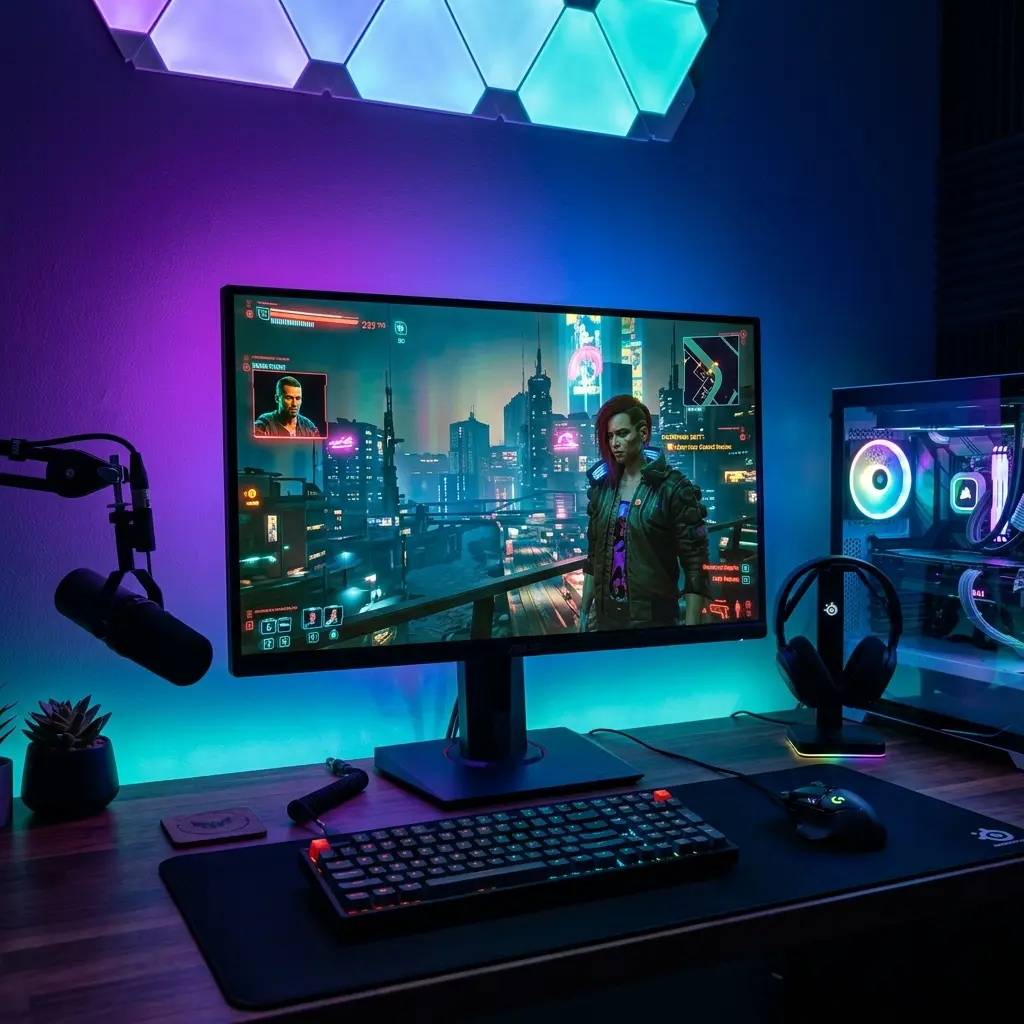
The best 4K 144Hz gaming monitors combine stunning visuals with high refresh rates, ideal for competitive gaming and immersive experiences.
Physical Aspects and Resolution
Most high-end 4K 144Hz monitors feature a 3840 x 2160 resolution, delivering exceptional detail and clarity. The display size typically ranges from 27 to 32 inches, providing a balance between immersion and desk space.
Performance and Technology
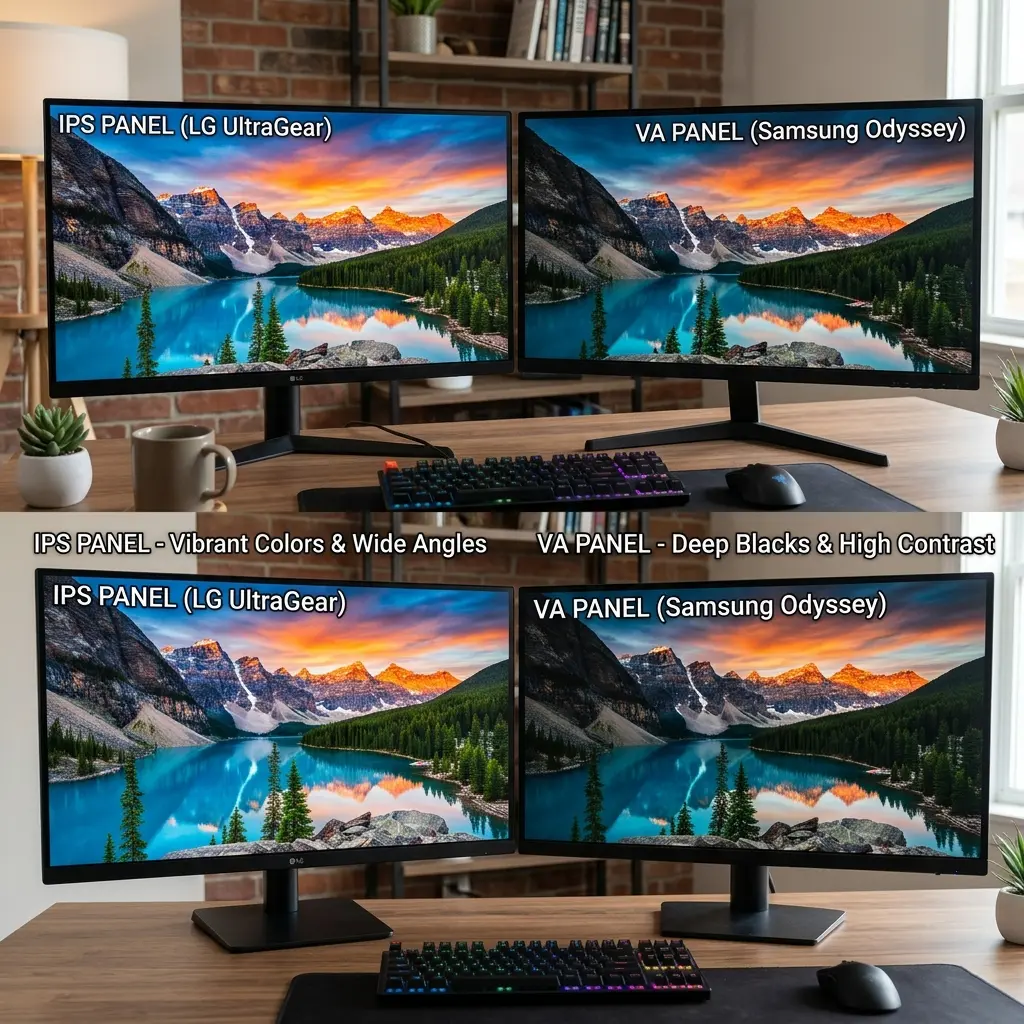
Advanced display technologies such as IPS and VA panels are common, offering superior color accuracy and contrast. Additionally, many models support adaptive sync technologies like NVIDIA G-SYNC or AMD FreeSync for tear-free gaming.
Ergonomics and Visual Comfort
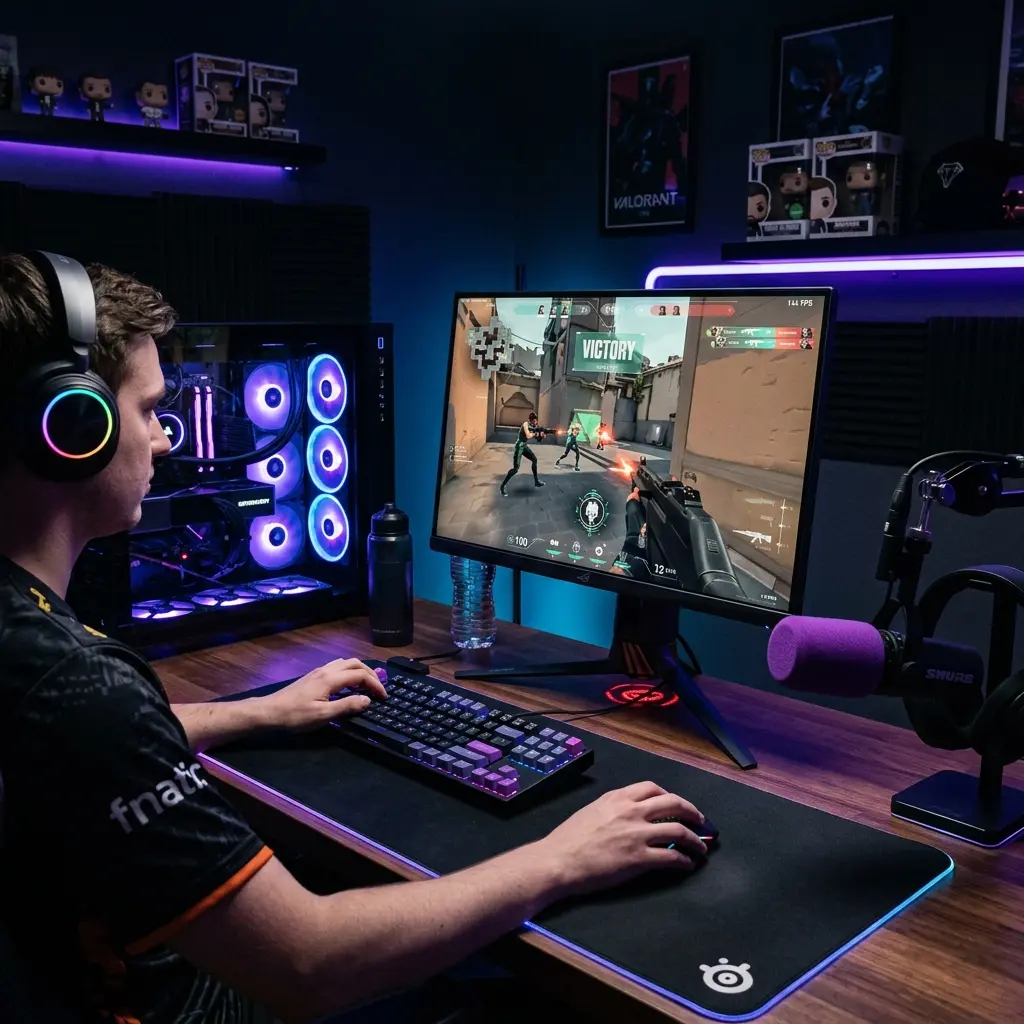
Adjustable stands and VESA mount compatibility enhance ergonomic comfort during extended gaming sessions. Features like low blue light modes and flicker-free technology reduce eye strain significantly.
| Monitor Model | Panel Type | Refresh Rate | Response Time | Price Range |
|---|---|---|---|---|
| Acer Predator X27 | IPS | 144Hz | 4ms | $1,800 - $2,000 |
| ASUS ROG Swift PG27UQ | IPS | 144Hz | 4ms | $1,500 - $1,800 |
| LG UltraGear 27GN950 | Nano IPS | 144Hz | 1ms | $1,200 - $1,400 |
| Gigabyte AORUS FV43U | VA | 144Hz | 1ms | $900 - $1,100 |
Materials and Durability
High-end monitors are often constructed from premium materials, ensuring longevity and resistance to wear. Metal stands and durable bezels contribute to a robust overall build quality.

DomineTec Tip: Adjust the monitor height to eye level to minimize neck strain and improve overall posture during gameplay.
Buying Recommendations and Brands
Top brands like Acer, ASUS, LG, and Gigabyte consistently produce monitors that meet high performance and quality standards. Pay attention to user reviews and warranty offerings when selecting a model.

- Identify the primary use: competitive gaming or casual enjoyment.
- Consider panel type for color accuracy and response time.
- Check for adaptive sync capabilities to enhance gameplay.
- Evaluate ergonomic features to promote comfort.
- Assess warranty and customer support from the manufacturer.
Value Analysis and Verdict
Investing in a top-tier 4K 144Hz gaming monitor can significantly enhance gaming experiences, but it is essential to balance features with budget. The value proposition lies in the long-term satisfaction and performance benefits provided.
Color Accuracy and Calibration
Color accuracy is a critical factor for gaming monitors, especially for competitive players and content creators. Monitors with high color fidelity can reproduce a wider spectrum of colors, making in-game visuals more realistic and immersive.
Many high-end 4K 144Hz monitors come pre-calibrated from the factory, ensuring that the color representation is consistent and true to life right out of the box. However, professional gamers may still choose to perform their own calibration using specialized tools to achieve even greater precision.
Look for monitors that support a wide color gamut, such as Adobe RGB or DCI-P3, which allows for more vibrant and saturated colors. Additionally, features like HDR (High Dynamic Range) can enhance contrast and make colors pop, further enhancing the visual experience.
Models that offer advanced calibration features, such as 10-bit color depth and local dimming, provide gamers and professionals the ability to fine-tune their display settings for optimal performance in different scenarios.
Adaptive Sync Technologies
Adaptive sync technologies, such as NVIDIA G-SYNC and AMD FreeSync, are essential for smooth gaming performance. These technologies help eliminate screen tearing and stuttering by synchronizing the monitor's refresh rate with the graphics card's frame output.
While NVIDIA G-SYNC is exclusive to NVIDIA graphics cards, FreeSync supports a wider range of GPUs, including both AMD and certain NVIDIA models. This versatility makes FreeSync monitors more accessible for users with different hardware setups.
Many modern monitors offer compatibility with both technologies, providing gamers with flexible options. Additionally, the implementation of variable refresh rates (VRR) can enhance gameplay by maintaining smooth transitions during fast-paced action.
When selecting a monitor, consider the adaptive sync technology it offers and ensure that it aligns with your gaming rig to achieve the best possible performance without visual artifacts.
Input Lag and Response Time
Input lag refers to the delay between a player's action and the corresponding on-screen response, making it a crucial factor in competitive gaming. Monitors with low input lag provide a more responsive experience, allowing gamers to react swiftly to in-game events.
Response time, measured in milliseconds (ms), indicates how quickly a pixel can change from one color to another. Monitors with a lower response time are less prone to motion blur, ensuring clarity during fast-moving scenes.
For competitive gaming, it is recommended to look for monitors with an input lag of less than 15 ms and a response time of 1 ms or lower. These specifications can significantly enhance the overall gaming experience, especially in fast-paced titles.
Many manufacturers provide input lag and response time ratings in their product specifications, making it easier for consumers to select a monitor that meets their gaming needs.
Connectivity Options
Connectivity options play a vital role in the versatility and functionality of gaming monitors. A variety of ports ensures compatibility with different devices, such as gaming consoles, PCs, and peripherals.
High-end 4K 144Hz monitors typically come equipped with multiple HDMI and DisplayPort inputs, allowing users to connect multiple devices simultaneously. USB ports for peripherals and audio outputs can also enhance user convenience.
When choosing a monitor, it's essential to consider the supported standards of each port. For instance, HDMI 2.1 supports higher bandwidth, enabling 4K at 144Hz, while older HDMI versions may not handle such specifications effectively.
Furthermore, features like daisy chaining, which allows multiple monitors to be connected using a single cable, can be beneficial for users looking to create an expansive gaming setup.
Gaming Features and Enhancements
Many modern gaming monitors come packed with features designed to enhance the gaming experience. Features like on-screen crosshairs, customizable RGB lighting, and game mode presets can provide gamers with practical advantages.
Some monitors offer built-in FPS counters and timers, allowing players to monitor their performance in real-time. Additionally, features like low blue light modes help reduce eye strain during long gaming sessions, enhancing overall comfort.
Advanced features such as picture-in-picture (PiP) and picture-by-picture (PbP) allow users to multitask effectively, making it possible to play games while simultaneously streaming or accessing other content.
When selecting a monitor, consider which features align with your gaming style and preferences, as these enhancements can significantly affect gameplay and enjoyment.
Environmental Considerations
Environmental considerations are increasingly becoming a factor in monitor selection. Many manufacturers are adopting sustainable practices and using eco-friendly materials in their monitor designs.
Look for monitors that are ENERGY STAR certified, which indicates they meet energy efficiency guidelines set by the U.S. Environmental Protection Agency. This not only reduces energy consumption but can also lower electricity bills in the long run.
Recyclability of materials and the use of low-impact manufacturing processes are additional considerations for environmentally conscious consumers. Some brands offer recycling programs for old monitors, encouraging responsible disposal.
As sustainability becomes more important, monitor choices will increasingly reflect a balance between high performance and environmental responsibility, appealing to consumers who prioritize eco-friendly technology.
Future-Proofing Your Investment
Future-proofing is an essential consideration when investing in a high-end gaming monitor. As technology evolves, new gaming standards and requirements may emerge, making it crucial to select a monitor that can adapt to future developments.
Choosing a monitor with HDMI 2.1 support, for example, ensures compatibility with the latest gaming consoles and graphics cards, allowing gamers to take full advantage of new features and higher performance levels.
Additionally, features like firmware upgradability can extend the lifespan of a monitor, enabling users to benefit from improvements and new functionalities over time. This ensures that the investment remains relevant for years to come.
Investing in a monitor with a robust warranty and support options can also provide peace of mind, knowing that any potential issues will be addressed by the manufacturer, further securing the longevity of your purchase.
User Interfaces and On-Screen Display
The user interface of a gaming monitor plays a critical role in enhancing the overall gaming experience. A well-designed on-screen display (OSD) can make adjusting settings easier, allowing gamers to focus on gameplay rather than navigating cumbersome menus.
Many modern 4K 144Hz gaming monitors come equipped with intuitive OSDs that provide quick access to essential features such as brightness, contrast, and color settings. Some monitors even offer customizable profiles that can be saved for different games or activities.
Additionally, advanced OSD features can include gaming-specific overlays, such as frame rate counters and crosshairs, enabling players to monitor performance metrics in real-time. These features contribute to a more immersive gaming experience by reducing the need to exit the game for adjustments.
Furthermore, the presence of remote controls or smartphone integration in some high-end models can enhance user convenience, allowing for quick adjustments without disrupting gameplay. This blend of usability and functionality makes the user interface a pivotal aspect of modern gaming monitors.
Advanced Panel Technologies
Panel technology significantly influences the performance and visual quality of gaming monitors. The most common types include IPS, TN, and VA panels, each offering distinct advantages and disadvantages tailored to different gaming scenarios.
In-Plane Switching (IPS) panels are renowned for their superior color reproduction and wide viewing angles, making them ideal for immersive gaming experiences. However, they may have slightly slower response times compared to TN panels, which are often favored for competitive gaming due to their minimal input lag.
Vertical Alignment (VA) panels provide a middle ground, boasting excellent contrast ratios and decent color accuracy. They are especially appealing for gamers who enjoy rich visuals in single-player games but may not perform as well in fast-paced competitive scenarios.
As technology advances, newer panel types, such as Mini LED and OLED, are gaining traction. These panels promise even higher contrast ratios, faster response times, and enhanced color fidelity, further elevating the gaming experience and pushing the boundaries of visual performance in gaming monitors.
Customization and Personalization Options
Customization options in gaming monitors allow users to tailor their devices to meet personal preferences and gaming styles. Features such as adjustable RGB lighting, customizable on-screen displays, and individual color profiles contribute to a more personalized experience.
Many high-end gaming monitors now offer RGB lighting that can sync with gameplay, enhancing immersion and creating a dynamic atmosphere. This level of customization appeals not only to aesthetics but also to the gaming community's desire for unique setups.
Customizable color profiles enable gamers to adjust settings based on their specific needs or preferences, such as enhancing visibility in dark environments or achieving more accurate color reproduction for creative tasks. This flexibility ensures that the monitor can adapt to various gaming genres and personal tastes.
Additionally, some monitors provide software solutions that allow for further customization, including macro settings for quick access to frequently used features. This combination of hardware and software customization options makes today's gaming monitors highly adaptable to individual preferences and requirements.
Audio Integration and Gaming Experience
In modern gaming, audio quality plays a pivotal role in enhancing the overall experience, and many high-end 4K 144Hz monitors are now equipped with built-in audio systems that aim to deliver immersive sound.
Some models feature advanced audio technologies, such as Dolby Atmos or DTS:X, which create a three-dimensional sound field, making it easier for players to locate in-game sounds and enhancing the realism of the gaming environment.
Additionally, certain monitors provide headphone jacks or USB audio pass-through, allowing users to connect high-quality headphones or external speakers seamlessly, which can further elevate the gaming experience.
Investing in a monitor with superior audio capabilities can significantly reduce the need for additional audio equipment, streamlining your gaming setup while providing an enveloping auditory experience.
Compatibility with Next-Generation Consoles
As gaming technology evolves, ensuring compatibility with next-generation consoles is crucial for maximizing performance and visual quality.
Many 4K 144Hz monitors now offer features such as HDMI 2.1 support, which is essential for taking full advantage of the capabilities of consoles like the PlayStation 5 and Xbox Series X.
This support not only allows for higher resolution and refresh rates but also enables features like Variable Refresh Rate (VRR) and Auto Low Latency Mode (ALLM), which contribute to a smoother gaming experience.
By selecting a monitor that is designed with console compatibility in mind, gamers can future-proof their setups, ensuring they can enjoy the latest gaming titles with optimal performance.
Energy Efficiency and Eco-Friendly Features
As gaming monitors evolve, energy efficiency becomes an important consideration for environmentally conscious consumers. Many modern 4K 144Hz gaming monitors are designed with energy-saving technologies that reduce power consumption while maintaining high performance.
Look for monitors that have Energy Star certification or similar eco-labels, as these indicate compliance with strict energy efficiency guidelines. Additionally, some models feature automatic brightness adjustment based on ambient light, which can further optimize power usage.
Beyond energy consumption, sustainable materials are becoming more common in monitor construction. Brands are increasingly using recycled plastics and responsibly sourced components to minimize their environmental impact, appealing to users who prioritize sustainability.
Moreover, manufacturers are adopting practices to ensure that their product packaging is eco-friendly, reducing waste and promoting recycling. These features not only benefit the environment but also often lead to long-term savings on electricity bills for consumers.
Gaming Community and Support Ecosystem
The gaming community surrounding a particular monitor model can significantly influence the overall user experience. Many brands provide dedicated forums and online support channels where users can share tips, troubleshoot issues, and discuss settings for optimal performance.
Additionally, some monitors come with software that allows users to tweak settings and manage profiles easily. This software often includes features like game mode presets, which can be shared among users, enhancing the collective knowledge base within the community.
Furthermore, participation in online communities can provide valuable insights into potential issues, firmware updates, and enhancements. Staying connected with other users helps gamers maximize their monitor's capabilities and troubleshoot common problems effectively.
Lastly, brands that actively engage with their audience through social media or gaming events create a sense of loyalty and trust. This engagement fosters a supportive ecosystem that can lead to better customer service and more frequent updates, ensuring users get the most out of their investment.
Frequently Asked Questions
What is the benefit of a 4K resolution in gaming?
4K resolution offers four times the pixel count of 1080p, resulting in sharper images and finer details in games.
How does refresh rate affect gaming performance?
A higher refresh rate provides smoother motion and reduces motion blur, crucial for fast-paced gaming scenarios.
Are all 4K monitors suitable for gaming?
Not all 4K monitors support high refresh rates; ensure compatibility with 144Hz for optimal gaming performance.
What is the difference between IPS and VA panels?
IPS panels typically offer better color accuracy and viewing angles, while VA panels are known for deeper blacks and higher contrast ratios.
How important is adaptive sync technology?
Adaptive sync technology minimizes screen tearing and stuttering, enhancing the overall gaming experience significantly.




