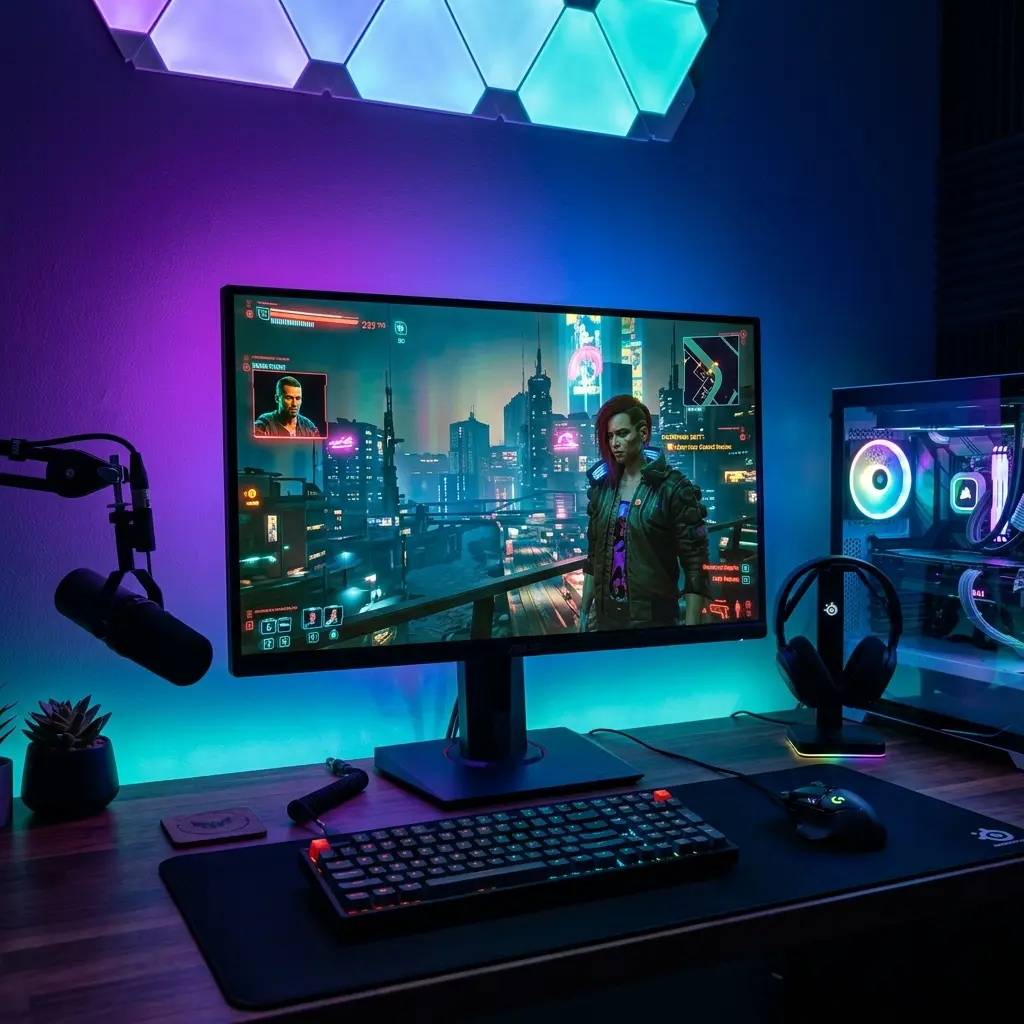
The best 34-inch ultrawide monitors combine expansive screen space with high performance, ideal for both work and gaming.
Physical Aspects and Resolution
34-inch ultrawide monitors typically feature a 21:9 aspect ratio, providing a wider field of view compared to traditional monitors.
Common resolutions include 3440 x 1440, delivering crisp images and detailed visuals for multitasking and gaming.
Performance and Technology
Most ultrawide monitors support adaptive sync technologies like FreeSync and G-Sync, enhancing the gaming experience by reducing screen tearing.
High refresh rates ranging from 100Hz to 144Hz are standard, ensuring smooth gameplay and responsiveness in dynamic environments.
Ergonomics and Visual Comfort
Ergonomic designs often include adjustable height, tilt, and swivel features, promoting better posture during extended use.
Flicker-free technology and low blue light settings help reduce eye strain, making these monitors suitable for long hours of work or gaming.
| Model | Resolution | Refresh Rate | Panel Type | Adaptive Sync |
|---|---|---|---|---|
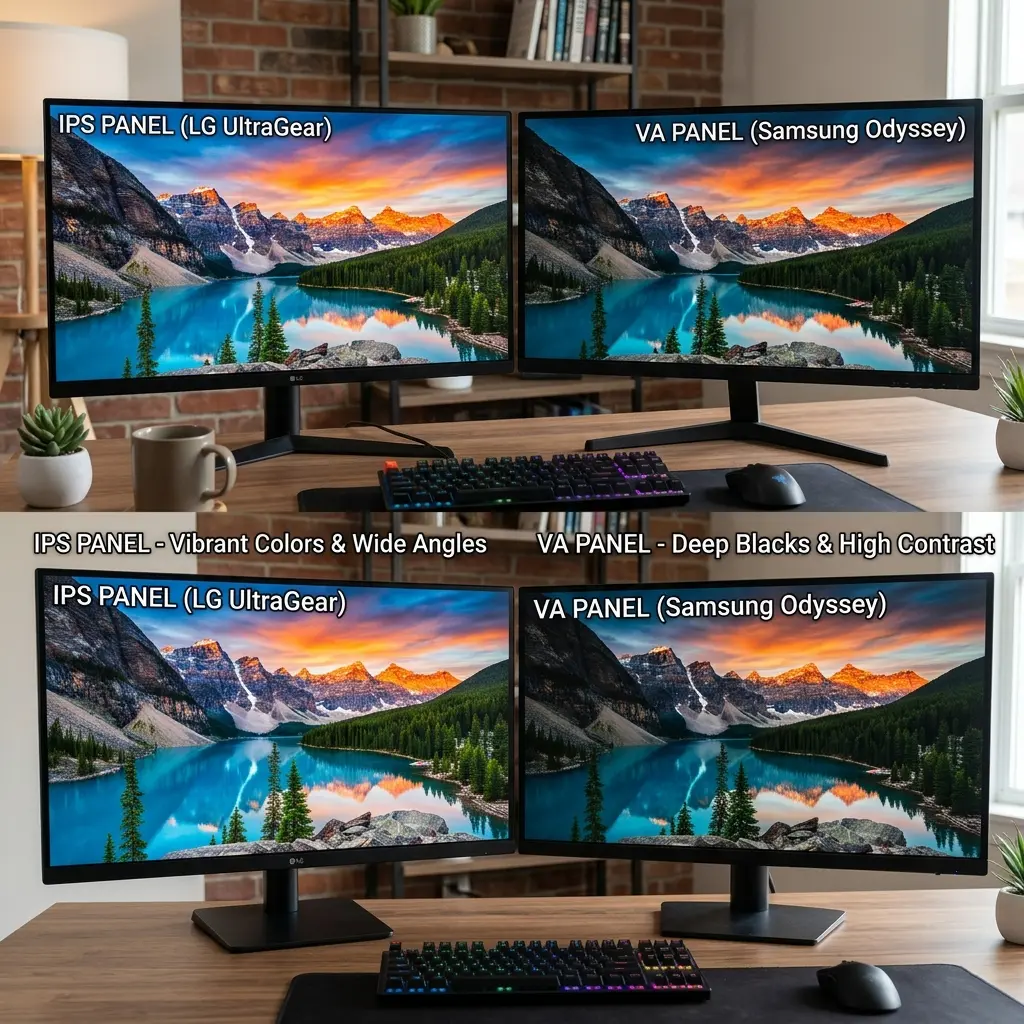
| LG 34GN850-B | 3440 x 1440 | 144Hz | IPS | G-Sync, FreeSync |
| Samsung Odyssey G5 | 3440 x 1440 | 144Hz | VA | FreeSync |
| Acer Predator X34 | 3440 x 1440 | 120Hz | IPS | G-Sync |
| Dell Alienware AW3420DW | 3440 x 1440 | 120Hz | IPS | G-Sync |
Materials and Durability
Durable materials, including metal and high-quality plastics, enhance the longevity of ultrawide monitors.
Many models feature anti-glare coatings and robust stands, ensuring stability and protection against everyday wear and tear.
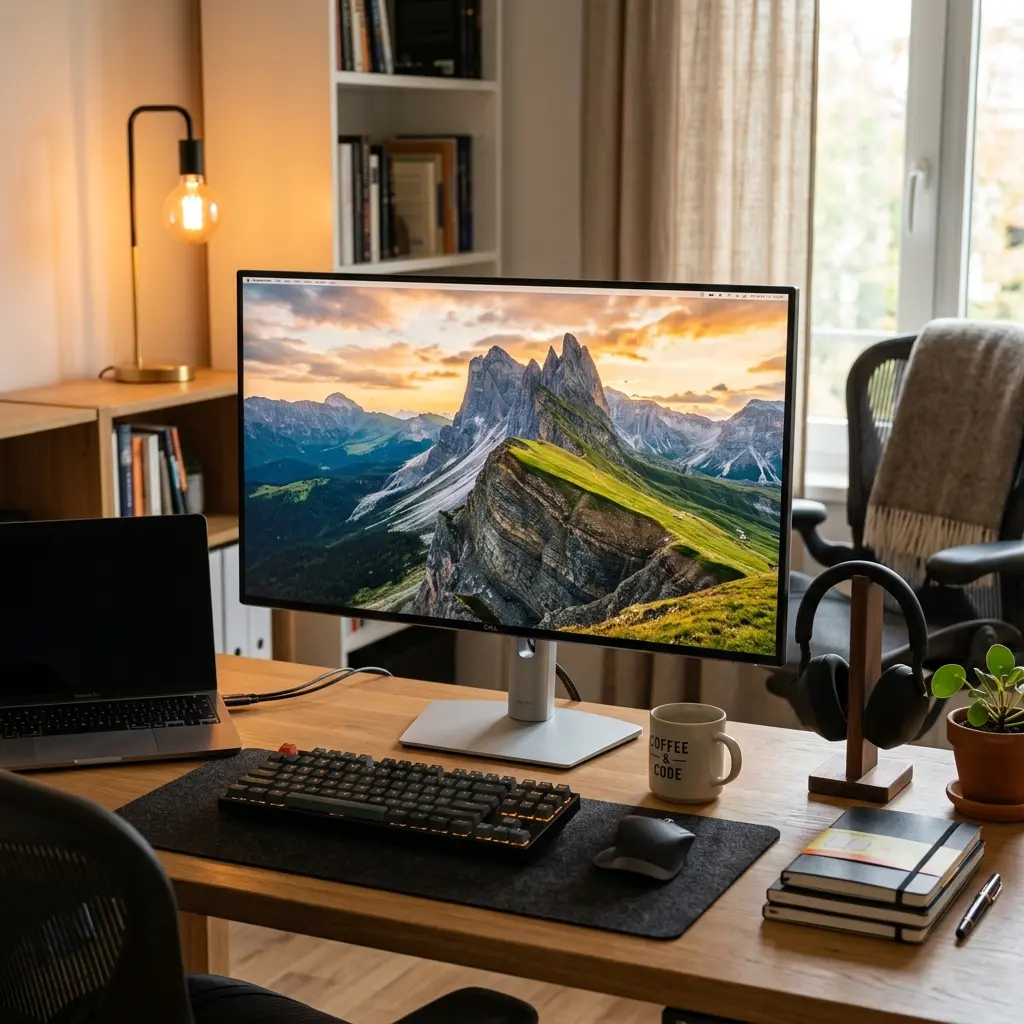
DomineTec Tip: Position the monitor at eye level and adjust the distance to minimize strain and enhance comfort.
Buying Recommendations and Brands
Leading brands in the ultrawide monitor market include LG, Samsung, Dell, and Acer, known for their innovative features and high-quality displays.
Understanding specific needs, such as gaming performance or color accuracy for design work, can guide the selection process.
- Define primary use: gaming, professional work, or multimedia consumption.
- Consider resolution and refresh rate according to application needs.
- Evaluate panel type for color reproduction and viewing angles.
- Review ergonomic features to ensure comfort during use.
- Check for warranty and customer support from manufacturers.
Value Analysis and Verdict
Balancing features, performance, and price is crucial when selecting a 34-inch ultrawide monitor.
Investing in a model that meets specific requirements will yield greater satisfaction and productivity in the long run.
Connectivity Options and Compatibility
Connectivity is a crucial aspect when selecting a 34-inch ultrawide monitor, especially for users who rely on multiple devices.
Common connectivity options include HDMI, DisplayPort, and USB-C, each offering varying benefits in terms of speed and versatility.
For gamers, DisplayPort is often preferred due to its support for higher refresh rates and resolutions.
HDMI, on the other hand, is widely used and offers compatibility with a range of devices, including gaming consoles and laptops.
USB-C connectivity is becoming increasingly popular for its ability to transmit power and data through a single cable.
This is particularly advantageous for professionals using laptops that support USB-C, allowing for a cleaner workspace with fewer cables.
It is essential to consider compatibility with your existing hardware, as not all monitors support every connection type.
Checking specifications and ensuring your devices can connect seamlessly will enhance your overall experience.
Color Accuracy and Calibration
Color accuracy is a vital feature for creative professionals who depend on precise color representation.
Many ultrawide monitors boast excellent color coverage, such as sRGB, Adobe RGB, and DCI-P3, making them suitable for photo editing and graphic design.
Calibration is another critical factor that can significantly affect color performance.
Some monitors come factory-calibrated, while others may require manual calibration to achieve optimal results, which can be done using calibration tools.
For those in need of precise color work, it's advisable to look for monitors that support hardware calibration.
This feature allows for adjustments to be made without affecting the monitor's internal settings, ensuring consistent color output.
Ultimately, evaluating color accuracy and calibration capabilities can greatly impact productivity in tasks that rely on visual fidelity.
Gaming Features and Enhancements
In addition to standard specifications, gaming monitors often include features designed to enhance the gaming experience.
Look for options such as adaptive sync technologies like NVIDIA G-Sync and AMD FreeSync, which help eliminate screen tearing and stuttering.
Response time is another critical aspect for gamers, with lower response times reducing motion blur during fast-paced gameplay.
Many ultrawide monitors offer response times of 1ms to 5ms, making them suitable for competitive gaming.
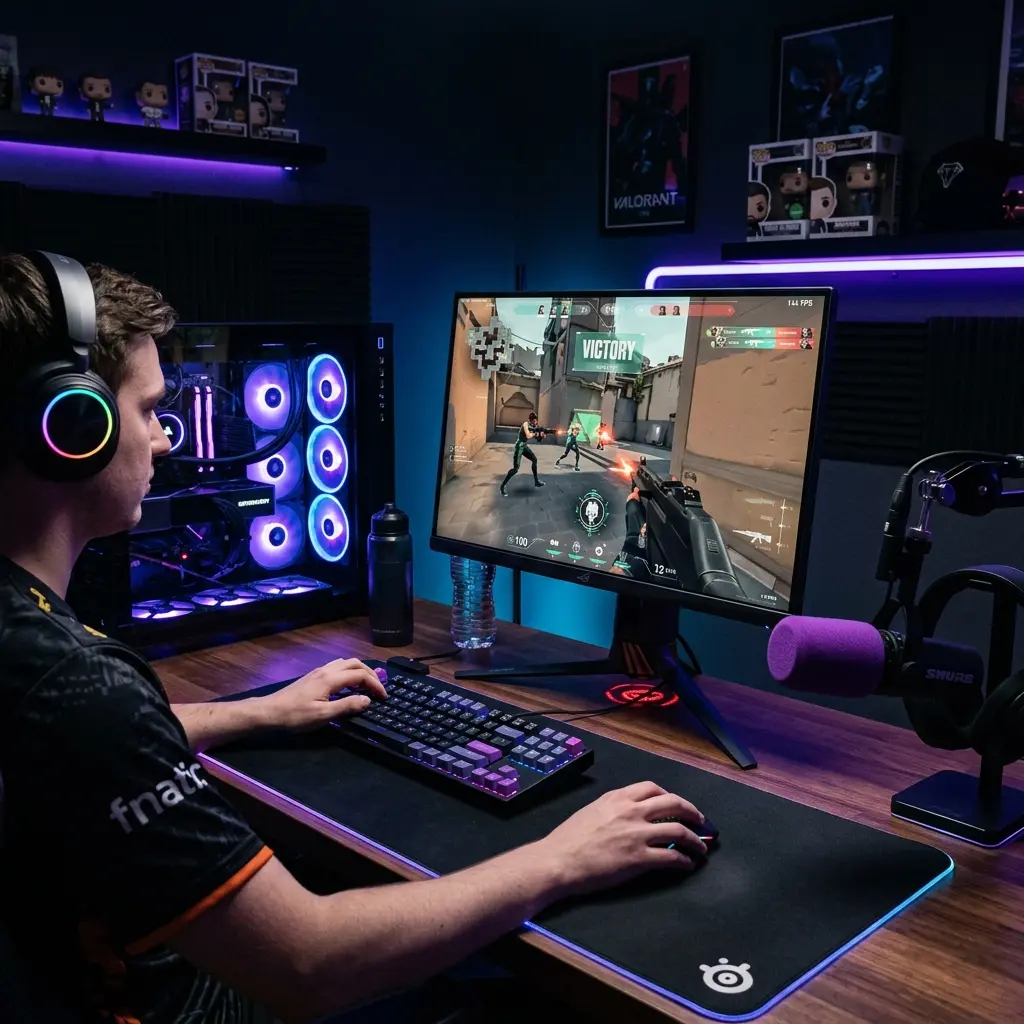
Additional gaming enhancements may include customizable RGB lighting, game modes, and crosshair overlays, which can give players an edge in competitive environments.
These features can significantly improve immersion and performance.
Investing in a monitor with these gaming-oriented features will ensure that users can enjoy an optimal gaming experience, balancing performance with visual quality to meet the demands of modern gaming titles.
Multitasking Capabilities and Split-Screen Functionality
One of the main advantages of ultrawide monitors is their ability to facilitate multitasking through split-screen functionality.
Many models support Picture-by-Picture (PBP) and Picture-in-Picture (PiP) modes, allowing users to view multiple sources simultaneously.
This feature is particularly beneficial for professionals who need to reference documents or watch tutorials while working.
Users can efficiently utilize screen real estate without the need for multiple monitors, thus maintaining a cleaner desktop setup.
In addition to built-in split-screen features, software solutions can further enhance multitasking capabilities.
Many manufacturers offer proprietary software that allows for easier window management and customization of screen layouts.
By leveraging these multitasking features, users can enhance their productivity, making 34-inch ultrawide monitors an appealing choice for both work and gaming environments.
Energy Efficiency and Environmental Considerations
As energy consumption becomes a critical concern, many ultrawide monitors are designed with energy efficiency in mind.
Look for monitors that comply with Energy Star ratings, which indicate lower power usage during operation.
In addition to power savings, many manufacturers are focusing on sustainable materials and production methods.
This includes the use of recyclable materials in the monitor's construction, reducing environmental impact.
Some monitors also feature an eco-mode, which adjusts brightness and color settings to minimize energy consumption without sacrificing performance.
This feature can be particularly useful for users who spend long hours in front of their screens.
Considering energy efficiency and environmental impact when selecting a monitor can contribute to a more sustainable setup, reflecting a growing awareness of eco-friendly practices in technology.
Audio Quality and Integrated Speakers
Audio quality is often overlooked in monitor specifications, yet it plays a crucial role in the overall experience.
Many ultrawide monitors come equipped with integrated speakers, although the quality can vary widely among models.
For users who prioritize audio, it may be beneficial to consider monitors with built-in sound systems designed specifically for enhanced audio output.
Some models feature dual or surround sound speakers for a more immersive experience.
However, for serious audio needs, external speakers or sound systems are generally recommended, as they typically provide superior sound quality compared to integrated options.
This is especially important for gamers and content creators who require precise audio fidelity.
Ultimately, evaluating the audio capabilities of a monitor will help users determine whether the integrated speakers meet their needs or if additional audio equipment is necessary for an optimal experience.
Customer Support and Warranty Services
When investing in a high-end ultrawide monitor, customer support and warranty services are important factors to consider.
A comprehensive warranty can provide peace of mind and protect your investment against manufacturing defects.
Many manufacturers offer varying warranty periods, typically ranging from one to three years, with options for extended warranties or service plans.
Understanding the terms and conditions of the warranty is essential for ensuring coverage.
Customer support quality can significantly impact user experience, especially if issues arise during the monitor's lifespan.
Researching user reviews and experiences with customer support can provide insights into the responsiveness and effectiveness of a brand's support team.
Choosing a brand known for reliable customer service and strong warranty options can enhance the overall ownership experience, making it easier to address any potential issues that may occur.
Software Features and User Interface
Modern ultrawide monitors often come with proprietary software that enhances the user experience, providing additional functionalities tailored for productivity and gaming.
Features such as picture-in-picture (PiP) and picture-by-picture (PbP) allow users to engage with multiple sources simultaneously, improving multitasking capabilities.
Moreover, software tools can facilitate the adjustment of display settings, enabling users to create customized profiles for different tasks or gaming scenarios.
Some manufacturers also provide regular updates to enhance performance and introduce new features, ensuring the monitor remains competitive over time.
Gaming Compatibility and Adaptive Sync Technology
Adaptive sync technologies like AMD FreeSync and NVIDIA G-Sync are becoming standard in modern ultrawide monitors, improving the gaming experience by eliminating screen tearing and minimizing input lag.
These features allow for smoother gameplay, particularly in fast-paced titles, by synchronizing the monitor's refresh rate with the graphics card's output.
Compatibility with gaming consoles and PCs is crucial, as it ensures that users can maximize the potential of their gaming setups without compromising performance.
Additionally, some monitors offer high refresh rates up to 144Hz or more, further enhancing the fluidity of motion in games and providing a competitive edge for gamers.
Impact on Workflow and Productivity
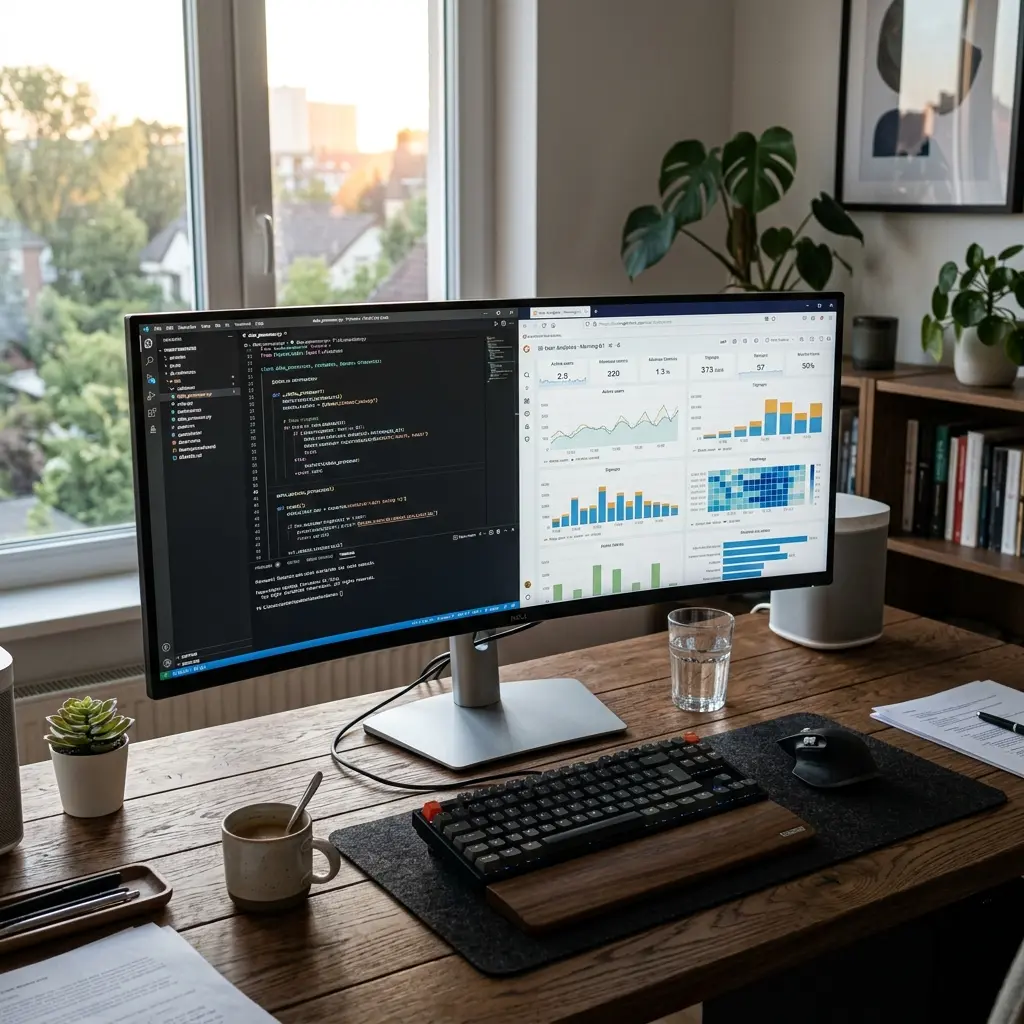
Ultrawide monitors have been shown to significantly enhance productivity by providing a more expansive workspace, reducing the need for multiple displays.
With the ability to view multiple applications side by side, users can streamline their workflow and minimize distractions associated with switching between screens.
Features like customizable hotkeys and software integration with productivity applications allow for quick access to frequently used tools, further improving efficiency.
Studies have indicated that users experience less eye strain and fatigue with ultrawide setups, contributing to longer and more productive work sessions.
Calibration and Color Management Tools
Calibration is essential for achieving accurate color reproduction, especially for professionals who rely on precise visuals in their work.
Many 34-inch ultrawide monitors come with built-in calibration tools or support for third-party calibration devices that ensure consistent results across different lighting conditions.
Some monitors offer factory calibration for color accuracy, which is important for graphic designers, photographers, and video editors.
The Delta E value, a measure of color accuracy, is often provided in specifications, helping users to select monitors that meet their specific needs.
Advanced users may prefer monitors that support hardware calibration, allowing adjustments to be made directly to the monitor's settings rather than through a software interface.
This feature can significantly improve workflow efficiency by maintaining consistent color profiles over time.
Additionally, software solutions for color management can complement the hardware capabilities of these monitors.
Programs that allow for detailed adjustments to gamma, brightness, and contrast can enhance the visual experience, making it easier to achieve desired results in various applications.
Future-Proofing and Upcoming Technologies
As technology evolves, the demand for future-proof monitors is becoming increasingly important.
Many manufacturers are incorporating features that align with upcoming standards, such as HDMI 2.1 and DisplayPort 2.0, which offer higher bandwidth for better resolutions and refresh rates.
Some monitors are also beginning to support emerging technologies like Mini-LED backlighting and OLED panels, which promise improved contrast ratios and color depth.
These advancements can significantly enhance both gaming and productivity experiences.
Moreover, the integration of AI-driven features, such as automated color calibration and adaptive brightness adjustments, is on the rise.
These innovations can lead to a more personalized and efficient user experience, adapting to individual preferences and environmental conditions.
Finally, considering the growing trend towards remote work and gaming, features that enhance connectivity, such as built-in KVM switches and wireless capabilities, are becoming essential.
These features not only improve convenience but also expand functionality, making these monitors a wise investment for the future.
Input Lag and Response Time
Input lag is a critical factor for both gaming and professional tasks, influencing how quickly actions are registered on-screen.
An ideal ultrawide monitor should have a low input lag, typically below 10 milliseconds, to ensure a responsive experience during fast-paced gaming sessions or real-time editing tasks.
Response time, measured in milliseconds, indicates how quickly a pixel can change from one color to another.
A lower response time, ideally around 1ms to 3ms, minimizes motion blur and ghosting, enhancing visual clarity in dynamic scenes, which is particularly important in competitive gaming and video editing.
Many ultrawide monitors offer advanced technologies like Overdrive to reduce response times further.
However, excessive Overdrive settings can lead to artifacts such as inverse ghosting, making it essential to find the right balance for optimal performance.
When selecting a monitor, checking independent reviews and gaming benchmarks can provide insight into real-world performance.
Manufacturers often advertise low figures, but real user experiences can reveal the practical implications of input lag and response time.
Color Gamut and HDR Support
The color gamut of a monitor indicates the range of colors it can display, significantly affecting the quality of visual content.
A monitor that covers a wider color gamut, such as 100% sRGB or 95% DCI-P3, provides richer and more vibrant colors, which is crucial for graphic design, photography, and gaming.
High Dynamic Range (HDR) support also enhances the viewing
Networking and Streaming Optimization
In an era where both work and gaming rely heavily on high-speed internet connections, optimizing networking setups becomes crucial for the performance of 34-inch ultrawide monitors. A robust understanding of Quality of Service (QoS) settings in routers can significantly enhance the streaming experience, ensuring that bandwidth is allocated appropriately to both gaming and productivity applications.
To set QoS on most routers, access the router's web interface through a web browser, typically at 192.168.1.1 or 192.168.0.1. Once logged in, locate the QoS settings, which can often be found under the "Advanced" tab, and prioritize devices connected to the ultrawide monitor by assigning higher bandwidth during peak usage times.
Another critical aspect of networking optimization involves the use of Ethernet connections instead of Wi-Fi whenever possible. Wired connections provide more stable and lower-latency connections, which are essential for competitive gaming and seamless video conferencing.
For those using wireless connections, ensuring that the router is positioned optimally can reduce latency and improve signal strength. Regularly updating router firmware and changing the channel frequency can also help mitigate interference from other devices, enhancing overall network performance.
Troubleshooting Common Display Issues
Even the best 34-inch ultrawide monitors can experience display issues that hinder user experience. Common problems such as flickering, color distortion, and connectivity issues can often be resolved through systematic troubleshooting methods.
For flickering issues, the first step is to check the refresh rate settings. Access the display settings of the operating system and ensure that the monitor is set to its native refresh rate, typically found in the advanced display settings section.
If color distortion occurs, recalibrating the monitor using built-in calibration tools or third-party software can help. Tools like DisplayCAL can be used to create accurate color profiles, ensuring that colors are represented correctly across various applications.
For connection problems, testing different cables and ports is essential. HDMI and DisplayPort cables can sometimes fail; thus, swapping cables or using alternative ports on the GPU may solve connectivity issues.




