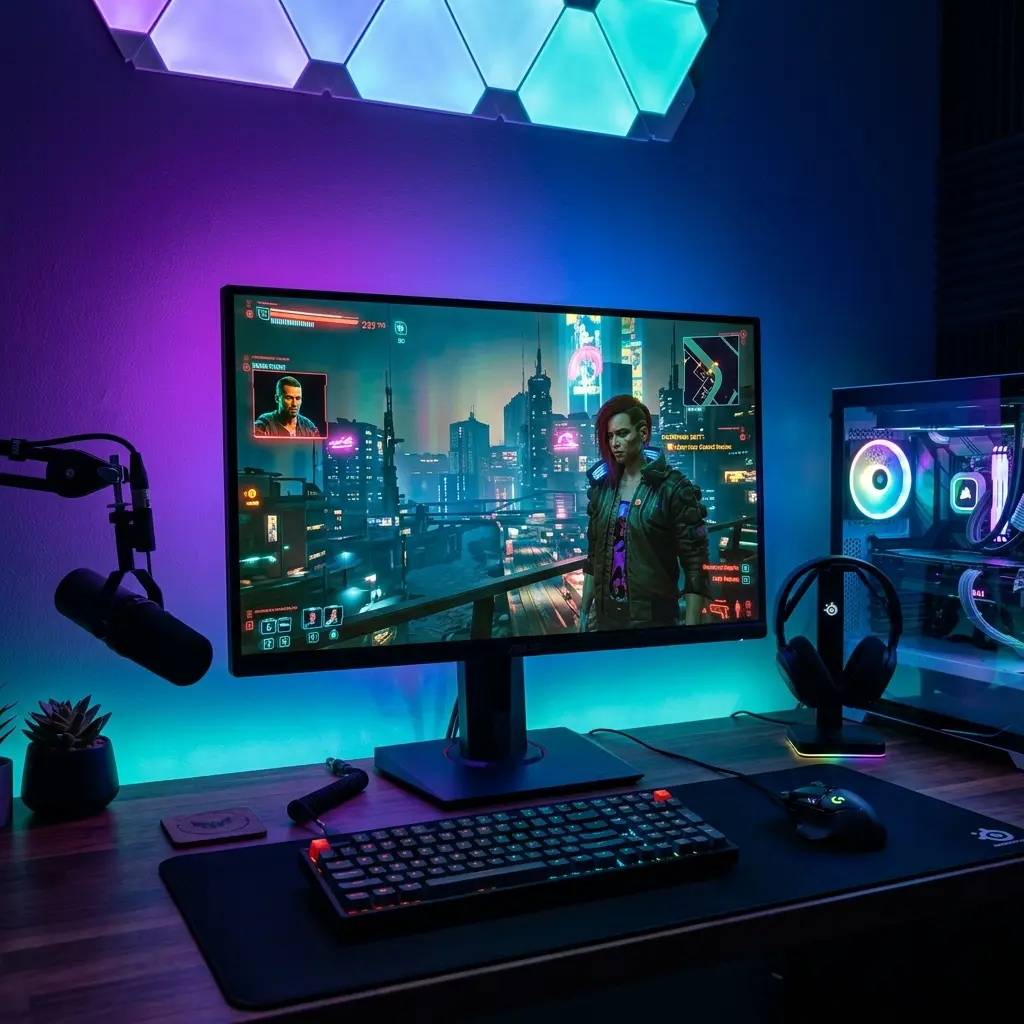
For gamers seeking immersion, the best 34-inch ultrawide gaming monitors offer expansive visuals and high performance.
Physical Aspects and Resolution
34-inch ultrawide monitors typically feature a 21:9 aspect ratio, providing a wider field of view compared to standard monitors.
Popular resolutions include 3440 x 1440 (UWQHD) and 2560 x 1080, both enhancing detail and clarity in gaming environments.
Performance and Technology
High refresh rates, often at 144Hz or 165Hz, enable smoother gameplay, reducing motion blur and enhancing responsiveness.
Advanced technologies such as G-SYNC and FreeSync reduce screen tearing, delivering a seamless experience during intense gaming sessions.
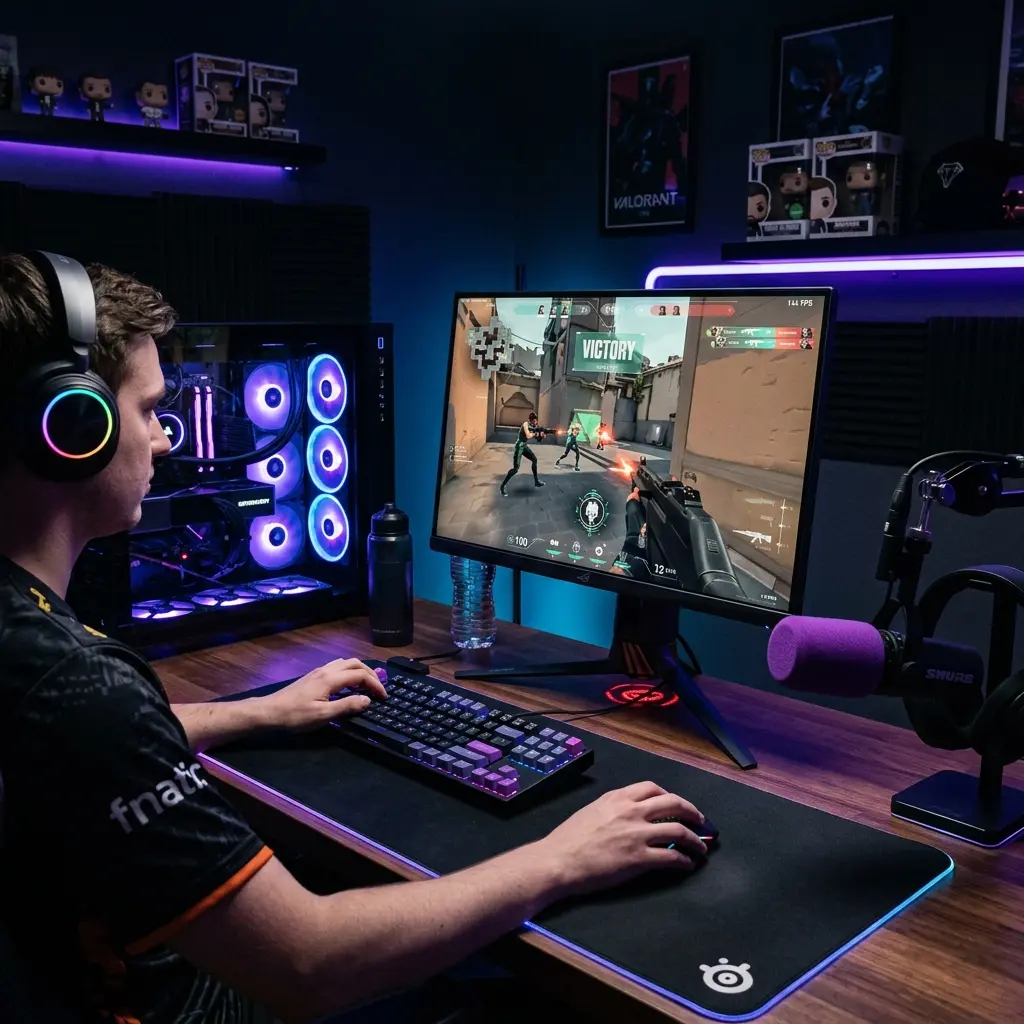
Ergonomics and Visual Comfort
Curved designs can enhance immersion, reducing eye strain by maintaining a consistent focal distance across the screen.
Height-adjustable stands and VESA compatibility allow for customized setups, promoting better posture during extended gaming hours.
| Monitor Model | Resolution | Refresh Rate | Panel Type | Price |
|---|---|---|---|---|
| Acer Predator X34 | 3440 x 1440 | 100Hz (overclockable to 120Hz) | IPS | $1,199 |
| LG 34GN850-B | 3440 x 1440 | 160Hz | Nano IPS | $1,299 |
| Samsung Odyssey G5 | 2560 x 1440 | 144Hz | VA | $499 |
| MSI Optix MAG341CQ | 3440 x 1440 | 100Hz | VA | $699 |
Materials and Durability
High-quality materials such as aluminum and durable plastic ensure longevity and resilience against wear and tear.
Monitors with anti-glare coatings and robust stands can withstand daily adjustments and environmental factors without significant degradation.
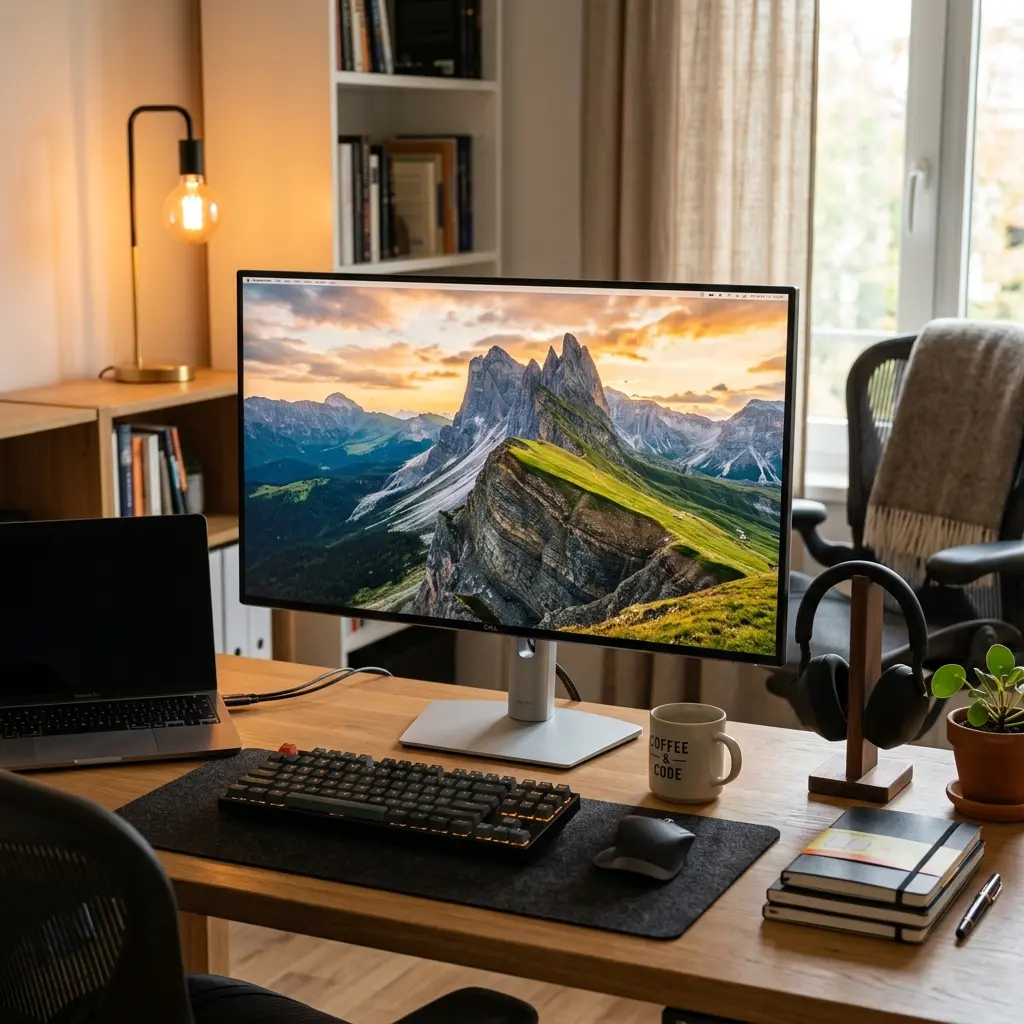
DomineTec Tip: Adjust the monitor height so that the top of the screen is at or slightly below eye level to enhance ergonomic comfort.
Buying Recommendations and Brands
Leading brands such as Dell, ASUS, and BenQ provide reliable options for ultrawide gaming monitors, each with unique features.
Consider factors such as panel type, refresh rate, and connectivity options when choosing the best model for specific gaming needs.

- Determine preferred resolution and refresh rate.
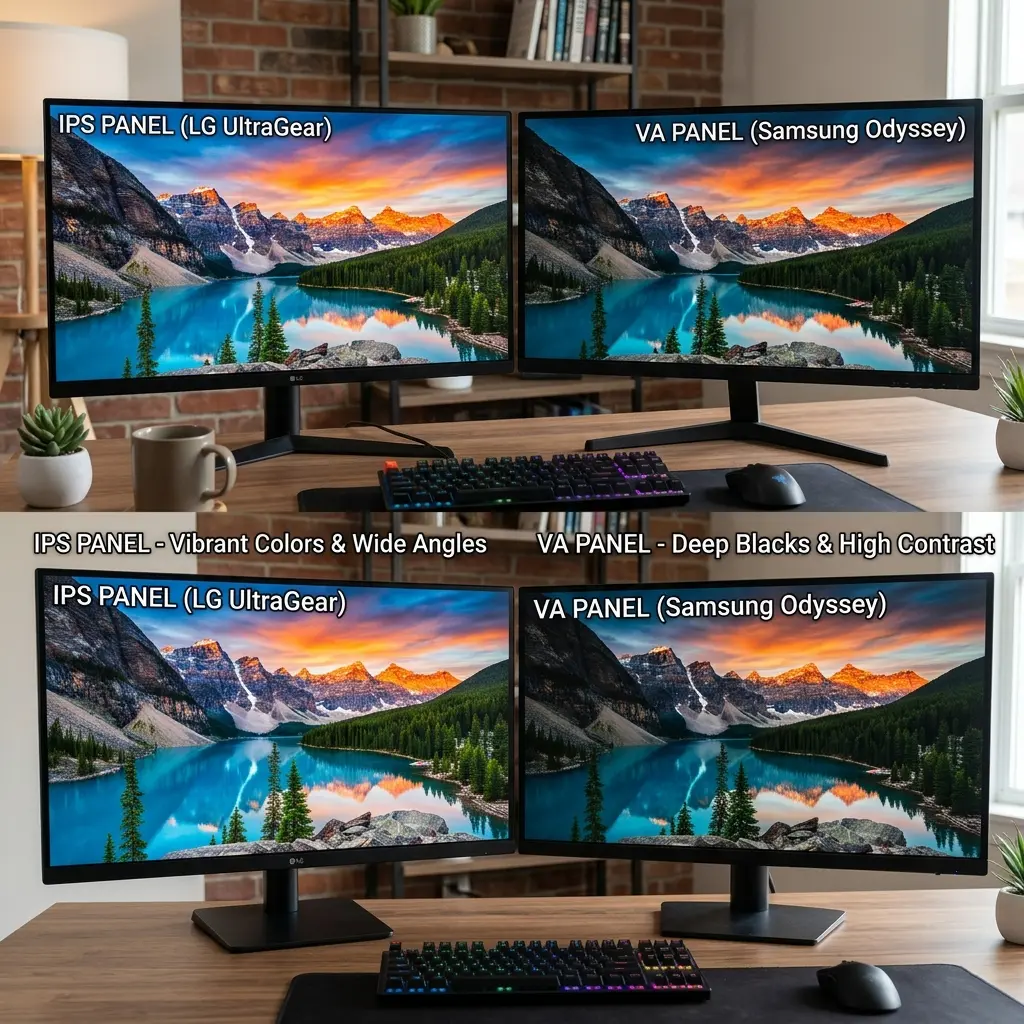
- Evaluate panel types: IPS for color accuracy, VA for contrast, or TN for speed.
- Check for ergonomic features like height adjustment and curvature.
- Review connectivity options: HDMI, DisplayPort, USB-C.
- Compare warranties and customer support services.
Value Analysis and Verdict
Investing in a 34-inch ultrawide gaming monitor can significantly enhance the gaming experience through immersive visuals and advanced features.
While higher initial costs may be a consideration, the long-term benefits in performance and comfort are substantial.
Color Accuracy and Calibration
Color accuracy is a crucial aspect of ultrawide gaming monitors, particularly for gamers who also engage in content creation or design work. Many 34-inch ultrawide monitors offer wide color gamut support, covering a significant portion of the sRGB, Adobe RGB, and DCI-P3 color spaces.
Calibration tools are often built into these monitors, allowing users to fine-tune color settings to achieve optimal accuracy. This feature is particularly valuable for professional users who require precise color reproduction for their work.
Some monitors come factory-calibrated, but users should consider performing their own calibration using hardware calibration devices for the best results. This ensures that the displayed colors are true to life and consistent across different lighting conditions.
Additionally, many monitors include advanced features like HDR support, which enhances color range and brightness levels, providing a more immersive gaming experience. Understanding these capabilities can significantly impact the choice of an ultrawide monitor for both gaming and professional use.
Connectivity Options and Compatibility
Connectivity options play a vital role in ensuring compatibility with various gaming setups. Most 34-inch ultrawide monitors come equipped with multiple ports, including HDMI, DisplayPort, and USB-C, allowing for versatile connections with gaming consoles, PCs, and other devices.
USB hubs are also commonly integrated, providing additional ports for peripherals such as keyboards and mice. This feature streamlines cable management and enhances the overall user experience by reducing clutter.
When selecting a monitor, it is essential to consider the version of HDMI or DisplayPort it supports, as newer versions offer higher bandwidth and support for advanced features like 4K at higher refresh rates. This can be crucial for gamers looking to maximize their system’s performance.
Moreover, compatibility with adaptive sync technologies such as NVIDIA G-Sync and AMD FreeSync is another important aspect. These technologies help to eliminate screen tearing and stuttering, providing a smoother gaming experience, particularly in fast-paced titles.
Gaming Features and Customization
Many ultrawide gaming monitors come equipped with specialized gaming features designed to enhance performance. Features such as low input lag, high refresh rates, and variable refresh rate technologies are essential for competitive gaming.
Some monitors also include customizable gaming profiles, allowing users to save different settings for various games. This can include adjustments to brightness, contrast, and color settings, enabling gamers to optimize their display for each title.
Additional features like crosshair overlays, frame rate counters, and on-screen display menus provide gamers with tools to improve their gameplay. These elements can be particularly beneficial in competitive scenarios where quick adjustments can make a significant difference.
Furthermore, many monitors offer customizable RGB lighting options that not only enhance aesthetics but can also be synchronized with in-game events for a more immersive experience. This level of customization appeals to gamers looking to personalize their setup.
Aspect Ratio and Immersion
The aspect ratio of a 34-inch ultrawide monitor typically ranges from 21:9 to 32:9, providing an immersive experience that standard 16:9 monitors cannot match. This wider field of view can enhance gameplay by allowing players to see more of the environment at once.
Games designed with ultrawide support take full advantage of these aspect ratios, delivering a more cinematic experience. Titles that include extensive open worlds or detailed environments benefit significantly from the immersive capabilities of ultrawide displays.
Additionally, the increased screen real estate allows for better multitasking, enabling users to run multiple applications simultaneously without compromising visibility. This is particularly advantageous for gamers who also stream or use communication software while playing.
However, not all games support ultrawide resolutions natively. Users should research their favorite titles to ensure compatibility and consider software solutions that can help adjust display settings for unsupported games.
Energy Efficiency and Environmental Impact
Energy efficiency is an increasingly important consideration for consumers looking to reduce their environmental footprint. Many modern 34-inch ultrawide monitors are designed with energy-saving features that help minimize power consumption.
Look for monitors that are certified with Energy Star or similar certifications, as these models typically meet strict energy efficiency guidelines. This can lead to reduced electricity bills and a smaller carbon footprint over time.
Additionally, features like automatic brightness adjustment can help conserve energy by adapting the screen’s brightness based on ambient light conditions. This not only saves power but also enhances visual comfort during use.
Consideration of the materials used in manufacturing also plays a role in the environmental impact of ultrawide monitors. Brands that prioritize sustainable materials and responsible manufacturing practices contribute positively to overall environmental sustainability.
Software and User Interface
The software and user interface of ultrawide gaming monitors can significantly affect the user experience. Many monitors come with intuitive on-screen display (OSD) menus that allow users to easily navigate through settings and customization options.
Some manufacturers also offer companion software that enhances functionality, enabling users to control multiple monitors, customize display settings, and even create screen layouts for multitasking. This software can simplify the process of managing complex gaming setups.
Regular firmware updates are another important aspect, as they can improve performance and add new features over time. Users should check for updates from the manufacturer to ensure their monitor is always running optimally.
Moreover, user reviews and community feedback can provide insights into the effectiveness of the software and user interface, helping prospective buyers make informed decisions about which monitor best meets their needs.
Market Trends and Future Developments
The ultrawide monitor market is evolving rapidly, with manufacturers continuously innovating to enhance performance and user experience. Current trends include the integration of advanced display technologies such as Mini-LED and OLED, which offer improved contrast ratios and color accuracy.
Additionally, as gaming technology advances, there is a growing demand for higher refresh rates and resolutions. Future ultrawide monitors are likely to support 4K and even 8K resolutions, catering to gamers seeking the highest visual fidelity.
Furthermore, the rise of immersive gaming experiences, such as virtual reality and augmented reality, may influence the design and functionality of ultrawide monitors, leading to new features that enhance interactivity.
Keeping an eye on these trends and developments can help consumers make informed decisions and choose monitors that will remain relevant and effective in the years to come.
Audio Performance and Integrated Speakers
While visual quality is paramount in gaming monitors, audio performance can significantly enhance the overall experience. Many 34-inch ultrawide gaming monitors come equipped with integrated speakers, providing users with a more immersive audio environment without the need for external sound systems.
Integrated speakers in gaming monitors typically range from basic sound output to high-fidelity audio systems. Models with advanced audio capabilities often include features like DTS or Dolby Digital support, which can deliver a more cinematic sound experience.
However, the quality of built-in speakers can vary widely among different brands and models. Users seeking superior audio performance may still prefer external speakers or soundbars, especially for competitive gaming where sound cues are critical.
In addition to audio quality, some monitors offer customizable sound settings through on-screen menus, allowing users to fine-tune audio output according to their preferences, thus enhancing both casual and competitive gaming sessions.
Multitasking Capabilities and Productivity
The expansive screen real estate of 34-inch ultrawide monitors not only benefits gamers but also enhances productivity for multitasking. The wider aspect ratio allows users to run multiple applications side by side, making it ideal for content creation and professional work.
Many ultrawide monitors support picture-in-picture (PiP) and picture-by-picture (PbP) modes, enabling users to display content from two different sources simultaneously. This feature is particularly useful for gamers who may want to stream their gameplay while monitoring chat or other applications.
Additionally, ultrawide monitors often come with built-in software tools that facilitate window management, allowing users to easily organize their workspace. These features cater to professionals who require efficient workflows and streamlined productivity.
Overall, the versatility of 34-inch ultrawide monitors extends beyond gaming, making them a practical choice for users who value both leisure and work functionalities in a single display.
Gaming Ecosystem and Community Integration
The integration of gaming monitors into broader gaming ecosystems is an emerging trend that enhances the user experience. Many 34-inch ultrawide gaming monitors offer features that facilitate connectivity with gaming consoles, PCs, and even cloud gaming platforms.
Some models are designed to seamlessly integrate with gaming services like NVIDIA G-SYNC or AMD FreeSync, providing gamers with smoother gameplay and reduced lag. This integration ensures that the monitor works harmoniously with other hardware components for an optimized gaming experience.
Moreover, certain monitors are equipped with customizable RGB lighting that can sync with in-game actions or music, creating a more immersive atmosphere. This feature caters to gamers looking to enhance their setup's aesthetic appeal while boosting the overall engagement of their gaming sessions.
As gaming communities continue to grow, many manufacturers are focusing on developing monitors that support community-driven features, such as social media integration and streaming capabilities, ensuring that gamers can connect and share their experiences effortlessly.
Calibration Tools and Techniques
Calibration is essential for achieving optimal visual performance in 34-inch ultrawide gaming monitors. Many manufacturers provide built-in calibration tools, allowing users to adjust color settings, brightness, and contrast directly from the monitor's menu interface.
For more advanced calibration, external calibration tools such as colorimeters can be employed. These devices measure the colors produced by the monitor and provide detailed reports on any necessary adjustments, ensuring accuracy that meets professional standards.
Regular calibration is recommended, especially for gamers who use their monitors for both competitive gaming and creative work. Consistent calibration can greatly enhance the viewing experience, improving both color fidelity and detail in games.
Additionally, utilizing software solutions can complement hardware calibration tools. Programs like DisplayCAL or CalMAN can automate the calibration process, making it easier for users to achieve their desired visual settings.
Gaming and Content Creation Synergy
The rise of ultrawide monitors has fostered a unique relationship between gaming and content creation. Gamers can benefit from the expansive workspace that 34-inch monitors offer, allowing for multitasking without compromising on screen real estate.
Content creators also enjoy the advantages of these monitors, particularly when editing videos or designing graphics. The wide aspect ratio provides ample space for timelines, toolbars, and previews, streamlining the workflow significantly.
Integration between gaming and content creation tools has become more seamless, with many monitors supporting features such as Picture-in-Picture (PiP) and Picture-by-Picture (PbP). These functionalities enable users to view multiple sources simultaneously, enhancing productivity.
The dual-purpose nature of ultrawide monitors makes them a compelling choice for users who engage in both gaming and creative tasks. This versatility is increasingly recognized in the market, leading to the development of monitors tailored to meet the needs of both communities.
Frequently Asked Questions
What is the advantage of ultrawide monitors for gaming?
Ultrawide monitors provide a broader field of view, enhancing immersion and situational awareness in games.
Is a higher refresh rate always better?
A higher refresh rate results in smoother visuals, which can improve gameplay, especially in fast-paced genres.
Are curved screens better for gaming?
Curved screens can improve immersion and reduce eye strain by keeping the entire display at a consistent focal distance.
Do ultrawide monitors support multiple inputs?
Most ultrawide monitors come with multiple input options, including HDMI and DisplayPort, allowing for versatile connectivity.
What is the best panel type for gaming?
IPS panels are preferred for color accuracy and viewing angles, while VA panels excel in contrast ratios.




