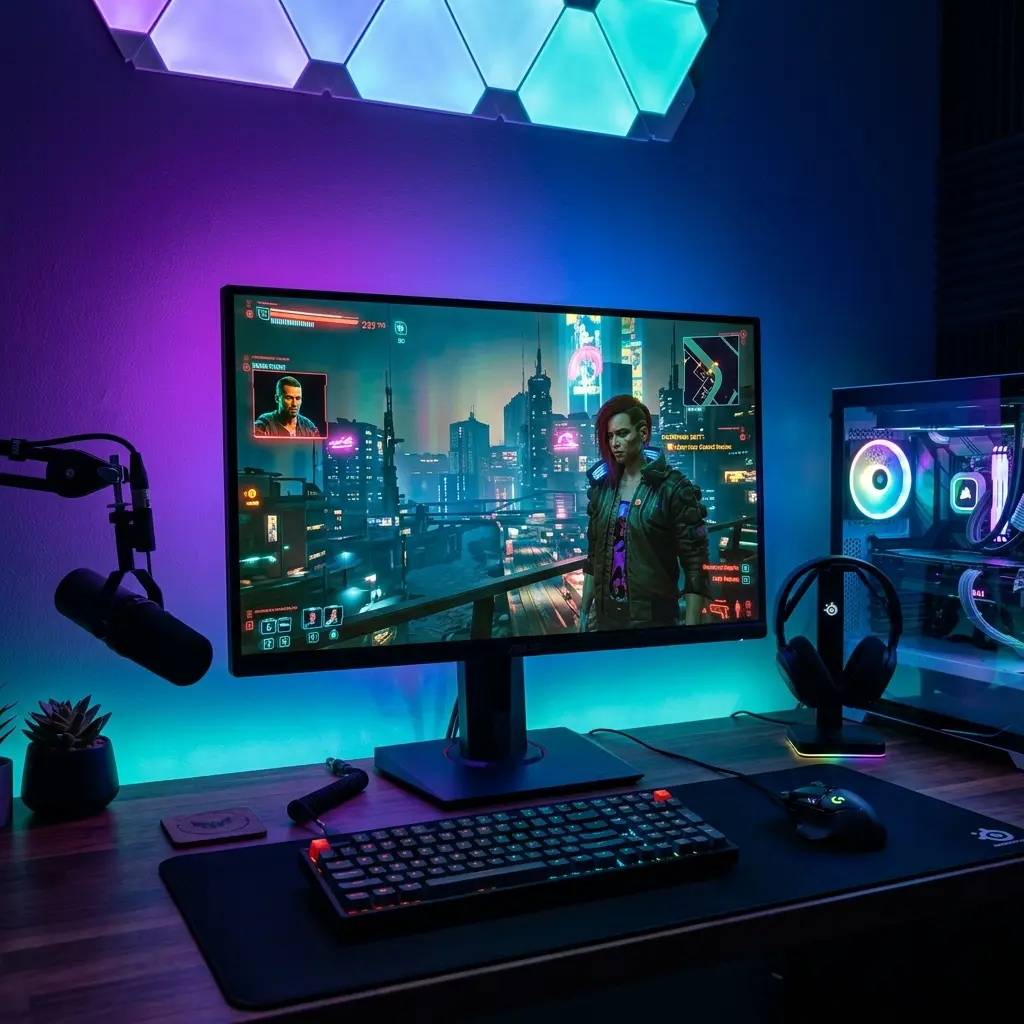
Discover the best 32-inch gaming monitors that provide immersive gameplay with high-performance specifications.
Physical Aspects and Resolution
32-inch gaming monitors typically feature a resolution of 2560x1440 (QHD) or 3840x2160 (4K), providing sharp visuals.
Curved and flat designs are available, with curvature enhancing immersion by aligning the screen with natural viewing angles.
Performance and Technology
Monitors with a refresh rate of 144Hz or higher ensure smoother gameplay, reducing motion blur during fast-paced action.
Technologies such as G-Sync and FreeSync help eliminate screen tearing, enhancing the overall gaming experience.
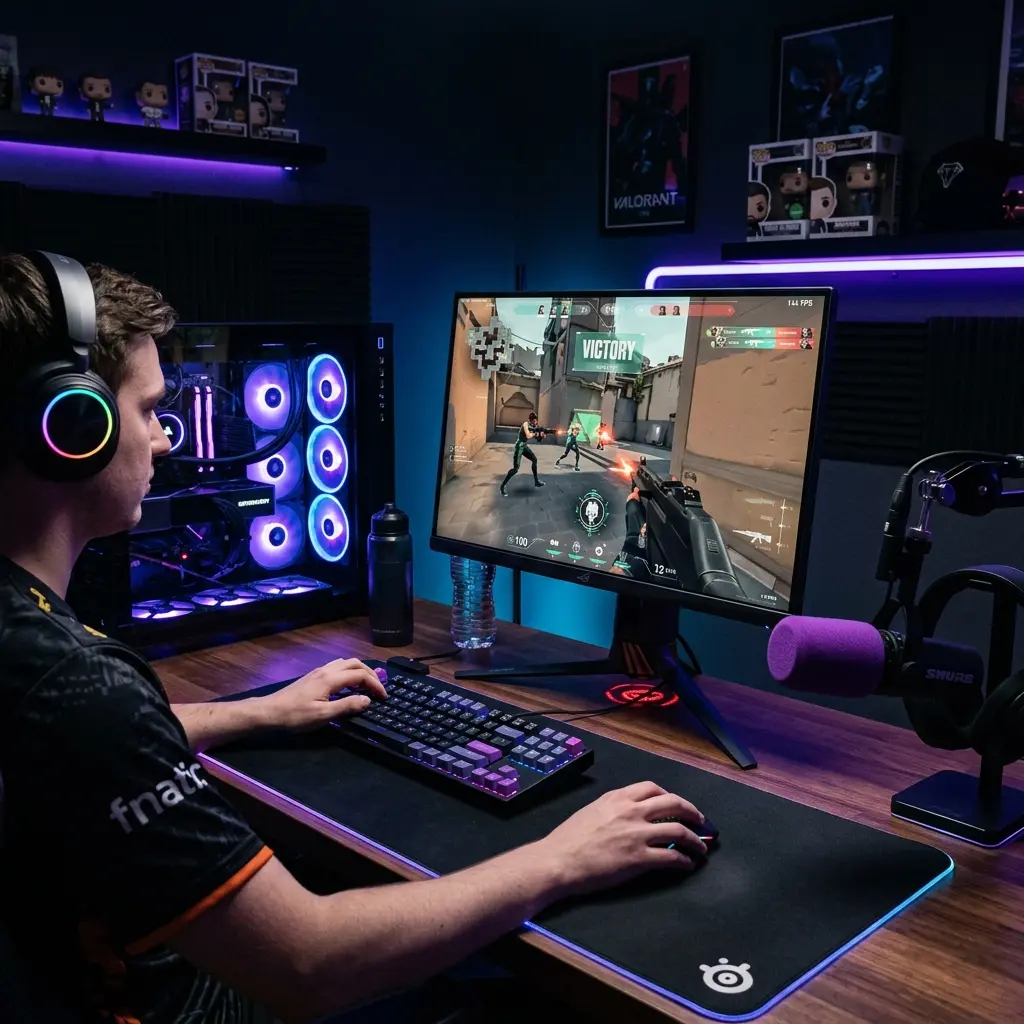
Ergonomics and Visual Comfort
Adjustable stands allow for height, tilt, and swivel adjustments, promoting comfort during extended gaming sessions.
Blue light filtering and flicker-free technology reduce eye strain, ensuring prolonged visual comfort.
| Monitor Model | Resolution | Refresh Rate | Panel Type | Price |
|---|---|---|---|---|
| Acer Predator XB321HK | 3840x2160 | 60Hz | IPS | $899 |
| LG 32GK850G-B | 2560x1440 | 144Hz | VA | $699 |
| Samsung Odyssey G7 | 2560x1440 | 240Hz | VA | $699 |
| ASUS ROG Swift PG32UQX | 3840x2160 | 144Hz | IPS | $1999 |
Materials and Durability
High-quality plastics and aluminum casings are common in premium models, ensuring durability and a premium feel.
Screen coatings, such as anti-glare and anti-fingerprint, enhance usability and maintain the monitor's appearance.
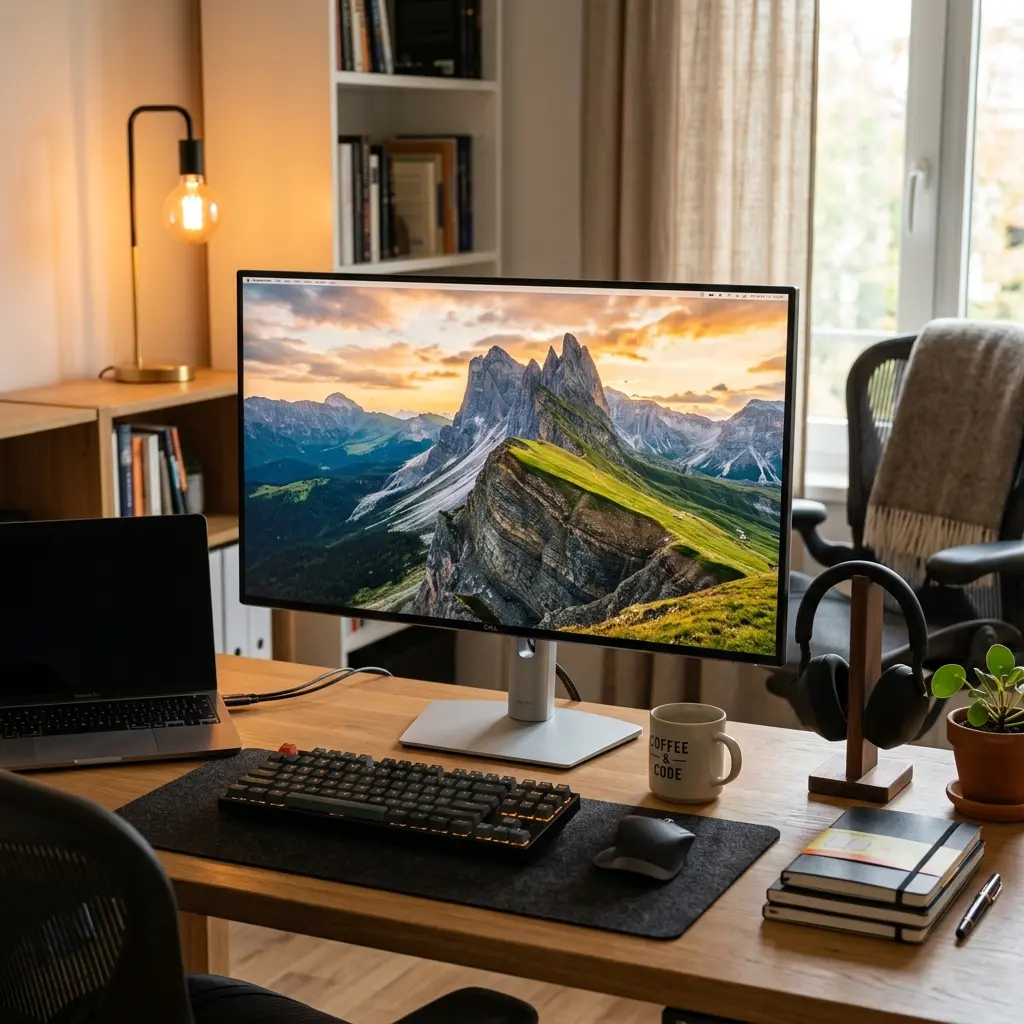
DomineTec Tip: Adjust monitor height to eye level and maintain a distance of approximately 20 to 30 inches to optimize comfort.
Buying Recommendations and Brands
Leading brands such as Acer, ASUS, LG, and Samsung offer a range of 32-inch gaming monitors catering to various needs.
Consider models with high refresh rates, low response times, and adjustable ergonomics for the best experience.
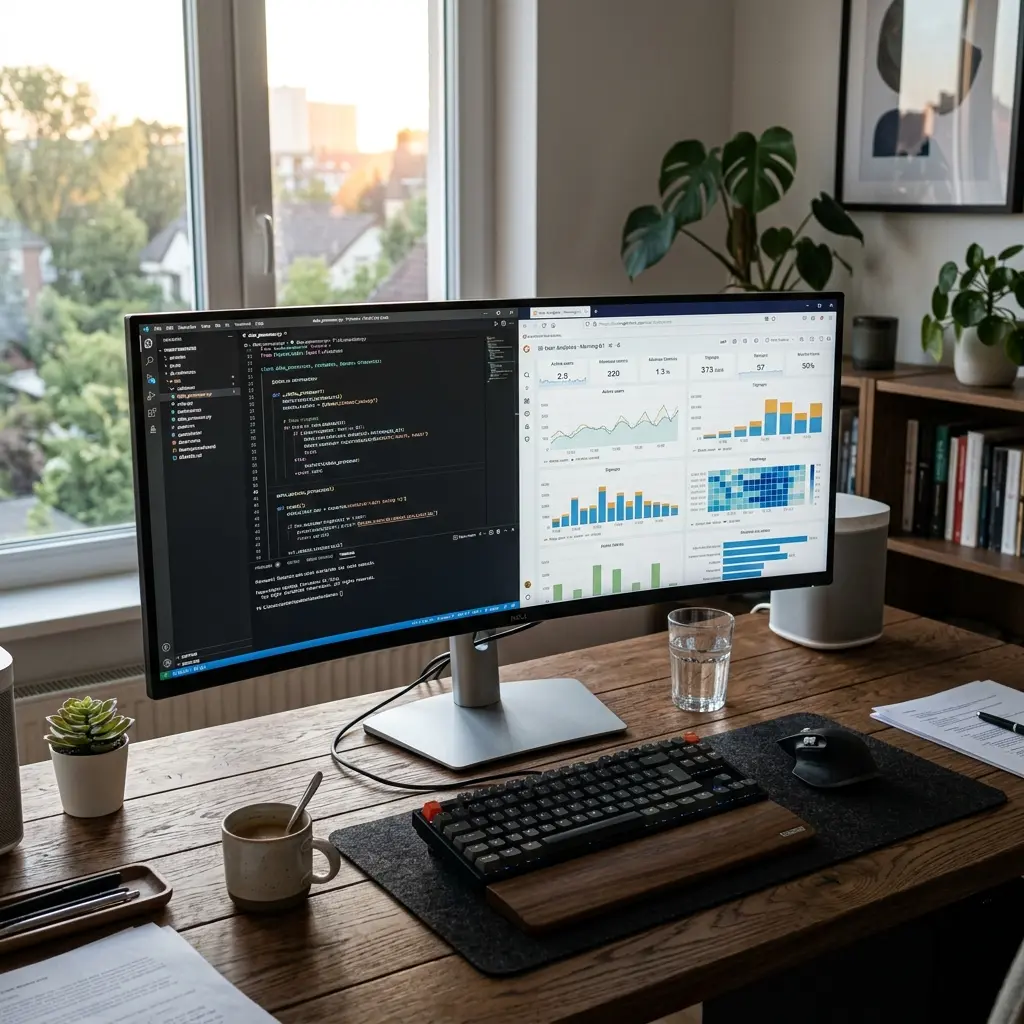
- Determine the preferred resolution (QHD or 4K).
- Choose a monitor with a refresh rate of at least 144Hz.
- Look for G-Sync or FreeSync compatibility.
- Check for adjustable ergonomics for comfort.
- Read reviews and compare prices before purchasing.
Value Analysis and Verdict
Investing in a 32-inch gaming monitor enhances gameplay due to improved visuals and performance features.
Evaluate specifications against price to ensure the best return on investment based on gaming needs.
Color Accuracy and Calibration
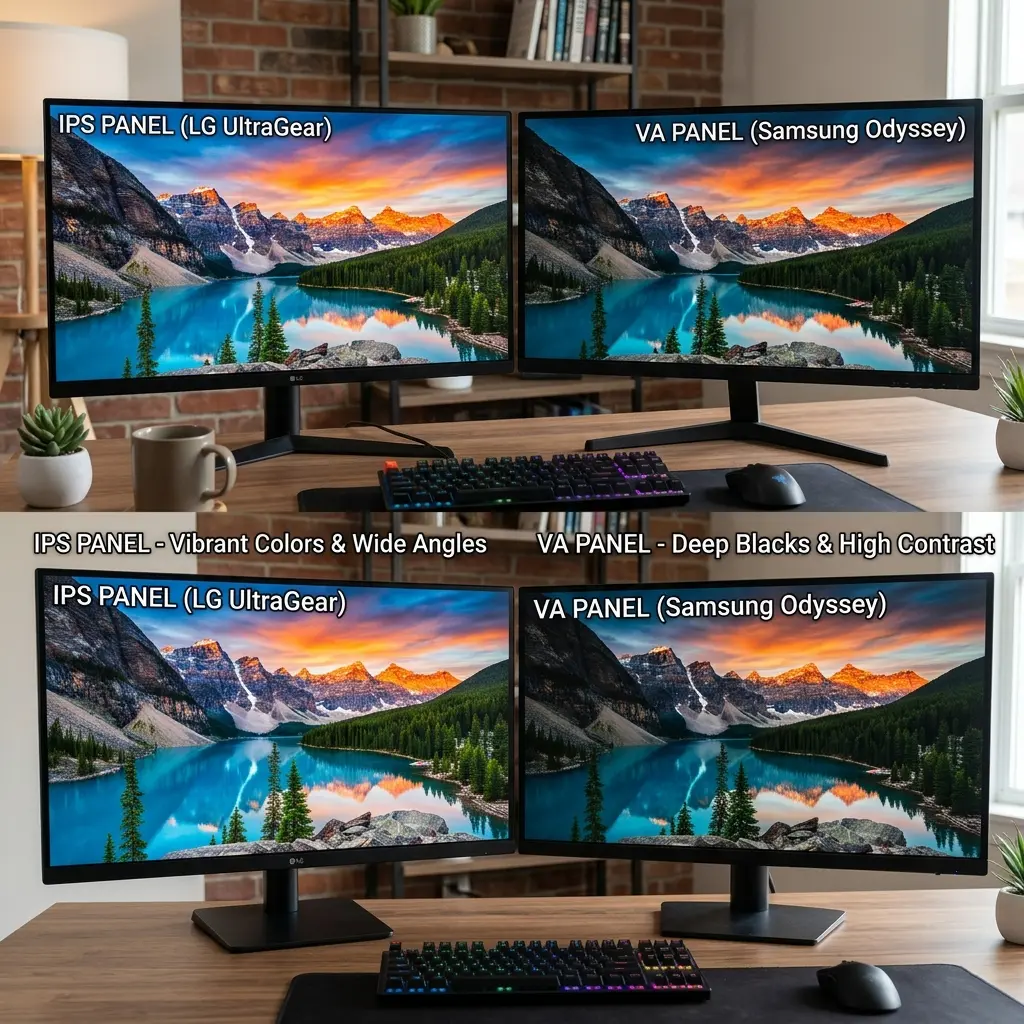
Color accuracy is crucial for immersive gameplay. Monitors with high color accuracy can reproduce a wider spectrum of colors, enhancing the visual experience.
Many 32-inch gaming monitors offer factory calibration, ensuring that colors are displayed as intended. Users can benefit from monitors that cover significant percentages of color gamuts like sRGB, AdobeRGB, or DCI-P3.
Calibration tools, both hardware and software, are essential for gamers seeking to fine-tune their display settings. These tools allow for adjustments in brightness, contrast, and color balance, optimizing the visual output.
Investing time in calibrating a monitor can lead to a more vibrant and realistic gaming experience. Players engaged in competitive and visually demanding games can appreciate the difference that accurate colors make.
Refresh Rate and Response Time
Refresh rate and response time are key specifications that directly impact gaming performance. A higher refresh rate, measured in Hertz (Hz), means smoother motion and less motion blur.
Most gaming monitors in the 32-inch category offer refresh rates ranging from 60Hz to 240Hz. Gamers should prioritize monitors with at least 144Hz for a competitive edge, especially in fast-paced genres.
Response time measures the speed at which a pixel can change from one color to another, typically expressed in milliseconds (ms). Lower response times reduce ghosting and ensure fast-moving content appears clear.
Both refresh rate and response time play a fundamental role in the overall gaming experience. These factors are particularly important for gamers who play first-person shooters or racing games where split-second reactions matter.
Connectivity Options and Compatibility
Connectivity is vital when selecting a gaming monitor. A variety of ports, including HDMI, DisplayPort, and USB, ensure compatibility with different gaming consoles and PCs.
Monitors that feature multiple HDMI and DisplayPort inputs allow users to connect several devices simultaneously, providing versatility. This is particularly beneficial for gamers who switch between consoles and PCs frequently.
Some 32-inch gaming monitors also include USB-C ports, which can facilitate faster data transfer and charging for compatible devices. This feature has become increasingly important in modern gaming setups.
Ensure that the chosen monitor supports the latest connectivity standards to maximize performance. Compatibility with technologies such as FreeSync and G-Sync can also enhance the visual experience by reducing screen tearing.
Aspect Ratio and Screen Curvature
The aspect ratio of a gaming monitor can significantly influence the gameplay experience. Most traditional monitors utilize a 16:9 aspect ratio, which is standard for gaming and media consumption.
However, ultrawide monitors, often with a 21:9 aspect ratio, provide a more immersive field of view, enhancing the gaming experience. These monitors are particularly beneficial for simulation and adventure games.
Screen curvature is another factor to consider, with many gamers preferring curved monitors for an enveloping effect. Curved screens can help reduce distortion and enhance peripheral vision during gameplay.
Ultimately, the choice of aspect ratio and curvature depends on personal preferences and the types of games played. Gamers should assess their gaming habits to choose the monitor that best suits their needs.
Audio Performance and Built-in Speakers
While many gamers rely on external audio solutions, built-in speakers should not be overlooked. Quality audio can enhance the gaming experience, providing immersive sound without the need for additional equipment.
Some 32-inch gaming monitors come equipped with decent built-in speakers that offer clear sound reproduction. However, it is essential to note that dedicated external speakers or gaming headsets often provide superior audio quality.
For casual gamers or those with limited space, built-in audio can be a practical solution. Monitors with integrated audio solutions also reduce cable clutter, making setups cleaner and more organized.
Gamers should evaluate their audio preferences when choosing a monitor. Those who prioritize audio quality may still want to consider external solutions for the best experience.
Gaming Features and Customization Options
Modern gaming monitors often come with a suite of features designed to enhance gameplay further. These features may include customizable RGB lighting, gaming presets, and crosshair overlays.
Gaming presets allow users to switch between different display settings tailored for specific game genres. This feature can optimize the visual experience, ensuring that colors and contrasts are adjusted for optimal performance.
Moreover, customizable RGB lighting can add an aesthetic element to gaming setups, allowing users to personalize their monitors to fit their style. This can also enhance immersion, particularly in darker environments.
When exploring gaming features, consider how they align with personal gaming preferences. A monitor with robust customization options can improve both visual output and user experience.
Energy Efficiency and Environmental Impact
Energy efficiency is an increasingly important consideration for consumers today. Gaming monitors with energy-efficient designs can help reduce electricity consumption and minimize environmental impact.
Many modern 32-inch monitors are designed to meet energy efficiency standards, such as Energy Star certification. These monitors use advanced technologies to lower power usage without sacrificing performance.
Additionally, some manufacturers offer features that automatically adjust brightness based on ambient lighting conditions, further enhancing energy savings. Reducing energy consumption not only benefits the environment but also lowers electricity bills.
When selecting a gaming monitor, consider the long-term energy costs associated with usage. Choosing an energy-efficient model can lead to significant savings over time while promoting sustainable practices.
Image Processing and Upscaling Technology
Image processing technology plays a crucial role in enhancing the visual experience of gaming monitors. Advanced algorithms can optimize image quality by reducing noise and improving clarity, leading to a more immersive gameplay experience.
Upscaling technology is particularly important for gamers using consoles or lower-resolution sources. Quality upscaling ensures that images are rendered smoothly on a 32-inch screen, maintaining sharpness and detail even when the native resolution is lower than that of the monitor.
Many modern gaming monitors incorporate AI-driven technologies to further enhance image quality. These technologies can analyze the content being displayed and make real-time adjustments to brightness, contrast, and color saturation for optimal viewing.
Additionally, features such as HDR (High Dynamic Range) support can significantly improve the visual quality of games by expanding the range of colors and contrast. This results in more vibrant images, making gameplay more visually engaging and lifelike.
Gaming Ecosystem Integration
Integration within the gaming ecosystem is essential for maximizing the potential of a 32-inch gaming monitor. Compatibility with gaming consoles, PCs, and other peripherals is a key consideration for consumers looking to enhance their gaming setup.
Many monitors now feature technologies like G-Sync and FreeSync, which allow for seamless integration with graphics cards. This synchronization minimizes screen tearing and stuttering, providing a smoother gaming experience.
Furthermore, the ability to customize settings through proprietary software is becoming more prevalent. This allows gamers to fine-tune their display settings, ensuring that their monitor is optimized for specific games or genres.
As the gaming ecosystem continues to evolve, features like cloud gaming support and integrated game streaming capabilities are becoming increasingly valuable. These additions can enhance the usability of a gaming monitor, making it a central hub for all gaming activities.
Future Trends in Gaming Monitor Technology
The landscape of gaming monitors is rapidly evolving, with several emerging trends that promise to redefine the gaming experience. One significant trend is the shift towards higher resolutions, such as 4K and beyond, which provide incredibly detailed visuals.
Another notable development is the growing popularity of OLED technology. OLED monitors offer superior contrast ratios and faster response times, which can enhance the visual experience significantly, especially in fast-paced gaming scenarios.
Additionally, the introduction of 240Hz and higher refresh rates is reshaping the standards for gaming performance. These high refresh rates allow for smoother motion and can provide a competitive advantage in fast-paced gaming environments.
Lastly, sustainability is becoming a key focus in the development of gaming monitors. Manufacturers are increasingly prioritizing energy efficiency and environmentally friendly materials, reflecting a broader commitment to sustainability within the gaming industry.
Adaptive Sync Technologies
Adaptive Sync technologies like AMD's FreeSync and NVIDIA's G-SYNC have transformed the gaming experience by eliminating screen tearing and reducing stuttering.
These technologies work by synchronizing the monitor's refresh rate with the frame rate output of the graphics card, resulting in smoother gameplay and improved visual fidelity.
When selecting a 32-inch gaming monitor, it is critical to verify compatibility with these technologies to ensure optimal performance during intense gaming sessions.
Many modern monitors provide support for both FreeSync and G-SYNC, making them versatile options for gamers with different graphics setups.
Game Mode and Preset Settings
Most 32-inch gaming monitors come equipped with various game modes and customizable preset settings that enhance the gaming experience based on genre.
These presets can adjust parameters such as contrast, brightness, and color saturation to suit first-person shooters, racing games, or RPGs, providing an edge in gameplay.
Additionally, game modes often include features like low input lag or enhanced visibility in dark scenes, catering to competitive gamers who need every advantage.
Exploring the available game modes during the purchasing process can help gamers identify which monitors offer the best tailored experiences for their preferred gaming styles.
Multimedia Capabilities and Versatility
32-inch gaming monitors are increasingly recognized for their versatility, making them ideal not only for gaming but also for multimedia consumption. Many of these monitors support high-definition video playback, allowing users to enjoy movies and series with stunning clarity and vibrant colors.
In addition to gaming, these monitors often come equipped with features that enhance their multimedia capabilities, such as HDR (High Dynamic Range) support. HDR technology significantly improves the range of colors and contrasts, making videos and images appear more lifelike and immersive.
Furthermore, some models offer built-in picture-in-picture (PiP) functionality, enabling users to multitask effectively. For instance, one could game while simultaneously streaming a video or engaging in a video call, thus maximizing productivity.
Finally, the larger screen size enhances the overall viewing experience, whether for casual gaming, movie watching, or creative work. This makes 32-inch monitors a compelling choice for users seeking a multifunctional display.
Professional Use Cases and Market Trends
The market for 32-inch gaming monitors has expanded significantly, with professionals in various fields recognizing their utility. Designers, video editors, and content creators benefit from the ample screen real estate these monitors provide, facilitating detailed work and efficient multitasking.
In the realm of eSports, professional gamers also favor larger displays for improved visibility and situational awareness. The enhanced field of view can provide a competitive edge, allowing players to spot opponents and navigate their environments more effectively.
Market trends indicate a growing preference for monitors that combine gaming features with professional-grade specifications. This convergence is driving manufacturers to innovate, leading to monitors with advanced color accuracy, higher refresh rates, and better connectivity options.
As remote work continues to be a significant trend, many professionals are investing in high-quality monitors that can serve dual purposes. This dual functionality positions 32-inch gaming monitors as a valuable asset in the modern workspace, balancing leisure and productivity seamlessly.
Frequently Asked Questions
What is the ideal resolution for a 32-inch gaming monitor?
A resolution of 2560x1440 (QHD) is often recommended for a balance of performance and visual clarity.
Are curved monitors better for gaming?
Curved monitors provide a more immersive experience, aligning with the natural curvature of the eyes.
What refresh rate is best for gaming?
A refresh rate of 144Hz or higher is ideal for competitive gaming, reducing motion blur and providing smooth visuals.
Do I need G-Sync or FreeSync?
G-Sync or FreeSync is beneficial for preventing screen tearing, especially in fast-paced games.
What panel type is best for gaming?
IPS panels are known for their superior color accuracy and viewing angles, while VA panels offer better contrast.