Best 180Hz Gaming Monitors: Is It Worth the Upgrade from 165Hz?
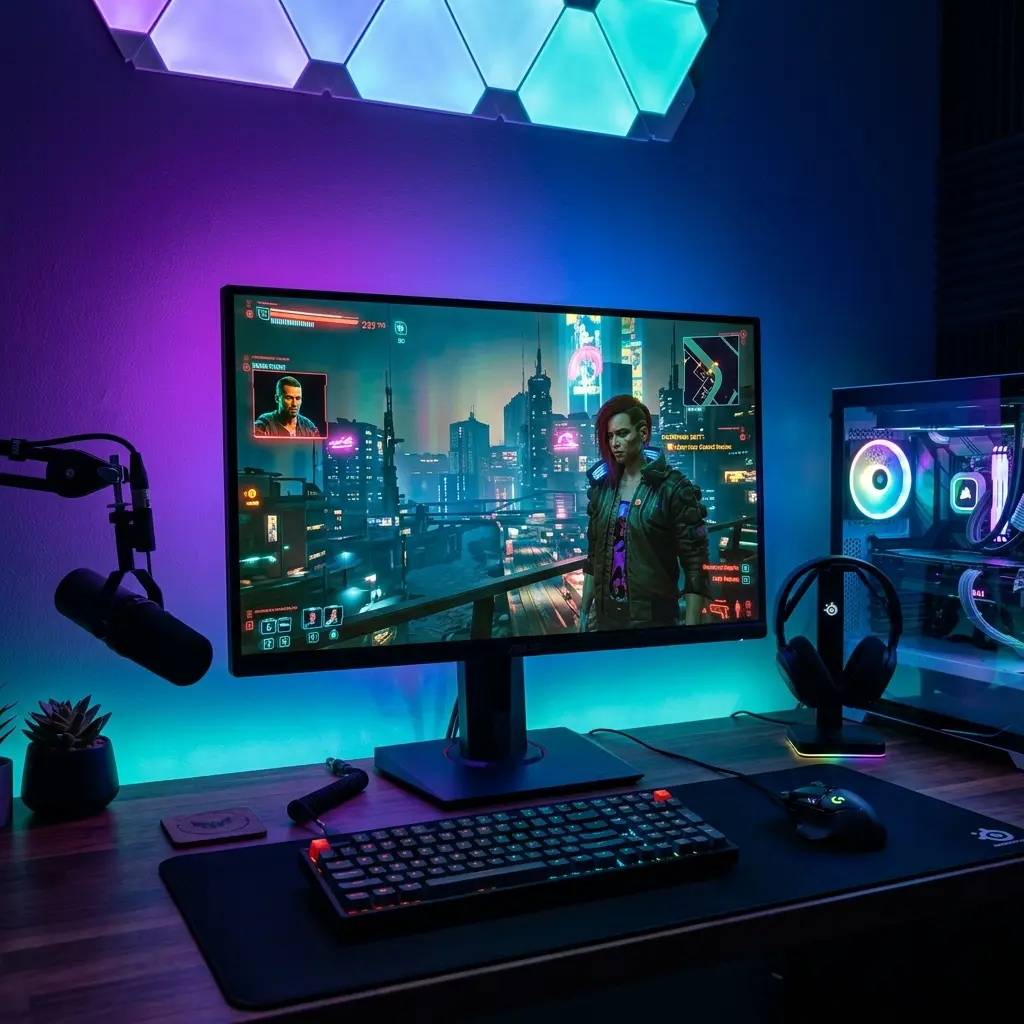
Upgrading to a 180Hz gaming monitor can provide noticeable improvements, especially for competitive gamers, but the benefits may vary based on individual needs.
Physical Aspects and Resolution
Most 180Hz monitors feature a resolution of 1920x1080 (Full HD) or 2560x1440 (QHD), catering to a range of gaming preferences.
Screen sizes typically range from 24 to 32 inches, allowing gamers to select based on desk space and personal preference.
Performance and Technology
Both 165Hz and 180Hz monitors utilize advanced panel technologies, including IPS and TN, impacting color accuracy and response times.
While 165Hz monitors offer a fluid experience, 180Hz models can provide even smoother performance during fast-paced gaming scenarios.
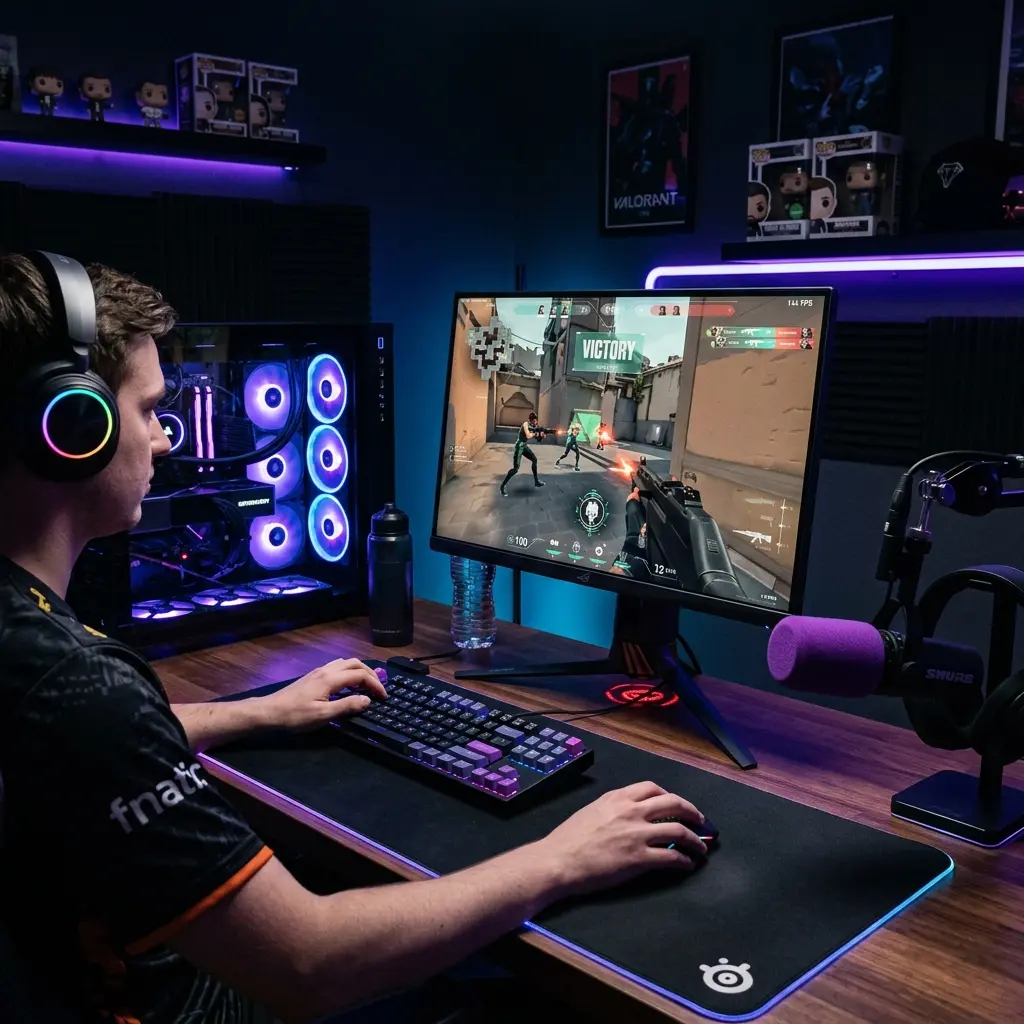
Ergonomics and Visual Comfort
Most high-refresh-rate monitors come equipped with adjustable stand features, including height, tilt, and swivel adjustments.
Flicker-free technology and blue light filters enhance visual comfort, reducing eye strain during extended gaming sessions.
| Feature | 165Hz Monitor | 180Hz Monitor |
|---|---|---|
| Refresh Rate | 165Hz | 180Hz |
| Response Time | 1ms to 3ms | 1ms to 2ms |
| Panel Type | IPS/TN | IPS/TN |
| Adaptive Sync | FreeSync/G-Sync | FreeSync/G-Sync |
| Price Range | $200 - $400 | $250 - $500 |
Materials and Durability
High-quality monitors are typically constructed with robust plastic or metal frames, enhancing durability and stability.
VESA mount compatibility allows for flexible mounting options, improving overall ergonomics and workspace efficiency.
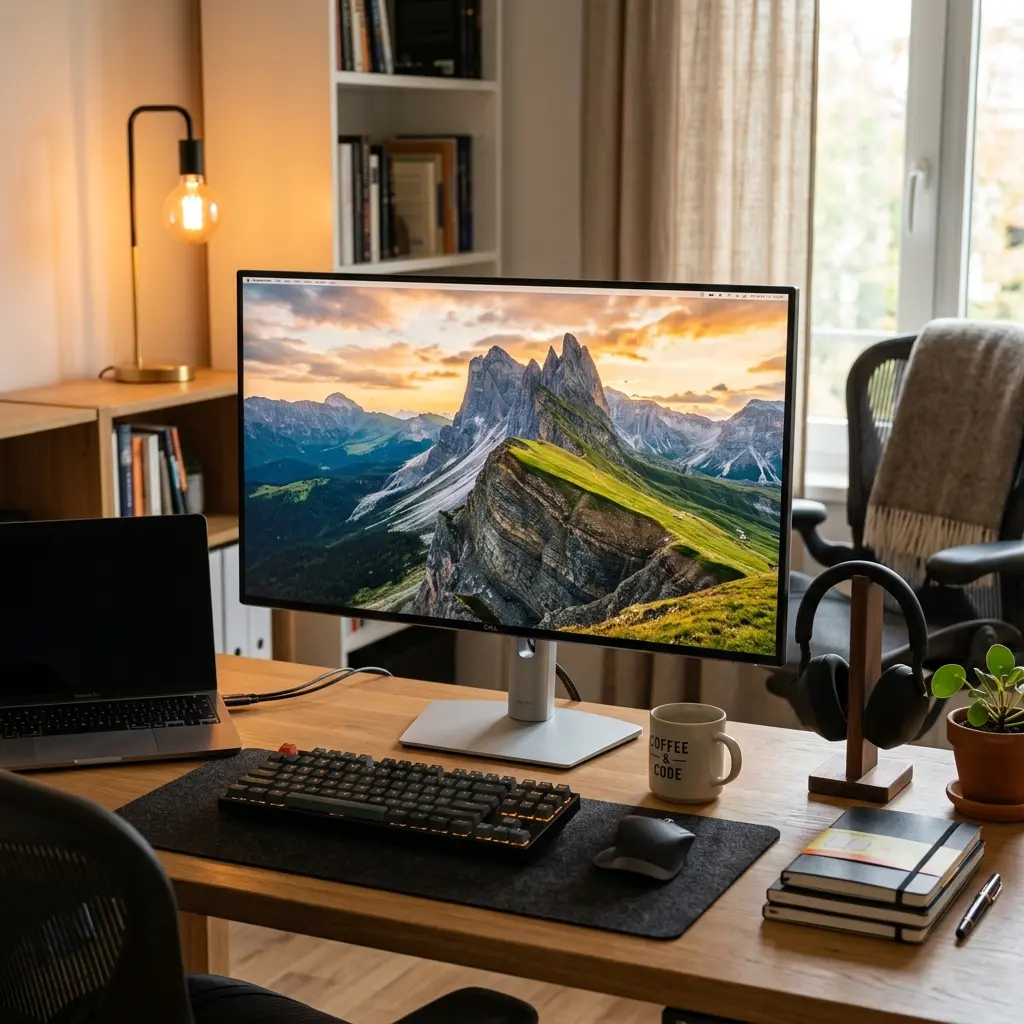
DomineTec Tip: Ensure proper monitor height and distance to enhance visual comfort and reduce neck strain during prolonged gaming sessions.
Buying Recommendations and Brands
Popular brands for 180Hz monitors include ASUS, Acer, and Dell, known for their reliable performance and advanced features.
Consider models like the ASUS ROG Swift PG259QN or the Acer Predator X25 for exceptional gaming experiences.
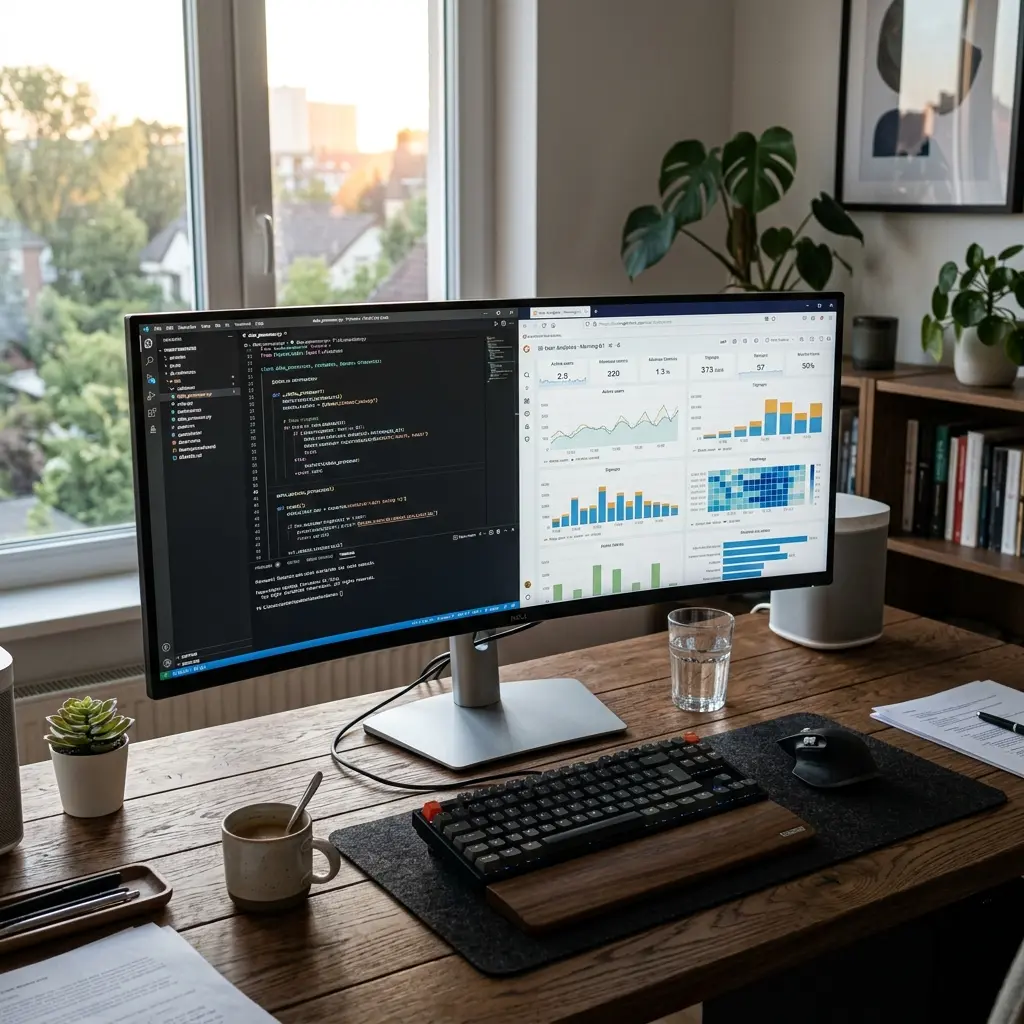
- Assess gaming needs: Determine if competitive gaming or casual play is the priority.
- Evaluate screen size and resolution preferences.
- Consider panel technology: IPS for color accuracy or TN for speed.
- Check for adaptive sync technology compatibility.
- Review ergonomic features and build quality.
Value Analysis and Verdict
The transition from 165Hz to 180Hz may not be substantial for every gamer, but competitive players can benefit from the increased fluidity.
Ultimately, the decision should factor in individual gaming styles, budget, and usage scenarios.
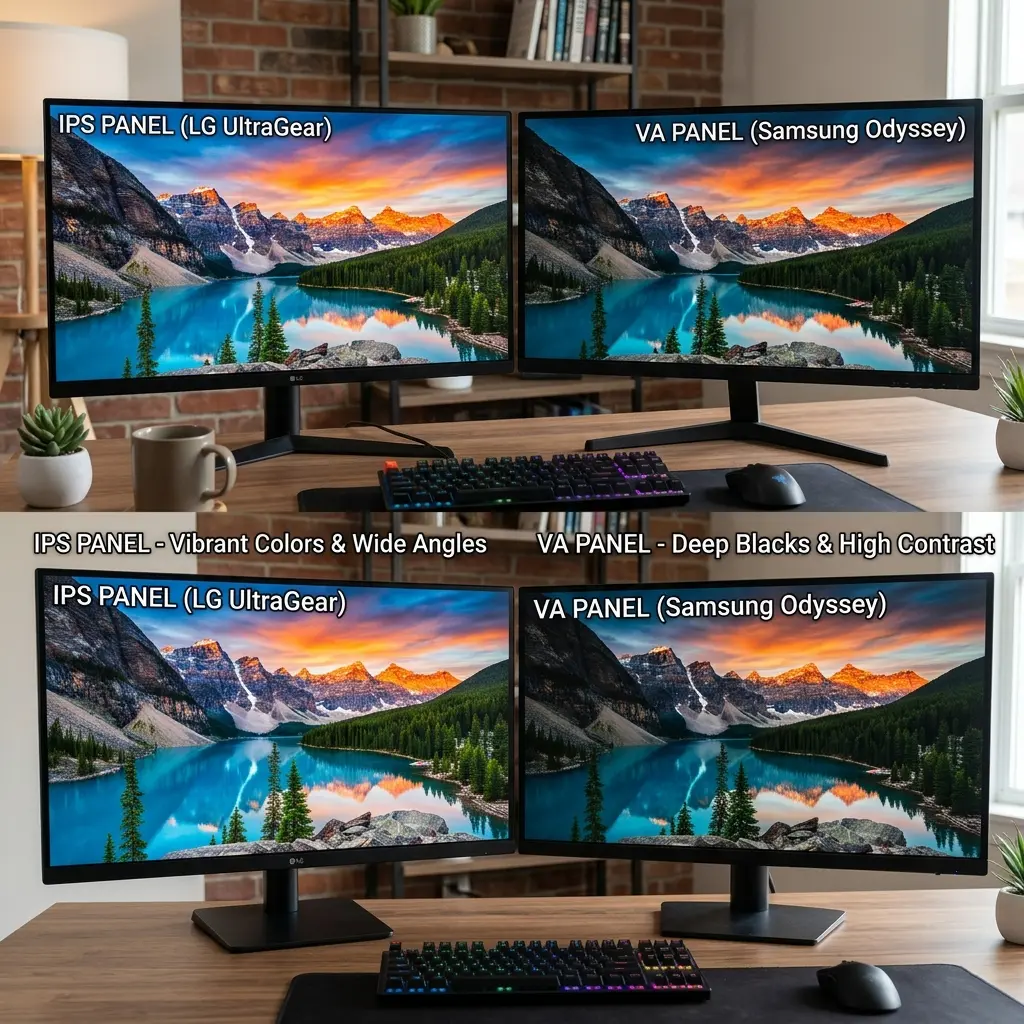
Color Accuracy and Calibration
Color accuracy is a critical factor for gaming monitors, especially for gamers who also engage in content creation. Monitors with high refresh rates, such as 180Hz, often incorporate advanced color technologies that enhance the visual experience.
Many 180Hz monitors come factory-calibrated, offering impressive color fidelity right out of the box. For those seeking the best possible visual quality, utilizing calibration tools can help achieve precise color reproduction tailored to individual preferences.
Moreover, technologies like HDR (High Dynamic Range) are becoming increasingly popular in 180Hz monitors, providing deeper contrasts and a wider color gamut. This allows for a more immersive gaming experience, making colors appear more vivid and realistic.
Gamers should consider monitors that support various color spaces, such as sRGB and Adobe RGB, to ensure compatibility with different gaming scenarios and multimedia applications. A monitor with excellent color accuracy can significantly enhance gameplay and visual enjoyment.
Adaptive Sync Technologies
Adaptive sync technologies, such as NVIDIA G-Sync and AMD FreeSync, are essential for smoother gameplay, especially at higher refresh rates like 180Hz. These technologies help eliminate screen tearing and stuttering, providing a more fluid gaming experience.
Monitors equipped with G-Sync or FreeSync dynamically adjust the refresh rate to match the frame rate output by the graphics card. This synchronization minimizes lag and enhances responsiveness, which is crucial in fast-paced gaming scenarios.
When selecting a 180Hz monitor, gamers should verify compatibility with their graphics card. Choosing a monitor that supports the same adaptive sync technology as the GPU can significantly enhance performance and visual quality.
Additionally, some monitors now offer variable refresh rates even in non-gaming settings, improving general computing experiences. This versatility makes adaptive sync technologies a worthwhile feature to consider in a gaming monitor.
Input Lag and Response Time
Input lag and response time are critical metrics that determine the overall performance of a gaming monitor. Input lag refers to the delay between a user's action and the corresponding on-screen response, while response time measures how quickly a pixel can change from one color to another.
180Hz monitors typically boast lower input lag, allowing gamers to react quickly in competitive environments. A monitor with a refresh rate of 180Hz can deliver a more instantaneous experience compared to lower refresh rates, making it advantageous for fast-paced gaming genres.
Response times, often measured in milliseconds, are equally important. Monitors with a 1ms response time are ideal, as they significantly reduce motion blur and ghosting effects during gameplay. Ensuring that both input lag and response time are optimized is essential for achieving peak gaming performance.
Gamers should pay attention to these specifications when choosing a 180Hz monitor, as they can greatly influence in-game performance. A monitor with low input lag and fast response times can provide a competitive edge in multiplayer scenarios.
Connection Options and Compatibility
Connection options are vital for ensuring compatibility between the gaming monitor and various devices. A 180Hz monitor should ideally feature multiple input ports, including HDMI 2.1 and DisplayPort 1.4, to support high refresh rates and resolutions.
HDMI 2.1 is particularly noteworthy, as it supports higher bandwidth and allows for 4K gaming at 120Hz or even 180Hz under certain conditions. DisplayPort 1.4, on the other hand, can handle multiple high-resolution displays and offers better performance for gaming setups.
Moreover, gamers should also consider the ease of switching between devices. Monitors equipped with Picture-in-Picture (PiP) or Picture-by-Picture (PbP) features can facilitate multitasking by allowing users to connect and view content from multiple devices simultaneously.
Understanding the connectivity options available ensures that gamers can maximize the performance of their gaming setup. Compatibility with a range of devices is essential for an optimal gaming experience, especially for those who frequently switch between consoles and PCs.
Gaming Features and Customization
Many 180Hz monitors come packed with gaming features and customization options that enhance the overall gaming experience. Features like customizable crosshairs, on-screen timers, and FPS counters can provide additional functionality for competitive gamers.
Some monitors also include game modes that optimize settings for specific genres, such as first-person shooters or racing games. These presets can adjust brightness, contrast, and color settings to better suit the gameplay, enhancing visual clarity and immersion.
Additionally, many monitors allow users to customize their color profiles and settings. This flexibility enables gamers to tailor the visual experience according to their preferences, ensuring that the monitor performs optimally under various gaming conditions.
Investing in a monitor with robust gaming features and customization options can lead to an improved gameplay experience. Gamers who value personalization will find these features particularly beneficial for maximizing their performance during competitive play.
Cooling and Power Management
Cooling and power management are often overlooked aspects when considering gaming monitors, yet they play a crucial role in performance and longevity. High refresh rate monitors, like 180Hz models, can generate considerable heat, necessitating efficient cooling solutions.
Many manufacturers have implemented advanced cooling technologies to prevent overheating and maintain optimal performance. Features such as improved airflow and heat dissipation ensure that the monitor operates efficiently, even during extended gaming sessions.
Power management is equally important, especially for gamers seeking energy-efficient options. Monitors that come with power-saving modes can significantly reduce energy consumption without compromising performance, which is beneficial for both the environment and the user's electricity bill.
By considering cooling and power management features, gamers can ensure their monitor remains reliable and efficient over time. A well-designed cooling system not only enhances performance but also extends the lifespan of the monitor.
Future-Proofing and Longevity
When investing in a 180Hz gaming monitor, future-proofing is a significant consideration. The rapid advancements in gaming technology mean that monitors must keep pace to remain relevant and effective in delivering high-quality experiences.
Choosing a monitor with the latest technologies, such as HDMI 2.1 and DisplayPort 1.4, ensures compatibility with upcoming gaming consoles and PCs that can support higher refresh rates and resolutions. This foresight can help extend the monitor's usability over several years.
Additionally, monitors that support firmware updates can improve longevity by allowing users to benefit from new features and performance enhancements as they become available. This adaptability is crucial for gamers who wish to maintain a competitive edge.
In summary, investing in a monitor designed with future-proofing in mind can yield long-term benefits. Gamers should prioritize features that not only meet current demands but also anticipate future developments in gaming technology.
Display Technology Innovations
Recent advancements in display technology have significantly influenced the gaming monitor market, particularly with the introduction of OLED and Mini-LED panels.
OLED monitors offer exceptional contrast ratios and vibrant colors, enhancing the overall gaming experience, while Mini-LED technology provides improved brightness and local dimming capabilities.
These innovations not only improve visual fidelity but also reduce motion blur, which is essential for fast-paced gaming environments.
As manufacturers continue to invest in these technologies, gamers can expect even more immersive experiences, making the choice between 165Hz and 180Hz monitors increasingly complex.
Competitive Gaming Considerations
For competitive gamers, every millisecond counts, and the difference in refresh rates can be crucial during high-stakes matches.
Upgrading from 165Hz to 180Hz may provide a slight edge in terms of responsiveness, leading to improved reaction times in fast-paced games.
Furthermore, a higher refresh rate can contribute to smoother gameplay, which is vital when competing against others in online arenas.
Ultimately, players looking to enhance their competitive edge should weigh the benefits of increased refresh rates against their gaming style and preferences.
Environmental Impact and Energy Efficiency
The impact of gaming monitors on energy consumption and environmental sustainability is an increasingly relevant consideration for consumers.
Higher refresh rate monitors, like 180Hz models, often consume more power, especially under peak performance conditions, compared to their 165Hz counterparts.
However, advancements in energy efficiency are being made, with many contemporary monitors incorporating features that reduce power usage during non-intensive tasks.
Consumers should evaluate the environmental implications of their purchase alongside performance metrics, as responsible choices can contribute to sustainability in the tech industry.
Smart Features and User Interface
Modern gaming monitors, especially those at 180Hz, often come equipped with smart features that enhance user experience. These features may include integrated game modes, customizable settings, and on-screen displays that provide real-time performance metrics.
Some monitors offer advanced user interfaces that allow gamers to switch between preset configurations quickly. This can be particularly beneficial in competitive gaming scenarios where quick adjustments can lead to improved performance.
Additionally, built-in software can facilitate firmware updates, allowing users to stay updated with the latest enhancements and fixes. This ensures that the monitor can adapt to new gaming technologies and standards as they emerge.
Accessibility features, such as voice commands or mobile app integration, are becoming more common, making it easier for gamers to control their monitor settings without disrupting their gameplay.
Market Trends and Pricing Dynamics
The gaming monitor market is constantly evolving, with pricing dynamics influenced by various factors such as technology advancements and consumer demand. The introduction of 180Hz monitors has created a competitive landscape where manufacturers are striving to balance performance with affordability.
As more players enter the market, consumers can expect better value for their money, with high-quality 180Hz monitors becoming available at a range of price points. This trend indicates that upgrading from 165Hz may soon become more accessible to a broader audience.
Moreover, seasonal sales events and promotional offers can significantly impact pricing, making it an opportune time for gamers to invest in new technology. Awareness of these trends can help consumers make informed purchasing decisions.
In the long run, the expansion of 180Hz monitors may lead to a standardization of higher refresh rates across various price categories, pushing the boundaries of gaming visual experiences even further.
Audio Synchronization and Immersion
In modern gaming, the synergy between audio and visual elements plays a critical role in enhancing player immersion. A higher refresh rate monitor, such as those at 180Hz, can offer smoother visuals that complement high-quality audio systems, creating a more cohesive gaming experience.
Many gamers overlook the importance of audio synchronization when upgrading their monitors. Utilizing technologies like Dolby Atmos or DTS:X in conjunction with a high-refresh-rate display can provide an enveloping sound environment that enhances situational awareness in competitive gaming scenarios.
Moreover, certain gaming monitors come equipped with built-in speakers designed to complement their visual performance. While external audio systems typically provide superior sound quality, integrated speakers can still contribute to a more immersive experience, particularly in casual gaming.
Gamers should consider investing in headsets that offer low latency to ensure that audio cues align closely with the on-screen action. This alignment is critical in fast-paced games, where fractions of a second can determine victory or defeat.
Gaming Ecosystem Integration
As gaming technology evolves, the integration between various components of a gaming ecosystem becomes increasingly important. A 180Hz monitor can seamlessly integrate with gaming consoles and high-performance PCs, enhancing the overall gaming experience.
Many modern gaming monitors support features like Game Mode, which optimizes settings for different genres, ensuring that visuals and performance are tailored to the specific requirements of each title. This level of customization can greatly enhance gameplay, particularly in competitive environments.
Furthermore, the compatibility of a 180Hz monitor with various gaming peripherals, such as high-DPI mice and mechanical keyboards, can significantly improve user experience. The synchronization of frame rates and input responsiveness is crucial for achieving peak performance.
Finally, cloud gaming services are becoming more prevalent, and having a high-refresh-rate monitor can enhance the experience of streaming games. While latency can still be a concern, a 180Hz display can help to mitigate some of the sluggishness that can arise from cloud gaming, providing a more fluid visual experience.
Frequently Asked Questions
Is a 180Hz monitor better for competitive gaming?
Yes, a 180Hz monitor can deliver smoother visuals, improving reaction times and overall gaming performance.
What is the difference between IPS and TN panels?
IPS panels offer better color accuracy and viewing angles, while TN panels typically provide faster response times.
Do I need a powerful GPU for a 180Hz monitor?
A powerful GPU is recommended to fully utilize the capabilities of a 180Hz monitor, especially at higher resolutions.
Can 180Hz monitors support FreeSync or G-Sync?
Many 180Hz monitors support both FreeSync and G-Sync, which help eliminate screen tearing and improve gameplay smoothness.
Are there any downsides to upgrading to a 180Hz monitor?
The primary downside may be the cost, as 180Hz monitors are generally more expensive than their 165Hz counterparts.




