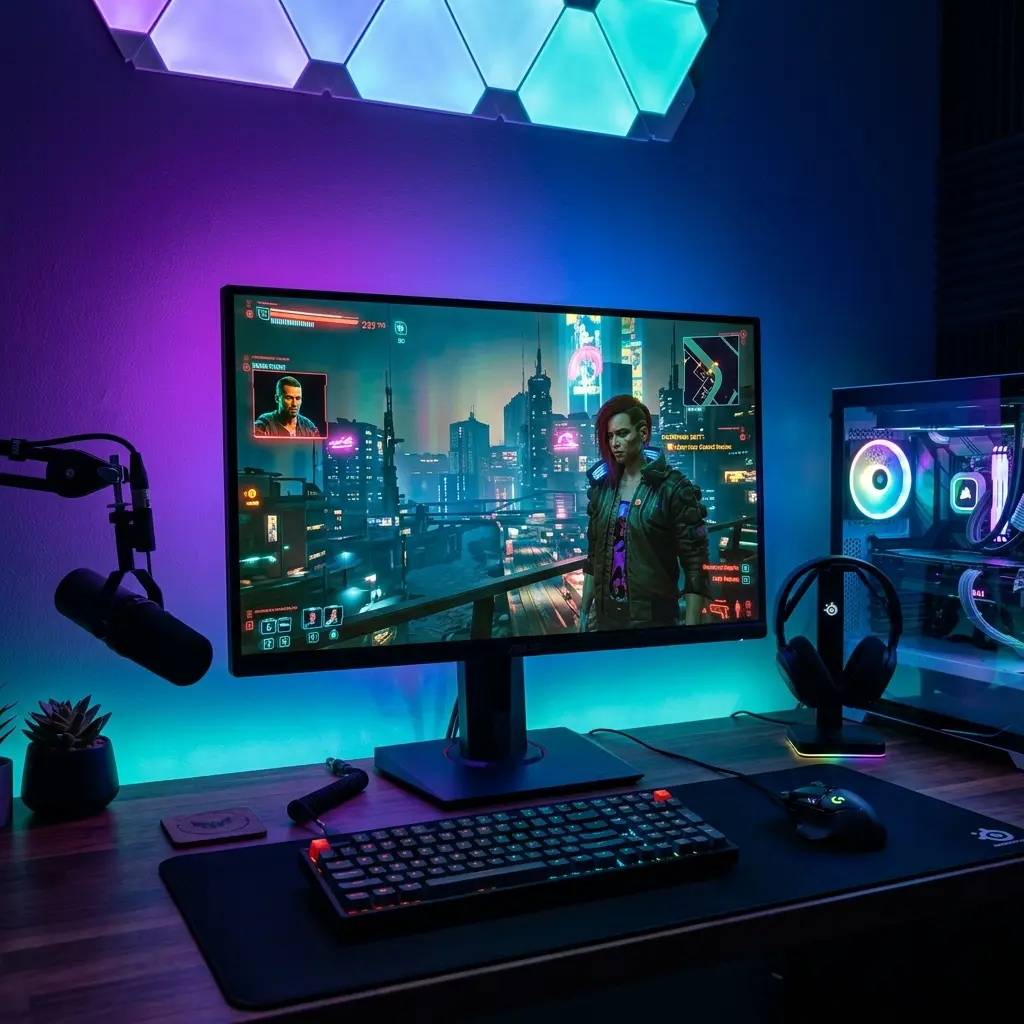
Discover the best 165Hz gaming monitors that offer exceptional value in the mid-range category.
Physical Aspects and Resolution
Most 165Hz gaming monitors feature a 27-inch size, delivering an ideal balance between immersive gameplay and desk space efficiency.
Common resolutions include 1920x1080 (Full HD) and 2560x1440 (QHD), providing a clear and sharp image for dynamic gaming experiences.
Performance and Technology
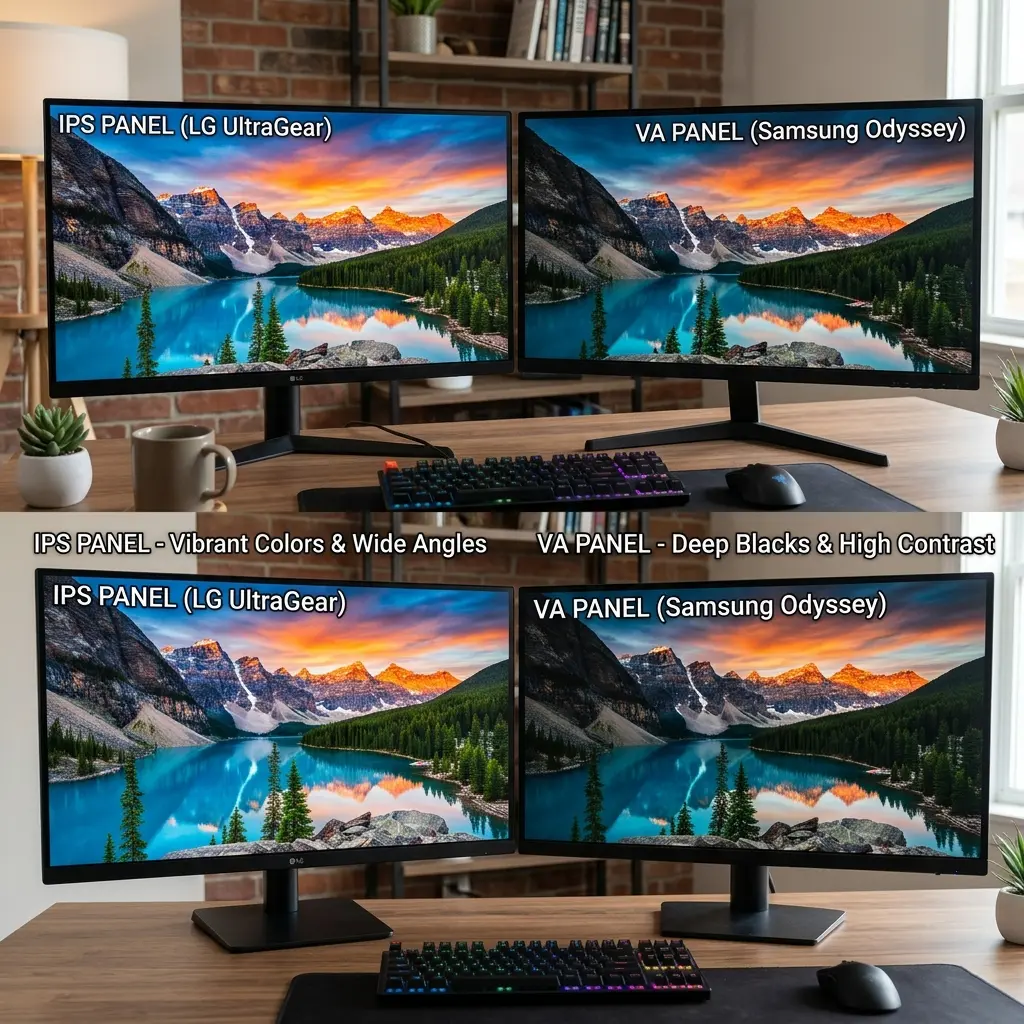
Many models utilize IPS or VA panel technology, ensuring vibrant colors and excellent contrast ratios.
Adaptive sync technologies like G-Sync or FreeSync enhance the gaming experience by reducing screen tearing and input lag.
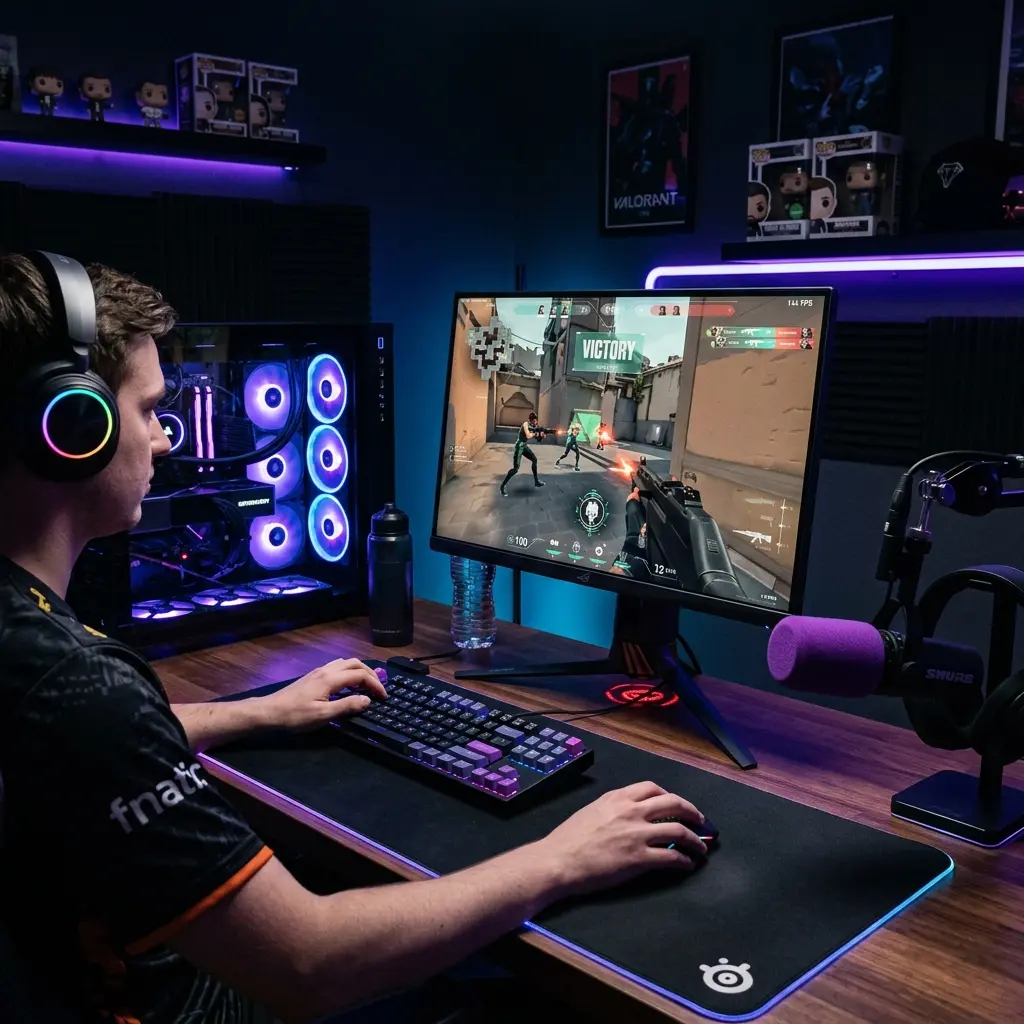
Ergonomics and Visual Comfort
Adjustable stands, VESA compatibility, and blue light filters contribute to user comfort during prolonged gaming sessions.
Curved monitors are also available, offering a more immersive viewing experience and reducing eye strain.
| Monitor Model | Panel Type | Resolution | Response Time | Price |
|---|---|---|---|---|
| Acer Nitro VG271U | IPS | 2560x1440 | 1ms | $299 |
| MSI Optix MAG272CQR | VA | 2560x1440 | 1ms | $349 |
| ViewSonic XG270 | IPS | 1920x1080 | 1ms | $249 |
Materials and Durability
Monitors in this category are typically constructed with high-quality plastics and metals, enhancing their longevity.
Screen coatings often feature anti-glare properties, protecting against reflections and improving visibility in various lighting conditions.

DomineTec Tip: Adjust the monitor height to eye level to maintain a neutral neck position and enhance visual comfort.
Buying Recommendations and Brands
Reputable brands such as ASUS, Acer, and Dell provide reliable warranty periods and customer support for their monitors.
Consideration should also be given to user reviews and professional tests to ensure the monitor meets individual gaming needs.

- Identify desired screen size and resolution.
- Research brand reputation and warranty options.
- Compare panel technologies for color accuracy and response time.
- Evaluate ergonomic features for prolonged use.
- Check for additional features like adaptive sync.
Value Analysis and Verdict
Mid-range 165Hz monitors provide a compelling balance of performance and affordability, making them ideal for competitive gamers.
Investing in a quality monitor significantly enhances the overall gaming experience, justifying the cost for serious enthusiasts.
Color Accuracy and Calibration
Color accuracy is crucial for gamers who want a visually immersive experience. Monitors that deliver precise colors can enhance gameplay, making it more vibrant and lifelike.
Many 165Hz gaming monitors come factory-calibrated, but users may want to perform additional calibration to meet personal preferences. Tools like colorimeters can help achieve the most accurate color representation.
Look for monitors that cover a wide color gamut, such as sRGB, Adobe RGB, or DCI-P3. A wider color range can result in more vibrant images and better overall visual quality.
Additionally, features such as HDR (High Dynamic Range) support can further enhance color depth and contrast, allowing for a more dynamic visual experience in games.
Input Lag and Response Time
Input lag and response time are critical factors in gaming performance. A lower input lag ensures that your actions are reflected on-screen almost instantaneously, which is vital for competitive gaming.
Most 165Hz monitors feature a response time of 1ms to 3ms, which is ideal for fast-paced games. This quick response time minimizes motion blur and ghosting, providing a clearer image during rapid movements.
When selecting a monitor, consider not only the stated response time but also the technology used, such as TN (Twisted Nematic) or IPS (In-Plane Switching) panels, as these can affect performance significantly.
Players should also check for features like Gaming Mode, which can optimize settings further to reduce input lag and enhance responsiveness during critical moments in gameplay.
Connectivity Options and Compatibility
Connectivity options are essential for ensuring compatibility with various devices. A gaming monitor should offer multiple input ports, such as HDMI, DisplayPort, and USB-C, to accommodate different gaming setups.
Some monitors feature advanced connectivity options, such as HDMI 2.1, which supports higher bandwidth for 4K gaming at 120Hz or even 165Hz, making them future-proof for next-gen gaming consoles.
Additionally, consider the presence of USB hubs on the monitor for convenient access to peripherals. Having multiple USB ports can streamline your gaming setup by reducing cable clutter.
Check for compatibility with adaptive sync technologies like NVIDIA G-SYNC or AMD FreeSync, as these can enhance gaming performance by reducing screen tearing and stuttering during gameplay.
Design and Aesthetic Appeal
The design of a gaming monitor can significantly impact the overall gaming setup. Many gamers prefer monitors that feature sleek, modern aesthetics, often with RGB lighting to complement their gaming rigs.
Thin bezels are increasingly popular, as they allow for a more immersive multi-monitor setup and a cleaner look. A well-designed monitor can enhance the visual appeal of any gaming space.
Some models also include customizable RGB lighting, which can synchronize with other gaming peripherals and create an engaging atmosphere during gameplay.
Consider the overall footprint of the monitor, as a compact design may be essential for smaller gaming spaces, while larger screens may offer a more immersive experience.
Gaming Features and Customization
Many 165Hz gaming monitors come equipped with features specifically designed for gamers. These can include customizable crosshairs, frame rate counters, and on-screen timers that enhance gameplay experience.
Some monitors offer built-in FPS (frames per second) counters, allowing gamers to monitor performance in real-time. This feature is useful for optimizing settings and ensuring smooth gameplay.
Additionally, many gaming monitors include software that allows for customization of color profiles, overclocking settings, and other performance parameters, ensuring that users can tailor their experience to their preferences.
Consider monitors with pre-set gaming modes that optimize settings for different genres of games, such as FPS, RPG, or racing, which can enhance gameplay through tailored visual settings.
Environmental Considerations and Energy Efficiency
As gaming technology evolves, so does the emphasis on environmental sustainability. Many manufacturers are now focusing on producing energy-efficient monitors that consume less power while maintaining performance.
Look for monitors with Energy Star certification or similar ratings, which indicate compliance with energy efficiency standards. These monitors can help reduce electricity bills over time.
Another aspect to consider is the use of eco-friendly materials in monitor construction. Some brands are committed to sustainability by minimizing plastic use and sourcing materials responsibly.
Additionally, features like automatic brightness adjustment can contribute to energy savings, as they adapt to ambient light conditions, ensuring optimal power consumption during use.
Customer Support and Warranty
Reliable customer support is an essential aspect of purchasing a gaming monitor. Look for brands that offer comprehensive support options, including online resources, live chat, and phone assistance.
Warranty terms are also crucial; a longer warranty period often reflects the manufacturer's confidence in their product's durability and performance. A good warranty can provide peace of mind for potential issues.
Some manufacturers offer advanced replacement options, which can be beneficial in case of defects, allowing users to receive a replacement monitor quickly without long downtimes.
Customer reviews can provide valuable insights into a brand’s support responsiveness and effectiveness, helping potential buyers make informed decisions based on real-world experiences.
Adaptive Sync Technologies
Adaptive Sync technologies, such as NVIDIA G-Sync and AMD FreeSync, play a crucial role in enhancing the gaming experience on 165Hz monitors.
These technologies reduce screen tearing and stuttering by synchronizing the monitor's refresh rate with the frame rate of the graphics card.
Investing in a monitor that supports these technologies can lead to smoother gameplay and improved visual coherence during fast-paced action scenes.
It is essential to check compatibility with your graphics card before making a purchase to fully utilize these advantages.
Gaming Ecosystem Compatibility
When selecting a 165Hz gaming monitor, it is vital to consider its compatibility with your existing gaming ecosystem.
This includes assessing whether the monitor can seamlessly integrate with your gaming console, PC, or any additional peripherals you may have.
Compatibility ensures that features like HDR, adaptive sync, and high refresh rates function optimally across different platforms.
Furthermore, verifying compatibility with various gaming setups can enhance the overall user experience and prevent potential technical issues.
Sound Quality and Built-in Features
While gaming monitors primarily focus on visual performance, sound quality should not be overlooked.
Some 165Hz monitors come equipped with built-in speakers, offering a convenient option for users who prefer not to invest in external audio solutions.
However, the sound quality of built-in speakers is often subpar compared to dedicated audio systems, making external sound systems a worthwhile investment for serious gamers.
Additionally, features like headphone jacks and audio pass-through can contribute to a more immersive gaming experience.
Long-Term Investment and Future-Proofing
Purchasing a 165Hz gaming monitor should be viewed as a long-term investment in your gaming setup.
As technology continues to advance, opting for a monitor with robust features can ensure it remains relevant for several years.
Considerations such as future graphics card upgrades and evolving gaming standards can impact your choice, emphasizing the importance of selecting a monitor with flexibility and adaptability.
Choosing a higher quality model can also enhance your gaming experience and satisfaction, making it a wise investment over time.
Calibration Tools and Software Integration
Many modern gaming monitors come with built-in calibration tools that allow users to fine-tune their display settings for optimal performance.
These tools often include presets for different gaming genres, enabling players to switch configurations based on their specific needs.
Additionally, some monitors support third-party calibration software, which can provide even greater control over color accuracy and brightness levels.
Users should consider monitors that offer user-friendly calibration options to enhance their gaming experience and achieve the best visuals possible.
Gaming Community Feedback and Reviews
Community feedback plays a significant role in helping potential buyers choose the right gaming monitor, as real-world experiences provide valuable insights.
Online forums and review websites allow gamers to share their opinions on performance, durability, and overall satisfaction with specific models.
Paying attention to customer reviews can reveal common issues or standout features that may not be highlighted in professional reviews.
Engaging with the gaming community can help buyers make informed decisions, ensuring they select a monitor that meets their gaming requirements.
Refresh Rate and Frame Rate Synchronization
The refresh rate of a monitor, particularly 165Hz, significantly impacts the gaming experience, providing smoother visuals and reducing motion blur. This higher refresh rate is especially beneficial in fast-paced gaming genres such as first-person shooters and racing games, where every frame counts.
Frame rate synchronization is crucial for maximizing the benefits of high refresh rates. Technologies like V-Sync, G-Sync, and FreeSync help to minimize screen tearing and stuttering, ensuring that the graphics card and monitor are in sync, which enhances overall gameplay fluidity.
For gamers, achieving a stable frame rate that matches or exceeds the monitor's refresh rate can drastically improve competitiveness. Players often seek monitors that not only boast high refresh rates but also feature adaptive sync technologies to handle variable frame rates without sacrificing visual quality.
In practice, a 165Hz monitor paired with a capable graphics card allows gamers to experience high frame rates, making it easier to react quickly to in-game events. This synergy contributes to a more immersive gaming experience, where players can enjoy the full potential of their gaming hardware.
Gaming Aesthetics and Personalization
The aesthetic appeal of a gaming monitor goes beyond functionality; it plays a vital role in creating an engaging gaming environment. Many modern 165Hz monitors come with customizable RGB lighting, allowing users to sync their monitor's colors with the rest of their gaming setup, enhancing visual immersion.
Personalization options extend to on-screen overlays and user interface settings, enabling gamers to tailor their display to match their unique preferences. Features such as customizable crosshairs, frame rate counters, and other overlays can provide crucial information without detracting from the gameplay experience.
Furthermore, the physical design of these monitors often includes sleek bezels and adjustable stands, allowing gamers to create a visually cohesive and ergonomic workspace. This attention to design detail can make a significant difference in user satisfaction, as a well-designed setup contributes positively to the overall gaming experience.
As gaming culture continues to evolve, aesthetics and personalization are becoming increasingly important. Gamers are not only looking for performance but also for products that reflect their style and enhance their gaming space, making aesthetic considerations an integral part of the purchasing decision.
Panel Types and Their Impact on Gaming Experience
When choosing a 165Hz gaming monitor, understanding the different panel types can significantly impact the overall gaming experience. The three most common panel types are IPS, TN, and VA, each offering distinct advantages and disadvantages. IPS panels are renowned for their superior color accuracy and wider viewing angles, making them ideal for gamers who prioritize visual fidelity and immersive gameplay.
On the other hand, TN panels are often favored for their incredibly fast response times, making them suitable for competitive gaming environments where every millisecond counts. However, they tend to suffer from poorer color reproduction and limited viewing angles compared to IPS. VA panels sit between the two, offering good contrast ratios and decent response times, although they may not match the speed of TN or the color accuracy of IPS.
Additionally, the choice of panel type can affect other gaming aspects, such as brightness and ghosting. For instance, while IPS panels may excel in color performance, they may not reach the same peak brightness as some VA panels, which can affect visibility in brightly lit environments. Gamers should carefully consider these factors based on their gaming preferences and typical environments.
Ultimately, the decision on panel type should align with the specific needs of the gamer, whether it’s competitive play, casual gaming, or content creation. Each panel type presents its own set of trade-offs that can enhance or detract from the gaming experience, thus making it crucial to choose wisely.
Future Trends in Gaming Monitor Technology
The gaming monitor industry is rapidly evolving, with new technologies and features continuously emerging to enhance user experience. One of the most significant trends is the integration of Mini-LED and OLED technologies, which promise improved contrast ratios and color accuracy. Mini-LED backlighting, for instance, allows for better local dimming and higher brightness levels, making games look more vibrant and lifelike.
Moreover, the introduction of higher resolutions and refresh rates is becoming more common, with 4K at 165Hz becoming a sought-after combination for high-end gaming. As GPUs continue to advance, monitors that can support these high resolutions at fast refresh rates will become essential for gamers seeking the ultimate visual experience.
Another notable trend is the increasing adoption of smart features in gaming monitors, such as built-in streaming capabilities and customizable game modes. These features allow gamers to streamline their setup, reducing the need for additional hardware while enhancing gameplay through tailored settings. This shift towards multifunctional monitors reflects a broader trend in the gaming ecosystem, where convenience and performance go hand in hand.
Lastly, sustainability is becoming more relevant in gaming monitor design, with manufacturers focusing on eco-friendly materials and energy-efficient technologies. As gamers become more environmentally conscious, the demand for monitors that align with these values will likely grow, influencing future developments in the industry.
Frequently Asked Questions
What is the benefit of a 165Hz refresh rate?
A 165Hz refresh rate results in smoother motion and improved responsiveness in fast-paced games.
Is a 165Hz monitor suitable for console gaming?
While most consoles support up to 120Hz, a 165Hz monitor can still offer a better experience for compatible games.
How important is panel type in gaming monitors?
Panel type affects color accuracy and response time, with IPS panels providing better visuals and VA panels offering deeper contrasts.
Can a 165Hz monitor be used for productivity?
Yes, a 165Hz monitor can enhance productivity by providing a clearer and smoother display for multitasking and media editing.
What should be considered when buying a gaming monitor?
Factors such as refresh rate, resolution, panel type, and ergonomics should be evaluated to match specific gaming needs.




