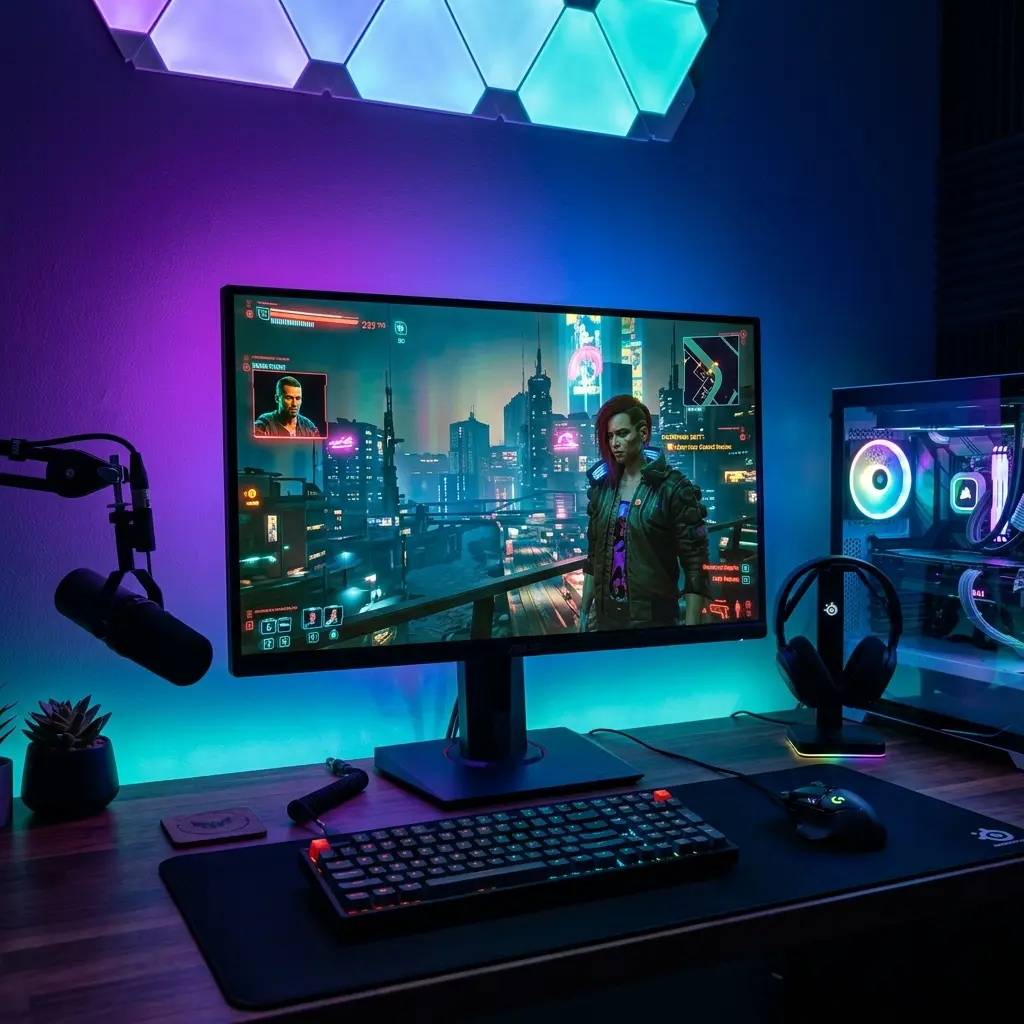
The best 144Hz gaming monitors enhance competitive play with superior refresh rates, response times, and visual clarity.
Physical Aspects and Resolution
144Hz gaming monitors typically feature a resolution of 1920x1080 (Full HD) or 2560x1440 (QHD), balancing performance with visual fidelity.
Screen sizes range from 24 to 32 inches, with panel types including TN, IPS, and VA, each providing different viewing experiences.
Performance and Technology
Response times for competitive gaming monitors usually lie between 1ms and 5ms, crucial for fast-paced action.
Adaptive sync technologies like NVIDIA G-Sync and AMD FreeSync reduce screen tearing and enhance gameplay fluidity.
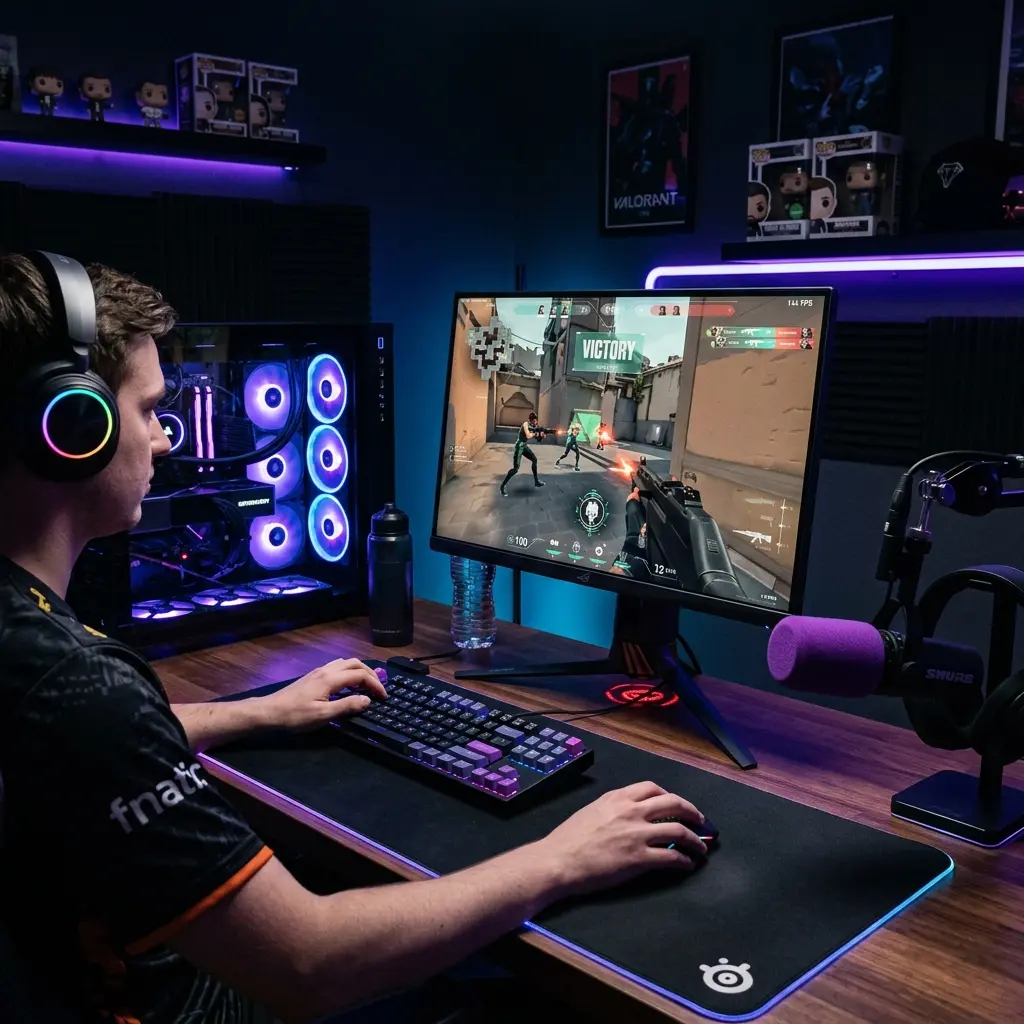
Ergonomics and Visual Comfort
Adjustable stands allow customization of height, tilt, and swivel, promoting ergonomic posture during extended gaming sessions.
Flicker-free technology and blue light filters are essential for reducing eye strain during prolonged use.
| Model | Resolution | Refresh Rate | Response Time | Panel Type |
|---|---|---|---|---|
| Acer Nitro VG271 | 1920x1080 | 144Hz | 1ms | IPS |
| ASUS ROG Swift PG259QN | 1920x1080 | 360Hz | 1ms | IPS |
| Samsung Odyssey G7 | 2560x1440 | 240Hz | 1ms | VA |
| LG 27GN950-B | 3840x2160 | 144Hz | 1ms | IPS |
Materials and Durability
High-quality materials, such as aluminum and reinforced plastics, enhance the durability and aesthetics of gaming monitors.
Long-lasting LED backlighting is commonly used, ensuring consistent brightness levels over time.

DomineTec Tip: Ensure proper monitor height to maintain a neutral neck position, which helps reduce fatigue during long gaming sessions.
Buying Recommendations and Brands
Brands like ASUS, Acer, and Dell consistently produce high-quality monitors tailored for competitive gaming.
Consider specifications, warranty, and customer support when choosing the right model for gaming needs.
- Identify desired screen size and resolution.
- Evaluate adaptive sync technology compatibility.
- Check response time and refresh rate specifications.
- Research user reviews and reliability ratings.
- Compare prices across different retailers for the best deal.
Value Analysis and Verdict
Investing in a high-quality 144Hz gaming monitor enhances competitive gameplay, providing a significant advantage in fast-paced environments.
Consider long-term usability and potential upgrades when making a purchase decision.
Color Accuracy and Reproduction
Color accuracy is crucial for competitive gaming, as it affects how players perceive their environment and opponents.
Monitors with high color fidelity allow for better differentiation between similar shades, enhancing the overall gaming experience.
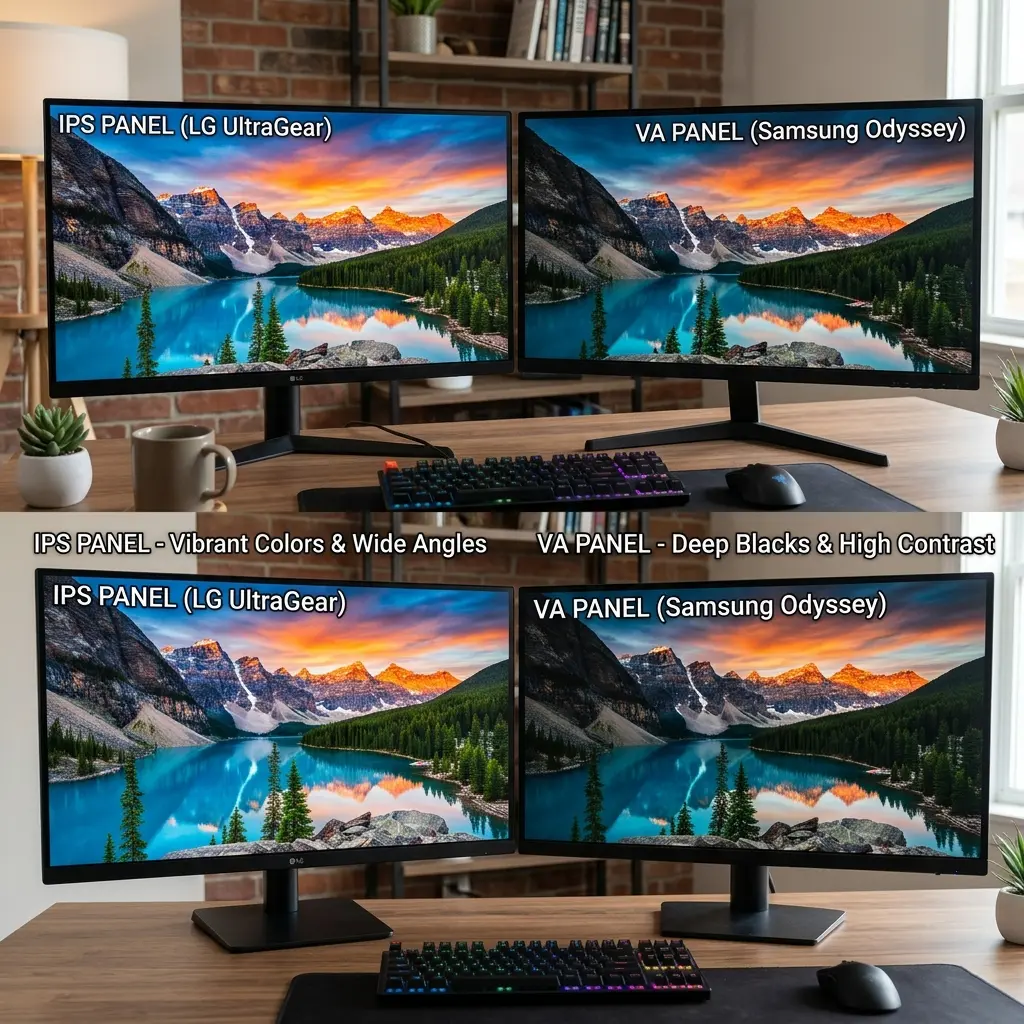
Many 144Hz monitors are equipped with IPS panels, known for superior color reproduction compared to TN panels.
This technology provides a wider color gamut and more consistent colors across different viewing angles.
Calibration options are essential for achieving optimal color accuracy, with some monitors coming factory-calibrated.
Look for monitors that support high color reproduction standards like sRGB, AdobeRGB, or DCI-P3 for a visual edge.
Adaptive Sync Technologies
Adaptive sync technologies such as NVIDIA G-Sync and AMD FreeSync are integral to the performance of 144Hz gaming monitors.
These technologies help eliminate screen tearing and stuttering, providing a smoother gaming experience.
G-Sync works exclusively with NVIDIA graphics cards, synchronizing the monitor’s refresh rate with the GPU's frame output.
FreeSync is compatible with a wider range of graphics cards, making it a popular choice among gamers.
When choosing a monitor, consider which adaptive sync technology best suits your hardware setup.
Response Time and Input Lag
Response time and input lag are critical specifications for competitive gaming monitors, impacting how quickly images are rendered.
A lower response time minimizes motion blur, ensuring fast-moving elements appear sharp and clear.
Most 144Hz monitors boast response times of 1ms to 3ms, suitable for high-paced games.
Input lag, the delay between a player's action and the corresponding response on the screen, should be below 20ms for competitive play.
Pay attention to both response time and input lag specifications when shopping for a monitor.
Connectivity Options and Compatibility
Connectivity options play a vital role in ensuring a seamless gaming experience.
A good 144Hz gaming monitor should offer a variety of ports to accommodate different gaming setups.
Common connectivity options include HDMI, DisplayPort, and USB-C, with DisplayPort often preferred for high refresh rates.
Having multiple HDMI ports can be beneficial for users connecting various devices.
Evaluate your existing setup and consider future-proofing your investment by choosing a monitor with versatile connectivity options.
Gaming Features and Customization
Many modern 144Hz gaming monitors come equipped with features tailored for gamers, enhancing functionality during competitive play.
Features such as customizable crosshairs, on-screen displays, and pre-set gaming modes can provide significant advantages.
Customizable crosshairs help players aim more accurately, while on-screen displays provide real-time statistics.
Pre-set gaming modes allow users to switch between settings tailored for specific game genres, optimizing visual performance.
Consider the array of gaming-specific features offered when evaluating monitors.
Environmental Impact and Energy Efficiency
As gaming technology evolves, awareness of environmental impact and energy consumption increases.
Look for monitors that are ENERGY STAR certified or feature eco-friendly technologies to reduce carbon footprints.
Some monitors utilize sustainable materials in their construction, further reducing environmental impact.
Considering the environmental impact when purchasing a gaming monitor contributes to a more sustainable future.
Future-Proofing Your Investment
Investing in a 144Hz gaming monitor is not just about immediate performance; it's also about future-proofing your gaming setup.
Features such as HDR support, higher resolutions like 4K, and improved adaptive sync technologies are becoming increasingly common.
Selecting a monitor that supports these advancements ensures that your investment remains relevant for years to come.
Keep an eye on refresh rate trends in the gaming industry, as higher refresh rates are emerging.
Considering potential future developments in technology will help you make a more informed decision.
Calibration and Setup Options
Calibration is crucial for optimizing the performance of a gaming monitor, particularly for competitive play.
Most 144Hz monitors come with factory presets, but manual adjustments can significantly enhance visual fidelity.
Look for monitors that offer extensive calibration options, including brightness, contrast, color temperature, and gamma settings.
Setup options such as on-screen display (OSD) menus provide quick access to various settings.
Consider monitors that support presets for specific game genres to optimize the visual experience.
Panel Technologies and Their Impact on Gaming Experience
The type of panel technology used in a monitor significantly influences the gaming experience.
IPS panels are renowned for superior color accuracy and wider viewing angles, ideal for visual quality.
TN panels offer the fastest response times and are often more affordable, appealing to competitive gamers.
VA panels provide better contrast ratios and deeper blacks than TN panels while still offering decent response times.
Gaming Ecosystem Integration
Integration with gaming ecosystems enhances the functionality of a 144Hz monitor.
Features such as game mode presets, customizable RGB lighting, and integration with gaming peripherals can elevate the overall gaming experience.
Some monitors come with software that allows users to synchronize their display settings with other gaming components.
Compatibility with platforms like NVIDIA G-SYNC and AMD FreeSync minimizes screen tearing and input lag.
In-game overlays and built-in timers can provide essential information without disrupting gameplay.
Color Gamut and HDR Performance
Color gamut refers to the range of colors that a monitor can reproduce, crucial for an immersive gaming experience.
Monitors with wider color gamuts provide more vibrant and accurate colors, enhancing the visual appeal of games.
High Dynamic Range (HDR) technology allows for better contrast and brightness, enabling monitors to display brighter highlights and deeper shadows.
When selecting a 144Hz gaming monitor, consider its HDR certification to ensure it meets specific performance standards.
Proper calibration is necessary to fully utilize a monitor's color capabilities and HDR performance.
Sound Quality and Integrated Audio Solutions
While most gamers prioritize visual performance, sound quality is another critical aspect that can enhance immersion.
Integrated audio solutions in gaming monitors can provide a satisfactory experience, especially for casual gamers.
Monitors equipped with built-in speakers can be convenient, but they often lack the depth of dedicated sound systems.
Some gaming monitors come with advanced audio features, such as built-in audio processing technologies or support for surround sound formats.
For serious gamers, pairing a high-quality monitor with an external sound system or gaming headset may be recommended.
Latency and Network Optimization
Latency is a critical factor in competitive gaming, as even minor delays can impact performance.
A monitor's latency is influenced by various factors including refresh rate, response time, and overall gaming setup.
To minimize latency, consider monitors equipped with Low Input Lag technology for instantaneous reactions.
Optimizing network settings can further reduce latency, particularly in online multiplayer games.
Monitoring tools and software can help analyze network performance for necessary adjustments.
Accessibility Features and Inclusivity
Accessibility features in gaming monitors are increasingly important to ensure all players can enjoy competitive gaming.
Monitors with adjustable brightness and contrast settings can help those with visual impairments.
Features such as color-blind modes assist players who may have difficulty differentiating colors.
Customizable control interfaces also enhance accessibility, making gaming more comfortable for individuals with mobility challenges.
Signal Analysis and Prevention Methods
Signal integrity is a critical component in ensuring optimal performance from a 144Hz gaming monitor. Issues like electromagnetic interference (EMI) can disrupt the quality of the signal, leading to artifacts and reduced frame rates.
Utilizing tools like an oscilloscope can help diagnose signal quality. By connecting the probe to the monitor’s input, users can visualize the waveform and identify any irregularities that may cause performance degradation.
To mitigate EMI, it is advisable to keep cables organized and away from potential sources of interference, such as power supplies or wireless devices. Shielded cables can also be employed to minimize external noise that may impact signal quality.
Regularly checking and updating graphics drivers ensures that the monitor receives the best possible signal processing. Commands like “sudo apt-get update” followed by “sudo apt-get install
In addition, monitoring tools like MSI Afterburner can help gauge the GPU's output and ensure compatibility with the monitor's refresh rate. This software can display real-time performance metrics, allowing users to easily spot deviations that could affect gameplay.
Troubleshooting Common Display Issues
Display issues such as flickering, screen tearing, or failure to reach 144Hz can frustrate users. The first step in troubleshooting is to verify the monitor's settings to ensure that the correct refresh rate is selected.
In Windows, this can be done by navigating to the Display Settings, selecting the monitor, and clicking on “Advanced Display Settings” to check and adjust the refresh rate. Commands like “dxdiag” can be run in the Run dialog to gather detailed information about the system's display configuration.
Another common issue arises from improper cable connections. Ensuring that the cable used, such as HDMI or DisplayPort, is fully inserted can eliminate connection problems that may lead to screen anomalies.
If the monitor still fails to operate correctly, testing with a different cable or port can help determine if the issue lies with the cable or the monitor itself. Additionally, utilizing a different graphics card can help isolate the problem further.
Lastly, performing a factory reset on the monitor can resolve many persistent issues. Often, this option can be found in the on-screen display menu of the monitor, allowing users to restore original settings without needing technical expertise.
Network Optimization for Competitive Gaming
Network optimization is critical for competitive gaming, primarily because latency can significantly affect gameplay experience. Tools such as Quality of Service (QoS) settings on routers can prioritize gaming traffic over other types of data, ensuring that gaming packets receive the necessary bandwidth during high-demand periods.
To configure QoS, access the router's web interface, typically found at 192.168.1.1 or 192.168.0.1. Under the QoS settings, prioritize the gaming console or PC by entering its MAC address or IP address, and set a higher priority level compared to other devices on the network.
Additionally, using a wired Ethernet connection instead of Wi-Fi can drastically reduce ping and packet loss. A direct connection minimizes interference and provides a stable link, thus enhancing the overall gaming experience.
Implementing a Mesh Wi-Fi system can also be beneficial in larger households. This setup reduces dead zones and ensures a consistent signal strength throughout the gaming environment, which is crucial for maintaining a competitive edge in fast-paced scenarios.
Advanced Troubleshooting Techniques for Display Issues
Display issues can severely impact the gaming experience, and understanding advanced troubleshooting techniques is essential. Common problems include screen flickering, color distortion, and blank screens, which can often be resolved through methodical diagnostics.
For screen flickering, check the refresh rate settings in the operating system. Navigate to Display Settings, then Advanced Display Settings, and ensure that the refresh rate is set to 144Hz. If flickering persists, it may also be beneficial to update graphics drivers using commands such as "sudo apt-get update" for Linux users or through the Device Manager in Windows.
Color distortion may indicate incorrect color calibration, which can be rectified by accessing the monitor’s built-in menu and adjusting RGB settings. Additionally, utilizing calibration tools or software like DisplayCAL can provide a more precise color setup.
If a blank screen is encountered upon startup, it may be a signal issue or a connection problem. Check all cables for secure connections and consider testing with different cables or ports. In cases where the monitor does not respond, performing a factory reset through the monitor’s on-screen menu can sometimes resolve persistent issues.
Frequently Asked Questions
What is the benefit of a 144Hz refresh rate?
A 144Hz refresh rate offers smoother gameplay and reduces motion blur, providing a competitive edge in fast-paced games.
Is a higher resolution better for gaming?
Higher resolutions improve detail and clarity but may require more powerful hardware to maintain high frame rates.
What panel type is best for gaming?
IPS panels typically provide better color accuracy and viewing angles, while TN panels excel in response times.
Do I need G-Sync or FreeSync?
Adaptive sync technologies help eliminate screen tearing and stuttering, enhancing overall gaming experience.
How to maintain a gaming monitor?
Regularly clean the screen with appropriate materials and ensure proper ventilation to prevent overheating.




