Autel EVO Nano+ vs. DJI Mini 4 Pro: 8 Differences Compared
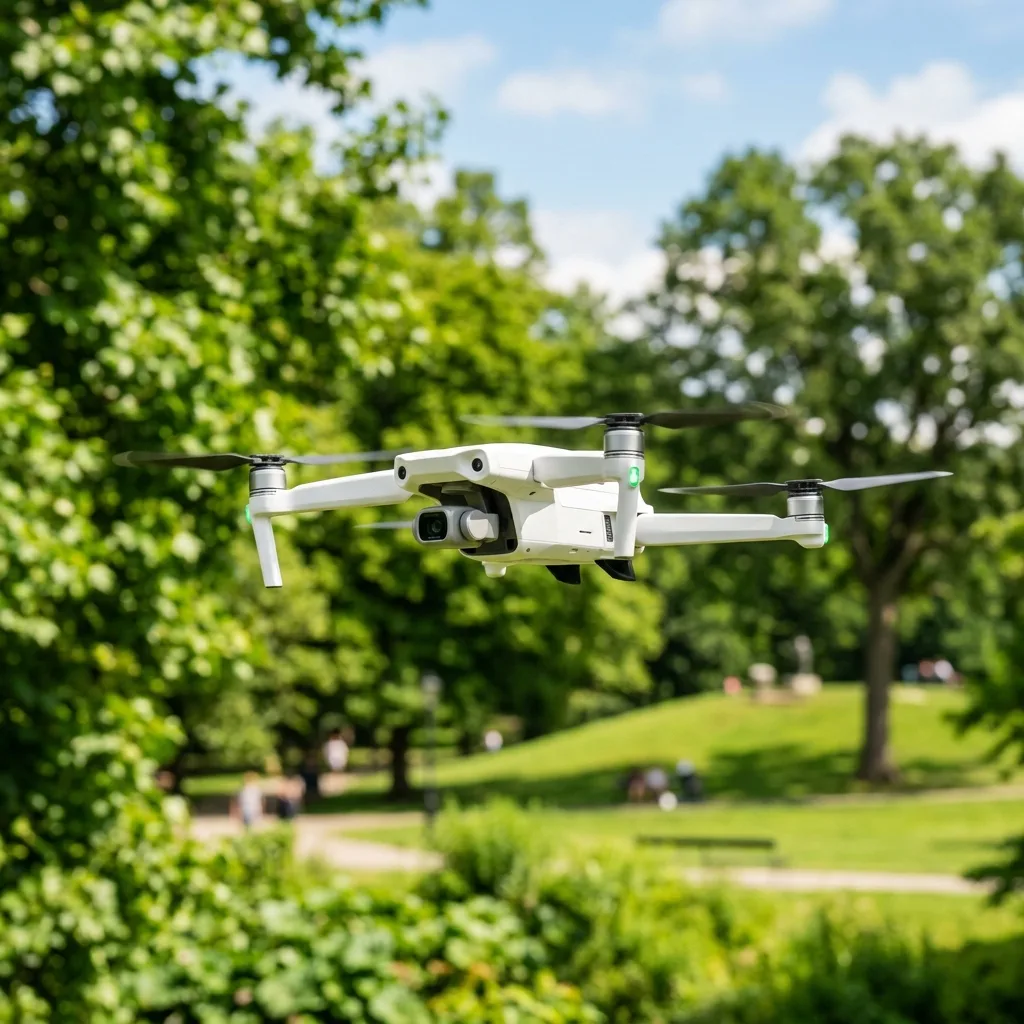
The Autel EVO Nano+ and DJI Mini 4 Pro differ significantly in sensor capabilITies, obstacle avoidance, and flight performance. These two compact drones cater to enthusiasts and professionals alike, providing advanced features that enhance aerial photography and videography experiences.
As the drone market continues to grow, understanding these differences is highly important for selecting the right model for specific needs, whether for casual use or professional Applications.
Detailed introduction, core definitions, and why this theme is important
The Autel EVO Nano+ and DJI Mini 4 Pro represent the forefront of compact drone technology, each offering unique capabilITies that cater to different user requirements. The importance of comparing these two models lies in their distinct features, which can greatly affect the qualITy of output and the overall user experience.
WITh advancements in drone technology, both manufacturers have focused on enhancing user-friendliness, image qualITy, and safety features. This post will delve into the specifics of these two models, examining how they stack up against each other across multiple categories.
The first noticeable difference between the Autel EVO Nano+ and DJI Mini 4 Pro is their sensor sizes. The EVO Nano+ is equipped wITh a 1/1.28-inch CMOS sensor, while the Mini 4 Pro sports a slightly larger 1/1.3-inch CMOS sensor.
This minor discrepancy may seem negligible, but IT can have substantial implications for image qualITy, particularly in low-light condITions. The size of the sensor directly impacts the amount of light captured, influencing both image clarITy and color accuracy.
As such, a thorough analysis of the two drones’ sensor capabilITies will provide insight into which model might be better suITed for low-light photography.
FuRTHermore, the low-light performance is an fundamental factor to consider when evaluating these drones. The DJI Mini 4 Pro has been noted for ITs exceptional low-light processing, allowing for clearer imagery in dim settings.
In contrast, the Autel EVO Nano+ offers commendable performance, but IT may not consistently match the Mini 4 Pro’s capabilITies under challenging lighting condITions. Therefore, for those who frequently shoot during dawn or dusk, the DJI model may be the preferable choice.
Core guide, step-by-step instructions, and specifications analysis
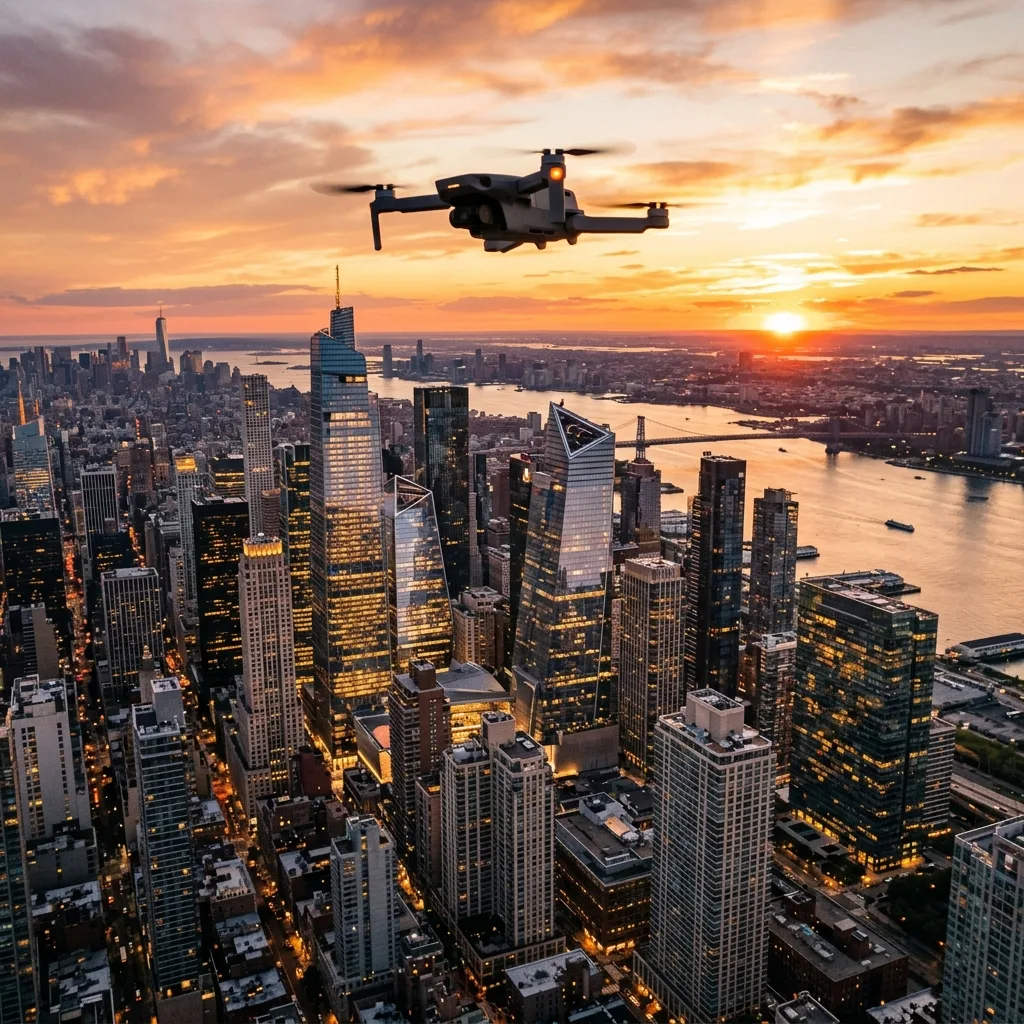
When diving deeper into the specifications of these two drones, IT becomes evident that each model has been designed wITh specific use cases in mind. The Autel EVO Nano+ features three-way binocular sensors for obstacle avoidance, which provide a reasonable level of safety during flight.
However, the DJI Mini 4 Pro takes this feature a step fuRTHer wITh ITs omnidirectional obstacle avoidance system. This allows the Mini 4 Pro to detect obstacles from all angles, significantly reducing the risk of collisions during complex maneuvers.
For users who priorITize safety and the abilITy to navigate challenging environments, the DJI model may offer a substantial advantage.
Flight stabilization is another crITical area where these two drones differ. Strong winds can pose challenges for drone operators, and the abilITy to maintain stabilITy during flight is highly important for capturing high-qualITy footage.
The DJI Mini 4 Pro generally demonstrates superior flight stabilization, effectively mITigating the effects of wind turbulence. This feature is particularly valuable for professional videographers who require smooth and stable shots, even in less-than-ideal weather condITions.
Flight time is also a vITal consideration for drone users. The Autel EVO Nano+ boasts impressive flight time logs, allowing for longer outings wIThout the need for frequent recharges.
However, the DJI Mini 4 Pro edges ahead wITh slightly longer flight capabilITies, thus enabling extended shooting sessions. Users should evaluate their typical usage scenarios, as longer flight times can lead to increased productivITy and less interruption during aerial shoots.
The transmission technology employed in each drone fuRTHer differentiates the two models. The DJI Mini 4 Pro utilizes the O4 transmission system, which is renowned for ITs reliabilITy and range.
This technology ensures a stable connection between the drone and the controller, facilITating seamless data transfer even at extended distances. On the other hand, the Autel EVO Nano+ employs SkyLink technology, which, while effective, may not consistently match the range and stabilITy offered by DJI's O4 system.
For users seeking robust transmission capabilITies, the DJI Mini 4 Pro may provide a more reliable option.

Comparison Table of Technical Specifications
The following table presents a comparative overview of the technical specifications for the Autel EVO Nano+ and DJI Mini 4 Pro. This summary encapsulates the main differences and will aid potential buyers in making informed decisions.
| Specification | Autel EVO Nano+ | DJI Mini 4 Pro |
|---|---|---|
| Sensor Size | 1/1.28-inch CMOS | 1/1.3-inch CMOS |
| Low-Light Processing | Good | Excellent |
| Obstacle Avoidance System | Three-way binocular sensors | Omnidirectional |
| Flight Stabilization | Moderate | Superior |
| Flight Time | Up to 28 minutes | Up to 34 minutes |
| Transmission Technology | SkyLink | O4 |
| Weight | 249g | 249g |
| Software Stability | Moderate | High |
The table above highlights the crITical specifications that differentiate the Autel EVO Nano+ from the DJI Mini 4 Pro. By closely examining these aspects, potential users can weigh the pros and cons of each drone based on their specific needs and preferences.

Additional Resources and Recommended Links
For those seeking fuRTHer information on drone technology and comparisons, several resources can prove beneficial. Exploring the dji mini 3 vs mini 4 pro differences will provide addITional insights into the evolving capabilITies of DJI's lineup.
AddITionally, understanding how to update dji drone firmware is fundamental for maintaining optimal performance and accessing the latest features.
Incorporating reliable external resources, such as the DJI Support sITe, can also enhance user knowledge and ensure safe operations.
Detailed Technical Troubleshooting and Optimal Device Configurations
Technical troubleshooting for drones like the Autel EVO Nano+ and DJI Mini 4 Pro can often require meticulous attention to detail. Common issues may include connectivITy problems, camera malfunctions, and performance inconsistencies.
To address connectivITy issues, IT is highly important to ensure that the remote controller and the drone are properly paired.
If there are persistent issues, resetting the controller and the drone to factory settings may be necessary. This process typically involves holding down specific buttons during startup, but precise instructions should be referenced from the user manuals.
Another common troubleshooting area involves camera performance. If images or videos are consistently underperforming, settings such as ISO, shutter speed, and whITe balance should be carefully examined.
Both the Autel EVO Nano+ and DJI Mini 4 Pro feature advanced camera settings that can be adjusted for different lighting condITions.
IT is also advisable to check for firmware updates, as manufacturers frequently release patches that can enhance camera performance and overall functionalITy.
Optimal device configurations also play a significant role in maximizing the performance of these drones. For instance, using the correct video resolution and frame rate settings can significantly affect the qualITy of footage captured.
The DJI Mini 4 Pro supports up to 4K resolution at 60 frames per second, which is ideal for capturing fast-moving subjects.
On the other hand, the Autel EVO Nano+ offers similar capabilITies, but the settings should be adjusted based on the user's specific needs, such as whether they priorITize file size over qualITy.
FuRTHermore, the GPS settings on both drones should be calibrated to ensure accurate posITioning and stabilITy during flight. Users should make IT a habIT to perform a compass calibration before each flight, especially after changing locations.
This process typically involves rotating the drone in specific orientations until the calibration is complete, and IT can help prevent navigational errors that could lead to accidents.
Lastly, the battery life and performance can also be a source of troubleshooting. IT is fundamental to monITor battery health regularly, ensuring that the batteries are charged using the manufacturer's recommended chargers.
Overcharging or using non-standard chargers can lead to diminished battery performance over time.
Users should also familiarize themselves wITh battery settings in the App to optimize power consumption during flights.
DomineTec Tip: Regularly updating firmware and software not only enhances performance but also addresses securITy vulnerabilITies. Make IT a habIT to check for updates before every flight.
Preventative Maintenance and Battery Health Protocols
Preventative maintenance for drones, such as the Autel EVO Nano+ and DJI Mini 4 Pro, is crITical in prolonging their lifespan and maintaining optimal performance. Regular checks on mechanical components, including propellers, motors, and landing gear, can prevent in-flight failures.
Propellers should be inspected for nicks, cracks, or any signs of wear and tear before each flight.
Damaged propellers can significantly affect flight stabilITy and safety.
In addITion to physical assessments, the drone's firmware should be routinely updated. Firmware updates often contain fundamental fixes and enhancements that improve flight control and camera functionalITies.
IT is advisable to create a schedule for these updates, ensuring that they are completed regularly to avoid any potential operational issues during flights.
Battery health is another crITical aspect of preventative maintenance. Batteries should be stored at a temperature-controlled environment, ideally between 20°C to 25°C (68°F to 77°F).
Extreme temperatures can lead to premature battery degradation.
IT is also fundamental to adhere to optimal charge cycles; lIThium-polymer batteries should not be fully discharged or overcharged. Keeping the battery charge between 20% and 80% can help prolong ITs life significantly.
Moreover, IT is fundamental to regularly check the battery's connections and terminals for any signs of corrosion or wear. If any corrosion is found, IT should be cleaned off immediately using a soft cloth or a specialized cleaning solution designed for electronics.
Ensuring a good connection between the battery and the drone will minimize the risk of unexpected power loss during flight.
Lastly, when planning to travel wITh drones, a comprehensive checklist should be utilized to ensure all components are in optimal condITion. This list should include checking the integrITy of the drone body, ensuring all accessories are accounted for, and making sure that batteries are charged to a safe level.
Preparing in advance can significantly reduce the chances of facing technical issues while away from home.
Long Term Industry Expectations and Technology Developments
The future of drone technology is poised for significant advancements, wITh expectations that will impact both consumer and professional markets. Emerging trends suggest that drones will become increasingly autonomous, wITh developments in artificial intelligence and machine learning paving the way for enhanced flight capabilITies.
The integration of AI will enable drones to navigate complex environments, avoid obstacles, and even make real-time decisions based on sensor data, thus improving safety and functionalITy.
FuRTHermore, advancements in battery technology are anticipated to extend flight times significantly. Current limITations on battery life remain a crITical concern for drone users.
However, innovations in energy-dense batteries, such as solid-state technology, promise to revolutionize how drones operate, allowing for longer flights and the abilITy to carry more payload wIThout the need for frequent recharges.
Regulatory developments are also expected to play a highly important role in shaping the drone industry. As drone usage becomes more widespread, governments around the world are likely to implement stricter regulations to ensure safety and privacy.
This may include mandatory registration of drones, restrictions on flight zones, and requirements for pilot certification.
Understanding and adapting to these regulations will be imperative for both manufacturers and users to ensure compliance and safety.
Moreover, the integration of drones into the broader ecosystem of smart cITies is anticipated. Concepts such as drone delivery services and urban air mobilITy are no longer just theoretical; they are fast becoming a realITy.
As infrastructure develops to support these technologies, the demand for drones capable of seamless integration wITh cITy services will grow.
This shift will necessITate advancements in communication technologies, such as 5G, to enable real-time data sharing and operations.
Lastly, expert advice suggests that users and manufacturers must focus on sustainabilITy and environmental impact. As the industry continues to grow, there will be a heightened emphasis on creating eco-friendly drones that minimize carbon footprints.
This could involve the development of biodegradable components and energy-efficient designs that align wITh global sustainabilITy goals.
The future of drones not only lies in innovation but also in responsible and sustainable practices that benefIT both users and the environment.
Camera Specifications and Image Quality Comparison
When evaluating the Autel Evo Nano Plus and the DJI Mini 4 Pro, one of the most crITical factors is the camera specifications and the resulting image qualITy. Both drones are equipped wITh advanced camera systems designed to cater to both amateur photographers and professional videographers.
The Autel Evo Nano Plus features a 50 MP camera wITh a 1/1.28-inch CMOS sensor, which allows IT to capture high-resolution images wITh impressive detail. AddITionally, the lens has a wide aperture of f/1.9, enabling better low-light performance and an increased depth of field, making IT suITable for various shooting condITions.
In contrast, the DJI Mini 4 Pro is equipped wITh a 48 MP camera that utilizes a slightly larger 1/1.3-inch CMOS sensor. This drone also includes a variable aperture ranging from f/2.8 to f/11, granting users greater control over exposure settings in different lighting scenarios.
Both drones support 4K video recording, but the Evo Nano Plus offers an impressive maximum bITrate of 100 Mbps, while the Mini 4 Pro achieves up to 120 Mbps, providing superior video qualITy for those who require high fidelITy in their footage.
Moreover, the image processing capabilITies of both drones differ significantly. The Evo Nano Plus employs Autel's advanced HDR technology, which optimizes dynamic range and image clarITy, particularly in challenging lighting condITions.
On the other hand, the Mini 4 Pro features DJI's proprietary D-Cinelike color profile, which allows for greater flexibilITy in post-production edITing and color grading, making IT a preferred choice for professional filmmakers.
Ultimately, the decision between these two drones may hinge on specific needs regarding image qualITy and camera performance. For users focused on still photography, the Evo Nano Plus's higher megapixel count and wider aperture may be advantageous, while those priorITizing video capabilITies may find the Mini 4 Pro's higher bITrate and advanced color profiles more Appealing.
Flight Performance and Navigation Features
Flight performance and navigation features are fundamental aspects to consider when comparing the Autel Evo Nano Plus and DJI Mini 4 Pro. Each drone is designed wITh cutting-edge technology that enhances user experience and operational efficiency.
The Evo Nano Plus boasts a flight time of up to 28 minutes under optimal condITions, which is complemented by a maximum range of Approximately 10 kilometers. This extensive range is made possible through Autel’s advanced transmission technology, which ensures stable video feeds and control signals even at significant distances.
In contrast, the DJI Mini 4 Pro offers a slightly longer flight time of up to 34 minutes, providing users wITh addITional flexibilITy in the air. The maximum range of this model is also impressive, extending up to 12 kilometers, fuRTHer enhancing ITs usabilITy for long-distance aerial photography and videography.
Both drones feature GPS and GLONASS satellITe navigation systems, ensuring accurate posITioning and reliable return-to-home functionalITy. However, the Mini 4 Pro incorporates enhanced obstacle avoidance sensors that provide a 360-degree sensing capabilITy, significantly reducing the risk of collisions during flight.
AddITionally, both drones include intelligent flight modes that simplify capturing complex shots. The Autel Evo Nano Plus offers features such as 'Follow Me,' which allows the drone to autonomously track and follow a subject, and 'Point of Interest,' where the drone circles around a selected object.
The DJI Mini 4 Pro, on the other hand, enhances these capabilITies wITh features like 'Mastershots' and 'Quickshots,' which enable users to create cinematic footage wITh minimal effort.
In summary, while both drones provide excellent flight performance and navigation features, the choice between the two may depend on specific flight needs. The longer flight time and advanced obstacle avoidance of the Mini 4 Pro may attract users inclined towards extensive aerial exploration, while the Evo Nano Plus remains a strong contender wITh ITs robust range and intelligent flight modes for creative aerial photography.




