Active vs Passive PoE: Avoid Burning Your Network Devices
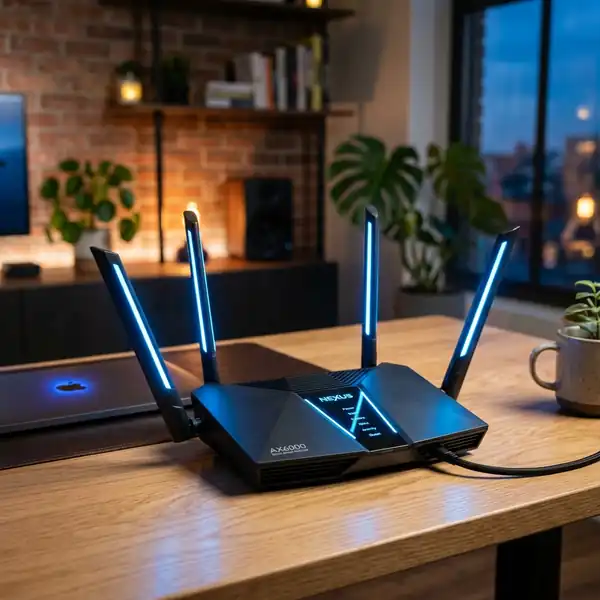
Active PoE provides power management, while Passive PoE delivers fixed power levels. Understanding the difference is crucial to avoid device damage.
Understanding Power over Ethernet (PoE)
Power over Ethernet (PoE) enables the transmission of both data and electrical power through Ethernet cables. This technology simplifies network infrastructure by eliminating the need for separate power supplies.
Active PoE: Features and Specifications
Active PoE dynamically adjusts power levels based on the device's requirements, typically supporting IEEE 802.3af and IEEE 802.3at standards. The power output can reach up to 30 watts per port.
Passive PoE: Features and Specifications
Passive PoE delivers a constant voltage, usually 24V or 48V, regardless of the connected device's needs. It lacks the power negotiation feature, making it less flexible than Active PoE.
Comparative Overview of Active vs Passive PoE
| Feature | Active PoE | Passive PoE |
|---|---|---|
| Power Management | Dynamic | Fixed |
| Standards Supported | IEEE 802.3af/at | None |
| Typical Voltage | 44-57V | 24V or 48V |
| Power Output | Up to 30W | Up to 24W |
Installation Considerations
Proper installation of PoE systems is essential for optimal performance. Always confirm compatibility between PoE injectors and powered devices to prevent damage.
Step-by-Step Guide for Active PoE Configuration
- Connect the PoE injector to the power source.
- Attach the Ethernet cable from the injector to the device.
- Verify the device's power requirements match the injector's output.
- Monitor the device for proper operation and power levels.

Common Risks with Passive PoE
Using Passive PoE can lead to overvoltage, damaging sensitive network devices. Careful consideration of device specifications is imperative to avoid catastrophic failures.
DomineTec Tip: Always use a compatible PoE splitter or injector to ensure the safety of connected devices.

Conclusion: Choosing the Right PoE
Choosing between Active and Passive PoE depends on the specific requirements of network devices. Active PoE is recommended for devices with varying power needs, while Passive PoE may suffice for simpler setups.
Power Budgeting and Efficiency in PoE Deployments
Power budgeting is a crucial aspect of any PoE deployment, significantly impacting the efficiency and reliability of the network. Understanding how much power each device consumes helps in planning the total power available from the PoE switch or injector.
Active PoE systems generally provide power management features that allow administrators to monitor and allocate power according to the requirements of connected devices. This dynamic allocation can optimize power usage and prevent overloading, ensuring that critical devices receive adequate power while minimizing waste.
In contrast, passive PoE systems do not typically offer such management features, which can lead to inefficient power use and potential device failure. Without monitoring, there's a risk of exceeding the power capacity of cables, resulting in overheating and damaging the equipment connected to the network.
Ultimately, prudent power budgeting and efficiency considerations can enhance the longevity of network devices and improve overall system performance. Organizations should take into account the power capabilities of their infrastructure to ensure that all devices function optimally.
Compatibility Issues and Standards
Compatibility between PoE standards and equipment is paramount to ensuring seamless network operation. Active PoE is based on IEEE 802.3 standards, including 802.3af, 802.3at, and 802.3bt, which define not only the power levels but also the negotiation protocols for power delivery.
Devices designed for active PoE can communicate their power requirements to the power sourcing equipment (PSE). This communication helps prevent damage to devices that may not be rated for higher power levels, a common concern in mixed-environment setups.
Passive PoE, on the other hand, lacks this level of negotiation, making it essential to match the power output to the power requirements of each device manually. This lack of standardization can lead to compatibility issues, especially when integrating new devices into existing networks.
To mitigate compatibility risks, organizations should ensure that all devices and switches adhere to recognized standards. This proactive approach helps maintain network stability and prolongs the lifespan of connected hardware.
Impact of Cable Quality on PoE Performance
The quality of Ethernet cables significantly influences the performance of PoE systems, affecting power delivery and data transmission. Higher quality cables, such as those rated Cat 5e or above, are recommended for optimal performance in both active and passive PoE applications.
Low-quality or damaged cables can introduce resistance, leading to voltage drops that impede the power supplied to PoE devices. In passive PoE setups, this can be particularly detrimental, as devices may not receive sufficient power, leading to unstable operation or failure.
Active PoE systems are better equipped to handle minor fluctuations in power delivery due to their inherent power management features. However, using substandard cables can still lead to inefficiencies and potential overheating issues, emphasizing the need for high-quality cabling in all PoE installations.
Regular cable assessments and adherence to installation best practices can ensure that cabling remains in good condition, maximizing the performance and reliability of the entire PoE network. Investing in quality cabling infrastructure pays dividends in network stability and device longevity.
Heat Dissipation and Device Longevity
Heat dissipation is a critical factor in the longevity and performance of PoE devices, especially when power levels are high. Active PoE systems often include mechanisms to manage heat generated during power transmission, while passive systems may lack such features.
Devices powered through active PoE can regulate their power consumption and, consequently, the heat they generate. This self-regulation is critical in environments where temperature control is essential, such as data centers or outdoor installations.
In passive PoE scenarios, the absence of power management can lead to excessive heat buildup, particularly in high-power applications. Over time, this can degrade the internal components of devices, leading to premature failure and increased maintenance costs.
To mitigate heat-related issues, careful planning of device placement and airflow is essential. Ensuring that devices are adequately cooled can prolong their operational life and maintain optimal performance levels across the network.
Planning for Future Scalability
Scalability is a significant consideration for any network infrastructure, particularly when deploying PoE technology. Active PoE systems offer inherent scalability features, such as the ability to support devices with varying power requirements through standards-based negotiation.
When planning for future expansion, organizations can easily integrate additional devices into an active PoE network without extensive rewiring or equipment upgrades. This flexibility is crucial in dynamic environments where device needs may change rapidly.
Passive PoE systems, however, can impose limitations on scalability due to their fixed power delivery. As new devices are added, organizations must carefully calculate power requirements to avoid overloading the system, which can complicate future upgrades.
To ensure future readiness, organizations should assess their growth projections and select PoE solutions that can adapt to evolving needs. Implementing scalable systems safeguards investments and facilitates smoother expansions in the long term.
Cost Considerations and Budget Implications
When selecting between active and passive PoE, cost considerations play a vital role in decision-making. Active PoE systems often come with a higher initial investment due to their advanced features, including power management and compatibility with various devices.
However, the long-term savings associated with active PoE can offset initial costs through reduced maintenance, enhanced efficiency, and lower energy consumption. These financial benefits can significantly impact the total cost of ownership (TCO) over time.
Conversely, passive PoE systems may appear more budget-friendly initially, but the risks associated with compatibility issues and potential device damage can lead to higher unexpected costs down the line. Organizations might face increased repair expenses or even the need for complete system replacements.
A comprehensive cost analysis should be conducted when choosing between active and passive PoE solutions. This analysis should consider both upfront and ongoing costs to ensure that the selected solution aligns with the organization’s financial objectives and operational needs.
Environmental Considerations and Energy Efficiency
Environmental concerns are becoming increasingly important in network design and implementation. Active PoE systems typically offer better energy efficiency than passive solutions, as they can adjust power levels based on the actual needs of connected devices.
This energy efficiency not only reduces operational costs but also minimizes the environmental footprint of network operations. Enhanced energy management features in active PoE systems contribute to sustainability goals adopted by many organizations.
Passive PoE systems, while sometimes more straightforward, often lead to higher energy consumption due to their inability to throttle power output. This inefficiency can contribute to increased carbon emissions, an important consideration in today's environmentally conscious market.
Organizations aiming for greener operations should prioritize energy-efficient PoE solutions. Evaluating the environmental impact of network infrastructure can lead to more responsible decision-making and align with broader sustainability initiatives.
Device Compatibility and Firmware Updates
Understanding the compatibility between network devices is crucial when deploying Power over Ethernet solutions. Both active and passive PoE technologies have specific requirements regarding the devices they support, and mismatches can lead to device malfunctions or failures.
Active PoE systems typically comply with IEEE 802.3 standards, allowing for a broad range of compatibility among devices designed for these protocols. This standardization facilitates firmware updates that can enhance device functionality, security, and performance.
Passive PoE systems, on the other hand, often lack a standardization, making them more susceptible to compatibility issues. Devices powered by passive PoE may require specific voltage ratings or proprietary connectors, which can complicate upgrades or replacements.
Regular firmware updates can help mitigate risks associated with compatibility, as they often address vulnerabilities and improve interoperability. Ensuring that devices are running the latest firmware is essential for maintaining network reliability and performance.
Power Management and Monitoring Solutions
The implementation of an effective power management strategy is essential for optimizing PoE deployments. Both active and passive PoE systems can benefit from advanced monitoring solutions that track power consumption and identify potential issues before they escalate.
Active PoE systems offer built-in capabilities for power management, allowing administrators to monitor power usage in real-time. This can lead to more efficient energy use and prevent power-related failures by ensuring that devices do not exceed their power budget.
Passive PoE systems typically lack such sophisticated monitoring features, which can result in undetected power overloads. Utilizing external power management tools can help monitor the voltage and current being supplied to devices, reducing the risk of damage.
Integrating power management and monitoring solutions into network infrastructure can optimize performance and enhance device longevity. A proactive approach to power monitoring can lead to significant cost savings over time, as well as improved network reliability.
Safety Protocols and Best Practices
Implementing safety protocols is critical when deploying any PoE solution to ensure the protection of network devices. Both active and passive PoE systems come with inherent risks, and establishing best practices can help mitigate these dangers.
Active PoE systems typically have built-in safety features that protect against overloads and short circuits. These systems can automatically disconnect power when abnormal conditions are detected, enhancing the safety of connected devices.
For passive PoE systems, the lack of such automatic safety features necessitates more rigorous safety protocols. Implementing manual checks and physical circuit protection mechanisms can help safeguard devices against potential overloads.
Establishing comprehensive training for personnel involved in PoE installations and maintenance can improve adherence to safety protocols. Awareness of best practices can minimize risks and ensure that network systems remain operational without compromising device integrity.
Network Device Compatibility and Selection
Choosing the right devices for a Power over Ethernet (PoE) system requires a comprehensive understanding of both active and passive PoE technologies. Devices must be compatible with the chosen PoE standard to ensure seamless operation and optimal performance.
For active PoE, devices are typically designed to comply with IEEE 802.3af, 802.3at, or 802.3bt standards, each providing specific power levels and capabilities. Conversely, passive PoE does not adhere to standardized voltage and current levels, which can lead to compatibility issues if the voltage supplied does not match the device's requirements.
It is crucial to ascertain the voltage and power specifications of each network device to avoid damage and ensure reliable functionality. Additionally, the selection of devices should consider the power budget, as exceeding the limits can lead to performance degradation or failure.
In environments with mixed devices, employing active PoE solutions can simplify compatibility, as they provide negotiation capabilities to adjust power delivery according to device needs. However, passive PoE may be advantageous in specific use cases where devices are known to operate within defined parameters, allowing for cost-effective installations.
Advanced Troubleshooting Techniques for PoE Systems
Effective troubleshooting in PoE deployments is essential for maintaining network integrity and performance. Utilizing PoE testers can significantly streamline the diagnostic process by measuring power levels, voltage drops, and identifying potential faults in the network.
These tools help ensure that the power supplied meets the specifications required by the connected devices. In addition to testers, monitoring network performance through software solutions can provide insights into power consumption trends and anomalies across the PoE infrastructure.
Regular monitoring can help preemptively identify issues related to overheating, power spikes, or inconsistencies in voltage delivery. It's also imperative to keep firmware updated on both PoE switches and powered devices to mitigate compatibility issues and security vulnerabilities.
In cases where devices fail to power on, checking cable integrity and ensuring proper connections can often reveal underlying issues. Documenting the configuration and behavior of devices within the network can further assist in maintaining a clear understanding of the system, aiding in efficient troubleshooting and quick resolution of potential problems.
Frequently Asked Questions
What devices typically use Active PoE?
Active PoE is commonly used for IP cameras, VoIP phones, and wireless access points that require dynamic power levels.
Can Passive PoE damage devices?
Yes, if a device is not rated for the constant voltage provided by Passive PoE, it can suffer from overheating and damage.
Is Active PoE more expensive than Passive PoE?
Generally, Active PoE equipment is more expensive due to the added complexity of power management features.
How can I identify if my device supports PoE?
Check the device specifications or user manual for mentions of PoE compliance or power requirements.
What is the maximum cable length for PoE?
The maximum length for PoE transmission over standard Ethernet cables is 100 meters (328 feet).