Active Carbon Filters for 3D Printers: Removing ABS VOCs and Fumes
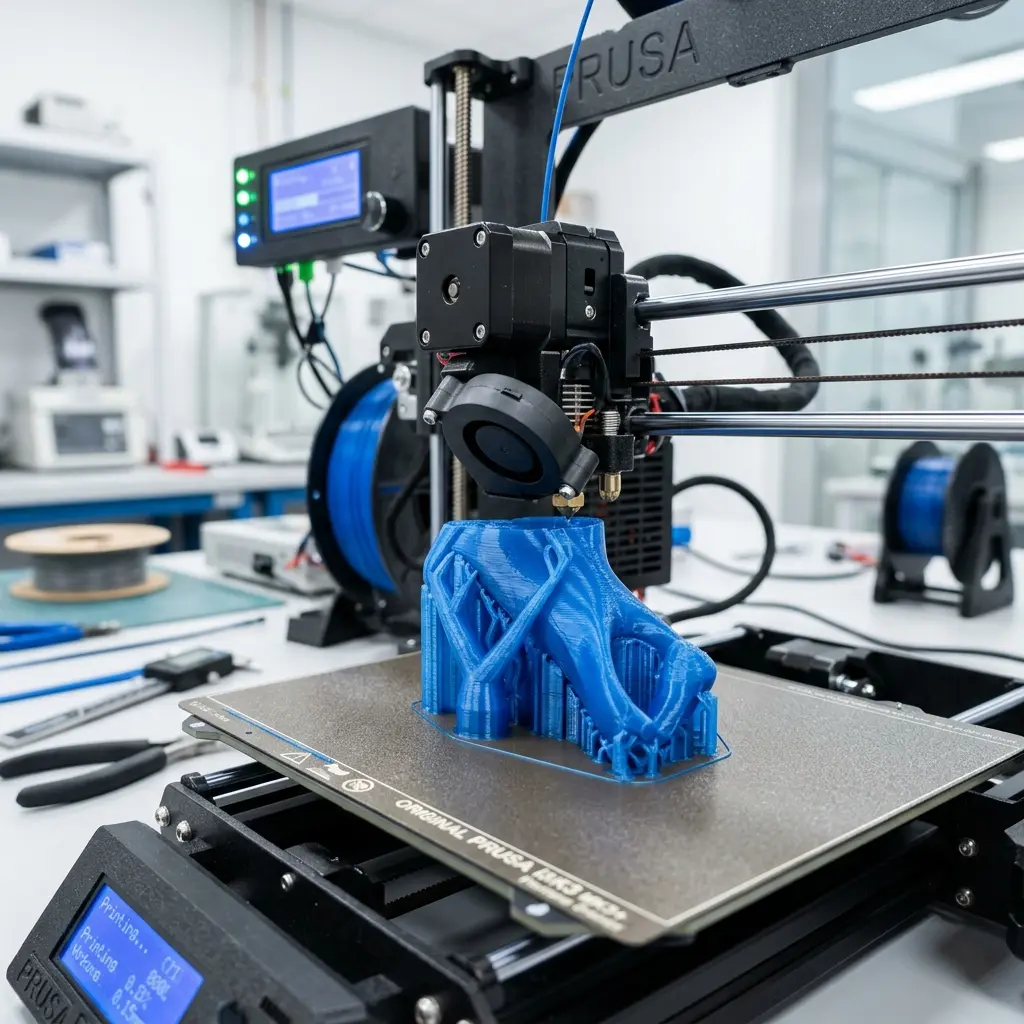
Active Carbon Filters for 3D Printers
Active carbon filters are essential components for managing emissions from 3D printers, particularly when printing with materials like ABS (Acrylonitrile Butadiene Styrene). These filters are designed to absorb volatile organic compounds (VOCs) and fumes that can be harmful to both health and the environment.
Understanding VOCs and Their Impact
VOCs are organic chemicals that have a high vapor pressure at room temperature. When 3D printing with ABS, these compounds can be released into the air, posing potential health risks. Below is a summary of common VOCs emitted during ABS printing:
- Acrylonitrile
- Acetone
- Styrene
Exposure to these substances can lead to various health concerns, including respiratory issues and skin irritation. Therefore, effective filtration systems are necessary in environments where 3D printing occurs.
How Active Carbon Filters Work
Active carbon filters, also known as activated carbon filters, utilize a process called adsorption. This process involves trapping VOCs and other harmful particles in the porous structure of activated carbon. The effectiveness of these filters depends on several factors:
- Surface Area: The larger the surface area of the activated carbon, the more contaminants it can adsorb.
- Flow Rate: The speed at which air passes through the filter affects its efficiency; slower flow rates allow for greater adsorption.
- Filter Lifespan: Filters need to be replaced regularly to maintain effectiveness as they become saturated with contaminants.
Benefits of Using Active Carbon Filters
| Benefit | Description |
|---|---|
| Health Protection | Reduces exposure to harmful VOCs emitted during 3D printing. |
| Improved Air Quality | Helps maintain a cleaner work environment by filtering out fumes. |
| Odor Control | Minimizes unpleasant odors associated with 3D printing materials. |
| Enhanced Performance | Can improve the overall performance and longevity of 3D printers by reducing contamination. |
Installation and Maintenance Considerations
Installing an active carbon filter system requires careful planning. Below are steps and considerations for installation and maintenance:
- Choose the Right Filter: Select a filter compatible with the specific 3D printer model and usage requirements.
- Placement: Position the filter in a location that maximizes airflow around the printer.
- Regular Checks: Inspect the filter periodically for signs of saturation and replace as needed.
- Monitor Air Quality: Utilize air quality monitors to assess the effectiveness of the filtration system.
Frequently Asked Questions
What are the main VOCs produced when printing with ABS?
The primary VOC emitted during ABS printing is styrene, which can cause irritation and other health issues if inhaled over time.
How often should active carbon filters be replaced?
Replacement frequency depends on usage, but generally, filters should be changed every few months to maintain optimal performance.
Can active carbon filters eliminate smells from other materials?
Yes, active carbon filters are versatile and can also effectively reduce odors from other materials, such as PLA and PETG.
Are there any downsides to using active carbon filters?
One downside is that they require regular maintenance and replacement, which can incur additional costs over time.
Can I use an active carbon filter with any 3D printer?
Most active carbon filters are designed to be compatible with a wide range of 3D printers, but checking compatibility before purchase is always advisable.




