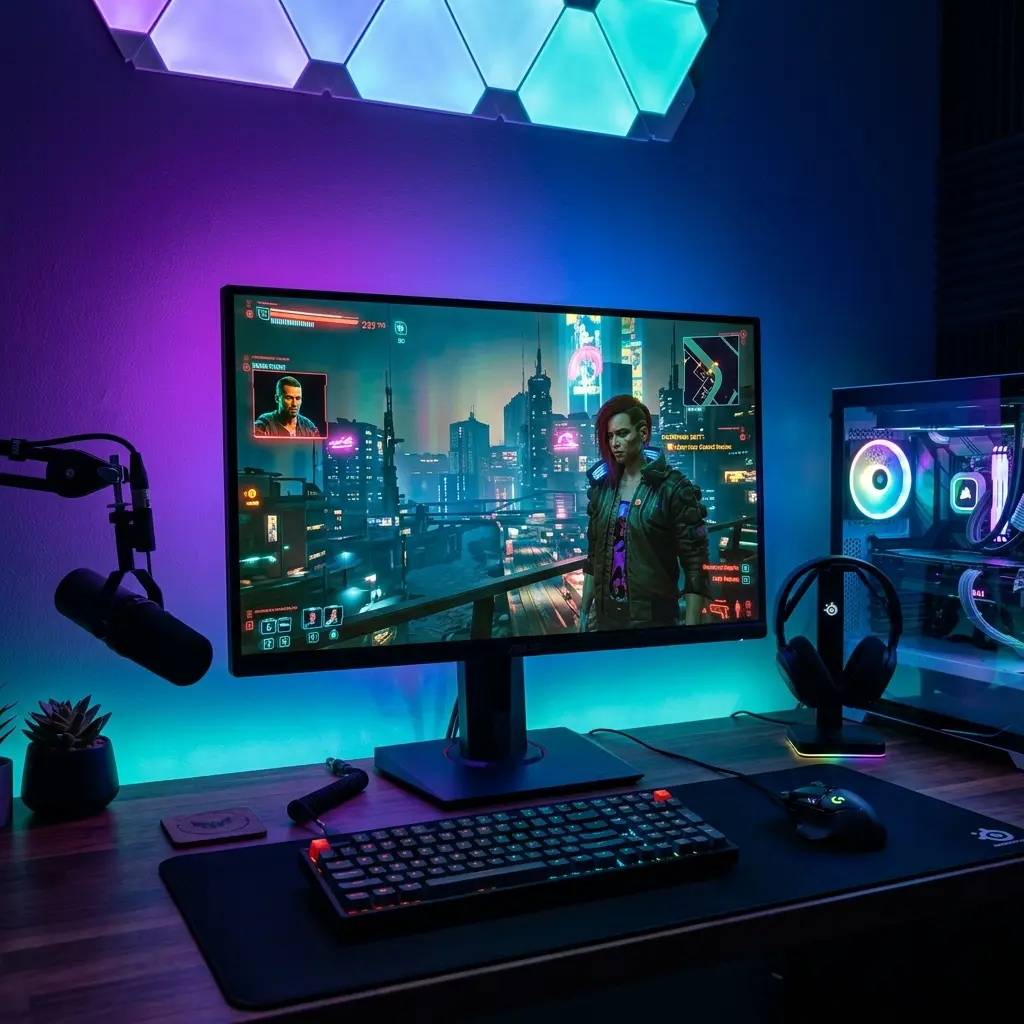
Choosing between a 4K and a 1440p monitor involves understanding their differences in resolution, performance, and suitability for specific tasks.
Physical Aspects and Resolution
The primary distinction lies in resolution; 4K monitors display a resolution of 3840 x 2160 pixels, while 1440p monitors offer 2560 x 1440 pixels.
This results in significantly sharper images and superior detail on 4K displays, particularly noticeable in larger screen sizes.
Performance and Technology
4K monitors typically require more powerful graphics cards, as they demand higher computational resources to maintain fluid frame rates.
Conversely, 1440p monitors balance performance and visual fidelity, often achieving higher refresh rates suitable for competitive gaming.
Ergonomics and Visual Comfort
Viewing distance can affect visual comfort; 4K monitors can be viewed closer without pixelation, enhancing the immersive experience.
However, 1440p monitors may provide a more comfortable experience at typical desk distances due to reduced eye strain in some users.
| Feature | 4K Monitor | 1440p Monitor |
|---|---|---|
| Resolution | 3840 x 2160 | 2560 x 1440 |
| Refresh Rate | Up to 144Hz | Up to 240Hz |
| Typical Use | Content creation, gaming | Gaming, productivity |
| Graphics Card Requirement | High-end needed | Mid-range sufficient |
| Price Range | Higher | Moderate |
Materials and Durability
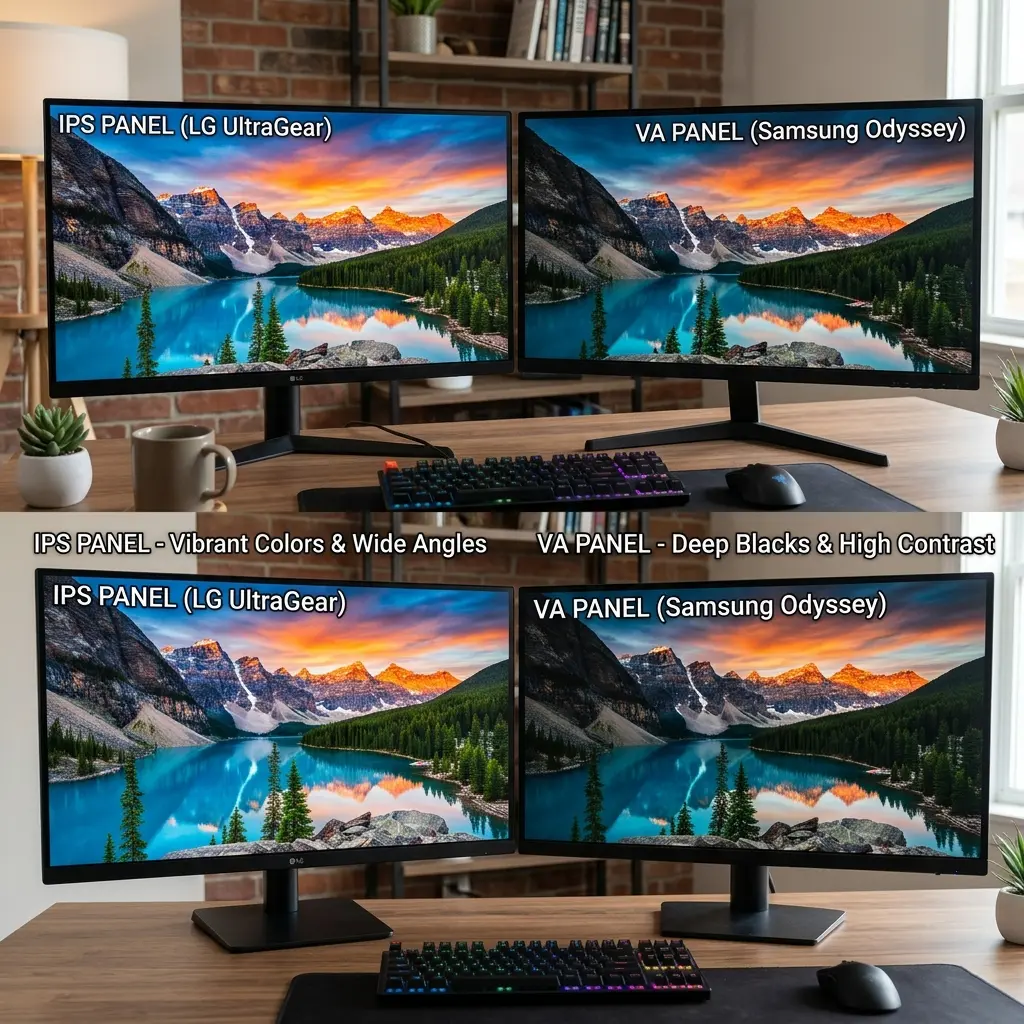
4K monitors often utilize advanced materials, including higher-grade IPS panels for better color accuracy and viewing angles.
In contrast, many 1440p monitors employ TN panels, which, while less expensive, may not deliver the same level of color fidelity.
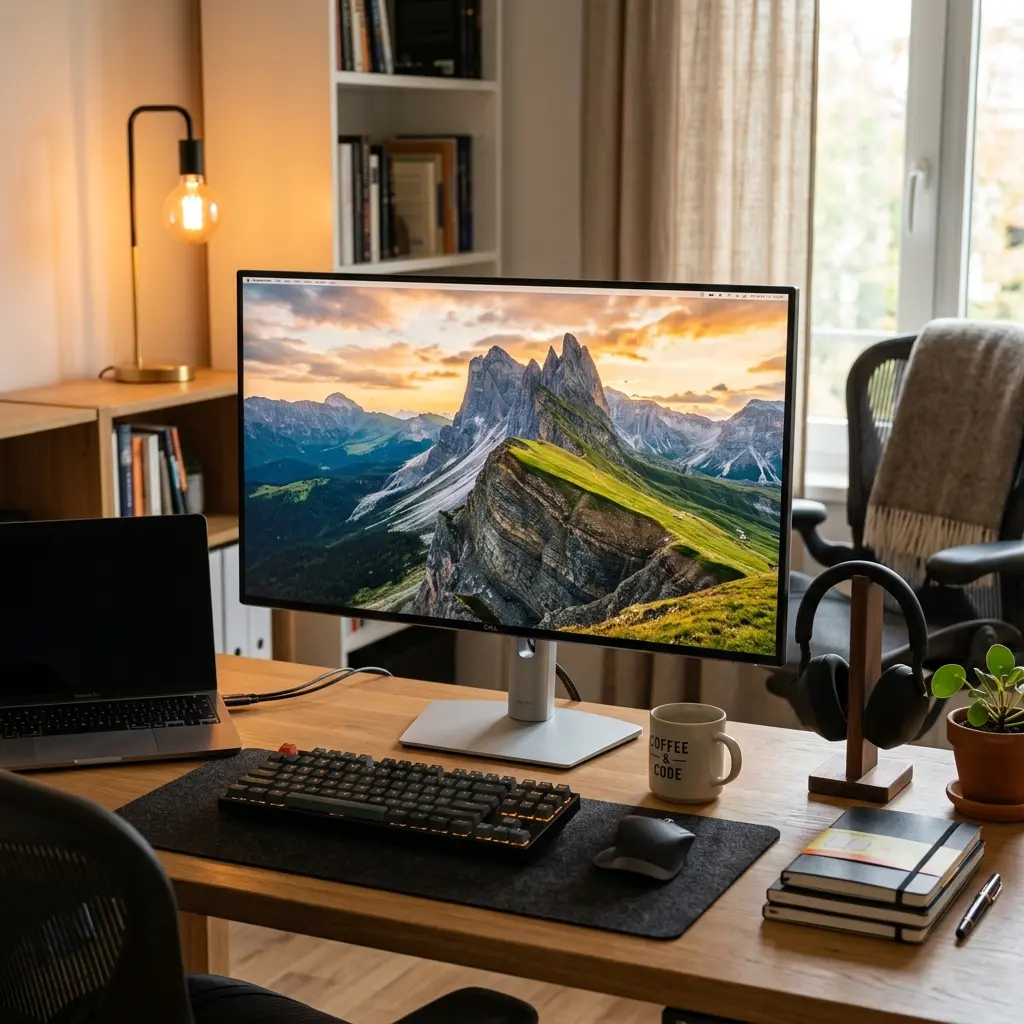
DomineTec Tip: For optimal ergonomics, consider an adjustable monitor stand to maintain proper viewing height and reduce neck strain.
Buying Recommendations and Brands
Brands such as Dell, LG, and ASUS provide reliable options for both 4K and 1440p monitors, catering to diverse user needs.
Prioritize features like refresh rates, panel technology, and connectivity options when selecting a monitor.

- Determine primary use: gaming, content creation, or general productivity.
- Assess available graphics hardware compatibility with desired resolution.
- Compare refresh rates and panel types across brands.
- Read user reviews and expert opinions for real-world performance insights.
- Visit retailers to experience monitors firsthand for ergonomics and visual quality.
Value Analysis and Verdict
In summary, the decision between a 4K and 1440p monitor should be guided by intended usage, budget, and hardware capability.
4K monitors are ideal for those seeking high fidelity in visuals, while 1440p monitors offer excellent performance at a lower cost.
Color Accuracy and Gamut
Color accuracy is a critical factor when comparing 4K and 1440p monitors, particularly for professionals in fields such as graphic design and photography.
4K monitors typically offer a wider color gamut, enabling more vibrant and accurate colors that can be crucial for creative work.
Many 4K monitors support HDR (High Dynamic Range), further enhancing color depth and contrast, which can dramatically improve visual quality.
While some 1440p monitors also provide good color performance, they may not achieve the same level of accuracy or vibrancy as their 4K counterparts.
Gaming Experiences and Refresh Rates
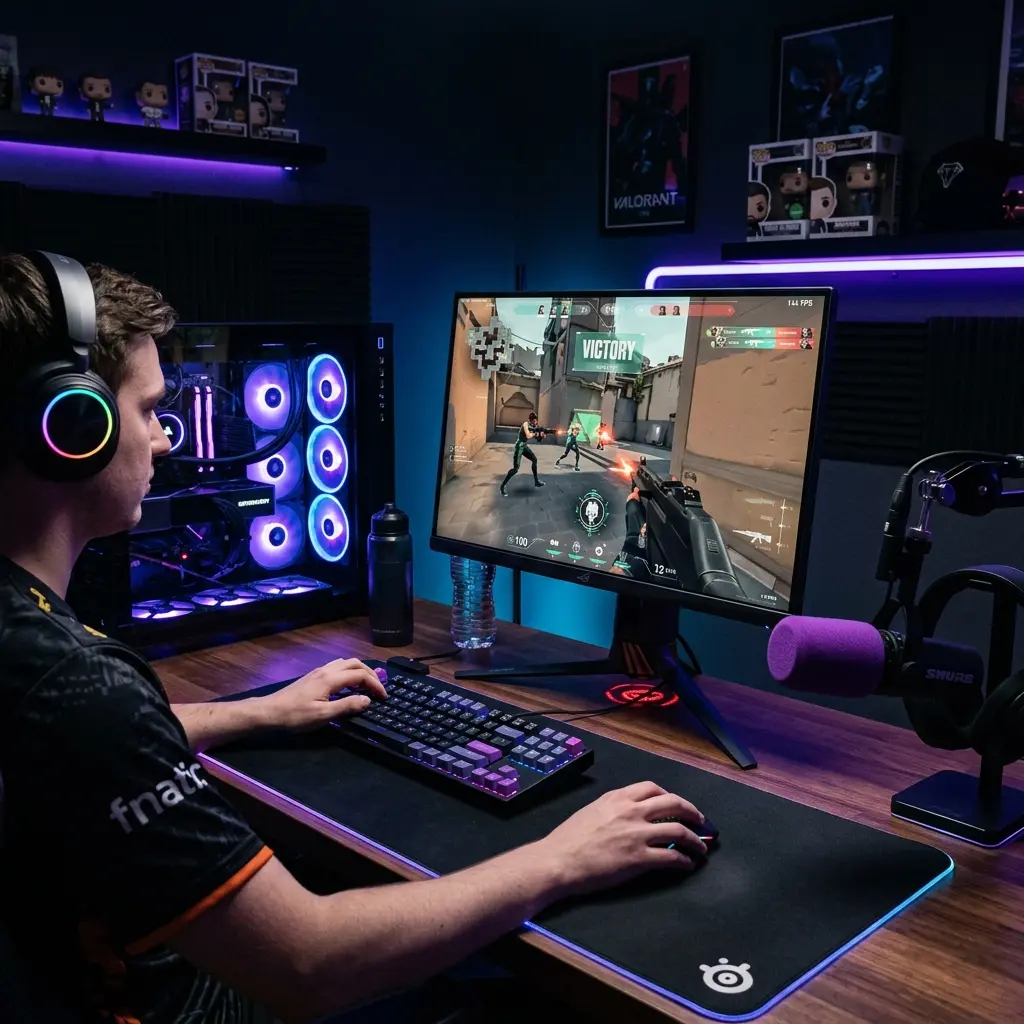
The gaming experience can vary significantly between 4K and 1440p monitors, especially regarding refresh rates and frame rates.
Many gamers prefer 1440p monitors for their higher refresh rates, which can reach up to 240Hz, allowing for smoother gameplay and reduced motion blur.
4K monitors, while impressive in resolution, often have lower refresh rates, typically maxing out around 60Hz unless high-end models are used, which can affect competitive gaming performance.
As a result, gamers must weigh the importance of resolution versus refresh rate based on their gaming style and preferences.
Content Creation and Professional Use
Professionals in content creation may find that the choice between a 4K and 1440p monitor significantly impacts their workflow and productivity.
4K monitors provide a higher pixel density, which is beneficial for tasks like video editing, where detail and clarity are paramount.
However, 1440p monitors can offer sufficient resolution for most tasks while being less demanding on hardware, making them a viable option for budget-conscious professionals.
Ultimately, the decision should be based on the specific requirements of the user's field and the type of software utilized.
Future-Proofing Considerations
Future-proofing is an essential aspect to consider when investing in a new monitor, as technology continues to evolve rapidly.
4K monitors are increasingly becoming the standard for high-end content, making them a more future-proof option for consumers looking to stay ahead.
On the other hand, 1440p monitors are still widely supported and remain a popular choice for many gamers and casual users, providing a balance of performance and price.
Ultimately, buyers should evaluate their current and anticipated future needs, including hardware compatibility and the types of content they plan to consume or create.
Connectivity Options and Compatibility
Connectivity is another factor that can influence the decision between 4K and 1440p monitors, as different models offer varying ports and capabilities.
4K monitors often come equipped with HDMI 2.0 or DisplayPort 1.4, which are necessary for achieving high resolutions and refresh rates.
Meanwhile, 1440p monitors may offer a broader range of connectivity options, including older standards that can be more compatible with legacy hardware.
Understanding the user's existing devices and future upgrade paths is crucial for ensuring seamless integration with a new monitor.
Power Consumption and Efficiency
Power consumption is an important consideration for users concerned about energy efficiency and long-term operating costs.
Generally, 4K monitors consume more power due to their higher resolution and additional features, such as HDR support.
In contrast, 1440p monitors typically require less energy, making them a more economical choice for prolonged use.
Users should factor in energy costs when making a decision, especially if the monitor will be used extensively for work or gaming.
Upgrade Path and Graphics Card Compatibility
The compatibility of a monitor with existing hardware is a crucial element for potential buyers, particularly concerning graphics cards.
4K monitors demand more powerful graphics cards to run effectively, which can necessitate an upgrade for users with older hardware.
In contrast, 1440p monitors can often run smoothly on mid-range graphics cards, making them accessible to a broader audience.
Buyers should assess their current system and consider future upgrades when selecting a monitor to ensure optimal performance.
Audio Integration and Features
When considering a monitor, audio integration is often overlooked but plays a significant role in the overall user experience.
Many 4K monitors come equipped with built-in speakers that can provide decent sound quality, though they may not match standalone audio systems.
In contrast, 1440p monitors frequently prioritize display quality over audio features, with some models lacking integrated speakers entirely.
For gamers, audio integration can enhance immersion, especially in competitive settings where sound cues are crucial.
Therefore, it's essential to evaluate whether to prioritize built-in audio features or invest in separate audio equipment based on individual needs.
Calibration and Setup
Calibration is a critical aspect of monitor performance, affecting color accuracy and overall visual quality.
4K monitors typically require more extensive calibration due to their higher pixel density, which can reveal color inaccuracies that may not be noticeable on 1440p displays.
Setting up a monitor for optimal performance often involves adjusting brightness, contrast, and color settings.
For professionals in photography or video editing, precise calibration is essential, and many 4K monitors offer advanced calibration tools or presets tailored for these tasks.
In contrast, 1440p monitors may have simpler calibration processes, making them more accessible for casual users.
Size and Viewing Distance
Monitor size and viewing distance are critical factors that influence the effectiveness of 4K and 1440p resolutions.
A larger screen allows for a more immersive experience, particularly with 4K monitors, which can showcase intricate details at closer viewing distances.
For 1440p displays, the ideal screen size often ranges from 24 to 32 inches, depending on personal preferences and workspace limitations.
Users sitting farther away from the screen may not benefit as much from the higher resolution since the pixel density becomes less noticeable.
Conversely, a 4K monitor can be more forgiving in terms of size and viewing distance, as the increased pixel density allows for sharper images even when viewed from a distance.
Cost of Ownership and Maintenance
The cost of ownership extends beyond the initial purchase price of a monitor, encompassing factors like maintenance, potential upgrades, and long-term durability.
4K monitors often come with a higher upfront cost, reflecting their advanced technology and capabilities.
Maintenance considerations can also differ; 4K monitors may require more frequent driver and firmware updates to ensure optimal performance with the latest content and software.
On the other hand, 1440p monitors are generally more budget-friendly and may incur lower overall costs in terms of maintenance and compatibility with existing hardware.
Environmental Impact and Sustainability
The environmental impact of monitors is increasingly important to consumers concerned about sustainability.
The production of electronic devices, including monitors, contributes to greenhouse gas emissions and electronic waste.
Manufacturers are beginning to adopt more sustainable practices, such as using recyclable materials and energy-efficient technologies.
When choosing between a 4K and a 1440p monitor, it is essential to consider the energy consumption and manufacturing processes of each option.
User Experience and Setup Complexity
The user experience with a monitor can significantly influence overall satisfaction, particularly regarding setup complexity.
4K monitors often have more advanced features and options, which may require a more intricate setup process compared to 1440p monitors.
While higher resolution screens can provide exceptional clarity and detail, they may also necessitate specific hardware and software configurations to function optimally.
This complexity can be daunting for users who are less tech-savvy or simply prefer a straightforward setup.
Gaming Ecosystem and Compatibility
The gaming ecosystem plays a crucial role in determining the optimal monitor choice.
For 4K monitors, the gaming experience is heavily contingent on high-end graphics cards capable of delivering the necessary frame rates and resolutions.
On the other hand, 1440p monitors strike a balance between performance and visual fidelity.
Many mid-range graphics cards can handle 1440p gaming with ease, resulting in higher frame rates and a more responsive gaming experience.
Moreover, compatibility with various gaming consoles can also influence the decision.
Impact on Workflow and Productivity
The choice between 4K and 1440p monitors can significantly impact workflow and productivity, especially for professionals who rely on high-resolution displays.
A 4K monitor provides ample screen real estate, enabling users to view multiple applications simultaneously without sacrificing clarity.
This can be particularly beneficial for tasks such as video editing, graphic design, and software development, where detail and accuracy are paramount.
In contrast, 1440p monitors offer a balance of clarity and performance.
While they may not provide the same pixel density as 4K displays, they still deliver sharp images and text, making them suitable for general productivity tasks.
Latency and Input Lag Considerations
Latency and input lag are critical factors that can significantly influence the user experience, especially in gaming and professional applications. Input lag refers to the delay between a user's action, such as pressing a button or moving a mouse, and the corresponding visual response on the screen.
For 4K monitors, the high pixel count often results in increased processing time, which can introduce latency. Many 4K displays employ advanced processing techniques to upscale content, but this can add additional milliseconds to input lag, making it crucial for competitive gamers to evaluate specifications carefully.
On the other hand, 1440p monitors typically have lower resolution and fewer pixels to process, which can result in reduced latency. The lower pixel density allows for quicker response times and, in many cases, a more responsive feel during fast-paced gaming scenarios.
Testing input lag can be accomplished using specialized tools such as a high-speed camera or dedicated input lag testers. For example, using a camera that can capture at 240 frames per second can help measure the time between a button press and the on-screen reaction, providing quantifiable data that can guide purchase decisions.
Color Depth and Bit Depth Analysis
Color depth and bit depth are crucial components in the overall visual fidelity of a monitor. Color depth refers to the number of bits used to represent the color of a single pixel, while bit depth determines how many distinct colors can be displayed.
4K monitors typically support higher bit depths, often up to 10-bit or even 12-bit, which allows for smoother gradients and more accurate color representation. This is particularly beneficial for content creators working in video editing or graphic design, as it reduces banding and improves the overall dynamic range.
In contrast, many 1440p monitors may be limited to 8-bit color, which can restrict the color palette and potentially lead to visible banding in scenes with subtle color transitions. Although some 1440p models offer advanced color technologies like HDR, the inherent limitations of lower bit depth can still affect the overall visual experience.
Evaluating color depth can involve using software tools like DisplayCAL or CalMAN to analyze the monitor's capabilities. By assessing the monitor's output against color standards, users can determine if the display meets their requirements for professional-grade work or high-end gaming.
Frequently Asked Questions
What is the main advantage of a 4K monitor?
The primary advantage of a 4K monitor is its superior resolution, providing a sharper and more detailed image for various applications.
Are 1440p monitors better for gaming?
Yes, 1440p monitors often offer higher refresh rates, which can enhance the gaming experience, especially in competitive scenarios.
Can a mid-range graphics card handle 4K gaming?
Most mid-range graphics cards struggle with 4K gaming, often resulting in lower frame rates and compromised visual quality.
What should be considered for eye comfort?
Monitor size, resolution, and adjustable setups play a crucial role in maintaining visual comfort during extended use.
Which brands are recommended for quality monitors?
Brands like ASUS, Dell, and LG are highly regarded for their quality and performance across both 4K and 1440p monitors.